How to Extend Press Brake Machine Life with Routine Maintenance: The Ultimate Guide


The Critical Importance of Press Brake Maintenance
In the high-stakes world of metal fabrication, the press brake is often the centerpiece of production. Whether you are operating a high-end HARSLE CNC model or a traditional hydraulic machine, the longevity of your equipment directly correlates with your bottom line. To extend press brake machine life routine maintenance is not merely a suggestion; it is a fundamental operational requirement. A well-maintained machine ensures consistent bending accuracy, reduces the risk of catastrophic failure, and maintains a high resale value over decades of service.
Neglecting routine checks leads to a domino effect of mechanical issues. Small leaks in the hydraulic system can lead to pressure drops, which in turn cause inaccuracies in bend angles. Dust accumulation in electrical cabinets can cause short circuits, leading to expensive PLC replacements. By implementing a rigorous maintenance strategy, fabricators can avoid the ’emergency repair’ trap, where the cost of downtime often far exceeds the cost of the repair itself. This guide provides a deep dive into the technical requirements for keeping your press brake in peak condition.
Furthermore, safety is a paramount concern. A machine that is not properly maintained poses a significant risk to the operator. Worn-out safety curtains, unresponsive emergency stops, or leaking high-pressure hoses are accidents waiting to happen. Routine maintenance ensures that all safety protocols and hardware are functioning as intended, protecting your most valuable asset: your personnel. In the following sections, we will break down the specific steps required to ensure your press brake remains a reliable workhorse for years to come.
Daily Inspection: The First Line of Defense
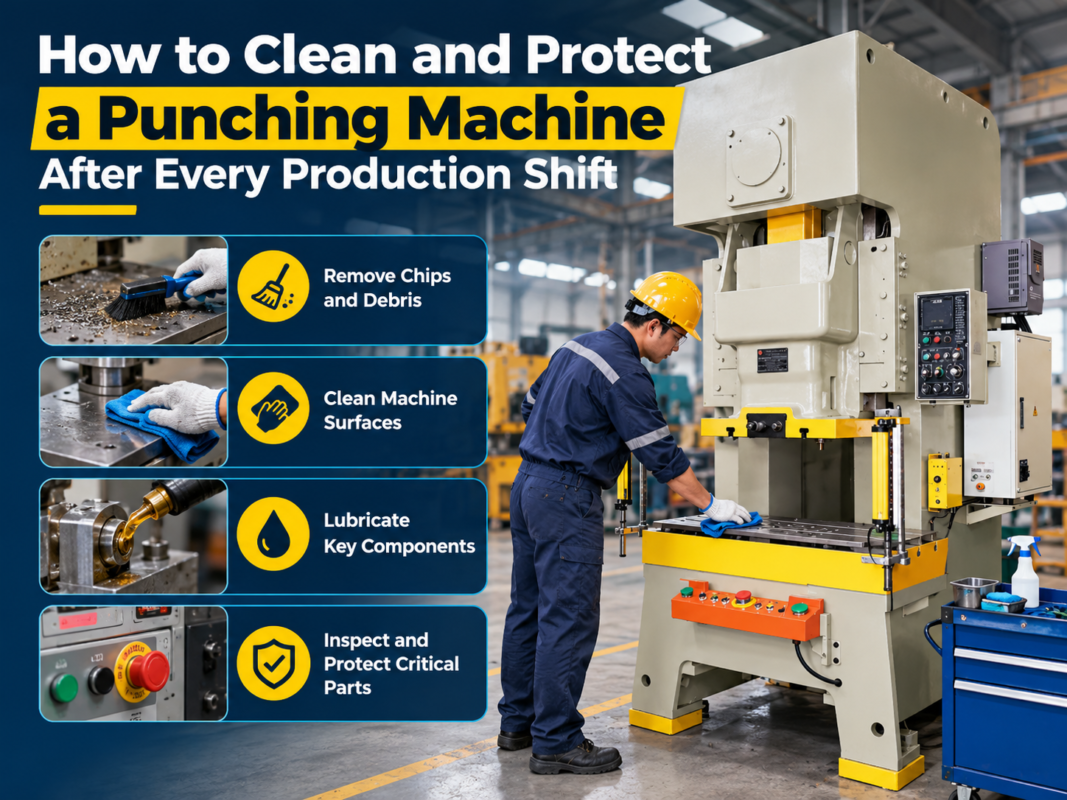
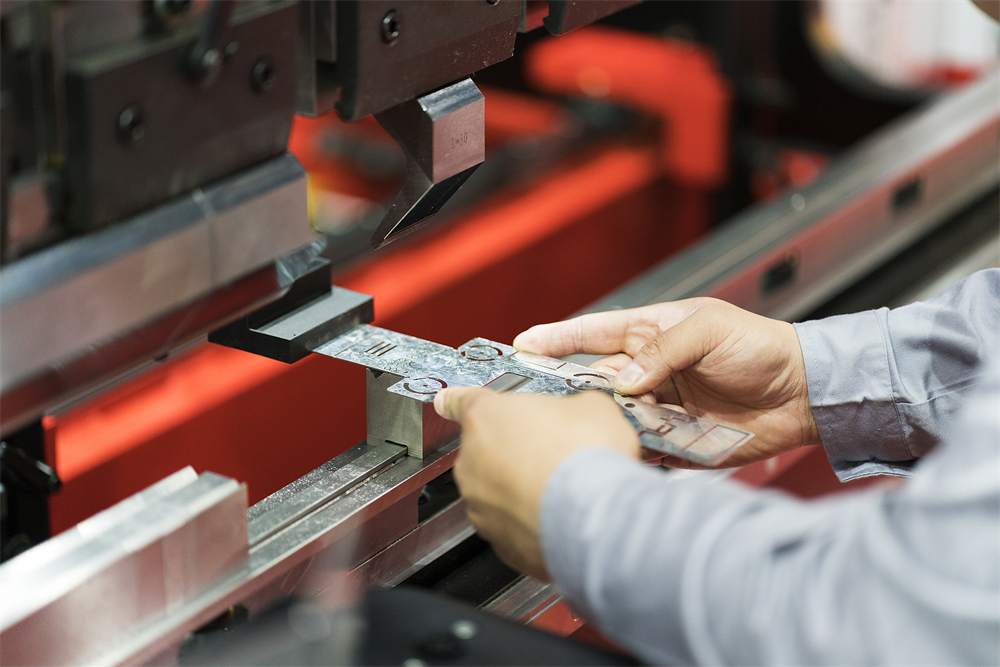
The daily inspection is the most effective way to extend press brake machine life routine maintenance. This process should take no more than 15 to 20 minutes at the start of every shift but can save hundreds of hours in lost productivity. The goal is to identify ‘abnormalities’ before they become ‘failures.’ Operators should be trained to use their senses—sight, sound, and smell—to detect issues such as unusual vibrations, the smell of burning electronics, or the sight of hydraulic fluid on the floor.
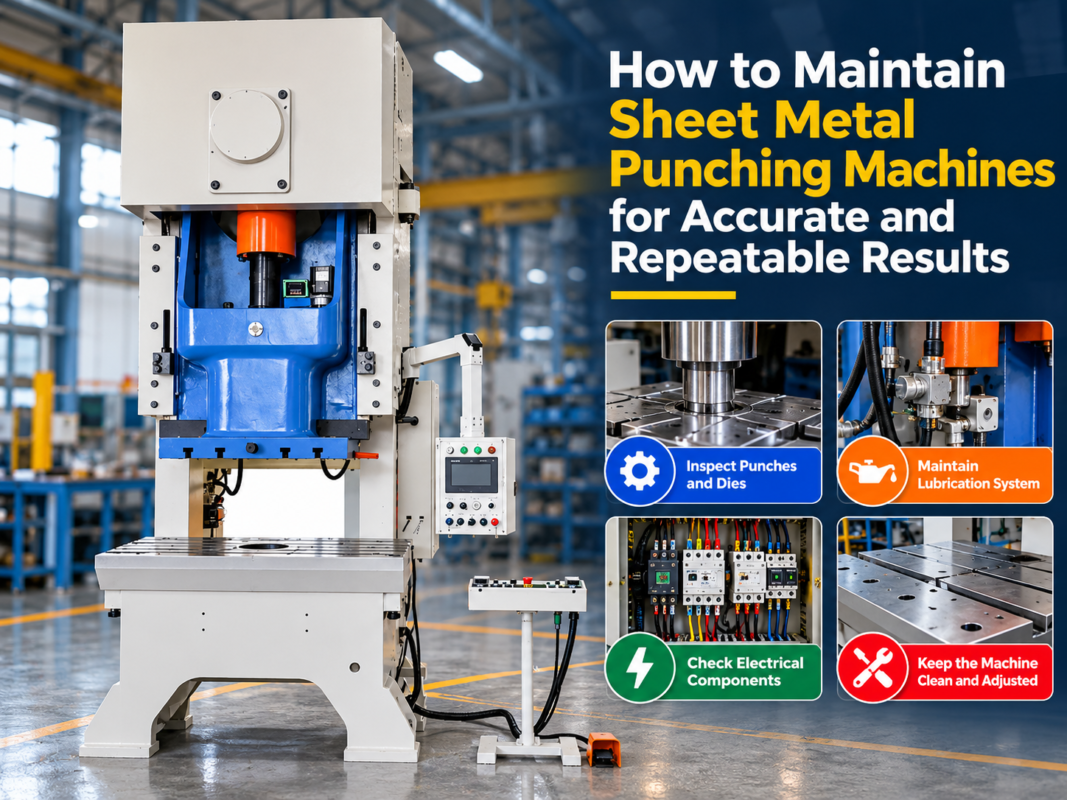
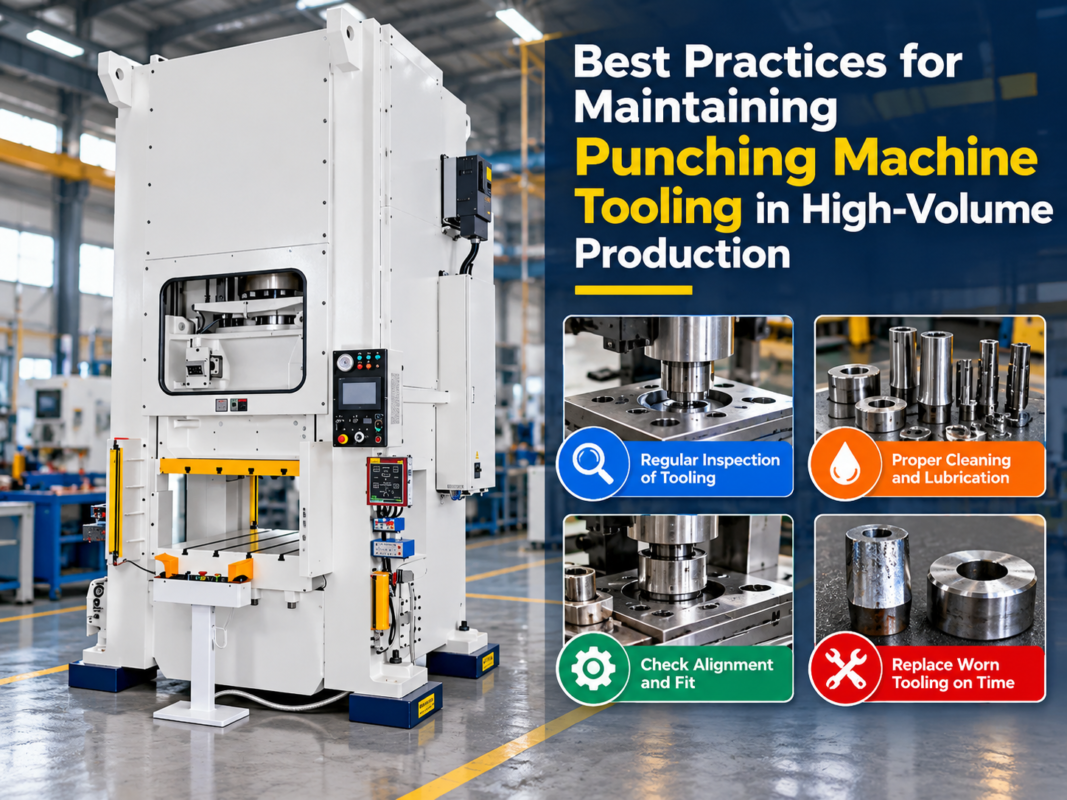
Start with a comprehensive visual walk-around. Check the work area for any obstructions or debris that could interfere with the backgauge movement or the ram’s stroke. Inspect the tooling—the punches and dies—for any signs of cracking, chipping, or excessive wear. Using damaged tooling not only ruins the workpiece but also puts uneven stress on the machine’s hydraulic cylinders and ram, leading to premature wear of the internal seals.
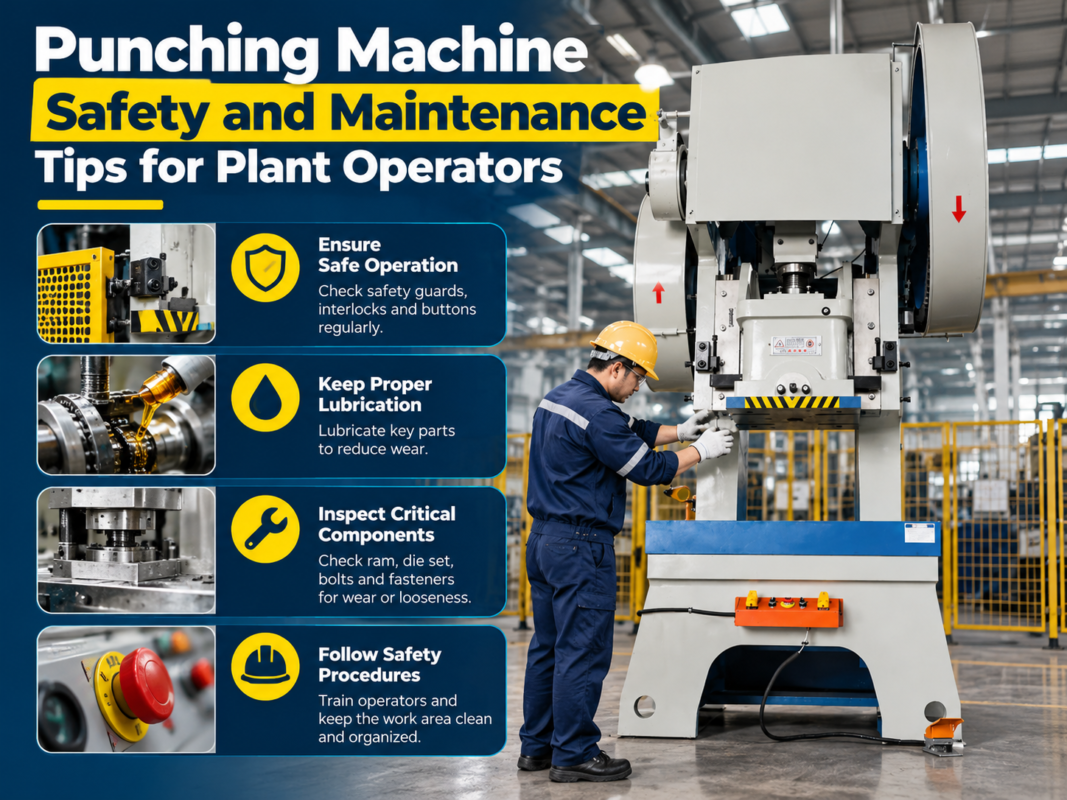
Next, verify the functionality of all safety devices. This includes the light curtains, laser guards, and the foot pedal’s emergency release. If the machine features a dual-hand control, ensure both buttons must be pressed simultaneously to initiate the stroke. A press brake with faulty safety equipment should never be operated. Finally, check the oil level in the hydraulic reservoir. If the level is low, it may indicate a slow leak that needs immediate attention before the pump begins to cavitate, which can cause permanent damage to the hydraulic system.
Hydraulic System Maintenance: The Heart of the Machine
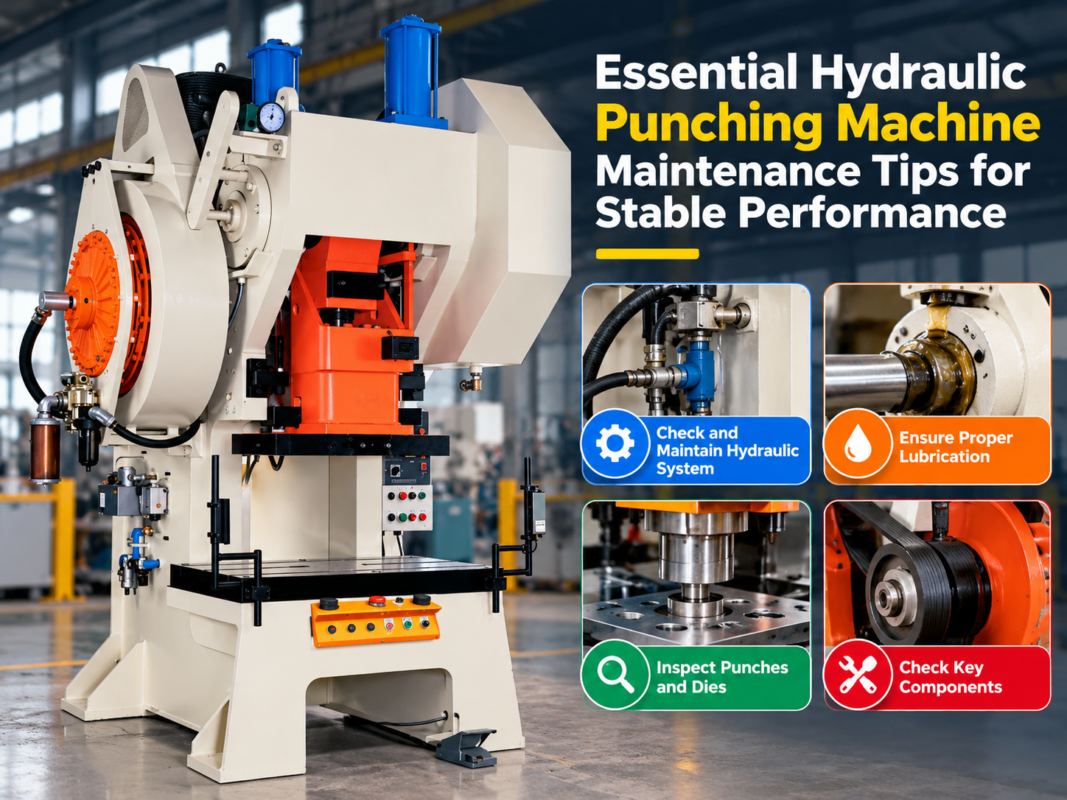
The hydraulic system is the lifeblood of a press brake. To extend press brake machine life routine maintenance, one must prioritize the cleanliness and temperature of the hydraulic fluid. Contamination is the leading cause of hydraulic component failure. Microscopic particles of metal, dust, and moisture can abrade valve seats, clog filters, and score cylinder walls. It is recommended to change the hydraulic oil every 2,000 to 4,000 hours of operation, or at least once a year, depending on the environment.
Monitoring the oil temperature is equally critical. Most modern press brakes, including HARSLE models, are designed to operate within a specific temperature range (usually 30°C to 50°C). If the oil becomes too hot, its viscosity drops, leading to poor lubrication and increased wear on the pump. Excessive heat also causes seals to harden and crack. Ensure that the oil cooling system—whether it is an air-cooled heat exchanger or a water-cooled system—is clean and functioning. Check the cooling fans for dust buildup and ensure there is adequate airflow around the hydraulic unit.
In addition to oil quality, the integrity of the hoses and fittings must be checked monthly. Look for ‘weeping’ at the connections or any bulging in the high-pressure hoses. A burst hydraulic hose is not only a maintenance nightmare but a severe safety hazard. Ensure that all bolts on the pump and motor mounting are tight, as vibration can lead to loosened connections over time. If your machine uses a nitrogen-charged accumulator, check the pre-charge pressure periodically to ensure smooth ram movement and shock absorption during the bending cycle.
Electrical and Control System Checks
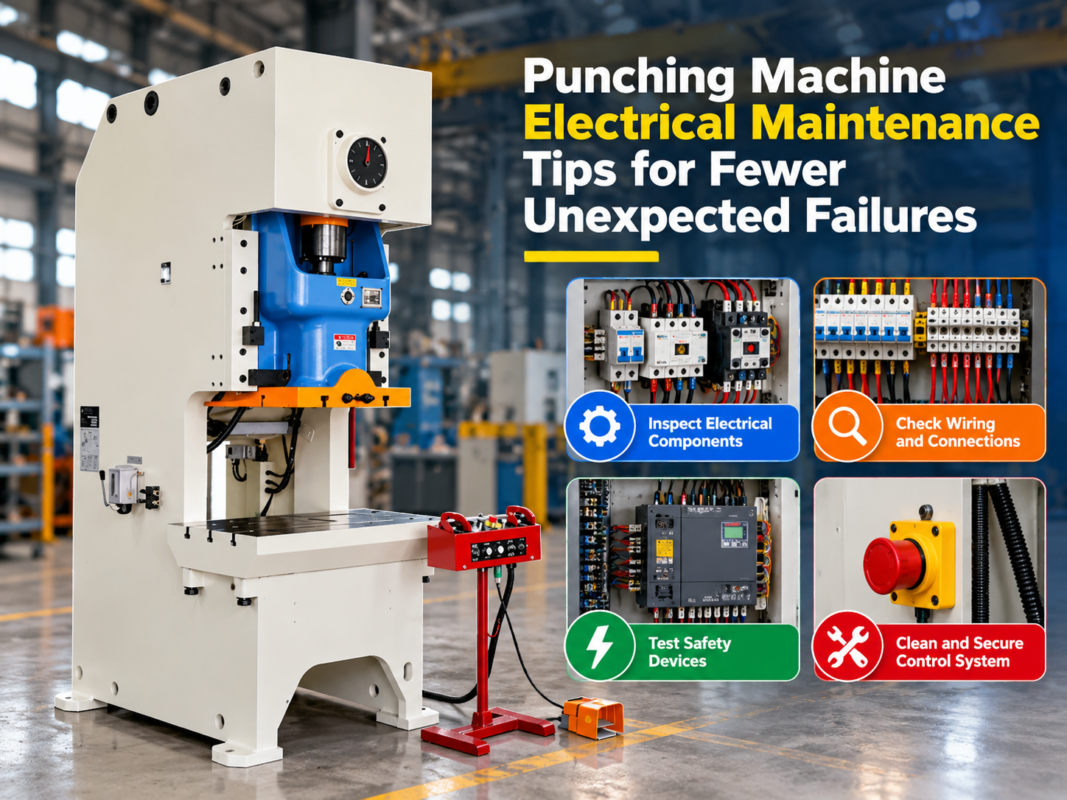
The electrical cabinet of a CNC press brake is a sensitive environment. In a metal fabrication shop, the air is often filled with conductive metallic dust. If this dust enters the electrical cabinet, it can cause short circuits on the PCB boards or the PLC. To extend press brake machine life routine maintenance, the electrical cabinet should be vacuumed (never blown with compressed air, which pushes dust deeper into components) every three to six months. Ensure that the cabinet door seals are intact to prevent further ingress of contaminants.
Check all electrical connections for tightness. Thermal cycling—the heating and cooling of wires during operation—can cause screw terminals to loosen over time. Loose connections lead to increased resistance, which generates heat and can eventually melt the wire insulation or damage the terminal block. Pay special attention to the high-current connections for the main motor and the servo drives. Additionally, inspect the cooling fans within the cabinet; if a fan fails, the drives can overheat and shut down the machine to prevent damage, causing unplanned downtime.
Software and parameters also require attention. Periodically back up the machine’s parameters and programs to an external drive. In the event of a PLC battery failure or a power surge, having a backup can save days of reconfiguration. If your HARSLE machine is equipped with a CNC controller, ensure the screen is cleaned with appropriate non-abrasive cleaners and that the buttons or touchscreen interface are responsive. Check the grounding of the machine to ensure there is no electrical interference affecting the precision of the linear scales or the backgauge encoders.
Mechanical Components and Alignment
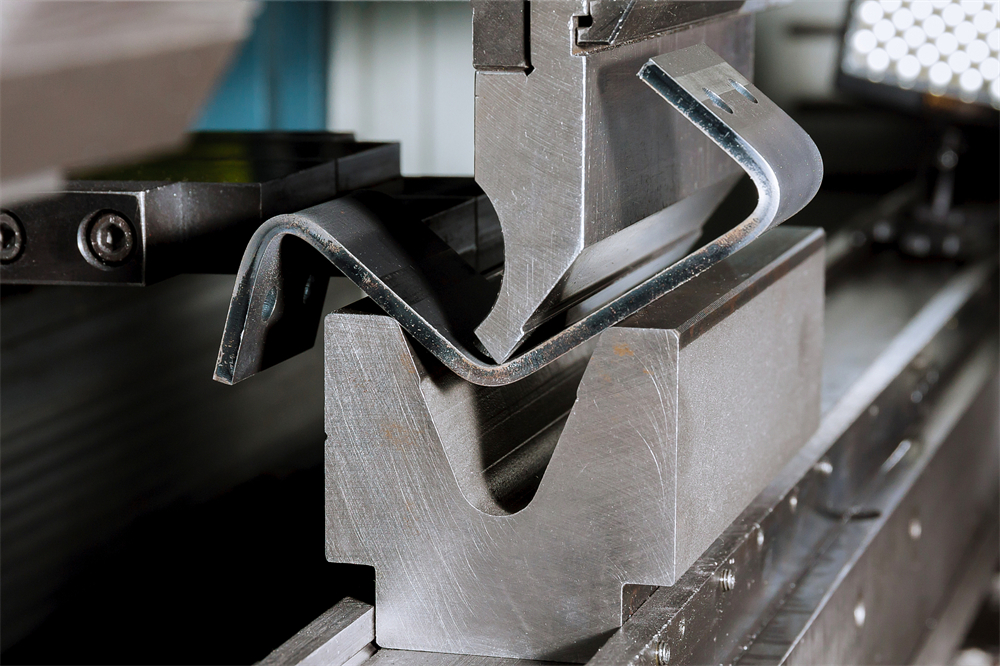
The mechanical precision of a press brake is what allows for tight tolerances in sheet metal work. The backgauge system, consisting of ball screws, linear guides, and servo motors, must be kept clean and lubricated. Any buildup of ‘mill scale’ or dust on the ball screws will act as an abrasive, quickly wearing down the nut and leading to backlash. To extend press brake machine life routine maintenance, wipe down the linear rails weekly and apply a light coat of the manufacturer-recommended lubricant.
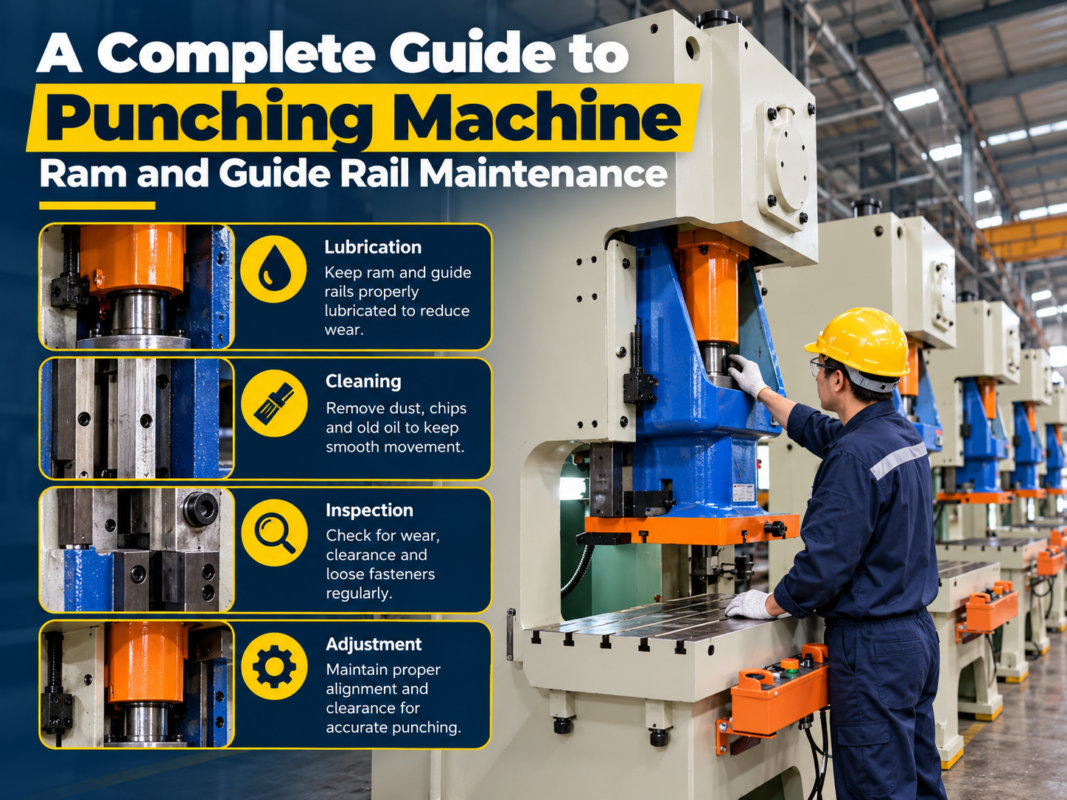
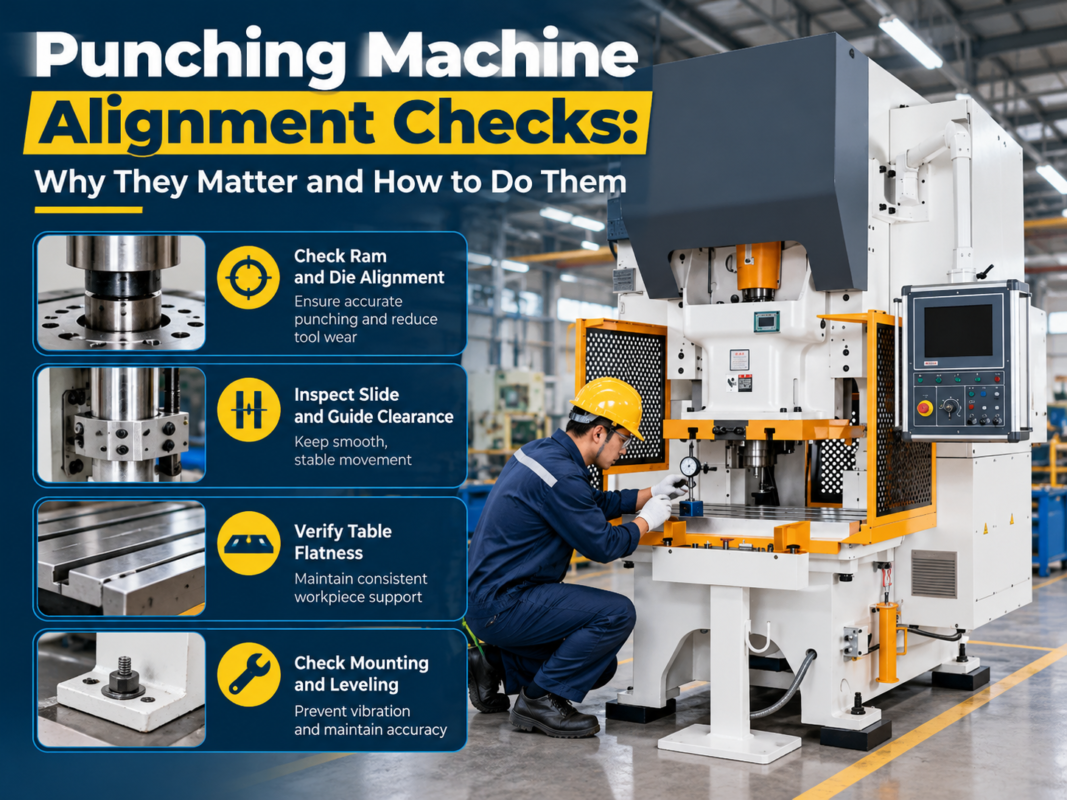
Ram alignment and gib adjustment are also vital. The gibs are the guiding surfaces that ensure the ram moves vertically without side-to-side play. Over years of use, these surfaces can wear. Check for excessive clearance in the gibs; if the ram can ‘rock,’ your bending accuracy will suffer, and the hydraulic seals will be subjected to uneven loading. Most machines allow for gib adjustment to take up this wear. However, this should be done by a trained technician to ensure the ram remains perfectly parallel to the bed.
Don’t forget the foundation. A press brake must be perfectly level to function correctly. Over time, factory floors can settle, or the vibration of the machine can cause it to shift. Use a precision level to check the bed of the machine every six months. An unlevel machine puts twisting forces on the frame, which can lead to structural cracks in extreme cases. Ensure all anchor bolts are tightened to the specified torque to maintain the structural integrity of the machine frame during high-tonnage bends.
Comprehensive Lubrication Plan
Lubrication is the simplest yet most frequently overlooked aspect of maintenance. A proper lubrication plan is essential to extend press brake machine life routine maintenance. Different parts of the machine require different types of lubricants. For example, the high-pressure pivot points on a mechanical linkage might require a heavy-duty grease with molybdenum disulfide, while the high-speed ball screws on the backgauge require a lighter, cleaner grease or oil.
If your press brake is equipped with an automatic lubrication system, your primary task is to ensure the reservoir is full and the pump is functioning. However, do not assume the system is working perfectly. Periodically check the ‘end-of-line’ lubrication points to ensure the grease is actually reaching its destination. Clogged lines are common, especially in colder environments where grease can thicken. For machines requiring manual lubrication, create a chart that identifies every grease nipple and the frequency of service required.
Over-lubrication can be just as detrimental as under-lubrication. Excess grease attracts dust and grit, creating a grinding paste that accelerates wear. It can also drip onto the workpiece or the floor, creating safety hazards. The goal is to maintain a thin, consistent film of lubricant on all moving surfaces. Always wipe away old, dirty grease before applying new lubricant to prevent pushing contaminants into the bearing surfaces.
Troubleshooting Signals: What to Listen For
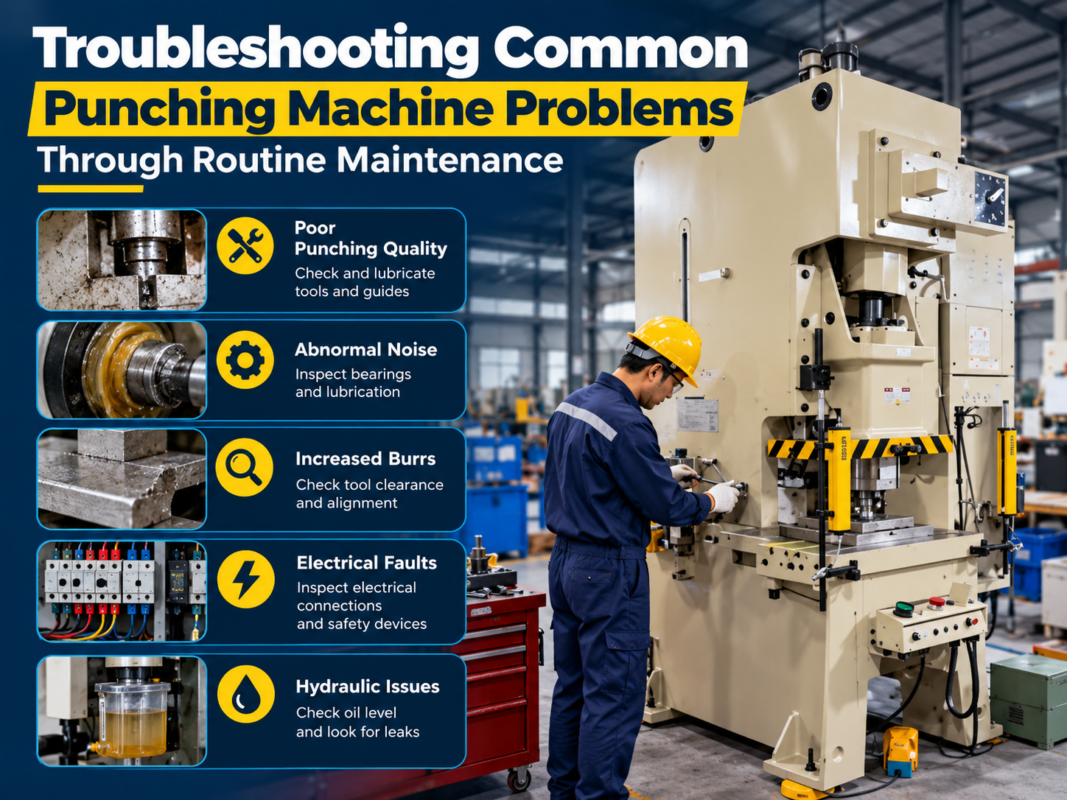
Experienced operators often ‘hear’ a problem before they see it. To extend press brake machine life routine maintenance, you must be proactive in responding to these signals. A high-pitched squeal from the hydraulic pump often indicates cavitation, which occurs when air enters the system or the suction filter is clogged. If left unaddressed, cavitation will destroy the pump in a matter of hours. A ‘knocking’ sound during the bending cycle could indicate a loose mounting bolt or a failing bearing in the main drive.
Vibration is another key indicator. While some vibration is normal during high-tonnage operations, excessive or new vibrations should be investigated. It could be a sign of an unbalanced motor, a failing coupling, or issues with the hydraulic valves. Heat is also a diagnostic tool. Use an infrared thermometer to check the temperature of the hydraulic valves and motors. If one valve is significantly hotter than the others, it may be bypassing internally, indicating a worn seal or a stuck spool.
Finally, pay attention to the quality of the parts being produced. If the bend angle begins to drift or the backgauge dimensions are inconsistent, it is a clear signal that the machine’s mechanical or hydraulic systems require maintenance. Don’t wait for the machine to stop running; these early warning signs are your opportunity to perform ‘predictive maintenance’ and avoid the high costs of emergency repairs.
Maintenance Schedule Table
Use the following table as a baseline for your HARSLE press brake maintenance program. Adjust the frequency based on your specific shift patterns and environmental conditions.
| Frequency | Component | Action Required |
|---|---|---|
| Daily | Safety Systems | Test light curtains, E-stops, and foot pedal functionality. |
| Daily | Hydraulic Level | Check sight glass; top up with ISO 46/68 oil if necessary. |
| Daily | Tooling | Clean punches and dies; check for cracks or deformations. |
| Weekly | Backgauge | Clean and lightly lubricate ball screws and linear guides. |
| Weekly | Machine Bed | Remove all scale and debris from the work area. |
| Monthly | Hydraulic Hoses | Inspect for leaks, cracks, or bulging; tighten fittings. |
| Monthly | Air Filters | Clean or replace filters on the electrical cabinet and oil cooler. |
| Quarterly | Electrical Cabinet | Vacuum dust; check for loose wire terminals. |
| Quarterly | Gibs / Guides | Check for play in the ram; adjust gibs if necessary. |
| Annually | Hydraulic Oil | Complete oil change and replace all hydraulic filters. |
| Annually | Leveling | Verify the machine is level using a precision spirit level. |
Frequently Asked Questions (FAQ)
How often should I change the hydraulic oil in my press brake?
For most industrial applications, the hydraulic oil should be changed every 2,000 to 4,000 operating hours. However, if the machine operates in a very dusty or hot environment, you should perform an oil analysis every six months and change it if the viscosity or contamination levels exceed the manufacturer’s specifications.
Can I use any type of grease for the backgauge?
No. You should always use the lubricant specified in your HARSLE manual. Using a heavy chassis grease on high-precision ball screws can increase friction and cause the servo motors to overheat. Typically, a lithium-based grease with a specific NLGI grade is required.
Why is my press brake losing its bend accuracy?
Loss of accuracy is usually caused by one of three things: worn tooling, air in the hydraulic system, or mechanical wear in the gibs or backgauge. Start by checking the tooling and then move to the hydraulic system to ensure consistent pressure is being applied to both cylinders.
What is the best way to clean the electrical cabinet?
The best way is to use a vacuum cleaner with a non-conductive nozzle. Never use compressed air, as it can blow metallic dust into the sensitive components of the PLC or servo drives, causing a short circuit. Ensure the power is completely disconnected before cleaning.
How do I know if my hydraulic pump is failing?
Common signs of pump failure include increased noise (whining or grinding), excessive heat in the pump body, and a noticeable drop in the speed of the ram. If you notice these symptoms, check the suction filter first; if the filter is clean, the pump may need a professional inspection or replacement.
Conclusion: The Long-Term Benefits of Diligence
To extend press brake machine life routine maintenance is an investment in the future of your fabrication business. By following the steps outlined in this guide—from daily visual inspections to annual hydraulic overhauls—you ensure that your HARSLE equipment remains a high-precision tool for decades. The discipline required to maintain a machine pays off in the form of reduced downtime, lower repair costs, and a safer working environment for your team.
Remember that maintenance is a partnership between the operator and the management. Operators must be empowered to report issues immediately, and management must provide the time and resources necessary to perform these checks. In the competitive world of metalworking, the shop with the most reliable machinery is the shop that wins. Keep your press brake clean, lubricated, and properly adjusted, and it will continue to deliver the precision and power your projects demand.