Common Press Brake Problems Caused by Poor Maintenance and How to Avoid Them


Introduction to Press Brake Reliability and Maintenance
In the high-stakes world of metal fabrication, the press brake stands as a cornerstone of production. Whether you are operating a high-end HARSLE CNC model or a traditional hydraulic unit, the precision of your bends and the efficiency of your workflow depend entirely on the health of your machinery. However, many shops fall into the trap of reactive maintenance—only fixing the machine when it breaks down. This approach is a recipe for disaster, leading to Common Press Brake Problems Caused By Poor Maintenance Avoid Them by implementing a proactive strategy.
Neglecting routine care doesn’t just lead to a single failure; it creates a domino effect of mechanical, hydraulic, and electrical issues that can compromise the safety of your operators and the quality of your finished products. A well-maintained press brake can last for decades, providing consistent tonnage and micron-level accuracy. Conversely, a neglected machine will suffer from premature wear, leading to expensive part replacements and lost revenue due to unplanned downtime. In this comprehensive guide, we will explore the specific failures that arise from poor upkeep and provide a roadmap for maintaining your equipment at peak performance.
The Critical Importance of Preventative Maintenance
Preventative maintenance is the practice of performing regularly scheduled inspections and servicing to prevent equipment failure before it occurs. For press brakes, this is particularly vital because of the extreme pressures involved in bending metal. When a machine is neglected, the internal components are subjected to unnecessary stress, which accelerates the degradation of seals, bearings, and structural elements. By understanding the importance of maintenance, shop managers can transition from a state of constant fire-fighting to a streamlined, predictable production schedule.
One of the primary benefits of a rigorous maintenance plan is the preservation of accuracy. Press brakes rely on precise synchronization between the hydraulic cylinders and the CNC system. Even a minor accumulation of dust on a linear scale or a slight drop in hydraulic pressure can result in inconsistent bend angles. For industries like aerospace or medical device manufacturing, where tolerances are razor-thin, these inconsistencies can lead to entire batches of scrap metal, significantly impacting the bottom line.
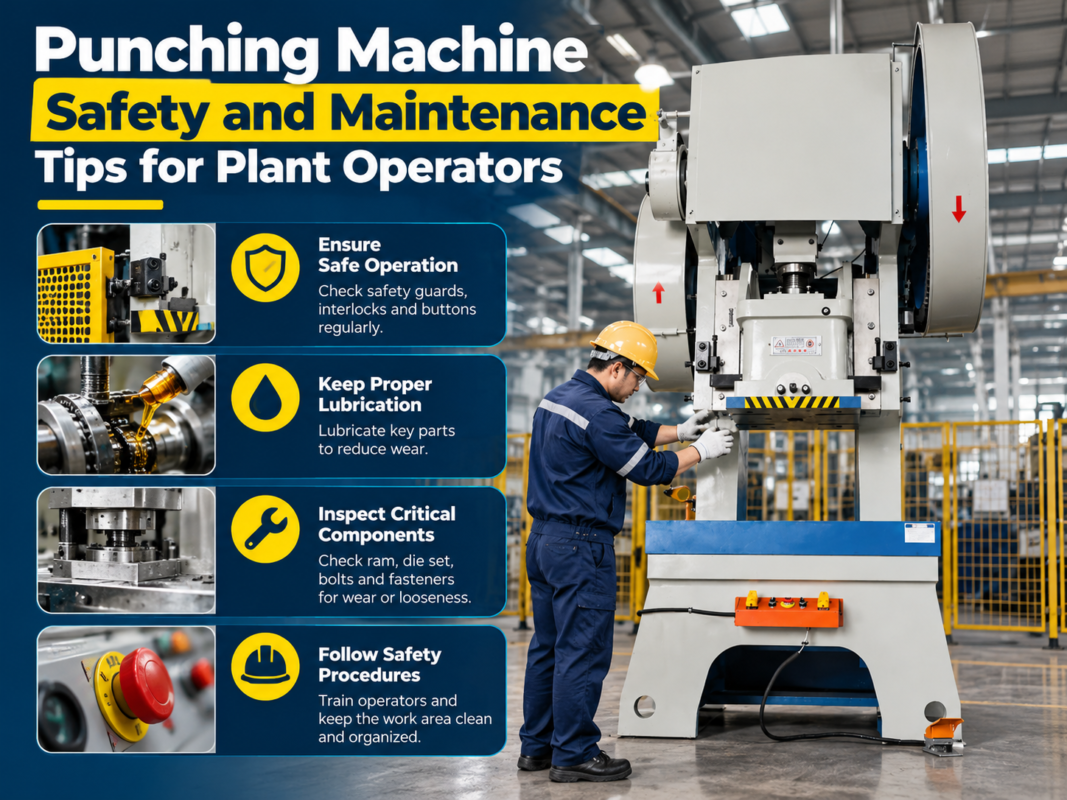
Furthermore, safety is a paramount concern. A press brake that is not properly maintained poses a significant risk to the operator. Worn-out safety light curtains, leaking hydraulic fluid (which creates slip hazards), or faulty emergency stop buttons are all direct results of poor maintenance. Ensuring that every safety feature is functional is not just a regulatory requirement; it is a moral obligation to the workforce. Investing time in maintenance today prevents catastrophic accidents tomorrow.
Daily Inspection: The First Line of Defense
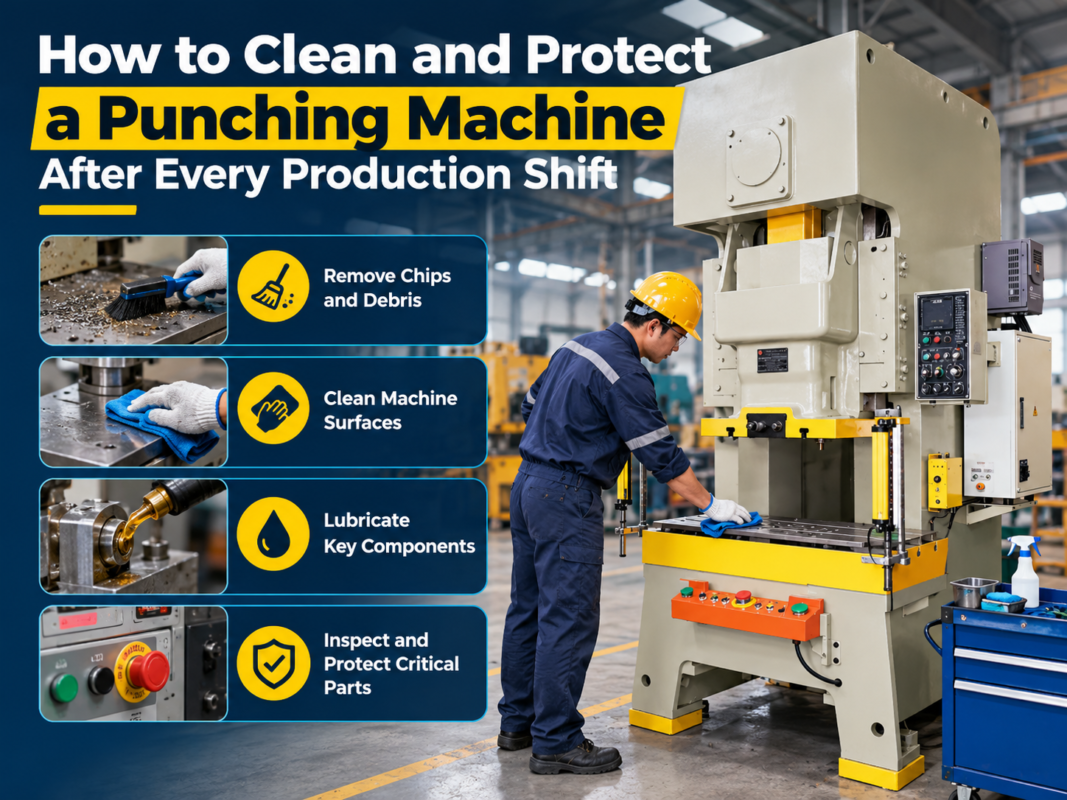
The most effective way to avoid Common Press Brake Problems Caused By Poor Maintenance Avoid Them is to establish a daily inspection routine. This should be the first task performed by the operator at the start of every shift. A daily check takes less than fifteen minutes but can save thousands of dollars in repairs. The goal is to identify minor issues before they escalate into major failures.
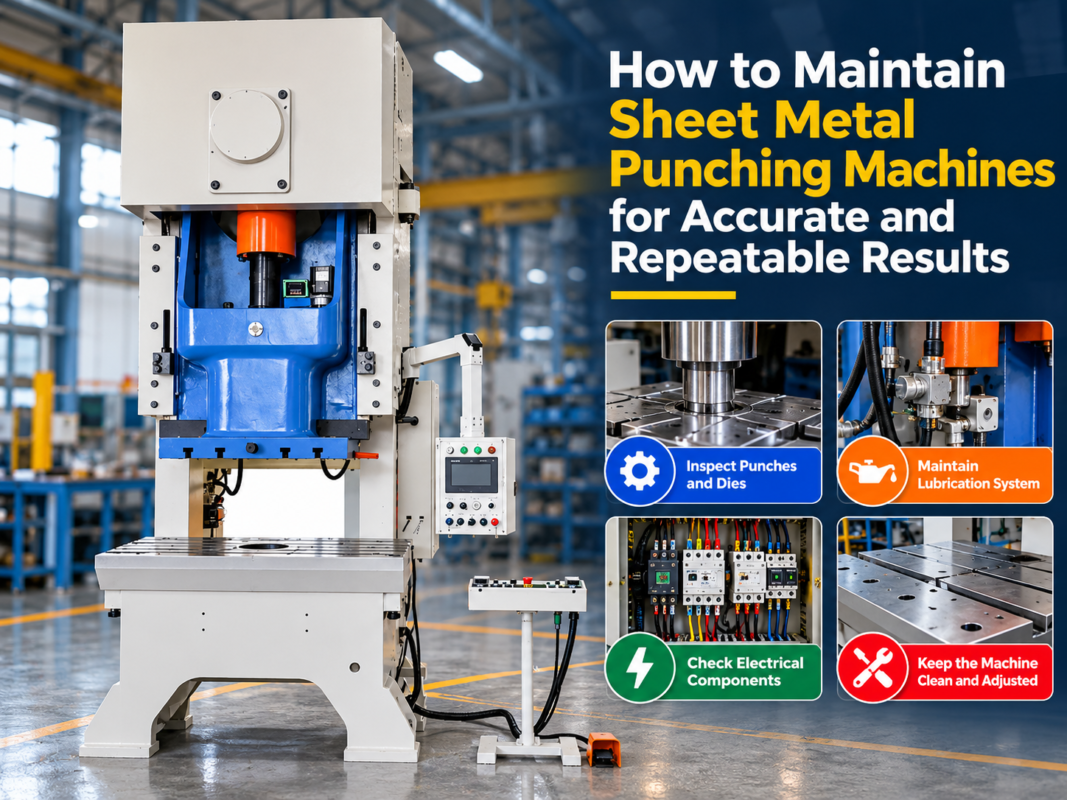
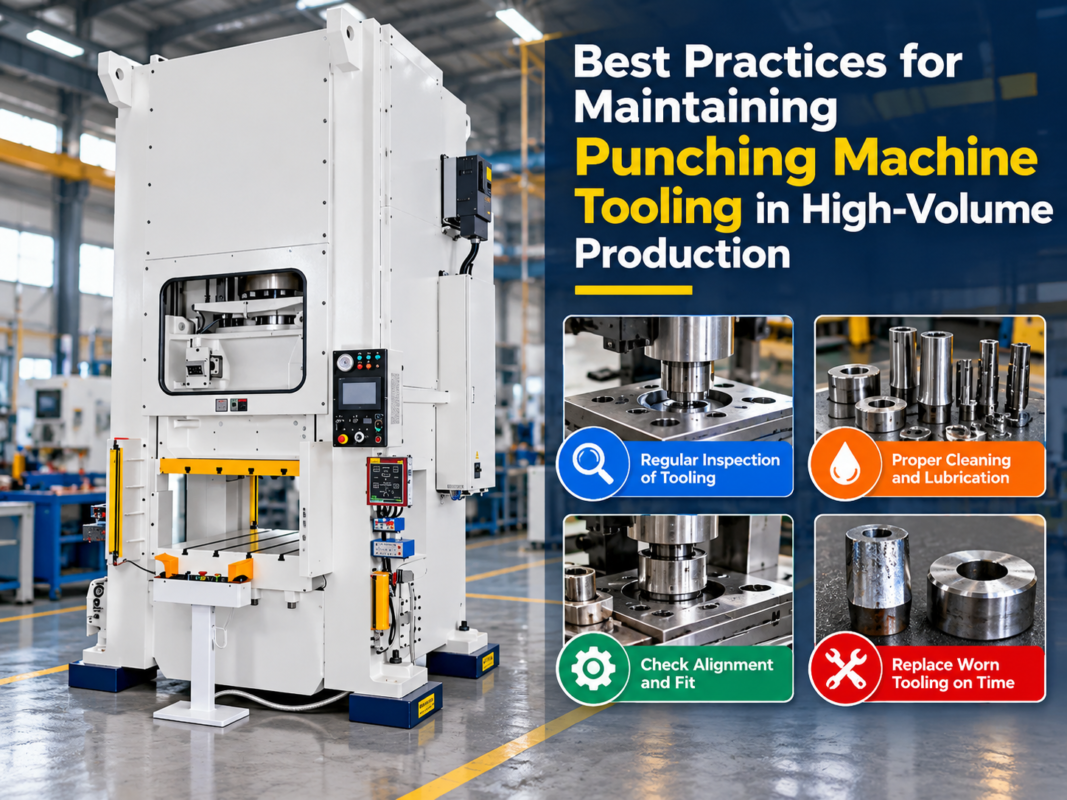
Start with a visual sweep of the machine. Look for any signs of hydraulic oil leaks around the cylinders, valves, and hoses. Even a small damp spot can indicate a failing seal that could lead to a loss of pressure during a critical bend. Next, inspect the tooling. Ensure that the punches and dies are clean and free of metal shavings or debris. Debris trapped between the tool and the workpiece can cause “pitting” or surface damage to the finished part and can even damage the tool holders over time.
Check the hydraulic oil level via the sight glass. Operating a press brake with low oil levels can introduce air into the system, causing cavitation in the pump and erratic ram movement. Additionally, verify that the cooling fans on the electrical cabinet are functioning. Overheating is a silent killer of CNC components. Finally, test the safety systems, including the light curtains and foot pedals, to ensure they respond instantly to interruptions. If any safety feature is sluggish or unresponsive, the machine should be locked out immediately.
Hydraulic System Checks: Preventing Pressure Loss and Contamination
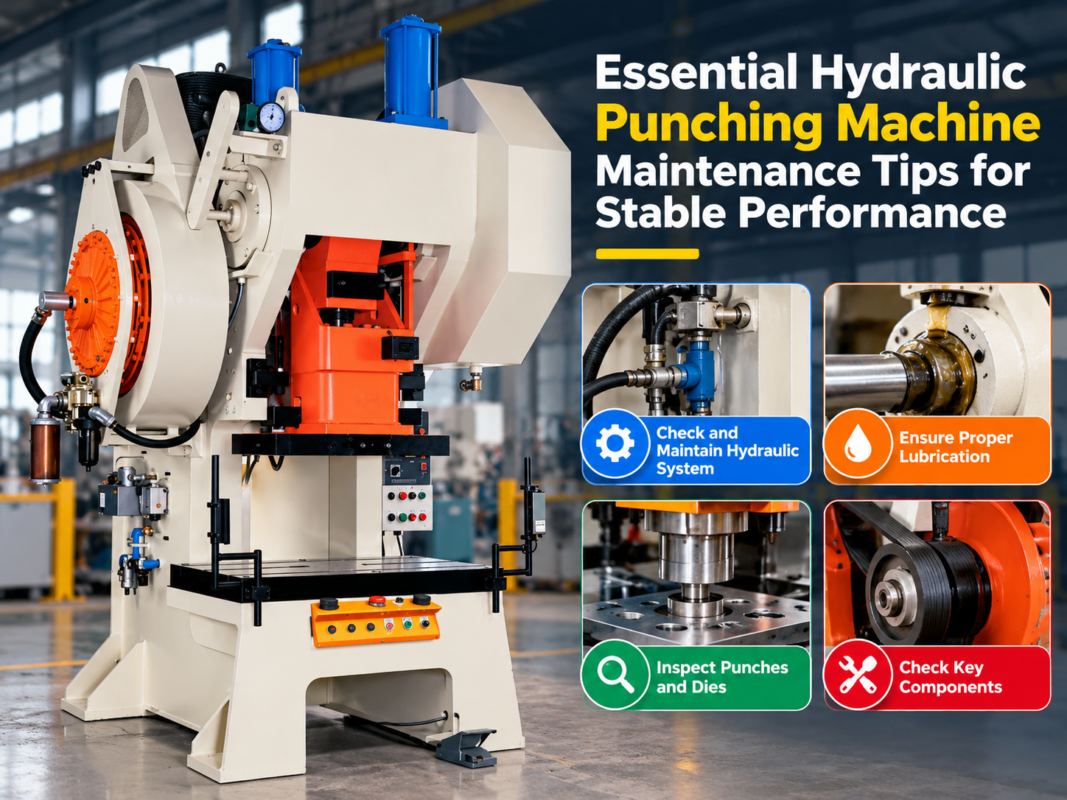
The hydraulic system is the heart of the press brake, providing the force necessary to deform heavy plate steel. Consequently, it is also the source of many Common Press Brake Problems Caused By Poor Maintenance Avoid Them. The most frequent issue is oil contamination. Over time, hydraulic fluid breaks down and becomes contaminated with microscopic metal particles, dust, and moisture. This contaminated oil acts like sandpaper, grinding away at the precision-machined surfaces of the valves and pumps.
To avoid these problems, it is essential to follow a strict filter replacement schedule. Most modern HARSLE press brakes are equipped with contamination indicators on the filter housing. Do not wait for the indicator to turn red; replace filters according to the manufacturer’s recommended hours of operation. Additionally, the hydraulic oil itself should be sampled and analyzed annually. An oil analysis can reveal the presence of internal wear particles, allowing you to identify a failing component before it actually breaks.
Temperature control is another critical factor. Hydraulic oil is designed to operate within a specific temperature range, typically between 100°F and 130°F. If the oil becomes too hot, its viscosity drops, leading to internal leakage and reduced bending force. Overheating is often caused by dirty oil coolers or blocked air vents. Regularly cleaning the heat exchanger and ensuring adequate airflow around the machine will prevent thermal degradation of the oil and extend the life of your seals and O-rings.
Electrical and CNC System Maintenance
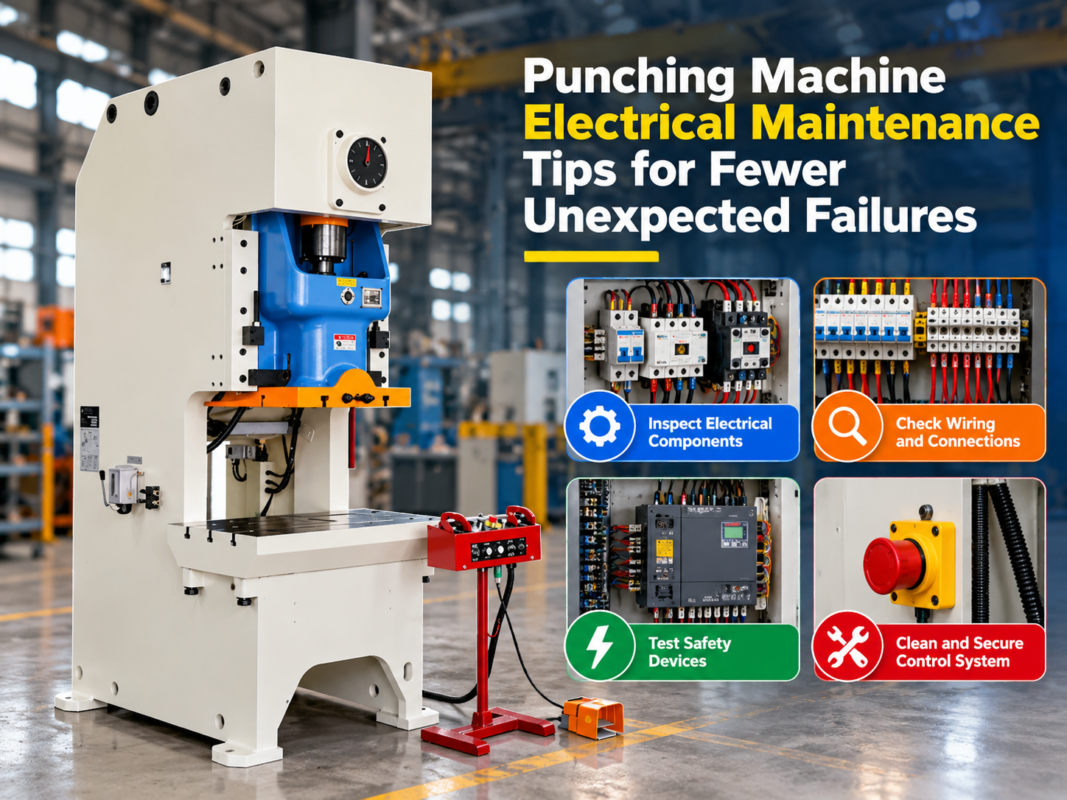
While the hydraulic system provides the brawn, the electrical and CNC systems provide the brains. Modern press brakes are sophisticated computers that control high-voltage components. One of the most common issues in the electrical cabinet is the accumulation of dust and grime. In a metalworking environment, this dust often contains metallic particles which are conductive. If this dust settles on circuit boards or contactors, it can cause short circuits, erratic behavior, or total system failure.
To maintain the electrical system, the cabinet should be vacuumed out (never blown out with compressed air, which can force dust deeper into components) on a monthly basis. Check all wiring connections for tightness. The constant vibration of the machine can cause screw terminals to loosen over time, leading to arcing and localized heating. Pay special attention to the grounding wires, as a poor ground can cause “ghost” errors in the CNC software that are notoriously difficult to diagnose.
The CNC controller itself requires care. Ensure that the cooling fans are clear of obstructions and that the touch screen is cleaned with appropriate non-abrasive cleaners. It is also wise to regularly back up your machine parameters and tooling libraries. In the event of a hard drive failure or a power surge, having a recent backup can mean the difference between a one-hour recovery and a week of manual reconfiguration. Software updates provided by HARSLE should also be applied to ensure you have the latest bug fixes and performance enhancements.
Mechanical Integrity: Backgauges and Ram Alignment
The mechanical structure of the press brake must remain perfectly aligned to produce accurate parts. The backgauge system, which positions the metal for bending, is a high-precision assembly of ball screws, linear guides, and servo motors. If these components are not properly maintained, the backgauge will lose its calibration, resulting in parts that are out of square or have incorrect flange lengths.
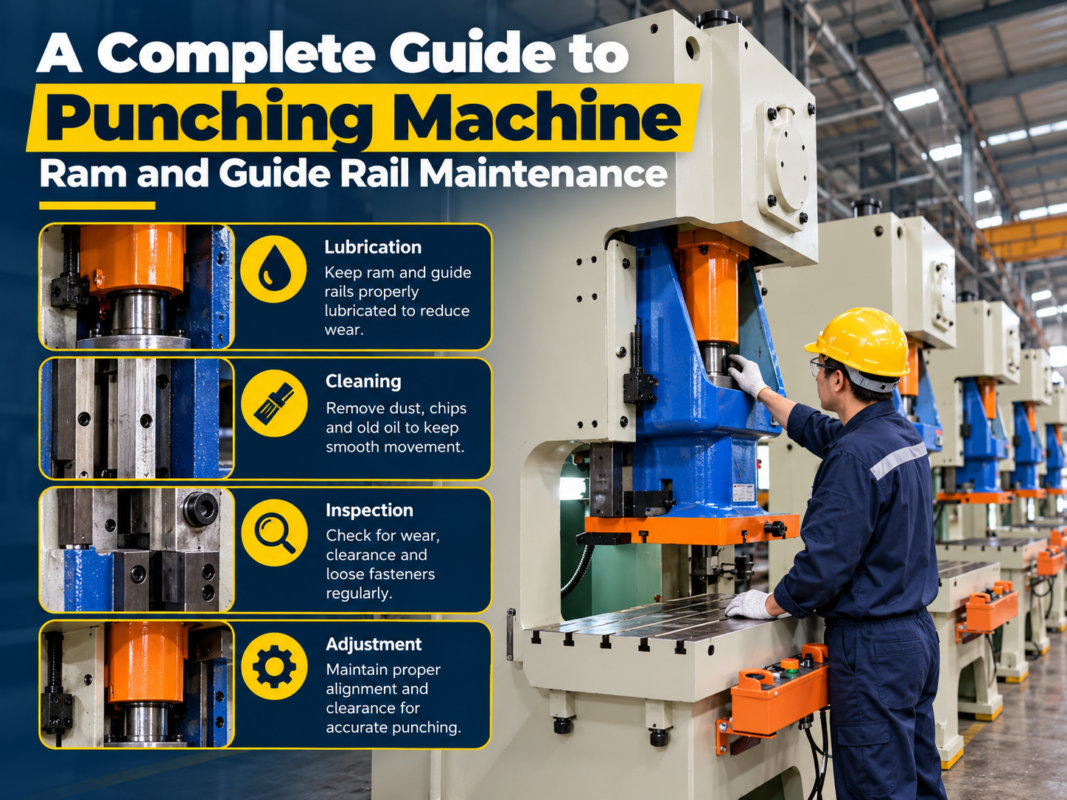
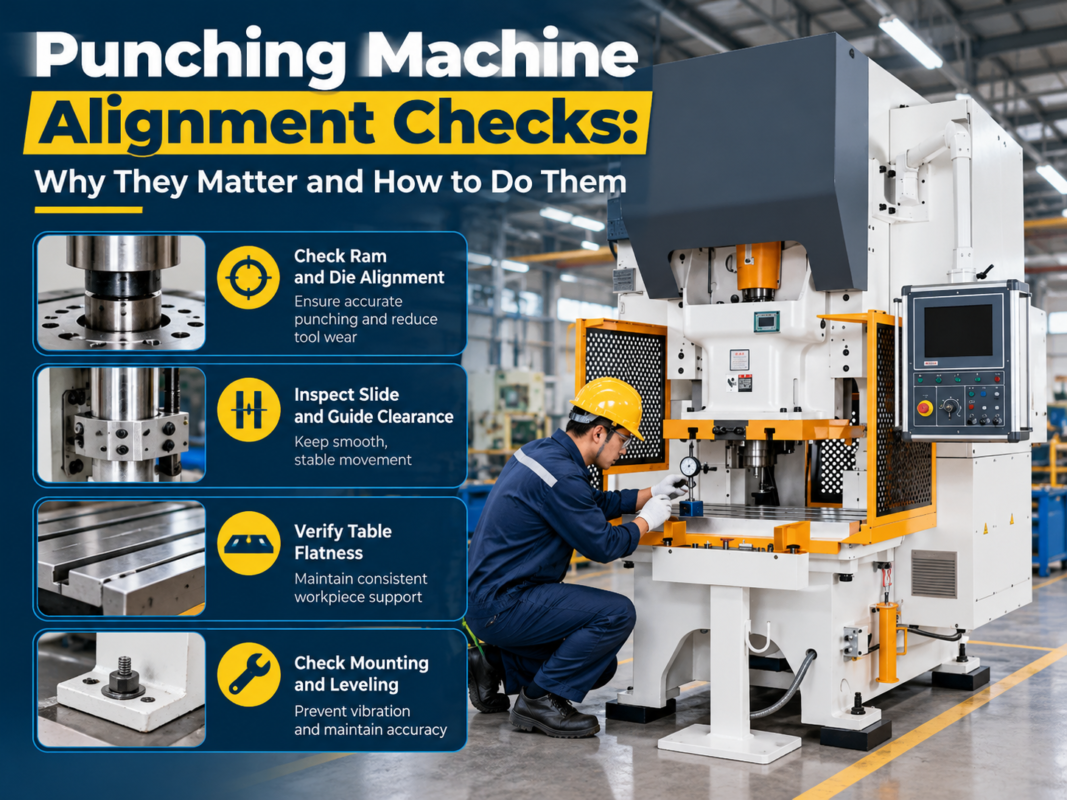
Common mechanical problems include the buildup of “mill scale” on the backgauge tracks. This abrasive dust can wear down the bearings and lead to “play” in the gauge fingers. Regularly wiping down the guides and applying a light coat of the recommended lubricant will keep the movement smooth and precise. Additionally, check the parallelism of the ram. If one side of the ram is slightly lower than the other, your bend angles will vary across the length of the part. This is often caused by uneven wear in the gibs—the adjustable guides that hold the ram in place.
Gib adjustment is a specialized task that should be performed by a trained technician, but operators can monitor for signs of wear. If you notice the ram “shuddering” or if there is visible movement front-to-back during a stroke, the gibs likely need adjustment. Keeping the mechanical frame clean and checking for loose foundation bolts will also ensure that the machine remains rigid under load, preventing frame deflection that can ruin high-tonnage bends.
The Lubrication Plan: The Secret to Longevity
If there is one single task that prevents the most Common Press Brake Problems Caused By Poor Maintenance Avoid Them, it is proper lubrication. A press brake has numerous moving parts that are under immense pressure. Without a consistent film of lubricant, these parts will experience metal-on-metal contact, leading to rapid wear and eventual seizure. However, lubrication is not just about applying grease; it is about applying the *right* grease in the *right* amount at the *right* time.
Most HARSLE press brakes feature centralized lubrication systems that distribute oil or grease to the main pivot points, ram guides, and backgauge screws. It is vital to use the specific grade of lubricant recommended in the manual. Using a generic grease that is too thick can clog the small distribution lines, while a grease that is too thin will run off the surfaces too quickly. Check the reservoir levels weekly and ensure that the pump is functioning correctly.
For machines with manual lubrication points, create a color-coded map that identifies every grease fitting. It is easy to miss a hidden nipple behind a guard, and that one missed point could lead to a catastrophic failure of a bearing. Over-lubrication can also be a problem, as excess grease attracts dust and creates an abrasive paste. Wipe away any old, dirty grease before applying fresh lubricant to ensure that contaminants are not being forced into the bearing surfaces.
Troubleshooting Signals: Listening to Your Machine
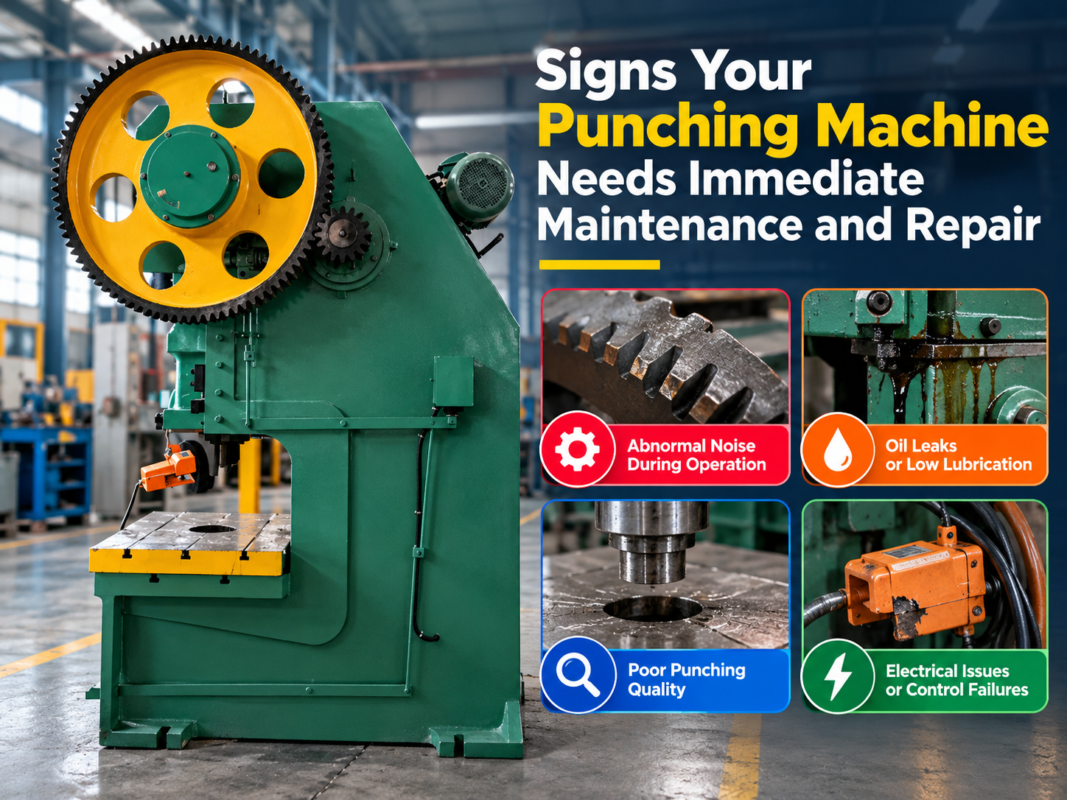
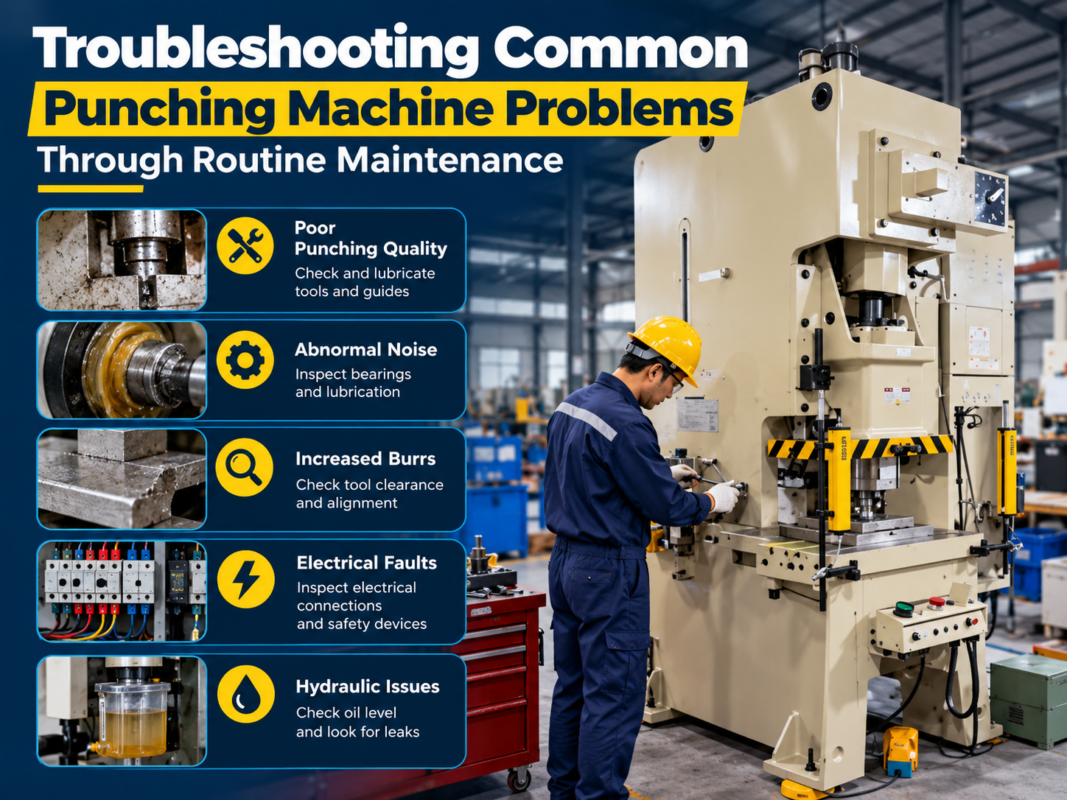
Experienced operators often say they can “hear” when a press brake is unhappy. Developing an ear for the machine is an essential part of maintenance. Unusual noises are often the first sign of an impending failure. For example, a high-pitched squeal from the hydraulic pump usually indicates cavitation or a restricted suction line. A clicking sound during the ram’s descent might suggest a loose bolt or a failing bearing in the guide system.
Vibration is another key indicator. While some vibration is normal during a high-tonnage bend, excessive or new vibrations should be investigated immediately. Check for loose motor mounts or unbalanced cooling fans. Heat is also a major red flag. If a hydraulic valve or a motor feels excessively hot to the touch, it is working too hard, likely due to internal friction or an electrical overload. By paying attention to these sensory signals, you can catch Common Press Brake Problems Caused By Poor Maintenance Avoid Them before they result in a total machine shutdown.
Comprehensive Maintenance Schedule Table
To help you stay organized, use the following table as a baseline for your HARSLE press brake maintenance program. Always refer to your specific model’s manual for exact intervals.
| Frequency | Component | Action Required |
|---|---|---|
| Daily | Hydraulic Oil | Check level and temperature via sight glass. |
| Daily | Safety Systems | Test light curtains, E-stops, and foot pedals. |
| Daily | Tooling | Clean punches and dies; check for cracks or wear. |
| Weekly | Lubrication | Check central reservoir; manually grease backgauge screws. |
| Weekly | Machine Frame | Wipe down guides and remove metal dust/shavings. |
| Monthly | Electrical Cabinet | Vacuum dust; check cooling fans and filter pads. |
| Monthly | Backgauge | Check for play in fingers; tighten any loose hardware. |
| Quarterly | Hydraulic Filters | Replace return and pressure filters (or per indicator). |
| Bi-Annually | Ram Gibs | Inspect for wear and check parallelism. |
| Annually | Hydraulic Oil | Perform oil analysis and change if necessary. |
| Annually | Electrical | Check all terminal tightness and ground integrity. |
Frequently Asked Questions (FAQ)
1. How often should I change the hydraulic oil in my press brake?
Generally, hydraulic oil should be changed every 2,000 to 4,000 hours of operation, or at least once every two years. However, the best practice is to perform an annual oil analysis. If the analysis shows the oil is still within its chemical and cleanliness specifications, you can extend its life, saving money and reducing environmental waste. If the oil appears milky or dark, it should be changed immediately regardless of the hours.
2. Why is my press brake losing its bending accuracy?
Loss of accuracy is one of the most Common Press Brake Problems Caused By Poor Maintenance Avoid Them. It is usually caused by one of three things: dirty or uncalibrated linear scales, worn-out tooling, or air in the hydraulic system. Start by cleaning the scales and checking the ram parallelism. If the problem persists, check for mechanical play in the backgauge or deflection in the machine bed.
3. Can I use any high-quality grease for the lubrication points?
No. You must use the lubricant specified by HARSLE. Press brakes require lubricants with specific “Extreme Pressure” (EP) additives to handle the high loads on the guides and screws. Using the wrong grease can lead to the lubricant being squeezed out of the contact zone, resulting in rapid wear. Always check the manual for the ISO viscosity grade and thickener type.
4. What should I do if the hydraulic system is overheating?
First, check the oil level; low oil circulates faster and has less time to cool. Second, inspect the oil cooler (heat exchanger) for dust or blockages. Third, check the ambient temperature of the shop. If the machine is running in a very hot environment, you may need additional external cooling. Finally, check for internal valve leaks, which generate heat as oil is forced through a small orifice at high pressure.
5. Is it necessary to clean the CNC cabinet if the shop is relatively clean?
Yes. Even in a clean shop, cooling fans pull in fine airborne particles. Over time, these build up on heat sinks and components, acting as an insulator that traps heat. In metal shops, this dust often contains conductive carbon or metal particles that can cause catastrophic short circuits on expensive control boards. Monthly vacuuming is a cheap insurance policy against CNC failure.
Conclusion: The Path to Maximum Productivity
Maintaining a press brake is not a burden; it is an investment in the future of your fabrication business. By understanding the Common Press Brake Problems Caused By Poor Maintenance Avoid Them, you empower your team to take ownership of their equipment. A machine that is clean, lubricated, and regularly inspected will reward you with years of reliable service, high-precision parts, and a safer working environment. At HARSLE, we build our machines to the highest standards, but the longevity of that excellence is in your hands. Start your preventative maintenance program today and watch your productivity soar.