Troubleshooting Press Brake Noise, Vibration, and Wear Through Preventive Maintenance


The Critical Role of Maintenance in Metal Fabrication
In the high-stakes world of metal fabrication, the press brake is often the heartbeat of the production floor. Whether you are operating a high-end HARSLE CNC model or a traditional hydraulic unit, the precision of your bends depends entirely on the mechanical integrity of the machine. Troubleshooting Press Brake Noise, Vibration, and Wear Through Preventive Maintenance is not merely a technical chore; it is a strategic necessity that protects your investment and ensures the safety of your operators.
When a press brake begins to emit unusual sounds or exhibits excessive vibration, it is communicating a distress signal. Ignoring these signs leads to a cascade of failures: decreased accuracy, damaged tooling, and eventually, catastrophic component failure. Preventive maintenance shifts the paradigm from reactive ‘firefighting’ to proactive ‘health management.’ By identifying the root causes of noise and wear before they manifest as downtime, fabricators can maintain a competitive edge through consistent uptime and superior part quality.
Modern HARSLE machines are engineered with tight tolerances. Even a minor misalignment or a slight degradation in hydraulic fluid quality can introduce vibrations that compromise the final product. This guide explores the systematic approach required to diagnose these issues and implement a maintenance regimen that keeps your press brake running silently and efficiently for decades.
The Importance of Preventive Maintenance
Preventive maintenance (PM) is the practice of performing regularly scheduled inspections and servicing to prevent equipment failure. For press brakes, this involves a combination of cleaning, lubrication, and calibration. The primary goal is to minimize the ‘wear and tear’ that naturally occurs during the high-pressure cycles of bending sheet metal. Without a PM schedule, the friction between moving parts increases, leading to the very noise and vibration we seek to eliminate.
One of the most significant benefits of a robust PM program is the extension of the machine’s lifecycle. A press brake that is well-lubricated and properly aligned can last 20 to 30 years, whereas a neglected machine may see a 50% reduction in its useful life. Furthermore, preventive maintenance ensures that the safety features of the machine, such as light curtains and emergency stops, are always functional, protecting the most valuable asset in any shop: the people.
From a financial perspective, the cost of a preventive maintenance program is a fraction of the cost of emergency repairs. When a machine breaks down unexpectedly, the costs include not only the replacement parts and technician labor but also the lost production time, missed deadlines, and potential damage to the company’s reputation. By focusing on Troubleshooting Press Brake Noise, Vibration, and Wear Through Preventive Maintenance, you are essentially buying insurance for your production schedule.
Daily Inspection: The First Line of Defense
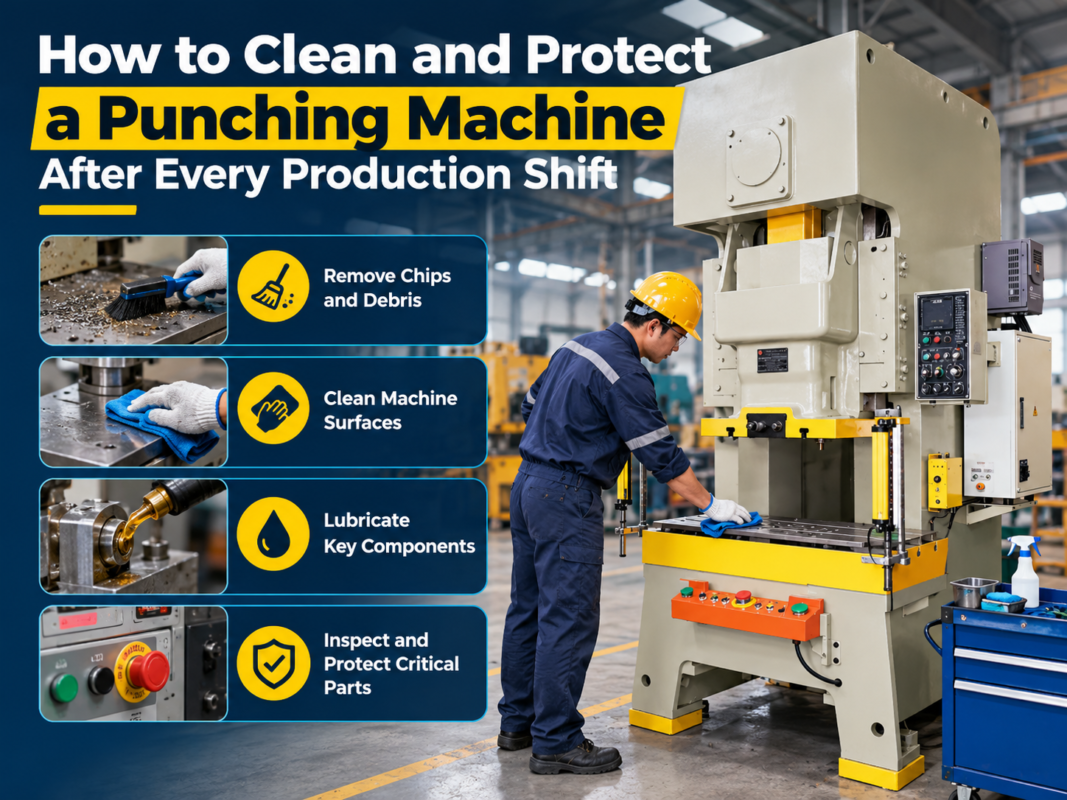
The daily inspection is a five-to-ten-minute routine that every operator should perform at the start of their shift. This simple habit can catch 80% of potential issues before they escalate. Start with a visual sweep of the machine. Look for oil leaks around the hydraulic cylinders and hose connections. Even a small ‘weep’ of oil can indicate a failing seal or a loose fitting that will eventually lead to air entering the system, causing noise and erratic ram movement.
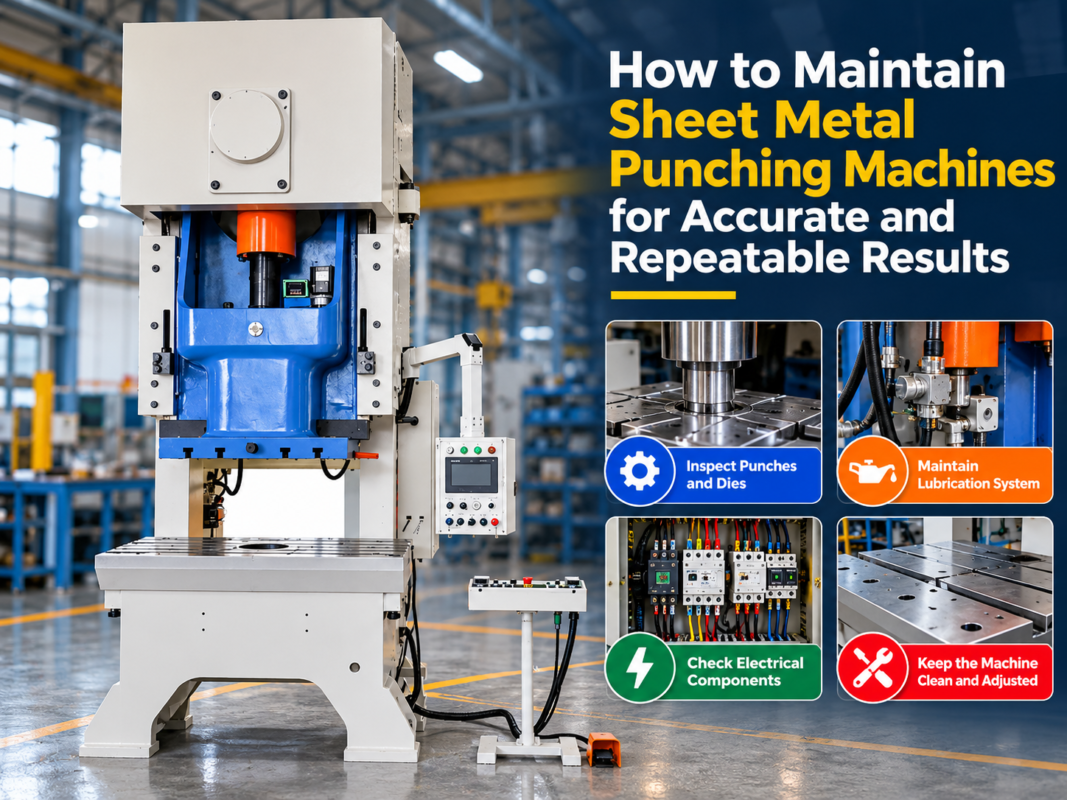
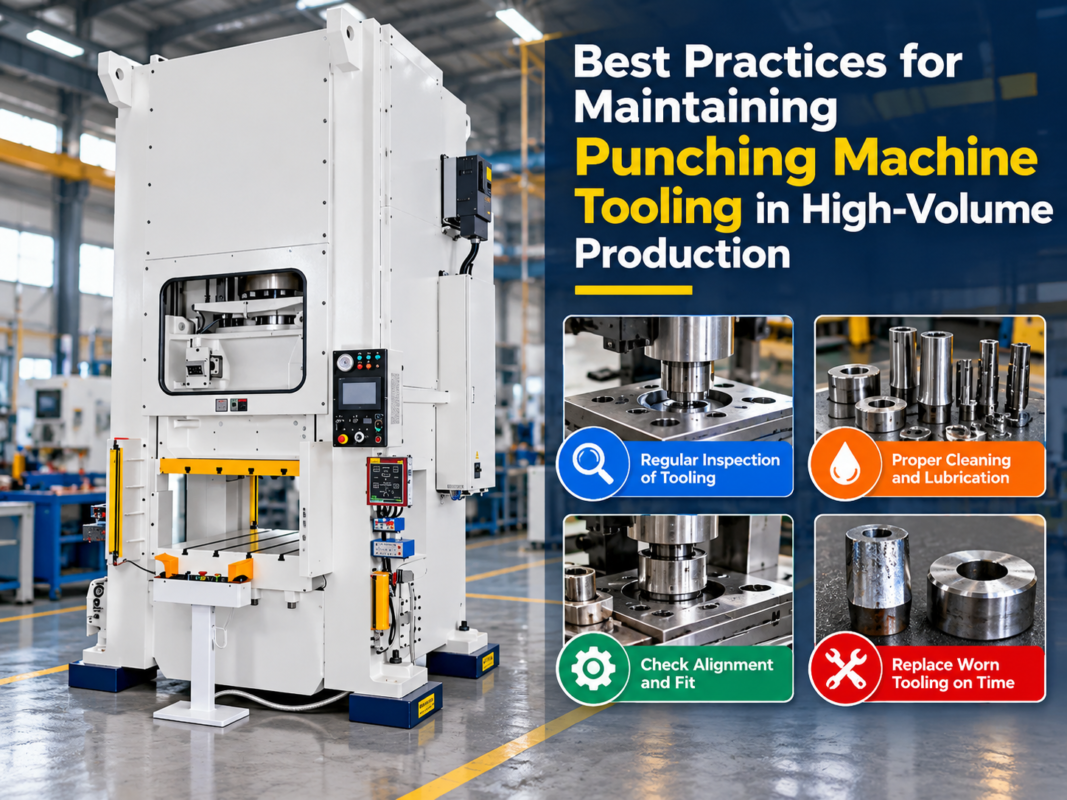
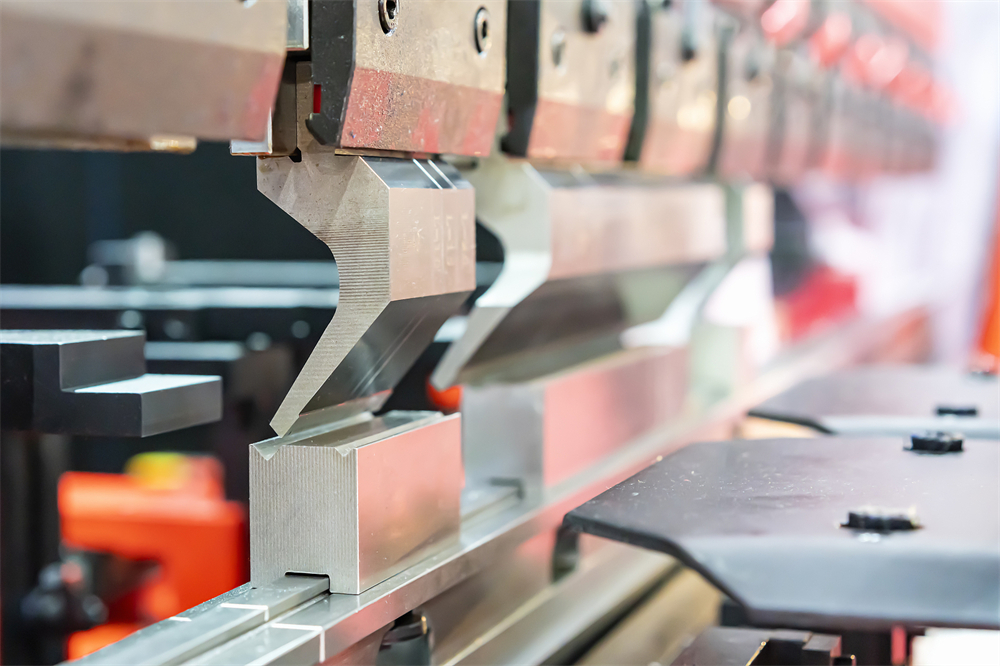
Next, check the condition of the tooling. Inspect the punches and dies for cracks, chips, or excessive wear. Worn tooling requires more force to achieve the same bend, which puts unnecessary stress on the machine’s frame and hydraulic system, leading to increased vibration. Ensure that the work area is clean; metal shavings or scale buildup on the bed can interfere with the seating of the die, causing misalignment and ‘clunking’ sounds during the stroke.
Finally, verify the operation of the safety systems. Test the light curtains and the foot pedal. Listen to the machine as it cycles without a workpiece. Does the motor sound smooth? Is the ram moving fluidly? Any deviation from the ‘normal’ sound profile of the machine should be noted and reported immediately. This daily mindfulness is the cornerstone of effective troubleshooting.
Hydraulic System Checks: Silencing the Pump and Valves
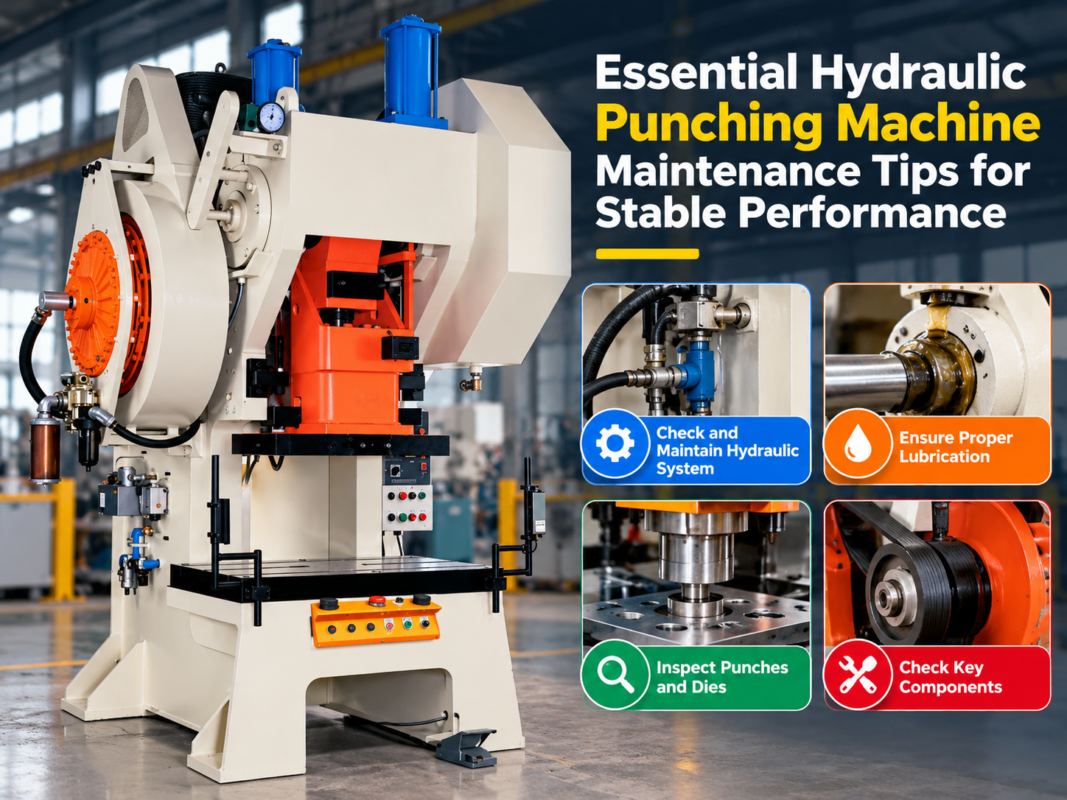
The hydraulic system is the most common source of noise in a press brake. A healthy hydraulic system should hum quietly. If you hear a high-pitched squealing or a ‘marbles in a blender’ sound, you are likely dealing with cavitation or aeration. Cavitation occurs when the pump cannot get enough oil, creating vacuum bubbles that implode with violent force. This not only creates noise but also erodes the internal components of the pump.
To prevent this, check the hydraulic oil level and the condition of the suction filters daily. If the oil is cloudy or foamy, air is entering the system, often through a loose intake pipe or a worn shaft seal. Aeration causes the ram to move jerkily, which introduces significant vibration into the entire machine frame. Regularly bleeding the air from the cylinders and ensuring all fittings are torqued to specification will resolve most of these issues.
Temperature control is another critical factor. Hydraulic oil that gets too hot (above 60°C or 140°F) loses its viscosity, leading to increased friction and wear in the valves and cylinders. Ensure that the oil cooling system—whether it is an air-cooled heat exchanger or a water-cooled system—is clean and functioning. Overheated oil is a primary cause of ‘valve chatter,’ a rapid-fire clicking sound that indicates the solenoids are struggling to maintain pressure.
Electrical and Control System Maintenance
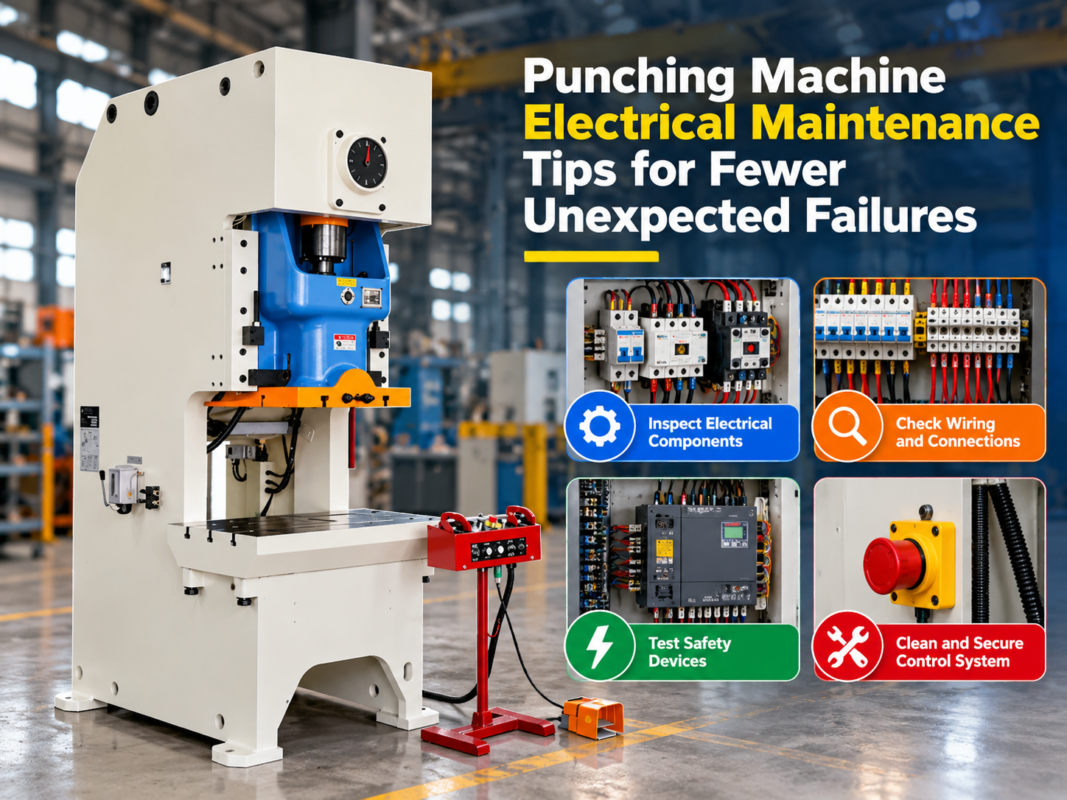
While noise and vibration are often mechanical or hydraulic in nature, their root cause can sometimes be found in the electrical cabinet. Loose electrical connections can cause intermittent power delivery to the motor or valves, leading to erratic behavior and vibration. Every six months, a qualified technician should inspect the electrical cabinet, tightening terminal blocks and checking for signs of overheating on contactors and relays.
Dust is the enemy of electronics. In a metal fabrication environment, fine metallic dust can settle on circuit boards, causing short circuits or overheating. Ensure that the cooling fans on the CNC controller and the electrical cabinet are working and that the filters are cleaned or replaced regularly. A malfunctioning fan can lead to the controller overheating, which may cause the ram to ‘stutter’ during its descent, creating a vibration that feels like a mechanical issue.
Furthermore, ensure that the machine is properly grounded. Electrical interference (EMI) can wreak havoc on the sensitive encoders and linear scales that track the ram’s position. If the feedback loop is compromised, the CNC system may constantly ‘hunt’ for the correct position, leading to micro-vibrations in the ram. Keeping the electrical system clean and secure is vital for the precision of HARSLE press brakes.
Mechanical Checks: Gibs, Backgauges, and Alignment
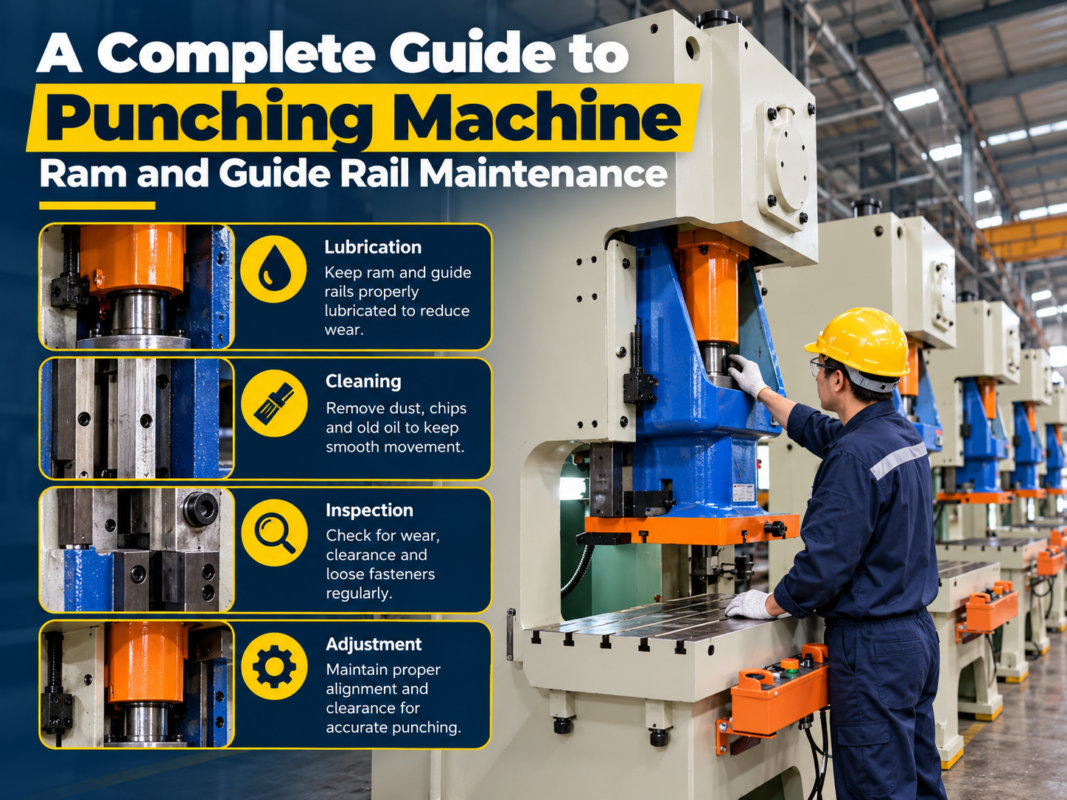
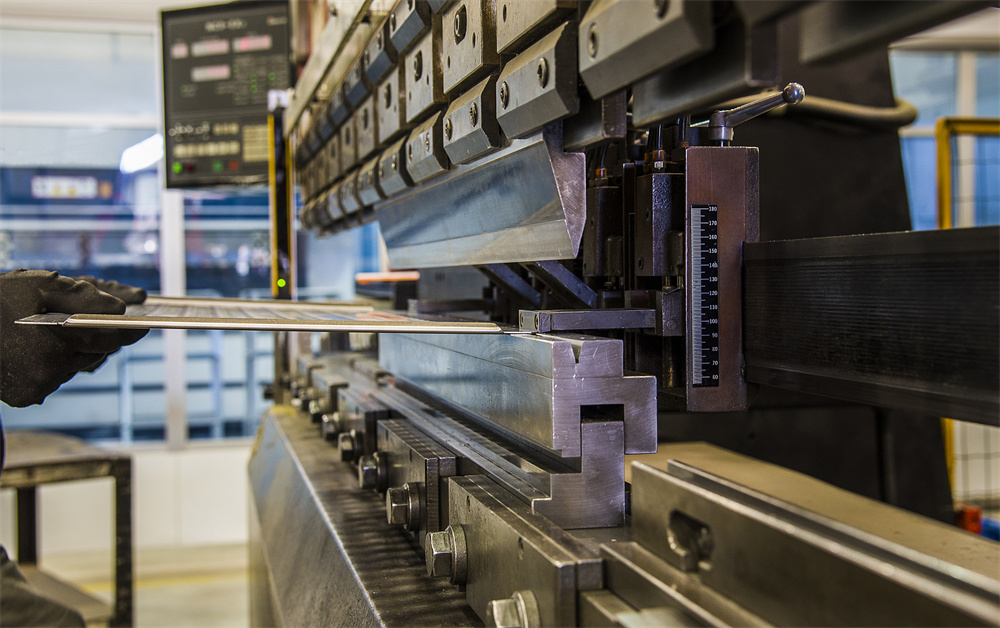
The mechanical structure of the press brake must be rigid and perfectly aligned. The ‘gibs’ are the guide systems that ensure the ram moves vertically without side-to-side play. Over time, these gibs can wear down or become loose. If the clearance is too large, the ram will ‘slap’ against the guides during the bending cycle, producing a loud knocking sound and causing the tooling to misalign. Adjusting the gibs to the manufacturer’s specifications (typically a clearance of 0.05mm to 0.1mm) is a critical maintenance task.
The backgauge system is another area prone to wear. Because it moves constantly, the ball screws and linear guides can accumulate dust and lose lubrication. A noisy backgauge—characterized by grinding or whining during movement—usually indicates that the ball screws are dry or that the bearings are failing. Vibration in the backgauge can lead to inaccurate part positioning, resulting in scrapped material. Regular cleaning and lubrication of these high-precision components are essential.
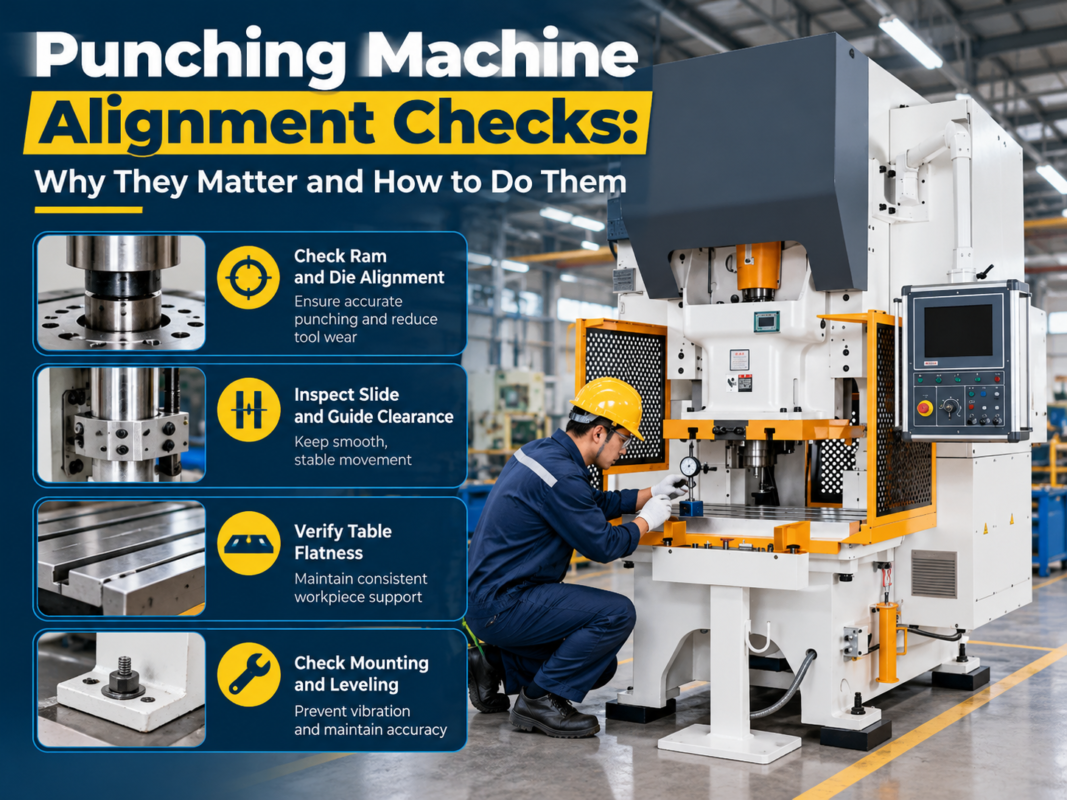
Finally, check the ‘level’ of the machine. A press brake that is not perfectly level will experience uneven loading. This puts excessive stress on one side of the frame and the hydraulic cylinders, leading to premature wear and unusual vibrations. Using a precision spirit level, check the bed of the machine both longitudinally and transversely every year, especially if the shop floor is subject to settling.
The Comprehensive Lubrication Plan
Lubrication is the single most effective way to combat wear. In a press brake, there are dozens of friction points: the ram guides, the backgauge ball screws, the pivot points of the linkage (in mechanical-hydraulic hybrids), and the motor bearings. A proper lubrication plan specifies the type of lubricant, the amount, and the frequency of application.
Most modern HARSLE press brakes feature centralized lubrication systems. However, these systems are not ‘set and forget.’ Operators must ensure the reservoir is full and that the distribution lines are not pinched or clogged. If one line is blocked, that specific bearing or guide will run dry, leading to rapid wear and a distinct ‘squeak’ that can be hard to locate. Manual lubrication points, often found on the backgauge fingers or specialized tooling, should not be overlooked.
Using the correct lubricant is just as important as the act of lubricating. High-pressure grease with molybdenum disulfide is often recommended for heavy-load areas like the ram guides, while a lighter machine oil may be used for the backgauge screws. Mixing incompatible greases can lead to ‘caking,’ where the lubricant hardens and actually blocks the flow of new grease. Always refer to the HARSLE manual for the specific lubricant grades required for your model.
Troubleshooting Signals: What the Machine is Telling You
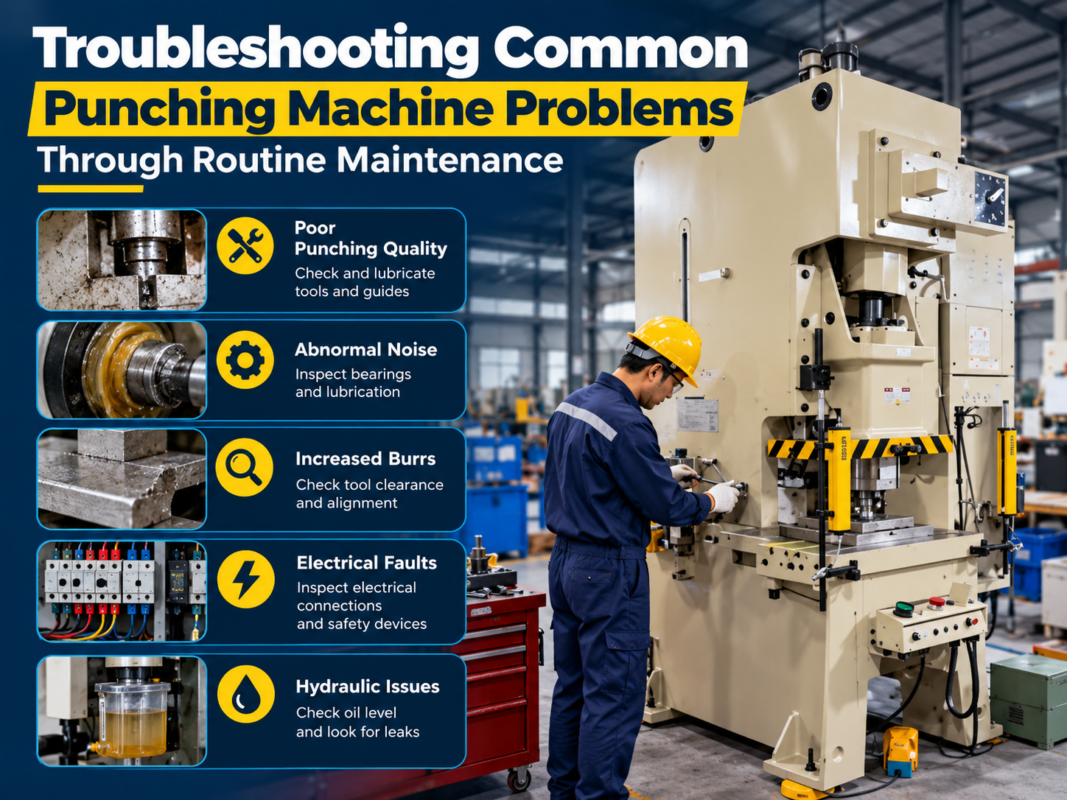
To master Troubleshooting Press Brake Noise, Vibration, and Wear Through Preventive Maintenance, you must learn to interpret the machine’s language. Here are common signals and their likely causes:
- High-Pitched Whining: Usually indicates hydraulic pump strain. Check for clogged filters, low oil levels, or an incorrectly set relief valve.
- Rhythmic Thumping: Often points to a flat spot on a bearing or a problem with the motor drive belt. It could also indicate a loose mounting bolt on the motor or pump.
- Grinding Sounds: A clear sign of metal-on-metal contact. This is an emergency signal that lubrication has failed or a bearing has completely disintegrated.
- Excessive Vibration in the Ram: Likely air in the hydraulic lines or loose gibs. It can also be caused by ‘unbalanced’ bending, where the workpiece is placed far to one side of the machine consistently.
- Chatter Marks on the Workpiece: This is a vibration issue often caused by worn tooling or a lack of rigidity in the machine’s foundation.
Maintenance Schedule Table
Use the following table as a baseline for your HARSLE press brake maintenance program. Adjust the frequency based on your shift patterns (e.g., double the frequency for two-shift operations).
| Frequency | Component | Action Required |
|---|---|---|
| Daily | Hydraulic System | Check oil level and look for leaks. |
| Daily | Safety Systems | Test light curtains and emergency stops. |
| Daily | Tooling | Clean and inspect for cracks or wear. |
| Weekly | Ram Guides (Gibs) | Clean and check for adequate lubrication. |
| Weekly | Backgauge | Clean ball screws and linear rails. |
| Monthly | Hydraulic Oil | Check for foam, color change, or burnt smell. |
| Monthly | Electrical Cabinet | Clean filters and check cooling fans. |
| Quarterly | Mechanical Fasteners | Check and tighten all structural bolts. |
| Semi-Annually | Hydraulic Filters | Replace suction and return line filters. |
| Annually | Machine Level | Verify the bed is level and adjust if necessary. |
| Annually | Oil Analysis | Send a sample to a lab to check for contaminants. |
Conclusion: The Path to Peak Performance
Troubleshooting Press Brake Noise, Vibration, and Wear Through Preventive Maintenance is an investment in the future of your fabrication shop. By understanding the mechanical, hydraulic, and electrical systems of your HARSLE press brake, you can transform it from a source of stress into a reliable, high-precision asset. The key is consistency. A machine that is cleaned daily, lubricated weekly, and inspected monthly will rarely surprise you with a breakdown.
Remember that maintenance is a partnership between the operator and the machine. Operators should be encouraged to report even the slightest change in the machine’s ‘feel’ or ‘sound.’ When a culture of preventive care is established, the results are seen in the bottom line: higher quality parts, lower repair costs, and a safer, more productive workplace. Keep your press brake healthy, and it will keep your business moving forward.
Frequently Asked Questions (FAQ)
1. Why is my press brake making a loud banging noise when the bend starts?
This is often caused by ‘slap’ in the gibs. If the clearance between the ram and the guides is too large, the ram shifts abruptly when it encounters the resistance of the metal. Adjusting the gibs to the manufacturer’s specifications usually solves this. It can also be caused by using the wrong die opening for the material thickness.
2. How often should I change the hydraulic oil?
For most HARSLE machines, the hydraulic oil should be changed every 2,000 to 4,000 operating hours, or once a year. However, it is better to perform an oil analysis. If the oil is clean and the additive package is still active, you may be able to extend the interval. Always change the filters whenever you change the oil.
3. What causes the backgauge to vibrate during movement?
Vibration in the backgauge is typically due to dry ball screws or worn linear bearings. It can also be caused by a loose motor coupling or incorrect parameters in the CNC controller (such as gain settings that are too high). Start by cleaning and lubricating the mechanical drive components.
4. Can air in the hydraulic system cause vibration?
Yes, air is compressible, whereas hydraulic oil is not. When air is trapped in the cylinders, the ram will move in a ‘spongy’ or jerky fashion, creating significant vibration and making it impossible to achieve precise bend angles. Bleeding the system and fixing the source of the air intake is required.
5. Is it normal for the hydraulic pump to get hot?
It is normal for the pump to be warm to the touch, but it should not be hot enough to burn you. If the pump or the oil reservoir exceeds 60°C (140°F), there is an issue with the cooling system or an internal leak in a valve that is generating excessive heat. High heat will quickly lead to noise and component wear.