
Comprehensive Guide: How to Clean and Lubricate a Press Brake Properly for Peak Performance


The Critical Importance of Press Brake Maintenance
In the high-stakes world of metal fabrication, the press brake is often the heart of the production line. Whether you are operating a high-end HARSLE CNC model or a traditional hydraulic unit, understanding how to clean and lubricate a press brake properly is not just a matter of tidiness—it is a fundamental requirement for operational excellence. Neglecting these tasks leads to a cascade of issues, including reduced bending accuracy, premature component wear, and potentially catastrophic machine failure. When a press brake is well-maintained, it delivers consistent tonnage, maintains tight tolerances, and ensures the safety of the operator.
The environment of a metal shop is inherently hostile to precision machinery. Metal dust, scale from hot-rolled steel, and airborne particulates from grinding operations can settle on critical surfaces. These particles act as abrasives, grinding away at polished surfaces and seals every time the machine cycles. By implementing a rigorous cleaning and lubrication regimen, you create a protective barrier that extends the life of the hydraulic system, the mechanical guides, and the electrical components. This proactive approach significantly reduces the Total Cost of Ownership (TCO) by preventing expensive emergency repairs and unplanned downtime.
Furthermore, a clean machine is a safer machine. Oil leaks that are obscured by grime can lead to slip hazards or fire risks, while debris buildup in the tooling area can cause unexpected workpiece slippage. Precision in bending is also directly tied to cleanliness; even a few thousandths of an inch of debris between the die and the bed can throw off an entire production run. Therefore, mastering the art of how to clean and lubricate a press brake properly is the first step toward becoming a world-class fabrication facility.
Finally, regular maintenance preserves the resale value of your equipment. Industrial machinery is a significant capital investment. A documented history of proper cleaning and lubrication proves to future buyers or auditors that the machine has been treated with professional care. In the following sections, we will break down the specific steps required to keep your press brake in peak condition, from daily visual checks to deep-system lubrication strategies.
Daily Inspection: The First Line of Defense
The daily inspection is a non-negotiable ritual for any professional operator. Before the power is even turned on, a visual sweep of the machine can reveal potential issues that might have developed during the previous shift. Start by checking the floor around the machine for any signs of hydraulic fluid leaks. Even a small puddle can indicate a failing seal or a loose fitting that could lead to a loss of pressure during a critical bend. Identifying these issues early prevents the hydraulic pump from running dry or cavitating, which can cause thousands of dollars in damage.
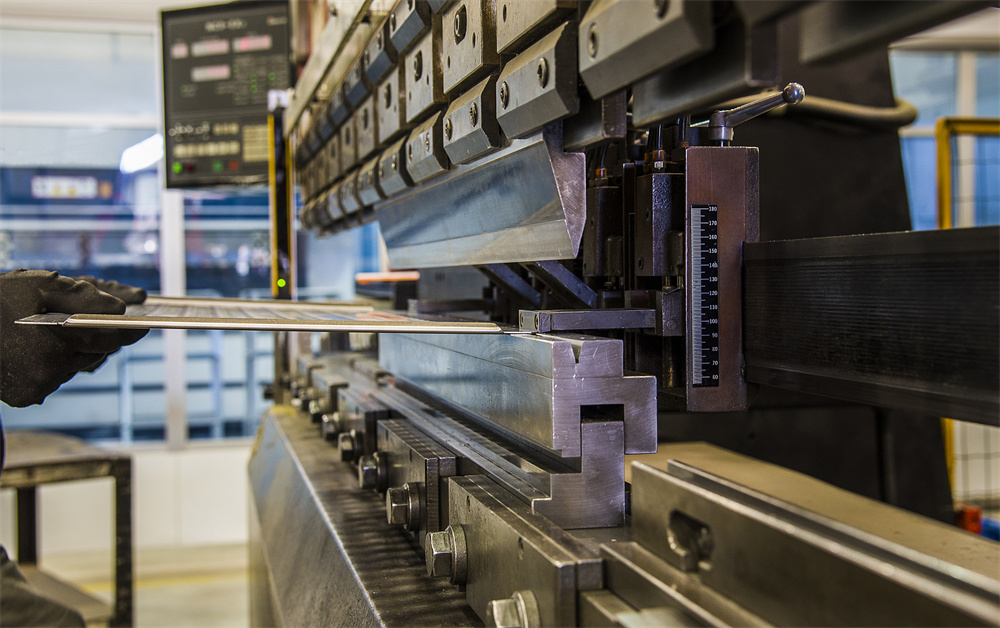
Next, focus on the work area. Use a soft brush or compressed air (with caution and eye protection) to remove metal shavings, scale, and dust from the bed and the ram. Pay close attention to the tooling. Inspect the punches and dies for cracks, chips, or excessive wear. Debris trapped in the V-die can cause “slug marks” on the finished parts, ruining the aesthetic quality of the workpiece. Cleaning the tooling daily with a light solvent and then applying a thin film of rust-preventative oil is a best practice that ensures the longevity of these expensive components.
Safety devices must also be part of the daily check. Ensure that the light curtains or laser guarding systems are clean and free of obstructions. Dust buildup on the lenses of these sensors can cause intermittent faults, leading to frustrating machine stoppages. Wipe the lenses with a soft, lint-free cloth specifically designed for optics. Additionally, verify that the emergency stop buttons are functional and that the foot pedal is clear of debris that might impede its movement.
Lastly, check the oil level in the hydraulic reservoir. Most modern press brakes feature a sight glass or a digital level sensor. The oil should be at the recommended level and should appear clear, not milky or dark. Milky oil indicates water contamination, while dark oil suggests oxidation or overheating. Catching these visual cues daily allows you to schedule maintenance before the machine’s performance begins to degrade.
Hydraulic, Electrical, and Mechanical System Checks
Hydraulic System Integrity
The hydraulic system is the muscle of the press brake. To clean and lubricate a press brake properly, you must ensure the hydraulic fluid is in pristine condition. Over time, hydraulic oil breaks down due to heat and pressure. It is recommended to check the oil temperature after the machine has been running for an hour; it should typically stay below 60°C (140°F). If the oil is too hot, it loses its lubricating properties and can damage the pump and valves. Check the cooling fans on the hydraulic unit to ensure they are not clogged with dust, as this is a common cause of overheating.
Filters are the kidneys of the hydraulic system. Most press brakes have a suction filter and a return line filter. These should be replaced according to the manufacturer’s schedule, or sooner if the contamination indicator shows red. When changing filters, always clean the surrounding area first to prevent dirt from falling into the tank. It is also wise to perform an oil analysis annually to check for microscopic metal particles, which can provide early warning of internal component wear.
Electrical System Maintenance
While often overlooked in a lubrication guide, the electrical system requires its own form of “cleaning.” The control cabinet should be opened periodically (with the power off) to inspect for dust accumulation. Dust can act as an insulator, causing electrical components like relays and PLC modules to overheat. Use a vacuum or low-pressure dry air to remove dust. Check all terminal connections to ensure they are tight; vibration from the machine can loosen wires over time, leading to intermittent signals or electrical arcing.
The CNC controller screen should be cleaned with a screen-safe cleaner and a microfiber cloth. Avoid using harsh chemicals that can damage the touch-sensitive surface. Additionally, check the cooling fans and filters on the electrical cabinet. If these filters are clogged, the internal temperature can rise rapidly, leading to computer crashes or hardware failure. Keeping the electrical system clean is just as vital as greasing the mechanical joints.
Mechanical Components and Alignment
The mechanical integrity of the press brake relies on the precise movement of the ram and the backgauge. Inspect the gibs—the guides that control the ram’s vertical movement. These should be clean and have a visible but not excessive film of lubricant. If the gibs are too dry, the ram may stutter; if they are too dirty, the grit will score the guide surfaces. Check the backgauge fingers for any play or looseness. The X, R, and Z axes of the backgauge move on precision ball screws and linear rails that require constant protection from shop dust.
The Comprehensive Lubrication Plan
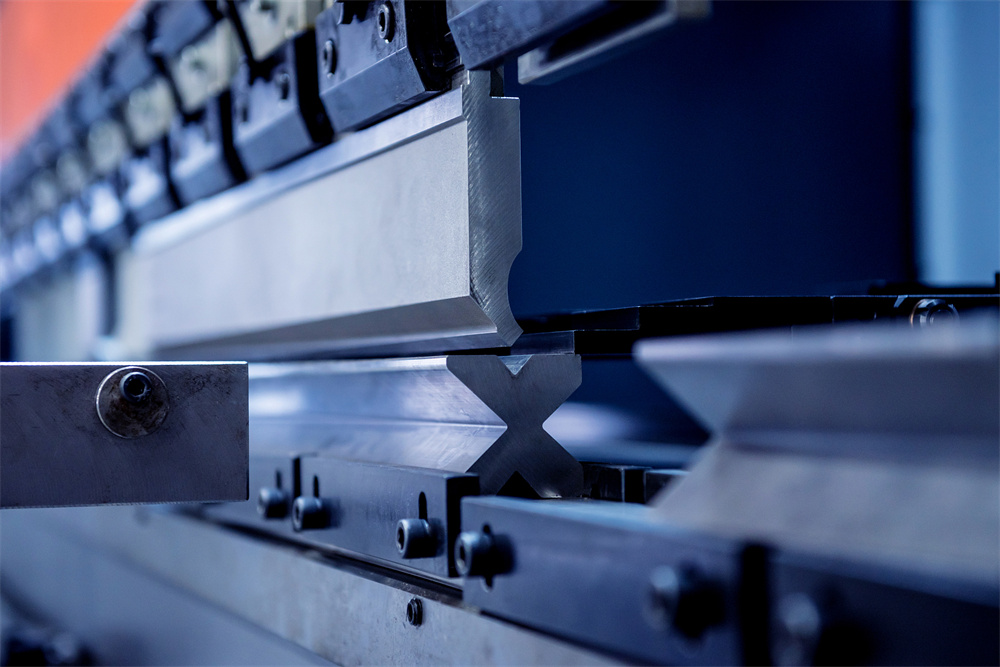
A robust lubrication plan is the core of how to clean and lubricate a press brake properly. Different parts of the machine require different types of lubricants. Generally, you will deal with two main types: grease and oil. High-pressure areas, such as the main cylinder pivots and the ram guides, typically require a high-quality lithium-based grease. This grease stays in place under heavy loads and provides a durable barrier against friction. Use a grease gun to inject lubricant into the Zerk fittings until you see a small amount of fresh grease emerging from the joint, then wipe away the excess to prevent it from attracting dust.
For the backgauge’s ball screws and linear guides, a lighter machine oil or a specialized spray lubricant is often preferred. These components have tight tolerances, and heavy grease can actually attract enough dust to jam the mechanism. Before applying new lubricant, always wipe the rails and screws clean with a lint-free cloth. Applying new oil over old, dirty oil creates a grinding paste that will quickly destroy the precision of your backgauge. Many modern HARSLE machines feature automatic lubrication systems; for these, your primary task is to ensure the lubricant reservoir is always full and that the delivery lines are not pinched or blocked.
The frequency of lubrication depends on the machine’s usage. For a single-shift operation, a weekly lubrication of all moving parts is usually sufficient. However, in a high-volume, multi-shift environment, some points may require daily attention. Refer to your machine’s manual for the specific lubrication points map. Missing even one hidden fitting can lead to localized wear that eventually throws the entire machine out of alignment. Consistency is the key to a successful lubrication plan.
Don’t forget the auxiliary components. The hinges on safety gates, the adjustment screws on the backgauge fingers, and the clamping mechanisms for the tooling all benefit from a drop of oil. By maintaining a thin film of lubricant on all unpainted metal surfaces, you also protect the machine from oxidation and rust, which is particularly important in humid environments or shops that are not climate-controlled.
Troubleshooting Signals: When Cleaning Isn’t Enough
Even with the best maintenance, parts will eventually wear out. Knowing how to clean and lubricate a press brake properly also involves recognizing when the machine is telling you something is wrong. Unusual noises are the most common warning signs. A high-pitched squeal from the hydraulic system often indicates cavitation or a failing pump. A grinding or clicking sound from the backgauge suggests that a ball screw is contaminated or that a bearing has failed. If you hear these sounds, stop the machine immediately; continuing to operate can turn a minor repair into a major overhaul.
Heat is another critical indicator. If a specific bearing housing or a section of the hydraulic manifold feels excessively hot to the touch, it is a sign of friction or internal leakage. Use an infrared thermometer to monitor temperatures during a long shift. Similarly, excessive vibration can indicate that the machine is no longer level or that the internal components are misaligned. Vibration not only affects the quality of the bend but can also loosen electrical connections and hydraulic fittings over time.
Finally, pay attention to the quality of the parts being produced. If you notice a sudden drift in bending angles or if the backgauge is no longer repeatable, it may be due to a buildup of debris in the mechanical guides or a loss of hydraulic pressure. Before recalibrating the CNC software, perform a deep clean and re-lubricate the entire machine. Often, what appears to be a software or electronic glitch is actually a mechanical resistance issue caused by poor maintenance. If the problem persists after a thorough cleaning, it is time to call in a certified technician.
Press Brake Maintenance Schedule Table
| Frequency | Task Description | Target Components |
|---|---|---|
| Daily | Visual inspection and surface cleaning | Tooling, bed, ram, safety sensors |
| Daily | Check fluid levels | Hydraulic oil reservoir, auto-lube tank |
| Weekly | Manual lubrication | Gibs, pivot points, backgauge rails |
| Monthly | Electrical cabinet cleaning | Filters, fans, terminal tightness |
| Quarterly | Hydraulic system deep check | Filter replacement, hose inspection |
| Annually | Comprehensive service | Oil change, oil analysis, leveling check |
Frequently Asked Questions (FAQ)
1. What type of hydraulic oil should I use in my press brake?
Most hydraulic press brakes use ISO VG 46 or ISO VG 68 hydraulic oil. The specific grade depends on your ambient shop temperature and the manufacturer’s recommendations. Always consult your HARSLE manual to ensure you are using the correct viscosity to maintain pump efficiency and seal life.
2. Can I use WD-40 to lubricate my press brake?
No. WD-40 is a penetrating oil and water displacer, not a long-term lubricant. While it can be used to clean rust or loosen stuck bolts, it does not provide the film strength required for high-pressure industrial machinery. Use dedicated lithium grease or high-quality machine oil as specified by the manufacturer.
3. How often should I change the hydraulic oil?
Generally, hydraulic oil should be changed every 2,000 to 4,000 hours of operation, or at least once every two years. However, if an oil analysis shows high levels of contamination or oxidation, it should be changed immediately regardless of the hours logged.
4. Why is my press brake losing pressure during a bend?
This is often caused by air in the hydraulic lines, a leaking seal, or a failing bypass valve. First, check the oil level. If the level is fine, inspect for external leaks. If no leaks are visible, the issue may be internal to the cylinders or the pump, requiring professional service.
5. How do I clean the CNC controller screen safely?
Use a dry microfiber cloth for light dust. For fingerprints or grime, use a specialized electronic screen cleaner applied to the cloth first—never spray liquid directly onto the screen. Avoid using window cleaners or solvents containing ammonia, as they can strip the protective coating off the display.
6. What happens if I over-lubricate the machine?
Over-lubrication can be just as harmful as under-lubrication. Excess grease attracts metal dust and scale, forming an abrasive paste that wears down components. It can also leak onto the floor, creating a safety hazard, or contaminate the workpiece, affecting subsequent processes like painting or welding.












