Operator’s Guide to Daily Press Brake Maintenance Before Production


The Critical Role of Daily Maintenance in Metal Fabrication
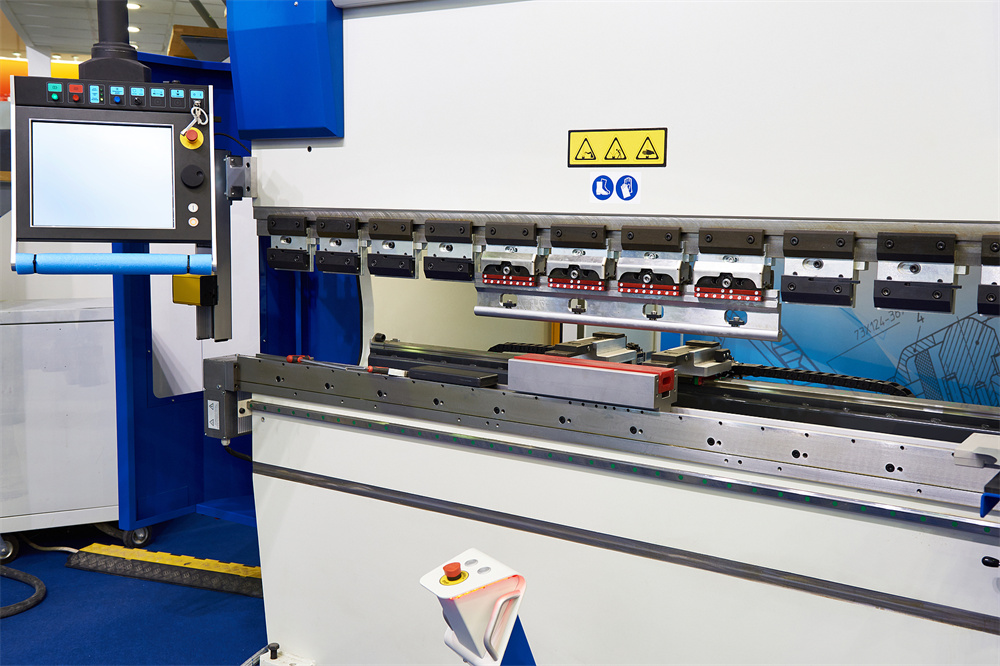
In the high-stakes world of metal fabrication, the press brake stands as the backbone of production. Whether you are operating a high-end HARSLE CNC synchronized hydraulic press brake or a manual torsion bar model, the longevity and precision of your equipment depend heavily on the diligence of the operator. Implementing a rigorous Operator’s Daily Press Brake Maintenance Before Production routine is not merely a suggestion; it is a fundamental requirement for ensuring safety, accuracy, and machine longevity.
Neglecting daily checks can lead to a cascade of failures. Small issues, such as a minor hydraulic leak or a loose bolt on the backgauge, can quickly escalate into catastrophic mechanical failures that halt production for days or weeks. Furthermore, the precision required in modern bending—often measured in fractions of a millimeter—cannot be maintained if the machine’s components are worn, unlubricated, or misaligned. By dedicating 15 to 20 minutes every morning to a structured inspection, operators can identify potential problems before they result in expensive scrap or dangerous workplace accidents.
This guide serves as a comprehensive manual for operators, detailing every necessary step to prepare a press brake for a full shift of production. From the initial visual sweep to the technical verification of hydraulic pressures, we will cover the essential protocols that define a professional fabrication environment. By following these steps, you ensure that your HARSLE machinery continues to deliver the high-performance results it was engineered to provide.
Why Operator’s Daily Press Brake Maintenance Before Production is Essential
The primary goal of daily maintenance is the prevention of unplanned downtime. In a lean manufacturing environment, every minute the press brake is idle represents lost revenue. However, the benefits extend far beyond simple uptime. Consistent maintenance ensures that the machine operates within its designed tolerances. Over time, heat, friction, and vibration can shift the calibration of a press brake. Daily checks allow operators to catch these shifts early, ensuring that the first part of the day is just as accurate as the last.
Safety is another paramount concern. Press brakes exert hundreds of tons of force. Any failure in the hydraulic seals, the electrical safety light curtains, or the mechanical clamping systems can lead to severe injury. A thorough pre-production check is the operator’s first line of defense against mechanical hazards. It ensures that all safety interlocks are functioning and that the structural integrity of the tooling and the ram is uncompromised.
Finally, there is the factor of machine resale value and total cost of ownership. A well-maintained HARSLE press brake can remain in service for decades. Regular lubrication and cleaning prevent the premature wear of expensive components like the ball screws, linear guides, and hydraulic pumps. By treating the machine with care every morning, the company protects its capital investment and reduces the frequency of costly professional repairs.
Step 1: The Initial Visual Inspection and Cleaning
Before even turning on the power, the operator must perform a comprehensive visual sweep of the machine and its surrounding environment. This begins with the workspace. Ensure the floor around the press brake is clear of oil spills, metal offcuts, or tools that could cause a trip hazard. A clean workspace is the foundation of a safe production environment.
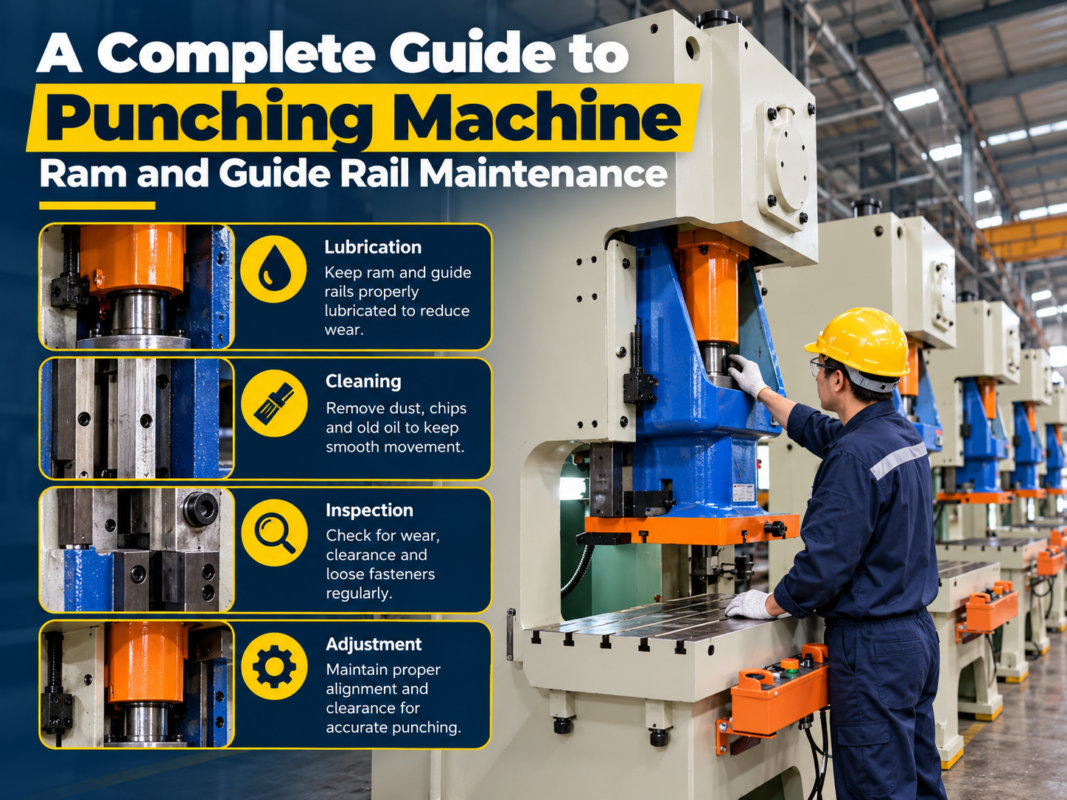
Next, focus on the machine itself. Wipe down the bed and the ram to remove dust, scale, and metal shavings. These small particles can be incredibly abrasive. If they find their way into the tooling or the guide rails, they can cause scoring and permanent damage. Use a clean cloth and, if necessary, a mild degreaser. Pay special attention to the die rail and the punch clamps; any debris trapped here will affect the seating of the tools and, consequently, the accuracy of the bend angle.
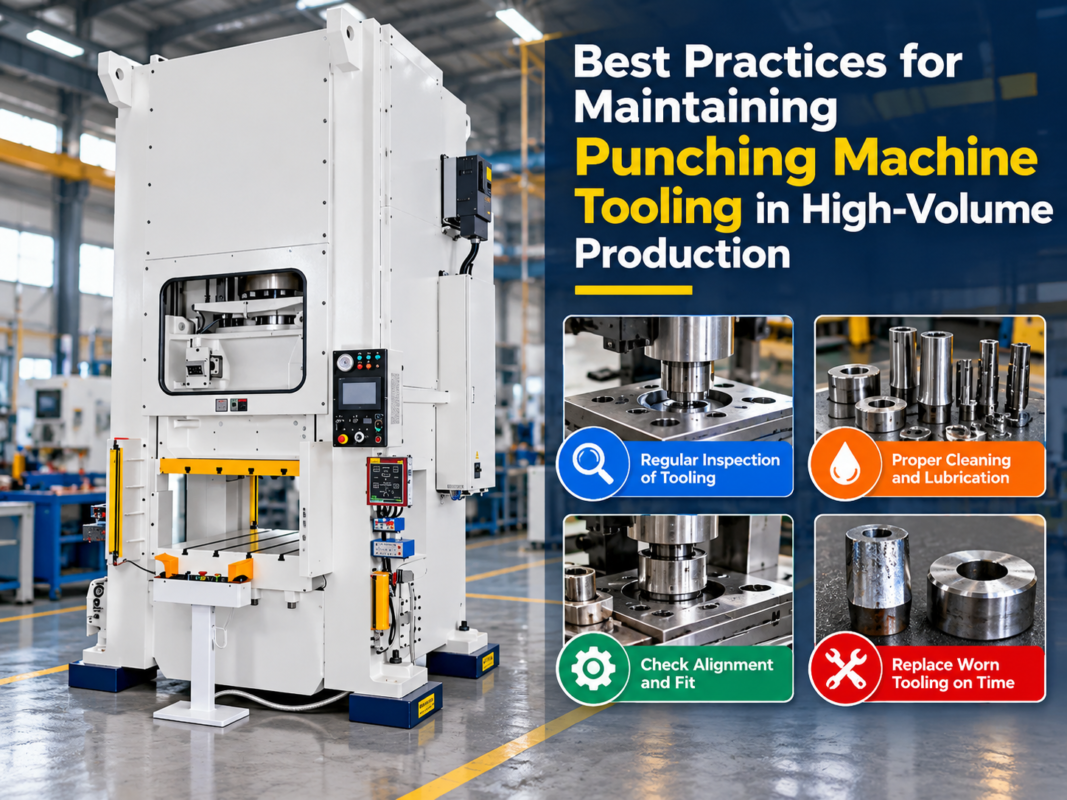
Inspect the tooling (punches and dies) for signs of wear, cracks, or deformation. Using damaged tooling is dangerous and will result in poor-quality parts. If you notice any “slugging” or metal buildup on the dies, clean it off immediately. This buildup can change the effective V-opening of the die, leading to inconsistent results across different workpieces.
Step 2: Hydraulic System Verification
The hydraulic system is the heart of the press brake. Without proper fluid dynamics, the machine cannot generate the force required for heavy-duty bending. The first check is the oil level. Most HARSLE machines feature a clear sight glass on the hydraulic reservoir. The oil should be at the recommended level; if it is low, it may indicate a leak that needs to be addressed before production begins.
Check the temperature of the oil if the machine has been idling. While oil warms up during use, it should never feel excessively hot to the touch on the exterior of the tank. Look for signs of aeration or foaming in the oil, which can suggest that air is entering the system—a common cause of “spongy” ram movement and inconsistent pressure. Inspect all hoses and fittings for “weeping” or wet spots. Even a small drip can lead to a significant loss of pressure and a messy workspace over an eight-hour shift.
Listen to the pump when you first start the machine. A healthy hydraulic pump should have a consistent, smooth hum. High-pitched whining or rhythmic knocking sounds are red flags. These noises often indicate cavitation or worn bearings within the pump. Addressing these sounds during the Operator’s Daily Press Brake Maintenance Before Production phase can prevent a total pump failure mid-shift.

Step 3: Electrical and Control System Checks
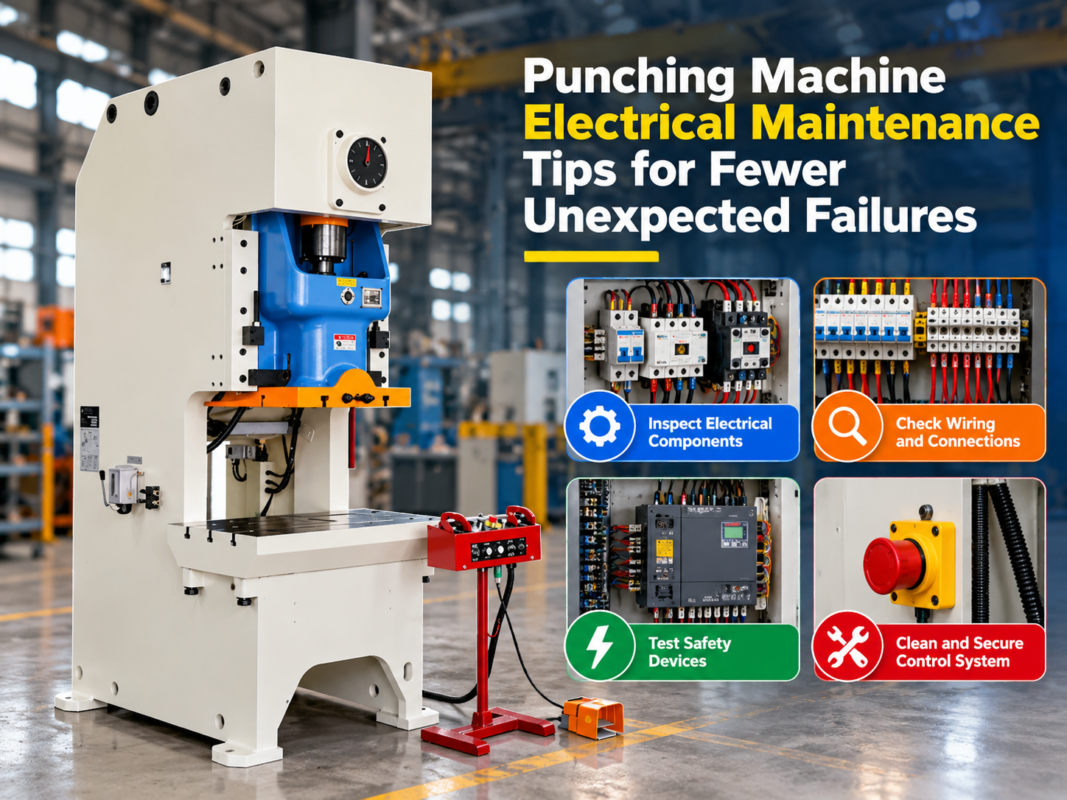
Modern press brakes rely heavily on sophisticated electronics and CNC systems. Start by inspecting the main power cables and the foot pedal cord. Look for frays, cuts, or exposed wires. Because these cables often sit on the floor, they are susceptible to damage from forklifts or falling metal sheets. A damaged foot pedal cable is a significant safety risk and can cause intermittent operation issues.
Turn on the CNC controller and observe the boot-up sequence. Check for any error codes or maintenance alerts on the screen. Modern HARSLE controllers are designed to self-diagnose many issues, such as encoder errors or communication faults between the PLC and the servo drives. If the screen shows a “battery low” warning for the memory, report it immediately to prevent the loss of stored programs.
Test the emergency stop (E-stop) buttons. There should be one on the main console and one on the foot pedal station. Press each one to ensure it cuts power to the hydraulic motor and halts all movement. Additionally, verify the function of the light curtains or laser guards. Pass an object through the light beam while the ram is in motion (during a test cycle at low speed) to ensure the machine stops instantly. Never bypass these safety features to speed up production.
Step 4: Mechanical and Backgauge Inspection
The backgauge is responsible for the dimensional accuracy of your flanges. If the backgauge is loose or out of alignment, every part produced will be scrap. Begin by manually moving the backgauge through its full range of motion (X, R, and Z axes). Listen for any grinding or squeaking, which indicates a lack of lubrication on the ball screws or linear guides. Check that the fingers are tight and that they haven’t been bent by a previous collision.
Inspect the ram guides (the gibs). These are the sliding surfaces that ensure the ram moves vertically without tilting. There should be a thin film of oil on these guides. If they appear dry or have visible scratches, they require immediate lubrication. Check the tightness of the bolts holding the punch and die in place. Vibration during the previous shift can loosen these clamps, leading to tool shift during a bend.
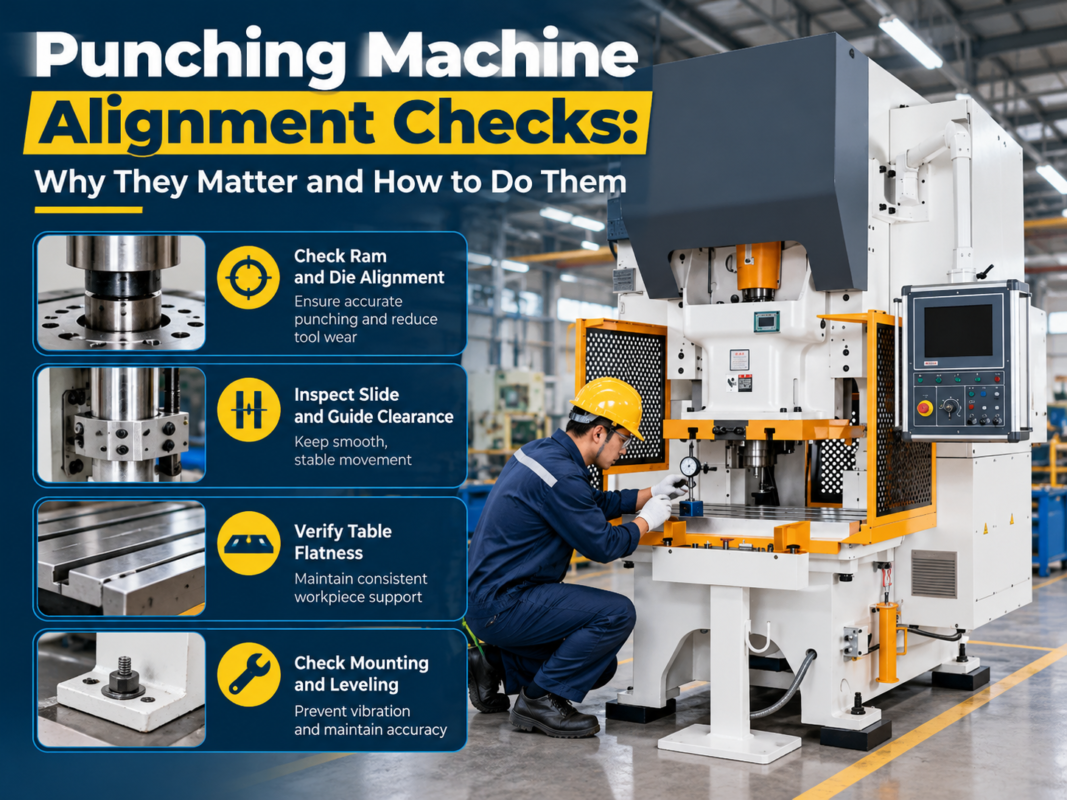
Verify the parallelism of the ram. While CNC machines often have automatic crowning and leveling, a quick visual check or a test bend on a scrap piece of material can confirm that the ram is hitting the die evenly across its entire length. If one side of the bend is tighter than the other, the machine may require a recalibration of its Y1 and Y2 cylinders.
Step 5: The Daily Lubrication Plan
Friction is the enemy of precision machinery. A dedicated lubrication plan is a core component of the Operator’s Daily Press Brake Maintenance Before Production. Most press brakes have specific points that require daily attention, while others may be serviced by an automatic lubrication system. Even with an automatic system, the operator must check the lubricant reservoir to ensure it is full.
Key areas for lubrication include:
- Ball Screws: These drive the backgauge and require a specific grade of grease or oil to prevent wear on the threads.
- Linear Guides: These ensure smooth movement for the backgauge and the ram. They should be wiped clean and lightly coated with the manufacturer-recommended lubricant.
- Pivot Points: On older torsion bar machines, the linkage points require frequent greasing to prevent seizing.
- Tooling Rails: A very light coat of oil on the rails can make changing tools easier and prevent rust.
Always use the lubricants specified in the HARSLE manual. Using the wrong type of grease (e.g., using chassis grease instead of high-speed ball screw grease) can actually attract more dust and lead to premature component failure. If the machine has grease nipples, use a manual grease gun to apply the exact number of “pumps” recommended by the manufacturer.
Troubleshooting Signals: What to Watch For
During the pre-production check, an operator should be sensitive to “signals” that the machine is unhappy. These signals are often subtle but provide early warning of impending failure. One of the most common signals is heat. If a specific motor or a section of the hydraulic manifold feels unusually hot before the day’s work has even begun, there may be an internal blockage or an electrical short.
Vibration is another key indicator. A press brake should operate with a controlled, solid feel. If you notice a new vibration in the floor or a rattling sound within the cabinet, it could indicate a loose mounting bolt or an unbalanced cooling fan. Pay attention to the smell as well; the scent of burning oil or ozone (electrical burning) should never be ignored. If any of these signals are present, do not start production. Tag the machine out and notify the maintenance department immediately.
Operator’s Daily Press Brake Maintenance Schedule Table
| Category | Task | Frequency | Action Required |
|---|---|---|---|
| Workspace | Area Cleaning | Daily | Remove scrap, oil, and trip hazards. |
| Tooling | Visual Inspection | Daily | Check for cracks, chips, or slugging. |
| Hydraulics | Oil Level & Leaks | Daily | Check sight glass and hose fittings. |
| Safety | E-Stop & Light Curtains | Daily | Test functionality before first bend. |
| Mechanical | Backgauge Lubrication | Weekly | Apply grease to ball screws and guides. |
| Electrical | Cabinet Dusting | Monthly | Vacuum filters and cooling fans. |
| Hydraulics | Oil & Filter Change | Yearly | Replace hydraulic fluid and all filters. |
Frequently Asked Questions (FAQ)
1. How long should the daily maintenance check take?
For an experienced operator, a thorough Operator’s Daily Press Brake Maintenance Before Production routine should take between 15 and 20 minutes. While this may seem like a lot of time in a busy shop, it is significantly less time than the hours or days lost to an unexpected machine breakdown.
2. What should I do if I find a small hydraulic leak?
Never ignore a hydraulic leak, no matter how small. A “weeping” fitting can fail completely under the high pressure of a heavy bend. Clean the area, identify the source, and tighten the fitting if possible. If the leak persists or comes from a damaged hose, the hose must be replaced before the machine returns to service.
3. Can I use any industrial grease for the backgauge?
No. Press brake backgauges use high-precision ball screws that require specific lubricants. Using a thick, tacky grease intended for heavy construction equipment can gum up the ball bearings and cause the backgauge to lose positioning accuracy. Always refer to your HARSLE manual for the correct lubricant specifications.
4. Why is it important to clean the dies every day?
Metal scale and dust can build up in the V-opening of the die. This buildup acts as a shim, effectively changing the geometry of the die. This leads to inconsistent bend angles across the length of the part. Furthermore, scale is very hard and can scratch the surface of stainless steel or aluminum workpieces, leading to aesthetic defects.
5. How often should the hydraulic oil be completely replaced?
While daily checks focus on levels and leaks, the oil itself breaks down over time due to heat and shear forces. Generally, hydraulic oil should be replaced every 2,000 to 4,000 hours of operation, or at least once a year. Regular oil analysis can help determine the exact timing based on your specific usage patterns.
6. What is the most common cause of press brake inaccuracy?
Aside from improper programming, the most common cause of inaccuracy is poor maintenance of the ram guides and the backgauge. If the ram is not moving perfectly vertically or the backgauge has “play” due to worn ball screws, the machine cannot produce consistent results. Daily lubrication and inspection are the best ways to prevent these issues.
Conclusion
The Operator’s Daily Press Brake Maintenance Before Production is the hallmark of a professional fabricator. By taking ownership of the machine’s health, operators not only protect themselves and their colleagues but also ensure that the shop remains productive and profitable. HARSLE press brakes are engineered for excellence, and with the right daily care, they will provide precision bending for a lifetime of service. Remember: maintenance is not an interruption to production; it is an essential part of it.