How Regular Press Brake Maintenance Improves Productivity and Reduces Repair Costs


The Strategic Importance of Press Brake Maintenance in Modern Fabrication
In the competitive landscape of metal fabrication, the press brake stands as the cornerstone of production. Whether you are operating a high-end HARSLE CNC model or a conventional hydraulic unit, the machine’s health directly dictates your bottom line. Understanding how regular press brake maintenance improves productivity and reduces repair costs is not just a technical requirement; it is a strategic business imperative. When a machine is neglected, the consequences ripple through the entire production chain, leading to inaccurate bends, wasted material, and catastrophic downtime that can halt a workshop’s output for days or even weeks.
The primary goal of a preventative maintenance program is to identify potential failures before they manifest as expensive repairs. By implementing a structured approach, fabricators can ensure that every component—from the hydraulic valves to the backgauge sensors—operates within its designed tolerances. This consistency is what allows for high-precision output, especially when working with expensive materials like stainless steel or aerospace-grade aluminum. A well-maintained machine maintains its resale value and extends its operational lifespan by years, providing a much higher return on investment (ROI) for the initial capital expenditure.
Furthermore, maintenance is a critical factor in workplace safety. Press brakes exert hundreds of tons of pressure; any mechanical or hydraulic failure can pose a significant risk to the operator. Regular checks of safety light curtains, emergency stop buttons, and hydraulic seals ensure that the machine remains a safe environment for workers. In the following sections, we will delve into the specific daily, weekly, and monthly tasks that constitute a world-class maintenance regime, demonstrating exactly how these efforts translate into saved dollars and increased parts-per-hour.

Daily Inspection Protocols for Maximum Uptime
The first line of defense against machine failure is the daily inspection. This routine should be performed at the start of every shift, taking no more than 15 to 20 minutes. The operator should begin with a visual sweep of the machine, looking for any signs of oil leaks around the cylinders or hoses. Even a small puddle of hydraulic fluid can indicate a failing seal that, if left unaddressed, could lead to a loss of pressure and inconsistent bending angles. Checking the oil level via the sight glass is equally vital; low oil levels can introduce air into the system, causing jerky movements and overheating.
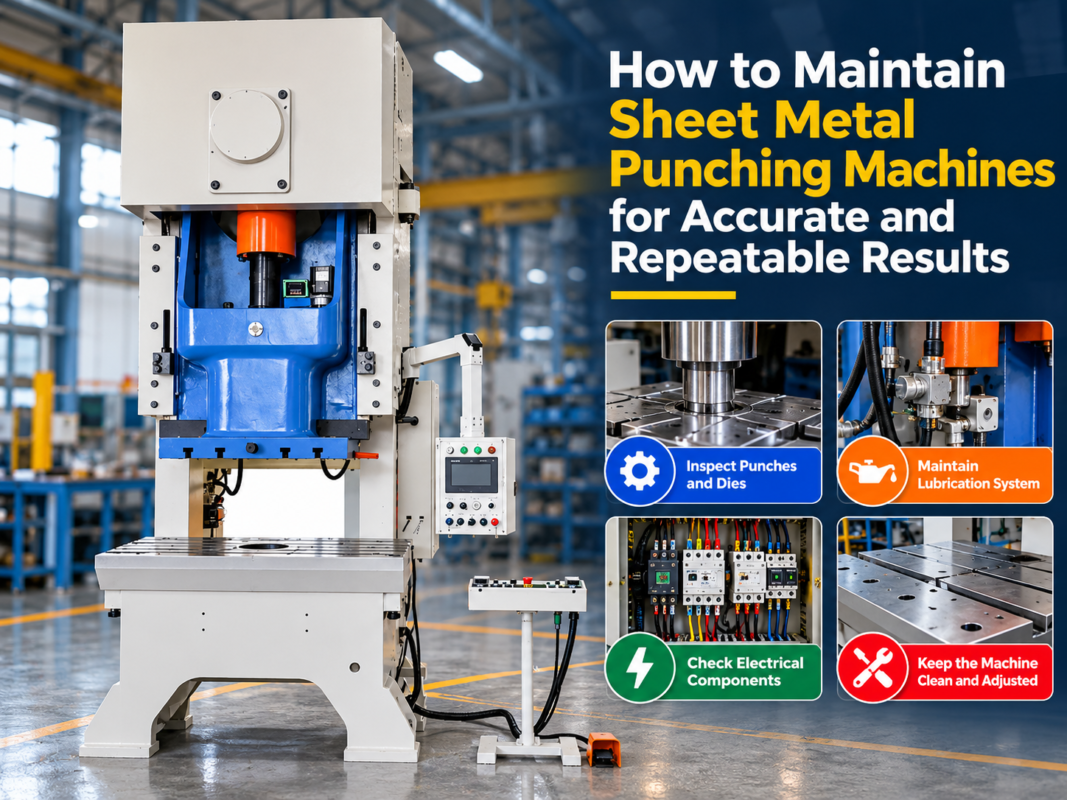
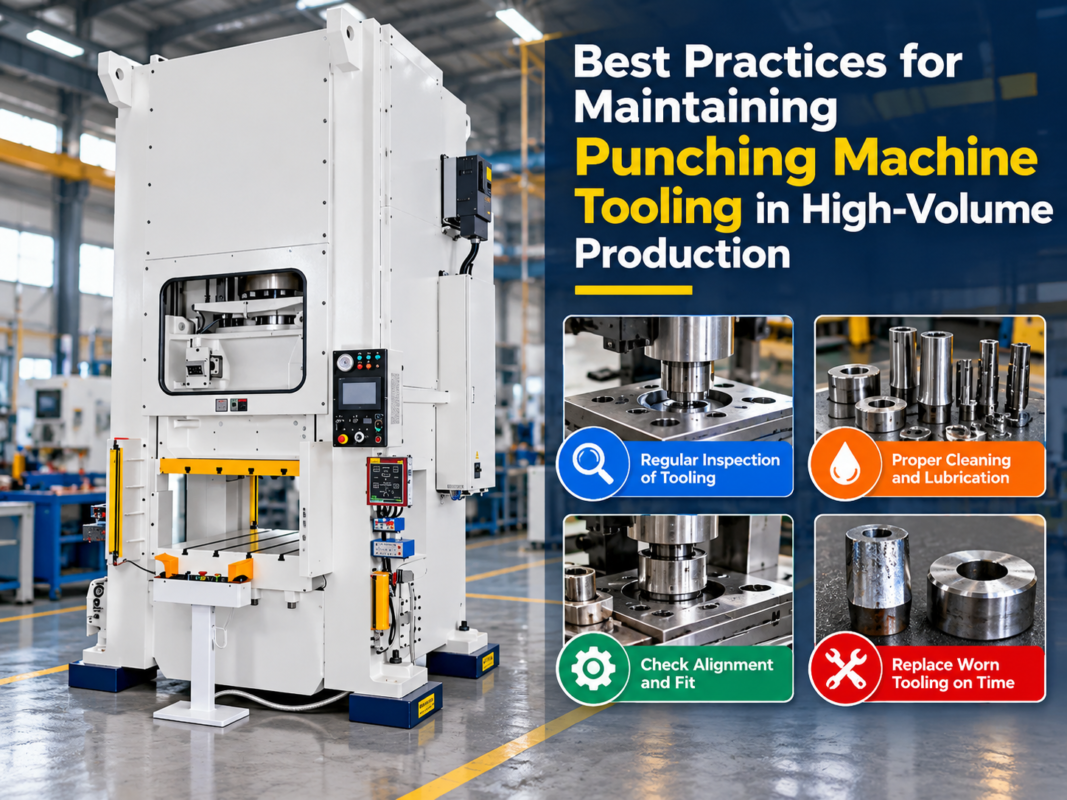
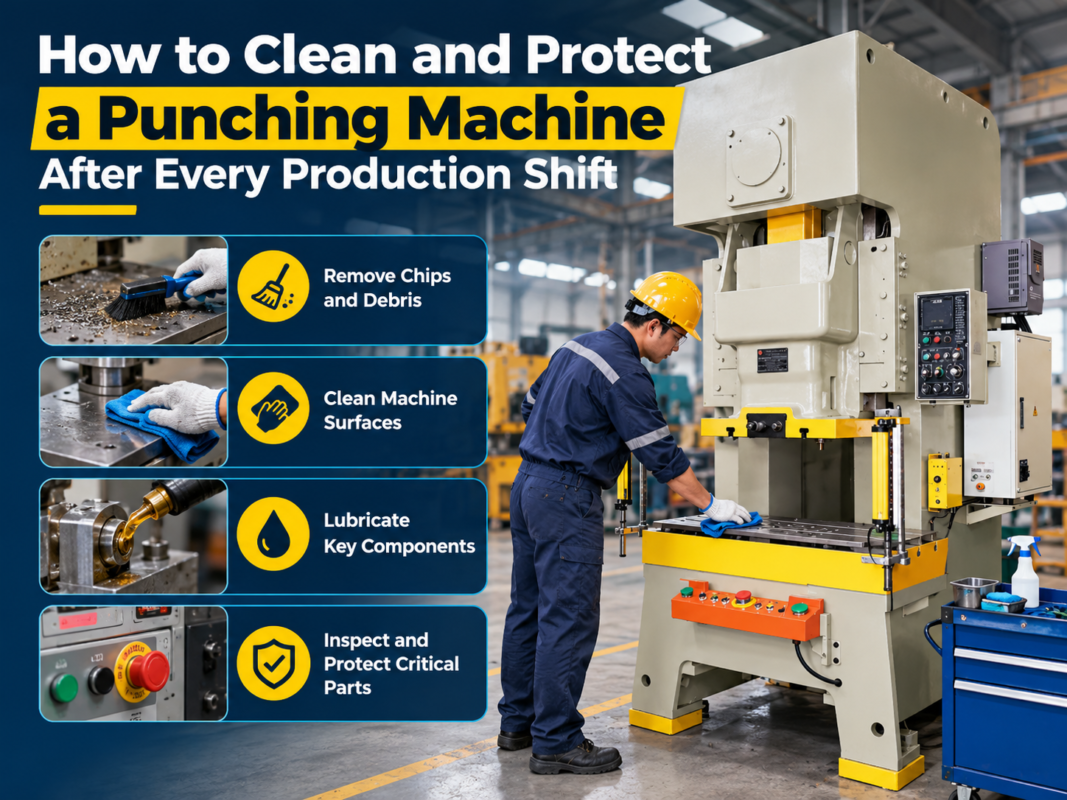
Next, the focus should shift to the tooling and the work area. The bed and the ram must be wiped down to remove any metal shavings, scale, or dust. Debris trapped between the tool and the holder can cause ‘pitting’ or permanent damage to the precision-ground surfaces, leading to inaccuracies in the final product. Operators should also inspect the punches and dies for chips or cracks. Using damaged tooling not only ruins the workpiece but can also put uneven stress on the machine’s hydraulic system, leading to premature wear of the internal components.
Safety systems must be tested daily without exception. This includes cycling the light curtains to ensure they trigger the emergency stop and verifying that the foot pedal and dual-palm buttons are functioning correctly. A machine that fails a safety test should be locked out immediately. By catching these issues early, you prevent the ‘snowball effect’ where a minor electrical glitch turns into a major system failure. This proactive daily habit is the simplest way to ensure that regular press brake maintenance improves productivity and reduces repair costs over the long term.
Hydraulic System Maintenance: The Lifeblood of the Machine
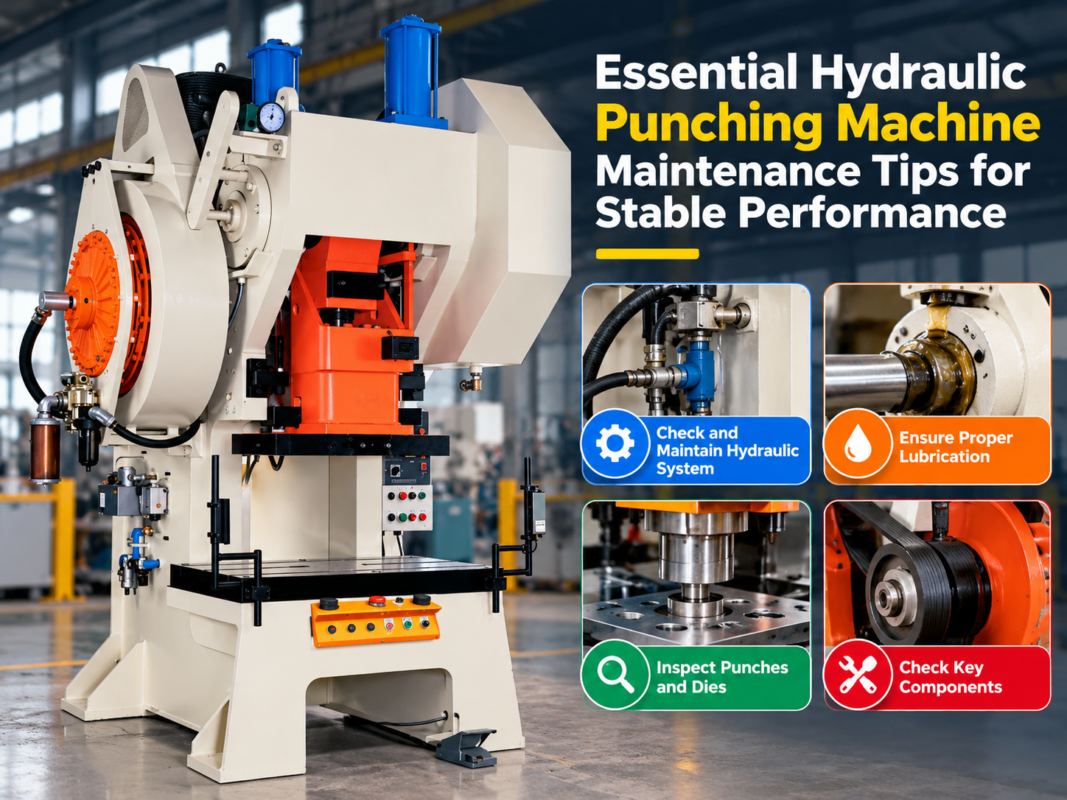
The hydraulic system is the heart of the press brake, responsible for generating the massive force required to deform metal. Maintaining the purity and temperature of the hydraulic oil is perhaps the most critical aspect of machine longevity. Over time, hydraulic oil breaks down due to heat and pressure, losing its lubrication properties and becoming contaminated with microscopic metal particles. Regular oil analysis and filter changes are non-negotiable. Most manufacturers recommend changing the return line filters every 1,000 to 2,000 hours of operation, or sooner if the environment is particularly dusty.
Temperature regulation is another key factor. If the hydraulic oil exceeds 60°C (140°F), it begins to oxidize rapidly, leading to the formation of sludge and varnish inside the valves. This buildup can cause proportional valves to stick, resulting in the ram becoming out of sync. To prevent this, ensure that the oil cooling system—whether it is an air-cooled heat exchanger or a water-cooled system—is clean and functioning. Dust buildup on cooling fins is a common cause of overheating that is easily preventable through regular cleaning with compressed air.
Air in the hydraulic lines is a silent productivity killer. It causes ‘spongy’ operation and cavitation, which can physically erode the internal surfaces of the pump. During maintenance, technicians should check for any unusual whining noises coming from the pump, which often indicates air ingestion or a clogged suction strainer. By keeping the hydraulic system sealed, clean, and cool, you eliminate the most common causes of expensive service calls and ensure the machine maintains its tonnage capacity throughout its life.
Electrical and Control System Integrity
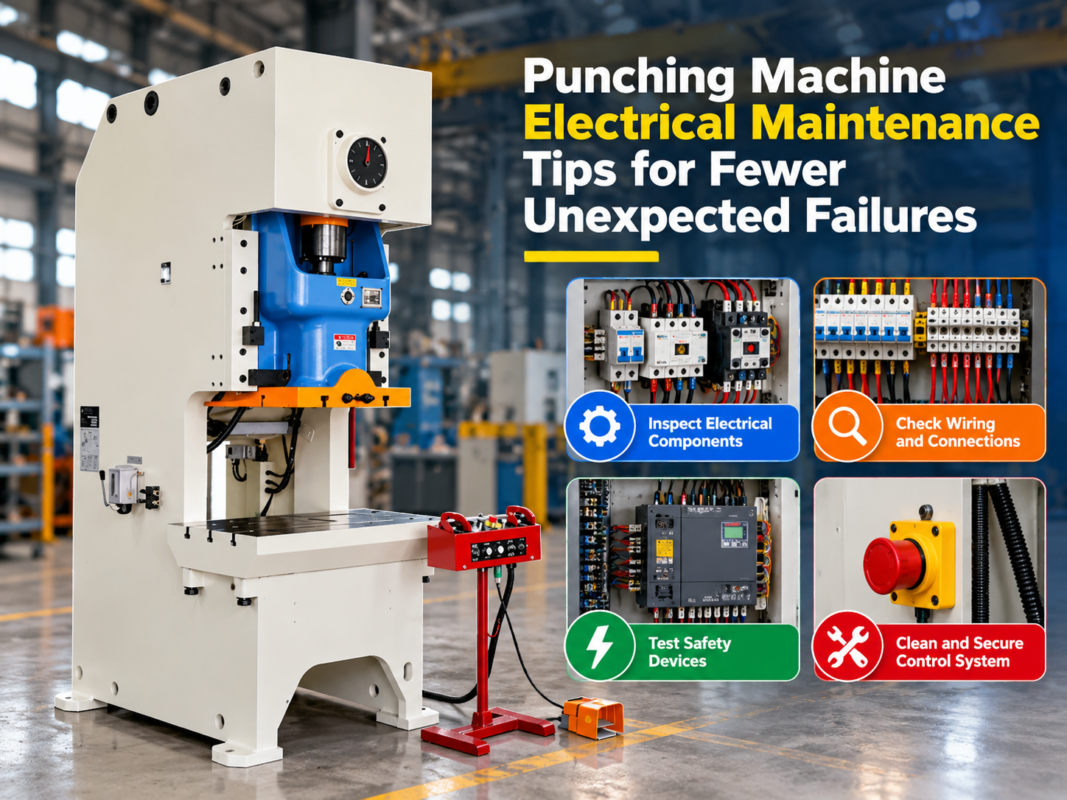
Modern CNC press brakes, such as those produced by HARSLE, rely heavily on sophisticated electronics and software. The electrical cabinet is often overlooked during maintenance, yet it is a frequent source of intermittent faults. Dust and metallic particles can settle on circuit boards, causing short circuits or overheating. Monthly cleaning of the electrical cabinet with a vacuum (never compressed air, which can push dust deeper into components) is essential. Additionally, check that all cooling fans are operational and that the cabinet filters are replaced regularly.
Wiring and connections are subject to vibration during the bending process. Over time, terminal screws can loosen, leading to poor electrical contact and erratic behavior in the backgauge or ram. A semi-annual inspection should involve tightening all terminal blocks and checking the integrity of cables, especially those in high-flex areas like the backgauge tracks. If a cable’s insulation is frayed, it must be replaced immediately to prevent a short circuit that could fry an expensive CNC controller board.
Software and calibration also fall under the umbrella of electrical maintenance. Ensure that the machine’s parameters are backed up regularly. If the machine loses power or a battery on the motherboard fails, having a recent backup can save hours of reconfiguration. Periodically re-calibrating the Y1 and Y2 axes, as well as the backgauge R and Z axes, ensures that the digital readout matches the physical reality of the machine. This precision is exactly how regular press brake maintenance improves productivity—by eliminating the need for ‘test bends’ and reducing scrap rates.
Mechanical Components and Backgauge Precision
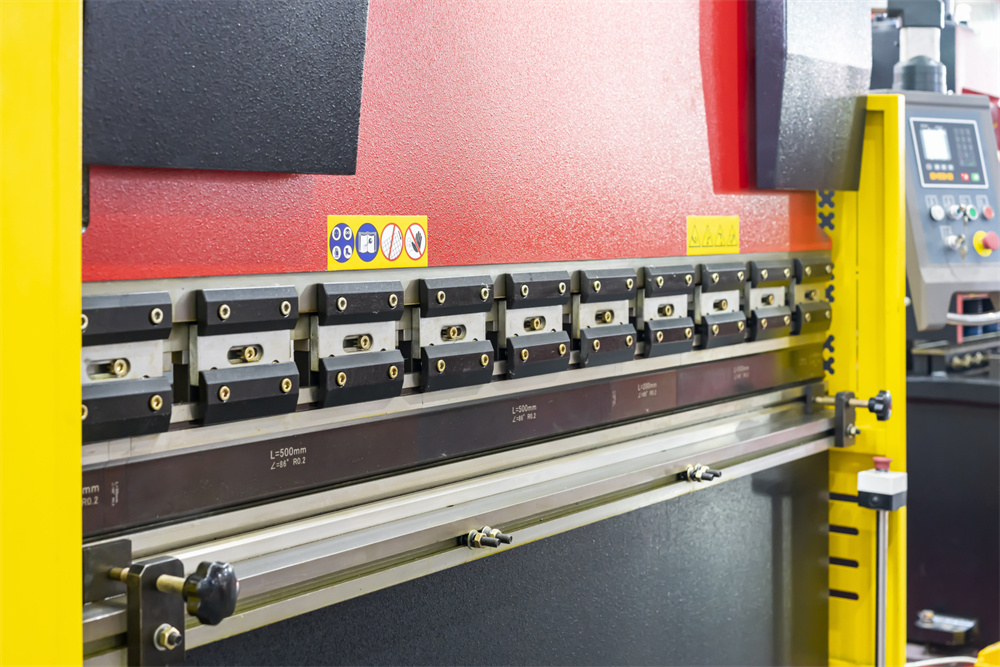
While the hydraulics provide the power, the mechanical components provide the precision. The backgauge system is a marvel of engineering, often moving at high speeds to position the metal within microns of the target. To maintain this accuracy, the ball screws and linear guides must be kept clean and properly lubricated. If grit accumulates on the ball screw, it acts as an abrasive, quickly wearing down the threads and introducing ‘backlash.’ Once backlash occurs, the only solution is often an expensive replacement of the entire screw assembly.
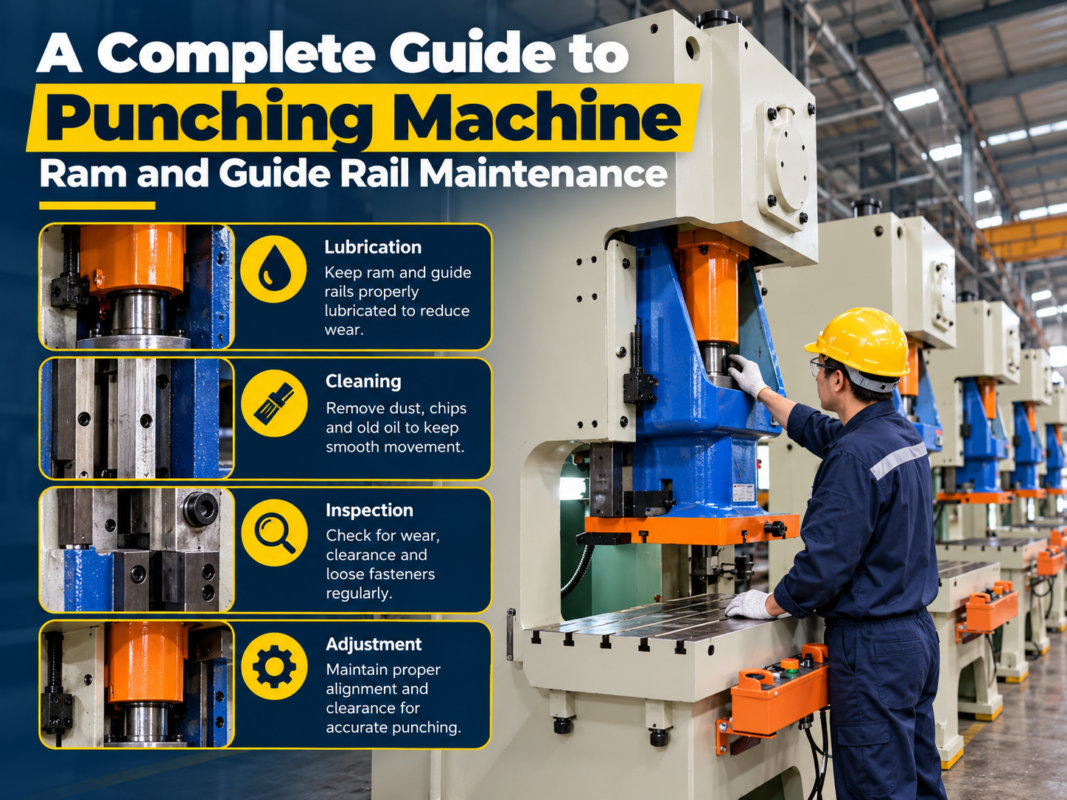
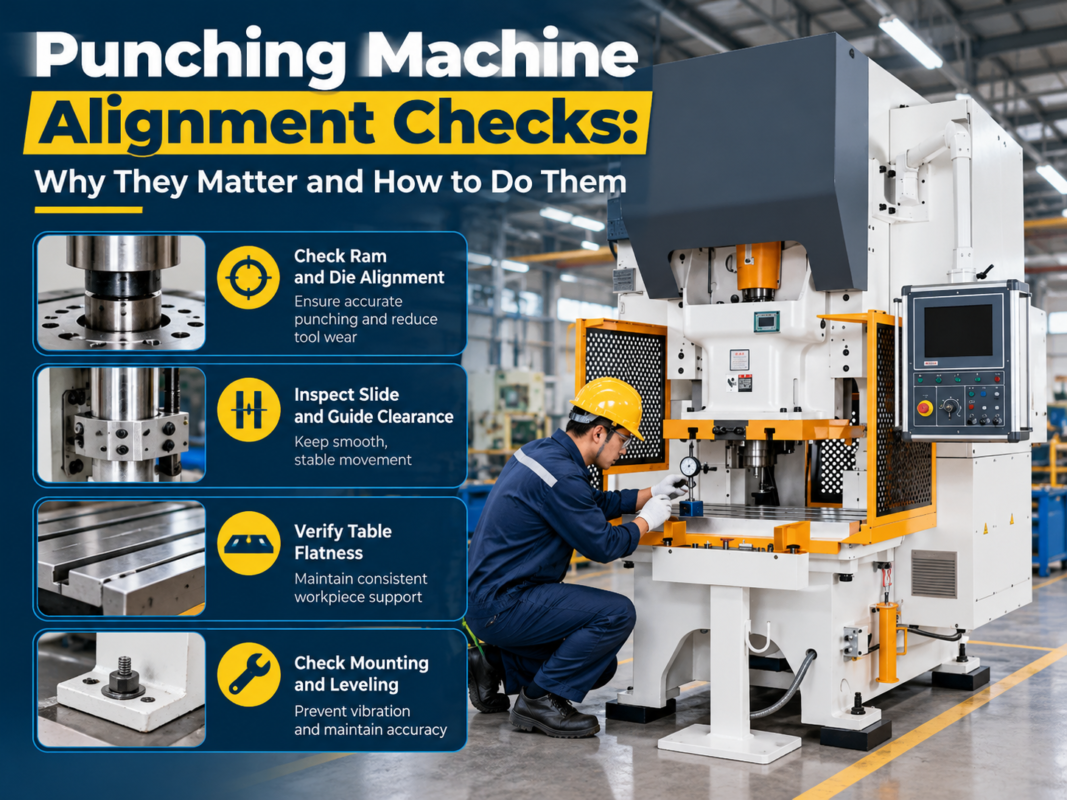
The ram gibs—the guides that ensure the ram moves perfectly vertically—require careful adjustment. If the gibs are too tight, they cause excessive friction and heat; if they are too loose, the ram can tilt, leading to ‘bowing’ in the finished part. Checking the gib clearance and ensuring they are receiving adequate lubrication is a vital monthly task. Similarly, the connection points between the hydraulic cylinders and the ram should be inspected for any signs of play or wear in the spherical bearings.
Finally, the structural integrity of the frame itself should be monitored. While rare, stress cracks can develop in the throat of the machine if it is consistently used at its maximum capacity or if the load is not centered. A quick visual inspection of the frame’s welds and the foundation bolts ensures that the machine remains a stable platform for precision work. A stable machine is a productive machine, and these mechanical checks are fundamental to avoiding the massive costs associated with structural repairs.
Developing a Comprehensive Lubrication Plan
Lubrication is the simplest yet most effective way to reduce friction and wear. A comprehensive lubrication plan should specify the type of lubricant (grease vs. oil), the location of the grease nipples, and the frequency of application. Many modern HARSLE press brakes feature automatic lubrication systems, but these still require maintenance. The reservoir must be kept full, and the delivery lines must be checked for blockages. If a single line is blocked, one specific bearing may be running dry while the rest of the machine appears fine.
For machines requiring manual lubrication, it is helpful to color-code the grease points based on frequency (e.g., red for daily, blue for weekly). High-pressure grease is typically required for the main pivot points and ram guides, while a lighter oil might be used for the backgauge’s delicate linear rails. Using the wrong type of lubricant can be as damaging as using none at all; for instance, a heavy grease on a high-speed ball screw can attract dust and create a grinding paste that destroys the component.
The lubrication plan should also include the ‘cleaning’ aspect. Before applying new grease, always wipe the grease nipple clean to avoid pumping dirt into the bearing. This attention to detail is what separates a world-class fabrication shop from a mediocre one. When lubrication is handled correctly, the machine operates more quietly, consumes less power, and experiences significantly less thermal expansion, all of which contribute to the goal of how regular press brake maintenance improves productivity and reduces repair costs.
Recognizing Early Warning Signals and Troubleshooting
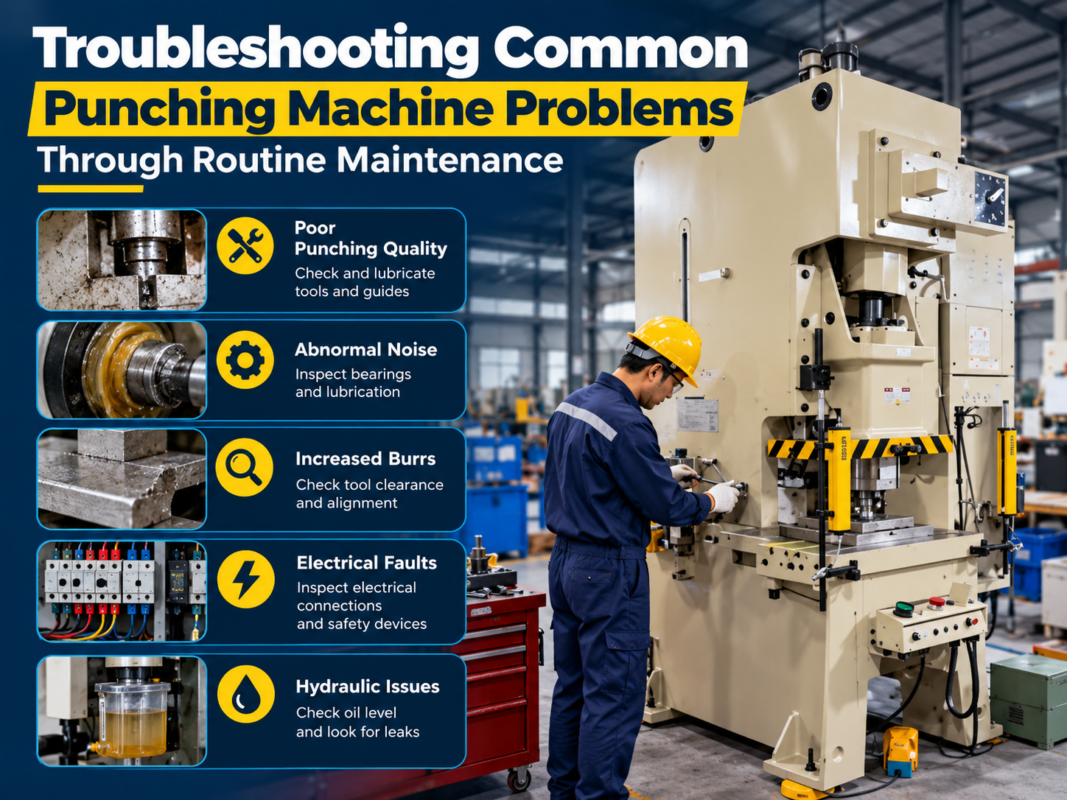
Even with the best maintenance plan, components will eventually wear out. The key to reducing repair costs is recognizing the early warning signals before a part fails completely. Unusual noises are often the first indicator. A high-pitched squeal might indicate a pump struggling with cavitation, while a rhythmic thumping could suggest a flat spot on a bearing or a problem with the drive belt. Operators should be trained to ‘listen’ to their machines and report any changes in the acoustic profile immediately.
Heat is another major indicator. If a specific motor or hydraulic valve feels significantly hotter than usual, it is likely working too hard due to internal friction or an electrical fault. Using an infrared thermometer during routine checks can help identify these ‘hot spots’ before they lead to a fire or a total system shutdown. Similarly, vibration analysis—even if done simply by hand—can reveal misalignments in the motor-pump coupling or the backgauge assembly.
Inconsistent bend angles are the ultimate red flag. If the machine is programmed for a 90-degree bend but produces 92 degrees on one end and 88 on the other, the ram parallelism is out of sync. This could be a hydraulic issue, a mechanical gib problem, or a sensor failure. By troubleshooting these issues the moment they appear, you avoid producing a bin full of scrap parts. This proactive troubleshooting is a core component of how regular press brake maintenance improves productivity, ensuring that every hour the machine is running, it is producing quality parts.
Comprehensive Maintenance Schedule Table
To help your team stay organized, use the following table as a baseline for your press brake maintenance program. Adjust the frequencies based on your specific machine’s manual and your shift volume.
| Frequency | Component | Action Required |
|---|---|---|
| Daily | Hydraulic System | Check oil level and look for leaks. |
| Daily | Safety Systems | Test light curtains and emergency stops. |
| Daily | Tooling | Clean bed, ram, and inspect dies for damage. |
| Weekly | Backgauge | Clean and lightly oil linear guides and ball screws. |
| Weekly | Air Filters | Clean or replace electrical cabinet and cooling filters. |
| Monthly | Ram Gibs | Check clearance and lubricate. |
| Monthly | Electrical | Vacuum cabinet and check for loose connections. |
| Quarterly | Hydraulic Oil | Perform oil analysis and check for contamination. |
| Semi-Annually | Calibration | Verify Y1, Y2, and backgauge axis accuracy. |
| Annually | Full Service | Change hydraulic oil and all filters; professional inspection. |
Frequently Asked Questions (FAQ)
1. How often should I change the hydraulic oil in my press brake?
Generally, hydraulic oil should be changed every 2,000 to 4,000 hours of operation, or once a year. However, the best practice is to perform an oil analysis every six months. This will tell you the exact state of the oil’s viscosity and contamination levels, potentially allowing you to extend the life of the oil or alerting you to a problem early.
2. Why is my press brake losing its bending accuracy?
Loss of accuracy is usually caused by one of three things: worn tooling, incorrect ram gib adjustment, or hydraulic fluid contamination affecting the proportional valves. Start by checking your tools for wear, then move to mechanical alignments. If those are fine, the issue likely lies in the hydraulic control system.
3. Can I use any type of grease for the backgauge?
No. You must use the lubricant specified by the manufacturer. Backgauges often use high-precision ball screws that require a specific lithium-based grease or a specialized oil. Using the wrong lubricant can increase friction, lead to positioning errors, and eventually cause the motor to burn out.
4. What are the signs that my hydraulic pump is failing?
Common signs include an increase in noise (whining or grinding), a decrease in ram speed, and the oil overheating quickly. If you notice these symptoms, check the suction strainer and the oil level first. If those are fine, the pump may need a professional rebuild or replacement.
5. How does cleaning the machine actually improve productivity?
Cleaning prevents the buildup of scale and dust that can migrate into sensitive areas like the hydraulic tank or the CNC controller. It also allows operators to see leaks or cracks that would otherwise be hidden by grime. A clean machine runs cooler and experiences fewer ‘mystery’ faults, leading to more consistent uptime.
6. Is it necessary to have a professional technician for annual maintenance?
While daily and weekly tasks can be handled by trained operators, an annual professional inspection is highly recommended. Technicians have specialized tools to check for frame stress, pump efficiency, and electronic calibration that go beyond standard shop capabilities. This investment significantly reduces the risk of major, unexpected repair costs.