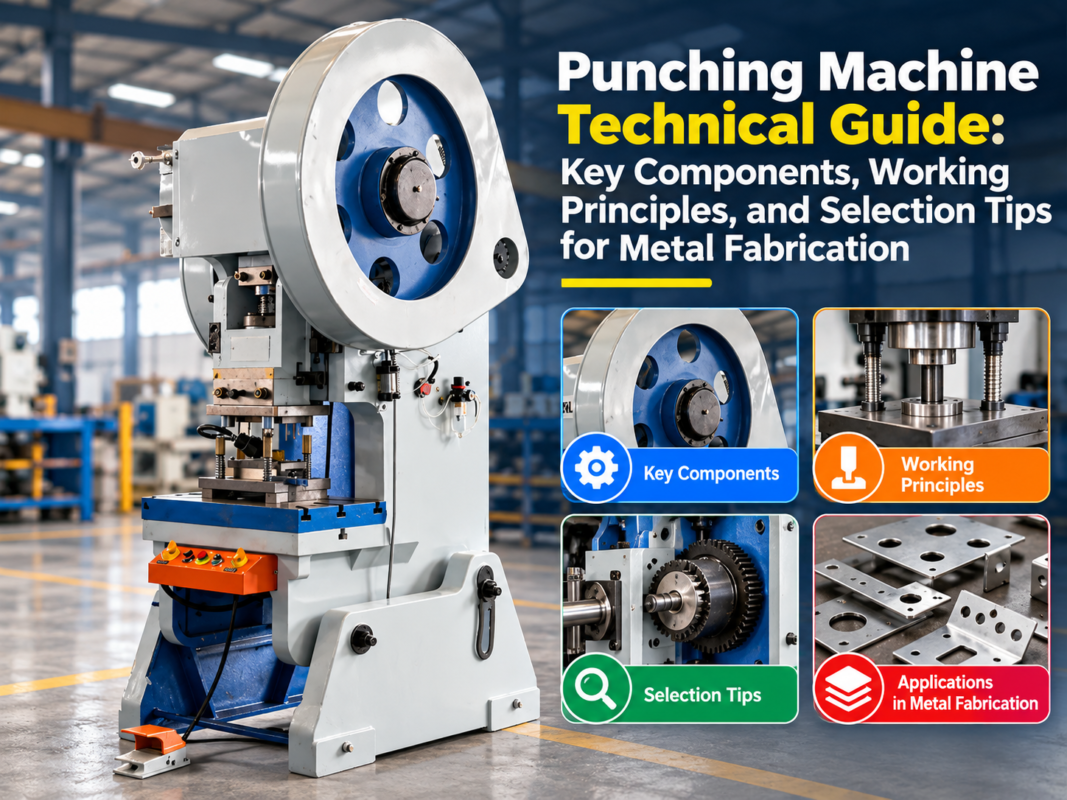
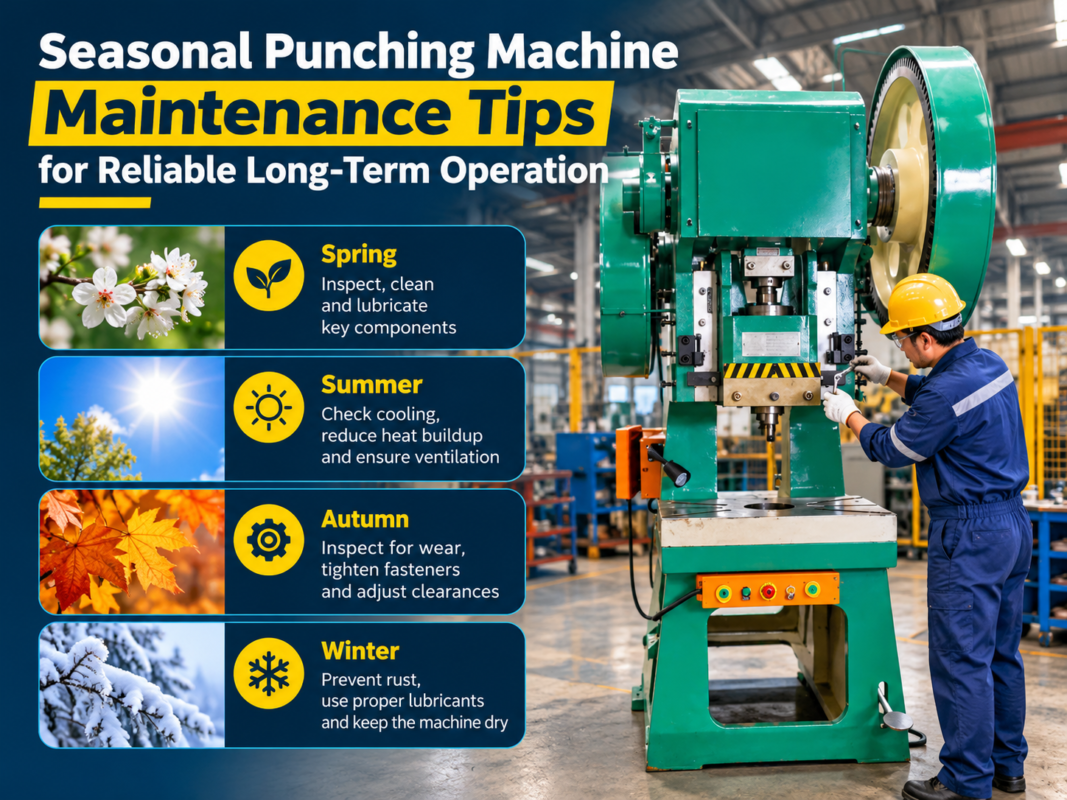
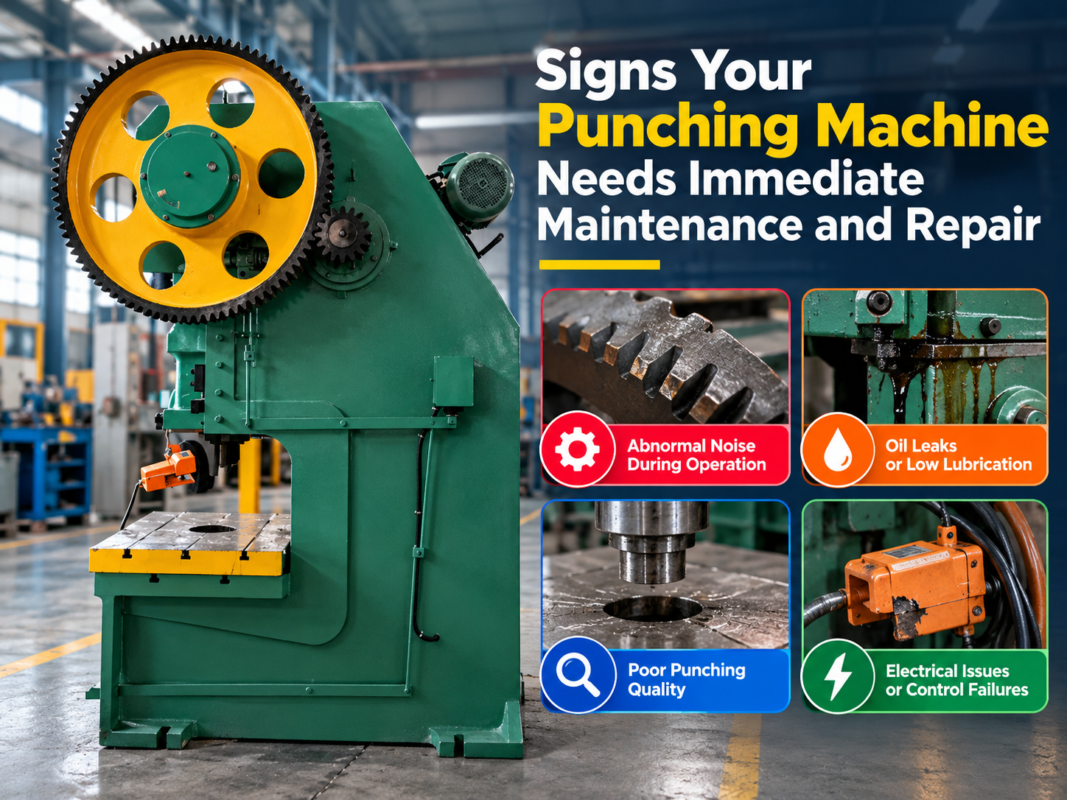
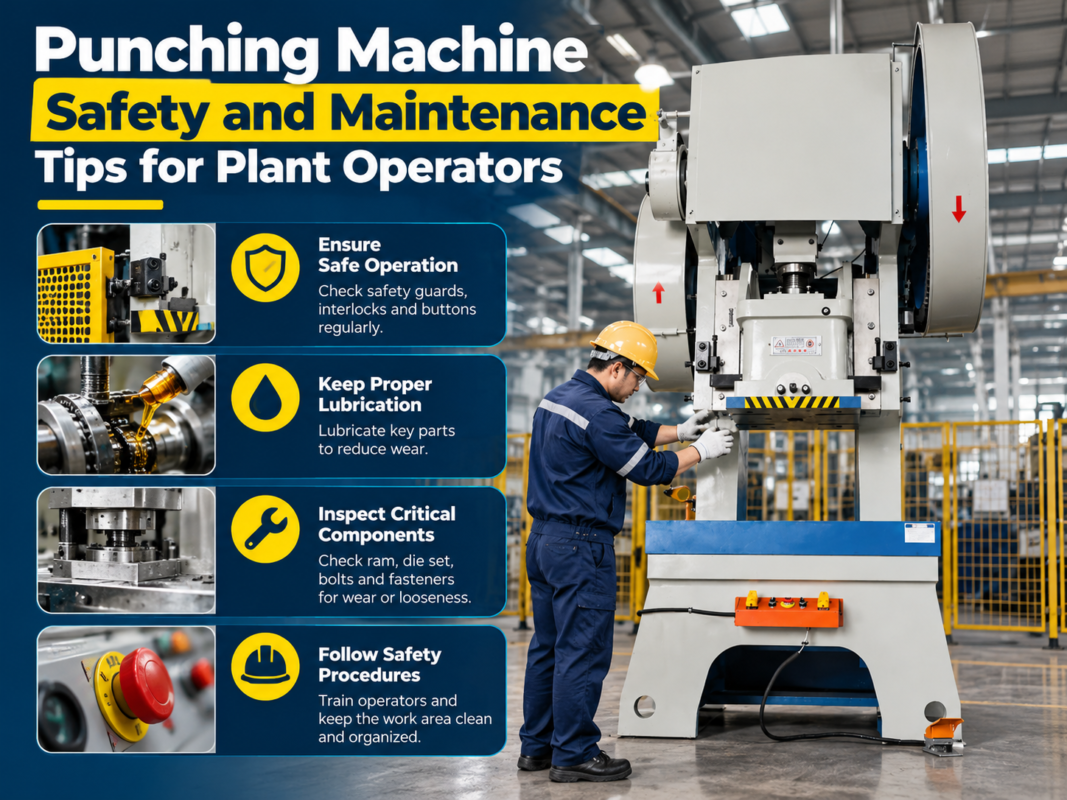
Daily Punching Machine Maintenance Tips to Prevent Costly Downtime


The Critical Importance of Punching Machine Maintenance
In the high-stakes world of metal fabrication, the punching machine serves as the backbone of production. Whether you are running a high-speed CNC turret punch or a robust hydraulic punching unit, the equipment represents a significant capital investment. When a machine stops, the entire production line grinds to a halt, leading to missed deadlines, frustrated clients, and substantial financial losses. Implementing consistent daily punching machine maintenance tips to prevent costly downtime is not merely a suggestion; it is a fundamental operational necessity for any successful fabrication shop.
Preventive maintenance is the proactive practice of inspecting, cleaning, and servicing equipment before a failure occurs. Unlike reactive maintenance, which involves fixing a machine after it breaks, preventive strategies focus on identifying wear and tear in its infancy. By dedicating just a few minutes at the start and end of each shift to these essential tasks, operators can extend the service life of their HARSLE machinery by years, while simultaneously improving the precision and quality of the finished parts.
Furthermore, a well-maintained punching machine operates more efficiently, consuming less energy and producing fewer scrap parts. When components are properly lubricated and aligned, the motor experiences less strain, and the tooling lasts significantly longer. This efficiency translates directly into a lower cost per part, giving your business a competitive edge in a crowded market. Neglecting these daily rituals often leads to catastrophic failures that require expensive replacement parts and specialized technician visits.
Ultimately, the culture of maintenance starts with the operator. When the team understands that daily punching machine maintenance tips to prevent costly downtime are part of their professional responsibility, the shop floor becomes a safer and more productive environment. HARSLE encourages all facility managers to integrate these checklists into their standard operating procedures (SOPs) to ensure that every shift begins and ends with the machine in optimal condition.
Daily Inspection: The First Line of Defense
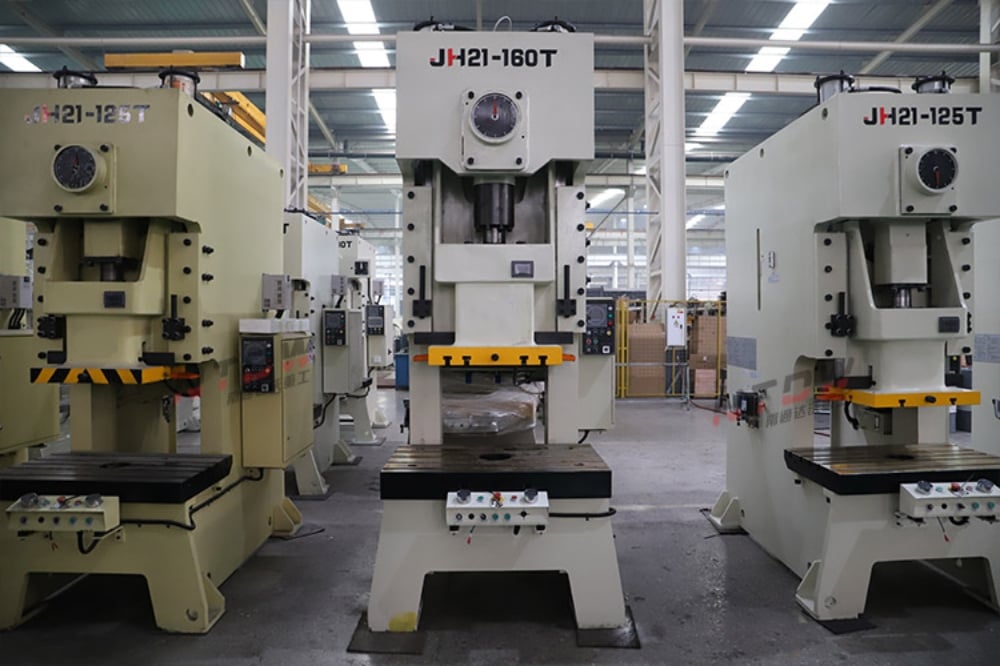
The daily inspection is the most effective tool in your maintenance arsenal. This process should be performed before the machine is powered up for the day. Start by conducting a visual sweep of the entire unit. Look for any signs of oil leaks, loose bolts, or debris that may have accumulated around the base or the turret area during the previous shift. A clean machine is easier to inspect, as leaks and cracks become immediately apparent against a tidy surface.
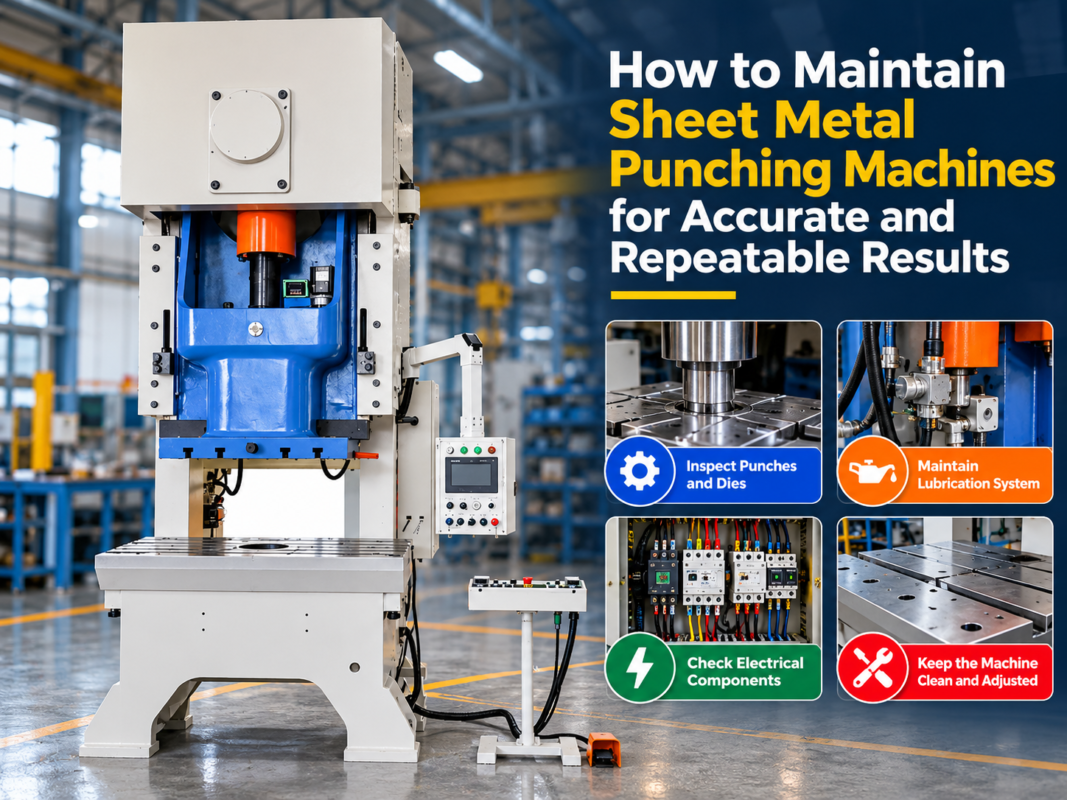
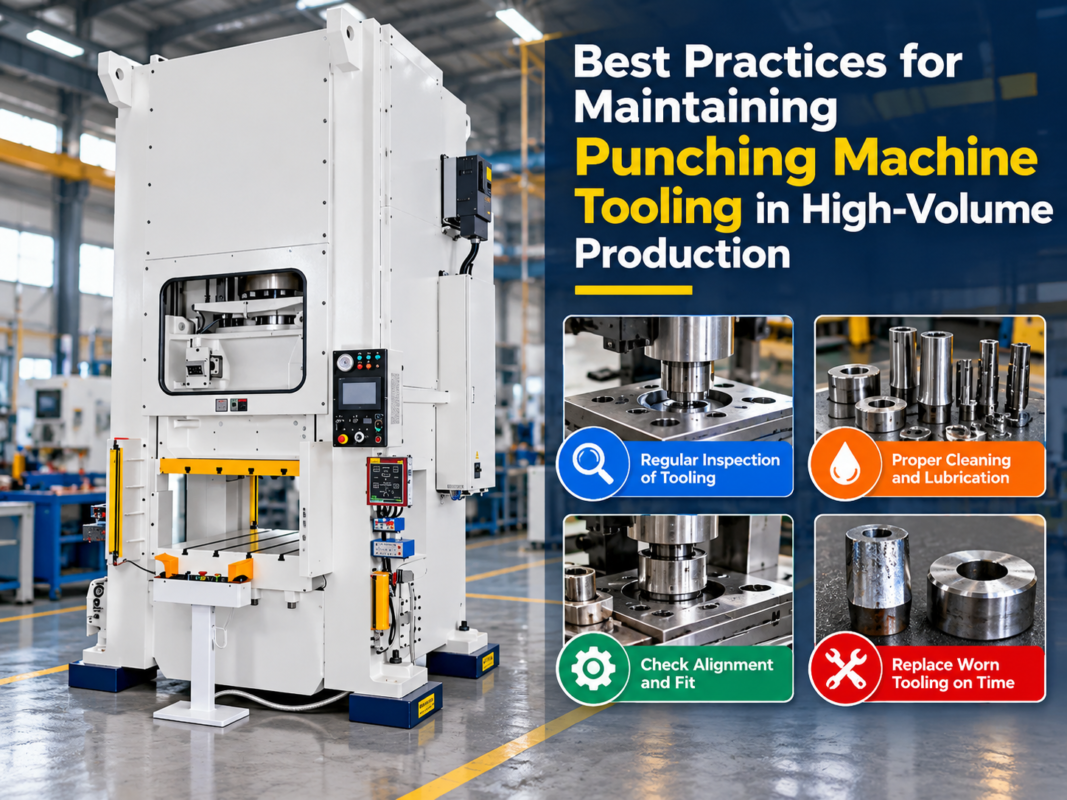
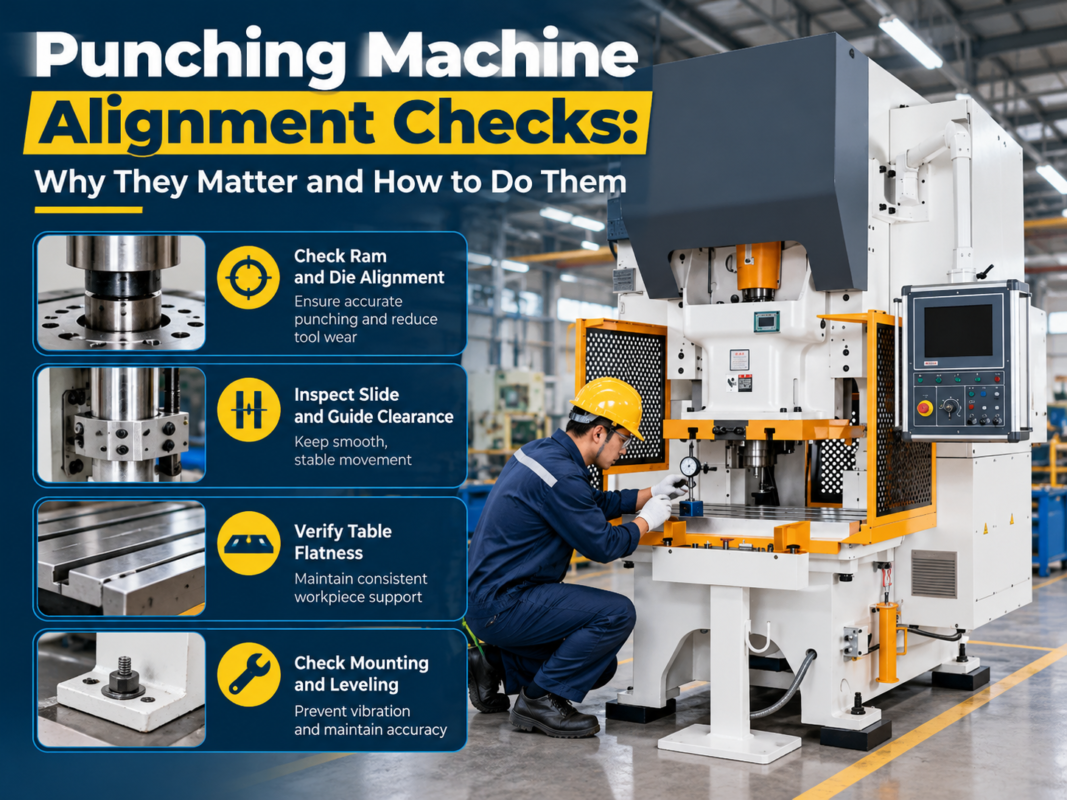
Check the condition of the tooling and the die sets. Even minor chips or cracks in the punch tip can lead to burrs on your finished products and, if left unchecked, can cause significant damage to the die holder or the machine’s ram. Ensure that the punch and die are properly aligned and that the stripper plates are functioning smoothly without any signs of binding or excessive friction. If you notice any irregularities, address them immediately before initiating the production run.
Verify the status of all safety guards and emergency stop buttons. Safety is paramount in metal fabrication, and a malfunctioning safety interlock is a major liability. Test the emergency stop to ensure it cuts power to the machine instantly. Additionally, check the pressure gauges on your hydraulic or pneumatic systems to ensure they are within the manufacturer’s recommended operating range. If the pressure is fluctuating, it could indicate a failing pump or a clogged filter that needs immediate attention.
Finally, listen to the machine during its initial warm-up cycle. Modern punching machines should operate with a consistent, rhythmic sound. Any unusual grinding, squealing, or knocking noises are early warning signs of mechanical distress. By catching these sounds early, you can schedule repairs during planned downtime rather than suffering an unexpected breakdown in the middle of a critical production run.
Hydraulic, Electrical, and Mechanical Checks
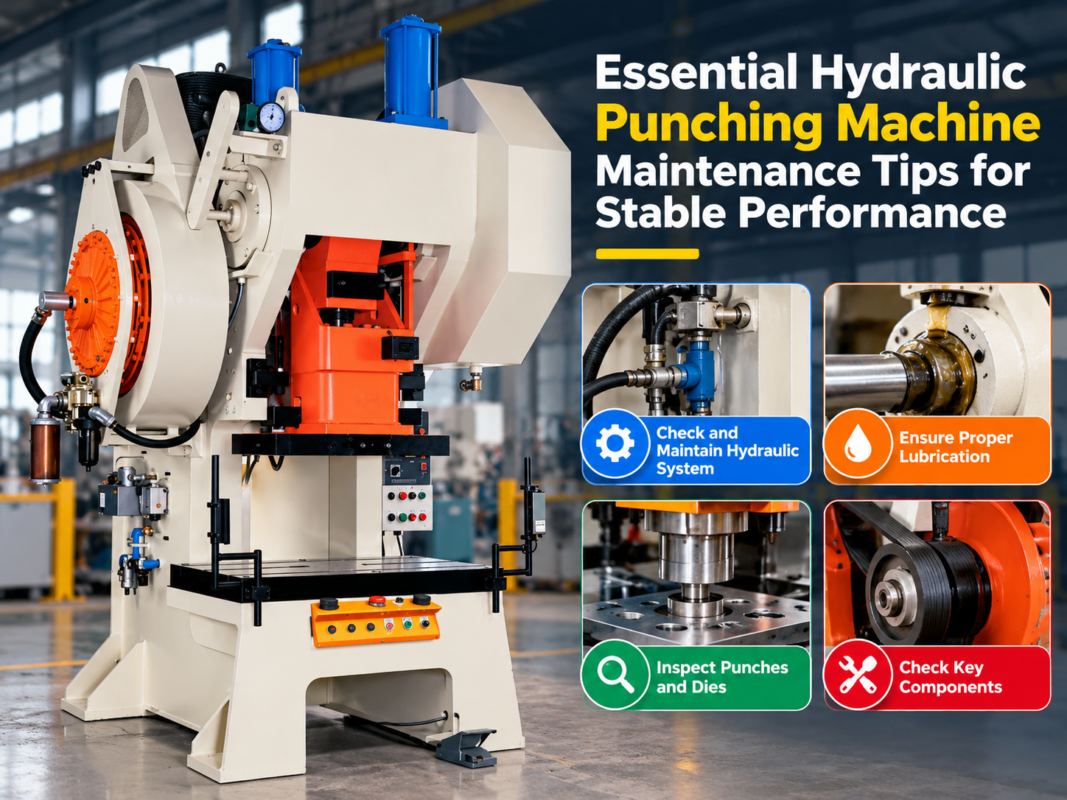
The hydraulic system is the heart of many punching machines. Daily checks should include monitoring the oil level in the reservoir and inspecting the hoses for any signs of bulging, cracking, or weeping fluid. Hydraulic oil should be clear and free of contaminants; if it appears milky or dark, it may be time for a change or a filter replacement. Maintaining the correct oil temperature is also vital, as overheating can degrade the seals and reduce the overall force output of the machine.
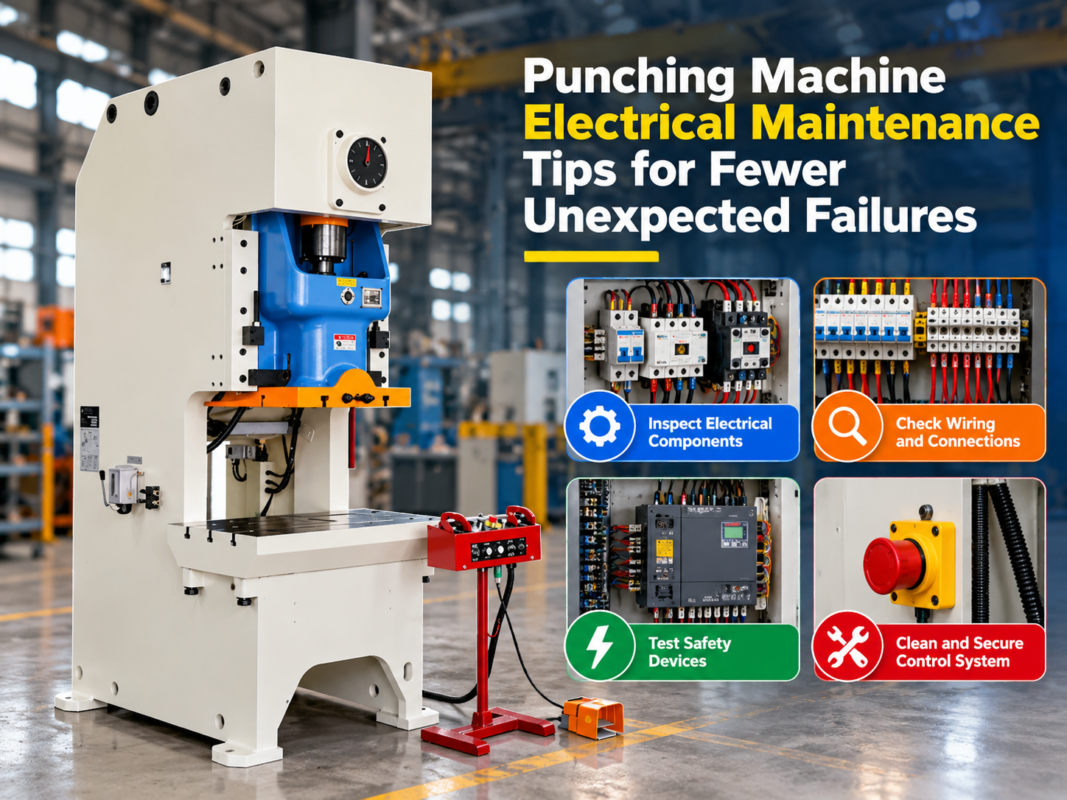
Electrical components require a different, yet equally important, approach. Ensure that all control panels are free of dust and metal shavings, which can cause short circuits or interfere with sensitive sensors. Check the cable tracks (drag chains) to ensure they are not snagged or showing signs of excessive wear. Loose wiring connections can lead to intermittent signal errors, which are notoriously difficult to diagnose if not caught early. Always ensure the machine is properly grounded to prevent electrical surges from damaging the PLC or control unit.
Mechanical integrity is maintained through the inspection of the drive system, including belts, pulleys, and gears. If your machine uses a belt-driven system, check for proper tension and look for signs of fraying or rubber dust, which indicates that the belt is slipping or rubbing against a guard. For gear-driven systems, ensure that the lubrication is sufficient and that there is no excessive backlash in the drivetrain. A stable mechanical foundation is essential for maintaining the tight tolerances required in modern metal fabrication.
Don’t forget the clamping system. The clamps that hold the sheet metal in place must be inspected for wear on the gripping surfaces. If the clamps are not holding the material securely, the machine may experience slippage, leading to inaccurate hole placement and potential damage to the punch tools. Keep the clamp tracks clean and lubricated to ensure smooth movement across the table, preventing unnecessary strain on the drive motors.
The Essential Lubrication Plan
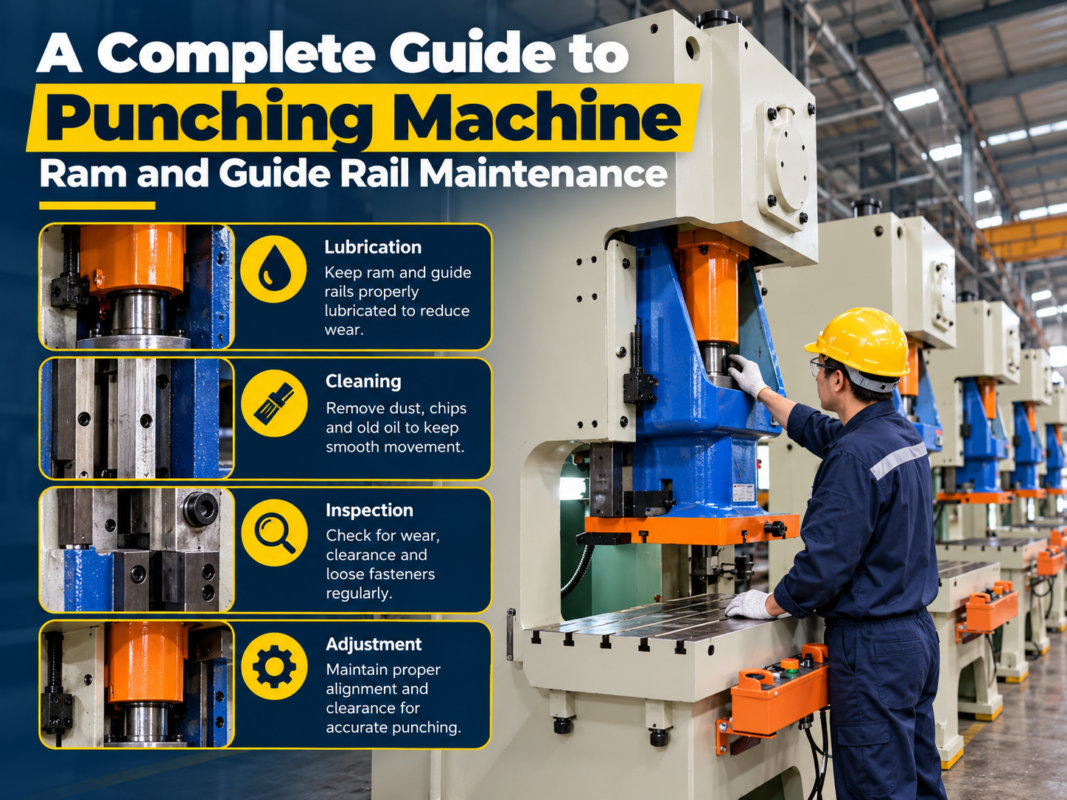
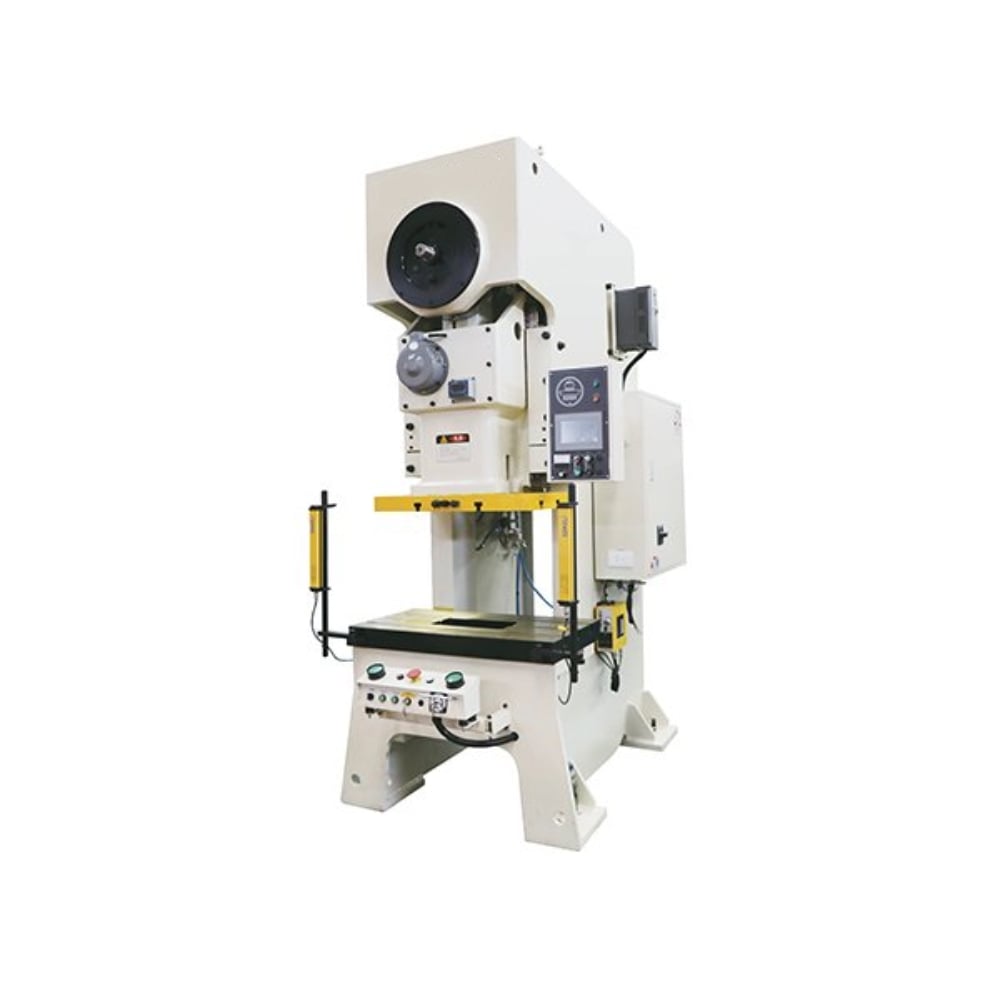
Lubrication is the lifeblood of any industrial machine. Without proper lubrication, metal-on-metal contact leads to friction, heat, and eventual seizure of moving parts. A robust lubrication plan should be documented and strictly followed. Identify all grease points on the machine—such as the ram guides, turret bearings, and ball screws—and ensure they are serviced according to the HARSLE maintenance manual. Using the correct grade of lubricant is just as important as the frequency of application; using the wrong type can actually attract dust and accelerate wear.
Automated lubrication systems should be checked daily to ensure the pump is functioning and that the lines are not blocked. If your machine uses a manual grease gun, keep a log of when each point was last serviced. Over-greasing can be just as harmful as under-greasing, as it can blow out seals and contaminate the surrounding area. Aim for the manufacturer’s recommended amount, and always wipe away excess grease to prevent it from collecting metal dust and debris.
Pay special attention to the turret and the tool stations. These areas are prone to high levels of friction and heat. Keeping the turret index mechanism well-lubricated ensures that tool changes are fast and accurate. If the turret begins to stick or index slowly, it is a clear sign that the lubrication has failed or that the mechanism is clogged with debris. Regular cleaning followed by precise lubrication will keep your turret indexing smoothly for years.
Finally, consider the environment. If your shop is particularly dusty or operates in high-temperature conditions, you may need to increase the frequency of your lubrication schedule. Dust acts as an abrasive when mixed with grease, turning your lubricant into a grinding paste. By maintaining a clean environment and adhering to a strict lubrication schedule, you significantly reduce the risk of premature component failure.
Troubleshooting Common Signals of Failure
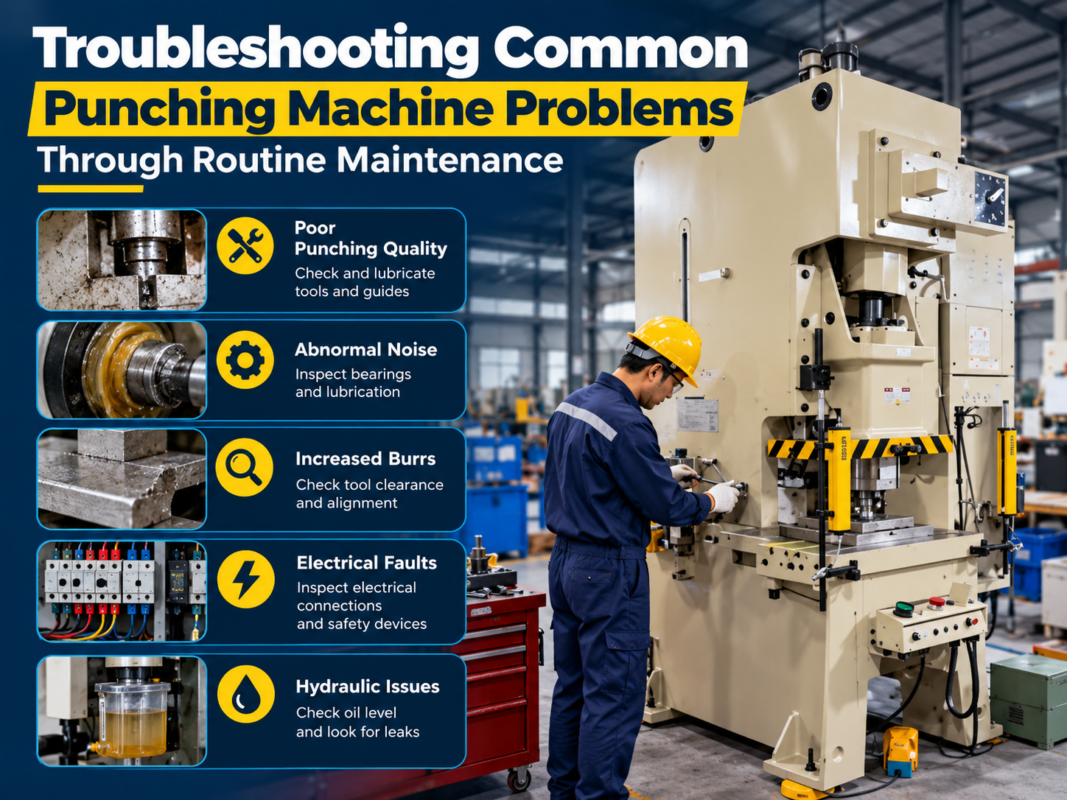
Even with the best maintenance, machines can show signs of trouble. Recognizing these signals early is key to preventing costly downtime. One of the most common indicators is a change in the quality of the punched hole. If you notice burrs, uneven edges, or distorted shapes, it is almost always a sign that the punch or die is dull, chipped, or misaligned. Stop the machine immediately and inspect the tooling; continuing to run with damaged tools will only lead to more expensive repairs.
Another warning sign is an increase in machine vibration or noise. While some vibration is normal, a sudden change in the character of the sound—such as a metallic clatter or a high-pitched whine—suggests that a bearing is failing or a component has come loose. Use your senses; if the machine feels different or sounds different, investigate the cause before the next production cycle. Ignoring these subtle changes is the fastest path to a major breakdown.
Error codes on the CNC control panel should never be ignored or simply cleared. If a machine throws an error, it is telling you that something is outside of its expected parameters. Document the error code and consult the HARSLE technical manual. Often, these codes point to a sensor that is failing or a limit switch that is sticking. Addressing the root cause of the error code prevents the machine from entering a hard-fault state that requires a service technician to resolve.
Lastly, keep an eye on the cycle times. If you notice that the machine is taking longer to complete the same tasks it performed last month, it could indicate a loss of hydraulic pressure, a failing motor, or excessive friction in the drive system. Monitoring performance metrics is a sophisticated way to practice preventive maintenance. When you see a trend of declining performance, you can schedule maintenance during a slow period rather than waiting for the machine to fail completely.
Comprehensive Maintenance Schedule Table
| Frequency | Task | Description |
|---|---|---|
| Daily | Visual Inspection | Check for leaks, loose bolts, and debris. |
| Daily | Tooling Check | Inspect punch/die for chips, wear, or misalignment. |
| Daily | Lubrication | Apply grease to required points; check auto-lube levels. |
| Weekly | Filter Inspection | Clean or replace air and hydraulic filters. |
| Weekly | Safety Test | Verify E-stop and safety interlock functionality. |
| Monthly | Drive System | Check belt tension and gear backlash. |
| Monthly | Electrical | Inspect control cabinet for dust and loose wires. |
| Quarterly | Full Calibration | Verify machine accuracy and alignment. |
Frequently Asked Questions (FAQ)
How often should I change the hydraulic oil in my HARSLE punching machine?
Generally, hydraulic oil should be changed every 2,000 to 4,000 operating hours, or once a year, depending on the intensity of use and the operating environment. Always check the oil quality for signs of oxidation or contamination.
What should I do if my punch tools are wearing out too quickly?
Rapid tool wear is often caused by poor alignment, incorrect clearance between the punch and die, or improper lubrication. Ensure your tooling is sharpened regularly and that the material being punched is within the machine’s rated capacity.
Can I perform maintenance while the machine is running?
No. For safety reasons, all maintenance tasks, especially those involving lubrication or mechanical adjustments, must be performed while the machine is powered off and locked out/tagged out (LOTO) to prevent accidental startup.
Why is my machine making a loud knocking sound?
A knocking sound often indicates a loose mechanical component, a worn bearing, or an issue with the hydraulic pump. Stop the machine immediately and perform a thorough inspection of the drive train and hydraulic system.
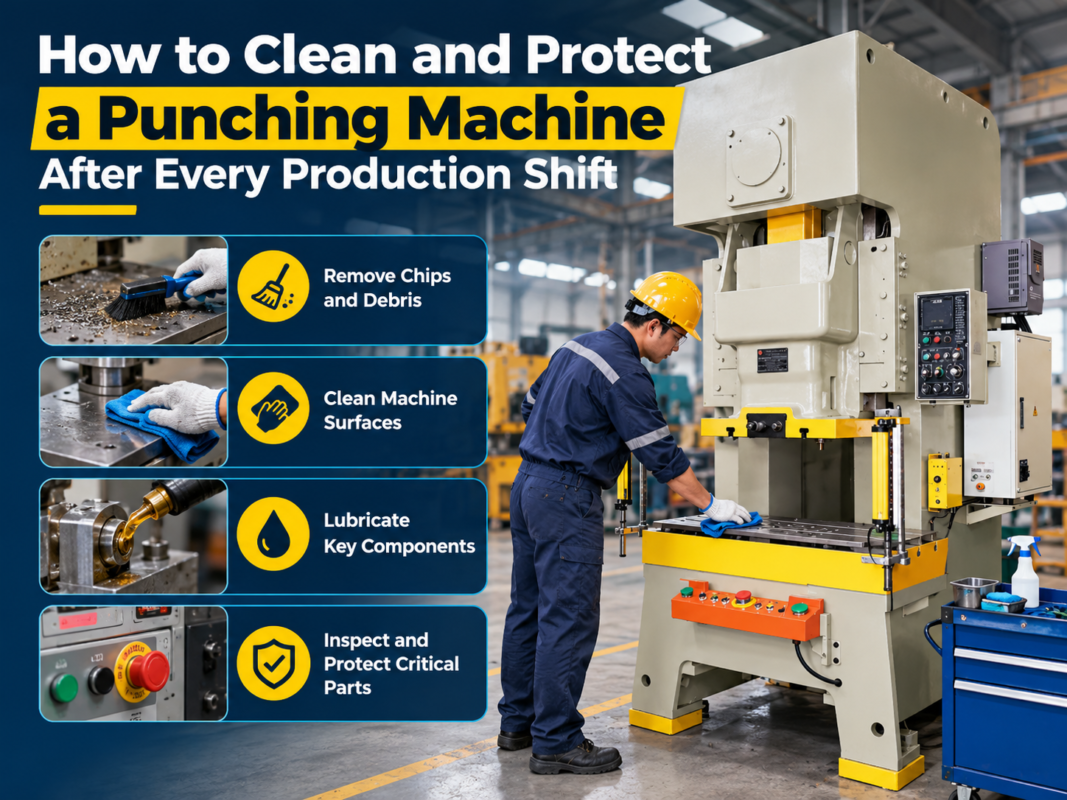
How do I prevent rust on the machine table?
Keep the table clean and free of metal shavings, which can trap moisture. Apply a light coat of machine oil or a rust-preventative spray at the end of each shift to protect the surface from oxidation.