
How to Maintain a Punching Machine for Longer Tool Life and Stable Production


The Critical Importance of Punching Machine Maintenance
In the high-stakes world of metal fabrication, the punching machine serves as the backbone of production efficiency. Whether you are operating a high-speed CNC turret punch or a robust hydraulic ironworker, the ability to maintain a punching machine for longer tool life and stable production is not merely a suggestion—it is a financial necessity. When a machine is neglected, the ripple effects are felt across the entire factory floor: increased scrap rates, unexpected downtime, and premature failure of expensive tooling sets.
HARSLE engineering standards emphasize that proactive maintenance is the most effective way to lower the total cost of ownership. By adhering to a rigorous maintenance schedule, operators can identify micro-fractures in punches, detect hydraulic pressure fluctuations, and prevent the accumulation of metal debris that leads to galling. A well-maintained machine operates with tighter tolerances, ensuring that every part produced meets the exact specifications required by your clients.
Furthermore, stable production is the hallmark of a profitable metal fabrication business. When your machinery is reliable, you can provide accurate lead times and maintain consistent quality control. Neglecting maintenance often leads to ’emergency repairs,’ which are significantly more expensive than scheduled inspections. By prioritizing the health of your punching equipment, you protect your capital investment and ensure that your production line remains competitive in an increasingly demanding global market.
Finally, safety cannot be overlooked. A punching machine that is poorly maintained is a safety hazard. Worn-out guides, loose fasteners, and degraded electrical components can lead to catastrophic failures. Regular maintenance ensures that all safety interlocks, emergency stops, and guarding systems are functioning correctly, protecting your most valuable asset: your workforce. This guide will walk you through the essential steps to keep your HARSLE equipment running at peak performance.
Daily Inspection Protocols for Optimal Performance
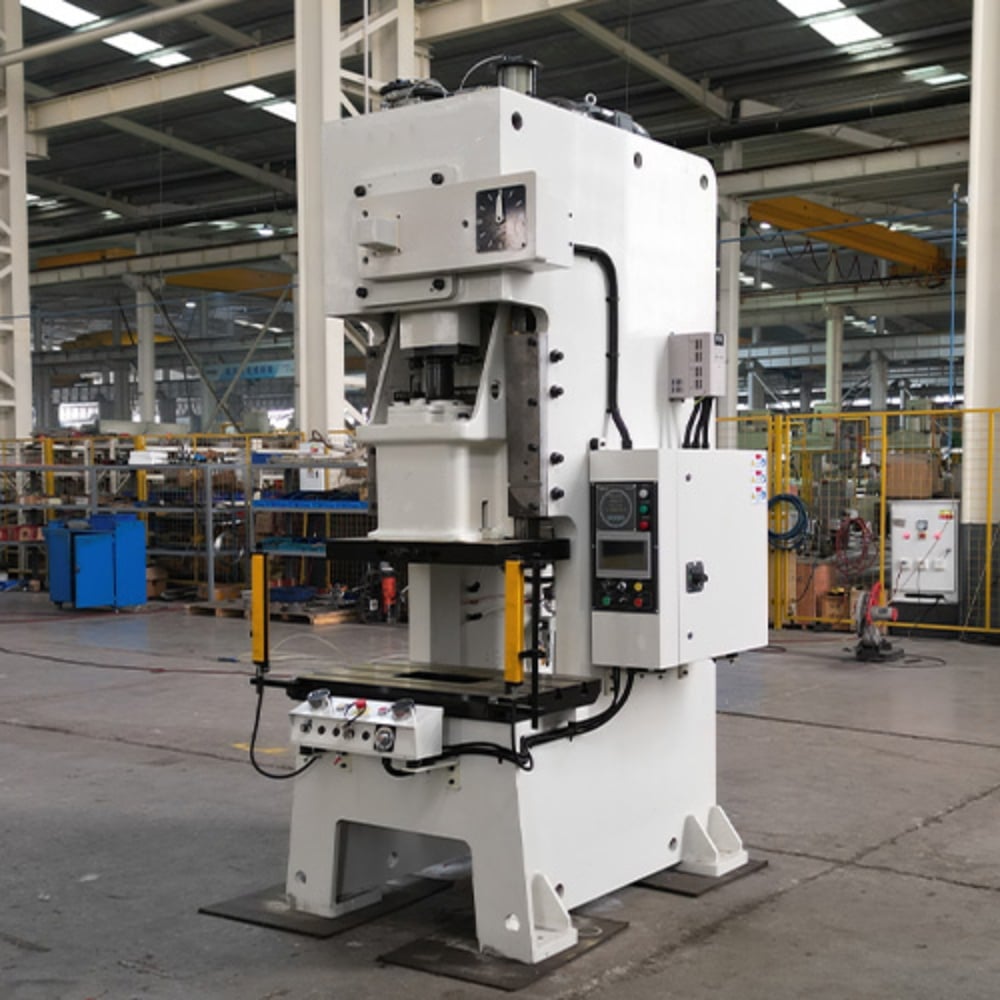
The foundation of a successful maintenance program lies in daily inspections. Before the first shift begins, the operator should perform a ‘walk-around’ to identify any obvious issues. This includes checking for oil leaks, loose bolts, or unusual debris accumulation around the die area. A clean machine is a healthy machine; therefore, removing metal dust and scrap from the previous shift is the first step in the daily routine.
Check the punch and die alignment every morning. Even a slight misalignment can cause uneven wear on the tooling, leading to burrs on your finished parts. Use a precision gauge to verify that the clearance between the punch and die is consistent with the material thickness you are processing. If you notice any signs of chipping or dulling on the punch face, address it immediately before it damages the die or the machine’s ram.
Monitor the lubrication levels daily. Punching machines rely on high-pressure lubrication systems to reduce friction between moving parts. Ensure the oil reservoir is filled to the recommended level and that the automatic lubrication system is cycling correctly. If the machine has manual grease points, apply the manufacturer-specified lubricant to ensure smooth operation of the guide rails and slide mechanisms.
Finally, verify the functionality of the control panel and emergency stop buttons. Perform a dry run of the machine without material to listen for unusual noises, such as grinding, clicking, or high-pitched squeals. These sounds are often the first indicators of bearing wear or mechanical stress. Documenting these daily checks in a logbook provides a valuable history that can help technicians diagnose future issues more efficiently.
Hydraulic, Electrical, and Mechanical System Checks
The hydraulic system is the heart of your punching machine. To maintain stable production, you must monitor the hydraulic fluid quality and pressure. Over time, hydraulic oil can become contaminated with moisture or metallic particles, which can damage seals and valves. Regularly check the oil temperature; if the machine runs consistently hot, it may indicate a failing pump or a clogged heat exchanger. Replace the hydraulic filters according to the manufacturer’s intervals to prevent pressure drops.
Electrical systems require a different approach. Ensure that the electrical cabinet is sealed properly to prevent dust and humidity from entering. Dust buildup on circuit boards can cause overheating and short circuits. Periodically inspect the wiring for signs of fraying or heat damage. Ensure that all terminal connections are tight, as vibration from the punching process can loosen connections over time, leading to intermittent signal errors or machine resets.
Mechanical integrity is paramount for punching precision. Inspect the ram guides and gibs for wear. If there is excessive play in the ram, your punching accuracy will suffer, and you will experience premature tool wear. Adjust the gibs to eliminate any lateral movement while ensuring the ram can still move freely. Check the drive belts or chains for proper tension; loose belts can cause timing issues, while over-tightened belts can put unnecessary strain on the motor bearings.
Pay close attention to the clutch and brake assembly. These components are responsible for stopping the ram at the top of the stroke. If the brake is sluggish, it can lead to double-hitting or inconsistent stroke depth. Regularly inspect the brake pads for wear and adjust the air pressure or mechanical linkage as specified in your HARSLE service manual. A responsive brake system is critical for both tool life and operator safety.
Comprehensive Lubrication Plan
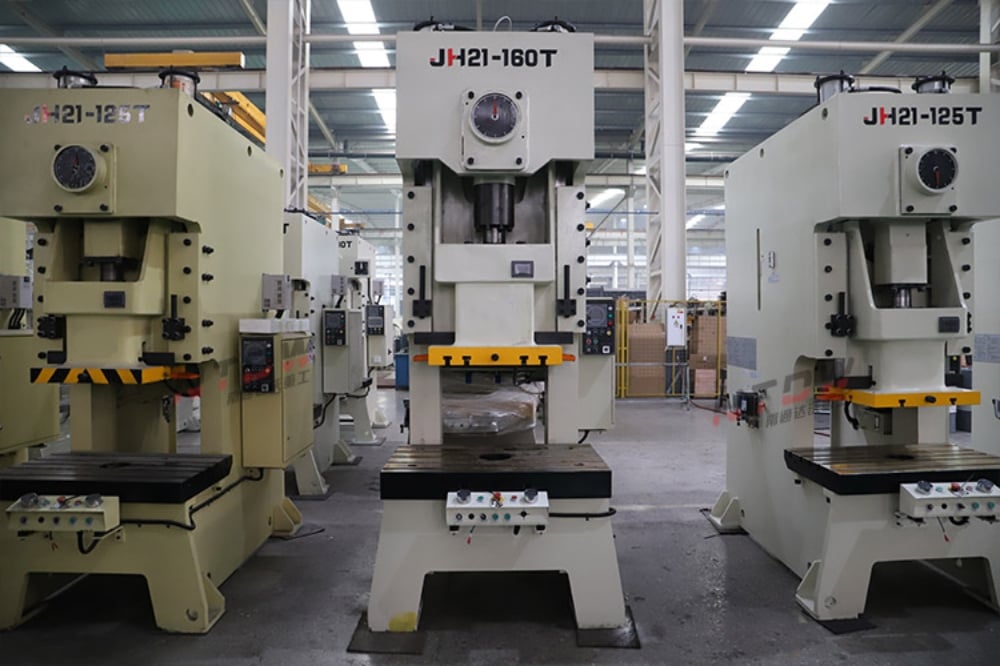
A robust lubrication plan is the single most effective way to extend the life of your punching machine. Lubrication reduces friction, dissipates heat, and prevents corrosion. Create a lubrication chart that identifies every grease point, oil reservoir, and sliding surface on the machine. Use only the high-quality lubricants recommended by HARSLE, as using the wrong viscosity or type can lead to premature wear or system failure.
For automatic lubrication systems, verify that the pump is delivering oil to all distribution blocks. Check the lines for any kinks or blockages that might prevent oil from reaching critical joints. If you find a blocked line, clear it immediately, as a single unlubricated bearing can lead to a catastrophic mechanical failure. Keep a record of when the lubrication system was last serviced and when the oil was changed.
Manual lubrication points should be addressed on a weekly or monthly basis, depending on the machine’s usage intensity. Use a clean grease gun and ensure that the grease fittings are wiped clean before application to prevent dirt from being injected into the bearing. Over-greasing can be just as harmful as under-greasing, as it can cause seals to blow out or attract excessive dust; follow the manufacturer’s guidelines on the amount of grease to apply.
Consider the environment in which your machine operates. If your facility is dusty or experiences high humidity, you may need to increase the frequency of your lubrication cycles. Dust acts as an abrasive when mixed with grease, turning your lubricant into a grinding paste. Keep your lubrication supplies in a clean, sealed container to prevent contamination before application. A disciplined approach to lubrication will pay dividends in machine longevity.
Troubleshooting Signals: When to Call for Help
Even with the best maintenance, issues can arise. Recognizing the early warning signs is key to preventing major breakdowns. One of the most common signals is a change in the sound of the machine. A rhythmic thumping or a sudden increase in vibration often points to a worn bearing or a loose mechanical component. If the machine sounds different than it did when it was new, investigate the source immediately.
Watch for inconsistencies in your finished parts. If you notice burrs appearing on one side of the hole but not the other, your punch and die clearance is likely uneven. If the machine struggles to punch through material it previously handled with ease, check your hydraulic pressure and the sharpness of your tooling. Dull punches require more force, which puts unnecessary stress on the machine’s frame and hydraulic system.
Error codes on the CNC controller should never be ignored. Even if a reset clears the error, the underlying cause remains. Keep a log of all error codes and the circumstances under which they occurred. This data is invaluable for technicians when diagnosing intermittent electrical or software issues. If a specific error repeats, it is time to perform a deep-dive inspection of the associated sensor or actuator.
Finally, pay attention to the temperature of the machine’s components. If the motor, hydraulic pump, or electrical cabinet feels excessively hot to the touch, there is a cooling or efficiency problem. Overheating is a leading cause of component failure in industrial machinery. By acting on these signals early, you can perform minor repairs during scheduled downtime rather than facing a total production halt.
Maintenance Schedule Table
| Frequency | Task | Description |
|---|---|---|
| Daily | Clean & Inspect | Remove debris, check oil levels, verify safety guards. |
| Weekly | Lubrication | Check grease points, verify auto-lube system flow. |
| Monthly | Hydraulic Check | Inspect filters, check oil color/viscosity, tighten bolts. |
| Quarterly | Mechanical Audit | Check gibs, belts, chains, and electrical connections. |
| Annually | Full Overhaul | Replace hydraulic oil, inspect seals, calibrate sensors. |
Frequently Asked Questions
How often should I sharpen my punching tools?
Tool sharpening frequency depends on the material type, thickness, and the number of hits. As a rule of thumb, sharpen tools when the burr height reaches 10% of the material thickness. Regular sharpening significantly extends the life of the punch and die.
Why is my punching machine producing burrs?
Burrs are usually caused by excessive clearance between the punch and die or dull tooling. Check your clearance settings and inspect the punch face for wear. If the clearance is correct, the tool likely needs sharpening.
Can I use any hydraulic oil in my HARSLE machine?
No, always use the hydraulic oil grade specified in your HARSLE manual. Using the wrong oil can affect the viscosity, heat dissipation, and the longevity of your hydraulic seals and valves.
What should I do if the machine vibrates excessively?
Excessive vibration usually indicates loose mechanical components, worn bearings, or an unbalanced load. Check all mounting bolts, inspect the drive system, and ensure the machine is properly leveled on the factory floor.
How do I ensure stable production during peak seasons?
The best way to ensure stability is to perform a comprehensive maintenance audit before your peak season begins. Replace worn parts, sharpen all tooling, and ensure your lubrication system is fully operational to avoid mid-season failures.












