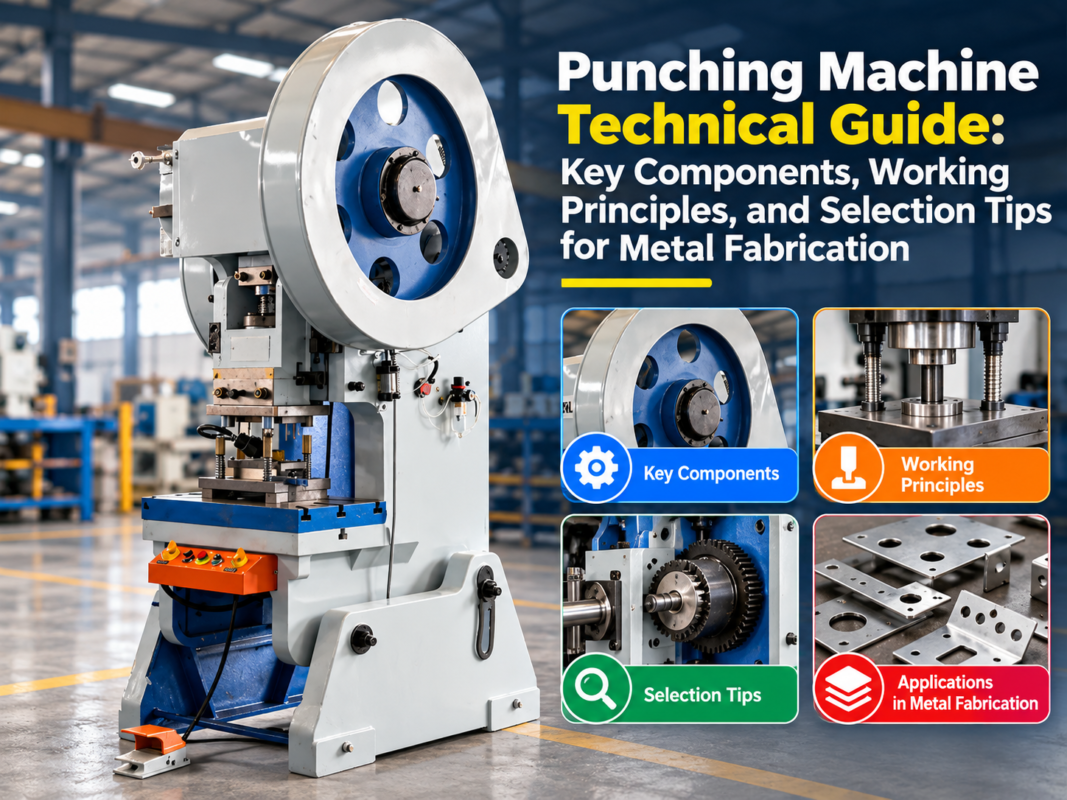
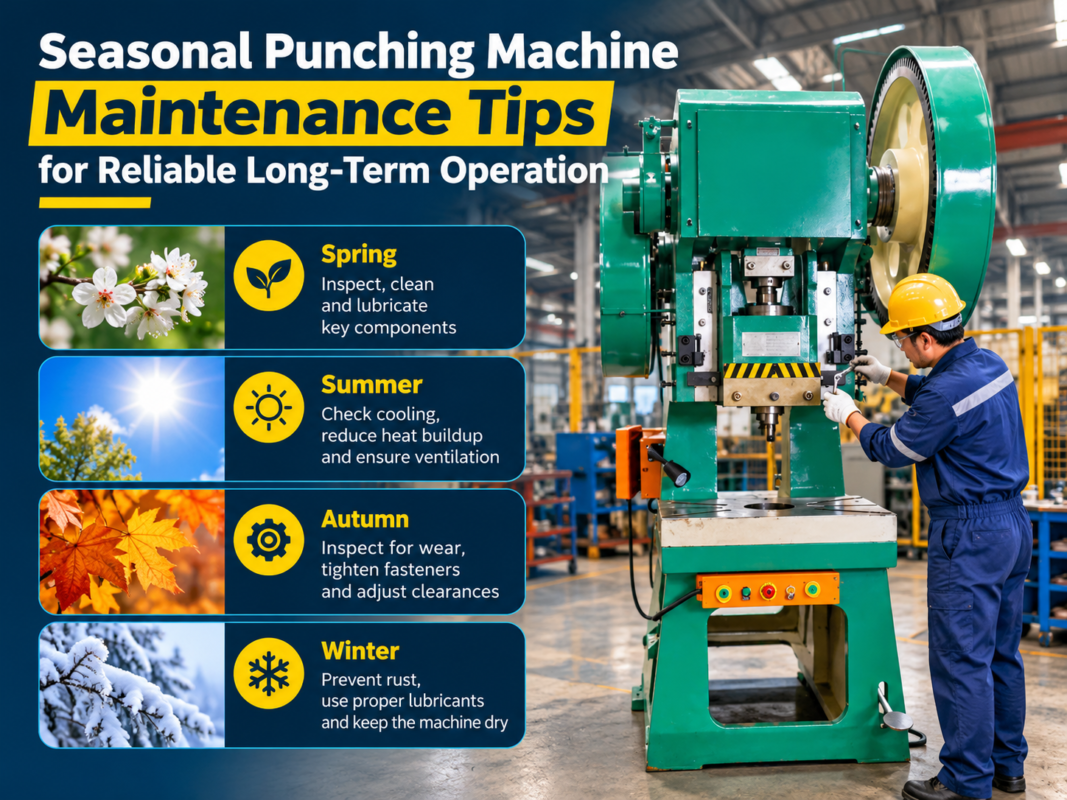
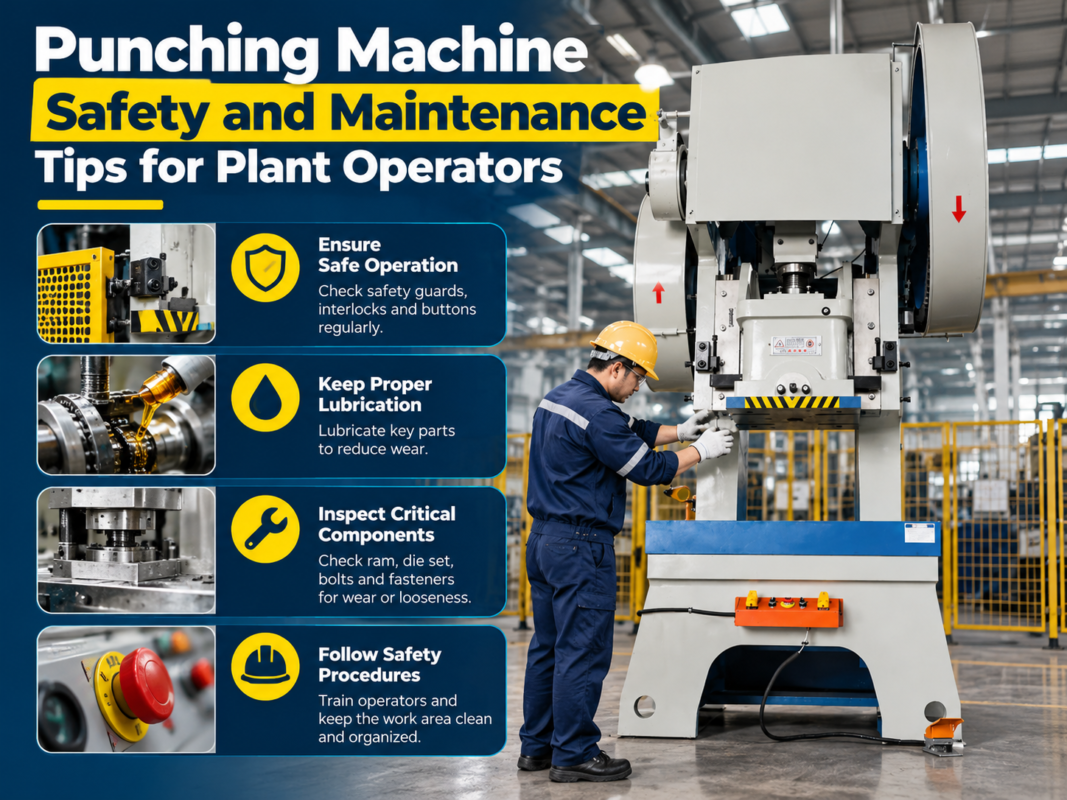
Complete Punching Machine Maintenance Guide for Metal Fabrication Shops


The Critical Importance of Punching Machine Maintenance
In the high-stakes environment of modern metal fabrication, the punching machine serves as the backbone of production efficiency. Whether you are operating a high-speed CNC turret punch or a robust hydraulic ironworker, the reliability of your equipment directly dictates your shop’s throughput and profitability. A Complete Punching Machine Maintenance Guide for Metal Fabrication Shops is not merely a suggestion; it is a strategic necessity to prevent costly downtime and ensure the longevity of your capital investment.
Neglecting routine maintenance leads to a cascade of mechanical failures that can halt production lines for days. When a punching machine is poorly maintained, the precision of the punch-die clearance diminishes, leading to burrs, uneven edges, and increased scrap rates. By implementing a rigorous maintenance protocol, shop owners can identify wear patterns before they manifest as catastrophic breakdowns, ultimately saving thousands in emergency repair costs and lost labor hours.
Furthermore, safety remains the paramount concern in any fabrication facility. A machine that is not properly maintained poses significant risks to operators, including unpredictable cycling, hydraulic leaks that create slip hazards, and electrical shorts. Regular inspections ensure that all safety interlocks, light curtains, and emergency stop mechanisms are functioning at peak performance, fostering a culture of safety that protects your most valuable asset: your workforce.
Finally, consistent maintenance preserves the resale value of your HARSLE machinery. Industrial equipment that comes with a documented service history is significantly more attractive to buyers in the secondary market. By treating your punching machine as a precision instrument rather than a disposable tool, you ensure that it remains a reliable workhorse for years, if not decades, of service in your metal fabrication shop.
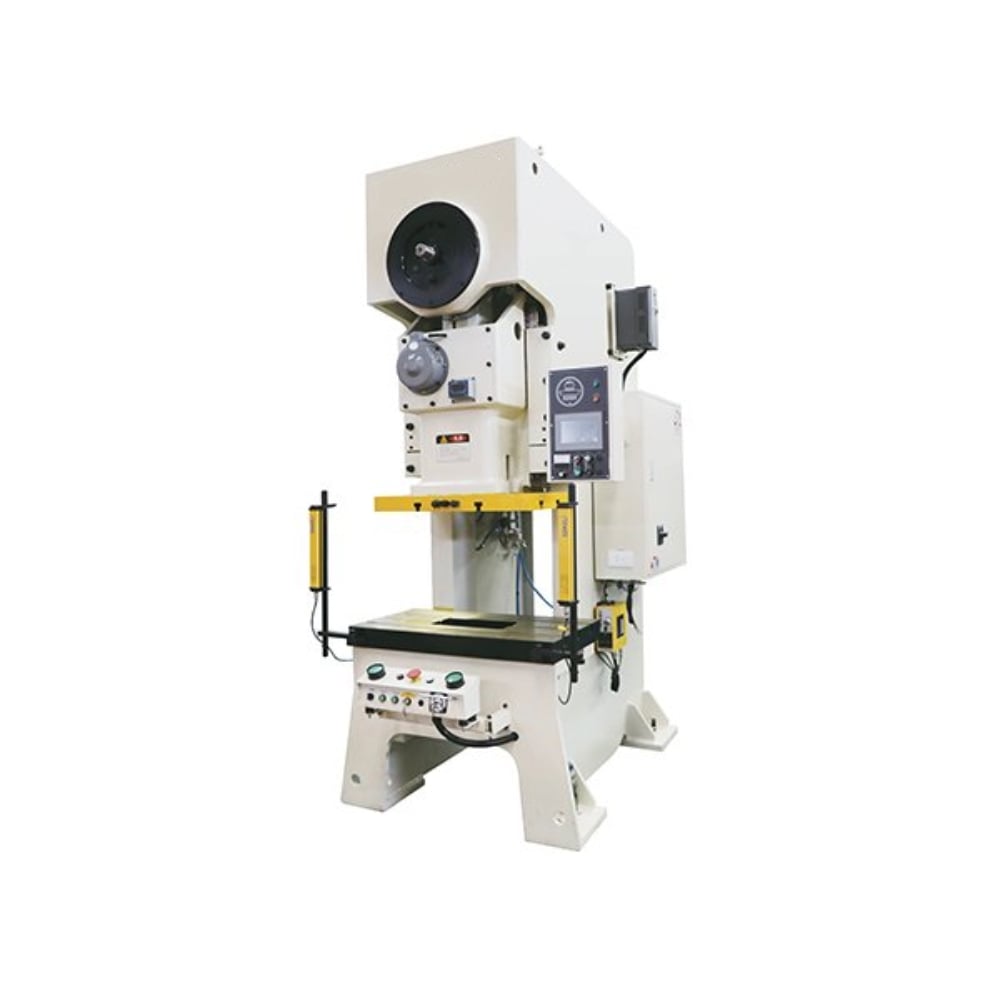
Daily Inspection Protocols for Maximum Uptime
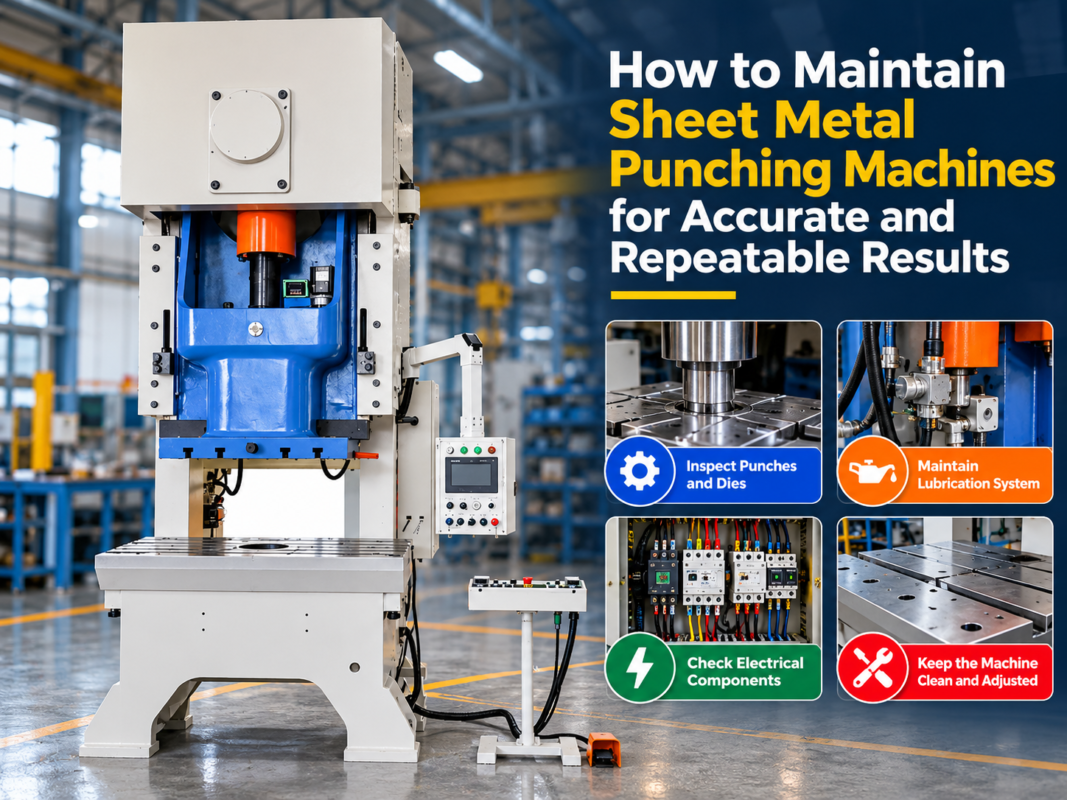
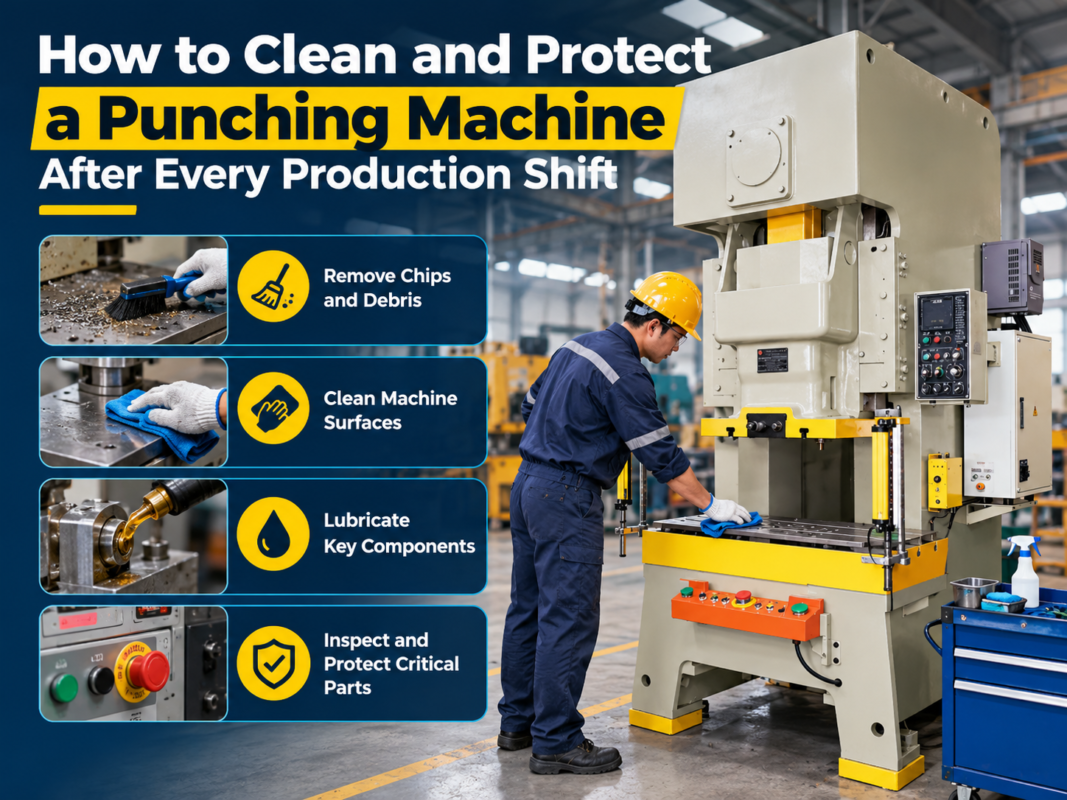
The foundation of a Complete Punching Machine Maintenance Metal Fabrication Shops program begins with daily inspections. These checks should be performed by the machine operator at the start of every shift. A quick walk-around and functional test can reveal issues that, if left unaddressed, could escalate into major repairs. Start by checking the cleanliness of the work area, ensuring that scrap metal and debris are cleared from the die area and the turret.
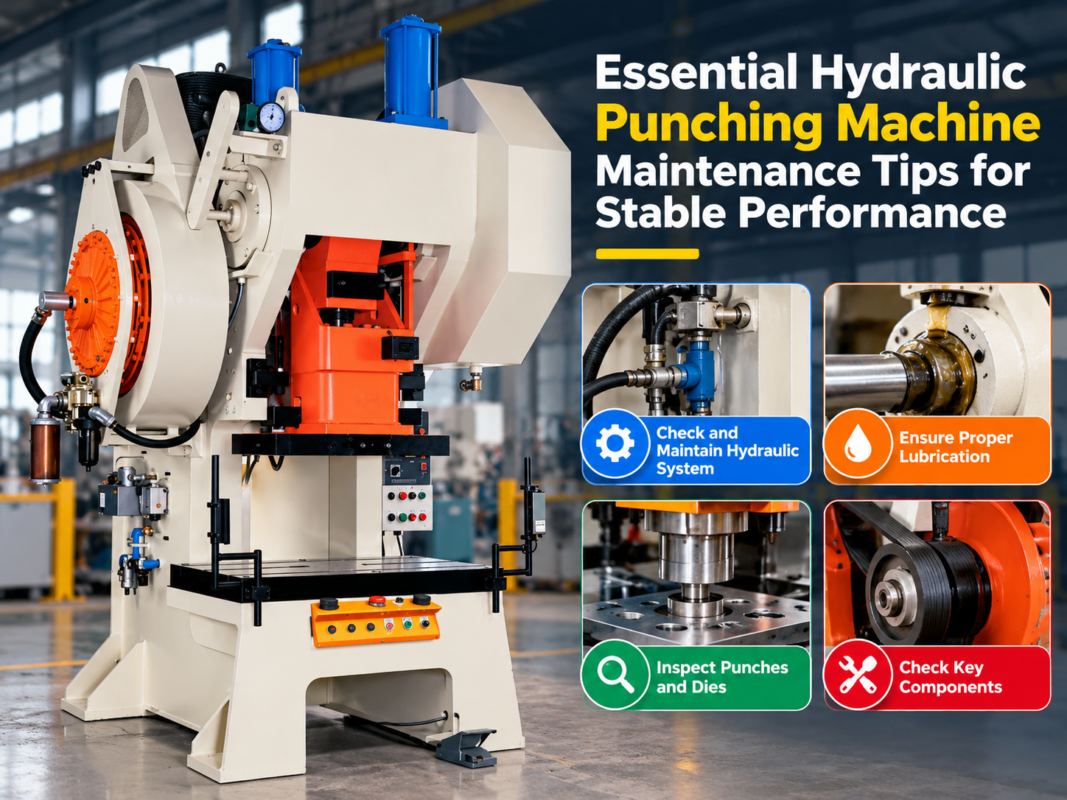
Check the hydraulic oil levels and look for any visible signs of leakage around hoses, fittings, and cylinders. Even a minor drip can indicate a failing seal that could lead to a pressure drop during a critical operation. Ensure that all pressure gauges are reading within the manufacturer’s specified range. If the pressure fluctuates during idle periods, it may indicate an issue with the pump or the relief valve that requires immediate attention.
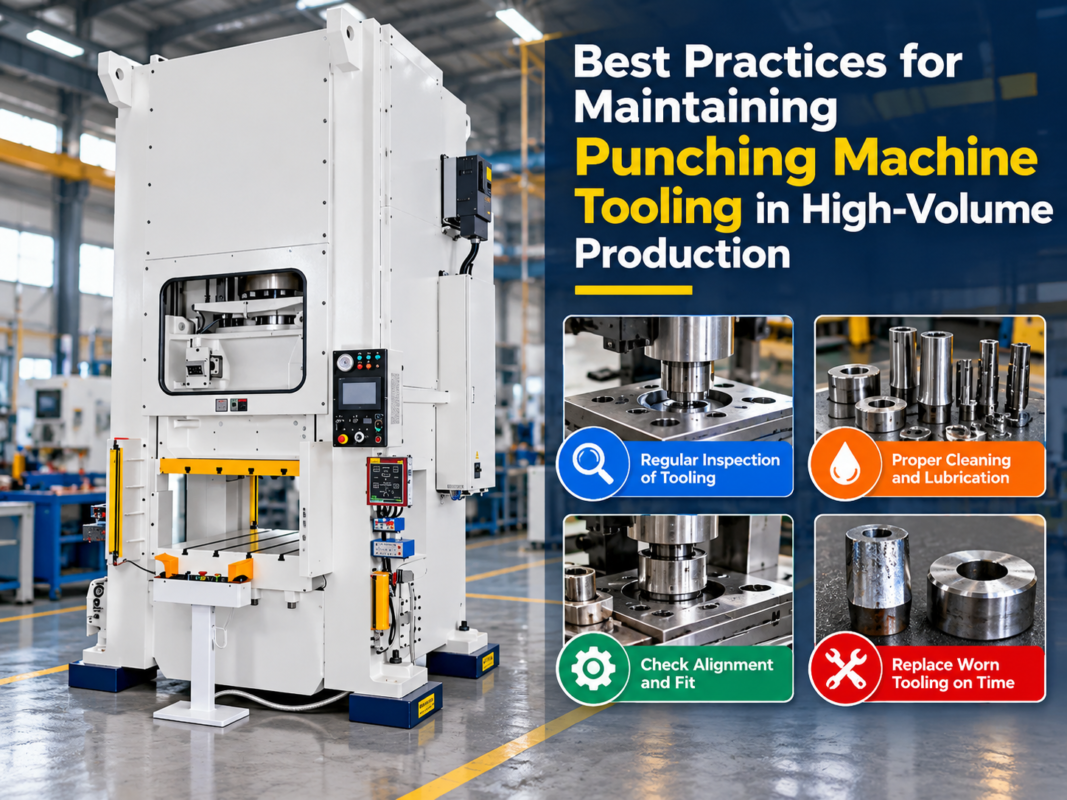
Examine the tooling condition daily. Inspect the punch tips and die openings for signs of chipping, galling, or excessive wear. Using dull tooling not only compromises the quality of the finished part but also places unnecessary stress on the machine’s ram and drive system. If you notice any unusual noise or vibration during the first few cycles of the day, stop the machine immediately and investigate the source before continuing production.
Finally, verify that all safety guards and emergency stop buttons are fully operational. Test the light curtains or physical barriers to ensure the machine stops instantly when the safety zone is breached. Document these daily checks in a logbook; this simple habit creates a paper trail that can be invaluable for troubleshooting future issues and satisfies safety compliance audits.
Hydraulic, Electrical, and Mechanical System Checks
A comprehensive maintenance strategy must address the three pillars of punching machine operation: hydraulic, electrical, and mechanical systems. The hydraulic system is the heart of the machine, providing the force necessary for punching. Periodically, you must check the hydraulic fluid quality. Over time, fluid can become contaminated with moisture or metallic particles. Use a fluid analysis kit to check for viscosity and contamination levels, and replace the hydraulic oil and filters according to the manufacturer’s recommended intervals.
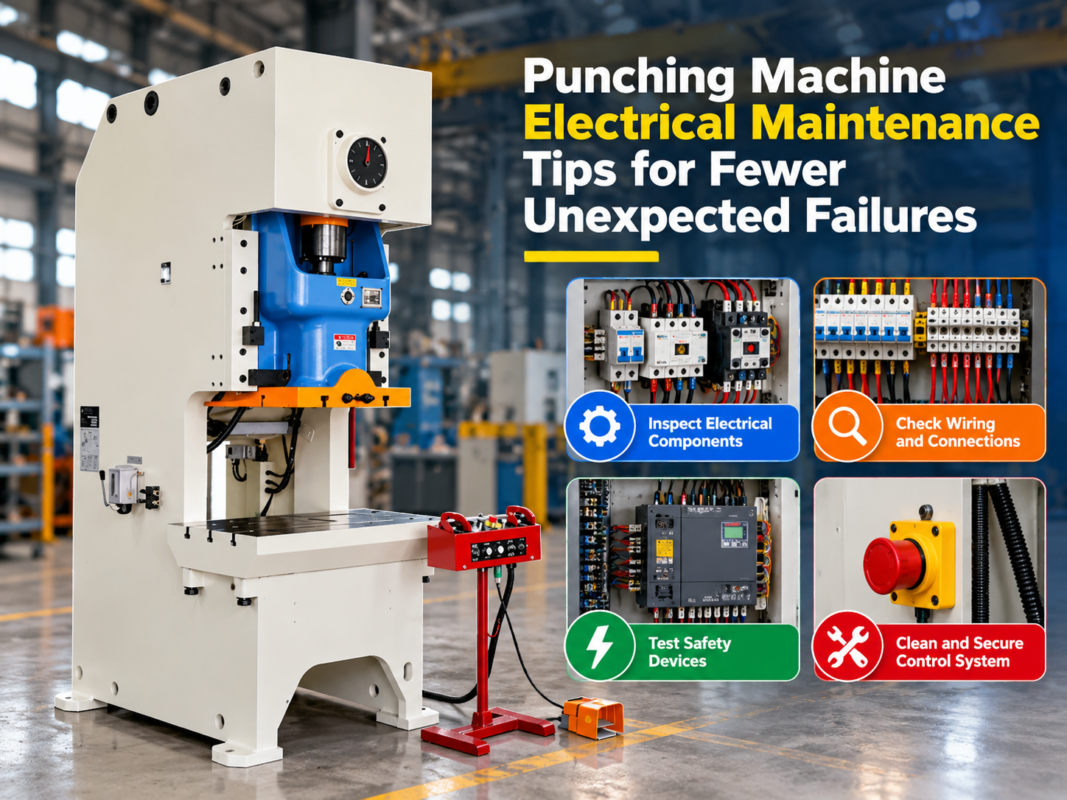
The electrical system requires careful monitoring to prevent downtime caused by control failures. Inspect the electrical cabinet for dust accumulation, which can cause overheating of sensitive components like the PLC or servo drives. Use compressed air (at low pressure) to clean the cabinet, and ensure that all cooling fans are spinning freely. Check for loose terminal connections, as vibration can cause wires to wiggle loose over time, leading to intermittent signal errors or machine resets.
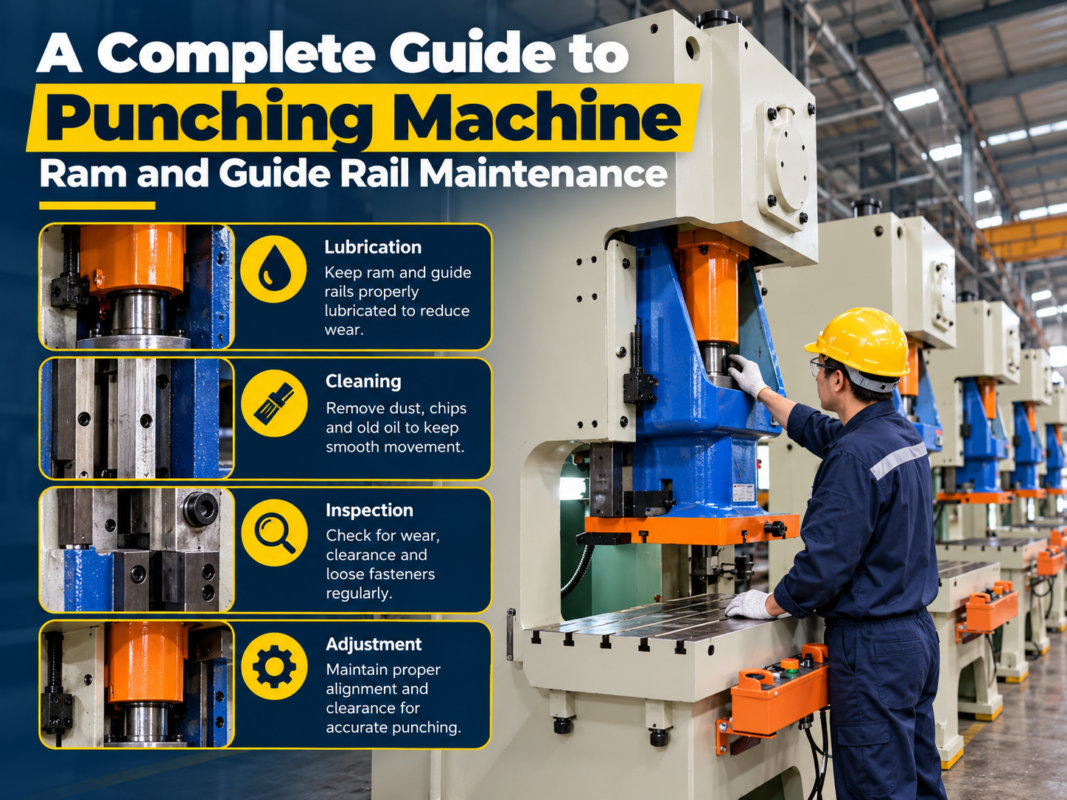
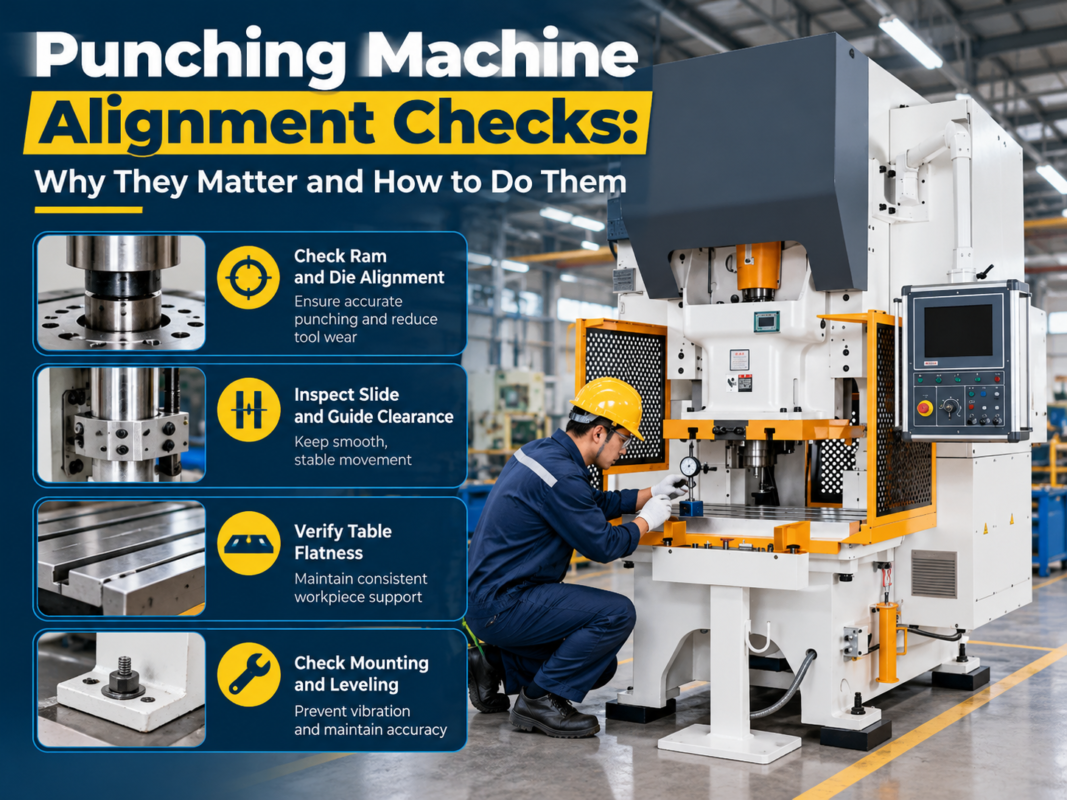
Mechanical maintenance focuses on the drive train, ram guides, and turret indexing mechanisms. The ram guides are subject to high friction and must be kept clean and properly lubricated. Check for any play or looseness in the ram assembly; if the ram is not perfectly aligned, it will cause uneven wear on the tooling and poor hole quality. For turret machines, ensure that the indexing pins are engaging smoothly and that the turret rotation is free of grinding noises.
Belts, chains, and gears should be inspected for signs of wear or improper tension. If a drive belt is frayed or a chain is sagging, it can cause timing issues that affect the accuracy of the punch. Tighten or replace these components as needed. By maintaining the mechanical integrity of the machine, you ensure that the force generated by the hydraulic system is transferred efficiently and accurately to the workpiece.
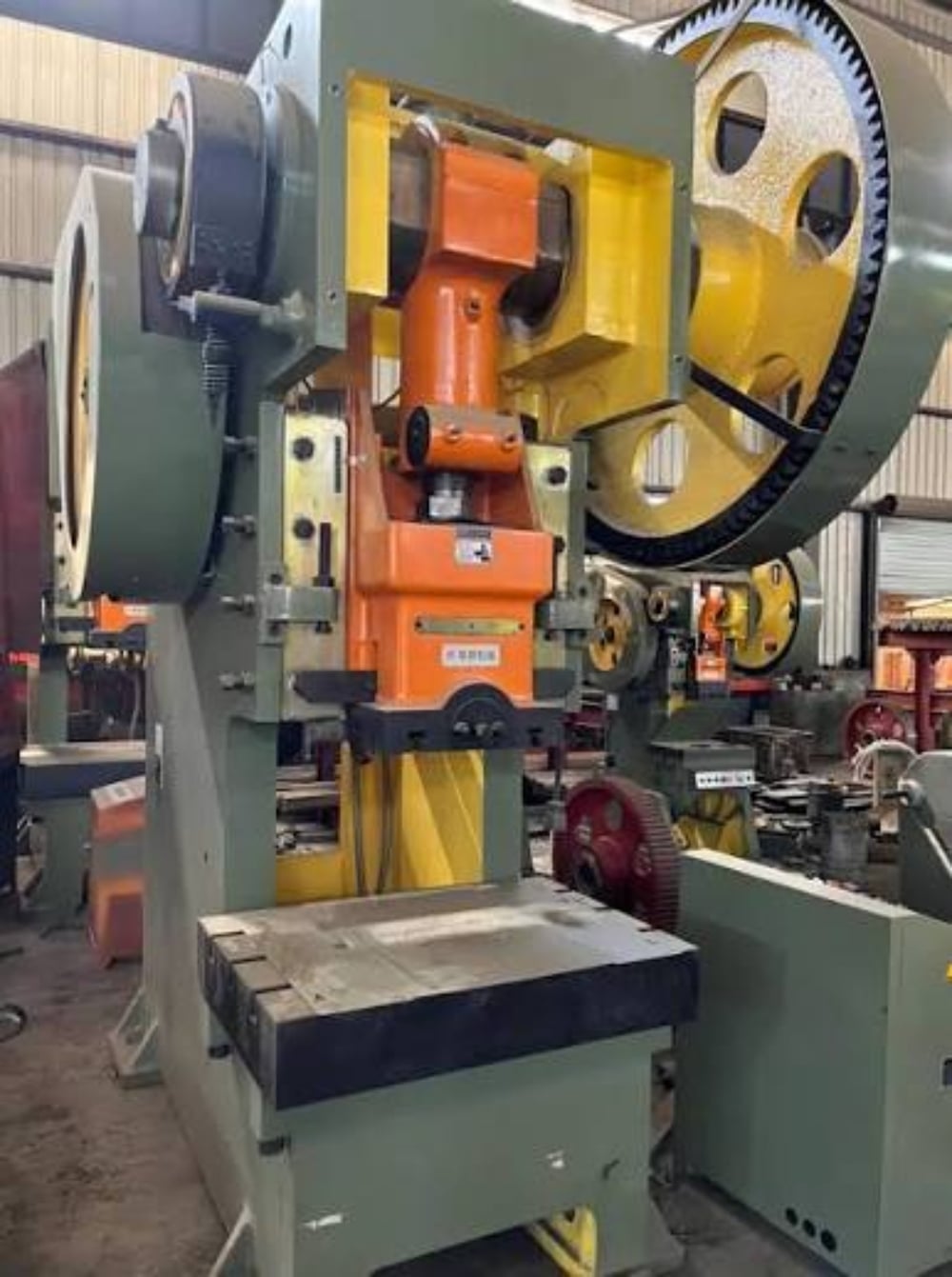
Developing a Comprehensive Lubrication Plan
Lubrication is the lifeblood of any industrial punching machine. A well-structured lubrication plan is a critical component of a Complete Punching Machine Maintenance Guide for Metal Fabrication Shops. Without proper lubrication, metal-on-metal contact leads to rapid wear, overheating, and eventual seizure of moving parts. Your lubrication plan should specify the type of lubricant, the application method, and the frequency for every grease point on the machine.
Start by identifying all lubrication points, including the ram slides, turret bearings, and any lead screws or ball screws. Use high-quality, manufacturer-recommended lubricants. Using the wrong grease can lead to chemical incompatibility, which can cause the lubricant to harden or break down, doing more harm than good. Keep a detailed map of these points near the machine so that any maintenance technician can easily locate them.
Establish a schedule based on machine hours rather than just calendar days. A machine running two shifts a day requires more frequent lubrication than one running a single shift. Automate the process where possible; many modern punching machines come equipped with automatic lubrication systems. If your machine has one, ensure the reservoir is topped off and that the distribution lines are not clogged.
Finally, keep the lubrication area clean. Before applying grease to a fitting, wipe it down to prevent dirt and grit from being forced into the bearing or slide. Contamination is a leading cause of premature component failure. By keeping your lubrication points clean and your schedule consistent, you significantly extend the operational life of your punching machine’s most critical moving parts.
Troubleshooting Signals: When to Call for Help
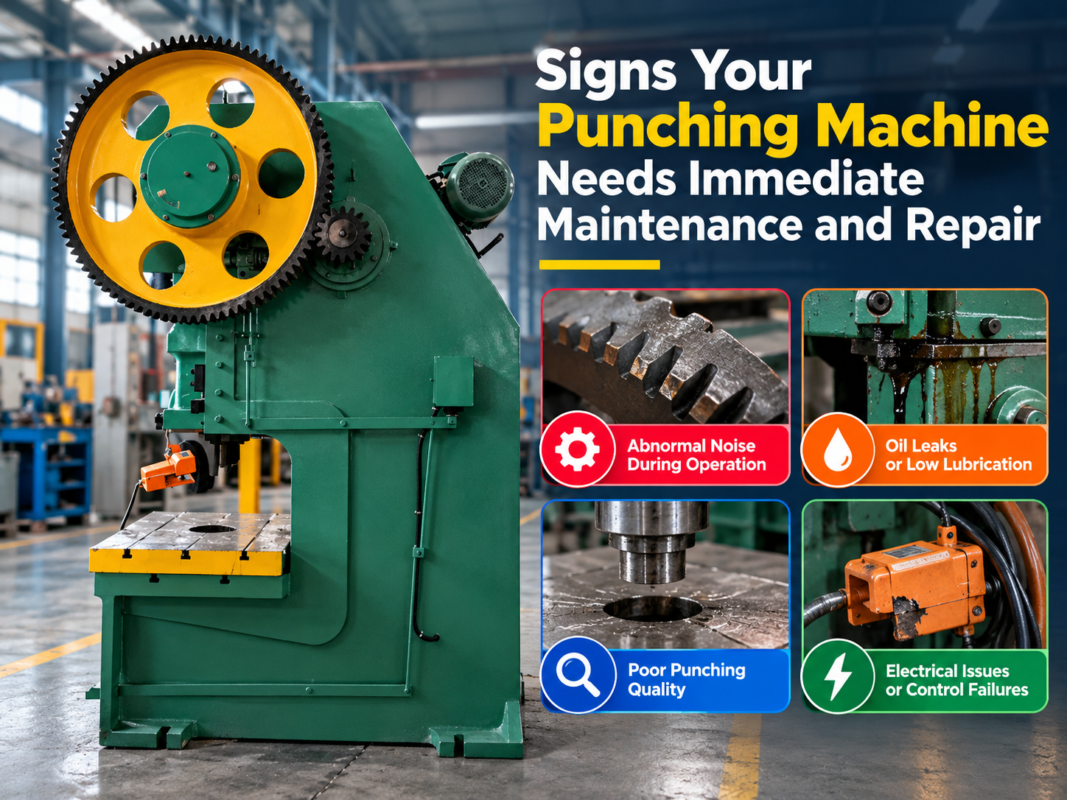
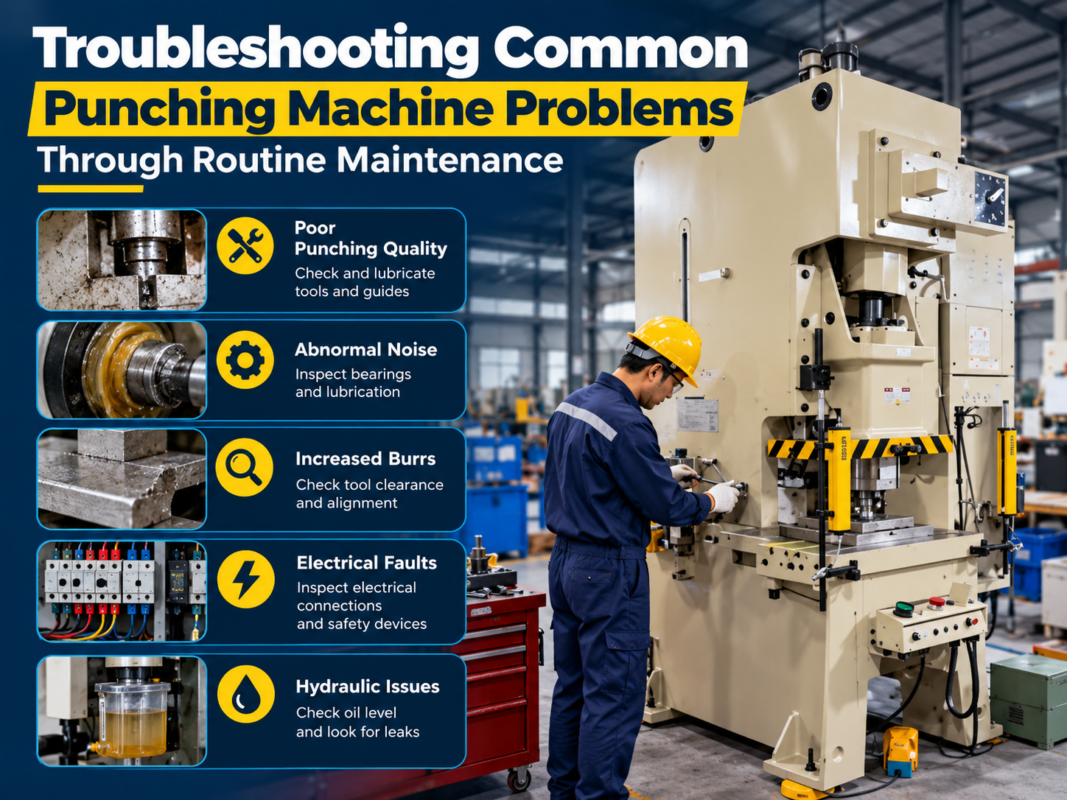
Even with the best maintenance, issues can arise. Recognizing the early warning signs of a failing component is essential for minimizing downtime. One of the most common signals is a change in the sound of the machine. A healthy punching machine has a consistent, rhythmic sound. If you hear clunking, grinding, or high-pitched squealing, these are clear indicators of mechanical distress, such as a failing bearing or a misaligned drive component.
Another signal is a decline in part quality. If you notice burrs appearing on parts that were previously clean, it is a sign that your punch-die clearance is no longer optimal. This could be due to dull tooling, but it could also indicate that the ram is loose or the turret is not indexing accurately. Do not simply increase the punching force to compensate; this will only accelerate the damage to the machine.
Electrical signals often manifest as intermittent errors on the control panel. If the machine frequently throws “Communication Error” or “Overload” alarms, it may be a sign of a failing sensor, a loose connection, or an overheating drive. Document these error codes precisely. When you contact HARSLE support or a service technician, providing the exact error code and the conditions under which it occurred will drastically reduce the time required to diagnose and fix the problem.
Lastly, pay attention to the hydraulic system’s performance. If the machine feels sluggish or if the cycle time has increased, it may indicate a drop in hydraulic pressure or a failing pump. If the oil temperature rises significantly during normal operation, it could be a sign of a clogged heat exchanger or a failing cooling fan. Trust your operators; they are the first line of defense and usually know when the machine is “acting differently” long before a major failure occurs.
Maintenance Schedule Table
| Frequency | Task | Component |
|---|---|---|
| Daily | Check oil levels and leaks | Hydraulic System |
| Daily | Inspect punch and die | Tooling |
| Daily | Clean debris from work area | Machine Bed |
| Weekly | Check lubrication levels | Auto-Lube System |
| Weekly | Inspect electrical cabinet | Electronics |
| Monthly | Check belt/chain tension | Drive System |
| Quarterly | Change hydraulic filters | Hydraulic System |
| Annually | Full system calibration | CNC/Control System |
Frequently Asked Questions (FAQ)
How often should I change the hydraulic oil in my punching machine?
Generally, hydraulic oil should be changed every 2,000 to 4,000 operating hours, or once a year, depending on the intensity of use and the environment. Always check the oil quality for signs of oxidation or contamination.
Why is my punching machine producing burrs?
Burrs are usually caused by excessive clearance between the punch and the die. Check your tooling for wear, ensure the punch is sharp, and verify that the die is properly aligned with the punch.
Can I use any grease for my machine’s lubrication points?
No. Always use the lubricant specified in your HARSLE operation manual. Using the wrong type of grease can lead to component failure and may void your warranty.
What should I do if the machine makes a grinding noise?
Stop the machine immediately. A grinding noise indicates metal-on-metal contact, often in the bearings or the ram guide system. Continuing to run the machine will cause severe, expensive damage.
How do I keep my CNC control cabinet clean?
Use a vacuum or low-pressure compressed air to remove dust from the cabinet. Ensure the cooling fans are working and that the air filters are replaced regularly to prevent overheating.