
Punching Machine Alignment Maintenance for Better Hole Quality and Precision


The Critical Importance of Punching Machine Alignment Maintenance
In the high-stakes world of metal fabrication, the precision of your output is directly tied to the health of your machinery. Punching machine alignment maintenance for better hole quality and precision is not merely a suggestion; it is a fundamental operational requirement. When a punching machine loses its alignment, the clearance between the punch and the die becomes inconsistent. This leads to burrs, uneven hole edges, and accelerated tool wear, which ultimately compromises the structural integrity of the finished product.
HARSLE understands that industrial productivity relies on consistent performance. A misaligned machine forces operators to compensate with slower speeds or frequent tool changes, driving up operational costs. By prioritizing alignment, you ensure that the force applied during the punching cycle is distributed evenly, preventing lateral stress on the ram and the guide pillars. This proactive approach extends the lifespan of your equipment significantly.
Furthermore, precision is the hallmark of quality in modern manufacturing. Whether you are producing components for the automotive, aerospace, or construction industries, the tolerance requirements are becoming increasingly stringent. Maintaining perfect alignment ensures that every hole punched meets the exact specifications of your CAD designs, reducing scrap rates and rework. Investing time in maintenance is, in essence, an investment in your company’s reputation for quality.
Finally, safety cannot be overlooked. A machine that is out of alignment often vibrates excessively or produces unpredictable mechanical stress. This can lead to catastrophic component failure, posing a risk to operators and nearby equipment. Regular alignment checks are a vital component of a comprehensive safety management system, ensuring that your workshop remains a secure and efficient environment for all personnel.
Daily Inspection Protocols for Punching Machines
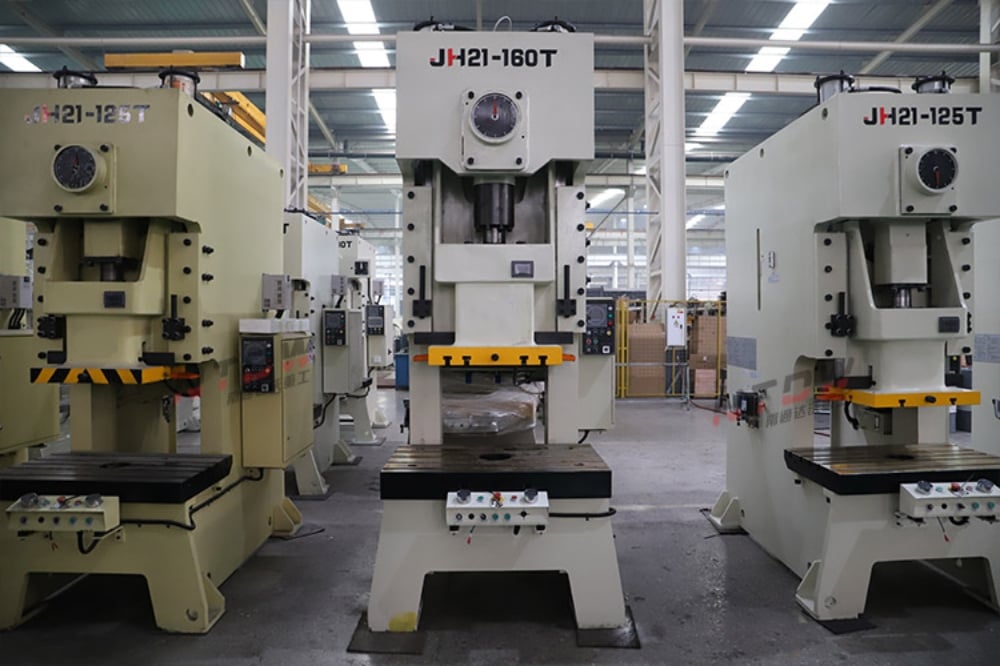
Daily inspections serve as the first line of defense against mechanical degradation. Before starting a shift, operators should perform a visual check of the punch and die set. Look for signs of chipping, galling, or uneven wear patterns. If the punch shows signs of uneven wear on one side, it is a clear indicator that the alignment is drifting and requires immediate attention.
Check the clamping mechanisms that hold the tools in place. Loose or worn clamps can cause the punch to shift during the stroke, leading to misalignment. Ensure that all bolts are tightened to the manufacturer’s specified torque settings. A simple daily check of these fasteners can prevent major mechanical shifts that occur due to the constant vibration of the punching process.
Monitor the machine’s noise levels during the initial test cycles. Unusual clanking or metallic grinding sounds are often the first audible signs of misalignment. If the sound profile of the machine changes, stop the operation immediately and inspect the guide rails and the ram assembly. Early detection is the most effective way to prevent costly downtime.
Finally, verify the cleanliness of the die area. Metal shards, dust, and lubricant buildup can interfere with the seating of the tools. Use compressed air or a soft brush to clear the work area daily. A clean machine is easier to inspect, and debris-free surfaces ensure that the punch and die seat perfectly every time, maintaining the precision required for high-quality hole production.
Hydraulic, Electrical, and Mechanical Checks
The mechanical integrity of the punching machine is the foundation of its precision. Periodically, technicians must inspect the guide pillars and bushings. These components are responsible for the vertical travel of the ram. If there is any play or excessive clearance in the bushings, the ram will tilt, causing the punch to strike the die at an angle. Replacing worn bushings is a critical step in restoring alignment.
Hydraulic systems play a vital role in the force application of the punching machine. Check the hydraulic fluid levels and the condition of the seals. If the hydraulic pressure is inconsistent, the ram may not descend with the required force or speed, leading to incomplete punching or uneven hole edges. Ensure that the hydraulic valves are functioning correctly and that there are no leaks in the hoses or fittings.
Electrical systems control the timing and stroke depth of the machine. Use diagnostic tools to check the sensors and limit switches that govern the ram’s position. If the sensors are miscalibrated, the machine may not stop at the correct bottom dead center (BDC), resulting in poor hole quality. Regularly calibrate the CNC controller to ensure that the digital inputs match the physical movement of the ram.
Consider the structural frame of the machine. Over time, the frame can experience stress fatigue. Use a precision level to verify that the machine is sitting perfectly flat on the factory floor. If the foundation has shifted, the entire machine frame may warp slightly, throwing off the alignment of the punching head. Adjusting the leveling feet is a simple but often overlooked maintenance task that can restore precision.
Comprehensive Lubrication Plan
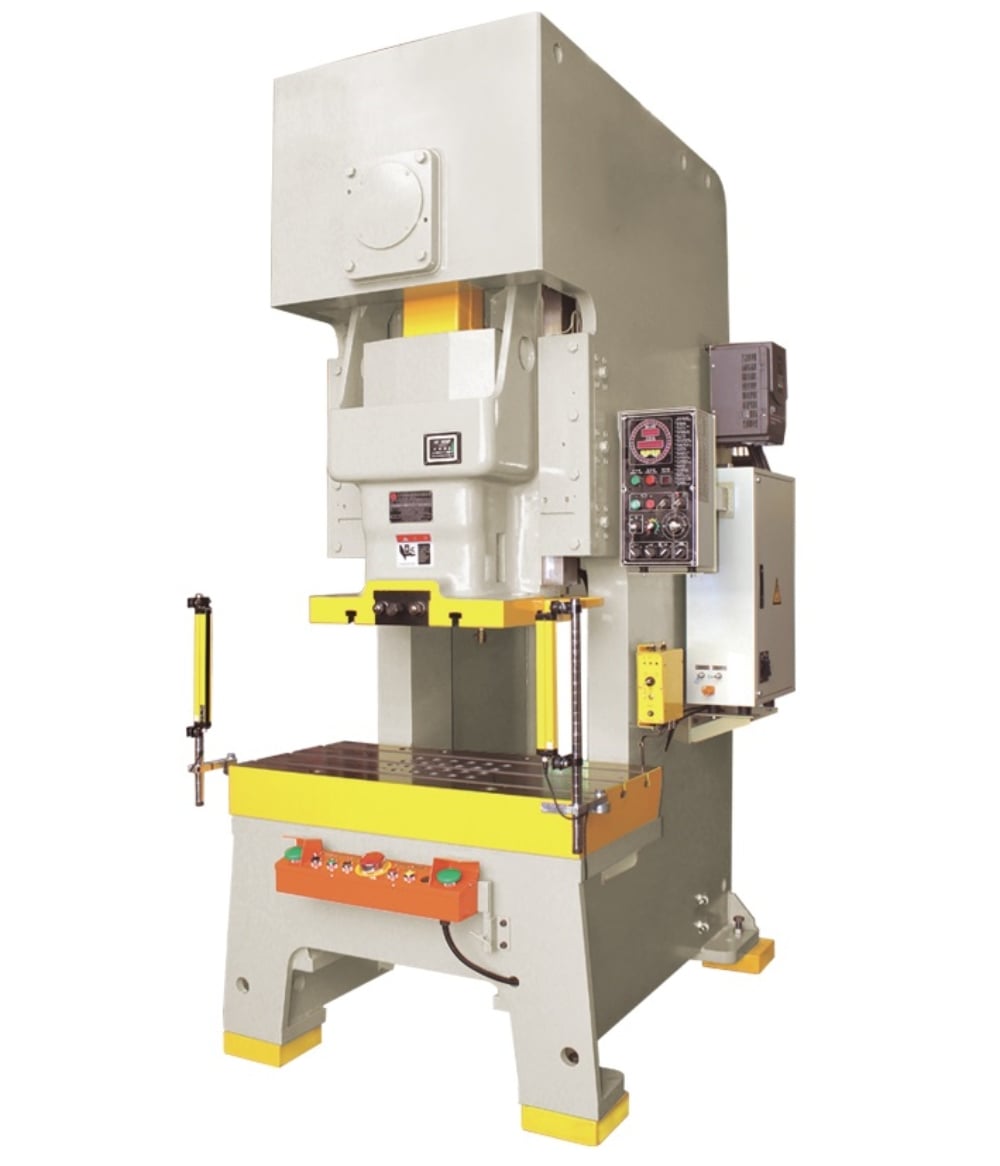
Lubrication is the lifeblood of any industrial punching machine. A well-lubricated machine experiences less friction, which translates to less heat and reduced wear on moving parts. Develop a strict lubrication schedule based on the manufacturer’s recommendations. Use only the high-quality lubricants specified by HARSLE to ensure compatibility with the machine’s seals and internal components.
Focus on the guide rails and the ram assembly. These areas are subject to high-frequency movement and require consistent lubrication to prevent galling. Apply grease or oil at the recommended intervals, ensuring that old, contaminated lubricant is purged from the system. This prevents the buildup of abrasive particles that can damage the precision surfaces of the machine.
Don’t forget the peripheral components, such as the tool changer and the sheet metal clamping system. These parts also require lubrication to function smoothly. If the clamps are stiff, they may not hold the sheet metal securely, leading to slippage and misaligned holes. A smooth-operating clamping system is essential for maintaining the accuracy of the punching pattern across the entire sheet.
Keep a detailed log of all lubrication activities. This log should include the date, the type of lubricant used, and the specific components serviced. This documentation is invaluable for troubleshooting and for planning future maintenance cycles. By treating lubrication as a systematic process rather than an afterthought, you significantly increase the reliability and precision of your punching operations.
Troubleshooting Signals of Misalignment
Recognizing the early warning signs of misalignment is crucial for preventing major equipment failure. One of the most common indicators is the presence of burrs on only one side of the punched hole. This suggests that the punch is not entering the die squarely, creating an uneven clearance gap. If you notice this, stop production and check the ram alignment immediately.
Another sign is excessive tool wear on one side of the punch. If the punch is wearing down faster on one edge, it is likely striking the die wall during the stroke. This not only ruins the punch but can also damage the die, leading to expensive replacement costs. Inspect the punch surface for signs of chipping or uneven dulling.
Vibration is another major red flag. If the machine vibrates more than usual during the punching cycle, it may be due to a loose ram or worn guide bushings. Excessive vibration not only affects the quality of the hole but also puts unnecessary stress on the machine’s frame and electrical components. Investigate the source of the vibration before it leads to a mechanical breakdown.
Finally, monitor the accuracy of the hole positioning. If the holes are consistently off-center or if the pattern is drifting across the sheet, the alignment of the sheet metal clamping system or the ram itself may be compromised. Use a test plate to verify the machine’s accuracy periodically. If the test plate shows deviations, perform a full alignment check to restore the machine to its factory specifications.
Maintenance Schedule Table
| Maintenance Task | Frequency | Objective |
|---|---|---|
| Visual Tool Inspection | Daily | Detect chipping or uneven wear |
| Clean Die Area | Daily | Prevent debris interference |
| Lubricate Guide Rails | Weekly | Reduce friction and wear |
| Check Hydraulic Pressure | Weekly | Ensure consistent force |
| Tighten Fasteners | Monthly | Prevent mechanical shifts |
| Calibrate Sensors/CNC | Quarterly | Maintain positional accuracy |
| Full Alignment Check | Bi-Annually | Restore factory precision |
Frequently Asked Questions (FAQ)
How often should I perform a full alignment check on my HARSLE punching machine?
We recommend a full professional alignment check at least every six months, or more frequently if the machine is running multiple shifts or handling heavy-duty materials. Regular checks ensure that the machine maintains its precision over its entire service life.
What is the most common cause of poor hole quality?
The most common cause is improper clearance between the punch and the die. This is usually the result of ram misalignment or worn guide bushings. Ensuring these components are in top condition is key to achieving clean, burr-free holes.
Can I perform alignment maintenance myself?
Basic inspections and lubrication can be performed by your in-house maintenance team. However, for complex alignment adjustments involving the ram or the main frame, we recommend contacting a certified HARSLE technician to ensure the job is done correctly and safely.
Does the type of material affect the maintenance schedule?
Yes. Punching harder materials like stainless steel or high-strength alloys puts more stress on the machine and tools. If you frequently work with these materials, you should increase the frequency of your lubrication and tool inspection intervals.
What should I do if I notice burrs on my parts?
First, check the punch and die for wear. If the tools are in good condition, check the clearance between them. If the clearance is correct, the issue is likely a misalignment of the ram, which requires a professional inspection and adjustment.
Why is it important to use specific lubricants?
Using the wrong lubricant can cause chemical degradation of seals or fail to provide the necessary film strength under high pressure. Always refer to your HARSLE operation manual for the approved list of lubricants to ensure optimal machine performance.












