Operator-Driven Punching Machine Maintenance Tips for Safer Production


The Critical Importance of Operator-Driven Maintenance
In the high-stakes environment of metal fabrication, the punching machine serves as the backbone of production efficiency. For HARSLE users, understanding that maintenance is not merely a task for technicians but a core responsibility of the operator is the first step toward operational excellence. Operator-driven maintenance, often referred to as Total Productive Maintenance (TPM), empowers the person closest to the machine to identify minor issues before they escalate into costly downtime or dangerous mechanical failures.
When operators take ownership of their equipment, the culture of the shop floor shifts from reactive to proactive. By implementing consistent Operator-Driven Punching Machine Maintenance Tips for Safer Production, facilities can significantly extend the lifespan of their hydraulic and mechanical components. This proactive stance ensures that the machine operates within its optimal parameters, reducing the strain on motors, seals, and punching tools, which ultimately leads to a safer working environment for everyone involved.
Safety is the primary byproduct of a well-maintained machine. A punching machine that is properly lubricated, calibrated, and inspected is far less likely to suffer from unexpected jams, hydraulic leaks, or electrical shorts. These incidents are not just productivity killers; they are significant safety hazards that can lead to workplace injuries. By integrating these maintenance habits into the daily workflow, operators act as the first line of defense against industrial accidents.
Furthermore, consistent maintenance improves the precision of the output. As components wear down, tolerances can drift, leading to burrs, misaligned holes, and wasted material. Regular attention to the machine’s health ensures that every punch is as accurate as the first. This level of precision is essential for maintaining the high standards expected of HARSLE equipment and ensures that the final product meets the rigorous demands of modern manufacturing clients.
Finally, the economic impact of operator-driven maintenance cannot be overstated. By catching a failing seal or a loose bolt early, an operator saves the company thousands of dollars in emergency repair costs and lost production time. This article serves as a comprehensive guide to help operators master the essential maintenance routines required to keep their punching machines running at peak performance.
Daily Inspection Protocols for Punching Machines
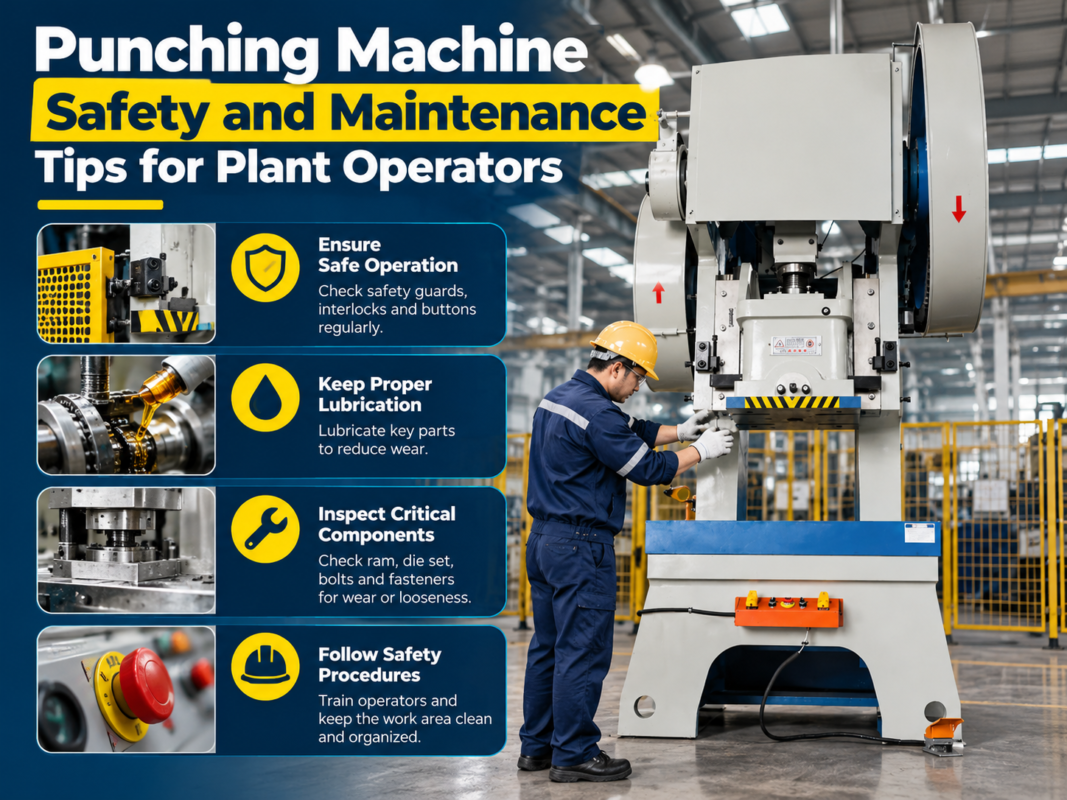
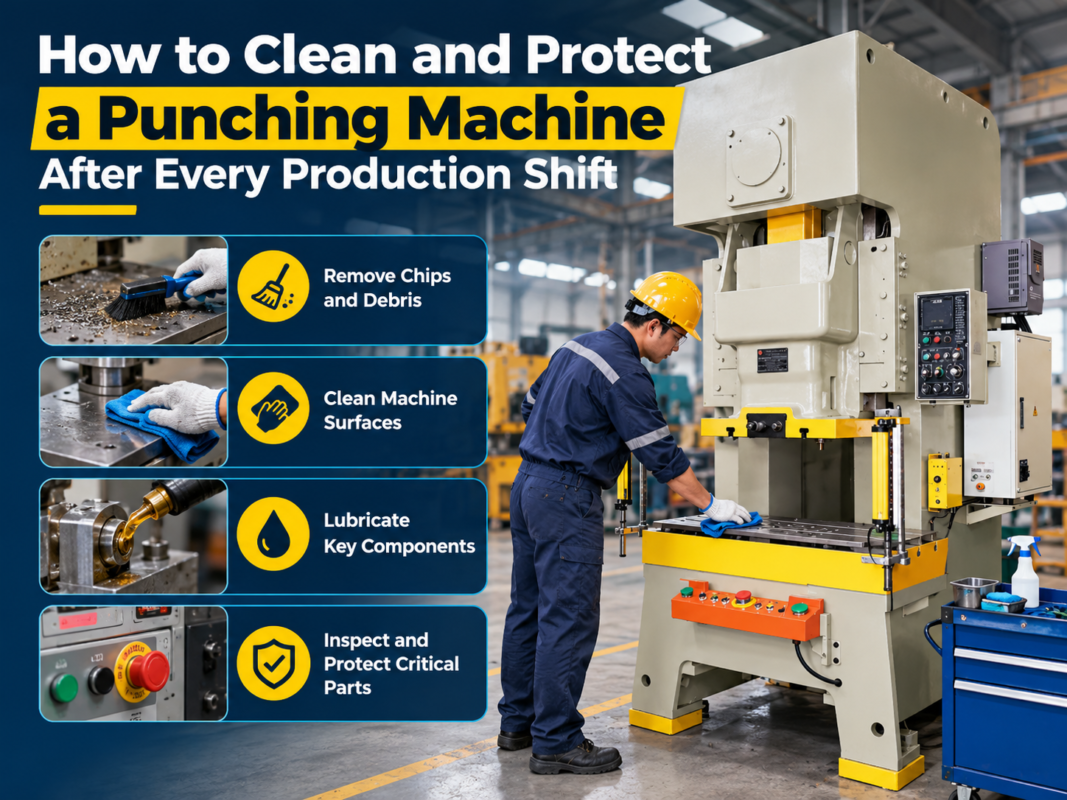
The daily inspection is the cornerstone of Operator-Driven Punching Machine Maintenance Tips Safer Production. Before the machine is powered up for the shift, the operator should conduct a visual and physical sweep of the equipment. This routine should take no more than 10 to 15 minutes but can prevent hours of downtime. Start by checking the area around the machine for any signs of oil leaks, loose debris, or foreign objects that may have fallen into the machine bed overnight.
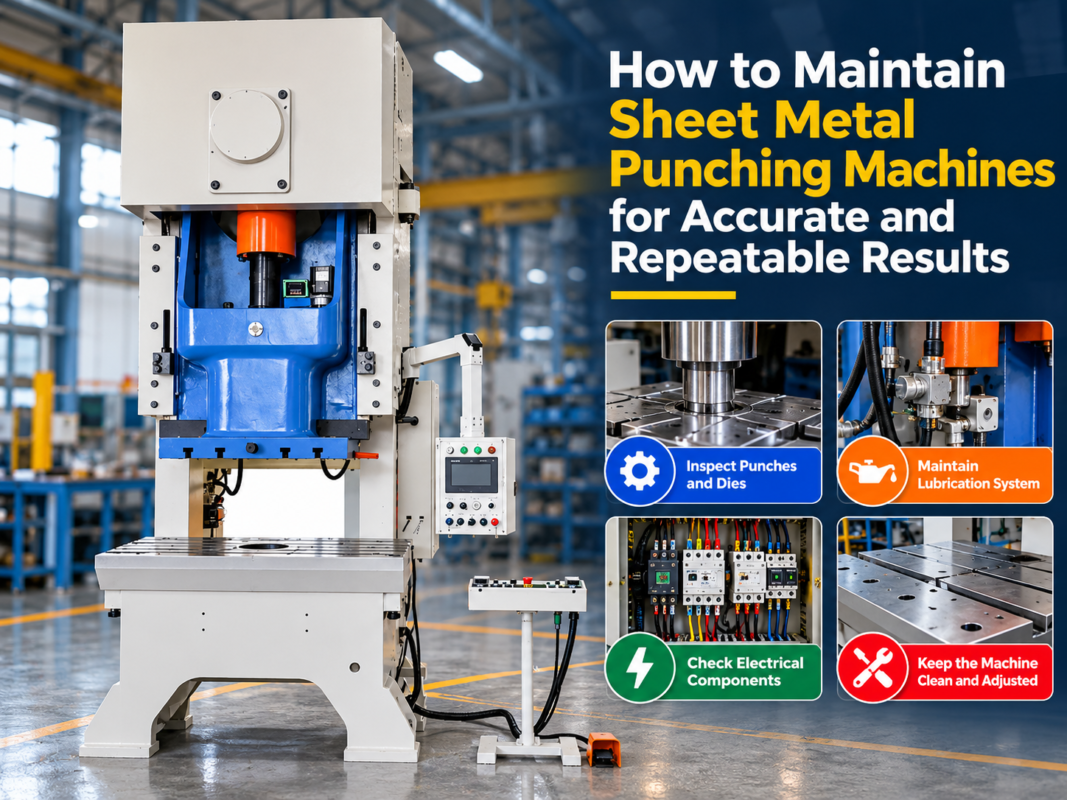
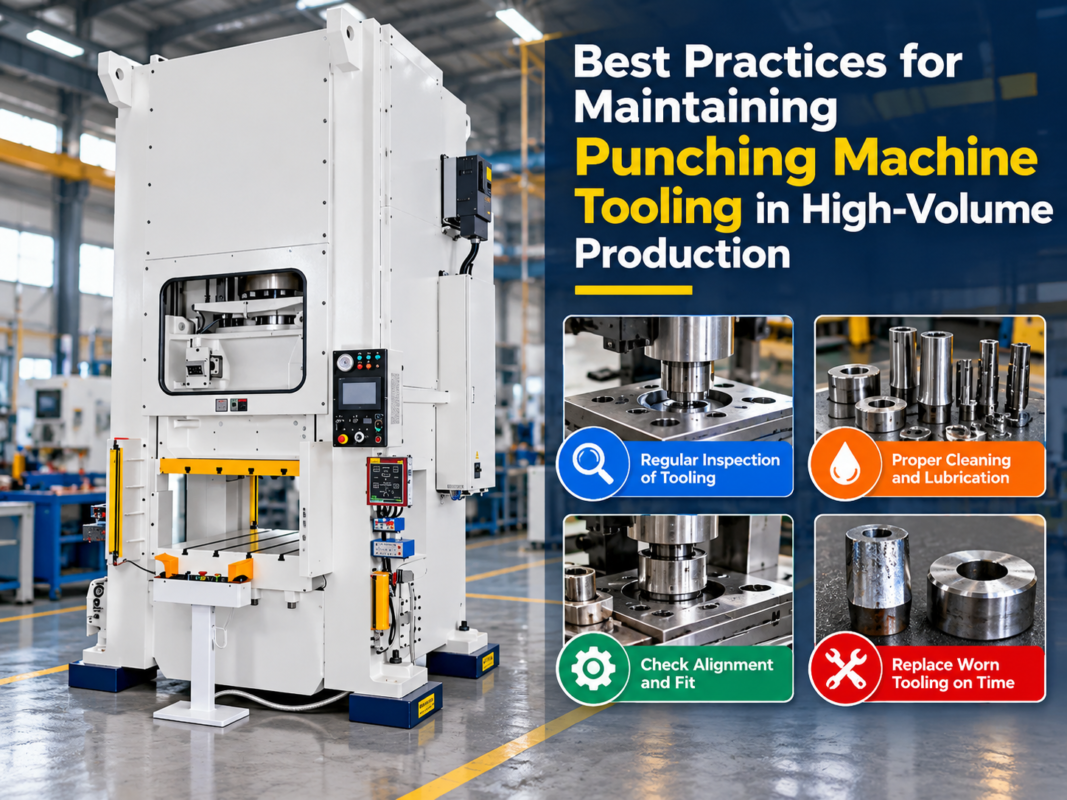
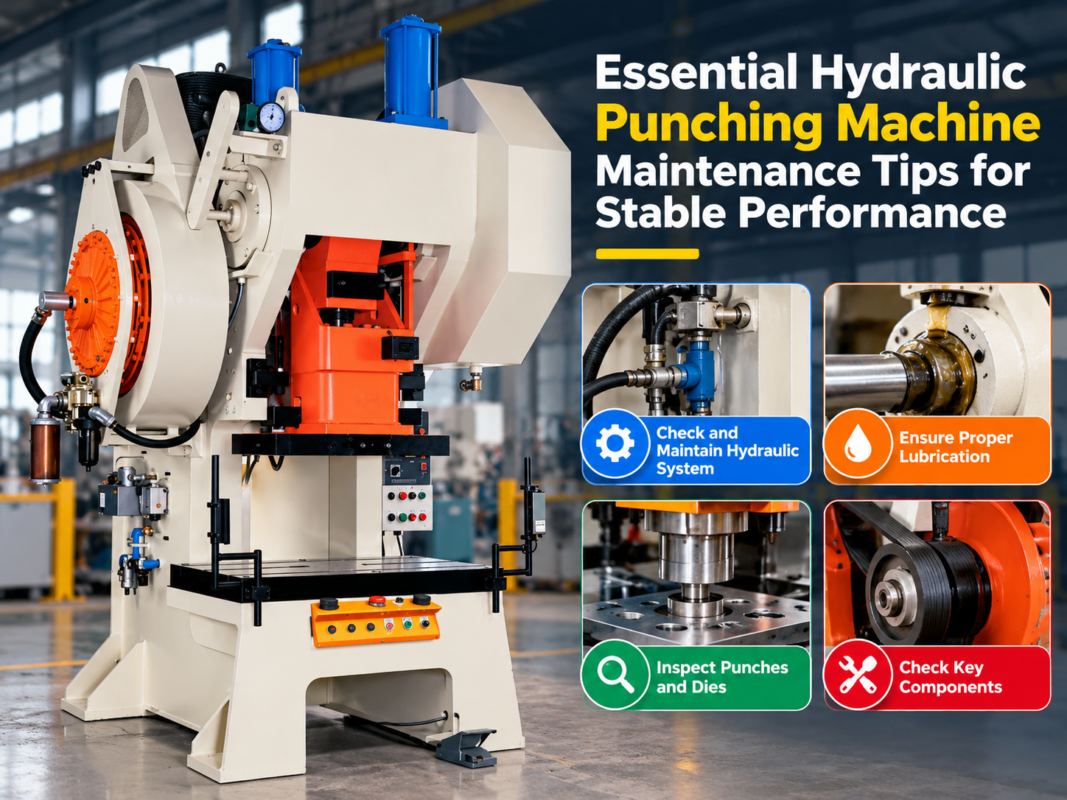
Next, inspect the punching tools and dies. Look for signs of chipping, excessive wear, or dull edges. A dull punch requires more force to penetrate the metal, which puts unnecessary stress on the hydraulic system and the machine frame. If the tools appear compromised, they should be replaced or sharpened immediately. Using damaged tooling is one of the most common causes of machine failure and poor-quality parts.
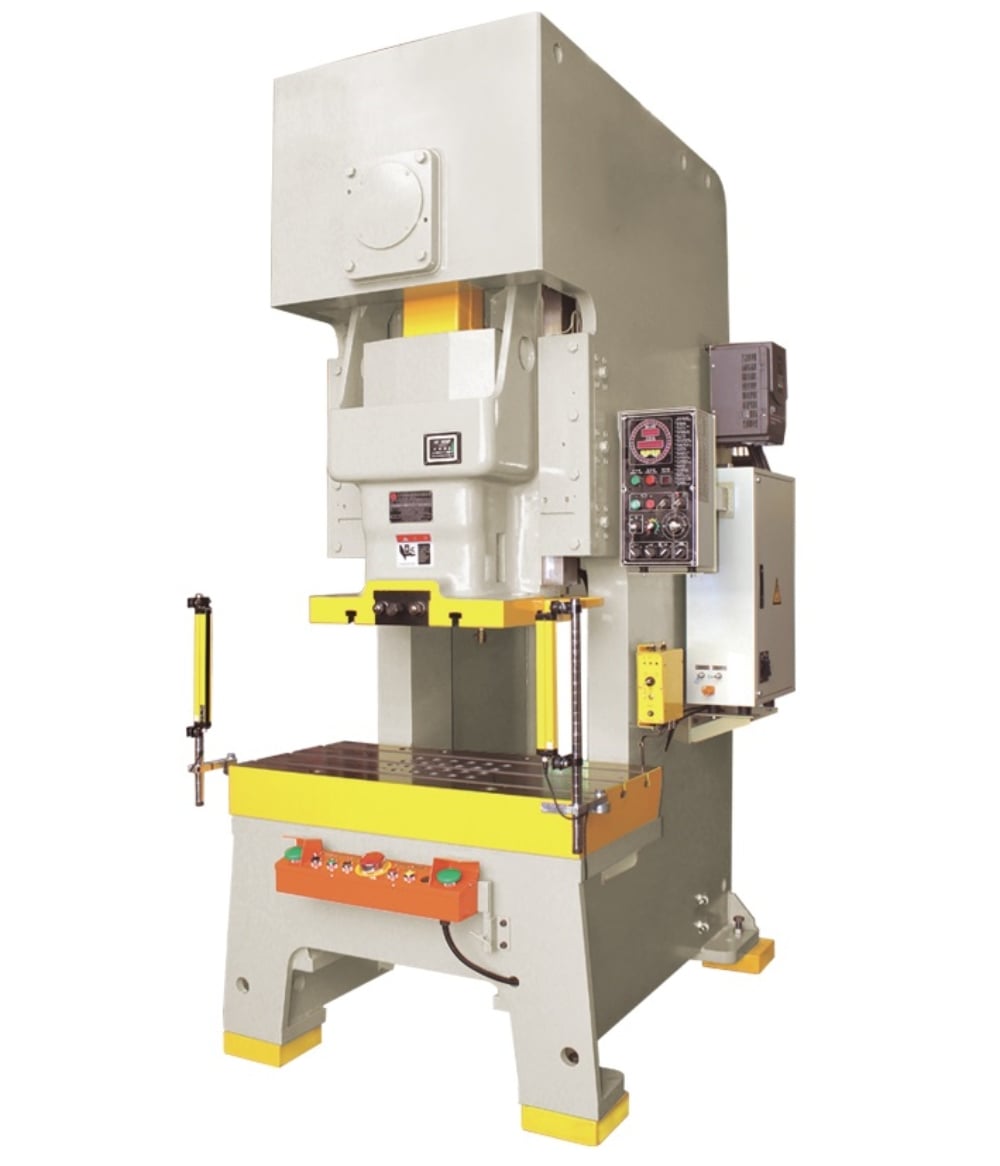
Check the safety guards and emergency stop buttons. Ensure that all light curtains, physical barriers, and interlocks are functioning correctly. Never bypass a safety feature for the sake of speed. If a safety sensor is obstructed or malfunctioning, the machine must remain locked out until the issue is resolved. This is a non-negotiable aspect of safe production that every operator must uphold.
Examine the hydraulic fluid levels and the condition of the hoses. Even a small leak can lead to a significant drop in pressure, affecting the machine’s punching force. Check for any signs of fraying or cracking on the hydraulic lines. If the fluid appears cloudy or discolored, it may indicate contamination, which requires immediate attention from the maintenance department to prevent damage to the pump and valves.
Finally, verify the control panel settings. Ensure that the software is updated and that the parameters for the current job are correctly loaded. A quick glance at the error logs can also provide insight into any issues that occurred during the previous shift. By documenting these daily checks, operators create a valuable history of the machine’s performance, which is essential for long-term maintenance planning.
Hydraulic, Electrical, and Mechanical System Checks
Beyond the daily visual inspection, operators must understand the deeper systems that drive the punching machine. The hydraulic system is the heart of the HARSLE punching machine. Operators should monitor the operating temperature of the hydraulic oil. If the oil runs consistently hot, it may indicate a cooling system failure or an internal leak. Keeping the oil clean and at the correct viscosity is vital for the longevity of the hydraulic pump and cylinders.
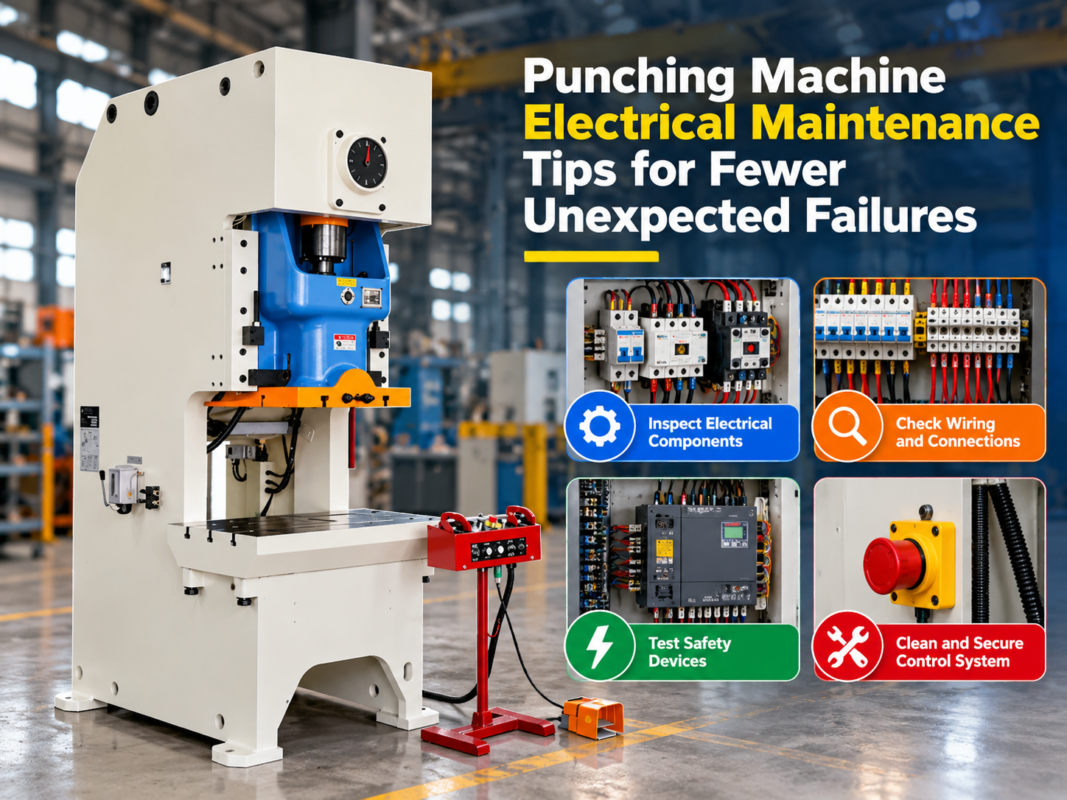
Electrical systems require a different approach. Operators should ensure that the control cabinet is kept clean and free of dust. Dust accumulation can lead to overheating of electronic components, which can cause intermittent errors or total system failure. Periodically check that all cable connections are tight and free from corrosion. If you notice any flickering lights on the control panel or unusual noises from the electrical cabinet, report them immediately.
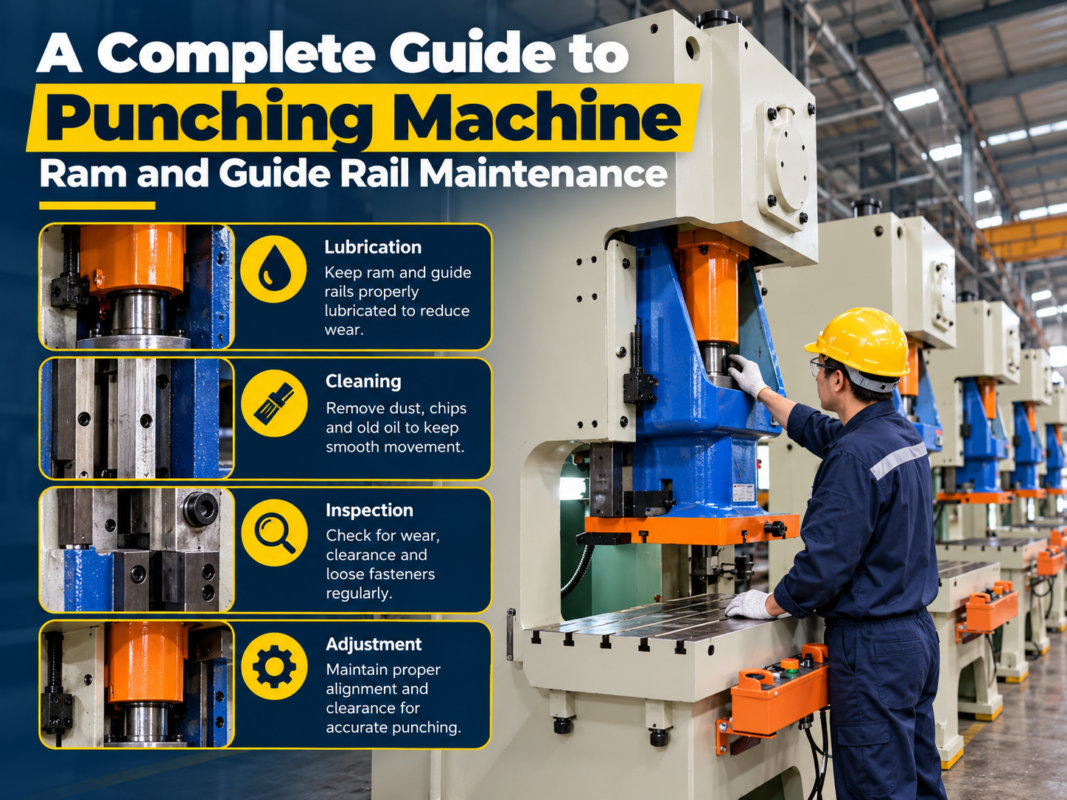
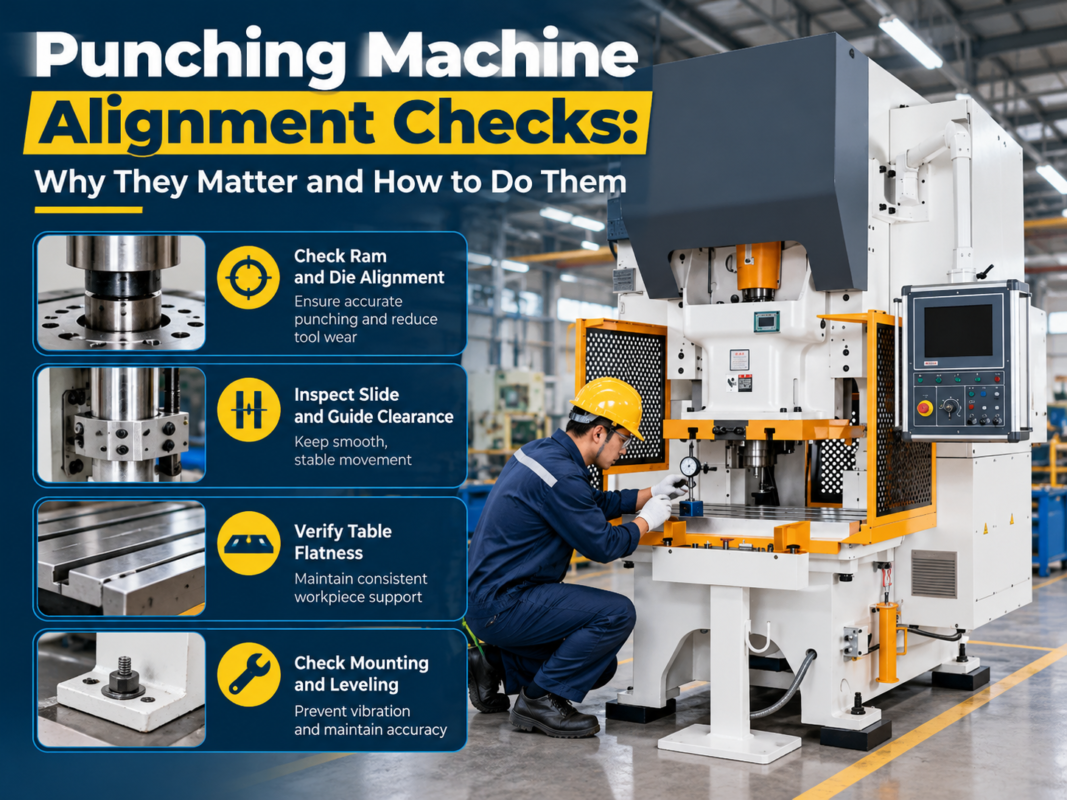
The mechanical drive system, including the ram, guides, and drive gears, requires regular monitoring for alignment and wear. Listen for unusual grinding or knocking sounds during the punching cycle. These noises are often the first sign that a bearing is failing or that the ram guides need adjustment. Keeping these components properly aligned is essential for maintaining the accuracy of the punch and preventing uneven wear on the tooling.
Lubrication is the lifeblood of the mechanical system. Ensure that the automatic lubrication system is functioning and that the reservoirs are filled with the manufacturer-recommended lubricant. If the machine uses manual grease points, ensure they are serviced according to the schedule. A well-lubricated machine runs cooler, quieter, and lasts significantly longer than one that is neglected.
Finally, consider the structural integrity of the machine frame. While operators cannot perform structural repairs, they should be vigilant for any signs of stress, such as cracks in the paint or unusual vibrations during high-tonnage operations. Reporting these observations early allows the maintenance team to perform preventative structural checks before a catastrophic failure occurs.
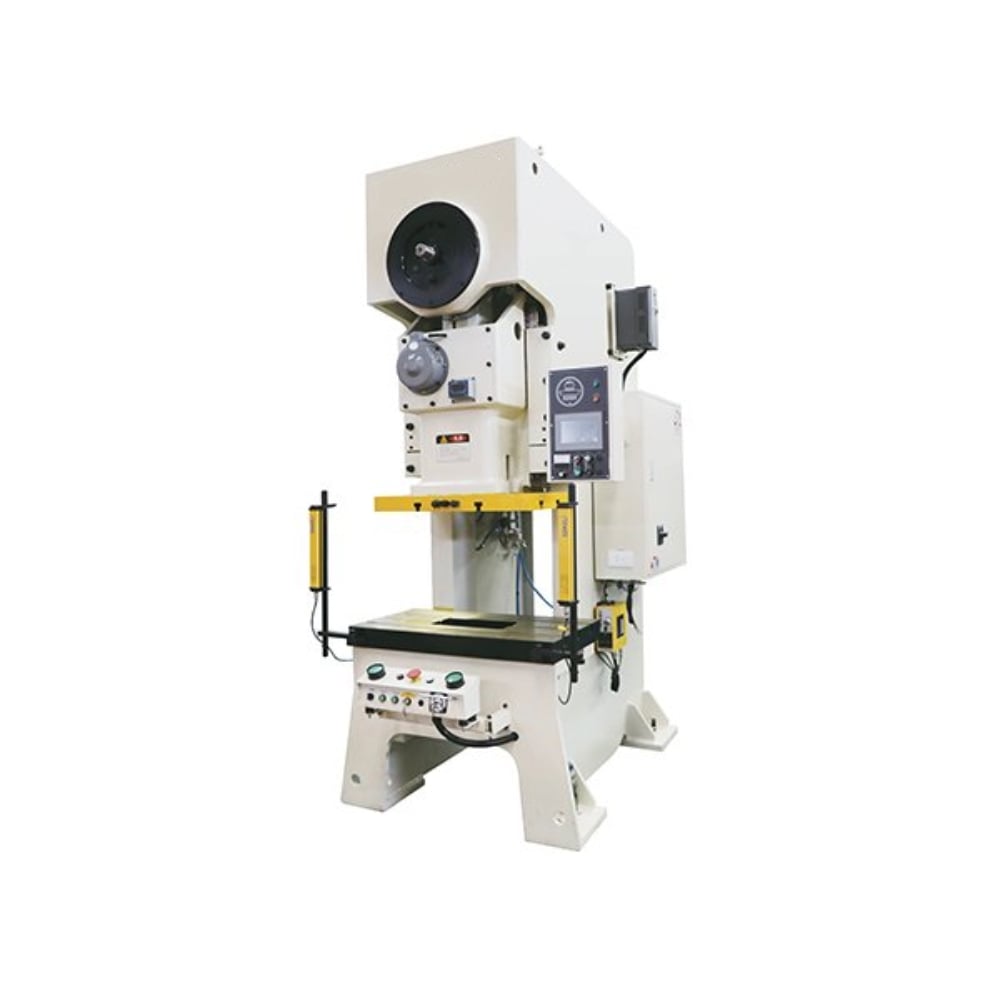
Comprehensive Lubrication Plan
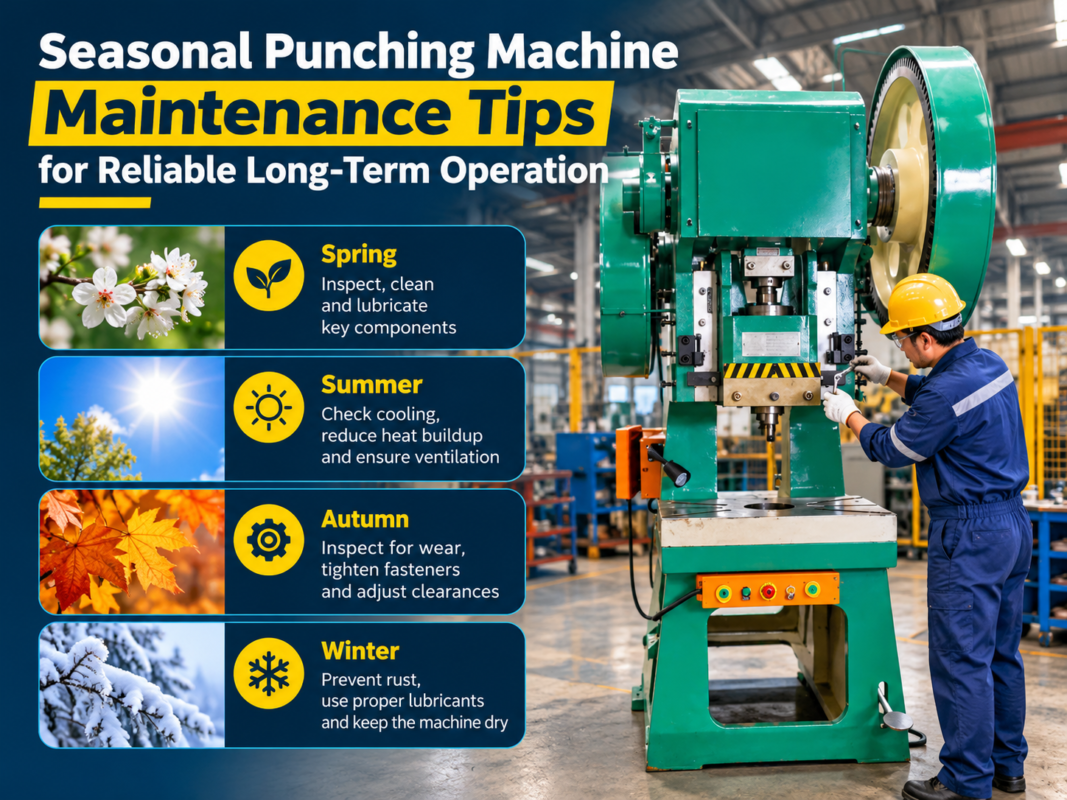
A robust lubrication plan is essential for any industrial machinery guide. Lubrication reduces friction between moving parts, dissipates heat, and prevents corrosion. For HARSLE punching machines, the operator should follow a strict schedule. Start by identifying all lubrication points on the machine. These typically include the ram guides, the ball screws, and any pivot points in the mechanical linkage.
Use only the lubricants specified by HARSLE. Using the wrong type of grease or oil can lead to chemical reactions that degrade seals or fail to provide the necessary protection under high pressure. Keep a log of when each point was last lubricated. This prevents over-lubrication, which can attract dust and debris, and under-lubrication, which leads to metal-on-metal wear.
The automatic lubrication system should be checked weekly. Ensure that the pump is cycling correctly and that the lines are not blocked. If the system has a filter, it should be cleaned or replaced according to the maintenance manual. A blocked line can leave a critical component dry, leading to rapid failure.
Pay special attention to the environment. If the machine is operating in a dusty or high-temperature environment, the lubrication intervals may need to be shortened. Dust can mix with grease to form an abrasive paste that accelerates wear. Keep the area around lubrication points clean and wipe away excess grease after application to prevent the buildup of contaminants.
Finally, educate yourself on the signs of lubrication failure. If you notice increased noise, heat, or vibration, check the lubrication points first. Often, a simple re-greasing can resolve these issues before they become major problems. A proactive lubrication strategy is one of the most effective ways to ensure the long-term reliability of your punching machine.
Troubleshooting Signals and Early Warning Signs
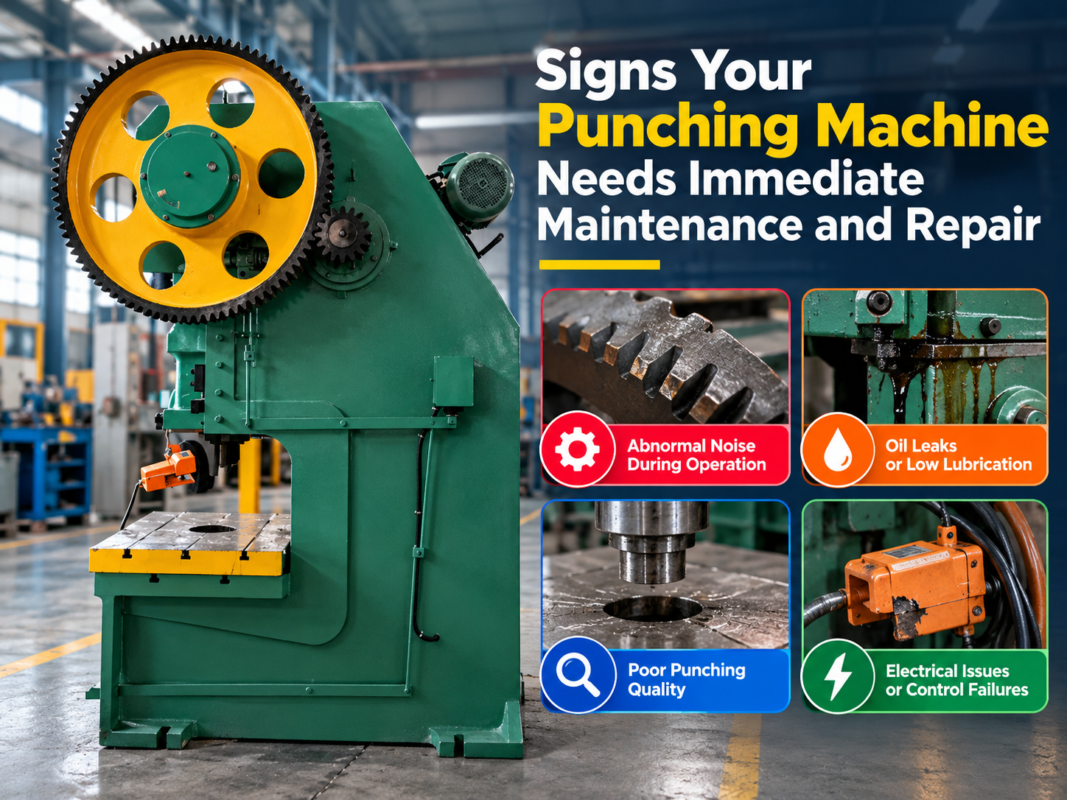
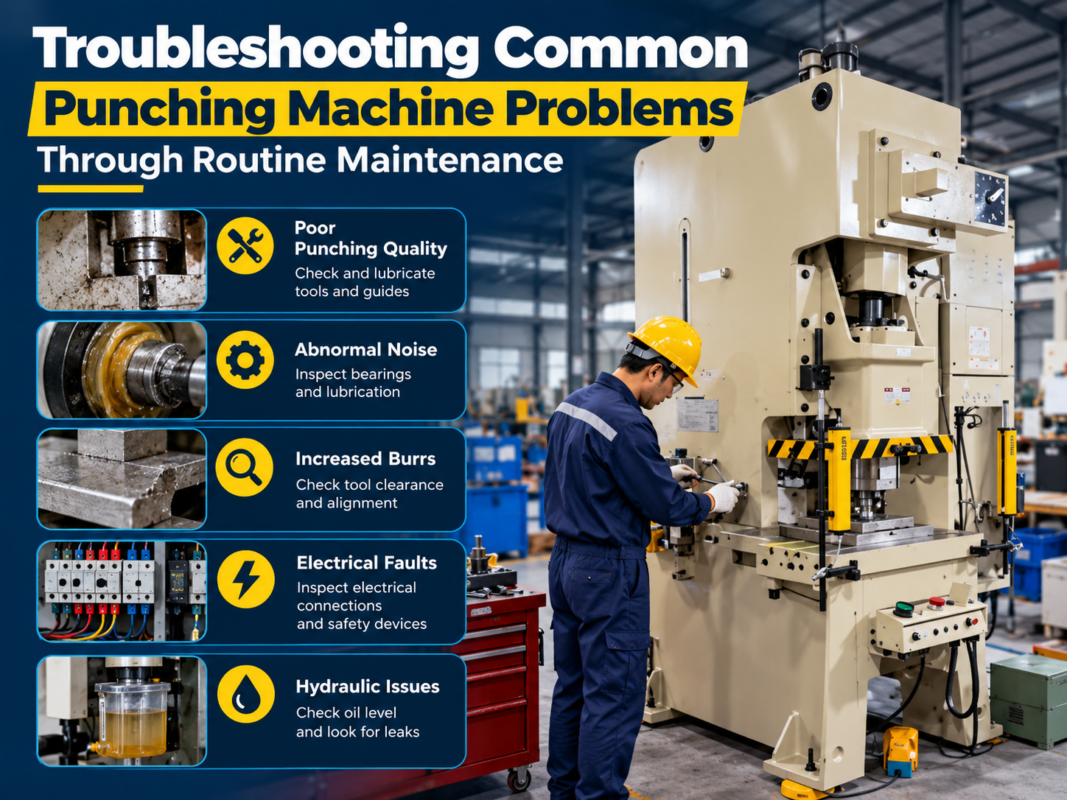
Recognizing the early warning signs of machine failure is a critical skill for any operator. The machine will often “tell” you when something is wrong long before it breaks down. Unusual noises are the most common indicator. A sharp, metallic “clack” might indicate a loose tool or a worn die, while a low-frequency hum could point to a failing motor or hydraulic pump.
Vibration is another key indicator. If the machine begins to vibrate more than usual during the punching cycle, it could be a sign of loose mounting bolts, an unbalanced load, or worn guides. Do not ignore these vibrations; they are putting stress on the entire machine frame and can lead to cracks or misalignment over time.
Monitor the quality of the punched parts. If you notice burrs appearing on the edges of the holes, it is a clear sign that the punch and die clearance is incorrect or that the tools are dull. If the parts are not being positioned accurately, check the backgauge and the clamping system. These issues are often easy to fix if caught early but can lead to significant scrap rates if ignored.
Pay attention to the control panel error codes. Modern HARSLE machines are equipped with sophisticated diagnostic systems. If an error code appears, do not simply reset the machine and continue working. Investigate the cause of the code. Even if the machine seems to be working fine after a reset, the underlying issue may still exist and could cause a more serious failure later.
Finally, trust your intuition. As an operator, you spend hours with the machine. You will notice subtle changes in how it sounds, feels, and performs. If something feels “off,” take the time to investigate. It is always better to spend ten minutes checking a potential issue than to spend ten hours waiting for a repair technician to fix a broken machine.
Maintenance Schedule Table
| Frequency | Task | Action |
|---|---|---|
| Daily | Visual Inspection | Check for leaks, loose parts, and debris. |
| Daily | Tooling Check | Inspect punches and dies for wear/chipping. |
| Weekly | Lubrication | Check oil levels and grease all points. |
| Weekly | Safety Systems | Test light curtains and E-stops. |
| Monthly | Hydraulic System | Check oil quality and filter condition. |
| Monthly | Electrical | Clean control cabinet and check connections. |
| Quarterly | Mechanical | Check ram alignment and drive belt tension. |
| Annually | Full Service | Professional calibration and deep cleaning. |
Frequently Asked Questions (FAQ)
How often should I change the hydraulic oil in my HARSLE punching machine?
Generally, hydraulic oil should be changed every 2,000 to 4,000 operating hours, or once a year, whichever comes first. However, if the oil appears dark or cloudy, it should be changed sooner.
What should I do if my punching machine makes a loud banging noise?
Stop the machine immediately using the emergency stop. Inspect the tooling for damage and check the ram guides for excessive play. If the cause is not obvious, contact your HARSLE service representative.
Can I use any grease for the lubrication points?
No, always use the specific lubricant recommended in your HARSLE machine manual. Using the wrong grease can damage seals and lead to premature component failure.
Why is my machine producing burrs on the punched parts?
Burrs are usually caused by dull tooling or incorrect clearance between the punch and the die. Check your tooling condition and verify that the clearance settings match the material thickness.
Is it necessary to keep a maintenance log?
Yes, keeping a detailed maintenance log is essential for tracking the machine’s health, scheduling future service, and maintaining the warranty. It also helps in identifying recurring issues that may require a more permanent solution.