
Punching Machine Sticking Or Slow Operation: Common Faults Solutions


Introduction: Understanding Punching Machine Performance
In the high-stakes world of metal fabrication, the efficiency of your production line hinges on the reliability of your equipment. A punching machine is a cornerstone of any sheet metal workshop, yet operators frequently encounter the frustrating scenario of a punching machine sticking or slow operation. When your machine fails to cycle at its rated speed or experiences intermittent jamming, it does not just delay production—it compromises the quality of the finished parts and risks long-term mechanical damage.
At HARSLE, we understand that downtime is the enemy of profitability. Whether you are operating a manual turret punch or a high-speed CNC hydraulic punching system, understanding the root causes of sluggish performance is essential. This guide explores the technical nuances behind these common faults, providing actionable solutions to keep your machinery running at peak performance levels.
The phenomenon of a punching machine sticking or slow operation is rarely caused by a single factor. It is often a combination of mechanical wear, hydraulic system degradation, electrical signal latency, or improper tooling maintenance. By systematically addressing these areas, maintenance teams can diagnose issues faster and implement permanent fixes rather than temporary patches.
This article serves as a comprehensive resource for shop floor managers and maintenance technicians. We will delve into the technical details of hydraulic systems, the importance of lubrication, the impact of tooling geometry, and the necessity of regular calibration. By following these guidelines, you can ensure that your HARSLE equipment continues to deliver the precision and speed your clients demand.
Key Considerations for Machine Health
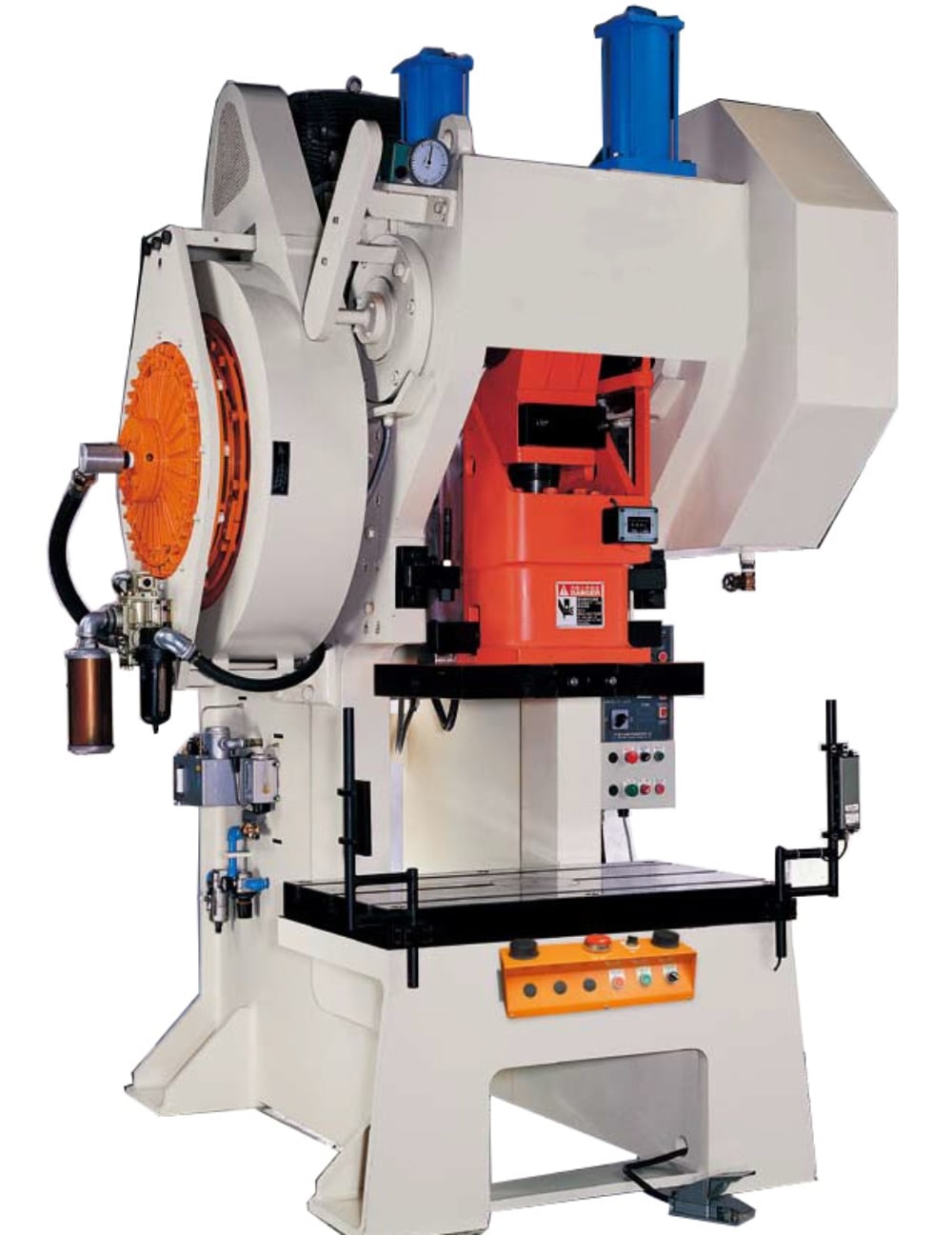
Before diving into complex mechanical repairs, it is vital to establish a baseline for machine health. The most common reason for a punching machine sticking or slow operation is a lack of consistent, scheduled maintenance. Many operators overlook the subtle signs of wear until the machine reaches a point of failure. Establishing a daily, weekly, and monthly maintenance checklist is the most effective way to mitigate these risks.
Environmental factors play a significant role in machine performance. Dust, metal shavings, and fluctuating ambient temperatures can wreak havoc on sensitive hydraulic components and electronic sensors. If your workshop environment is not properly ventilated or cleaned, debris can enter the guide ways, leading to increased friction and the dreaded sticking sensation during the punching cycle.
Lubrication is the lifeblood of any industrial punching machine. Using the wrong grade of oil or failing to maintain proper lubrication levels will inevitably lead to overheating and mechanical binding. When the friction between the punch and the die increases, the machine’s motor must work harder, which often manifests as a slower cycle time or a complete stall during the stripping phase.
Finally, operator training is a key consideration. Often, what appears to be a machine fault is actually a result of incorrect parameter settings or improper material handling. Ensuring that your team is well-versed in the specific operational requirements of your HARSLE machine will prevent unnecessary strain on the equipment and extend the lifespan of critical components.
Technical Details: Diagnosing Sticking and Sluggishness
When you identify a punching machine sticking or slow operation, the first technical area to investigate is the hydraulic system. In hydraulic punching machines, the pressure levels must be consistent. If the hydraulic pump is failing or if there is a leak in the seals, the machine will lack the force required to complete the stroke efficiently, leading to a sluggish response.
Another critical technical factor is the condition of the punch and die set. Over time, the clearance between the punch and the die can become compromised. If the clearance is too tight, the material will gall, causing the punch to stick in the sheet metal upon retraction. This is a common cause of “stripping” issues, where the machine struggles to pull the punch out of the material, resulting in a slow cycle.
Electrical and software latency can also contribute to slow operation. In CNC-controlled punching machines, the communication between the controller and the drive motors must be instantaneous. If the software is outdated or if there is electrical interference in the control cabinet, the machine may experience a delay in processing commands, making the operation feel sluggish even if the mechanical components are in perfect condition.
Furthermore, the guide ways and slide mechanisms must be inspected for alignment. If the ram is not perfectly aligned with the die, the machine will experience uneven stress. This misalignment causes the ram to bind against the guide ways, which creates significant resistance and slows down the punching speed. Precision alignment is a task that should be performed by qualified technicians using calibrated measuring tools.
Selection Advice: Choosing the Right Equipment
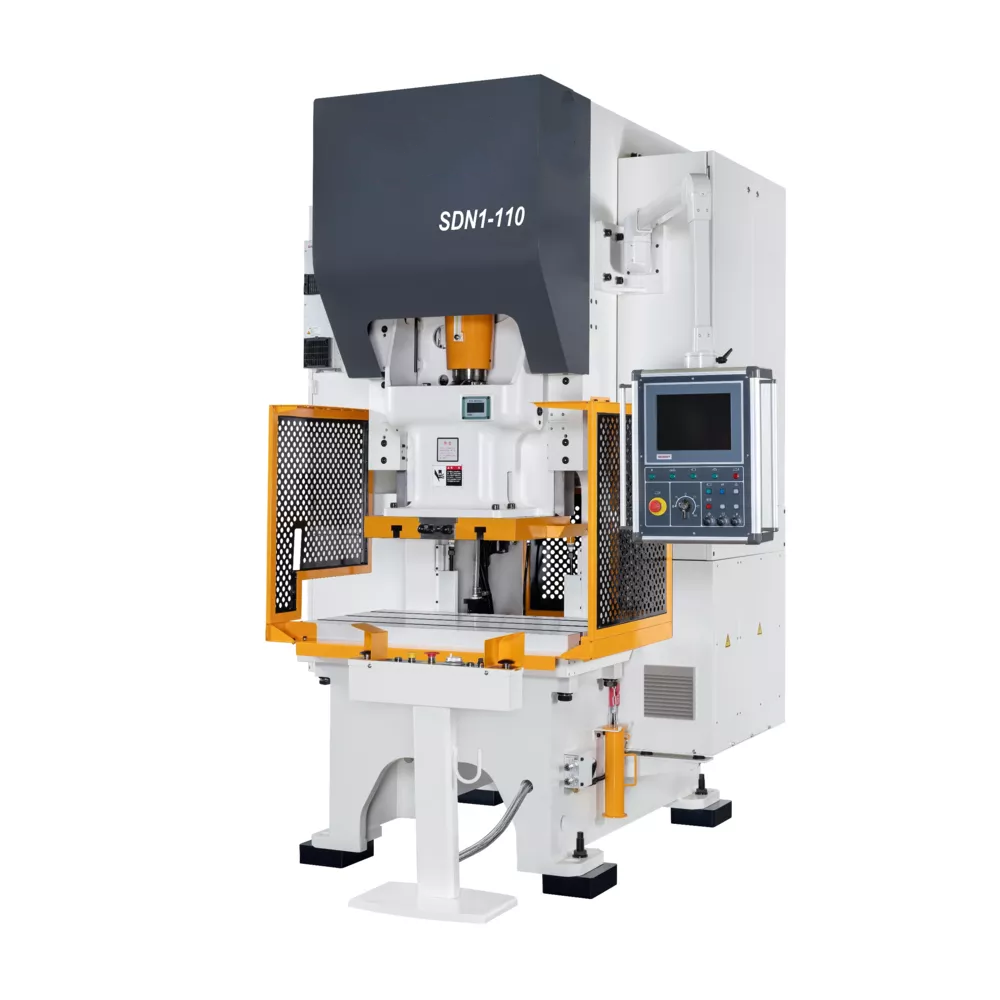
Preventing a punching machine sticking or slow operation often starts long before the machine is installed on your shop floor. When selecting a punching machine, it is essential to match the machine’s capacity to your specific production requirements. If you consistently push a machine to its maximum tonnage, you are significantly increasing the wear on its internal components, which will eventually lead to performance degradation.
Consider the type of materials you will be punching. High-strength alloys or thicker gauge materials require more robust tooling and higher hydraulic pressure. If you attempt to process these materials on a machine designed for lighter work, you will inevitably encounter sticking issues due to the inability of the machine to handle the stripping force required for those specific materials.
Look for machines that feature advanced diagnostic capabilities. Modern HARSLE punching machines come equipped with sensors that monitor hydraulic pressure, motor temperature, and cycle times. These features provide real-time feedback, allowing you to identify potential issues before they escalate into a full-blown machine failure.
Finally, prioritize machines with accessible maintenance points. A machine that is easy to clean and lubricate is a machine that will be maintained more frequently. When evaluating potential equipment, ask the manufacturer about the ease of access to the hydraulic manifold, the guide ways, and the electrical cabinet. Investing in a machine designed for ease of maintenance is an investment in long-term operational speed.
Common Faults and Solutions Table
| Fault | Likely Cause | Recommended Solution |
|---|---|---|
| Punch sticking in material | Incorrect punch-to-die clearance | Adjust clearance to material thickness |
| Slow cycle time | Low hydraulic pressure | Check pump and replace hydraulic seals |
| Erratic ram movement | Worn guide ways | Clean, lubricate, or replace guide rails |
| Machine stalls mid-stroke | Overloaded tonnage | Reduce material thickness or use sharper tooling |
| Delayed response | Software/Controller latency | Update firmware and check electrical connections |
FAQ: Frequently Asked Questions
Why does my punch stick in the sheet metal after the stroke?
This is usually caused by insufficient stripping force or incorrect clearance between the punch and the die. Ensure your stripper plate is properly adjusted and that the punch is not dull.
How often should I lubricate the guide ways?
Depending on your production volume, guide ways should be lubricated daily. Refer to your HARSLE manual for the specific lubricant grade and frequency recommended for your model.
Can a dull punch cause slow operation?
Yes. A dull punch requires significantly more force to penetrate the material, which puts extra strain on the hydraulic system and slows down the cycle time.
What should I do if the hydraulic oil is overheating?
Overheating is often a sign of a failing pump or a clogged filter. Check your hydraulic filters immediately and ensure the oil level is correct. If the issue persists, contact a technician to inspect the pump.
Conclusion: Maintaining Peak Efficiency
Addressing a punching machine sticking or slow operation requires a proactive approach to maintenance and a deep understanding of your equipment’s technical requirements. By focusing on proper lubrication, correct tooling clearance, and regular hydraulic system checks, you can eliminate the most common causes of sluggish performance. Remember that your punching machine is a precision instrument; treating it with the care it deserves will pay dividends in the form of increased production speed, higher quality parts, and a longer machine lifespan.
At HARSLE, we are committed to supporting our customers through every stage of their manufacturing journey. If you find that your machine is still experiencing issues despite following these troubleshooting steps, do not hesitate to reach out to our technical support team. We are here to ensure that your metal fabrication equipment remains the most reliable asset in your workshop. Keep your machines clean, your tools sharp, and your maintenance schedule consistent to stay ahead of the competition.












