How to Troubleshoot Punching Machine Overheating in Daily Production: A Comprehensive HARSLE Guide


Introduction
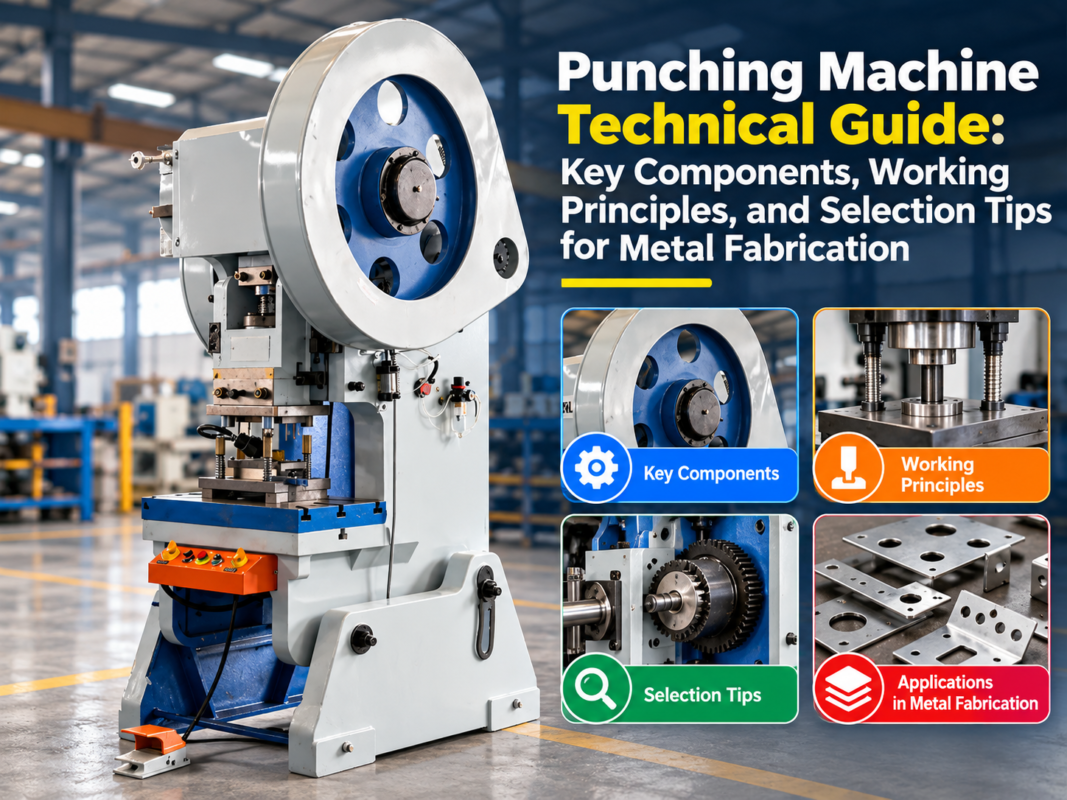
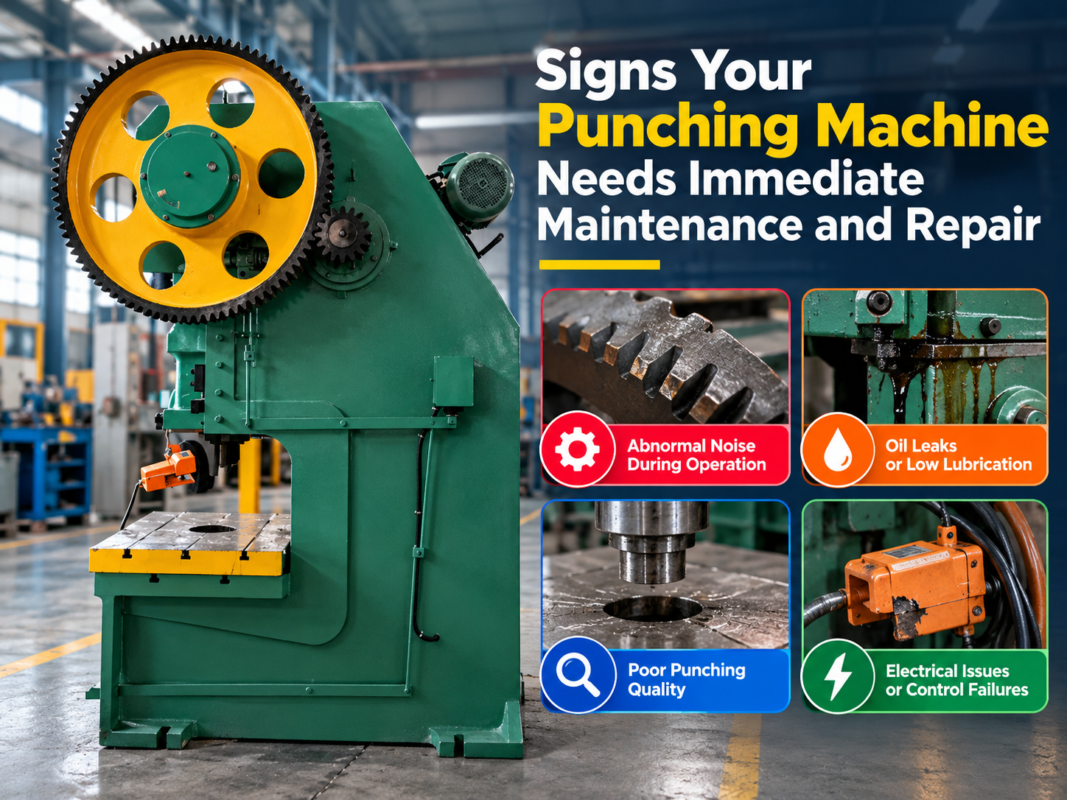
In the high-stakes environment of modern metal fabrication, the punching machine serves as the backbone of production efficiency. However, even the most robust equipment, such as those engineered by HARSLE, can face operational hurdles. One of the most critical issues operators encounter is thermal instability. When you need to troubleshoot punching machine overheating in daily production, time is of the essence. Excessive heat not only degrades the quality of the finished workpiece but also accelerates the wear and tear of internal components, leading to costly downtime and expensive repairs.
Understanding the thermal dynamics of your punching machine is the first step toward maintaining a high-output facility. Overheating is rarely the result of a single factor; it is often a symptom of a deeper systemic issue within the hydraulic, electrical, or mechanical subsystems. By adopting a proactive approach to monitoring and maintenance, facility managers can identify the root causes of heat buildup before they escalate into catastrophic failures. This guide provides a deep dive into the technical aspects of thermal management in industrial punching equipment.
HARSLE is committed to ensuring that your production lines remain operational and efficient. We believe that knowledge is the best tool in an operator’s arsenal. Whether you are running a CNC turret punch press or a standard hydraulic punching machine, the principles of heat dissipation and thermal regulation remain consistent. This article will walk you through the diagnostic processes, preventive measures, and technical considerations necessary to keep your machinery running at optimal temperatures throughout the workday.
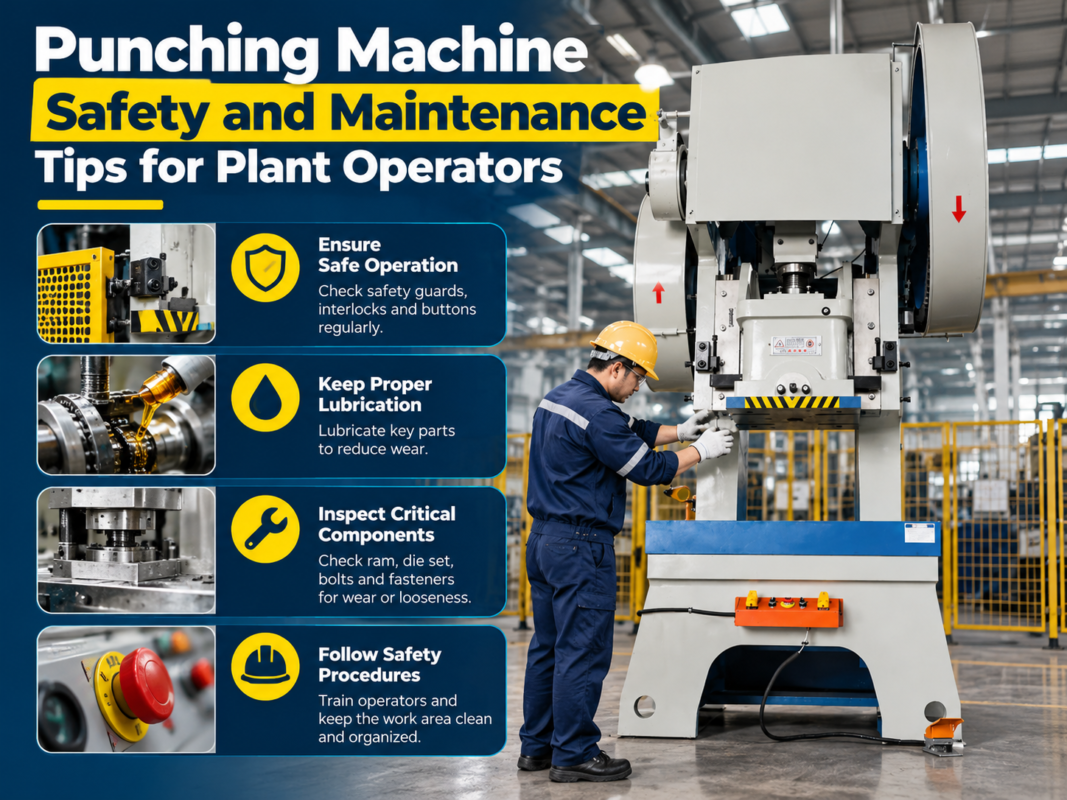
As we explore the complexities of machine overheating, remember that safety is paramount. Always ensure that the machine is powered down and locked out according to standard safety protocols before performing any physical inspections or component replacements. Let us delve into the technical landscape of punching machine thermal management to ensure your daily production remains uninterrupted and profitable.
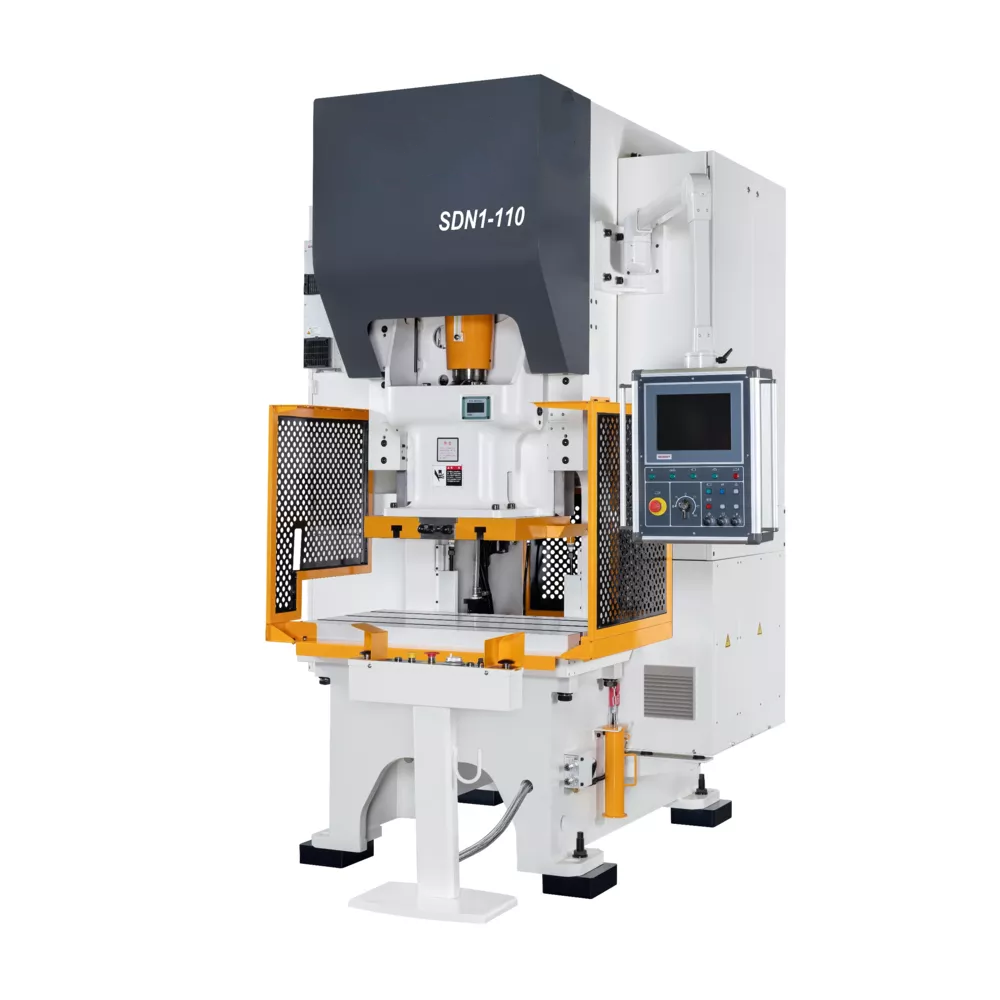
Key Considerations for Thermal Stability
The primary consideration when addressing overheating is the hydraulic system. Most modern punching machines rely on hydraulic oil to transmit force. When this oil exceeds its optimal operating temperature—typically between 40°C and 60°C—its viscosity drops, leading to internal leakage, reduced pressure, and increased friction. Operators must monitor the oil temperature gauge regularly. If the temperature consistently trends toward the upper limit, it is a clear indicator that the cooling system or the pump itself is struggling to maintain equilibrium.
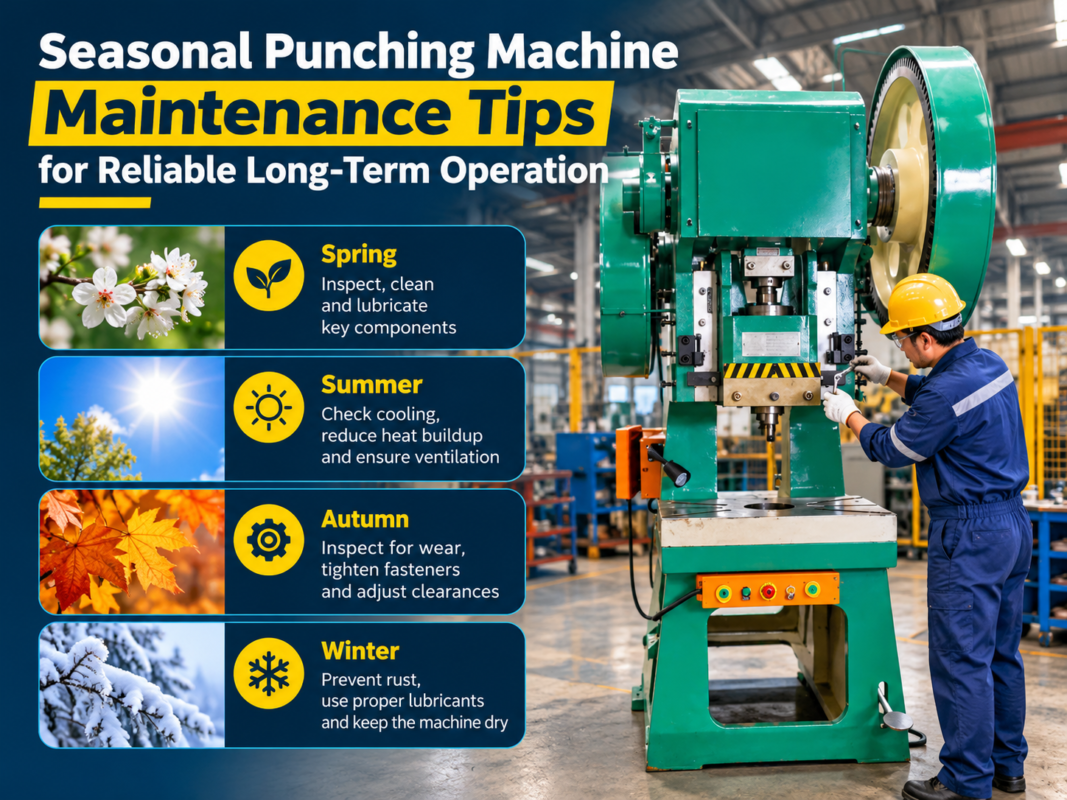
Environmental factors play a significant role in machine performance. A punching machine situated in a poorly ventilated area or near other heat-generating equipment will naturally struggle to dissipate heat. Ambient temperature is a silent contributor to thermal stress. Ensure that your facility has adequate airflow and that the machine’s cooling vents are free from dust, metal shavings, and debris. Regular cleaning of the machine’s exterior and internal cabinets is a simple yet effective way to improve heat exchange efficiency.
The duty cycle of the machine is another critical factor. Pushing a machine beyond its rated capacity or operating it at maximum speed for extended periods without pause can lead to thermal saturation. Every punching machine has a specific duty cycle designed to balance performance and cooling. When you troubleshoot punching machine overheating in daily production, analyze your production logs to see if the overheating coincides with peak usage hours. Adjusting the production schedule or implementing short cooling intervals can significantly extend the lifespan of your hydraulic components.
Finally, consider the quality and condition of the hydraulic fluid itself. Over time, hydraulic oil degrades, loses its lubricating properties, and accumulates contaminants. This degradation increases internal friction within the pump and valves, which manifests as heat. Adhering to a strict oil change schedule and using high-quality, manufacturer-recommended hydraulic fluid is essential. Contaminated oil acts as an abrasive, damaging seals and increasing the workload on the motor, which in turn generates more heat.
Technical Details: Diagnosing the Root Cause
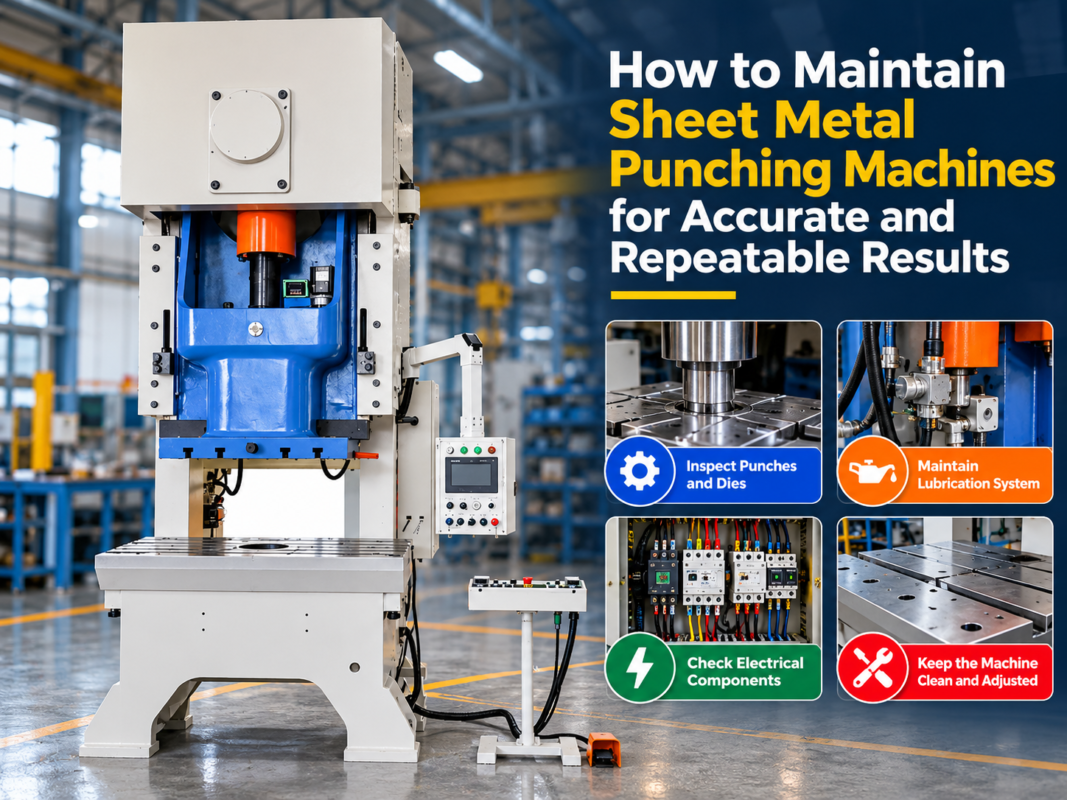
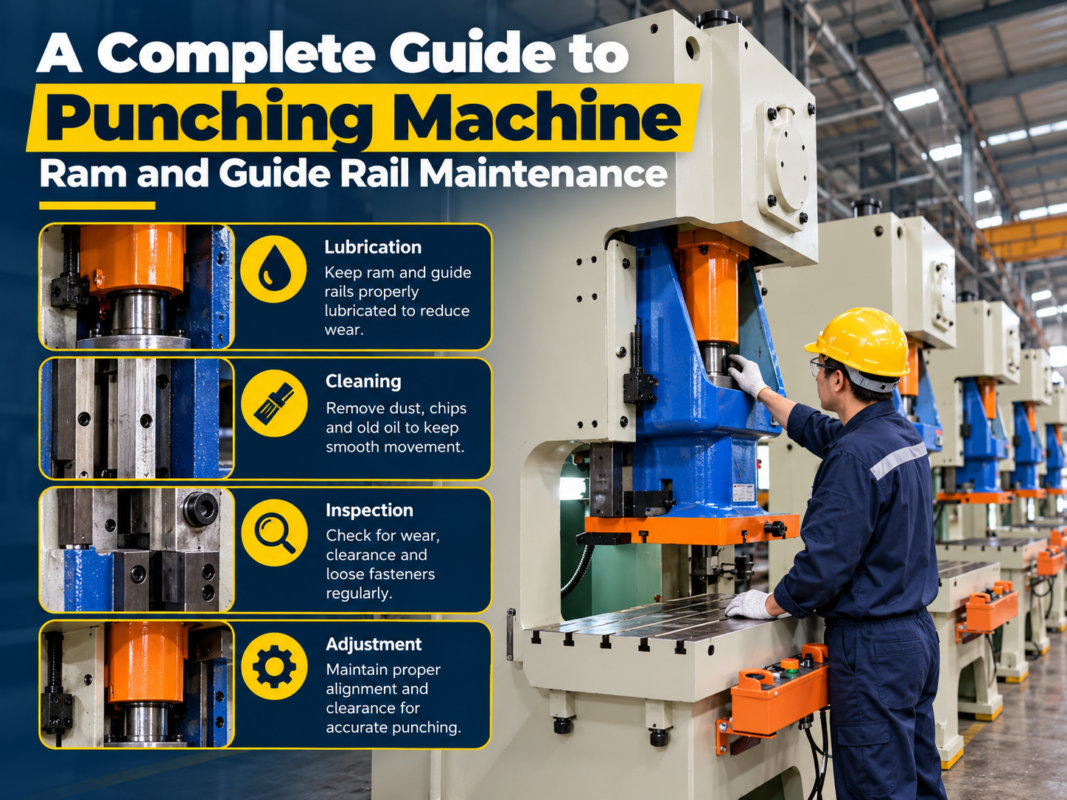
To effectively troubleshoot punching machine overheating in daily production, you must adopt a systematic diagnostic approach. Start by inspecting the hydraulic cooling system. Many HARSLE machines are equipped with air-cooled or water-cooled heat exchangers. If the cooling fan is malfunctioning or the radiator fins are clogged with dust, the heat exchange process will be severely compromised. Use compressed air to clean the radiator fins regularly and verify that the fan motor is operating at the correct RPM.
Next, examine the hydraulic pump and relief valves. A relief valve that is stuck in a partially open position will cause oil to circulate continuously under pressure, generating significant heat even when the machine is not actively punching. This is a common culprit in older machines. Check the pressure settings against the manufacturer’s specifications. If the pressure is fluctuating or consistently higher than required for the task, the pump is working harder than necessary, converting excess energy into heat.
Internal leakage is another technical factor that often goes unnoticed. As seals and gaskets wear down, high-pressure oil can leak back into the reservoir or across internal chambers. This internal bypass creates heat through friction and pressure drop. Perform a leakage test by monitoring the temperature rise while the machine is idling. If the temperature climbs rapidly without any load, it is a strong indicator of internal component wear, likely in the pump or the main control valve block.
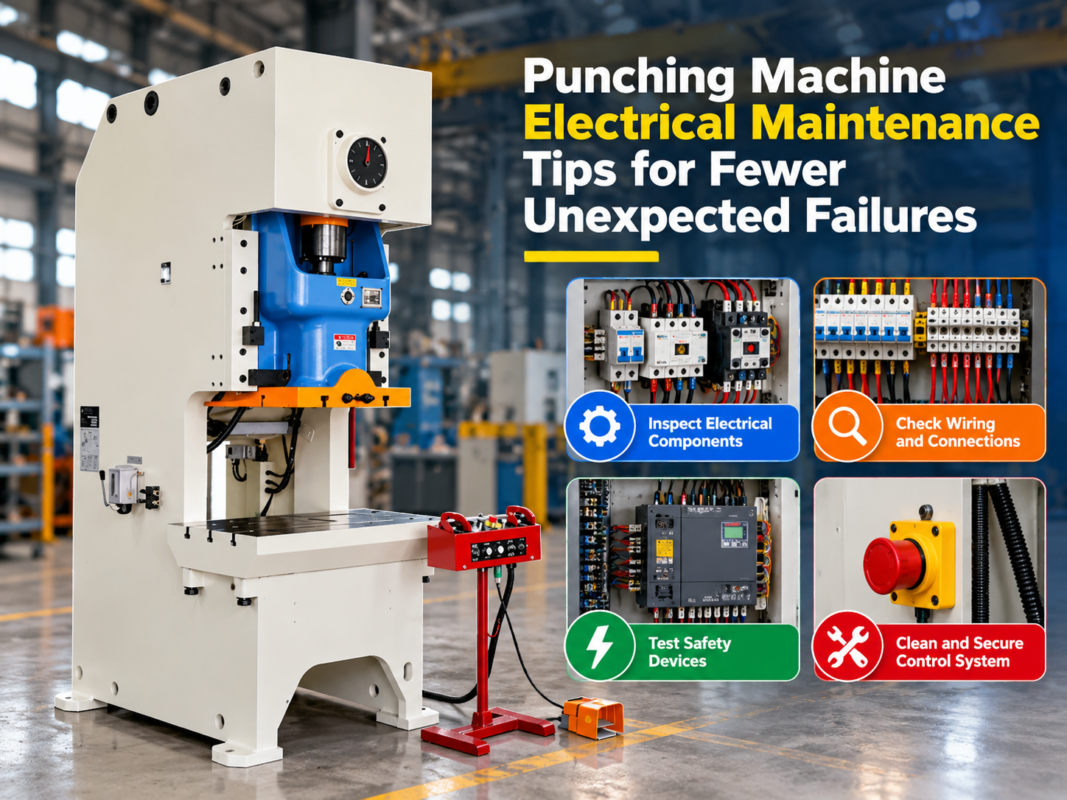
Electrical components also contribute to the thermal profile of the machine. Check the electrical cabinet for proper ventilation and ensure that the cooling fans inside the cabinet are functional. A buildup of dust on the circuit boards and motor drives can insulate these components, causing them to run hotter than intended. Use a non-conductive cleaner to remove dust and ensure that all electrical connections are tight, as loose connections can create resistance, which generates localized heat that can spread to the rest of the machine.
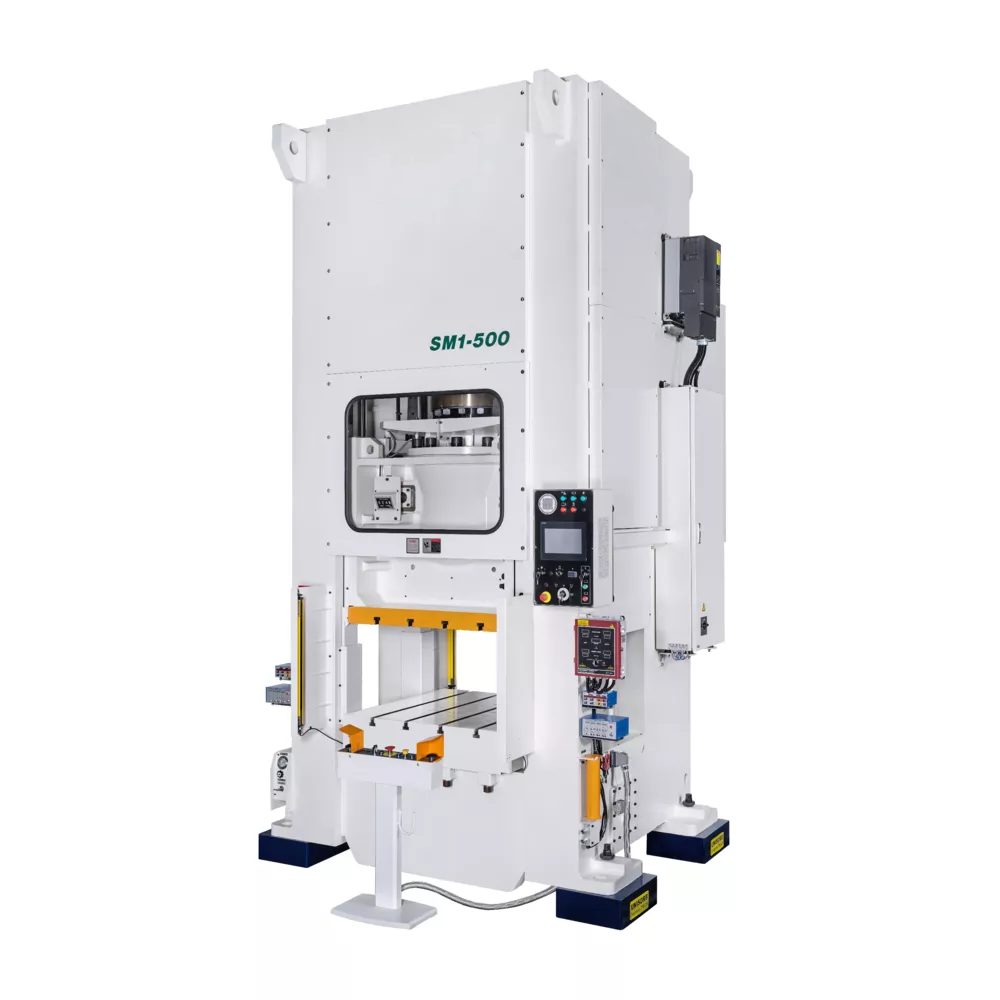
Selection Advice for Long-Term Reliability
When selecting a punching machine, it is vital to consider the thermal management features integrated into the design. HARSLE machines are engineered with high-efficiency cooling systems, but the choice of machine should align with your specific production volume. If your facility operates on a 24/7 basis, investing in a machine with an oversized cooling capacity or an active refrigeration unit for the hydraulic oil is a wise decision. This provides a safety buffer that prevents overheating during high-demand periods.
Look for machines that feature advanced diagnostic software. Modern CNC punching machines often come with built-in sensors that monitor oil temperature, motor load, and vibration. These systems can provide real-time alerts to the operator, allowing for intervention before the machine reaches a critical temperature. Choosing a machine with integrated telemetry not only makes it easier to troubleshoot punching machine overheating in daily production but also helps in predictive maintenance, where you can replace parts before they fail.
Consider the build quality of the hydraulic components. High-quality pumps, valves, and hoses are designed to operate with lower friction and better flow characteristics, which inherently reduces heat generation. While the initial investment for premium components may be higher, the long-term savings in energy costs, reduced maintenance, and increased machine uptime make it a cost-effective choice. Always consult with HARSLE technical representatives to ensure the machine configuration matches your material thickness and production frequency.
Finally, ensure that the machine is compatible with your existing facility infrastructure. If your workshop has limited cooling capacity, you might need to invest in auxiliary cooling systems or ensure that the machine’s power requirements are met with stable voltage. Fluctuating power can cause motors to draw excessive current, leading to overheating. A stable power supply, combined with a well-ventilated workspace, forms the foundation of a thermally stable production environment.
FAQ: Common Questions About Punching Machine Overheating
- Q: How often should I check my hydraulic oil temperature?
A: You should monitor the oil temperature gauge at the start of every shift and periodically throughout the day, especially during high-intensity production runs. - Q: Can low oil levels cause overheating?
A: Yes, low oil levels reduce the system’s ability to dissipate heat and can cause the pump to cavitate, which generates significant heat and damages internal components. - Q: What is the ideal operating temperature for a hydraulic punching machine?
A: Most hydraulic systems perform best between 40°C and 60°C. Temperatures exceeding 70°C can cause rapid degradation of oil and seals. - Q: Why does my machine overheat only during the afternoon?
A: This is likely due to rising ambient temperatures in your facility. Ensure your workshop has adequate ventilation or consider installing industrial-grade cooling fans. - Q: Is it necessary to replace the hydraulic oil filter regularly?
A: Absolutely. A clogged filter restricts oil flow, forcing the pump to work harder and increasing system temperature. Follow the manufacturer’s maintenance schedule for filter replacements.
Conclusion
To troubleshoot punching machine overheating in daily production is to master the art of preventive maintenance. By understanding the interplay between hydraulic pressure, electrical load, and environmental conditions, you can ensure that your HARSLE punching machine remains a reliable asset for years to come. Overheating is not an inevitable part of metal fabrication; it is a signal that requires your attention and a structured response.
Remember that the longevity of your equipment depends on the consistency of your maintenance routine. From cleaning radiator fins to monitoring oil quality and ensuring proper ventilation, every small action contributes to the overall thermal health of your machine. When in doubt, rely on the technical documentation provided by HARSLE and do not hesitate to reach out to our support team for specialized guidance. By prioritizing thermal stability, you are not just fixing a problem—you are optimizing your entire production workflow for maximum efficiency and profitability.
As you continue to refine your maintenance practices, keep a log of all thermal-related incidents. This data will prove invaluable for identifying patterns and making informed decisions about future equipment upgrades or process adjustments. A well-maintained machine is a productive machine, and with the right approach to troubleshooting, you can keep your punching operations running cool, smooth, and profitable regardless of the production demands.