
Troubleshooting Punching Machine Tool Wear: Signs, Causes, and Prevention


Introduction
In the high-precision world of metal fabrication, the punching machine serves as the backbone of production efficiency. However, even the most robust HARSLE punching machines are subject to the inevitable reality of mechanical wear. Troubleshooting Punching Machine Tool Wear: Signs, Causes, and Prevention is not merely a maintenance task; it is a critical operational strategy that ensures product quality, reduces downtime, and extends the lifespan of your capital investment. When tooling begins to degrade, the entire production line feels the impact, leading to burrs, dimensional inaccuracies, and potential damage to the machine itself.
Understanding the lifecycle of your punching tools requires a blend of technical knowledge and proactive observation. Tool wear is a gradual process, but if left unchecked, it can accelerate rapidly, leading to catastrophic failure. By recognizing the early warning signs, operators can intervene before the quality of the finished parts is compromised. This guide provides a comprehensive look at how to manage tool health effectively, ensuring your HARSLE machinery continues to operate at peak performance levels.
The importance of this topic cannot be overstated. In modern manufacturing, where tolerances are becoming increasingly tight and material costs are rising, the ability to maximize the life of every punch and die is a competitive advantage. Whether you are working with mild steel, stainless steel, or aluminum, the principles of tool maintenance remain consistent. This article will walk you through the technical nuances of tool wear, helping you transform your maintenance routine from reactive to predictive.
As we delve into the specifics, remember that HARSLE equipment is designed for durability, but it relies on the operator’s diligence. By following the guidelines outlined in this article, you will be better equipped to handle the challenges of tool degradation, optimize your fabrication processes, and maintain the high standards that your clients expect. Let us begin by exploring the key considerations that define the relationship between your machine and its tooling.
Key Considerations for Tool Health
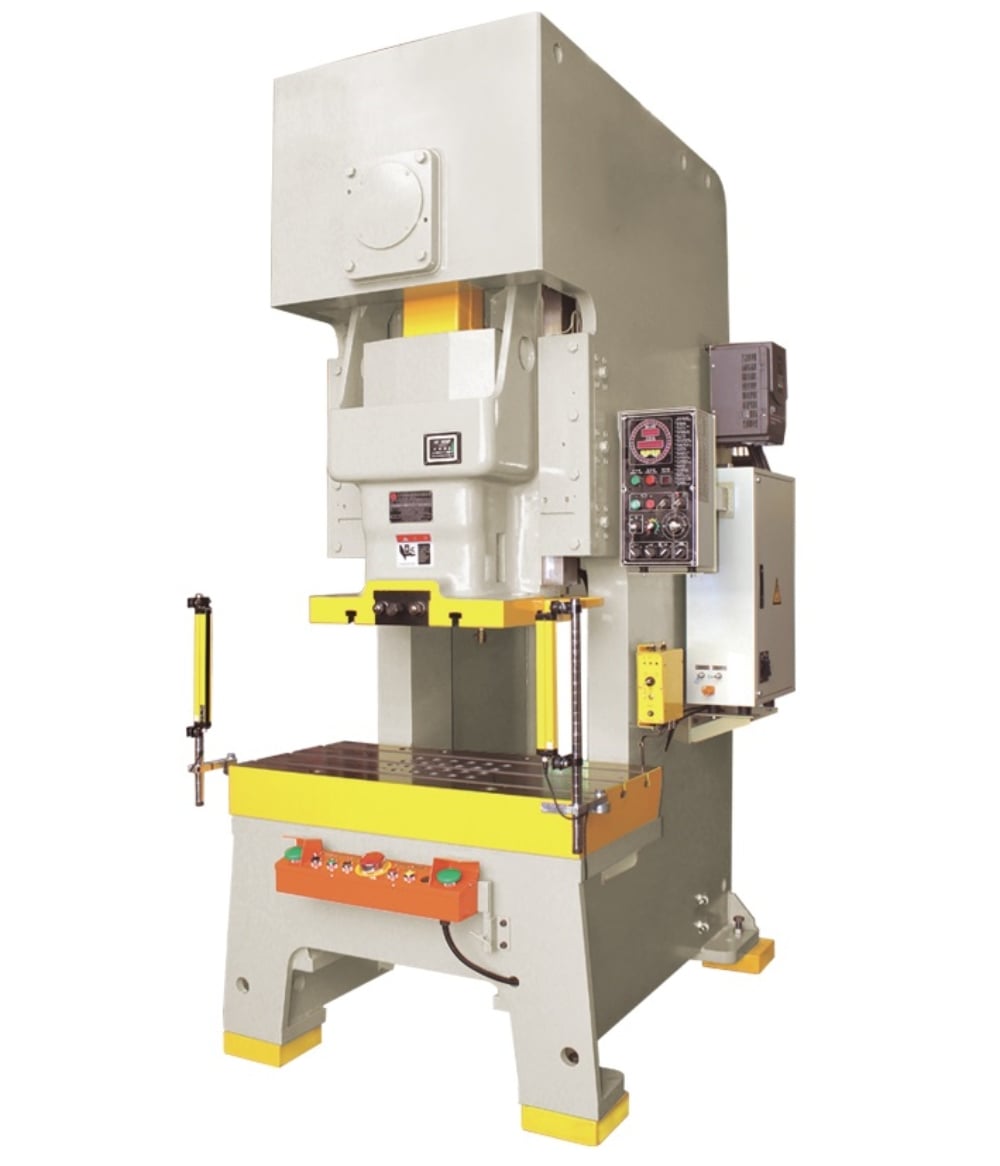
The first step in effective maintenance is understanding the environment in which your tools operate. A punching machine is a high-force system where the interaction between the punch, the die, and the workpiece creates immense stress. Key considerations include the material thickness, the clearance between the punch and die, and the lubrication strategy employed during the punching cycle. Each of these factors plays a pivotal role in how quickly a tool will show signs of wear.
Material selection is perhaps the most significant variable. Harder materials, such as stainless steel or high-tensile alloys, exert significantly more force on the tool edges than softer materials like aluminum. When processing these tougher materials, the heat generated at the contact point increases, which can lead to thermal softening of the tool steel. Operators must adjust their expectations regarding tool life based on the specific material being processed, ensuring that maintenance intervals are shortened accordingly.
Clearance management is another critical aspect. If the clearance between the punch and the die is too tight, the tool will experience excessive friction and heat, leading to rapid abrasive wear. Conversely, if the clearance is too loose, the material will be pulled into the die cavity, causing burrs and putting unnecessary stress on the punch tip. Maintaining the manufacturer-recommended clearance is essential for balancing tool longevity with part quality.
Lubrication is often overlooked but remains a cornerstone of tool longevity. High-quality lubricants reduce the coefficient of friction between the punch and the workpiece, effectively lowering the operating temperature. Without proper lubrication, the punch can experience “galling,” where material from the workpiece adheres to the tool surface. This not only ruins the finish of the part but also accelerates the degradation of the tool edge, leading to a cycle of failure that is difficult to reverse.
Finally, consider the alignment of the machine. Even the best tooling will fail prematurely if the punch and die are not perfectly aligned. HARSLE machines are engineered for high precision, but vibrations, improper setup, or wear in the machine’s guide system can lead to misalignment. Regular checks of the ram and bolster alignment are necessary to ensure that the force is distributed evenly across the tool, preventing localized stress concentrations that lead to chipping or cracking.
Technical Details: Identifying Signs of Wear
Troubleshooting Punching Machine Tool Wear: Signs, Causes, and Prevention requires a keen eye for detail. The most common sign of tool wear is the appearance of burrs on the underside of the punched part. As the punch edge rounds over, it loses its ability to shear the material cleanly. Instead of a clean cut, the material is pushed into the die, creating a ragged edge. If you notice an increase in burr height, it is a clear indicator that your punch or die needs sharpening or replacement.
Another technical indicator is the increase in punching force. Modern HARSLE punching machines often feature sensors that monitor the tonnage required for each hit. If you notice that the machine is consistently using more force than usual for a specific material and thickness, it is a sign that the tool is dull. A dull tool requires more pressure to penetrate the material, which in turn increases the heat and mechanical stress on the machine’s drive system.
Visual inspection of the tool itself is essential. Look for signs of “chipping” on the cutting edge. Chipping often occurs when the tool is subjected to shock loads or when the material being punched is too hard for the specific tool steel grade. Furthermore, look for “galling” or “pickup,” which appears as material buildup on the sides of the punch. This is a sign that the lubrication is insufficient or that the clearance is incorrect, causing the punch to rub against the workpiece material during the stripping phase.
Changes in the dimensions of the punched hole are also a major red flag. As the punch wears, the diameter of the hole may decrease, or the shape may become distorted. This is particularly problematic in precision applications where hole size is critical for assembly. If your quality control team reports that parts are falling out of tolerance, the tooling should be the first point of investigation. Do not wait for a total failure; proactive sharpening is always more cost-effective than replacing a damaged tool set.
Causes of Premature Tool Degradation
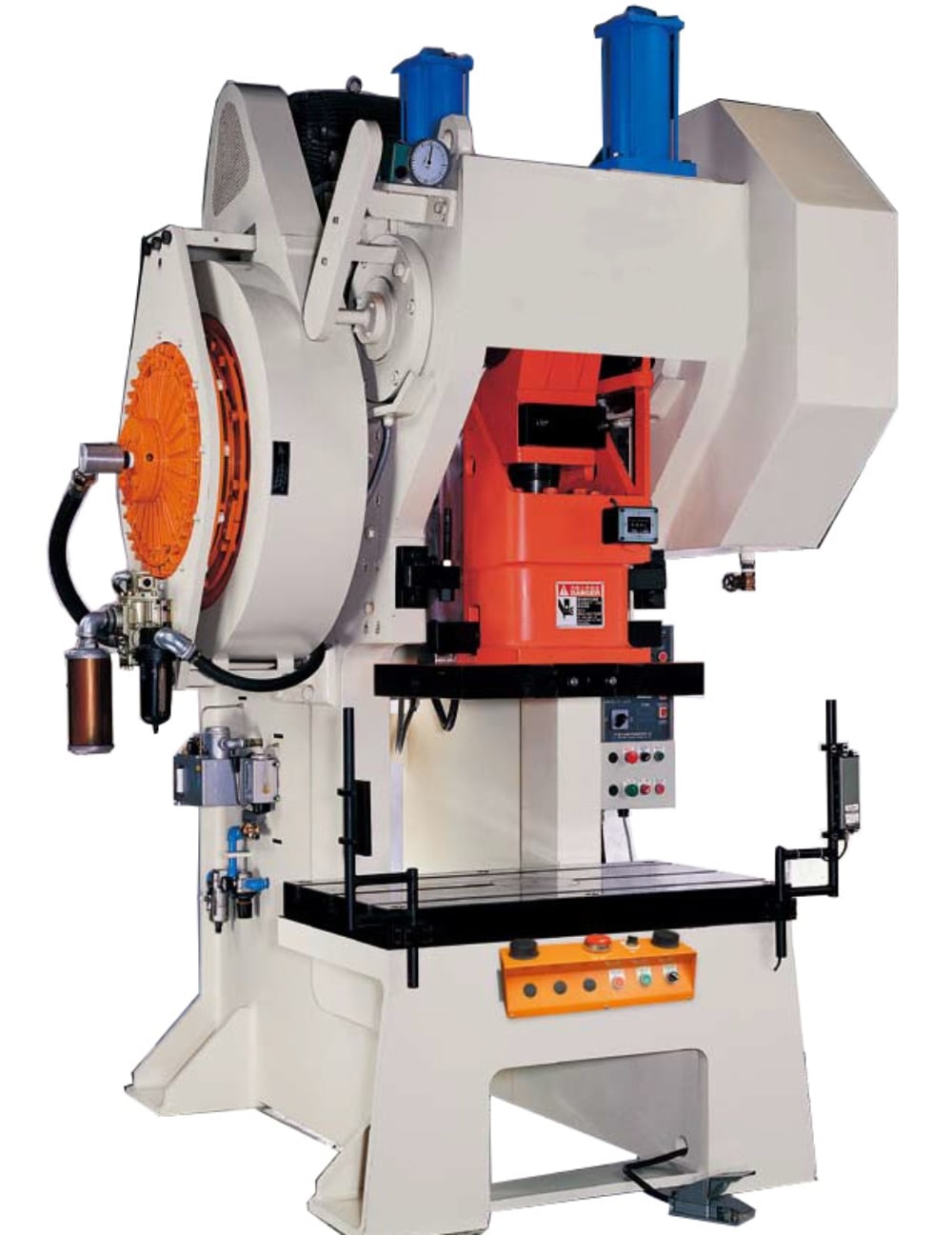
Understanding the root causes of tool wear is essential for prevention. One of the most common causes is improper tool steel selection. Not all tool steels are created equal; some are designed for high-impact resistance, while others are optimized for wear resistance. If you are using a tool steel that is too soft for the material being punched, it will deform rapidly. Always consult the HARSLE technical documentation to ensure you are using the correct grade of tool steel for your specific application.
Another major cause is the lack of a proper maintenance schedule. Many shops operate on a “run until failure” basis, which is the most expensive way to manage tooling. A structured maintenance program, where tools are pulled and inspected after a set number of hits, allows for minor sharpening before the damage becomes severe. Sharpening removes only a small amount of material, whereas waiting until the tool is chipped requires removing a significant portion of the tool, drastically reducing its total service life.
Environmental factors also play a role. Dust, debris, and metal shavings can contaminate the tool guide and the die cavity. If these particles are not cleared away, they can act as an abrasive, grinding down the tool surfaces during the punching cycle. Keeping the machine clean and ensuring that the stripping mechanism is functioning correctly are simple yet effective ways to prevent this type of wear. A well-maintained machine environment is a prerequisite for long-lasting tooling.
Operator error is another factor that cannot be ignored. This includes improper setup, such as failing to secure the die properly, or running the machine at speeds that exceed the tool’s capabilities. Training your operators on the nuances of the HARSLE punching machine is an investment that pays for itself. When operators understand how their actions affect the tooling, they are more likely to treat the equipment with the care it requires, leading to fewer breakdowns and higher overall productivity.
Selection Advice: Choosing the Right Tooling
When it comes to selecting tooling for your HARSLE punching machine, quality should be your primary concern. While it may be tempting to purchase cheaper, generic tooling, these products often lack the metallurgical consistency and precision of OEM-approved or high-grade aftermarket options. High-quality tooling is manufactured with precise heat treatment processes, ensuring a uniform hardness that resists wear and maintains its edge for longer periods.
Consider the coating options available for your tools. Modern coatings, such as Titanium Nitride (TiN) or Titanium Carbonitride (TiCN), can significantly extend the life of your punches. These coatings provide a hard, low-friction surface that resists galling and reduces the heat generated during the punching process. While the initial cost of coated tooling is higher, the return on investment is realized through reduced downtime and fewer sharpening cycles.
When purchasing, look for suppliers who offer technical support. A good supplier will help you select the right tool geometry for your specific material. For example, a shear angle on the punch can reduce the required punching force, which in turn reduces the stress on the tool. This is particularly useful when punching thicker materials or when working with machines that are operating near their tonnage limits. Expert advice during the selection phase is invaluable.
Finally, maintain a comprehensive inventory of spare tooling. Having a set of backup tools ready to go ensures that you can swap out a worn tool immediately, minimizing the impact on your production schedule. Keep a log of the number of hits each tool has performed. This data will help you predict when a tool is nearing the end of its life, allowing you to order replacements before you are forced to stop production. A proactive inventory strategy is a hallmark of a well-managed fabrication shop.
Frequently Asked Questions
- How often should I sharpen my punching tools?
There is no fixed number, as it depends on the material type and thickness. However, a good rule of thumb is to inspect tools every 5,000 to 10,000 hits. If you notice burrs, it is time to sharpen. - Can I use the same tool for different materials?
While possible, it is not recommended. Different materials have different hardness levels and abrasive properties. Using the same tool for stainless steel and aluminum will lead to inconsistent results and premature wear. - What is the best way to clean my punching tools?
Use a mild solvent to remove oil and debris. Avoid using abrasive materials like sandpaper, as this can damage the surface finish of the tool. - Why is my punch sticking in the material?
This is usually caused by insufficient lubrication or a worn stripping mechanism. Check your lubrication system and ensure the stripper plate is applying enough pressure to hold the material down. - Does the speed of the machine affect tool life?
Yes, higher speeds generate more heat. If you are experiencing premature wear, try reducing the punching speed to see if it improves tool longevity.
Conclusion
Troubleshooting Punching Machine Tool Wear: Signs, Causes, and Prevention is a continuous process that requires attention to detail and a commitment to best practices. By monitoring your HARSLE punching machine for the signs of wear, understanding the underlying causes, and implementing a proactive maintenance and selection strategy, you can significantly extend the life of your tooling. This not only saves money on replacement costs but also ensures that your production remains consistent, high-quality, and efficient.
Remember that your punching machine is a precision instrument. Treat it with the respect it deserves, and it will reward you with years of reliable service. Whether you are a small job shop or a large-scale manufacturer, the principles of tool care remain the same. Stay vigilant, keep your equipment clean, and never underestimate the value of a well-maintained tool. By integrating these practices into your daily operations, you position your business for long-term success in the competitive world of metal fabrication.
If you have further questions about your HARSLE equipment or need assistance with specific tooling challenges, our team is always here to provide the technical support you need. Investing in knowledge is the best way to protect your machinery and your bottom line. Keep your tools sharp, your machine calibrated, and your production moving forward with confidence.












