How Hydraulic Press Machines Are Used in Sheet Metal Stamping: A Comprehensive Guide


Introduction to Hydraulic Press Technology in Metal Fabrication
In the modern landscape of metal fabrication, the efficiency and precision of production lines are paramount. Among the various tools available to manufacturers, hydraulic press machines stand out as the backbone of heavy-duty forming operations. Understanding how hydraulic press machines are used in sheet metal stamping is essential for any facility looking to optimize its output, reduce waste, and achieve complex geometries that mechanical presses might struggle to produce.
A hydraulic press operates on Pascal’s Law, utilizing pressurized fluid to generate immense force. Unlike mechanical presses that rely on a flywheel and crankshaft, hydraulic systems provide constant force throughout the entire stroke. This unique characteristic makes them indispensable for deep drawing, coining, and complex forming tasks where material flow must be carefully controlled to prevent tearing or thinning of the sheet metal.
HARSLE has long been at the forefront of engineering these robust systems, ensuring that industrial clients have access to machinery that balances power with programmable control. As we delve into the mechanics and applications of these machines, it becomes clear why they remain the preferred choice for high-stakes manufacturing environments, from automotive chassis production to aerospace component fabrication.
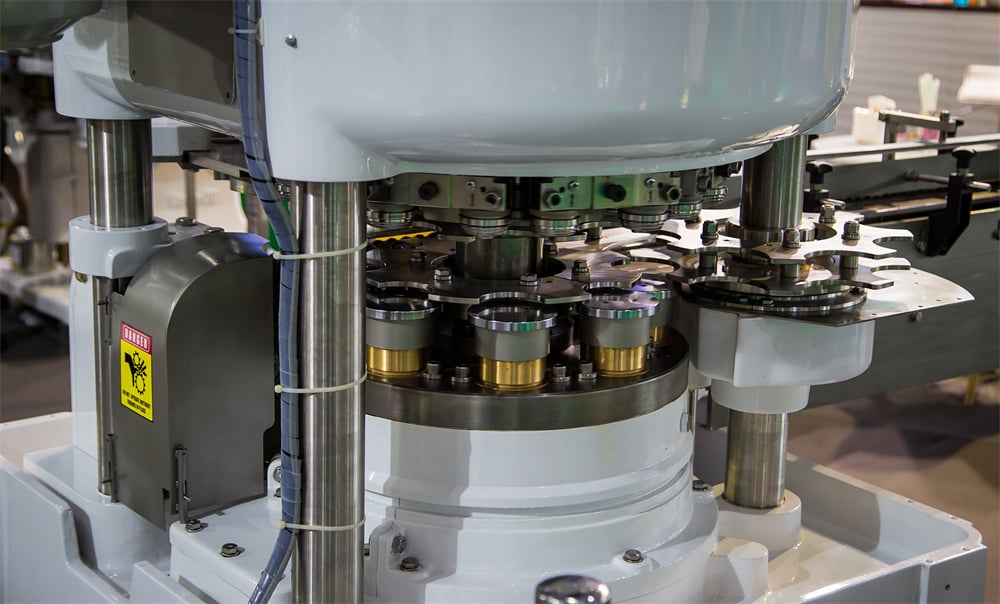
The versatility of hydraulic presses allows them to adapt to various material thicknesses and types, including high-strength steel, aluminum, and exotic alloys. By integrating advanced CNC controls, operators can fine-tune pressure profiles, dwell times, and stroke speeds, effectively turning a standard press into a sophisticated forming center. This article explores the technical nuances, operational benefits, and strategic selection criteria for integrating these machines into your production workflow.
Key Considerations for Sheet Metal Stamping Operations
When integrating hydraulic presses into a stamping line, the first consideration is the tonnage requirement. Tonnage is not merely about the maximum force; it is about the distribution of that force over the surface area of the die. If the tonnage is insufficient, the material will not flow correctly, leading to incomplete forms or spring-back issues. Conversely, excessive tonnage can damage the tooling and lead to premature machine wear.
Another critical factor is the stroke length and daylight opening. The daylight opening—the distance between the slide and the bed—must be sufficient to accommodate the die set and the part being removed. In deep drawing applications, a long stroke is necessary to allow the metal to be drawn into the die cavity without exceeding the material’s elongation limits. HARSLE engineers emphasize that matching the press stroke to the specific geometry of the part is vital for cycle time optimization.
Speed control is equally important. While hydraulic presses are often perceived as slower than mechanical presses, modern servo-hydraulic systems have bridged this gap. The ability to control the approach speed, pressing speed, and return speed allows manufacturers to maximize throughput while maintaining the integrity of the material. Slowing down during the actual forming phase prevents heat buildup and ensures consistent material deformation.
Tooling compatibility and die protection systems are the final pillars of a successful stamping operation. Modern hydraulic presses should be equipped with sensors that detect misfeeds or double-sheet conditions. Furthermore, the bolster plate design must be rigid enough to prevent deflection under load. A flexible bolster will lead to uneven pressure distribution, resulting in inconsistent part quality across a production run.
Technical Details: The Mechanics of Hydraulic Stamping
The core of how hydraulic press machines are used in sheet metal stamping lies in the precise control of pressure and flow. The hydraulic circuit typically consists of a pump, a reservoir, control valves, and cylinders. The pump converts mechanical energy into hydraulic energy, which is then directed by valves to the cylinders. This setup allows for the application of full tonnage at any point in the stroke, a feature that is impossible with mechanical presses.
Deep drawing is perhaps the most common application where hydraulic presses excel. During this process, a flat sheet metal blank is forced into a die cavity by a punch. Because the hydraulic press can maintain constant pressure on the blank holder, it prevents wrinkles from forming as the metal is drawn into the die. This level of control is essential for producing high-quality automotive body panels, kitchen sinks, and appliance housings.
Another technical aspect is the use of cushions. Hydraulic die cushions are often integrated into the press bed to provide upward force against the blank holder. This force is adjustable, allowing the operator to fine-tune the tension on the sheet metal as it is being formed. By balancing the downward force of the punch with the upward force of the cushion, manufacturers can achieve complex shapes with minimal scrap rates.
Thermal management is also a technical detail that cannot be overlooked. Hydraulic fluid generates heat during continuous operation, which can change the viscosity of the oil and affect the precision of the press. High-quality HARSLE presses incorporate advanced cooling systems and oil filtration units to ensure that the fluid remains at an optimal temperature, thereby maintaining consistent performance throughout long shifts.
Selection Advice: Choosing the Right HARSLE Press
Selecting the right hydraulic press for your facility requires a clear understanding of your production goals. Start by analyzing your part portfolio. Are you producing small, high-volume parts, or large, complex components? For high-volume production, consider a press with an automated feed system and quick-die-change capabilities. These features significantly reduce downtime and increase the overall equipment effectiveness (OEE).
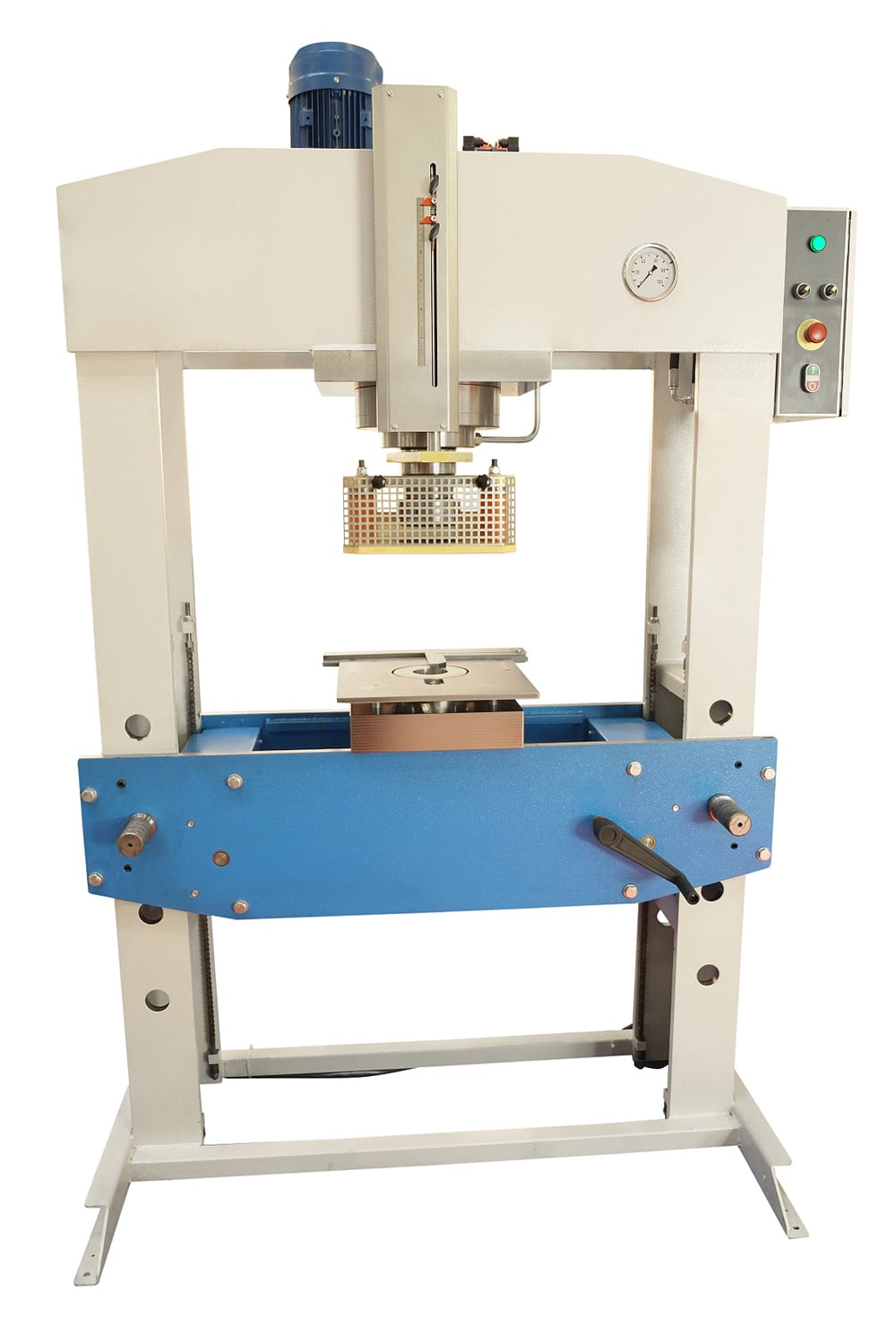
Consider the frame design. H-frame presses are generally preferred for heavy-duty stamping due to their superior rigidity and resistance to deflection. C-frame presses, while more compact and offering better access to the work area, are better suited for smaller parts or secondary operations like trimming and punching. Always prioritize frame stability, as it directly correlates to the longevity of your stamping dies.
Evaluate the control system. A modern hydraulic press should feature a user-friendly HMI (Human-Machine Interface) that allows for the storage of multiple job recipes. This enables operators to switch between different parts in minutes rather than hours. Look for systems that offer real-time data logging, which can be used for predictive maintenance and quality assurance tracking.
Finally, consider the manufacturer’s support network. A hydraulic press is a long-term investment. Ensure that the supplier provides comprehensive training for your operators, readily available spare parts, and responsive technical support. HARSLE prides itself on a global service network that ensures your machinery remains operational, minimizing the risk of costly production delays.
Frequently Asked Questions (FAQ)
- What is the main advantage of a hydraulic press over a mechanical press? The main advantage is the ability to exert full tonnage throughout the entire stroke, providing greater control over the forming process.
- Can hydraulic presses be used for high-speed stamping? Yes, with the integration of servo-hydraulic technology, modern presses can achieve high speeds while maintaining precision.
- How often should hydraulic fluid be changed? This depends on usage, but generally, fluid analysis should be conducted every 2,000 hours of operation to determine if a change is necessary.
- What safety features should I look for? Look for light curtains, dual-hand controls, emergency stop buttons, and pressure relief valves to ensure operator safety.
- Are hydraulic presses suitable for thin sheet metal? Absolutely. The precise pressure control allows for the forming of thin materials without tearing or excessive thinning.
Conclusion
Understanding how hydraulic press machines are used in sheet metal stamping is a journey into the heart of precision manufacturing. By leveraging the constant force, adjustable speed, and programmable control of hydraulic systems, manufacturers can tackle the most challenging forming tasks with confidence. Whether you are deep drawing complex automotive parts or performing precision punching, the right hydraulic press serves as a catalyst for quality and efficiency.
HARSLE remains committed to providing the industrial sector with high-performance hydraulic solutions that meet the evolving demands of the market. By carefully considering your tonnage requirements, frame design, and control capabilities, you can select a machine that not only meets your current needs but also scales with your future growth. Invest in the right technology today to ensure your fabrication processes remain competitive in an increasingly demanding global landscape.