
Hydraulic Press Applications In Metal Fabrication: From Forming To Deep Drawing


Introduction to Hydraulic Press Technology
In the modern landscape of industrial manufacturing, the hydraulic press stands as a cornerstone of metal fabrication. By utilizing Pascal’s Law, these machines exert immense force through pressurized fluid, allowing for the precise manipulation of metal sheets, plates, and billets. Whether you are operating a small job shop or a large-scale automotive production line, understanding the full scope of hydraulic press applications in metal fabrication from forming to deep drawing is essential for optimizing production efficiency and part quality.
HARSLE has long been at the forefront of engineering robust hydraulic solutions that cater to the evolving needs of the metalworking industry. From simple bending tasks to complex, multi-stage deep drawing operations, the versatility of a hydraulic press is unmatched by mechanical alternatives. This guide explores the technical capabilities, operational advantages, and strategic selection criteria for integrating these powerful machines into your fabrication workflow.
The evolution of hydraulic technology has introduced advanced CNC controls, energy-efficient servo-motors, and sophisticated safety systems, making modern presses safer and more precise than ever before. As global manufacturing demands higher tolerances and faster cycle times, the role of the hydraulic press has shifted from a basic tool to a high-precision instrument capable of handling exotic alloys and intricate geometries with ease.
By mastering the nuances of pressure control, stroke length, and die design, fabricators can unlock new revenue streams and improve their competitive edge. This article serves as a comprehensive resource for engineers, shop owners, and procurement managers looking to leverage hydraulic press applications in metal fabrication from forming to deep drawing to achieve superior manufacturing outcomes.
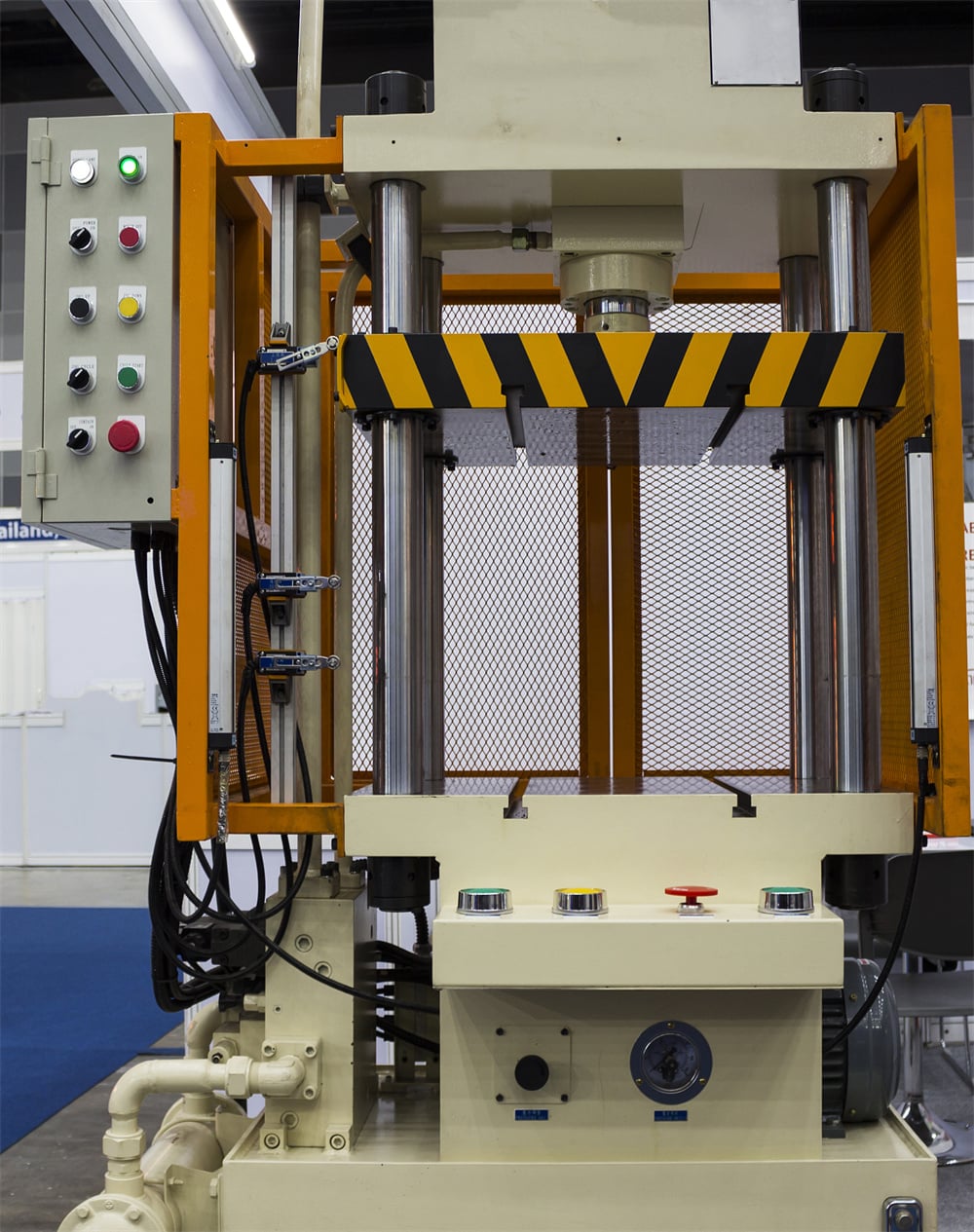
Key Considerations for Hydraulic Press Operations
When implementing hydraulic press applications in metal fabrication from forming to deep drawing, the first consideration is the tonnage requirement. Tonnage is not merely about the maximum force a machine can exert; it is about the force required at the specific point of contact during the forming process. Underestimating the required tonnage can lead to incomplete forming, while excessive tonnage can damage dies and shorten the lifespan of the machine’s hydraulic seals and structural frame.
Another critical factor is the bed size and daylight opening. The bed size must accommodate the largest die set you intend to use, while the daylight opening—the distance between the slide and the bed—must provide enough clearance for loading and unloading parts safely. For deep drawing applications, the stroke length is equally vital, as the press must be able to pull the metal into the die cavity without bottoming out or losing pressure control.
Speed control and dwell time are features that distinguish high-end hydraulic presses from standard models. In deep drawing, the ability to control the speed of the ram is crucial to prevent tearing the material. A controlled, consistent speed allows the metal to flow into the die cavity uniformly. Furthermore, the dwell time—the period the press holds the part at the bottom of the stroke—ensures that the material sets properly, reducing spring-back and improving dimensional accuracy.
Finally, safety and ergonomics cannot be overlooked. Modern hydraulic presses must be equipped with light curtains, dual-hand controls, and emergency stop systems to protect operators. Ergonomic considerations, such as the height of the work table and the ease of tool changing, directly impact operator fatigue and, consequently, the consistency of the output. HARSLE emphasizes these safety standards in every machine design to ensure a secure working environment.
Technical Details: From Forming to Deep Drawing
The forming process is the most common application for hydraulic presses. It involves applying force to a metal workpiece to change its shape without removing material. This includes bending, punching, and coining. Because hydraulic presses provide constant pressure throughout the entire stroke, they are ideal for forming operations that require a consistent force profile, unlike mechanical presses which only provide maximum force at the bottom of the stroke.
Deep drawing is a more specialized and demanding application. It involves taking a flat sheet metal blank and drawing it into a hollow shape, such as a cylinder or a box, using a punch and a die. The challenge in deep drawing is managing the material flow to prevent wrinkling or tearing. This is where the hydraulic press shines, as it allows for the use of a die cushion—a secondary hydraulic system that provides a counter-force to hold the blank flat while it is being drawn.
The integration of CNC technology has revolutionized these processes. Modern HARSLE hydraulic presses allow operators to program complex pressure curves. For instance, you can set the press to apply high pressure at the start of the draw to initiate the flow, then reduce the pressure as the material stretches to prevent thinning. This level of control is essential for high-precision components used in aerospace, medical devices, and automotive manufacturing.
Material properties also play a significant role in technical planning. Aluminum, stainless steel, and high-strength low-alloy (HSLA) steels each react differently under pressure. Understanding the yield strength and elongation properties of your material is necessary to calculate the correct pressure settings. A well-calibrated hydraulic press allows for the fine-tuning of these parameters, ensuring that the material is formed within its elastic and plastic limits without compromising structural integrity.
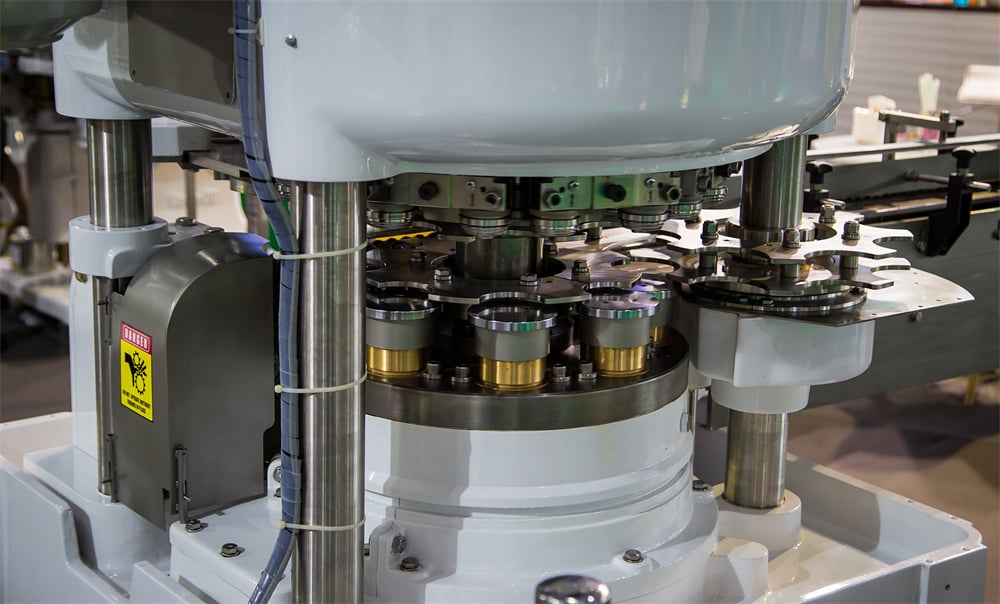
Selection Advice: Choosing the Right HARSLE Equipment
Selecting the right hydraulic press requires a thorough audit of your current and future production needs. Start by analyzing your part portfolio. Are you primarily producing small, high-volume parts, or large, low-volume structural components? A C-frame press is often sufficient for smaller, lighter tasks, offering easy access to the work area from three sides. Conversely, a four-column or H-frame press provides superior rigidity and parallelism, which is essential for large-scale deep drawing and heavy-duty forming.
Consider the automation level required for your facility. If you are running high-volume production, look for presses that support automatic feeding systems, robotic part removal, and quick-change die systems. These features significantly reduce downtime and increase the overall equipment effectiveness (OEE). HARSLE offers modular designs that allow you to start with a standard press and upgrade with automation features as your business grows.
Energy efficiency is an increasingly important selection criterion. Traditional hydraulic systems run the pump continuously, wasting energy during idle times. Modern servo-hydraulic presses, however, only consume energy when the ram is in motion. This can lead to significant cost savings in electricity and reduced heat generation, which in turn extends the life of the hydraulic oil and seals. Investing in a servo-driven press is a strategic move for long-term operational cost reduction.
Finally, consider the support and service infrastructure. A hydraulic press is a long-term investment. Ensure that the manufacturer provides comprehensive training, readily available spare parts, and responsive technical support. HARSLE prides itself on a global support network, ensuring that your equipment remains operational and productive throughout its entire lifecycle. Always request a consultation with a technical expert to review your specific application requirements before finalizing your purchase.
Frequently Asked Questions (FAQ)
- What is the main difference between a hydraulic press and a mechanical press? Hydraulic presses provide constant force throughout the entire stroke, whereas mechanical presses provide force based on the position of the crankshaft, reaching maximum force only at the bottom.
- Why is a die cushion necessary for deep drawing? A die cushion provides a blank-holding force that prevents the sheet metal from wrinkling as it is drawn into the die cavity.
- How often should I perform maintenance on my hydraulic press? Routine maintenance, including checking oil levels, inspecting seals for leaks, and cleaning filters, should be performed according to the manufacturer’s schedule, typically every 500 to 1,000 operating hours.
- Can a hydraulic press be used for punching? Yes, hydraulic presses are excellent for punching, provided the machine has the necessary tonnage and the tooling is correctly aligned.
- What materials are best suited for deep drawing? Ductile materials like mild steel, aluminum, and copper are ideal for deep drawing because they can undergo significant deformation without cracking.
Conclusion
Mastering hydraulic press applications in metal fabrication from forming to deep drawing is a journey of continuous improvement. By understanding the mechanical advantages of hydraulic systems, selecting the right equipment for your specific needs, and adhering to rigorous maintenance schedules, you can transform your fabrication capabilities. Whether you are looking to increase your production speed, improve part quality, or expand into new markets, HARSLE provides the technology and expertise to help you succeed.
The versatility of the hydraulic press makes it an indispensable asset in any modern metal fabrication shop. As technology continues to advance, the integration of smart sensors, IoT connectivity, and energy-efficient drives will only further enhance the value of these machines. We encourage you to evaluate your current processes and consider how a high-performance HARSLE hydraulic press can elevate your production standards. With the right tools and knowledge, the possibilities for metal fabrication are truly limitless.












