Mastering Hydraulic Press Applications In Tooling, Die Testing, And Mold Work: A Comprehensive HARSLE Guide


Introduction to Hydraulic Press Applications In Tooling, Die Testing, And Mold Work
In the modern landscape of metal fabrication, the precision and reliability of machinery define the quality of the final product. Among the most versatile tools in a manufacturer’s arsenal is the hydraulic press. Specifically, Hydraulic Press Applications In Tooling, Die Testing, And Mold Work represent a critical segment of industrial production that demands extreme accuracy, consistent force application, and robust safety protocols. HARSLE has long been at the forefront of providing high-performance hydraulic solutions that cater to these demanding environments.
The primary function of a hydraulic press in this context is to provide controlled, high-tonnage force to shape, test, or verify the integrity of complex tooling and molds. Unlike mechanical presses, hydraulic systems offer the unique advantage of full tonnage throughout the entire stroke, which is essential for deep drawing, spotting, and tryout processes. As industries evolve toward tighter tolerances and more complex geometries, the demand for sophisticated hydraulic machinery has never been higher.
This guide explores the technical nuances of using hydraulic presses for tooling and mold development. We will examine why these machines are indispensable for die spotting, the critical role of pressure control in mold testing, and how HARSLE’s engineering standards ensure that your production line remains efficient and safe. Whether you are a tool and die shop owner or a production manager, understanding these applications is key to optimizing your manufacturing workflow.
By integrating advanced hydraulic technology, manufacturers can significantly reduce the time spent on manual die adjustments. The ability to simulate production conditions during the testing phase allows for the identification of potential failures before they reach the high-volume production line. This proactive approach not only saves costs but also extends the lifespan of expensive tooling and molds, ensuring a higher return on investment for your fabrication facility.
Key Considerations for Die Testing and Mold Work
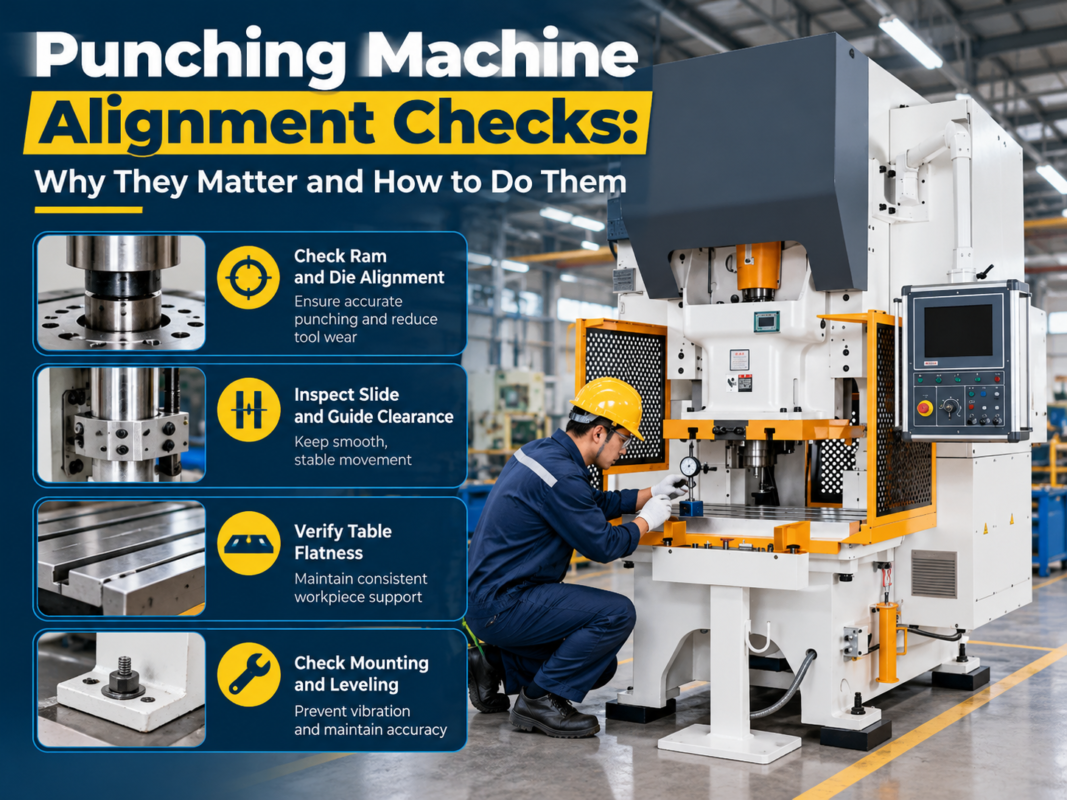
When selecting a hydraulic press for die testing, the most important factor is the consistency of the ram movement. During the spotting process, the press must be able to descend with extreme precision to ensure that the die halves meet perfectly. Any deviation in parallelism can lead to inaccurate spotting, resulting in costly rework or damage to the die surfaces. HARSLE presses are engineered with advanced guiding systems that maintain parallelism even under off-center loading conditions.
Another critical consideration is the speed control of the press. During the initial stages of die testing, operators need a slow, controlled approach to verify the fit and clearance between the punch and the die. A hydraulic press allows for variable speed control, enabling the operator to inch the ram down safely. This capability is vital for preventing “crashing” the die, which can occur if the press moves too quickly or lacks the necessary sensitivity in its control interface.
The integration of digital control systems has revolutionized Hydraulic Press Applications In Tooling, Die Testing, And Mold Work. Modern HARSLE presses feature PLC-based interfaces that allow operators to program specific pressure profiles. This means that for a complex mold, the press can be set to apply a specific tonnage at a precise depth, ensuring that the material flow is correctly simulated. This level of control is impossible to achieve with older, manual mechanical presses.
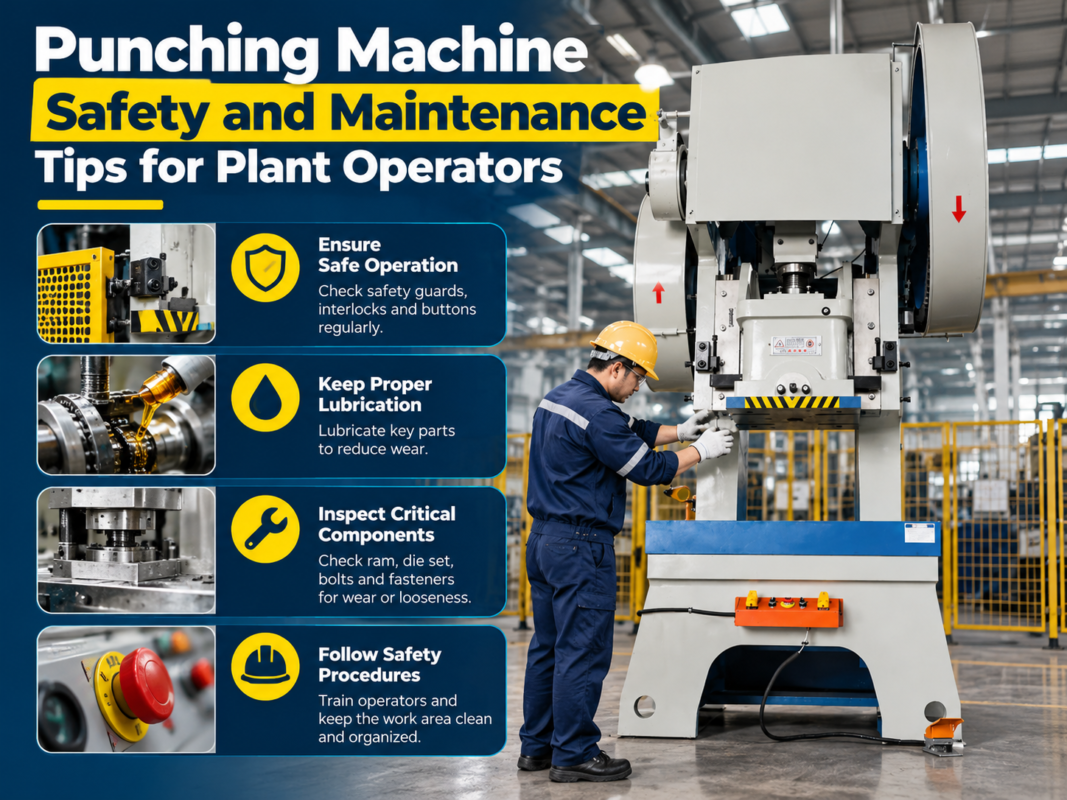
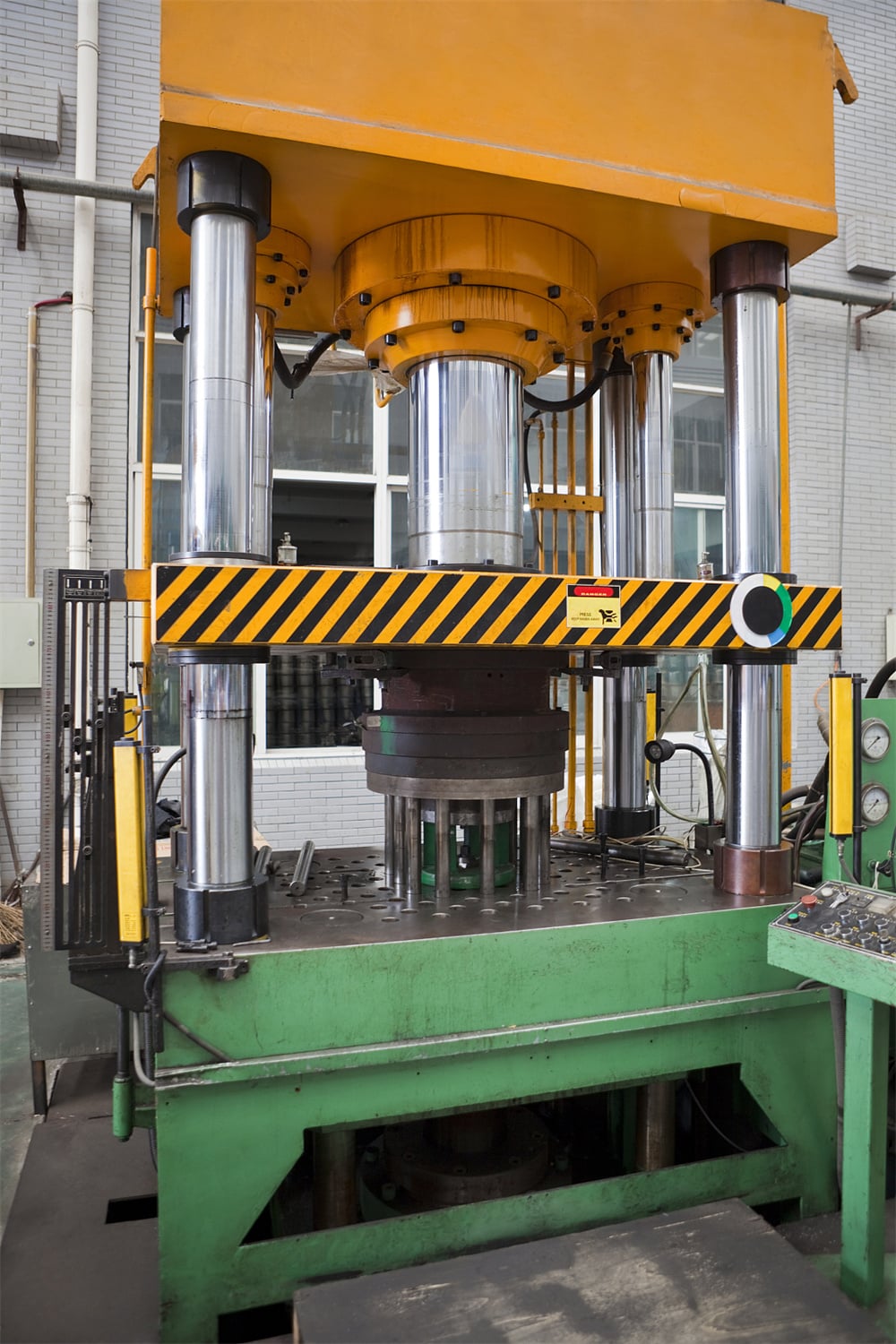
Safety is paramount in any environment involving heavy tooling. Die testing often requires operators to be in close proximity to the press bed to inspect the spotting compound or check for clearance. HARSLE incorporates multi-layered safety features, including light curtains, dual-hand controls, and emergency stop systems that meet international safety standards. These features ensure that the operator can focus on the quality of the mold work without compromising their physical safety.
Technical Details of Hydraulic Press Systems
The core of a hydraulic press lies in its hydraulic circuit. For tooling and mold work, the circuit must be capable of maintaining pressure over extended periods. This is known as the “dwell” function. In many mold testing scenarios, the press must hold the mold closed under pressure to allow for thermal stabilization or to verify the structural integrity of the mold under load. HARSLE’s hydraulic systems are designed with high-quality seals and valves that minimize pressure drop, ensuring consistent force application.
The frame design of the press is equally important. For die spotting, a four-column or H-frame design is typically preferred due to its superior rigidity. The frame must be able to withstand the high stresses of heavy-duty metal forming without flexing. HARSLE utilizes finite element analysis (FEA) during the design phase to ensure that the press structure is optimized for stiffness and vibration dampening. This rigidity is what allows for the micron-level accuracy required in modern mold work.
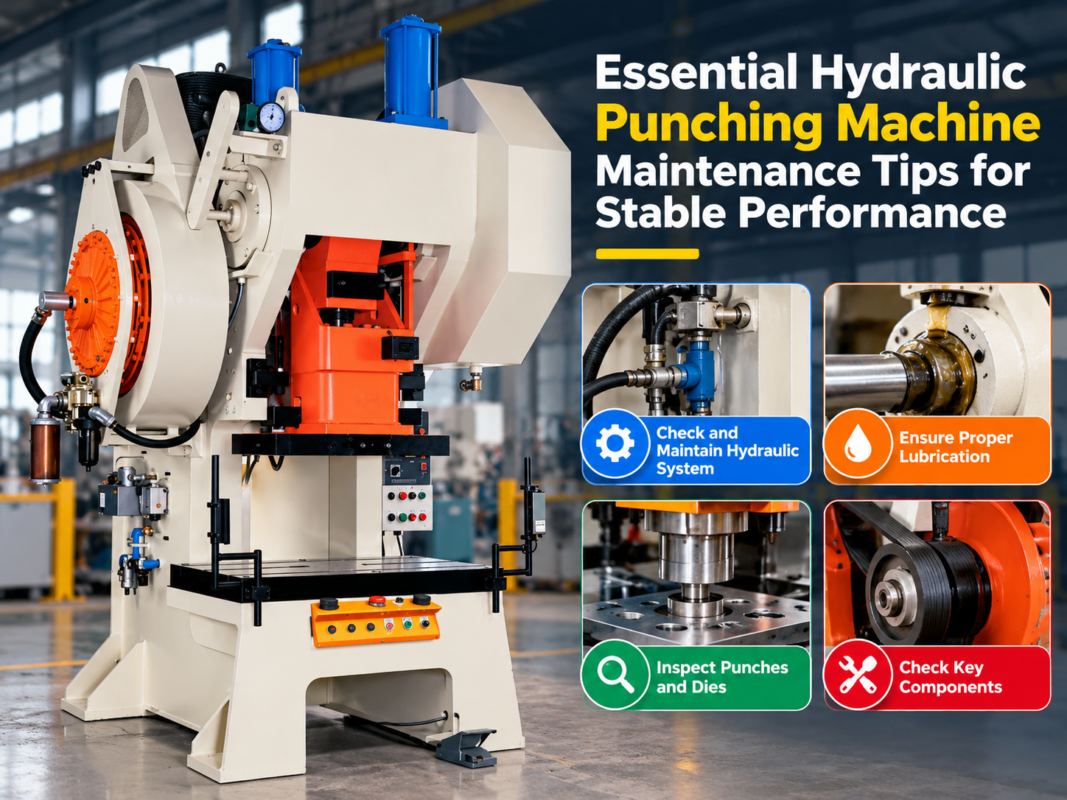
Hydraulic fluid management is another technical aspect that cannot be overlooked. The temperature of the hydraulic oil directly affects the viscosity and, consequently, the performance of the press. HARSLE presses are equipped with advanced cooling systems and oil filtration units to maintain optimal operating temperatures. This prevents the degradation of the hydraulic fluid and ensures that the press maintains its precision throughout long shifts, which is essential for high-volume die testing facilities.
Furthermore, the inclusion of proportional valves allows for the fine-tuning of tonnage. In mold work, different materials require different pressures to test for potential defects. A HARSLE hydraulic press allows the user to adjust the tonnage via the HMI (Human-Machine Interface), providing the flexibility needed to handle a wide range of tooling sizes and complexities. This versatility makes the hydraulic press a central hub for any facility involved in diverse metal fabrication projects.
Selection Advice for Your Fabrication Facility
Choosing the right hydraulic press for your specific needs requires a thorough assessment of your current and future production requirements. Start by calculating the maximum tonnage required for your largest die or mold. It is always advisable to select a press with a slightly higher tonnage capacity than your current maximum to account for future projects and to ensure the machine is not constantly operating at its limit, which can accelerate wear and tear.
Consider the bed size and daylight opening. The bed must be large enough to accommodate the largest die set, while the daylight opening (the distance between the bed and the ram) must provide enough clearance for easy loading and unloading of the tooling. HARSLE offers customizable bed dimensions and stroke lengths, allowing you to tailor the machine to your specific shop floor layout and the physical dimensions of your tooling inventory.
Evaluate the control system requirements. If your shop handles complex, multi-stage dies, a press with advanced CNC capabilities is essential. Look for features like recipe storage, which allows you to save settings for different dies and recall them instantly. This reduces setup time and minimizes the risk of human error. HARSLE’s intuitive control interfaces are designed to be user-friendly, reducing the training time for your operators while maximizing productivity.
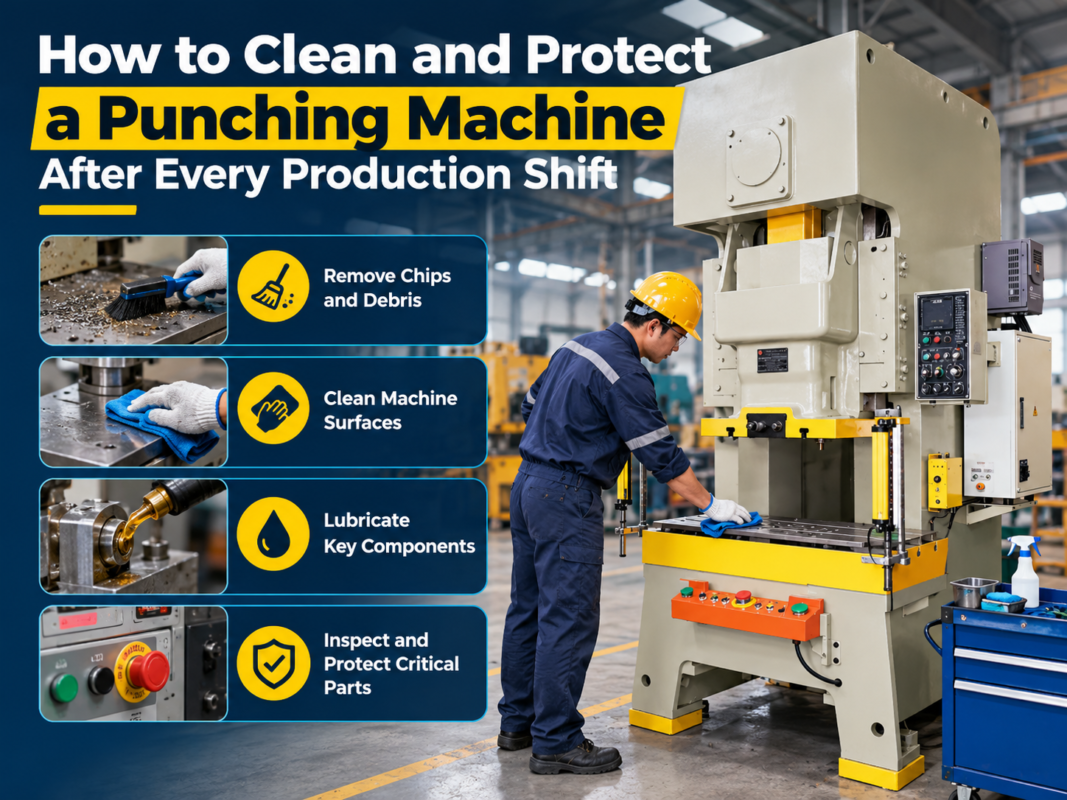
Finally, consider the after-sales support and maintenance availability. A hydraulic press is a significant capital investment. Partnering with a manufacturer like HARSLE ensures that you have access to technical support, spare parts, and maintenance expertise. Regular maintenance, such as checking hydraulic lines, replacing filters, and calibrating pressure sensors, is vital to keeping your press in peak condition. A reliable manufacturer will provide a comprehensive maintenance schedule to help you protect your investment.
Frequently Asked Questions (FAQ)
What is the primary advantage of using a hydraulic press for die spotting?
The primary advantage is the ability to control force and speed with high precision. Hydraulic presses allow for a slow, controlled descent, which is critical for spotting dies without damaging the mating surfaces. Additionally, the ability to hold constant pressure (dwell) is essential for verifying the fit of the die.
How often should I perform maintenance on my hydraulic press?
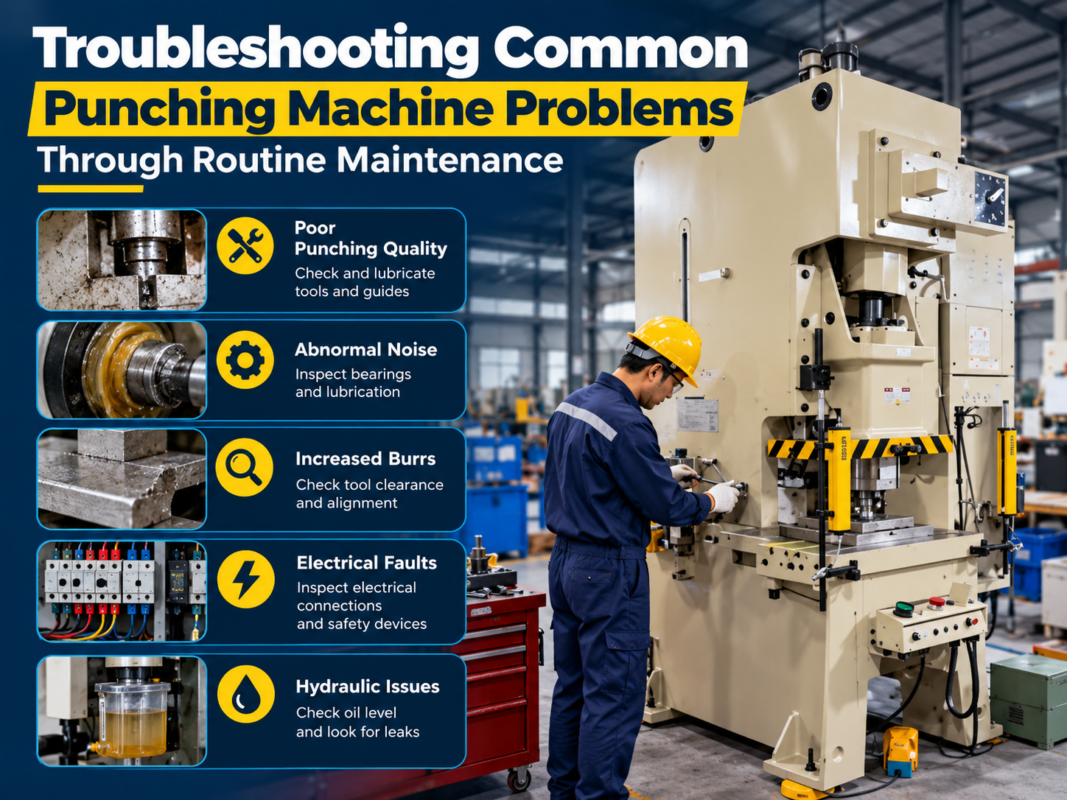
Maintenance frequency depends on usage intensity. Generally, daily checks should include inspecting for leaks and verifying safety systems. Monthly maintenance should involve checking hydraulic oil levels, cleaning filters, and inspecting electrical connections. Annual professional servicing is recommended to ensure the press remains within factory calibration standards.
Can a hydraulic press be used for both production and die testing?
Yes, many shops use the same hydraulic press for both. However, if your production volume is very high, it is often better to have a dedicated press for die testing to avoid interrupting the production schedule. HARSLE offers versatile models that can be configured for both roles depending on your shop’s needs.
What safety features should I look for in a hydraulic press?
Look for light curtains, dual-hand operation buttons, emergency stop buttons, and pressure relief valves. These features prevent accidental activation and protect the operator from potential hazards during the die testing process.
How do I determine the tonnage required for my mold work?
Tonnage is determined by the surface area of the part, the material thickness, and the type of forming operation (e.g., bending, deep drawing, or blanking). It is best to consult with a HARSLE engineer who can help you calculate the specific force requirements based on your technical drawings and material specifications.
Conclusion
Hydraulic Press Applications In Tooling, Die Testing, And Mold Work are fundamental to the success of any high-precision metal fabrication business. By providing the necessary force, control, and safety, these machines enable manufacturers to produce high-quality parts while minimizing waste and downtime. HARSLE remains committed to advancing this technology, offering robust, user-friendly, and highly accurate hydraulic presses that meet the evolving needs of the global manufacturing industry.
Investing in the right equipment is only the first step. By understanding the technical requirements of your tooling and mold work, and by adhering to a strict maintenance schedule, you can ensure that your HARSLE hydraulic press remains a cornerstone of your production capabilities for years to come. Whether you are performing routine die maintenance or developing complex new molds, the precision of a hydraulic press is your best assurance of quality and efficiency.
As you look to upgrade or expand your fabrication capabilities, consider the long-term benefits of partnering with a leader in industrial machinery. HARSLE’s dedication to innovation and customer support makes us the ideal partner for your journey toward manufacturing excellence. Explore our range of hydraulic presses today and discover how we can help you achieve your production goals with unmatched precision and reliability.