How Hydraulic Presses Are Used for Forging and Hot Forming: A Comprehensive Guide


Introduction to Hydraulic Presses in Forging and Hot Forming
In the modern landscape of heavy industrial manufacturing, the question of how hydraulic presses are used for forging and hot forming is central to understanding high-precision metal production. Hydraulic presses have become the backbone of the metal fabrication industry due to their ability to exert immense, consistent force over a controlled stroke. Unlike mechanical presses that rely on flywheel energy, hydraulic systems provide full tonnage throughout the entire length of the stroke, making them ideal for the demanding requirements of hot forming and closed-die forging.
HARSLE hydraulic presses are engineered to meet the rigorous demands of thermal metal deformation. When metal is heated to its plastic state, it requires a steady, powerful squeeze to fill complex die cavities without causing structural defects. This article explores the technical nuances of these processes, the mechanical advantages of hydraulic systems, and the critical factors manufacturers must consider when integrating this equipment into their production lines.
The versatility of hydraulic presses allows for a wide range of applications, from automotive structural components to aerospace engine parts. By utilizing fluid power, these machines offer superior control over speed, pressure, and dwell time—variables that are critical when working with materials that have narrow temperature windows for successful forming. As we delve deeper into this guide, we will examine why hydraulic presses are the preferred choice for high-value, high-strength metal components.
Key Considerations for Hot Forming Processes
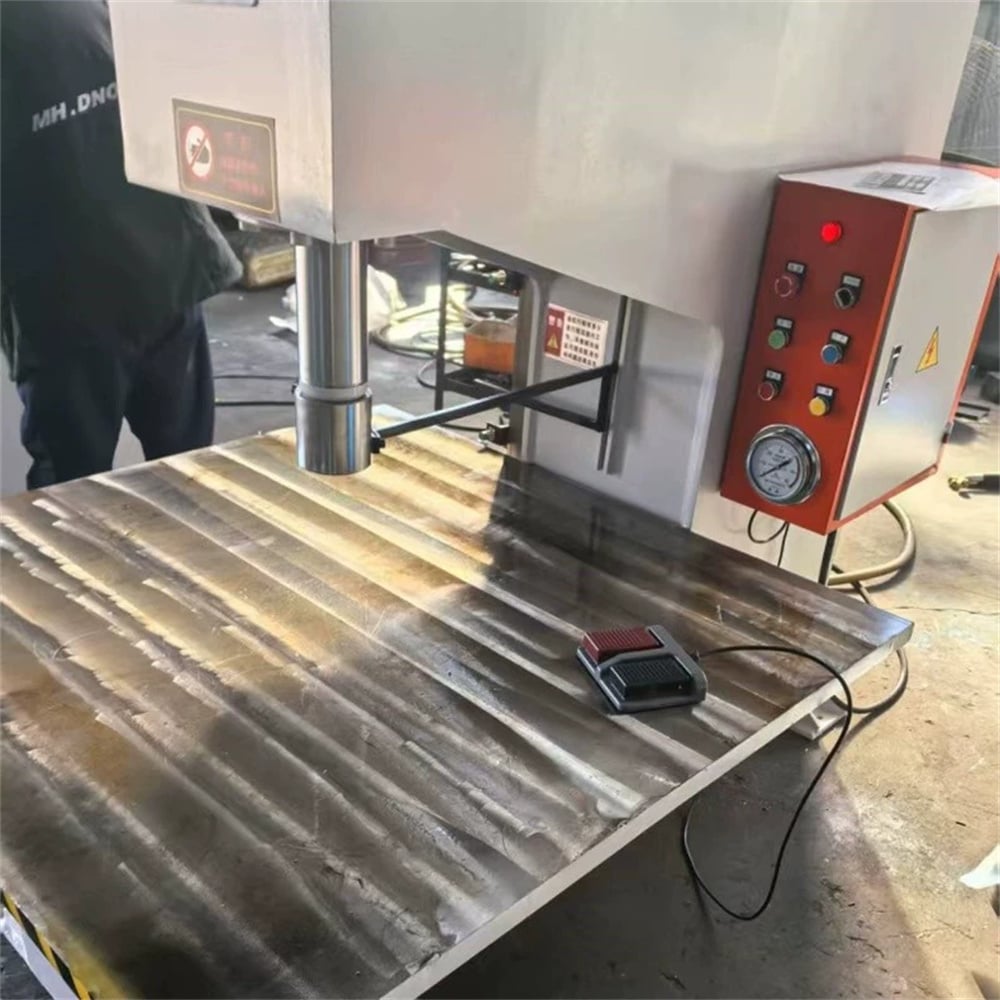
Hot forming is a thermal-mechanical process where metal is heated above its recrystallization temperature before being shaped. The primary consideration in this process is temperature management. If the metal is too cold, it may crack under pressure; if it is too hot, the grain structure may be compromised, leading to weak parts. Hydraulic presses excel here because they allow for precise dwell time, ensuring the material flows uniformly into the die.
Another critical factor is die design and material selection. Because hot forming involves contact with extremely hot workpieces, the dies must be constructed from high-alloy tool steels capable of resisting thermal fatigue and wear. The hydraulic press must be equipped with cooling systems or specialized lubrication cycles to prevent the dies from overheating, which could lead to premature failure or dimensional inaccuracies in the finished product.
Material flow and lubrication are equally important. During the forging process, the metal must flow into the intricate corners of the die. Hydraulic presses provide the necessary pressure to overcome the material’s yield strength while maintaining a speed that prevents the metal from cooling too rapidly. Proper lubrication reduces friction between the workpiece and the die, extending tool life and improving the surface finish of the forged component.
Finally, safety and environmental control are paramount. Hot forming generates significant heat, smoke, and potential debris. Modern HARSLE hydraulic presses are designed with integrated safety guarding, light curtains, and ventilation interfaces to ensure that operators remain protected while the machine maintains high throughput. Understanding these considerations is the first step in optimizing your forging production line.
Technical Details of Hydraulic Press Operation
The technical superiority of hydraulic presses in forging lies in their hydraulic circuit design. A hydraulic press uses a pump to pressurize fluid, which then acts upon a piston within a cylinder. This creates a force that is independent of the speed of the ram. In contrast to mechanical presses, where the force is highest only at the bottom of the stroke, a hydraulic press can exert its maximum rated force at any point, which is essential for deep-draw forging or complex hot forming operations.
Control systems are the brain of the operation. Modern hydraulic presses utilize Proportional-Integral-Derivative (PID) controllers to manage pressure and position with sub-millimeter accuracy. This level of control is vital when the workpiece is in a plastic state, as it allows the machine to adjust its force dynamically as the material resistance changes during the deformation process. This prevents over-pressurization and ensures consistent part quality across large production runs.
The hydraulic fluid itself plays a major role in performance. High-performance hydraulic oils are formulated to maintain viscosity across a wide range of operating temperatures. In hot forming environments, where ambient temperatures can be high, the cooling system for the hydraulic fluid is just as important as the cooling system for the dies. Maintaining the correct fluid temperature ensures the longevity of seals, valves, and pumps, reducing maintenance downtime.
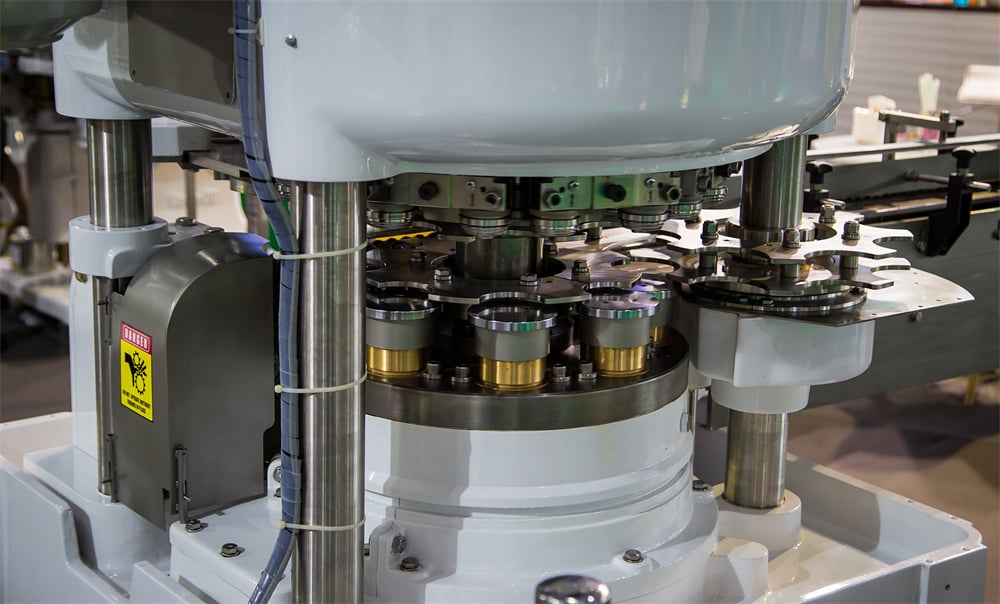
Structural rigidity is another technical pillar. Forging requires immense forces that can cause frame deflection. HARSLE presses are built with heavy-duty, stress-relieved steel frames designed to minimize deflection under load. This rigidity ensures that the dies remain perfectly aligned throughout the forging cycle, which is critical for maintaining tight tolerances and preventing flash formation on the forged parts.
Selection Advice: Choosing the Right Press for Your Needs
When selecting a hydraulic press for forging and hot forming, the first step is to calculate the required tonnage. This is determined by the surface area of the part, the material’s flow stress at the forming temperature, and the complexity of the die geometry. It is always advisable to select a press with a 20-30% tonnage buffer to ensure the machine is not constantly operating at its limit, which extends the lifespan of the hydraulic components.
Consider the stroke length and daylight opening. Forging often requires deep dies or complex loading/unloading mechanisms. Ensure the press has sufficient daylight (the distance between the ram and the bed) to accommodate your tooling and the robotic arms or manual handling equipment used to move the hot workpieces. A press with a long stroke allows for greater flexibility in the types of parts you can produce.
Automation compatibility is a major trend in modern metal fabrication. If you are looking to scale your production, choose a press that is “Industry 4.0 ready.” This means the press should have PLC interfaces that can communicate with robotic cells, automatic die changers, and quality control sensors. HARSLE offers customizable automation packages that can integrate seamlessly with your existing factory floor infrastructure.
Finally, evaluate the manufacturer’s support and maintenance network. A hydraulic press is a long-term investment. Look for a supplier that provides comprehensive training, readily available spare parts, and remote diagnostic capabilities. The ability to troubleshoot a hydraulic issue remotely can save days of production downtime, making it a critical factor in your purchasing decision.
Frequently Asked Questions (FAQ)
- What is the main difference between mechanical and hydraulic presses for forging? Hydraulic presses provide constant force throughout the stroke, whereas mechanical presses provide force only at the bottom of the stroke. This makes hydraulic presses better for deep forming and forging.
- How do I maintain the hydraulic system in a hot forming environment? Regular oil analysis, filter changes, and monitoring the hydraulic fluid cooling system are essential. Ensure that seals are inspected for heat-related degradation.
- Can a hydraulic press be used for cold forging as well? Yes, hydraulic presses are highly versatile and can be used for both hot and cold forging, provided the tonnage and speed are adjusted accordingly.
- What safety features should I look for? Look for dual-hand controls, light curtains, emergency stop buttons, and pressure relief valves to ensure operator safety.
- How long do hydraulic forging presses typically last? With proper maintenance and regular service, a high-quality hydraulic press can remain operational for 20 to 30 years or more.
Conclusion
Understanding how hydraulic presses are used for forging and hot forming is essential for any manufacturer looking to improve their metal fabrication capabilities. By leveraging the constant force, precise control, and structural rigidity of hydraulic systems, businesses can produce high-quality, complex metal components with greater efficiency and lower scrap rates. Whether you are upgrading your existing facility or setting up a new production line, the choice of machinery will define your operational success.
HARSLE remains committed to providing industry-leading hydraulic press solutions that combine durability with advanced technology. By focusing on the key considerations of temperature management, structural integrity, and automation, you can ensure that your forging processes are optimized for the demands of the modern market. Remember that the right equipment is not just a purchase; it is a long-term partnership in your company’s growth and competitive advantage in the global metal fabrication industry.