High-Precision Press Brake Price Guide for Custom Fabrication: A Comprehensive Investment Analysis


Price Range Overview: Understanding the Investment Landscape
Investing in a high-precision press brake is a pivotal decision for any custom fabrication shop. The market for these machines is vast, with pricing influenced by tonnage, bending length, and the level of CNC automation integrated into the system. For small-to-medium enterprises, entry-level hydraulic press brakes might start in the range of $25,000 to $45,000, offering reliable performance for standard bending tasks. However, when your operations demand high-precision press brake price custom fabrication standards, the investment typically shifts toward the $60,000 to $150,000+ bracket.
The price variance is not merely about the size of the machine; it is about the repeatability and the tolerance levels the machine can maintain over thousands of cycles. A high-precision machine is engineered with heavy-duty frames, advanced crowning systems, and sophisticated backgauge configurations that ensure every bend is identical to the first. When evaluating the high-precision press brake price guide for custom fabrication, it is essential to distinguish between a standard production machine and a high-end, multi-axis CNC system designed for complex, high-tolerance parts.
For custom fabrication shops, the cost of a press brake is an investment in throughput and quality. A machine that costs more upfront often saves thousands in labor and scrap material costs over its lifespan. As you research the market, you will find that HARSLE offers a range of solutions tailored to different budgetary requirements, ensuring that whether you are a boutique shop or a high-volume manufacturer, there is a machine that fits your specific financial and operational profile.
Ultimately, the price you pay is a reflection of the machine’s capability to handle complex geometries, exotic materials, and tight-tolerance requirements. Understanding the market segments—from basic manual machines to fully automated robotic cells—is the first step in making an informed purchase. By aligning your budget with your production needs, you can secure a machine that provides a competitive edge in the custom fabrication market.
Main Cost Drivers: What Influences the Price Tag?
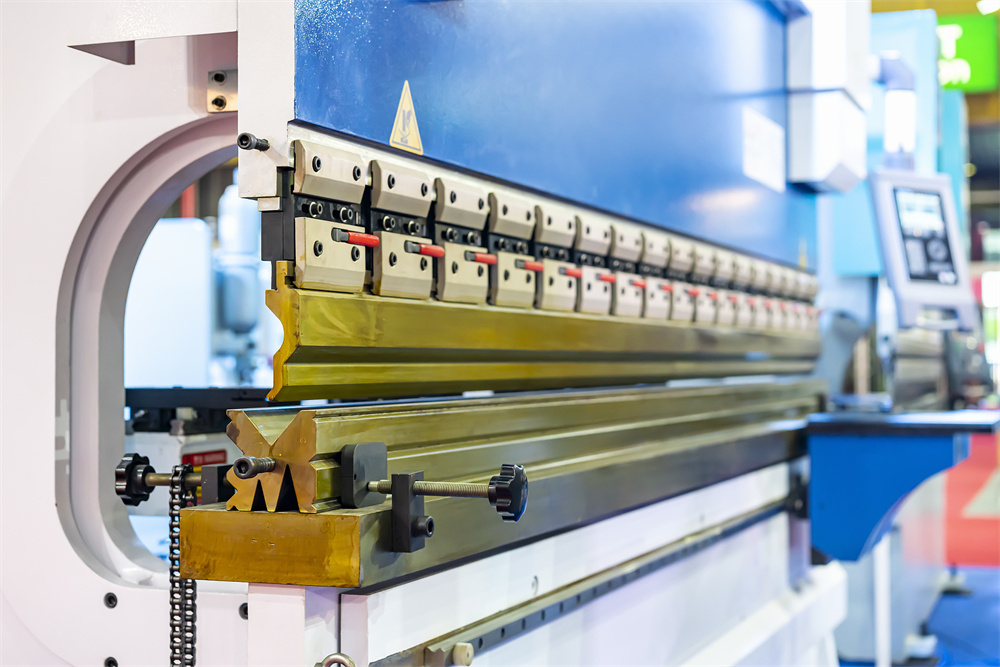
Several technical factors dictate the high-precision press brake price custom fabrication shops must pay. The most significant driver is the tonnage capacity. Tonnage determines the thickness and length of the material the machine can bend. Higher tonnage requires a more robust frame, larger hydraulic cylinders, and more powerful motors, all of which drive up the manufacturing cost of the machine.
The bending length is another primary cost factor. A 3-meter machine is significantly more expensive than a 1.5-meter machine due to the increased steel required for the bed and ram, as well as the need for more sophisticated synchronization systems to ensure uniform pressure across the entire length. For custom fabricators, choosing the right length is a balance between current needs and future project potential.
CNC control systems represent a major portion of the machine’s cost. Modern high-precision press brakes utilize advanced controllers that allow for 3D simulation, automatic bend sequence calculation, and real-time error correction. These systems reduce setup time and operator error, which are critical for custom fabrication where batch sizes are often small and variety is high. Investing in a superior controller is often the best way to improve long-term profitability.
Finally, the quality of the hydraulic and electronic components plays a role. HARSLE utilizes premium-grade valves, pumps, and sensors that ensure longevity and consistent performance. While cheaper alternatives exist, they often suffer from drift and mechanical wear, leading to higher maintenance costs and reduced precision over time. When reviewing a high-precision press brake price guide for custom fabrication, prioritize machines that use industry-standard, reliable components.
Configuration Impact: Tailoring the Machine to Your Needs
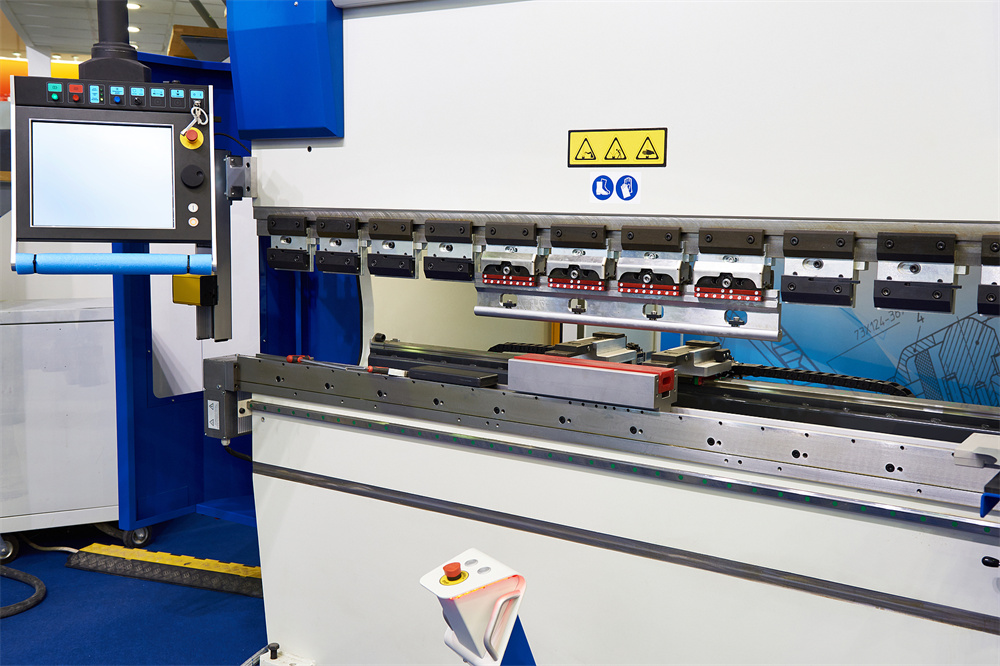
The configuration of your press brake can significantly alter the final price. One of the most important features to consider is the backgauge system. A standard 2-axis backgauge might suffice for simple bends, but for complex, multi-stage custom fabrication, a 4-axis, 6-axis, or even 8-axis backgauge is necessary. These systems allow for the bending of complex shapes with varying flange lengths and angles without manual repositioning.
Crowning systems are another vital configuration element. As a press brake bends metal, the ram and bed tend to deflect under load. A high-precision machine includes an automatic crowning system—either hydraulic or mechanical—that compensates for this deflection, ensuring a consistent bend angle across the entire length of the workpiece. This feature is non-negotiable for shops that pride themselves on high-precision output.
Tooling compatibility and quick-change systems also impact the price and efficiency. Custom fabricators frequently switch between different jobs, making tool changeover time a major bottleneck. Investing in hydraulic tool clamping systems can drastically reduce setup times, allowing operators to switch from one job to the next in minutes rather than hours. While this adds to the initial high-precision press brake price custom fabrication cost, the gain in productivity is immediate.
Safety configurations, such as laser light curtains and advanced safety controllers, are essential for modern workshops. These systems not only protect the operator but also allow for faster approach speeds, increasing overall cycle efficiency. When configuring your machine, ensure that safety features are integrated into the control system rather than added as an afterthought, as this ensures seamless operation and compliance with international safety standards.
Hidden Costs: Beyond the Sticker Price
When analyzing the high-precision press brake price guide for custom fabrication, it is easy to focus solely on the machine’s purchase price. However, there are several hidden costs that must be accounted for in your budget. Installation and commissioning are the first of these. A high-precision machine requires a perfectly level, reinforced concrete foundation to maintain its accuracy. Failing to prepare the site correctly can lead to frame distortion and premature wear.
Training is another often-overlooked expense. A high-precision press brake is a sophisticated piece of equipment. Your operators need to be trained not just on how to operate the machine, but on how to program it, maintain it, and troubleshoot common issues. Investing in professional training from HARSLE or a certified technician ensures that you get the most out of your investment from day one.
Tooling costs can be substantial. Depending on the complexity of your custom fabrication work, you may need a variety of punches and dies. High-quality, hardened tooling is essential for maintaining precision and longevity. It is wise to set aside a portion of your budget specifically for a comprehensive tooling package that covers the majority of your current and anticipated project requirements.
Maintenance and consumables represent ongoing costs. Hydraulic oil, filters, and electrical components will eventually need replacement. Furthermore, regular preventative maintenance is required to keep the machine within its high-precision tolerances. By factoring these costs into your initial financial planning, you avoid unpleasant surprises and ensure that your shop remains operational and profitable throughout the machine’s lifecycle.
ROI Calculation: Justifying the Investment
Calculating the Return on Investment (ROI) for a high-precision press brake involves looking at more than just the price tag. Start by evaluating your current labor costs. A high-precision machine with advanced CNC controls can reduce setup times by 50% or more. If your operators are spending hours adjusting backgauges and testing bends, that is money lost. By automating these processes, you free up your skilled labor for higher-value tasks.
Next, consider the cost of scrap material. In custom fabrication, one bad bend can ruin an expensive piece of material. High-precision machines, with their superior repeatability and automatic angle correction, drastically reduce the scrap rate. When you multiply the cost of wasted material by the number of jobs per year, the savings can be significant, often paying for the price difference between a standard and a high-precision machine in a relatively short period.
Increased throughput is another major ROI driver. A faster, more reliable machine allows you to take on more work and meet tighter deadlines. This capability can open up new markets and allow you to charge a premium for your services, as customers are willing to pay more for consistent, high-quality parts delivered on time. The ability to handle complex, high-tolerance jobs also differentiates your shop from competitors who are limited by lower-end equipment.
Finally, consider the resale value. A well-maintained, high-precision press brake from a reputable manufacturer like HARSLE retains its value much better than a generic, low-cost machine. When it comes time to upgrade or expand your shop, you will find that your initial investment in quality pays dividends in the secondary market, further improving your overall ROI.
Buying Advice: Making the Right Choice
When you are ready to purchase, start by defining your specific needs. Don’t just look at the high-precision press brake price custom fabrication market; look at your current and future project requirements. Are you bending thin sheet metal or thick plate? Do you need to produce complex, multi-bend parts? Answering these questions will help you narrow down the tonnage, length, and axis configuration you actually need.
Always request a demonstration or visit a showroom. Seeing the machine in action, feeling the build quality, and testing the user interface of the CNC controller is invaluable. Ask the manufacturer for references from other custom fabricators who use the same model. Their feedback on reliability, ease of use, and the quality of support provided by the manufacturer will be more honest than any brochure.
Consider the manufacturer’s support network. A press brake is a long-term asset. You need a partner who provides prompt technical support, readily available spare parts, and expert advice. HARSLE prides itself on its commitment to customer service, ensuring that our clients have the resources they need to keep their machines running at peak performance for years to come.
Finally, don’t be afraid to ask for a customized quote. Many manufacturers offer flexible configurations that allow you to balance your budget with your performance requirements. By working closely with a sales representative, you can build a machine that meets your exact needs without paying for features you don’t require. Remember, the goal is to find the best value, not just the lowest price.
FAQ: Frequently Asked Questions
- What is the typical lifespan of a high-precision press brake? With proper maintenance and regular service, a high-precision press brake from HARSLE can easily last 15 to 20 years or more in a professional fabrication environment.
- How often should I calibrate my press brake? Calibration should be checked annually or whenever you notice a decline in bending accuracy. High-precision machines often have self-diagnostic features that alert you to potential issues.
- Can I upgrade the CNC controller later? While some upgrades are possible, it is usually more cost-effective to invest in the desired controller at the time of purchase. Always discuss future-proofing options with your sales representative.
- What is the difference between hydraulic and electric press brakes? Hydraulic press brakes are generally more powerful and better suited for heavy-duty, thick-plate work, while electric press brakes offer faster cycle times and higher energy efficiency for lighter, high-speed production.
- How do I choose the right tonnage? Tonnage is determined by material thickness, tensile strength, and the length of the bend. Use a standard bending force chart or consult with a HARSLE engineer to ensure you select the correct capacity for your specific materials.
- Why is the backgauge so important? The backgauge determines the accuracy of the flange length. For high-precision custom fabrication, a multi-axis backgauge is essential for achieving complex, repeatable results across different parts.