Press Brake Maintenance Cost Guide: Long-Term Expenses to Expect


Price Range Overview: Understanding the Investment
When investing in high-performance metal fabrication equipment, the initial purchase price is only the beginning of the financial commitment. For shop owners and production managers, understanding the Press Brake Maintenance Cost: Long-Term Expenses Expect is critical for accurate budgeting and operational longevity. On average, annual maintenance costs for a standard industrial press brake typically range from 2% to 5% of the machine’s total capital value, depending on the intensity of use and the complexity of the system.
For entry-level hydraulic press brakes, annual preventive maintenance might cost between $1,500 and $3,000. However, for high-tonnage, multi-axis CNC synchronized machines, these costs can escalate to $5,000 or $10,000 annually. These figures cover routine inspections, fluid changes, filter replacements, and minor calibration adjustments. Ignoring these costs often leads to catastrophic failure, where repair bills can easily exceed $20,000 in a single event.
It is essential to distinguish between preventive maintenance and reactive repairs. Preventive maintenance is a scheduled investment that keeps your HARSLE machinery running at peak efficiency. Reactive repairs, conversely, are unplanned expenses caused by neglect, which often include emergency service call-out fees, expedited shipping for replacement parts, and the significant cost of production downtime.
Budgeting for these expenses should be treated as a fixed operational cost rather than a variable one. By allocating a specific percentage of your monthly revenue toward a maintenance fund, you ensure that your shop remains productive without the shock of unexpected financial burdens. This proactive approach is the hallmark of a successful, long-term metal fabrication business.
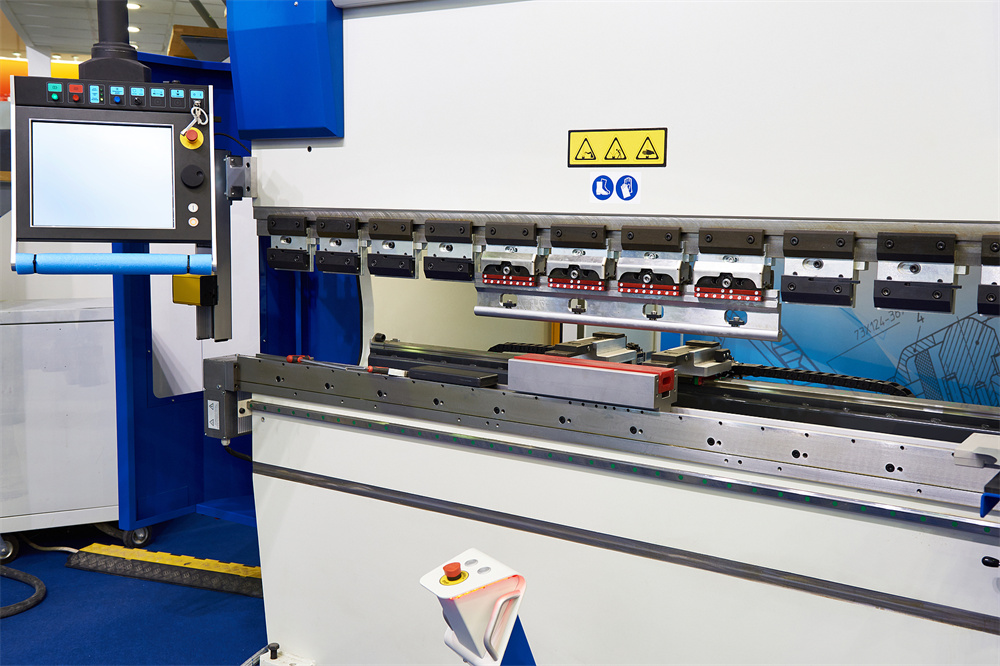
Main Cost Drivers: What Influences Your Budget
Several factors dictate the total cost of ownership for your press brake. The most significant driver is the frequency of use. A machine running two shifts a day will naturally require more frequent lubrication, seal replacements, and hydraulic fluid filtration than a machine used intermittently. High-cycle environments accelerate the wear on mechanical components, necessitating a more aggressive maintenance schedule.
The quality of the hydraulic system is another major cost driver. High-end hydraulic components, such as those found in HARSLE press brakes, are designed for durability, but they require specific high-grade fluids and clean environments. Contamination in the hydraulic oil is the leading cause of valve failure. Replacing a proportional valve or a high-pressure pump can be a major expense, making regular oil analysis and filter changes a high-ROI activity.
Electrical and control systems also contribute to the long-term cost. As CNC controllers become more advanced, the need for software updates, backup battery replacements, and occasional electronic board repairs increases. While these components are generally reliable, they are sensitive to power fluctuations and environmental factors like dust and humidity. Investing in a high-quality voltage stabilizer and a climate-controlled environment can significantly reduce these costs.
Finally, the human element cannot be ignored. Operator training is a hidden maintenance cost driver. Machines operated by untrained personnel are far more likely to suffer from mechanical stress, tooling collisions, and improper setup, all of which lead to premature wear. Proper training programs reduce the frequency of “operator-induced” maintenance issues, effectively lowering your total cost of ownership over the machine’s lifespan.
Configuration Impact: How Complexity Affects Maintenance
The configuration of your press brake directly correlates to the complexity and cost of its maintenance. A simple, manual-backgauge press brake has fewer moving parts and fewer electronic sensors, making it easier and cheaper to maintain. In contrast, a high-end, 8-axis CNC press brake with automatic crowning and laser angle measurement systems requires specialized knowledge and more frequent calibration.
Automatic crowning systems, while essential for precision bending, involve complex mechanical or hydraulic mechanisms that must be kept clean and lubricated. If these systems fail, the machine loses its ability to produce consistent bends across the length of the bed, leading to scrap parts and wasted material. The cost of maintaining these advanced features is higher, but the cost of not maintaining them—in terms of lost precision—is often much greater.
Tooling configuration also plays a role. If your shop frequently switches between different types of punches and dies, the wear on the tool holders and the clamping system is accelerated. Hydraulic clamping systems are faster and more efficient but require more maintenance than manual clamping. Ensuring that your clamping system is properly aligned and free of debris is a critical maintenance task that prevents damage to the machine bed.
Furthermore, the integration of safety systems, such as light curtains and laser safety guards, adds another layer of maintenance. These safety devices must be tested and certified regularly to comply with industrial safety standards. While these are regulatory requirements, they are also essential for protecting your most valuable assets—your employees. Budgeting for the annual certification of these systems is a non-negotiable part of your maintenance plan.

Hidden Costs: The Expenses You Might Overlook
When calculating the Press Brake Maintenance Cost: Long-Term Expenses Expect, many shop owners forget to account for the “hidden” costs. One of the most prominent is the cost of downtime. If your press brake is down for three days waiting for a part, the lost revenue from those three days of production can far exceed the cost of the repair itself. This is why keeping a stock of critical spare parts—such as seals, fuses, and common sensors—is a wise investment.
Energy consumption is another often-overlooked factor. A poorly maintained hydraulic system, such as one with internal leaks or clogged filters, will force the pump to work harder, consuming more electricity. Over time, this inefficiency adds up to significant extra costs on your utility bills. Regular maintenance ensures that the machine operates at its designed efficiency, keeping energy costs in check.
Tooling wear and tear is frequently miscategorized. While tooling is a consumable, the way it is maintained affects the machine. Dull or chipped tools require more tonnage to perform the same bend, which puts unnecessary stress on the press brake’s frame and hydraulic cylinders. By investing in regular tool sharpening or timely replacement, you are effectively protecting the machine itself from excessive strain.
Finally, consider the cost of documentation and compliance. Maintaining detailed logs of all service activities is not just good practice; it is essential for warranty claims and resale value. If you decide to upgrade your equipment in the future, a machine with a complete, documented service history will command a significantly higher price on the secondary market than one with no records.
ROI Calculation: Justifying the Maintenance Budget
To justify the maintenance budget to stakeholders, you must look at the Return on Investment (ROI). A well-maintained press brake has a longer service life, often lasting 20 years or more. A neglected machine may need to be replaced in 10 years. By spending a small amount annually on maintenance, you are effectively doubling the lifespan of a major capital asset.
Consider the cost of scrap. A machine that is out of calibration will produce parts that are out of tolerance. If you are producing high-precision components for the aerospace or automotive industries, a single batch of rejected parts can cost thousands of dollars. Regular calibration and maintenance ensure that your machine consistently hits its tolerances, virtually eliminating scrap caused by machine error.
Another way to view ROI is through the lens of resale value. A HARSLE press brake that has been meticulously maintained will retain a much higher percentage of its value. When it comes time to upgrade to newer technology, the trade-in or resale value of a well-kept machine can provide a substantial down payment for your next piece of equipment.
Ultimately, the ROI of maintenance is found in the reliability of your production schedule. When your customers know they can count on you to deliver on time, every time, you can charge a premium for your services. Reliability is a competitive advantage that is built directly on the foundation of a robust maintenance program.
Buying Advice: Choosing for Longevity
When purchasing a new press brake, the maintenance requirements should be a primary consideration in your selection process. Ask the manufacturer about the accessibility of components. Are the hydraulic valves easy to reach? Is the control system modular? A machine that is designed for easy maintenance will always have a lower long-term cost of ownership.
Look for manufacturers that offer comprehensive support and training. HARSLE, for example, provides detailed manuals, remote diagnostic support, and training programs that empower your team to handle routine maintenance tasks in-house. This reduces your reliance on expensive service technicians and speeds up the resolution of minor issues.
Consider the availability of spare parts. Before buying, ask the supplier about their local inventory of critical components. If you have to wait weeks for a part to be shipped from overseas, your downtime costs will skyrocket. A supplier with a strong local presence and a well-stocked warehouse is a partner in your long-term success.
Finally, don’t just look at the sticker price. A cheaper machine with high maintenance requirements will quickly become more expensive than a premium machine that is built to last. Evaluate the total cost of ownership over a 5-year or 10-year period. Often, the higher initial investment in a high-quality, reliable machine is the most cost-effective decision you can make for your business.
FAQ: Common Questions About Press Brake Maintenance
- How often should I change the hydraulic oil? Generally, hydraulic oil should be changed every 2,000 to 4,000 operating hours, or once a year, whichever comes first. However, always check your specific machine manual for manufacturer recommendations.
- What is the most common cause of press brake failure? Contamination of the hydraulic system and lack of lubrication on the ram guides are the most common causes of failure. Keeping these systems clean and well-lubricated is the best way to prevent downtime.
- Can I perform maintenance myself? Yes, many routine tasks like cleaning, filter changes, and visual inspections can be performed by your in-house maintenance team. However, complex tasks like hydraulic system calibration or electrical board repairs should be handled by certified technicians.
- How do I know if my press brake needs calibration? If you notice inconsistencies in bend angles across the length of the bed, or if the machine is not reaching its programmed depth, it is likely time for a professional calibration.
- Does the environment affect maintenance costs? Absolutely. Dust, metal shavings, and extreme temperatures can accelerate wear on electronic components and hydraulic seals. Keeping your machine in a clean, climate-controlled environment will significantly reduce your long-term maintenance expenses.