What Is the Average Press Brake Price in the Market Today? A Comprehensive Buyer’s Guide


Price Range Overview: Understanding the Market Landscape
When metal fabrication businesses ask, “What is the average press brake price in the market today?” the answer is rarely a single number. The market is segmented into tiers based on technology, tonnage, and automation levels. For entry-level, manual hydraulic press brakes, prices typically start around $15,000 to $30,000. These machines are ideal for small workshops or specialized job shops that handle low-volume, simple bending tasks.
Moving into the mid-range segment, which represents the bulk of the industrial market, prices generally fall between $50,000 and $150,000. These machines usually feature CNC controllers, multi-axis backgauges, and higher tonnage capacities, making them suitable for medium-to-large scale production environments. They offer a balance between precision, speed, and cost-effectiveness.
At the high end of the spectrum, sophisticated electric press brakes, robotic bending cells, and high-tonnage tandem systems can easily exceed $250,000 to $500,000. These investments are reserved for high-precision aerospace, automotive, or heavy industrial applications where throughput and repeatability are non-negotiable. Understanding where your specific production needs fall within these tiers is the first step in budgeting.
It is important to note that the market has seen significant fluctuations due to global supply chain shifts and the integration of Industry 4.0 technologies. While basic hydraulic models have remained relatively stable in price, the cost of advanced CNC-integrated systems has risen slightly due to the increased demand for smart manufacturing capabilities. Buyers should view the price not just as an upfront cost, but as a long-term capital investment.
Ultimately, the “average” price is a moving target. A small job shop might consider $40,000 a major investment, while a Tier-1 automotive supplier might view a $300,000 machine as a standard entry-level asset. By evaluating your specific bending requirements—such as material thickness, bend length, and required precision—you can better align your budget with the market reality.
Main Cost Drivers: What Influences the Price Tag?
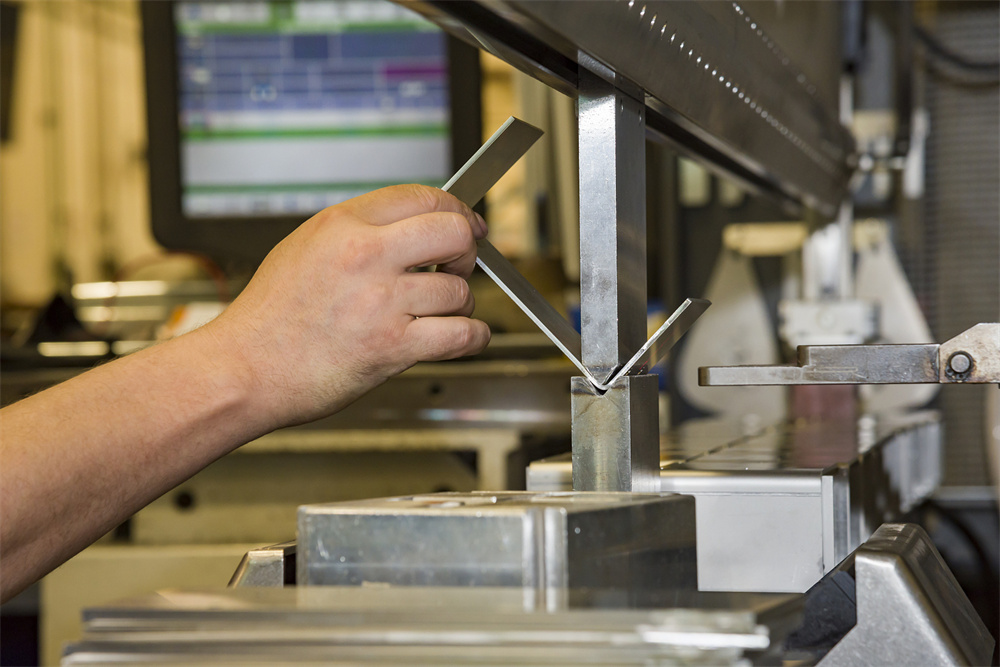
Several technical specifications act as primary cost drivers for press brakes. The most significant factor is tonnage. Tonnage refers to the force the machine can exert to bend metal. Higher tonnage requires a more robust frame, larger hydraulic cylinders, and more powerful motors, all of which drive up the manufacturing cost. A 100-ton machine will naturally be significantly cheaper than a 500-ton machine.
Bending length is another critical factor. The length of the bed determines the maximum width of the sheet metal you can process. Machines with longer beds require more precise machining of the bed and ram to ensure consistent pressure across the entire length. This engineering complexity adds to the price, as does the need for specialized crowning systems to compensate for deflection under load.
The level of CNC control integration is perhaps the most visible cost driver in modern fabrication. A basic machine might have a simple digital readout, while a high-end machine features a 3D graphical interface that simulates the bending process, calculates bend sequences, and prevents collisions. The software, sensors, and processing power required for these features add substantial value and cost to the machine.
Axis configuration also plays a major role. A standard machine might have a 2-axis backgauge (X and R), while advanced models feature 4, 6, or even 8-axis backgauges. These additional axes allow for complex bending geometries and faster setup times. Each additional axis requires high-precision servo motors and encoders, which increase the complexity and price of the machine.
Finally, the brand reputation and origin of the machine influence the price. European and Japanese manufacturers often command a premium due to their long-standing history of precision engineering and high-quality components. However, manufacturers like HARSLE have bridged the gap by offering high-performance, reliable machines at a more competitive price point, providing excellent value for businesses looking to optimize their capital expenditure.
Configuration Impact: Customization and Efficiency
Customization is where the final price of a press brake is often determined. Beyond the base machine, manufacturers offer a variety of optional features that can significantly enhance productivity. For example, automatic tool changers (ATC) are becoming increasingly popular. While they add a significant premium to the initial cost, they drastically reduce setup time, which is a major bottleneck in high-mix, low-volume production environments.
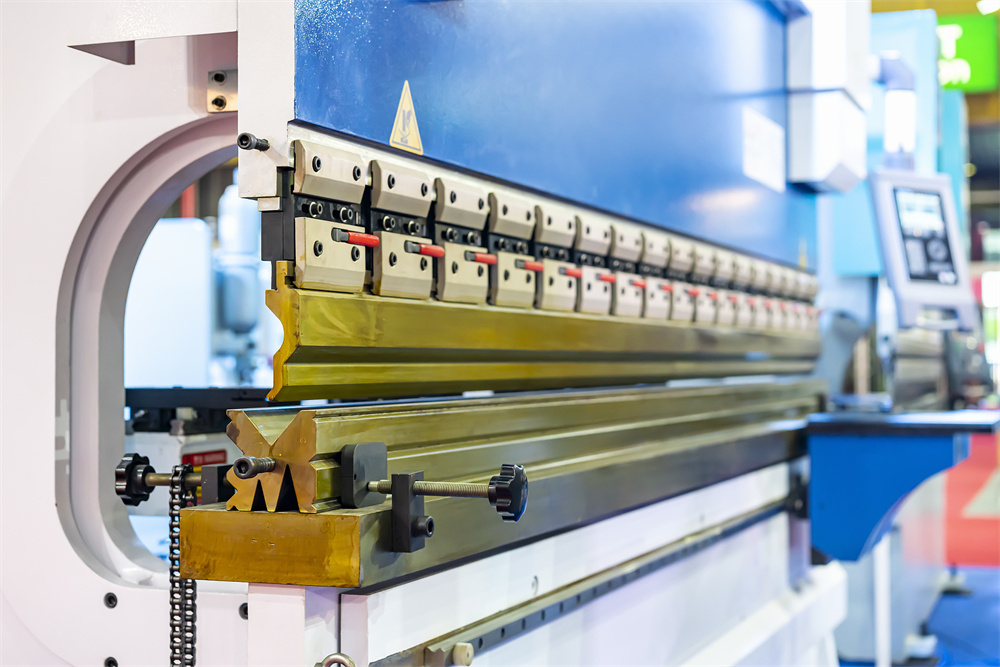
Crowning systems are another essential configuration choice. Mechanical or hydraulic crowning systems ensure that the bend angle remains consistent across the entire length of the part by compensating for the natural deflection of the machine frame. While some entry-level machines lack this, it is a standard requirement for precision work. Investing in a high-quality crowning system is often worth the extra cost for shops that prioritize quality.
Safety features also impact the total cost. Modern press brakes are equipped with advanced laser safety curtains and light guards that stop the machine instantly if an obstruction is detected. While these are often mandatory for regulatory compliance, the sophistication of the safety system—ranging from simple light beams to complex camera-based monitoring—can vary the price of the machine.
Tooling packages are often overlooked during the initial quote but are a major cost component. High-quality hardened and ground tooling lasts longer and provides better bend accuracy. Depending on the complexity of the parts you produce, you may need specialized punches and dies for hemming, radius bending, or offset bends. These custom tools can add thousands of dollars to the total project cost.
Energy efficiency configurations, such as variable frequency drives (VFDs) or hybrid hydraulic systems, are becoming standard. These systems reduce power consumption by running the motor only when the ram is moving. While these machines may have a higher upfront cost, the long-term savings in electricity and maintenance often justify the investment, especially in regions with high energy costs.
Hidden Costs: Beyond the Sticker Price
When asking, “Is average press brake price in market today?” it is vital to account for hidden costs that often surprise new buyers. Shipping and installation are the most immediate. Large press brakes are heavy and require specialized logistics, including flatbed trucks and crane services for offloading. Installation often requires a concrete foundation that meets specific thickness and reinforcement requirements to ensure stability and accuracy.
Training is another crucial, often underestimated cost. Even the most advanced machine is only as good as the operator. You must factor in the cost of professional training for your staff to ensure they can program the CNC, maintain the machine, and operate it safely. Many manufacturers offer training packages, but these should be negotiated upfront to avoid unexpected expenses.
Maintenance and consumables are ongoing costs that must be budgeted. Hydraulic oil, filters, seals, and lubrication are required for routine upkeep. Furthermore, if you are using high-end CNC software, there may be annual licensing or subscription fees for software updates and technical support. These costs can accumulate over the 10-to-20-year lifespan of a typical press brake.
Tooling storage and maintenance equipment are also part of the total cost of ownership. You will need cabinets for your punches and dies, as well as cleaning tools to keep the machine bed free of debris. Neglecting these small items can lead to premature wear on the machine and poor part quality, ultimately costing more in the long run.
Finally, consider the cost of downtime. If your machine breaks down, how quickly can you get parts and service? Choosing a reputable manufacturer like HARSLE, which provides robust technical support and readily available spare parts, can save you significant money by minimizing production interruptions. Always factor in the cost of a service contract or extended warranty when evaluating the total price.
ROI Calculation: Justifying the Investment
Calculating the Return on Investment (ROI) for a press brake requires looking at more than just the purchase price. Start by analyzing your current production bottlenecks. If your current manual machine requires long setup times or produces high scrap rates, a new CNC press brake could pay for itself within 18 to 36 months through increased throughput and reduced material waste.
Consider the labor savings. A modern press brake with a user-friendly CNC interface allows less experienced operators to produce high-quality parts, reducing the need for highly skilled (and expensive) labor. Additionally, features like automatic backgauges and angle measurement systems reduce the time spent on manual adjustments and test bends.
Evaluate the potential for new business. A more capable machine allows you to take on more complex projects, thicker materials, or higher-precision jobs that you previously had to turn away. This expansion of your service offering is a direct contributor to the ROI of the machine. When you can produce parts faster and with higher quality, you can command better pricing in the market.
Energy savings should also be part of your ROI calculation. If you are replacing an older, inefficient hydraulic machine with a modern hybrid or servo-electric model, the reduction in energy bills can be substantial. Over a decade, these savings can account for a significant percentage of the machine’s original cost.
Finally, consider the resale value. High-quality press brakes from reputable brands hold their value well. If you decide to upgrade in the future, a well-maintained machine can be sold on the secondary market, recouping a portion of your initial investment. This residual value is a key component of the total cost of ownership equation.
Buying Advice: Making the Right Choice
Before making a purchase, define your requirements clearly. Do not over-buy features you will not use, but do not under-buy and limit your future growth. Create a list of your most common parts, including material type, thickness, and bend length. This will help you determine the minimum tonnage and bed length you need.
Request demonstrations and test bends. Never buy a machine without seeing it in action. If possible, bring your own material and have the manufacturer perform a test bend on a complex part. This will give you a real-world assessment of the machine’s precision, speed, and ease of use. It is also a great way to evaluate the quality of the CNC software.
Check the manufacturer’s support network. A press brake is a long-term asset. You need to know that if something goes wrong, you can get technical support, spare parts, and on-site service quickly. Research the manufacturer’s reputation, read customer reviews, and ask for references from other businesses in your industry.
Compare total cost of ownership, not just the sticker price. Include shipping, installation, training, tooling, and maintenance in your budget. A machine that is slightly more expensive upfront but comes with better support, higher energy efficiency, and more durable components is almost always the better financial decision.
Finally, look for flexibility. Can the machine be upgraded later with additional axes or automation? A machine that can grow with your business is a smarter investment than one that is locked into its original configuration. By following these steps, you can confidently answer the question, “What is the average press brake price in the market today?” and make an informed decision that drives your business forward.
FAQ: Frequently Asked Questions
- Q: How long does a typical press brake last?
A: With proper maintenance, a high-quality industrial press brake can last 15 to 20 years or more. - Q: Is it better to buy new or used?
A: New machines offer the latest technology, warranties, and reliability. Used machines are cheaper but carry risks regarding wear and lack of support. For critical production, new is generally recommended. - Q: How much does installation usually cost?
A: Installation costs vary based on location and machine size, typically ranging from $2,000 to $10,000, including foundation preparation and rigging. - Q: Can I finance a press brake?
A: Yes, most manufacturers and dealers offer financing or leasing options to help manage the capital expenditure. - Q: What is the most important feature to look for?
A: Precision and reliability are paramount. Ensure the CNC controller is intuitive and the machine frame is rigid enough for your heaviest applications.