Choosing the Right Punching Machine for High-Volume Metal Processing: A Comprehensive Guide


Introduction
In the competitive landscape of modern metal fabrication, efficiency is the primary driver of profitability. For manufacturers tasked with high-volume production, the selection of primary equipment—specifically the punching machine—is a critical strategic decision. Choosing the right punching machine for high-volume metal processing requires a deep understanding of both your current production requirements and your future scalability goals. At HARSLE, we recognize that a punching machine is not merely a tool, but the heart of your production line.
High-volume environments demand more than just raw force; they require precision, repeatability, and minimal downtime. When you are processing thousands of parts per shift, even a minor inefficiency in tool changing or material handling can lead to significant losses over time. This guide is designed to help fabrication managers and business owners navigate the complex technical specifications and operational considerations necessary to make an informed investment in industrial machinery.
The evolution of punching technology has moved rapidly from manual mechanical presses to highly sophisticated CNC-controlled hydraulic and servo-electric systems. As you evaluate your options, you must look beyond the initial purchase price and consider the total cost of ownership, including energy consumption, maintenance cycles, and the availability of spare parts. By aligning your machine capabilities with your specific material throughput, you can ensure a competitive edge in the global market.
Throughout this article, we will dissect the essential criteria for selecting equipment that stands up to the rigors of 24/7 operation. Whether you are upgrading an existing facility or setting up a new production line, the following insights will serve as your roadmap for achieving maximum throughput and superior part quality in high-volume metal fabrication.
Key Considerations for High-Volume Environments
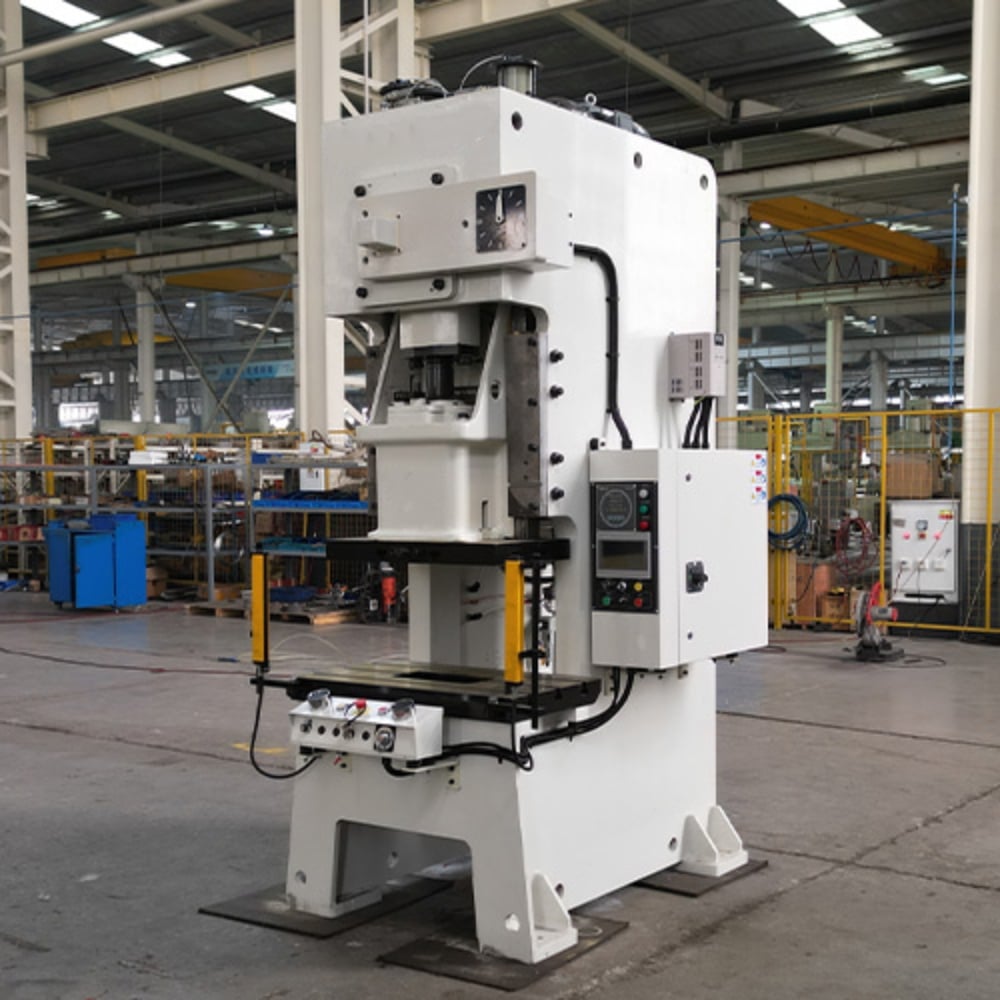
When evaluating punching machines for high-volume metal processing, the first factor to consider is the duty cycle. High-volume production implies that the machine will be running continuously, often across multiple shifts. Unlike low-volume job shops, where machines may sit idle for hours, a high-volume machine must be built with heavy-duty components that can withstand constant vibration, heat, and mechanical stress without losing accuracy.
Another vital consideration is the material handling system. In high-volume scenarios, the bottleneck is rarely the punching speed itself, but rather the time taken to load raw sheets and unload finished parts. Integrating automated loading and unloading systems can transform a standard punching machine into a fully autonomous cell. Consider whether your facility requires a simple sheet loader or a complex, multi-pallet storage system that allows for lights-out manufacturing.
Tooling capacity and changeover time are equally important. If your production involves a high mix of parts, the time spent changing tools will directly impact your output. Modern machines offer automatic tool changers (ATC) and turret configurations that allow for a vast array of tools to be ready at any given moment. Choosing a machine that minimizes tool changeover time is essential for maintaining high throughput in a high-mix, high-volume environment.
Finally, consider the software integration capabilities. Modern punching machines must communicate seamlessly with your ERP and CAD/CAM systems. The ability to nest parts efficiently, optimize tool paths, and monitor machine health in real-time via IoT sensors is no longer a luxury—it is a requirement for high-volume operations. Ensure that the machine’s control interface is intuitive and compatible with your existing digital infrastructure.
Technical Details and Machine Specifications
The technical specifications of a punching machine define its operational limits. For high-volume processing, tonnage is the most fundamental metric. Tonnage refers to the force the machine can exert to pierce the metal. If you are working with thick steel plates or high-strength alloys, you need a machine with sufficient tonnage to ensure clean edges and prevent tool deflection. However, excessive tonnage can lead to unnecessary energy consumption, so finding the right balance is key.
The throat depth and sheet size capacity are also critical. These dimensions determine the maximum size of the sheet you can process without repositioning. For high-volume production, you want to minimize the number of times a sheet needs to be repositioned, as each repositioning step adds time and introduces potential for error. A larger table size often allows for better nesting, which reduces material waste—a significant cost-saving factor in large-scale production.
Stroke rate and hit speed are the metrics most often cited in marketing materials, but they must be interpreted in context. A machine might be capable of 1,000 hits per minute, but if the material handling system cannot keep up, that speed is irrelevant. Look for machines that offer high-speed indexing and rapid axis movement. These features ensure that the time between actual punching operations is kept to an absolute minimum.
Energy efficiency is an increasingly important technical detail. Hydraulic systems have traditionally been the standard, but servo-electric punching machines are gaining popularity due to their lower energy consumption and reduced maintenance requirements. Servo-electric systems offer precise control over the ram position, allowing for advanced features like forming, marking, and tapping within the same machine, which can eliminate secondary operations and further boost your high-volume efficiency.
Selection Advice: Making the Right Investment
When choosing the right punching machine for high-volume metal processing, start by conducting a thorough audit of your current and projected part portfolio. Analyze the material types, thicknesses, and the complexity of the geometries you produce. If your parts require complex forming or tapping, ensure the machine has the necessary auxiliary functions to handle these tasks in a single setup.
Consult with the manufacturer regarding their support and service network. In a high-volume environment, a machine breakdown can cost thousands of dollars per hour. You need a partner who provides rapid response times, local spare parts availability, and comprehensive training for your operators. HARSLE prides itself on providing robust after-sales support to ensure that your production remains uninterrupted.
Consider the total cost of ownership (TCO) rather than just the sticker price. This includes the cost of electricity, tooling, routine maintenance, and potential downtime. A machine that is slightly more expensive upfront but requires less maintenance and consumes less power will almost always be the more profitable choice over a five-year period. Ask for case studies or references from other manufacturers in your industry to see how the machine performs in real-world, high-volume scenarios.
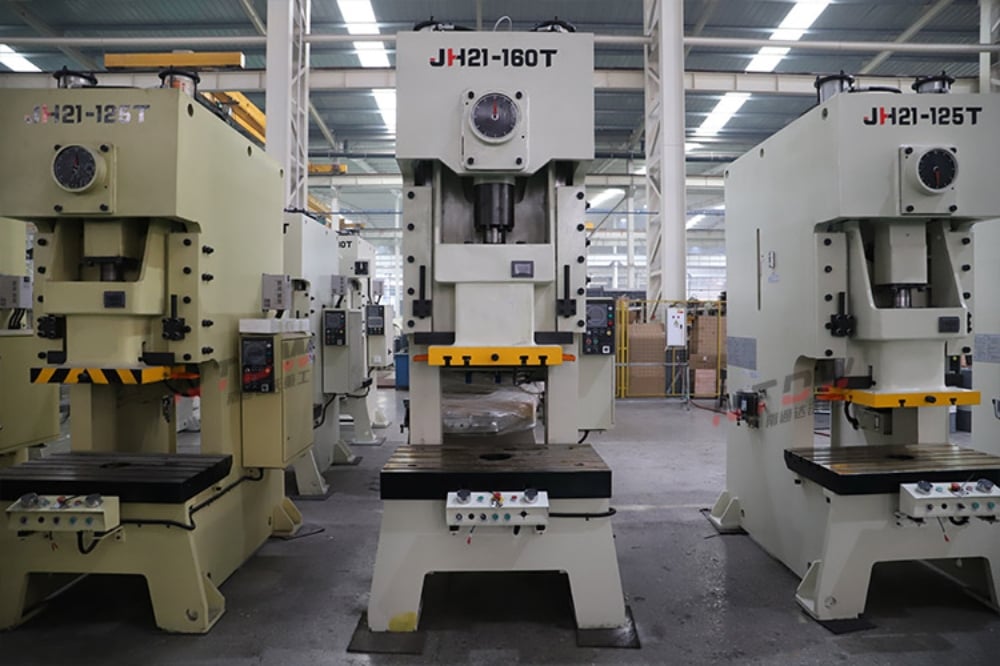
Finally, do not overlook the importance of operator ergonomics and safety. A machine that is difficult to operate or lacks advanced safety features will lead to operator fatigue and increased risk of accidents. Modern machines should feature light curtains, safety interlocks, and ergonomic loading stations that protect your workforce while maintaining high productivity levels. Investing in a machine that your team finds easy to use will pay dividends in morale and output quality.
Frequently Asked Questions (FAQ)
1. What is the main advantage of a servo-electric punching machine over a hydraulic one?
Servo-electric machines offer superior energy efficiency, as they only consume power during the punching stroke. They also provide higher precision and require less maintenance because they eliminate the need for hydraulic oil, filters, and cooling systems.
2. How can I reduce tool changeover time in high-volume production?
Utilizing a machine with an automatic tool changer (ATC) and a large turret capacity is the most effective way to reduce downtime. Additionally, using quick-change tooling systems allows operators to swap punches and dies in seconds rather than minutes.
3. Is automation necessary for all high-volume punching operations?
While not strictly necessary, automation is highly recommended for high-volume production. It significantly reduces labor costs, improves safety, and ensures consistent throughput, which is difficult to achieve with manual loading and unloading.
4. How often should I perform maintenance on my punching machine?
Maintenance schedules vary by machine type and usage intensity. Generally, daily checks for lubrication and debris removal are required, with more comprehensive inspections performed monthly or quarterly. Always follow the manufacturer’s specific maintenance manual.
5. Can a punching machine perform operations other than punching?
Yes, modern CNC punching machines can perform forming, embossing, tapping, and even light-duty bending or marking, depending on the tooling and machine configuration. This versatility can help consolidate your production process.
Conclusion
Choosing the right punching machine for high-volume metal processing is a multifaceted process that requires balancing technical capability, operational efficiency, and long-term investment value. By focusing on key factors such as duty cycle, automation, tooling flexibility, and total cost of ownership, you can select a machine that not only meets your current production demands but also scales with your business growth.
At HARSLE, we are committed to providing high-performance metal fabrication equipment that empowers our clients to achieve excellence. We understand the challenges of high-volume manufacturing and have engineered our machines to deliver the reliability, speed, and precision necessary to stay ahead in a competitive market. Remember that the best machine is one that integrates seamlessly into your workflow, minimizes waste, and maximizes the skill of your operators.
As you move forward with your equipment selection, take the time to evaluate your specific needs and engage with experts who can provide tailored solutions. Whether you are looking for a standalone punching unit or a fully automated fabrication cell, the right choice will serve as the foundation for your success for years to come. Invest wisely, prioritize quality, and ensure your production line is equipped to handle the demands of the future.