Punching Machine Uses in Automotive, Electrical, and Appliance Parts: A Comprehensive Industrial Guide


Introduction to Modern Punching Technology
In the rapidly evolving landscape of global manufacturing, the role of high-precision metal fabrication equipment cannot be overstated. Among these, the punching machine stands as a cornerstone of industrial production. Whether it is creating complex geometries for automotive chassis or intricate ventilation patterns for household appliances, the versatility of these machines is unmatched. Understanding the specific punching machine uses in automotive, electrical, and appliance parts is essential for manufacturers looking to optimize their production lines and achieve superior quality standards.
HARSLE has long been at the forefront of providing robust, high-performance punching solutions that cater to the rigorous demands of modern industry. By integrating advanced CNC controls with heavy-duty mechanical structures, our machines ensure that every strike is precise, repeatable, and efficient. This article serves as a deep dive into how these machines transform raw sheet metal into the critical components that power our daily lives, from the vehicles we drive to the appliances that keep our homes running.
The evolution of punching technology has moved from simple mechanical presses to sophisticated, multi-tool turret systems capable of complex operations in a single setup. This transition has been driven by the need for faster cycle times, reduced material waste, and the ability to handle diverse material thicknesses. As we explore the specific applications across different sectors, it becomes clear that the punching machine is not just a tool, but a strategic asset for any competitive fabrication facility.
For manufacturers, the choice of equipment dictates the bottom line. High-speed punching machines reduce the need for secondary operations, thereby lowering labor costs and increasing throughput. By examining the technical requirements of the automotive, electrical, and appliance industries, we can better understand why HARSLE punching machines are the preferred choice for engineers and production managers worldwide.
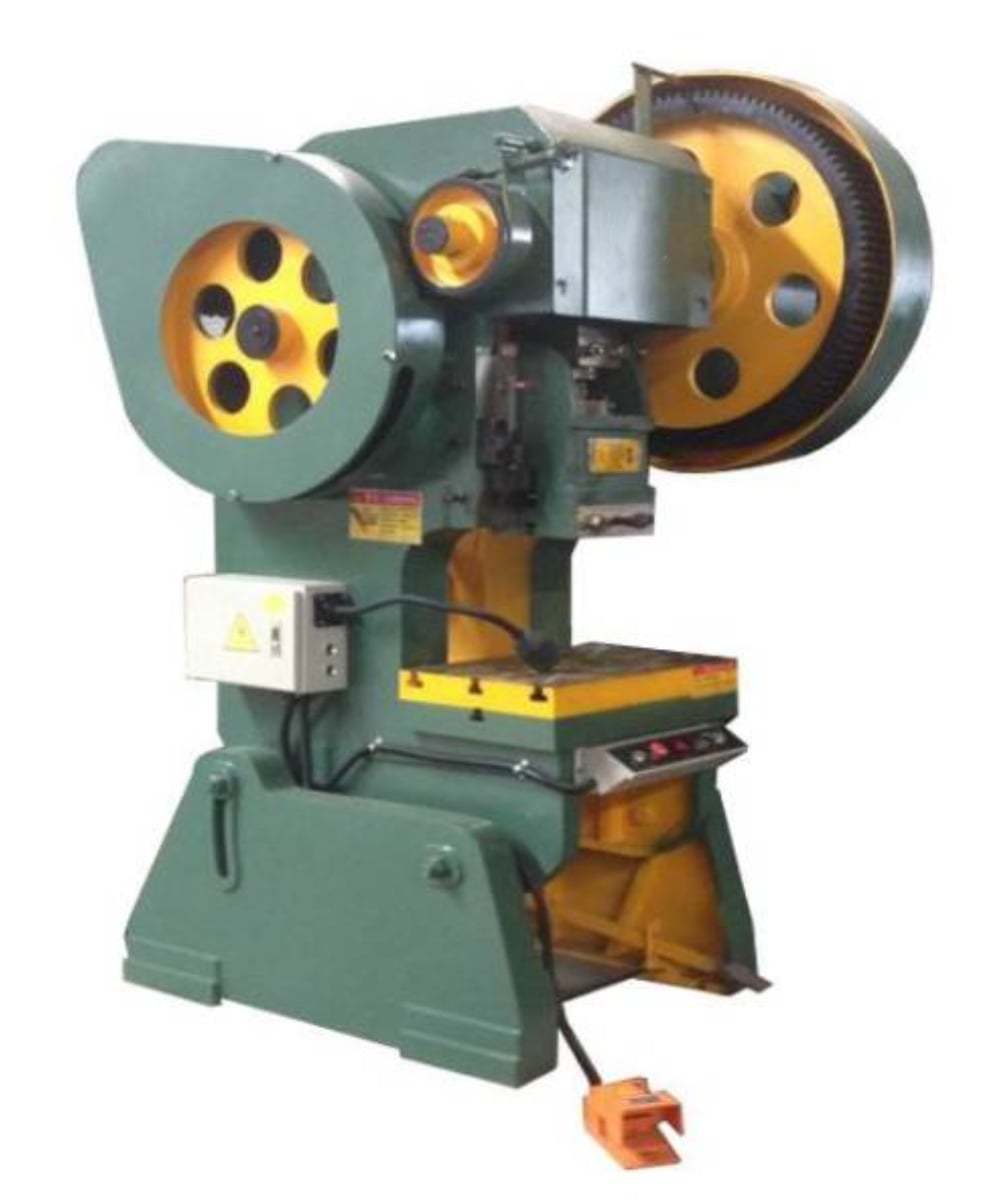
Key Considerations for Industrial Punching Applications
When integrating a punching machine into a production environment, several key factors must be evaluated to ensure success. The first is material compatibility. Different industries utilize varying grades of steel, aluminum, and copper. An automotive manufacturer might focus on high-strength, low-alloy (HSLA) steel, while an electrical component manufacturer might prioritize the conductivity and ductility of copper or brass. A high-quality punching machine must offer adjustable tonnage and stroke control to handle these diverse material properties without compromising the integrity of the part.
Tooling flexibility is another critical consideration. In the appliance industry, design changes occur frequently to keep up with consumer trends. A machine that allows for rapid tool changes—or one equipped with a large turret capacity—enables manufacturers to switch between production runs with minimal downtime. This agility is what separates market leaders from those struggling with long lead times and high setup costs.
Precision and repeatability are non-negotiable. In the electrical industry, components such as busbars or switchgear enclosures require extremely tight tolerances to ensure proper fitment and safety. Even a minor deviation in hole placement can lead to assembly failures or electrical shorts. HARSLE machines utilize advanced servo-driven systems that provide consistent force and positioning accuracy, ensuring that every part meets the stringent quality control standards required by international regulatory bodies.
Finally, energy efficiency and maintenance requirements play a significant role in the total cost of ownership. Modern punching machines are designed to minimize power consumption during idle periods and feature automated lubrication systems to extend the life of critical components. By focusing on these key considerations, manufacturers can ensure that their investment in punching technology yields long-term dividends in productivity and operational reliability.
Technical Details of Punching Machine Operations
The technical prowess of a modern punching machine lies in its ability to execute complex sequences with high speed and accuracy. At the heart of the process is the CNC controller, which acts as the brain of the operation. It interprets CAD/CAM data to guide the turret and the sheet metal positioning system. This synchronization allows for intricate patterns, louvers, embossments, and knockouts to be created in a single pass, significantly reducing the need for manual intervention.
The punching mechanism itself typically involves a hydraulic or servo-electric drive. Hydraulic systems are favored for their immense power and ability to handle thicker materials, making them ideal for heavy-duty automotive frame components. Servo-electric systems, on the other hand, offer superior energy efficiency and speed, which is highly advantageous for the high-volume, thin-gauge production common in the appliance and electrical sectors. HARSLE provides a range of drive technologies tailored to specific industrial needs.
Tooling management is another technical pillar. The turret design allows for a wide array of punches and dies to be mounted simultaneously. Advanced machines feature auto-index stations, which allow the tool to rotate 360 degrees, enabling the creation of complex shapes and angled features without the need for specialized, expensive custom tooling. This capability is vital for creating the unique geometries found in modern electrical enclosures and automotive structural parts.
Furthermore, the integration of software is essential. Modern punching machines are compatible with nesting software that optimizes the layout of parts on a sheet of metal. This minimizes scrap material, which is a significant cost factor in high-volume production. By maximizing material utilization, manufacturers can significantly reduce their environmental footprint while simultaneously lowering production costs, proving that technical efficiency is directly linked to profitability.
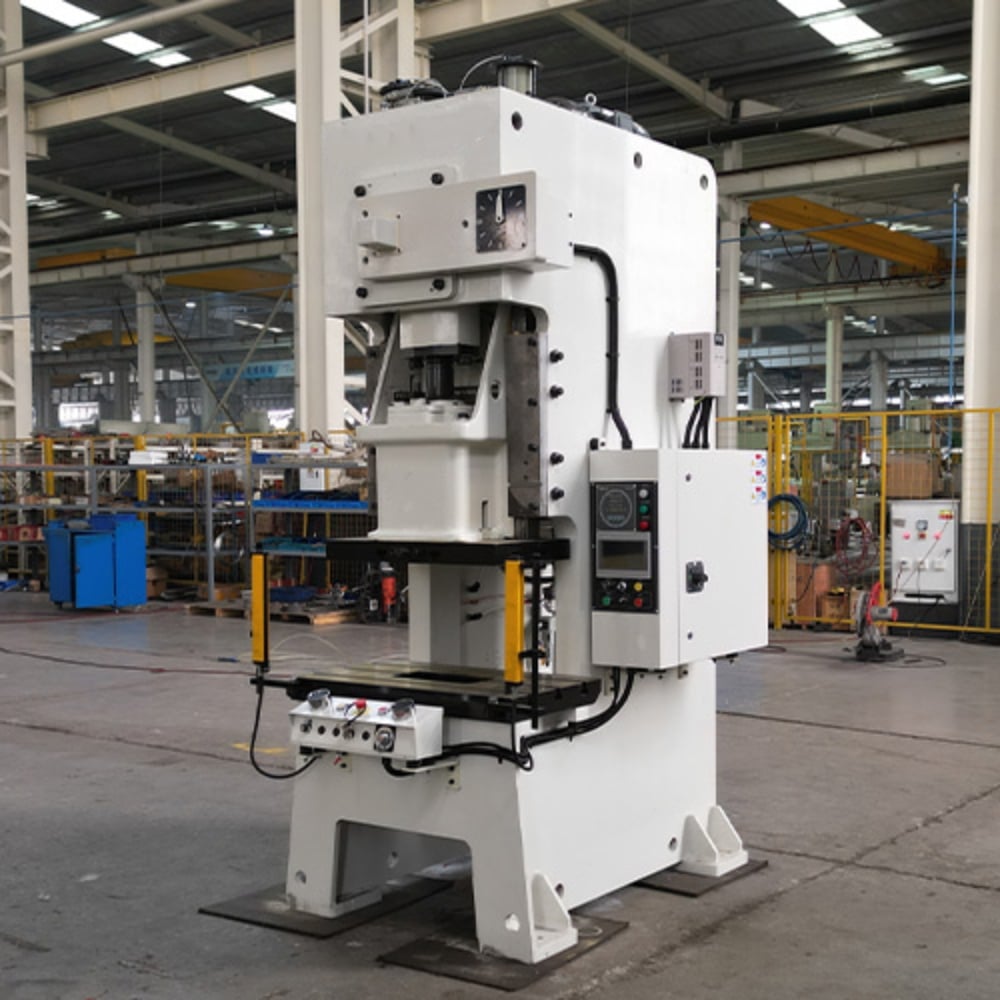
Punching Machine Uses in Automotive, Electrical, and Appliance Parts
The automotive industry relies heavily on punching machines for the production of structural and aesthetic components. From seat frames and door panels to complex brackets and engine mounts, the ability to punch high-strength steel with precision is vital. Punching machines are often used to create mounting holes, lightening holes, and complex cutouts that reduce vehicle weight without sacrificing structural integrity. This is a critical factor in improving fuel efficiency and meeting modern emission standards.
In the electrical sector, the application of punching machines is focused on safety and conductivity. Electrical cabinets, switchgear, and control panels require precise cutouts for switches, meters, and cable routing. Furthermore, the fabrication of busbars—the conductive strips used in power distribution—requires punching machines capable of handling thick copper or aluminum with clean, burr-free edges. HARSLE machines are engineered to provide the high-force, low-vibration environment necessary for these sensitive electrical components.
The appliance industry demands high-volume, high-aesthetic quality. Components such as refrigerator panels, washing machine drums, and oven casings require consistent, clean punching for ventilation and assembly. The ability to perform embossing and forming operations—such as creating stiffening ribs or decorative patterns—directly on the punching machine allows manufacturers to consolidate multiple production steps into one. This not only speeds up the manufacturing process but also ensures that every appliance leaving the factory meets the high visual standards expected by consumers.
Across all three sectors, the common thread is the need for reliability and speed. Whether it is the automotive industry’s demand for just-in-time production, the electrical industry’s need for precision, or the appliance industry’s focus on cost-effective mass production, HARSLE punching machines provide the versatile platform required to meet these diverse and demanding challenges.
Selection Advice: Choosing the Right Equipment
Selecting the right punching machine is a strategic decision that requires a thorough analysis of your current and future production needs. Start by evaluating your material range. If your shop primarily works with thin-gauge stainless steel for appliances, a high-speed servo-electric machine might be the best fit. If you are a heavy-duty automotive supplier working with thick, high-tensile steel, a robust hydraulic punching machine with high tonnage capacity is non-negotiable.
Consider the complexity of your parts. If your designs involve many different hole sizes, shapes, and forming operations, look for a machine with a large turret capacity and multiple auto-index stations. This reduces the frequency of tool changes, which is a major bottleneck in production. Additionally, ensure that the machine’s software is compatible with your existing CAD/CAM workflow to ensure a seamless transition from design to production.
Think about the future scalability of your business. A machine that seems sufficient today might become a limitation tomorrow. Investing in a machine with modular capabilities or one that can be integrated into an automated loading and unloading system can provide the flexibility needed to grow. HARSLE offers a range of automation options that can be added to our punching machines, allowing you to scale your production capacity as your business expands.
Finally, consider the support and service provided by the manufacturer. Industrial machinery is a long-term investment. You need a partner who provides comprehensive training, readily available spare parts, and responsive technical support. HARSLE is committed to building long-term relationships with our clients, ensuring that your punching machine remains a productive asset for years to come.
Frequently Asked Questions (FAQ)
What are the main advantages of using a CNC punching machine over laser cutting?
While laser cutting is excellent for complex contours, CNC punching is significantly faster for high-volume production of parts with many holes or standard shapes. It is also more energy-efficient and allows for forming operations like louvers and embossments that lasers cannot perform.
How often should I perform maintenance on my HARSLE punching machine?
Maintenance schedules depend on usage intensity. Generally, daily checks of lubrication levels and tool condition are recommended. A comprehensive professional service should be performed every 6 to 12 months to ensure all mechanical and electrical systems are operating within factory specifications.
Can a punching machine handle different types of metals?
Yes, HARSLE punching machines are designed to handle a wide variety of materials, including mild steel, stainless steel, aluminum, copper, and brass. The key is to use the correct tooling and tonnage settings for the specific material thickness and hardness.
What is the benefit of an auto-index station?
An auto-index station allows the punch tool to rotate while the sheet is stationary. This enables the creation of complex shapes, angled features, and circular patterns without needing to change the tool, which drastically reduces setup time and increases machine versatility.
How does HARSLE ensure the quality of its punching machines?
HARSLE adheres to strict international quality standards. Every machine undergoes rigorous testing for structural integrity, positioning accuracy, and hydraulic/servo performance before leaving our facility to ensure it meets the high expectations of our global customers.
Conclusion
The versatility and efficiency of modern punching machines make them indispensable in the automotive, electrical, and appliance industries. By understanding the specific requirements of these sectors—ranging from the high-strength demands of automotive frames to the precision needs of electrical switchgear and the high-volume aesthetic requirements of appliances—manufacturers can make informed decisions that drive growth and profitability. HARSLE remains dedicated to providing the advanced metal fabrication equipment necessary to excel in these competitive markets.
Investing in the right punching machine is about more than just buying a piece of hardware; it is about choosing a partner who understands the nuances of your production process. With our commitment to innovation, quality, and customer support, HARSLE is ready to help you optimize your fabrication capabilities. Whether you are looking to increase your throughput, improve your part quality, or reduce your operational costs, our range of punching solutions is designed to meet your needs today and in the future.
As you continue to refine your manufacturing processes, remember that the technology you choose today will define your capabilities tomorrow. We invite you to explore our full range of punching machines and discover how HARSLE can help you achieve new levels of excellence in your metal fabrication operations. Contact our team of experts to discuss your specific application requirements and take the first step toward a more efficient and productive future.