Global Press Brake Prices: What Affects Costs by Region?


Price Range Overview
When investigating the global press brake market, buyers often encounter a staggering range of price points. A basic entry-level manual press brake might cost as little as $10,000 to $20,000, while a high-end, fully automated robotic bending cell can easily exceed $500,000. Understanding these price fluctuations requires a deep dive into the regional economic landscape, manufacturing standards, and the specific technological requirements of your fabrication shop.
In North America and Western Europe, prices are generally higher due to stringent safety regulations, high labor costs for assembly, and the integration of premium-brand components like Bosch Rexroth or Cybelec controllers. Conversely, manufacturing hubs in East Asia, particularly China, offer more competitive pricing structures. HARSLE, for instance, leverages efficient supply chains and large-scale production to provide high-performance machinery at a fraction of the cost of traditional European manufacturers, without sacrificing build quality or precision.
The market is essentially divided into three tiers: the budget-friendly tier (manual or basic NC machines), the mid-range tier (standard CNC hydraulic press brakes), and the premium tier (high-speed electric or hybrid servo-driven machines). Each tier serves a different business model, from small job shops focusing on simple brackets to aerospace manufacturers requiring micron-level accuracy.
Regional pricing is also heavily influenced by import tariffs, shipping logistics, and local support networks. A machine purchased in the EU might include VAT and strict CE certification costs, whereas a machine destined for the Southeast Asian market might prioritize affordability and ease of maintenance. Understanding these variables is the first step in making an informed capital investment.
Ultimately, the “sticker price” is rarely the final cost. Buyers must account for the total cost of ownership, which includes installation, training, tooling, and long-term maintenance. By analyzing the global market, fabricators can identify the sweet spot where machine capability meets budgetary constraints, ensuring that the investment drives profitability rather than becoming a financial burden.
Main Cost Drivers
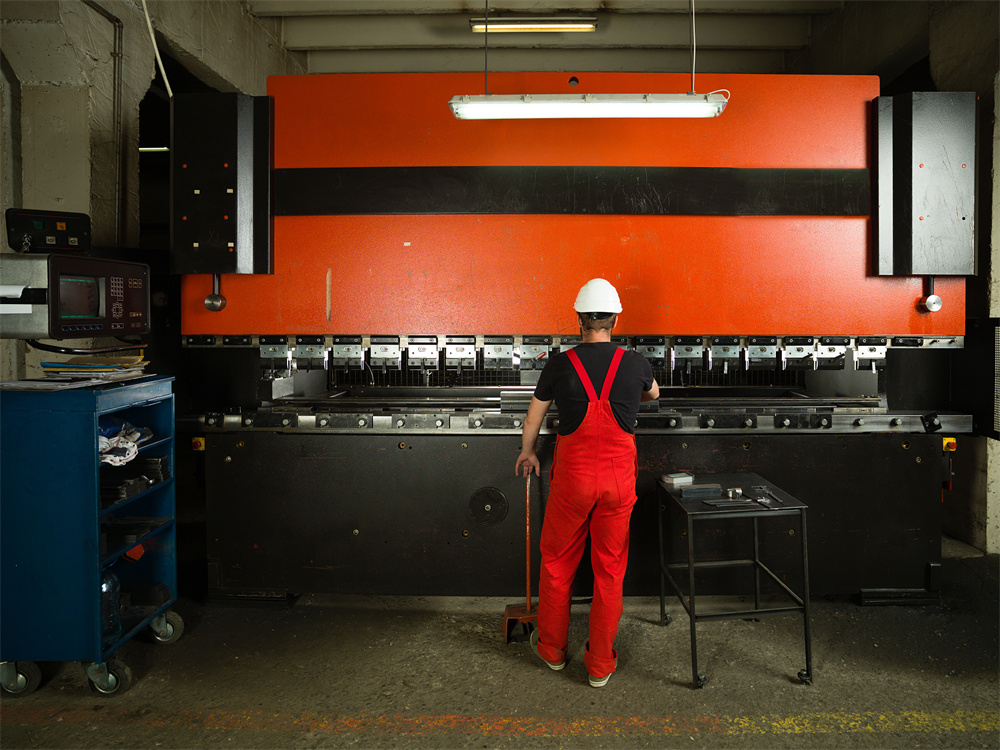
The primary driver of press brake cost is the tonnage and bending length. A 100-ton machine with a 3-meter bed is significantly cheaper than a 500-ton machine with a 6-meter bed. The steel required for the frame, the size of the hydraulic cylinders, and the power of the motor all scale up with these specifications. Fabricators must carefully calculate their maximum material thickness and length requirements to avoid over-specifying, which leads to unnecessary capital expenditure.
Another significant cost factor is the control system. A simple NC (Numerical Control) unit that manages backgauge position and stroke depth is far more affordable than a sophisticated 3D CNC controller. Modern CNC controllers allow for complex multi-axis synchronization, offline programming, and integration with ERP systems. While the initial cost is higher, the reduction in setup time and scrap rates often justifies the premium for high-volume production environments.
The quality of hydraulic and electrical components plays a critical role in the machine’s longevity and price. Premium machines utilize high-end valves, pumps, and sensors from globally recognized brands. These components ensure consistent pressure, faster response times, and easier availability of spare parts. While cheaper alternatives exist, they often lead to higher downtime and maintenance costs over the machine’s lifespan.
Regional labor and overhead costs in the country of origin also dictate the final price. Countries with advanced manufacturing infrastructure and lower labor costs, such as China, can produce high-quality press brakes at lower prices than countries with high labor costs. HARSLE utilizes this advantage to provide robust, reliable machinery that competes globally, passing the savings on to the end-user.
Finally, the level of customization impacts the price. Features like automatic crowning systems, laser angle measurement, and specialized safety light curtains are often optional add-ons. While these features increase the upfront cost, they significantly enhance the machine’s versatility and safety, which are essential for modern, high-precision metal fabrication shops.
Configuration Impact
The configuration of a press brake is the most significant variable in determining its daily utility and long-term value. A standard hydraulic press brake is the workhorse of the industry, but modern configurations have evolved to include hybrid and electric drives. Electric press brakes, while more expensive, offer superior energy efficiency and faster cycle times, making them ideal for high-speed, small-part production.
The backgauge system is another critical configuration point. A basic 2-axis backgauge (X and R) is sufficient for many applications, but complex bending often requires 4, 6, or even 8-axis backgauges. These advanced systems allow for the bending of tapered parts and complex geometries that would be impossible on a simpler machine. Investing in a more capable backgauge can drastically reduce the need for secondary operations.
Tooling compatibility is often overlooked but is a major cost driver. Machines that use standard European or American style tooling are easier to support and cheaper to upgrade. Proprietary tooling systems may offer specific advantages but can lock the shop into a single supplier, increasing long-term operational costs. Choosing a machine with a versatile, industry-standard tool clamping system is a smart strategic move.
Safety configurations are non-negotiable in modern fabrication. Depending on the region, safety requirements vary from simple physical barriers to advanced laser safety systems that monitor the bending zone in real-time. While these systems add to the cost, they are essential for protecting operators and complying with international safety standards, which can also lower insurance premiums.
Automation readiness is the final frontier in configuration. Many shops start with a manual machine but plan to add robotic loading and unloading later. Purchasing a machine that is “automation-ready”—meaning it has the necessary communication ports and structural integrity to support a robot—is a wise investment for shops planning to scale their operations in the future.
Hidden Costs
When budgeting for a press brake, many buyers focus solely on the machine price, neglecting the “hidden” costs that can quickly inflate the total investment. Shipping and logistics are the most immediate of these. Depending on the distance from the manufacturer and the size of the machine, freight costs can range from a few thousand dollars to tens of thousands. International shipping also involves customs duties, port fees, and inland transportation, all of which must be factored in.
Installation and commissioning are often billed separately. A press brake is a heavy, precision instrument that requires a stable, reinforced concrete foundation. The cost of site preparation, including electrical upgrades and hydraulic oil filling, should be estimated before the machine arrives. Furthermore, professional installation by the manufacturer or a certified dealer is highly recommended to ensure the machine is calibrated correctly from day one.
Training is another essential, yet often underestimated, cost. Even the most advanced press brake is only as good as the operator. Investing in comprehensive training for your team ensures that they can utilize the machine’s full potential, minimize scrap, and perform basic maintenance. Neglecting training leads to operator error, which is the leading cause of machine damage and production delays.
Tooling is a major ongoing expense. While the machine may come with a basic set of punches and dies, most shops will need to purchase specialized tooling for specific jobs. High-quality, hardened tooling is expensive but lasts significantly longer and produces better results. Budgeting for a “tooling library” is essential for any shop that handles a diverse range of materials and thicknesses.
Finally, maintenance and spare parts should be considered. All machines require periodic servicing, including oil changes, filter replacements, and software updates. Establishing a relationship with a reliable supplier like HARSLE ensures that you have access to genuine spare parts and technical support, preventing long, costly periods of downtime when a component eventually fails.
ROI Calculation
Calculating the Return on Investment (ROI) for a press brake requires looking beyond the purchase price. The goal is to determine how quickly the machine will pay for itself through increased production capacity, reduced labor costs, and improved part quality. Start by calculating the current cost per part, including labor, setup time, and scrap rates.
Next, estimate the productivity gains offered by the new machine. If a new CNC press brake reduces setup time by 50% and increases bending speed by 30%, the labor savings alone can be substantial. For example, if your shop currently spends 10 hours a week on setups, a new machine could save 5 hours of labor per week. At an hourly rate of $50, that is $12,500 in annual savings.
Consider the reduction in scrap rates. Modern press brakes with crowning systems and angle measurement technology produce consistent parts from the first bend. If your current scrap rate is 5%, and a new machine reduces it to 1%, the savings in material costs and wasted labor can be significant, especially when working with expensive materials like stainless steel or aluminum.
Factor in the potential for new business. A more capable machine allows you to take on more complex, higher-margin projects that you previously had to turn away. This “opportunity cost” is often the most significant factor in the ROI calculation. A machine that opens up new markets is worth far more than one that simply replaces an existing, less efficient unit.
Finally, consider the tax implications. Many regions offer tax incentives, such as accelerated depreciation or investment tax credits, for purchasing new manufacturing equipment. Consult with your accountant to understand how these incentives can improve your cash flow and shorten the payback period. By combining these factors, you can build a compelling business case for your investment.
Buying Advice
When selecting a press brake, start by defining your “worst-case” scenario. What is the thickest material you will realistically bend? What is the longest part? Buying a machine that is slightly larger than your current needs provides a buffer for future growth, but avoid the trap of buying a 500-ton machine when you only ever bend 10-gauge steel. Balance your current needs with a reasonable projection of future requirements.
Evaluate the manufacturer’s support network. A cheap machine is not a bargain if you cannot get parts or technical support when it breaks down. Look for companies like HARSLE that have a global presence, a strong reputation for customer service, and a transparent supply chain. Read reviews, ask for references, and if possible, visit a shop that is already using the machine you are considering.
Don’t ignore the importance of software. The ability to program the machine offline and simulate the bending process before the material hits the machine is a game-changer. It eliminates trial-and-error, reduces setup time, and allows for better material utilization. Ensure the controller is user-friendly and compatible with your existing CAD/CAM software.
Prioritize safety and ergonomics. An operator who is comfortable and safe is more productive. Look for features like adjustable control arms, easy-to-reach foot pedals, and clear, intuitive interfaces. A machine that is difficult to operate will lead to fatigue and mistakes, regardless of how advanced its technical specifications are.
Finally, negotiate the total package. Don’t just ask for the price of the machine. Ask for a package that includes delivery, installation, training, and an initial set of tooling. Often, manufacturers are willing to bundle these services to win a sale, providing you with better value and a smoother transition to your new equipment.
FAQ
- What is the average lifespan of a press brake? A well-maintained industrial press brake can last 15 to 25 years. Regular maintenance and the use of high-quality hydraulic oil are key to longevity.
- How does tonnage affect the price? Tonnage is the primary cost driver. Higher tonnage requires a heavier frame, larger cylinders, and more robust hydraulics, all of which increase the manufacturing cost.
- Are electric press brakes worth the extra cost? For high-speed, precision, and energy-conscious shops, electric press brakes offer a faster ROI through reduced energy consumption and higher throughput.
- Why do prices vary so much between regions? Prices vary due to labor costs, import tariffs, shipping, and the cost of compliance with local safety and environmental regulations.
- What should I look for in a press brake controller? Look for ease of use, 3D simulation capabilities, offline programming, and the ability to integrate with your existing shop management software.
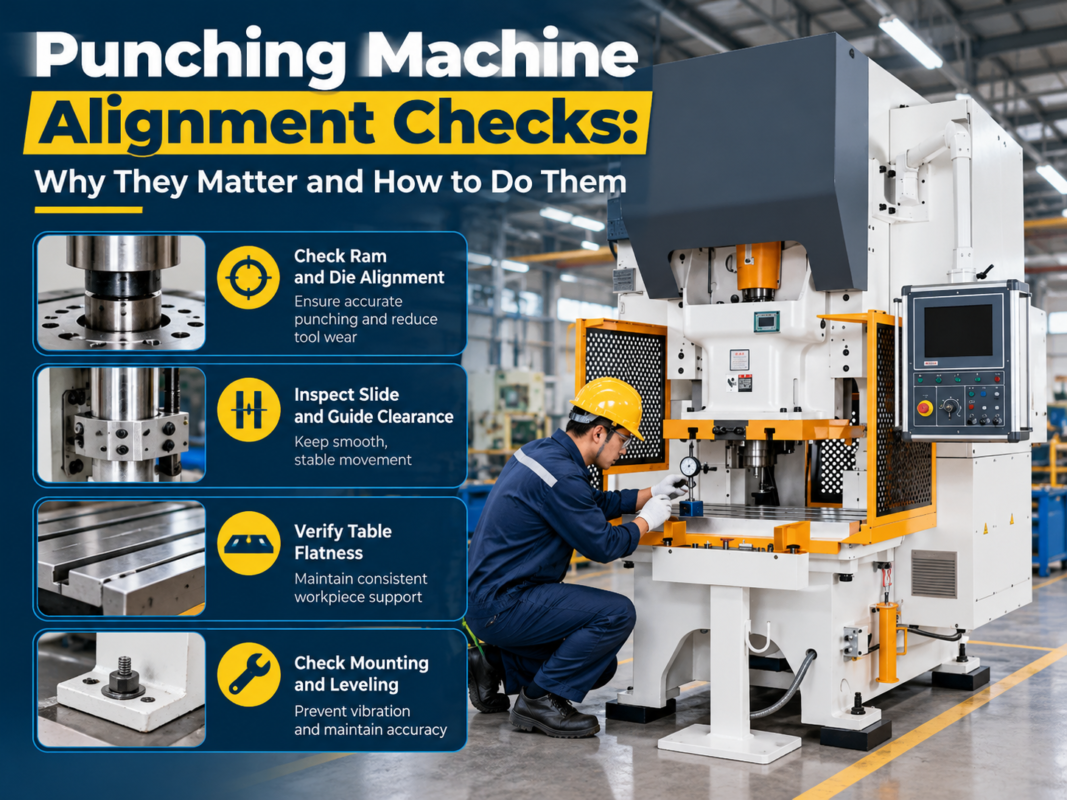
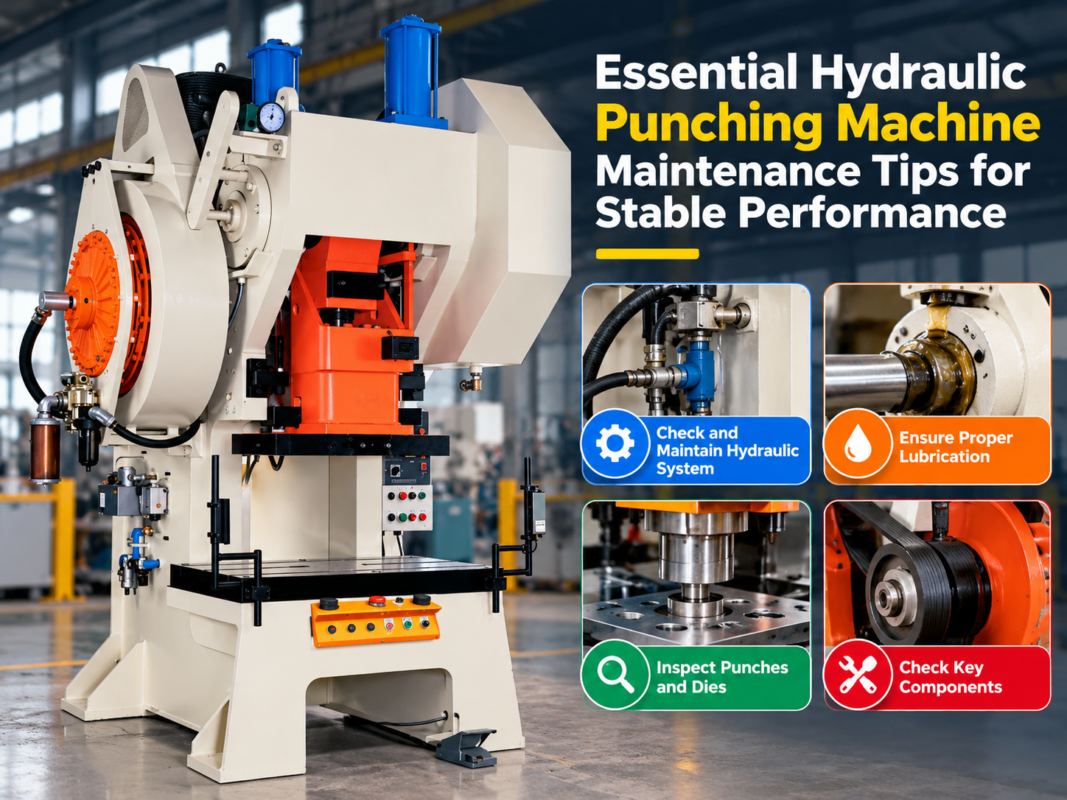
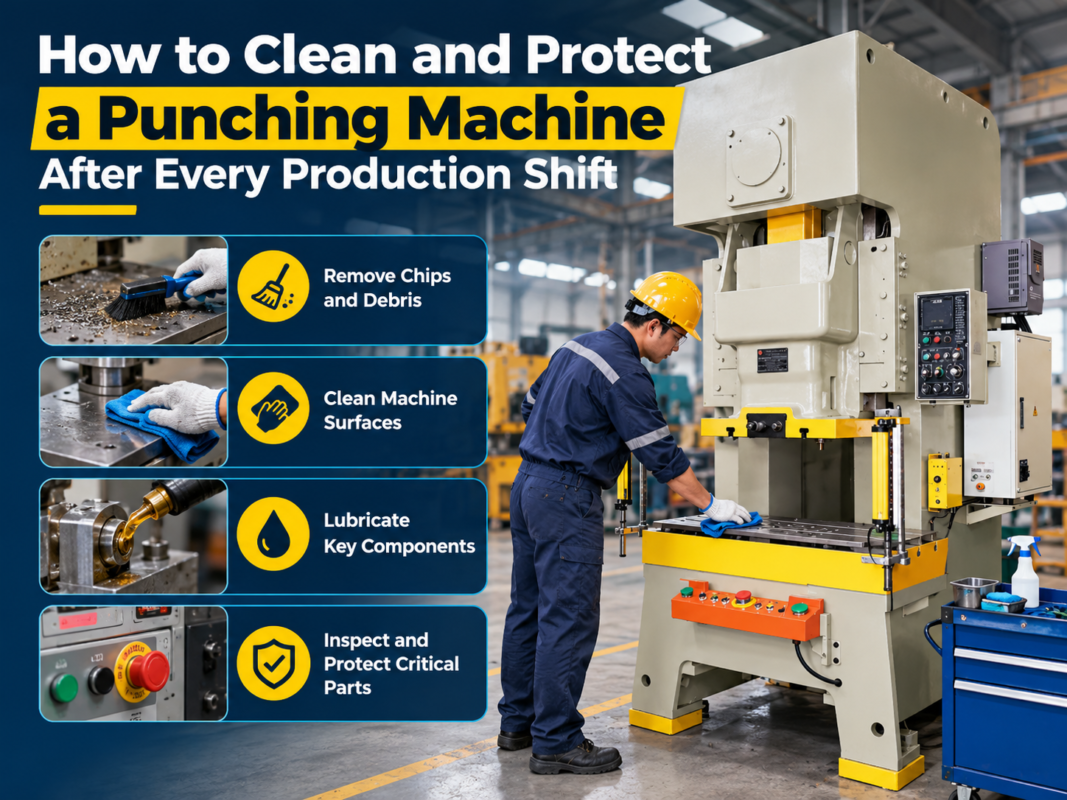
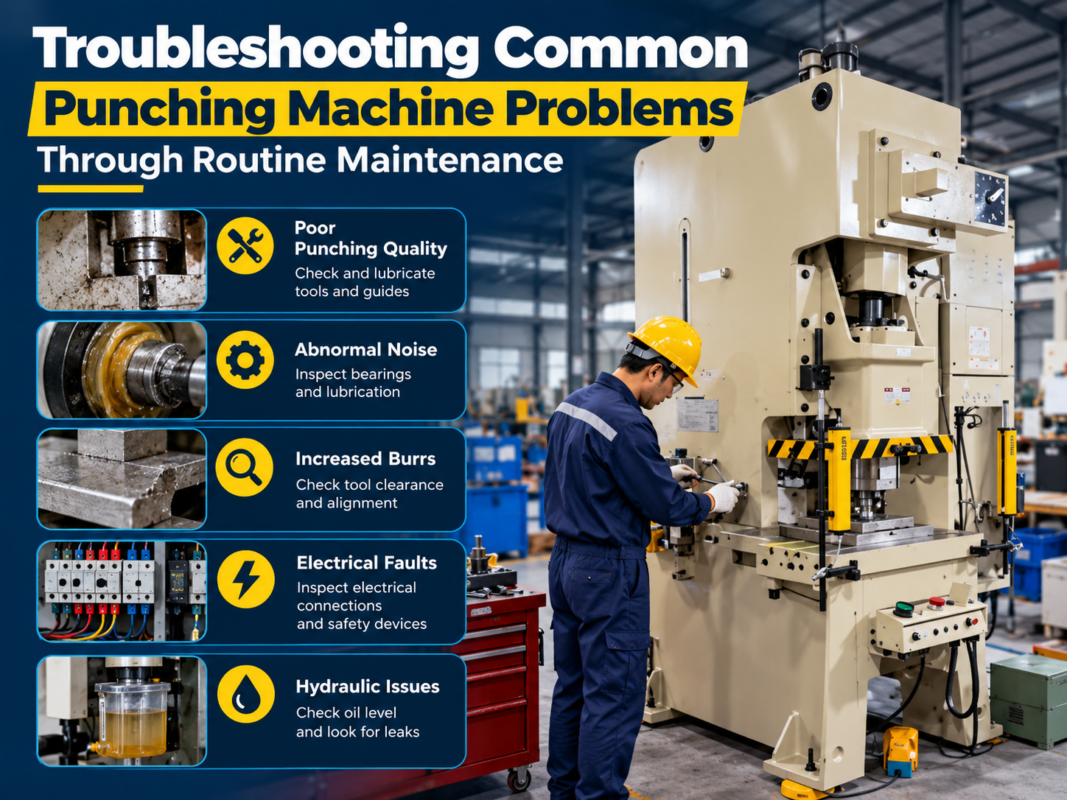
- How often should I perform maintenance? Routine maintenance should be performed every 500 to 1,000 operating hours, including checking hydraulic levels, cleaning filters, and inspecting the ram and backgauge alignment.