Fiber Laser Cutting Machine vs CO2 Laser Cutting Machine: Which Is Better for Metal Fabrication?


Comparison Summary: The Evolution of Laser Technology in Metal Fabrication
In the modern industrial landscape, the debate surrounding Fiber Laser Cutting Machine Vs Co2 Laser Cutting Machine: Which Is Better Metal Fabrication? has become a central focus for workshop owners and manufacturing engineers. For decades, the CO2 laser was the undisputed king of the fabrication floor, offering versatility across various materials. However, the emergence of fiber laser technology has fundamentally shifted the paradigm, offering unprecedented speeds and lower operational costs. Understanding the nuances between these two technologies is not just about comparing power outputs; it involves a deep dive into wavelength physics, energy efficiency, and long-term maintenance requirements.
At HARSLE, we recognize that choosing the right machinery is a critical investment that dictates the productivity and profitability of your business. CO2 lasers utilize a gas mixture—primarily carbon dioxide, nitrogen, and helium—to generate the laser beam, which is then directed through a series of mirrors to the cutting head. In contrast, fiber lasers generate the beam through a solid-state medium (doped optical fibers) and deliver it directly to the cutting head via a flexible fiber optic cable. This fundamental difference in beam generation and delivery is the root cause of the performance variations we see in metal fabrication today.
While fiber lasers have gained massive market share due to their efficiency in cutting thin to medium-thickness metals, CO2 lasers still hold a niche in specific applications, particularly when dealing with non-metallic materials or requiring a specific edge finish on very thick carbon steel. This guide provides an exhaustive analysis to help you determine which technology aligns with your production goals, material types, and budget constraints.
Fiber Laser Cutting Machine Overview: The Modern Standard
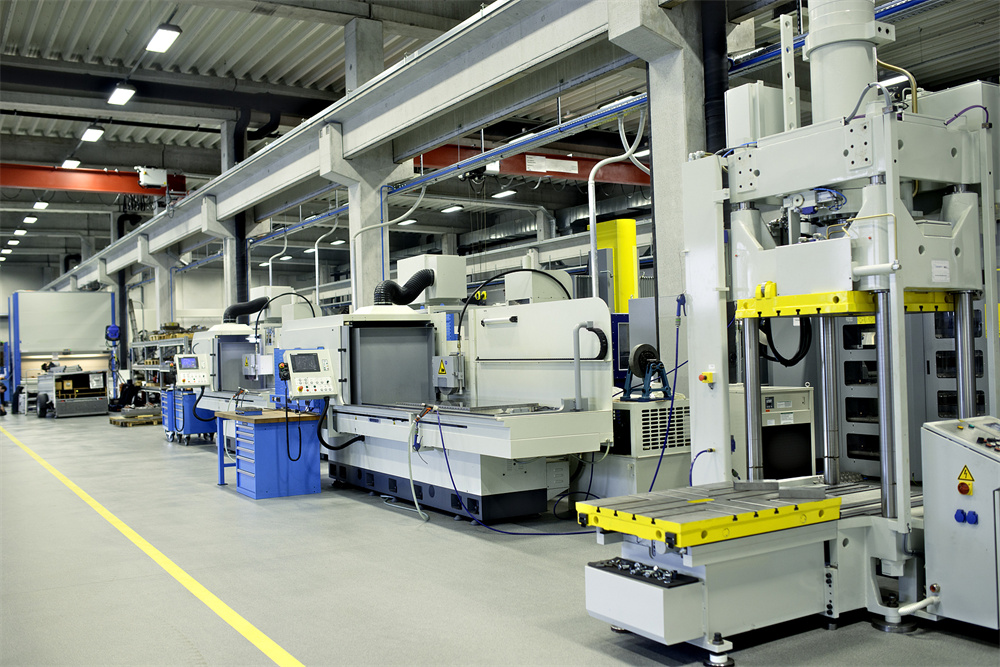
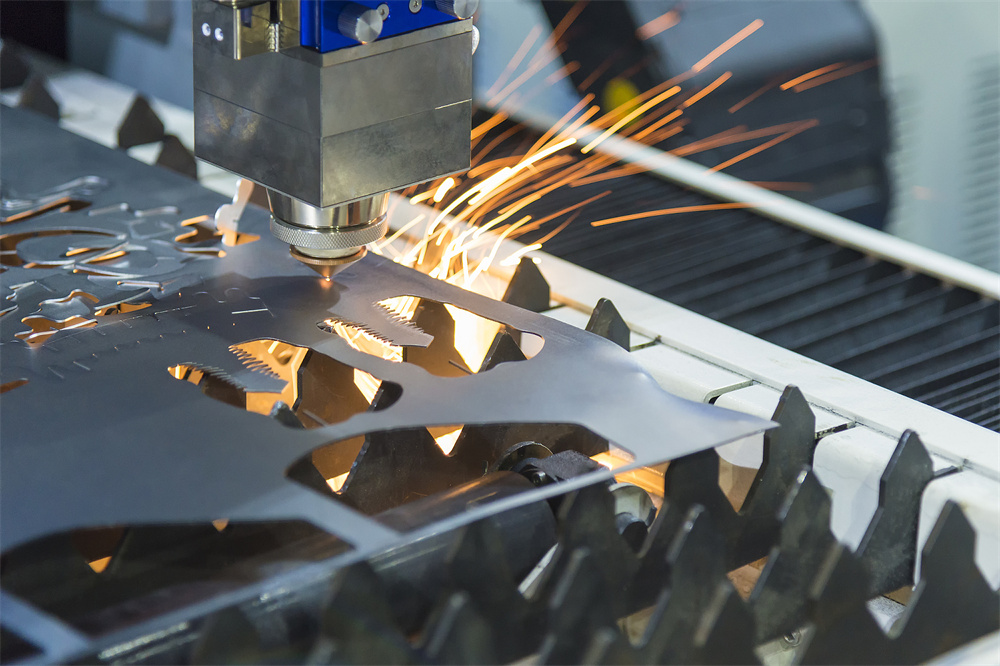
The fiber laser cutting machine represents the pinnacle of current solid-state laser technology. By using a “seed laser” and amplifying it within specially designed glass fibers, these machines produce a beam with a wavelength of approximately 1.06 microns. This wavelength is significantly shorter than that of a CO2 laser, which allows it to be absorbed much more efficiently by metallic surfaces. This high absorption rate is the primary reason why fiber lasers can cut through reflective metals like brass, copper, and aluminum with ease—materials that were traditionally difficult or even dangerous for CO2 lasers to process due to back-reflection risks.
One of the most significant advantages of fiber lasers is their “wall-plug efficiency.” A fiber laser system typically converts about 30% to 40% of its electrical input into actual laser power. In a high-volume production environment, this translates to massive savings on electricity bills. Furthermore, because the beam is delivered through a fiber optic cable rather than a complex path of mirrors and bellows, the system is much more robust. There are no mirrors to align, no gas to purge in the beam path, and fewer consumables to replace, making it the preferred choice for 24/7 industrial operations.
HARSLE’s fiber laser solutions are engineered to maximize these inherent benefits. Our machines feature high-speed linear motors and advanced CNC controls that can keep up with the incredible cutting speeds of the fiber source. In thin materials (under 5mm), a fiber laser can cut up to three times faster than a CO2 laser of equivalent power. This throughput advantage makes fiber lasers the go-to solution for industries like automotive manufacturing, electronics, and appliance production where speed and precision are paramount.
CO2 Laser Cutting Machine Overview: The Versatile Veteran
Despite the rise of fiber technology, the CO2 laser cutting machine remains a relevant tool in specific sectors of metal fabrication. Operating at a wavelength of 10.6 microns, the CO2 laser beam is generated by an electrical discharge through a gas-filled tube. This longer wavelength has different interaction characteristics with materials. While it is not as readily absorbed by metals as the fiber laser, it produces a very high-quality edge finish on thicker materials, particularly thick oxygen-cut carbon steel. For many years, the “CO2 edge” was the gold standard for smoothness and lack of dross.
The versatility of the CO2 laser is its strongest selling point. Unlike fiber lasers, which are primarily designed for metal, CO2 lasers can cut, score, and engrave a vast array of non-metallic materials, including wood, acrylic, glass, textiles, and plastics. For a fabrication shop that handles a diverse portfolio of projects—ranging from industrial steel plates to architectural signage and plastic components—the CO2 laser offers a multi-functional capability that a fiber laser cannot match. However, in a strictly metal-focused environment, this versatility is often outweighed by the fiber laser’s speed.
Maintenance is the primary drawback of the CO2 system. The internal resonator requires regular gas refills, and the external beam path consists of multiple mirrors that must be kept perfectly clean and aligned. Any slight vibration or thermal expansion can knock the mirrors out of alignment, leading to a loss of cut quality or power. Additionally, the turbine used to circulate the gas within the resonator is a high-wear component that requires expensive periodic overhauls. For these reasons, many shops are transitioning their metal-cutting tasks to fiber while retaining CO2 only for specialized thick-plate or non-metal work.
Fiber Laser vs CO2 Laser: Specification Comparison Table
To better understand the technical trade-offs, the following table compares the key performance indicators of both technologies in a metal fabrication context.
| Feature | Fiber Laser Cutting Machine | CO2 Laser Cutting Machine |
|---|---|---|
| Wavelength | 1.06 Microns (High absorption in metal) | 10.6 Microns (Lower absorption in metal) |
| Wall-Plug Efficiency | 30% – 40% | 8% – 12% |
| Cutting Speed (Thin Metal) | Extremely Fast (Up to 3x faster) | Moderate |
| Cutting Speed (Thick Metal) | Comparable to CO2 (High power required) | Excellent Edge Quality |
| Reflective Metals | Excellent (Copper, Brass, Aluminum) | Limited / Risk of Damage |
| Non-Metal Cutting | Not Recommended | Excellent (Wood, Acrylic, etc.) |
| Maintenance Requirements | Very Low (Solid State) | High (Mirrors, Gas, Turbines) |
| Operating Cost | Low | High |
| Initial Investment | Higher (Decreasing rapidly) | Lower (For basic models) |
Best-fit Applications for Each Technology
When to Choose a Fiber Laser Cutting Machine
The Fiber Laser Cutting Machine Vs Co2 Laser Cutting Machine: Which Is Better Metal Fabrication? question is often answered by the specific application. Fiber lasers are the undisputed champions for sheet metal fabrication involving stainless steel, carbon steel, and aluminum up to 20mm, and even thicker with high-power sources (12kW+). They are ideal for high-volume production runs where the goal is to minimize the cost-per-part. Industries such as aerospace, where precision and material integrity are vital, benefit from the fiber laser’s narrow kerf and minimal heat-affected zone (HAZ).
Furthermore, if your shop frequently works with “yellow metals” like brass and copper, fiber is your only viable option. The fiber optic delivery system is immune to the back-reflections that would destroy the resonator of a CO2 laser. Fiber lasers are also increasingly used in the medical device industry for cutting tiny, intricate components with tolerances that were previously impossible to achieve consistently.
When to Choose a CO2 Laser Cutting Machine
CO2 lasers still find their home in heavy industrial applications where the edge quality of thick mild steel (25mm and above) is a priority. While high-power fiber lasers can cut these thicknesses, the CO2 laser often provides a smoother surface finish that requires less post-processing. Additionally, if your business model involves a mix of metal and organic materials, the CO2 laser is the more flexible tool. It is widely used in the packaging industry for die-board cutting and in the signage industry for acrylic fabrication.
Another niche for CO2 is in older facilities where the staff is already highly trained in mirror alignment and gas management. However, as the workforce evolves and the demand for automation increases, the “ease of use” of fiber lasers is making them the standard even in these traditional sectors. For most modern metal-only fabrication shops, the CO2 laser is becoming a legacy technology.
Cost and Maintenance Comparison: The Long-term View
When evaluating Fiber Laser Cutting Machine Vs Co2 Laser Cutting Machine: Which Is Better Metal Fabrication?, the Total Cost of Ownership (TCO) is perhaps the most persuasive factor. The operating cost of a fiber laser is typically 50% to 70% lower than that of a CO2 laser. This is driven by two main factors: energy consumption and consumables. Because a fiber laser is three times more energy-efficient, the electricity savings over a five-year period can often cover a significant portion of the machine’s initial purchase price.
Maintenance costs further widen the gap. A CO2 laser requires a constant supply of high-purity laser gases. The mirrors (optics) are expensive and have a finite lifespan, often requiring replacement every 1,000 to 2,000 hours of operation. The internal vacuum pumps and blowers also require specialized servicing. In contrast, the fiber laser source is a sealed unit. There are no internal parts for the user to service. The only primary consumables are the protective windows (cover glass) and the copper nozzles, which are inexpensive and easy to replace. This high uptime is a game-changer for shops running multiple shifts.
However, it is important to note that the initial purchase price of a high-quality fiber laser can be higher than a CO2 laser of similar wattage. But when you calculate the “cost per part,” the fiber laser almost always wins in a metal fabrication context. The increased throughput means you can complete more jobs in the same amount of time, allowing for a much faster Return on Investment (ROI).
Recommendation: How to Make the Right Choice
Choosing between these two machines requires a clear assessment of your current production needs and your five-year growth plan. If your primary business is metal fabrication—specifically sheet metal and plate—the Fiber Laser Cutting Machine is the superior choice. Its speed, efficiency, and ability to handle a wide range of metals make it the most competitive tool in the current market. At HARSLE, we recommend fiber lasers for 95% of our customers who are focused on metal processing.
You should consider a CO2 laser only if you fall into one of the following categories: 1) You must cut non-metallic materials like wood or thick plastics as a core part of your business. 2) You specialize exclusively in very thick mild steel where a specific “CO2-grade” edge finish is a contractual requirement. 3) Your budget is extremely limited and you are looking at the used machinery market, where CO2 lasers are currently very affordable (though you must factor in the higher operating costs).
Before making a final decision, we suggest performing a “Time and Cost Study” on your most common parts. Send your CAD files to a manufacturer like HARSLE, and we can provide you with estimated cycle times and gas consumption for both technologies. Seeing the data applied to your specific parts is often the most effective way to clear up any remaining doubts.
Frequently Asked Questions (FAQ)
1. Can a fiber laser cut non-metal materials?
Generally, no. The 1.06-micron wavelength of a fiber laser passes through or is not effectively absorbed by materials like wood, acrylic, or fabric. Attempting to cut these materials can result in fire hazards or damage to the machine’s optics due to improper absorption. For non-metals, a CO2 laser or a CNC router is required.
2. Is a fiber laser more dangerous than a CO2 laser?
Both machines are safe when operated correctly, but they require different safety protocols. The 1.06-micron beam of a fiber laser is particularly dangerous to the human eye because it can pass through the cornea and focus on the retina. Therefore, fiber lasers must be fully enclosed in a light-tight housing with specialized safety glass windows. CO2 lasers are often operated in “open” configurations with localized shielding, though enclosed systems are always safer.
3. How long does a fiber laser source last?
The expected lifespan of a high-quality fiber laser source (like those from IPG or Raycus used in HARSLE machines) is typically around 100,000 hours. This equates to over 10 years of 24/7 operation. In contrast, CO2 resonators often require significant overhauls or gas refills every 10,000 to 20,000 hours.
4. Why is fiber laser faster on thin metal?
It comes down to energy density and absorption. The fiber laser beam can be focused into a much smaller spot size than a CO2 beam. This concentrated energy, combined with the metal’s high absorption of the 1.06-micron wavelength, allows the material to melt and vaporize almost instantly, enabling high-speed movement of the cutting head.
5. Does the gas used for cutting differ between the two?
Both machines use assist gases like Oxygen (for carbon steel), Nitrogen (for stainless steel and aluminum), and sometimes compressed air. However, the CO2 laser also requires “laser gas” (a mix of CO2, He, and N2) to generate the beam inside the resonator, which is an additional ongoing expense that fiber lasers do not have.
6. Can I upgrade my CO2 laser to a fiber laser?
While it is technically possible to retro-fit a fiber source onto an old CO2 frame, it is rarely cost-effective. Fiber lasers require much higher acceleration and speed capabilities from the motion system (motors and rails) to take advantage of the beam’s potential. Most CO2 frames are not built for the high dynamics required by fiber technology. It is almost always better to invest in a purpose-built fiber laser machine.