Common Punching Machine Maintenance Issues and How to Fix Them Fast


The Critical Importance of Punching Machine Maintenance
In the high-stakes world of metal fabrication, the punching machine serves as the backbone of production efficiency. Whether you are operating a high-speed CNC turret punch or a robust hydraulic punching unit, the reliability of your equipment directly correlates to your bottom line. Neglecting routine care leads to catastrophic downtime, expensive part replacements, and compromised product quality. Understanding common punching machine maintenance issues and how to fix them fast is not just a technical necessity; it is a strategic business advantage.
When a machine is well-maintained, it operates within its design tolerances, ensuring that every hole punched is precise and every edge is clean. Conversely, a neglected machine begins to exhibit micro-vibrations, heat buildup, and mechanical fatigue. These early warning signs, if ignored, escalate into major failures that can halt an entire production line. By prioritizing maintenance, you extend the lifespan of your HARSLE machinery and maximize your return on investment.
Maintenance is not merely about fixing what is broken; it is about proactive preservation. A structured maintenance program minimizes the risk of sudden breakdowns, which are often the most costly events in a fabrication shop. By identifying wear and tear before it becomes a failure, operators can schedule repairs during planned downtime rather than reacting to emergency stoppages during peak production hours.
Furthermore, safety is a paramount concern in any industrial environment. A poorly maintained punching machine poses significant risks to operators, including unexpected cycling, flying debris from worn-out dies, or electrical hazards. Regular inspections ensure that all safety interlocks, guards, and emergency stop systems are functioning correctly, creating a safer work environment for your entire team.
Ultimately, the goal of a maintenance program is to achieve operational excellence. By mastering the common punching machine maintenance issues and how to fix them fast, you ensure that your shop remains competitive, efficient, and capable of meeting the rigorous demands of modern metal fabrication. HARSLE is committed to providing the knowledge necessary to keep your equipment performing at its peak.
Daily Inspection Protocols for Maximum Uptime
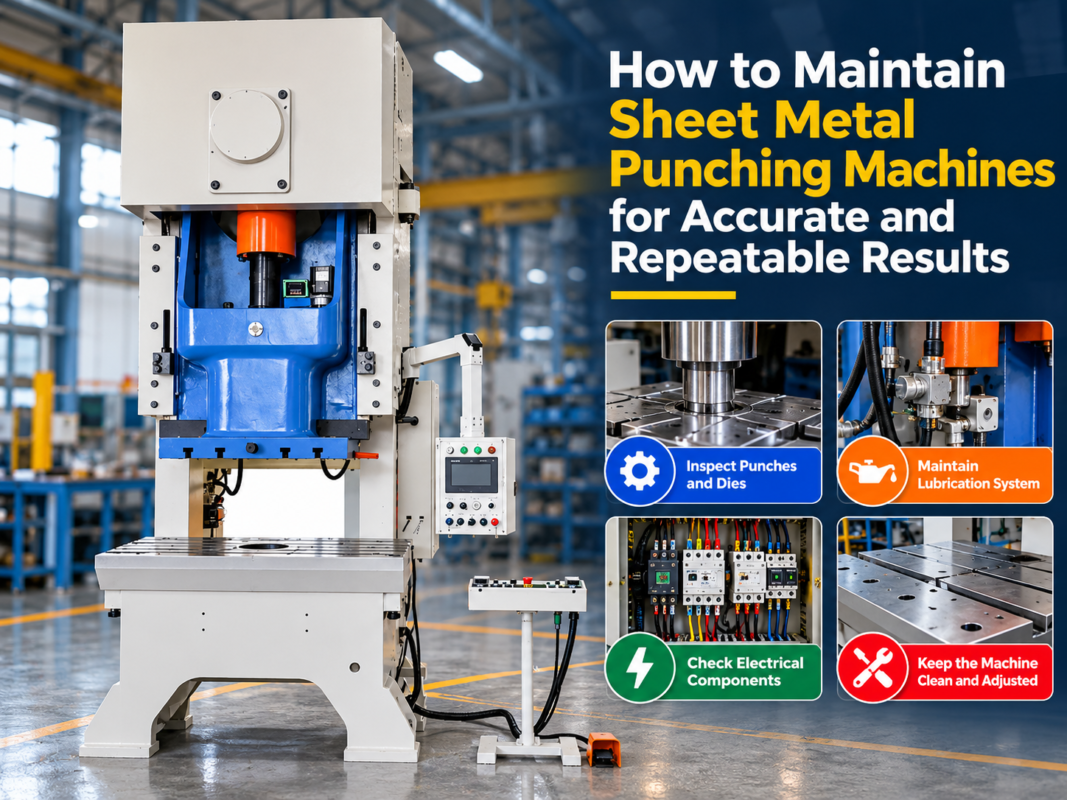
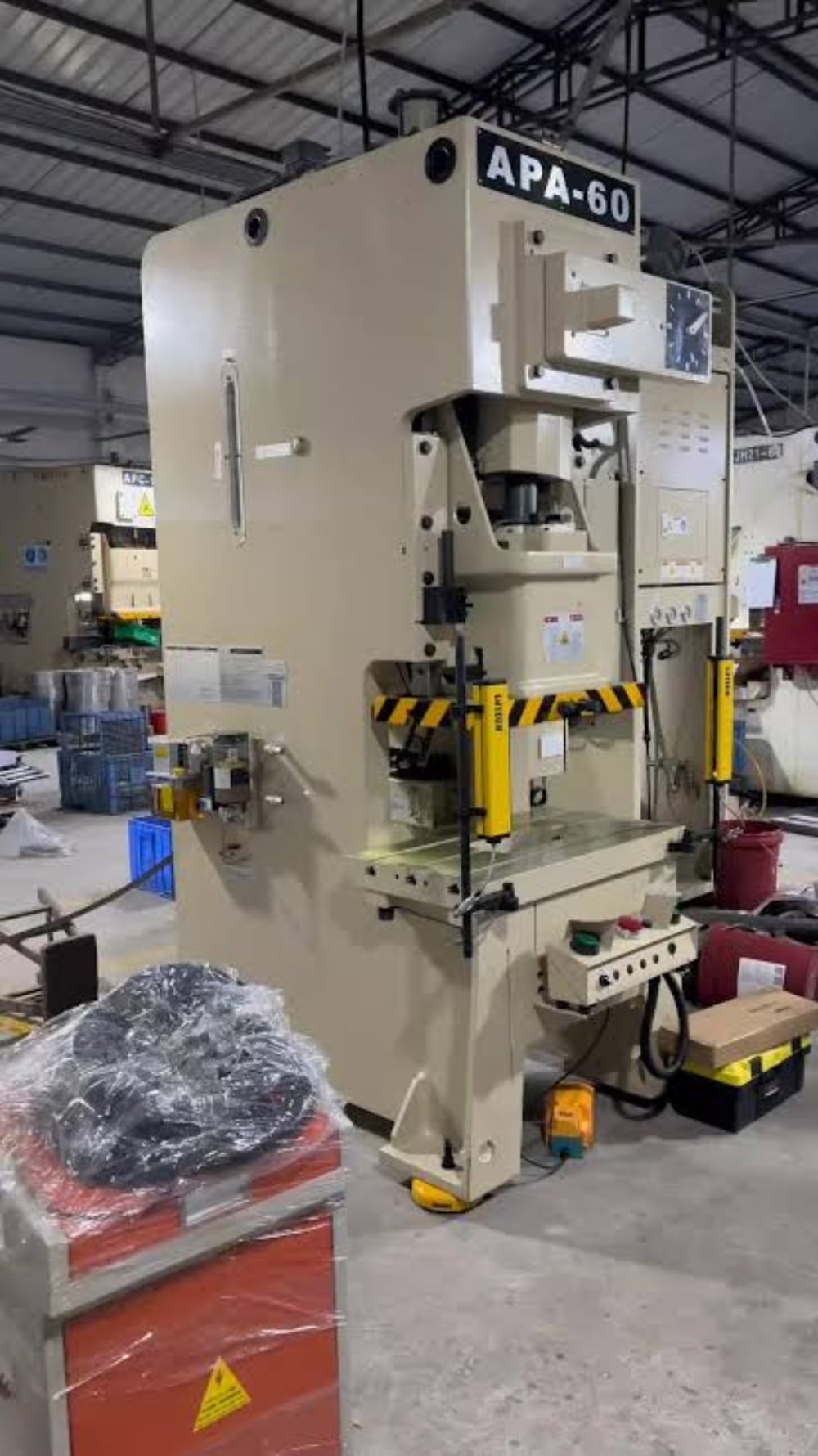
The first line of defense against machine failure is a rigorous daily inspection routine. Before the power is even turned on, operators should perform a visual and tactile check of the machine’s primary components. This includes checking for loose bolts, signs of oil leaks, and ensuring that the work area is free of scrap metal that could interfere with the machine’s movement.
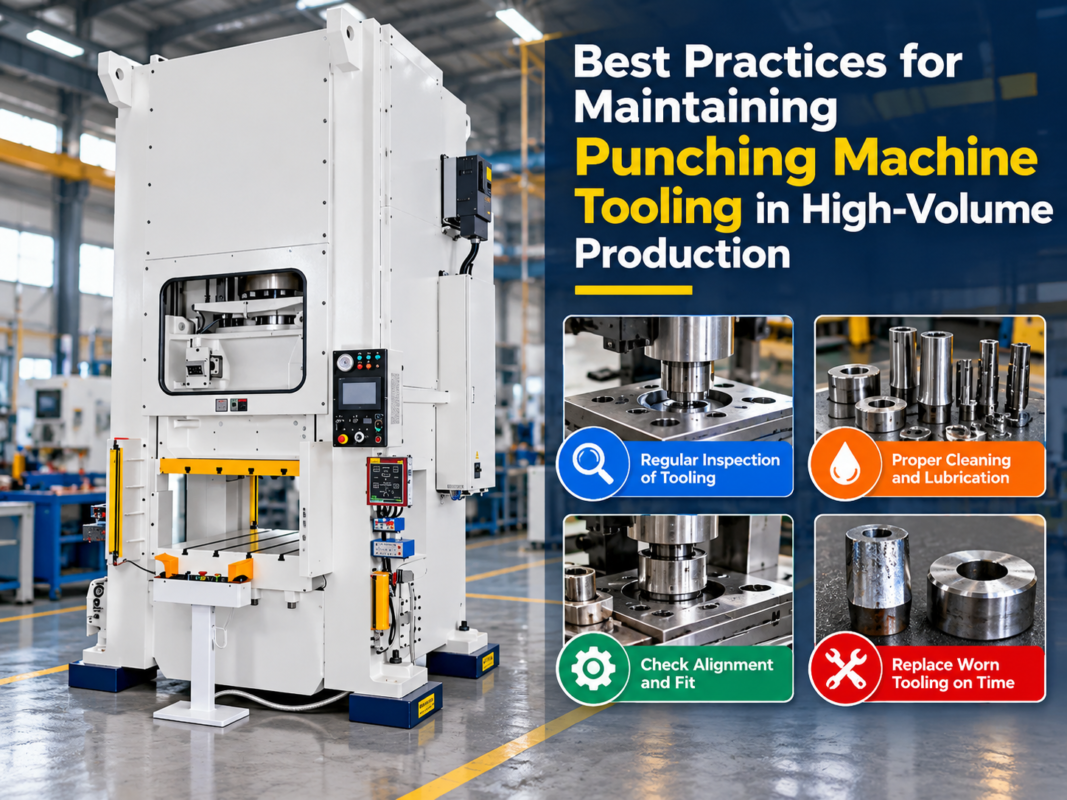
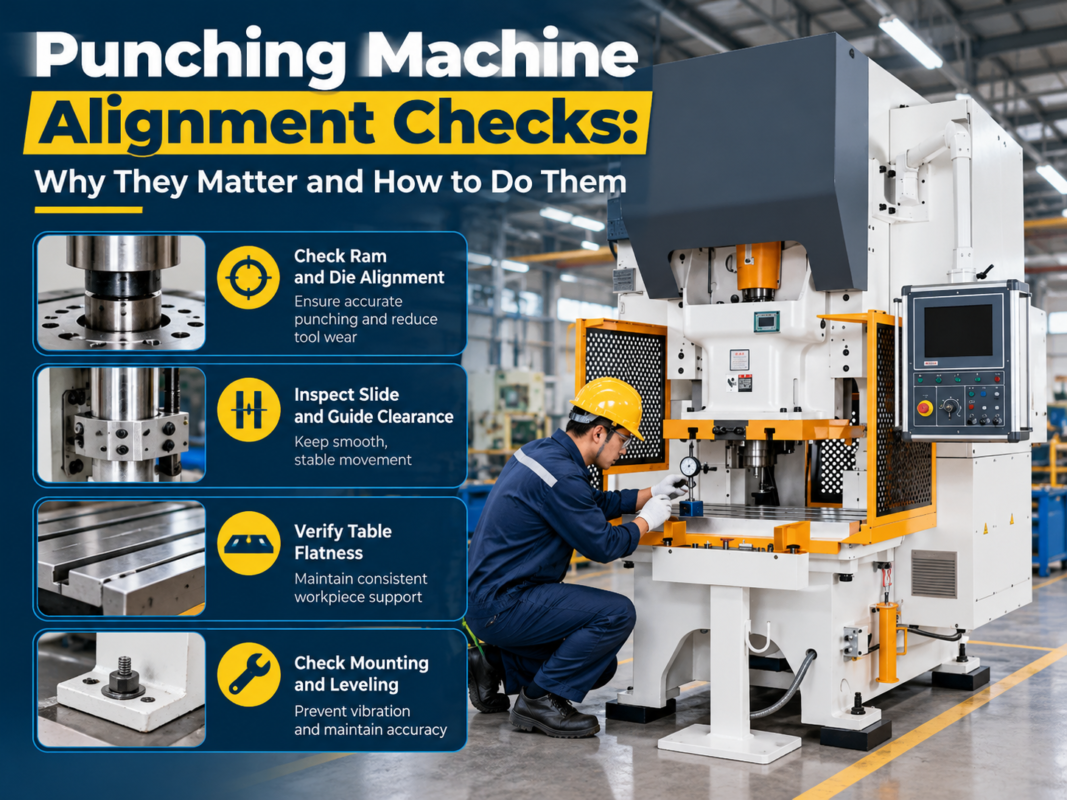
Check the punch and die alignment daily. Even a slight misalignment can cause excessive wear on the tooling and lead to burrs on the finished parts. Use a precision gauge to verify that the punch enters the die cleanly. If you notice any resistance or unusual noise during the initial test cycle, stop immediately and investigate the cause before proceeding with production.
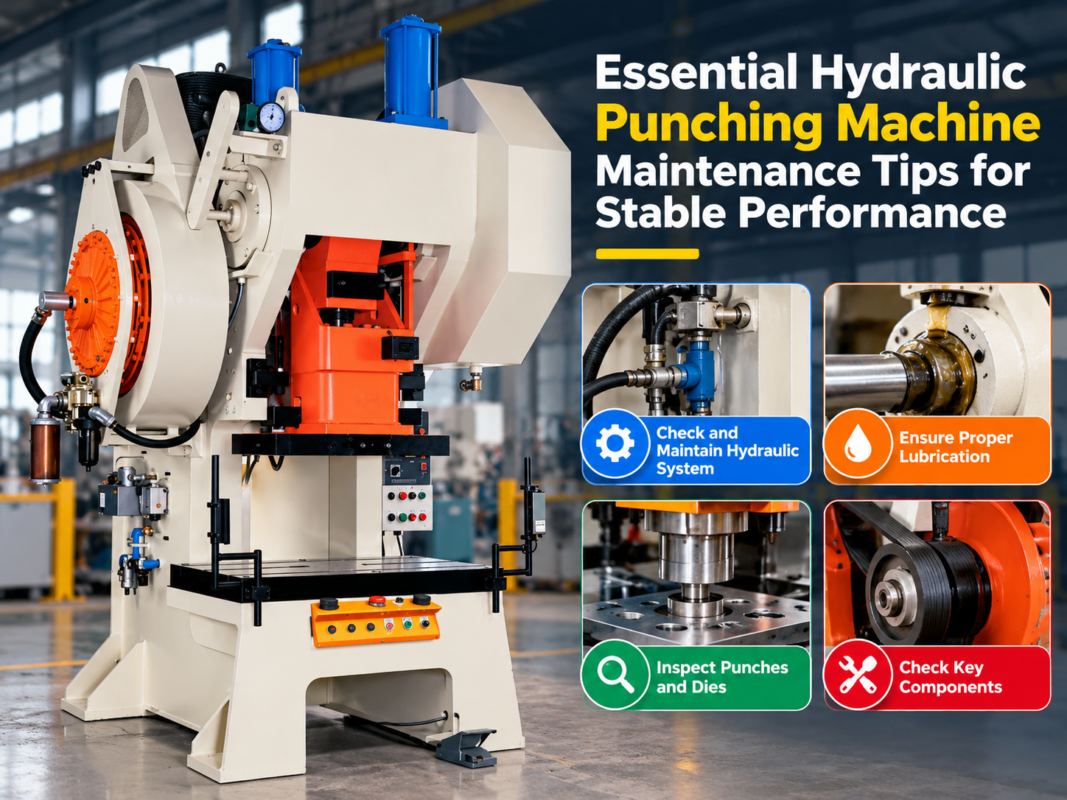
Monitor the hydraulic fluid levels and pressure gauges. Hydraulic systems are the heart of most punching machines, and they require consistent pressure to operate effectively. If the fluid level is low, it could indicate a leak in the hoses or seals. If the pressure gauge fluctuates during operation, it may suggest air in the system or a failing pump, both of which require immediate attention.
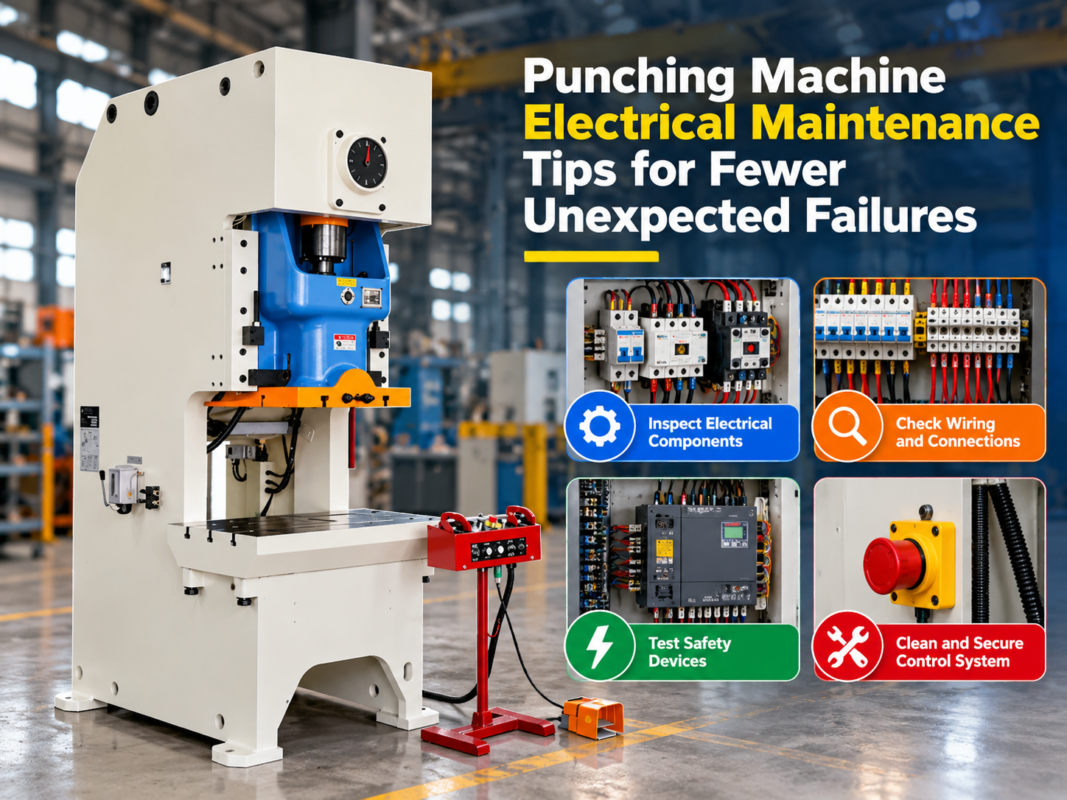
Inspect the electrical connections and control panel. Ensure that all cables are securely fastened and free from fraying. Dust and metal shavings can accumulate in the electrical cabinet, leading to short circuits or overheating. Use compressed air to gently clean the cabinet, ensuring that the ventilation fans are unobstructed and spinning freely.
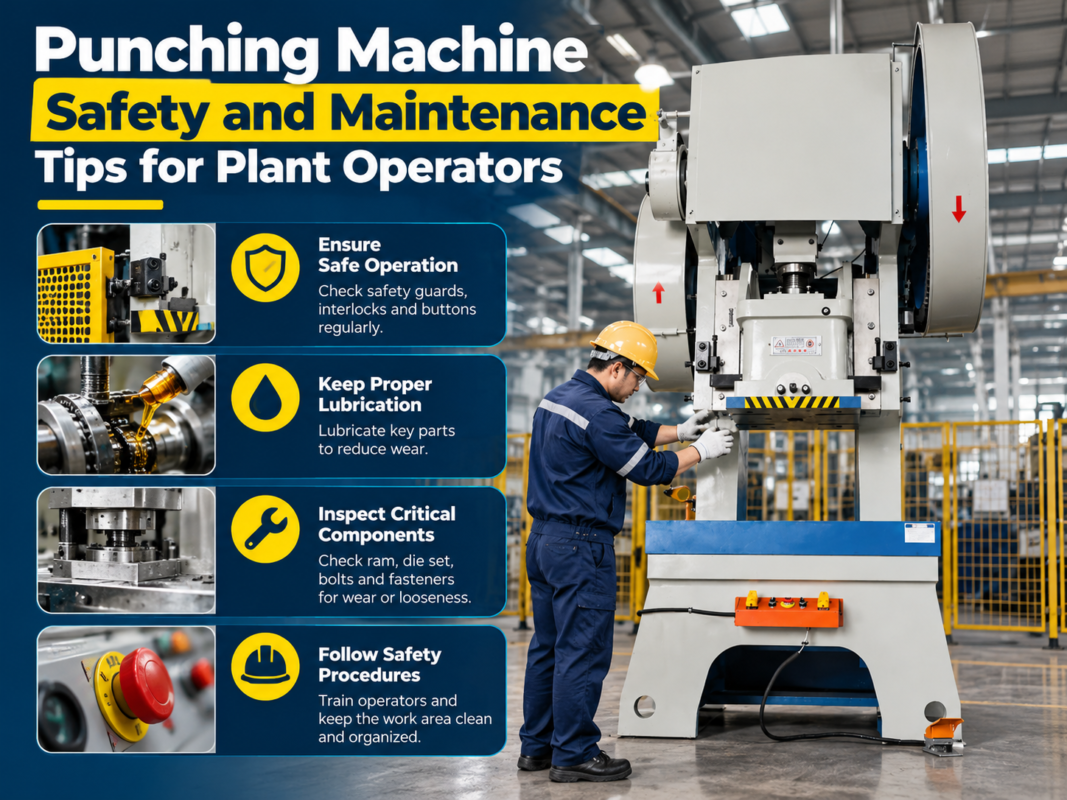
Finally, verify the functionality of all safety devices. Test the emergency stop buttons, light curtains, and safety mats. A machine should never be operated if any of its safety features are compromised. By making these checks a mandatory part of the daily startup procedure, you create a culture of safety and reliability that prevents minor issues from becoming major maintenance headaches.
Hydraulic, Electrical, and Mechanical Checks
When addressing common punching machine maintenance issues and how to fix them fast, it is essential to categorize your checks into the three primary systems: hydraulic, electrical, and mechanical. Each system has unique failure modes that require specific diagnostic approaches. For hydraulic systems, the most common issue is contamination. Even microscopic particles can score the internal surfaces of valves and cylinders, leading to pressure loss.
To maintain the hydraulic system, perform regular oil analysis. If the oil appears cloudy or dark, it is time for a change. Replace the hydraulic filters at the manufacturer’s recommended intervals, or sooner if the pressure differential gauge indicates a blockage. Inspect all hoses for signs of cracking, bulging, or weeping fluid, and replace them immediately if any degradation is found.
Electrical systems are susceptible to vibration and heat. Over time, terminal screws can loosen, leading to high-resistance connections that generate heat and cause intermittent signal failures. Periodically tighten all electrical connections within the control cabinet. Ensure that the cooling fans are operational, as heat is the primary enemy of PLC components and motor drives.
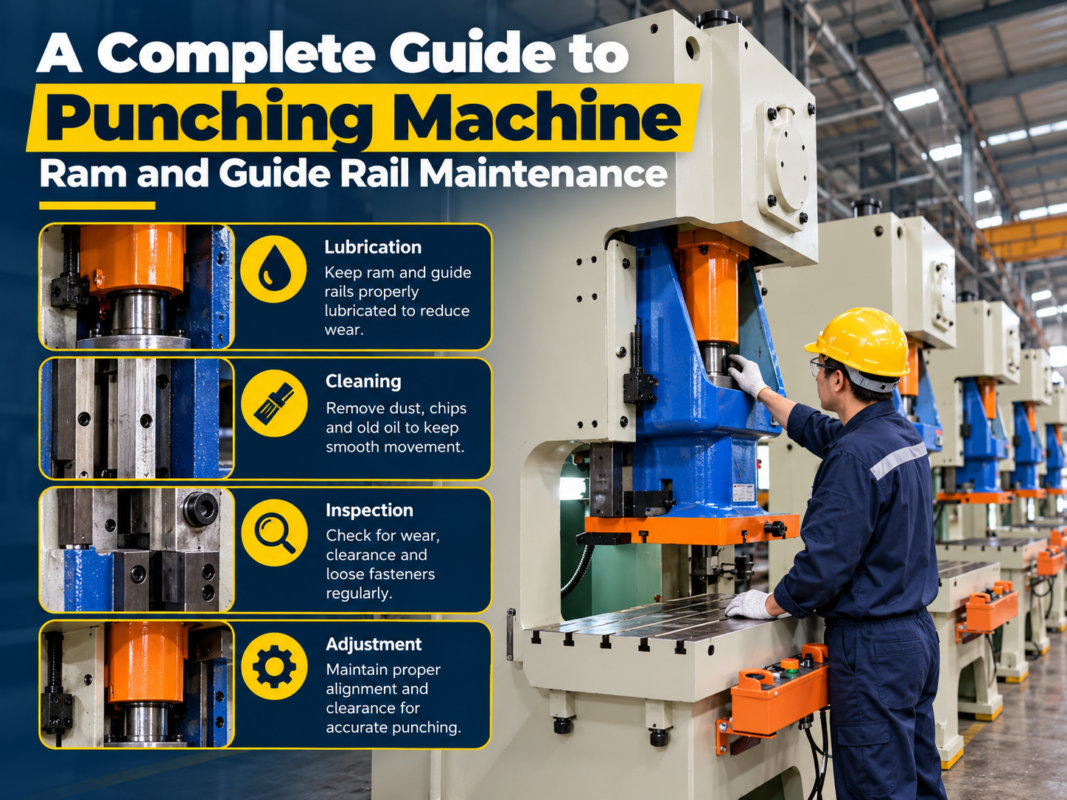
Mechanical systems, including the ram, guides, and drive train, require constant lubrication and adjustment. The ram guides are particularly critical; if they become loose, the punch will lose its vertical alignment, leading to rapid tool wear and poor part quality. Check the guide clearance according to the HARSLE manual and adjust as necessary to ensure smooth, precise movement.
Finally, examine the drive mechanism, whether it is a flywheel, gear train, or direct-drive motor. Listen for unusual grinding or clicking sounds, which often indicate worn bearings or chipped gear teeth. Early detection of these mechanical issues allows for scheduled repairs, preventing the catastrophic failure of the main drive assembly during a critical production run.
The Essential Lubrication Plan
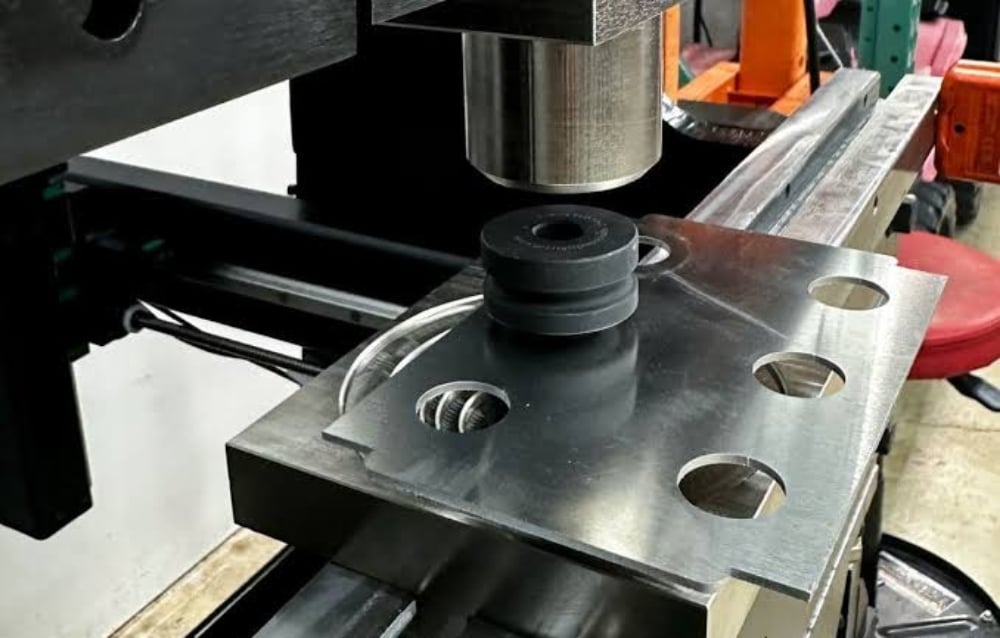
Lubrication is the lifeblood of any punching machine. Without proper lubrication, friction will quickly destroy precision components, leading to excessive heat and mechanical failure. A comprehensive lubrication plan should be documented and strictly followed, detailing the type of lubricant, the application point, and the frequency of application.
Start by identifying all grease points on the machine. These typically include the ram guides, main bearings, and any linkage pivots. Use a high-quality, extreme-pressure grease that is compatible with the machine’s operating environment. Over-greasing can be just as harmful as under-greasing, as it can attract dust and debris, so follow the manufacturer’s volume recommendations precisely.
For the hydraulic system, ensure that the oil viscosity matches the requirements of your climate and operating temperature. Using the wrong oil can lead to sluggish performance or excessive wear on the pump. Keep a log of all oil changes, including the date, the type of oil used, and the total hours of operation since the last change.
Don’t forget the tooling. The punch and die should be lightly lubricated with a suitable metalworking fluid to reduce friction during the punching process. This not only extends the life of the tooling but also improves the quality of the punched hole by reducing burrs and preventing material galling.
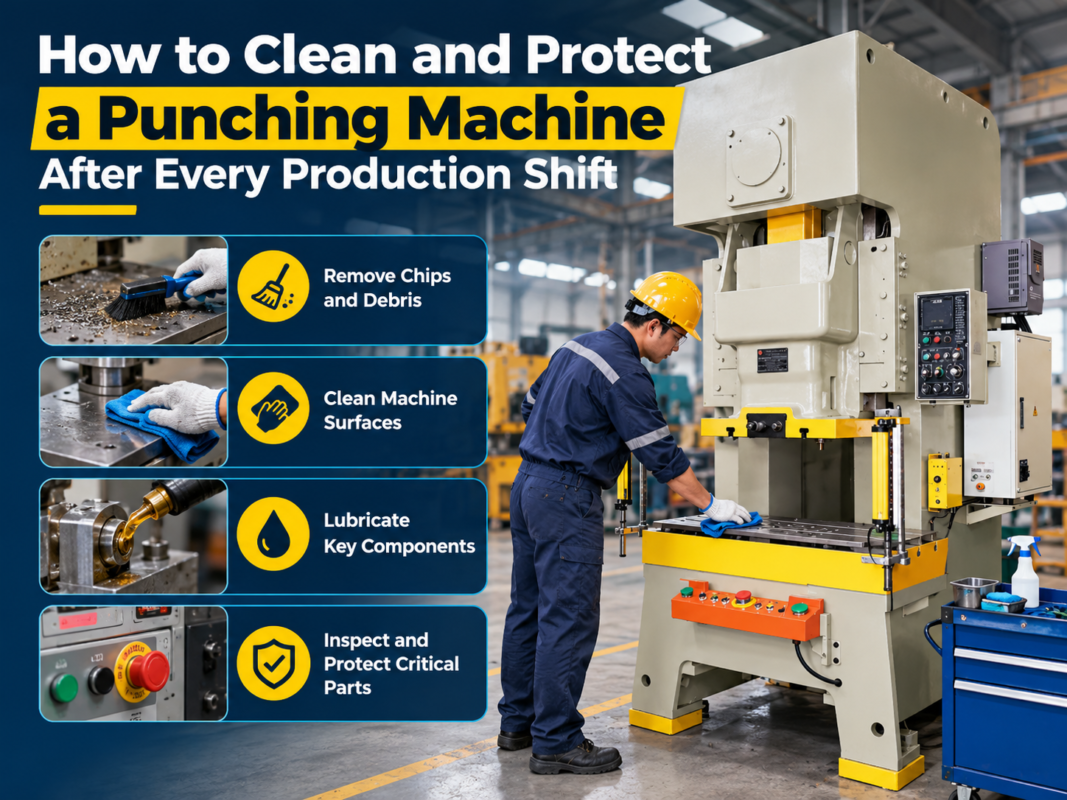
Finally, establish a schedule for cleaning and re-lubricating the machine’s ways and slides. These surfaces are exposed to the environment and can accumulate metal dust, which acts as an abrasive. Wipe them clean before applying a fresh layer of lubricant. By maintaining a clean and well-lubricated machine, you significantly reduce the frequency of common punching machine maintenance issues.
Troubleshooting Signals: What Your Machine is Telling You
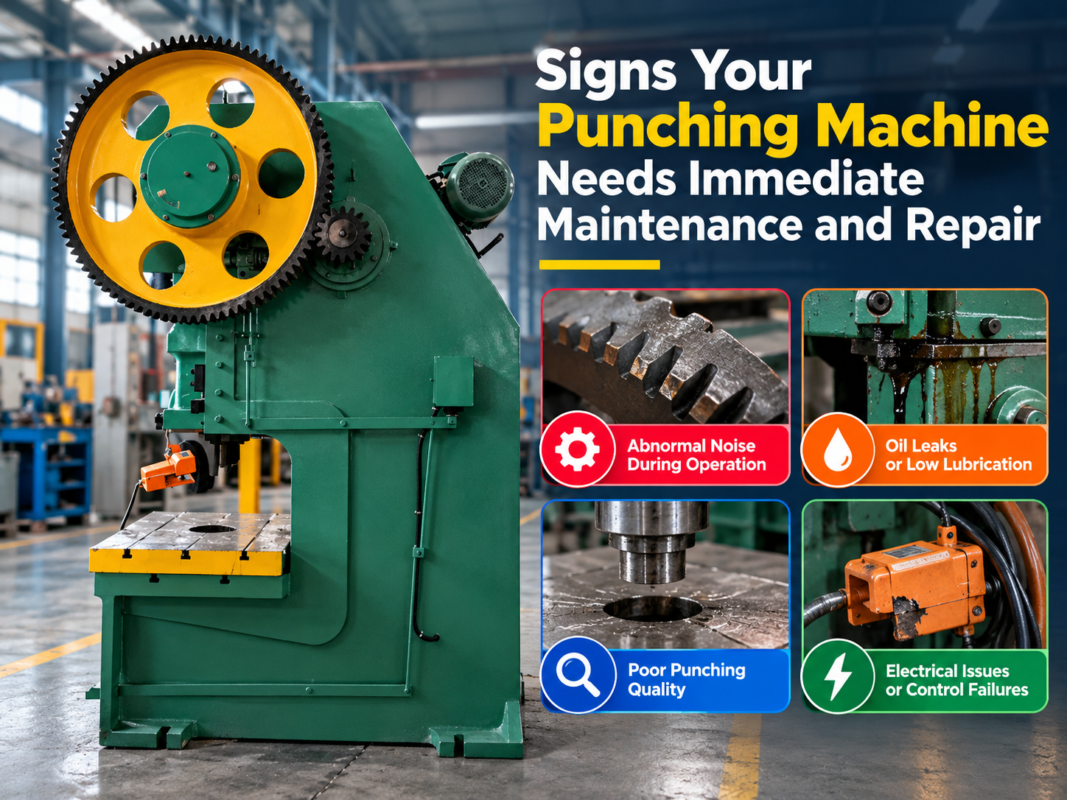
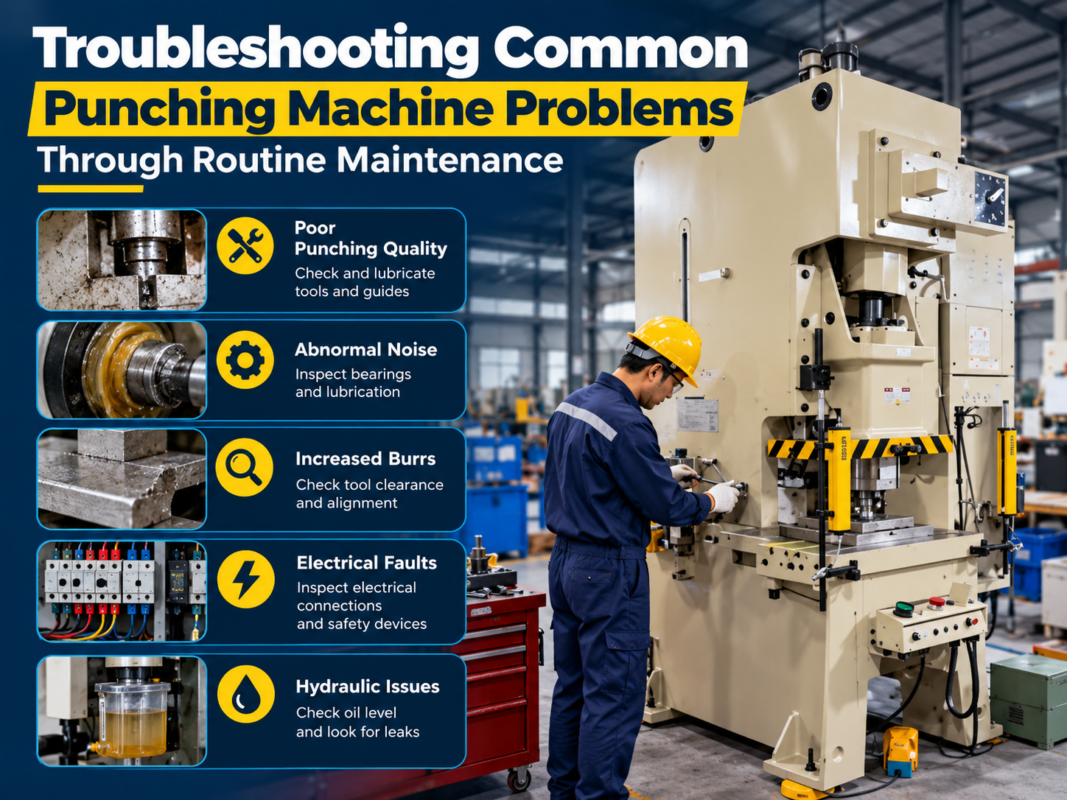
Your punching machine is constantly communicating its health through sound, vibration, and performance. Learning to interpret these signals is key to fixing common punching machine maintenance issues fast. A sudden change in the sound of the machine during the punching cycle is often the first indicator of a problem. A sharp, metallic “clack” may indicate that the punch is striking the die incorrectly, while a low-frequency rumble could suggest a bearing failure.
Vibration is another critical indicator. If the machine begins to vibrate more than usual, check the mounting bolts to ensure they are tight. If the vibration persists, inspect the drive motor and the ram assembly for signs of wear. Excessive vibration not only damages the machine but also leads to inconsistent hole quality and premature tool failure.
Performance degradation is a clear sign that something is wrong. If you notice an increase in burrs on your parts, it is likely that your punch or die is dull or misaligned. If the machine is struggling to punch through the material at its usual speed, check the hydraulic pressure or the sharpness of the tooling. Do not attempt to force the machine to work harder; this will only lead to further damage.
Error codes on the CNC controller are your most direct source of information. Never ignore an error code, even if the machine seems to be working fine after a reset. Consult the HARSLE troubleshooting manual to understand the root cause of the error. Often, these codes are early warnings of a failing sensor or a loose connection that, if addressed immediately, can prevent a complete system shutdown.
Finally, pay attention to the temperature of the machine components. If the hydraulic tank, motor, or gear housing feels excessively hot to the touch, it is a sign of internal friction or cooling failure. Use an infrared thermometer to monitor these temperatures regularly. By listening to your machine and responding to its signals, you can resolve issues before they escalate into costly repairs.
Comprehensive Maintenance Schedule Table
| Maintenance Task | Frequency | Action Required |
|---|---|---|
| Daily Inspection | Daily | Check fluid levels, safety guards, and tool alignment. |
| Lubrication | Weekly | Apply grease to all designated points and check oil levels. |
| Filter Replacement | Monthly | Replace hydraulic and air filters to ensure system cleanliness. |
| Electrical Check | Quarterly | Tighten connections and clean the control cabinet. |
| Mechanical Adjustment | Bi-Annually | Check ram guide clearance and drive belt tension. |
| Hydraulic Oil Change | Annually | Drain and replace hydraulic fluid to prevent contamination. |
| Tooling Inspection | Monthly | Inspect punches and dies for wear, chips, or dullness. |
Frequently Asked Questions (FAQ)
How often should I change the hydraulic oil in my punching machine?
Generally, hydraulic oil should be changed every 2,000 to 4,000 hours of operation, or at least once a year. However, if your machine operates in a high-dust environment or under heavy loads, you may need to change it more frequently. Always check the oil’s condition through regular analysis.
What causes excessive burrs on punched parts?
Excessive burrs are usually caused by dull tooling or incorrect clearance between the punch and the die. Ensure your tooling is sharpened regularly and that the clearance is set according to the material thickness and type you are punching.
Why is my punching machine making a loud knocking sound?
A knocking sound often indicates a mechanical issue, such as a worn bearing, loose linkage, or a misalignment in the ram assembly. Stop the machine immediately and inspect the drive train and ram guides for signs of damage or excessive play.
Can I use any grease for my punching machine?
No, you must use the specific type of lubricant recommended by the manufacturer. Using the wrong grease can lead to improper lubrication, increased friction, and potential damage to the machine’s components. Refer to your HARSLE manual for the correct specifications.
What should I do if the machine stops mid-cycle?
First, check the emergency stop buttons and safety interlocks. If those are clear, check the control panel for error codes. If the machine is stuck, do not attempt to force it. Contact a qualified technician or the HARSLE support team for guidance on how to safely clear the jam.
How do I know if my punch is dull?
A dull punch will require more force to penetrate the material, often resulting in increased noise, vibration, and burrs on the underside of the part. If you notice these symptoms, remove the punch and inspect the cutting edge for signs of rounding or chipping.