
How to Inspect a Punching Machine Before Every Production Shift: A Comprehensive HARSLE Guide


The Critical Importance of Daily Punching Machine Maintenance
In the high-stakes environment of metal fabrication, the punching machine serves as the backbone of production efficiency. Whether you are operating a high-speed turret punch or a heavy-duty hydraulic ironworker, the reliability of your equipment directly dictates your output quality and operational safety. To inspect a punching machine before every production shift is not merely a suggestion; it is a fundamental operational requirement that prevents catastrophic failures and costly downtime.
When operators fail to perform a pre-shift inspection, they risk running the machine with hidden defects that can escalate into major mechanical failures. A loose bolt, a dry lubrication point, or a slightly misaligned punch can lead to damaged workpieces, broken tooling, and, in severe cases, injury to the operator. By integrating a standardized inspection routine, HARSLE machine owners can extend the lifespan of their equipment significantly.
Furthermore, consistent maintenance practices foster a culture of safety and accountability within the workshop. When operators are trained to recognize the ‘normal’ state of their machine, they become the first line of defense against potential hazards. This proactive approach ensures that the machine remains within its optimal performance parameters, maintaining the precision tolerances required for modern industrial applications.
Finally, the economic impact of daily inspections cannot be overstated. Replacing a punch or die set is far less expensive than repairing a damaged ram or replacing a hydraulic pump that failed due to neglected fluid levels. By dedicating just ten minutes at the start of every shift to a systematic inspection, you protect your capital investment and ensure that your production schedule remains uninterrupted.
How to Inspect a Punching Machine Before Every Production Shift: The Daily Checklist
To effectively inspect a punching machine before every production shift, you must follow a structured approach that covers all critical systems. Start by performing a visual sweep of the machine’s exterior. Look for any signs of fluid leaks, loose debris, or damaged wiring that may have occurred during the previous shift. A clean machine is easier to inspect, so ensure that the workspace around the machine is free of metal scraps and oil spills.
Next, check the tooling assembly. Inspect the punch and die for signs of wear, chipping, or dullness. Even minor imperfections on the cutting edge can lead to burrs on your finished parts and excessive force requirements, which strain the machine’s drive system. Ensure that the punch is securely seated and that the die clearance is set correctly for the material thickness you are about to process.
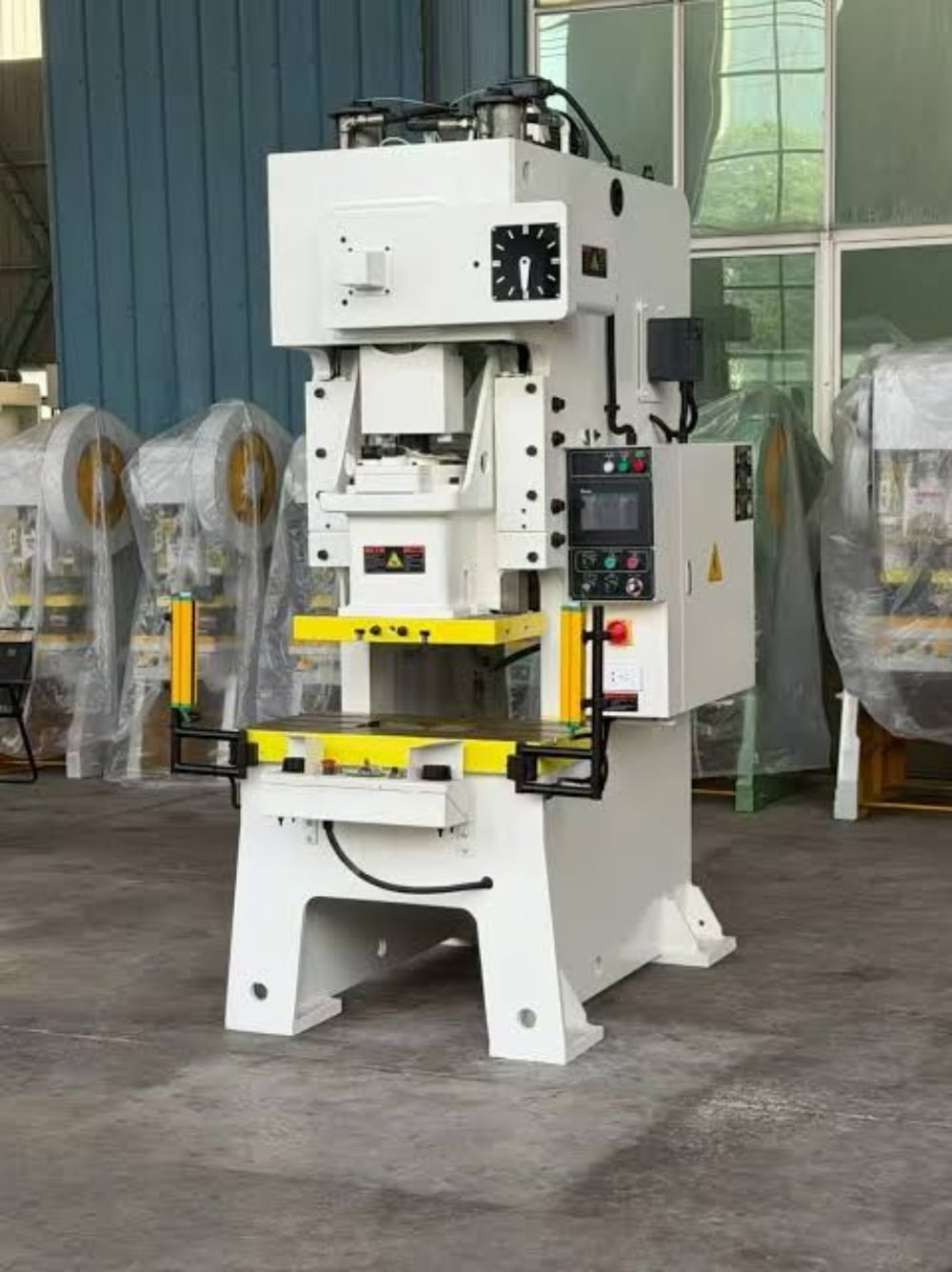
Test the emergency stop buttons and safety light curtains or physical guards. These safety systems are your primary protection against accidents. If any safety device fails to trigger an immediate stop, the machine must be locked out and tagged out until repairs are completed. Never bypass safety interlocks for the sake of speed; the risk to human life is never worth the marginal gain in production time.
Finally, verify the control panel settings. Ensure that the program loaded matches the material specifications and that all parameters, such as stroke length and pressure settings, are calibrated correctly. A quick dry run (without material) can help confirm that the machine cycle is operating smoothly and that there are no unusual noises or vibrations during the stroke.
Hydraulic, Electrical, and Mechanical System Checks
The hydraulic system is the heart of most modern punching machines. Before starting, check the hydraulic oil level in the reservoir. If the level is low, investigate the cause—leaks are common culprits. Additionally, monitor the oil temperature gauge. If the oil is too cold, the machine may require a warm-up cycle to ensure the viscosity is correct for smooth operation. Inspect all hoses and fittings for signs of weeping or bulging, which indicate impending failure.
Electrical systems require careful attention to prevent shorts and control errors. Inspect the main power cable for any signs of fraying or insulation damage. Ensure that the electrical cabinet is closed and sealed to prevent metal dust from entering, which can cause short circuits on the PLC or drive components. If you notice any flickering lights on the control panel or intermittent errors, these are early warning signs of loose connections that need immediate tightening.
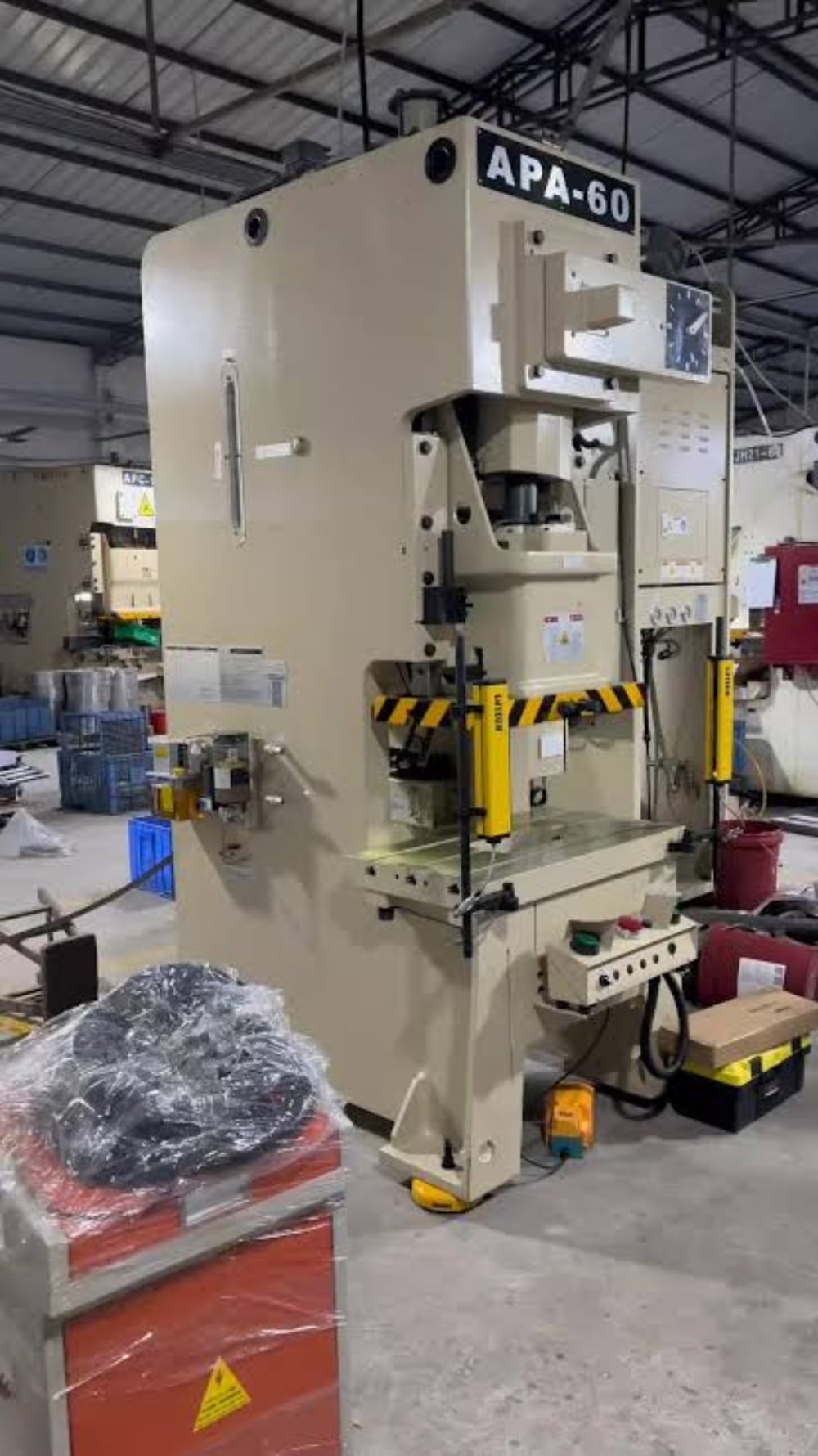
Mechanical checks should focus on the drive train and the ram assembly. Listen for any grinding or knocking sounds during the initial movement of the ram. Check the guide ways for proper lubrication and ensure there is no excessive play or ‘slop’ in the ram movement. If the machine uses a belt drive, check the tension; a loose belt can slip under load, leading to inaccurate punching and potential damage to the motor.
Lastly, examine the scrap removal system. A clogged scrap chute can cause material to back up into the die area, leading to severe damage to the punch and the machine frame. Ensure that the scrap bin is emptied and that the chute is clear of any obstructions. This simple step prevents the most common cause of tooling breakage in high-volume production environments.
The Essential Lubrication Plan
Lubrication is the lifeblood of any industrial machine. A robust lubrication plan is essential to minimize friction between moving parts, which in turn reduces heat generation and wear. Before every shift, check the automatic lubrication system reservoir. Ensure that the pump is functioning and that oil is reaching all designated points, such as the ram guides and the main drive bearings.
If your machine requires manual grease application, use the manufacturer-recommended lubricant. Over-greasing can be just as harmful as under-greasing, as it can attract dust and debris that act as an abrasive paste. Follow the HARSLE manual for specific grease types and application intervals. Keep a log of when lubrication was performed to ensure consistency across different shifts.
Pay special attention to the punch guide and the stripper plate. These areas are subject to high friction and metal-on-metal contact. Applying a thin, even coat of high-pressure lubricant to these surfaces can significantly extend the life of your tooling and improve the quality of the punched holes. Avoid using excessive oil that might drip onto the workpiece, as this can interfere with subsequent processes like powder coating or welding.
Finally, inspect the lubrication lines for any kinks or blockages. If a line is blocked, the associated bearing will run dry and fail prematurely. If you notice a specific area of the machine running hotter than usual, it is often a sign that the lubrication is not reaching that point effectively. Address these issues immediately to prevent long-term mechanical degradation.
Troubleshooting Signals: What Your Machine is Telling You
Your punching machine often provides subtle clues before a major failure occurs. Learning to interpret these signals is a key skill for any operator. Unusual noises, such as high-pitched squealing, often indicate a dry bearing or a slipping belt. A deep, rhythmic thumping sound might suggest a loose component or a misalignment in the drive train. Never ignore these sounds; they are the machine’s way of asking for help.
Vibration is another critical indicator. If you notice increased vibration during the punching cycle, check the tooling alignment and the mounting bolts. Excessive vibration can loosen electrical connections and cause fatigue cracks in the machine frame over time. Use a magnetic base dial indicator to check for any movement in the ram that shouldn’t be there.
Changes in the quality of the punched part are also diagnostic. If you notice burrs appearing on parts that were previously clean, your die clearance has likely changed or your punch has become dull. If the machine struggles to penetrate the material, it may be a sign of low hydraulic pressure or a failing pump. Treat these changes as symptoms of a deeper issue that requires investigation.
Finally, pay attention to the control panel error codes. Modern HARSLE machines are equipped with sophisticated diagnostic systems that can pinpoint the exact location of a fault. Keep a record of these codes, even if they seem minor. Recurring errors are often the precursor to a complete system shutdown. By documenting these signals, you can provide maintenance teams with the information they need to perform targeted repairs.
Preventive Maintenance Schedule Table
| Frequency | Task | Description |
|---|---|---|
| Daily | Fluid Levels | Check hydraulic oil and lubrication reservoir levels. |
| Daily | Tooling | Inspect punch/die for wear, chips, and alignment. |
| Daily | Safety | Test E-stop, light curtains, and physical guards. |
| Weekly | Cleaning | Remove metal dust from electrical cabinets and vents. |
| Weekly | Drive System | Check belt tension and motor mounting bolts. |
| Monthly | Hydraulic Filter | Inspect and replace hydraulic filters if necessary. |
| Quarterly | Calibration | Verify machine accuracy and recalibrate sensors. |
| Annually | Full Service | Professional inspection of all internal components. |
Frequently Asked Questions (FAQ)
How often should I change the hydraulic oil in my punching machine?
Generally, hydraulic oil should be changed every 2,000 to 4,000 operating hours, or once a year, depending on the intensity of use and the environment. Always refer to your specific HARSLE manual for the manufacturer’s recommended interval.
What should I do if I find a small crack in the machine frame?
Any crack in the structural frame is a serious safety issue. Stop the machine immediately, lock it out, and contact a certified technician or the HARSLE support team for a professional assessment. Do not attempt to weld it yourself without expert guidance.
Can I use any type of grease for my punching machine?
No, you must use the specific grade and type of lubricant recommended by the manufacturer. Using the wrong grease can lead to chemical incompatibility, which can damage seals and bearings.
Why is my machine making a loud banging noise during the punch cycle?
A loud banging noise often indicates that the punch is not properly aligned with the die, or that the material is not being held down firmly by the stripper plate. Check your tooling setup and ensure the stripper pressure is sufficient.
How do I know if my punch is dull?
A dull punch will require more force to penetrate the material, resulting in increased burrs on the underside of the part and a louder ‘snap’ sound when the punch breaks through the metal. If you see these signs, it is time to sharpen or replace the tool.












