
How to Reduce Press Brake Wear with Smart Preventive Maintenance


The Critical Importance of Press Brake Maintenance
In the high-stakes world of metal fabrication, the press brake is often the heartbeat of the production floor. Whether you are operating a high-speed CNC hydraulic press brake or a specialized torsion bar model, the longevity and precision of your equipment depend heavily on how well it is maintained. To reduce press brake wear smart preventive maintenance is not just a recommendation; it is a financial necessity. Neglecting routine care leads to catastrophic component failure, expensive downtime, and a significant decrease in the quality of finished parts.
Smart preventive maintenance goes beyond simply fixing things when they break. It involves a proactive strategy that utilizes data, regular inspections, and a deep understanding of the machine’s mechanical and hydraulic limits. By implementing a rigorous maintenance protocol, fabricators can extend the lifespan of their HARSLE machines by years, ensuring that every bend remains accurate to the millimeter. This guide explores the multifaceted approach required to keep your press brake in peak condition, focusing on the synergy between mechanical integrity and hydraulic efficiency.
Furthermore, the cost of reactive maintenance—repairing a machine after a failure—is typically three to five times higher than the cost of preventive maintenance. When a press brake fails during a critical production run, the losses include not only the repair costs but also the lost labor hours, missed deadlines, and potential damage to the company’s reputation. By prioritizing a “smart” approach, operators can identify wear patterns before they lead to failure, allowing for scheduled repairs that do not disrupt the primary production flow.
Finally, safety is a paramount concern. A well-maintained press brake is a safe press brake. Worn components, leaking hydraulic fluid, or frayed electrical wires pose significant risks to operators. Smart preventive maintenance ensures that all safety systems, from light curtains to emergency stop buttons, are functioning correctly, providing a secure environment for the workforce while maximizing the machine’s output.
Daily Inspection: The First Line of Defense
The most effective way to reduce press brake wear smart preventive maintenance starts with the operator’s daily routine. Before the first bend of the shift, a comprehensive visual and functional inspection must be performed. This daily habit allows operators to catch minor issues—such as a loose bolt or a small oil weep—before they escalate into major mechanical failures. The daily check should begin with a thorough cleaning of the machine’s working area, removing any metal dust, scale, or debris that could interfere with the movement of the ram or the backgauge.
Operators should pay close attention to the condition of the tooling. Inspect the punches and dies for chips, cracks, or excessive wear. Even minor imperfections in the tooling can lead to inconsistent bend angles and increased stress on the machine’s hydraulic system. If the tooling is damaged, it must be replaced or refurbished immediately. Additionally, the bed and the ram surfaces should be wiped down to ensure there is no grit that could score the metal surfaces during the bending process.
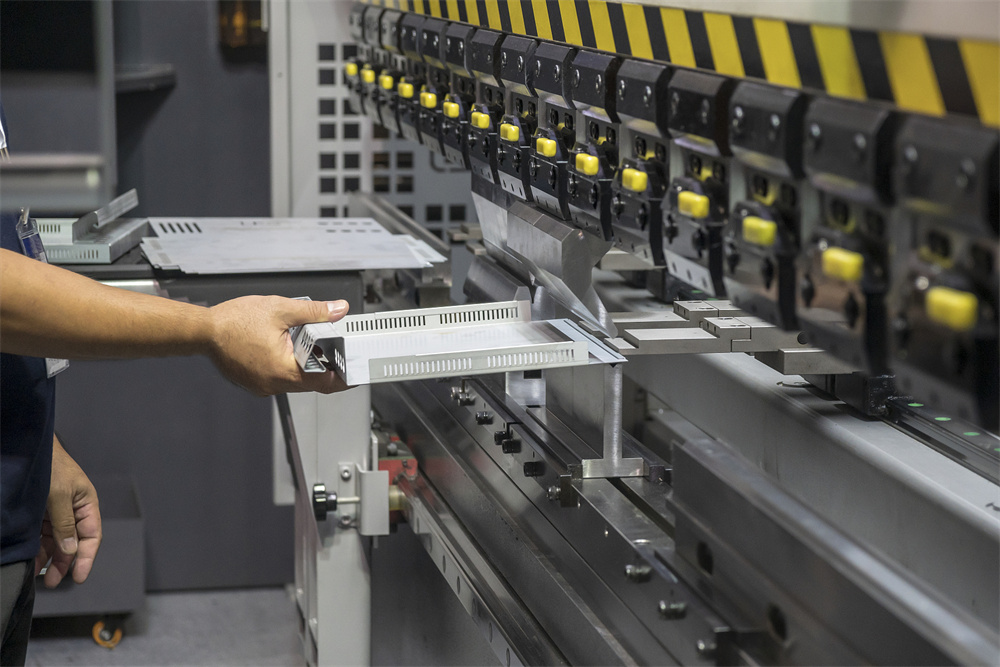
Functional tests are equally important. The operator should cycle the machine through its full range of motion without a workpiece to ensure that the ram moves smoothly and that there are no unusual noises or vibrations. Check the operation of the foot pedal and the hand controls. Verify that the emergency stop buttons and light curtains are fully operational. If the machine is equipped with a CNC controller, ensure that the software boots correctly and that there are no error messages displayed on the screen.
Lastly, check the hydraulic oil level and the pressure gauges. While a deep dive into the hydraulic system is reserved for weekly or monthly checks, a quick glance at the oil sight glass can prevent the pump from running dry. If the oil appears cloudy or dark, it may indicate contamination or overheating, which should be reported to the maintenance department immediately. By documenting these daily checks in a logbook, the facility creates a historical record that can be invaluable for troubleshooting future issues.
Hydraulic, Electrical, and Mechanical System Checks
Hydraulic System Integrity
The hydraulic system is the muscles of the press brake. To reduce press brake wear smart preventive maintenance, the hydraulic oil must be kept clean and at the correct temperature. Over time, hydraulic oil breaks down and becomes contaminated with microscopic metal particles and moisture. This contamination acts like sandpaper, wearing down the internal seals of the cylinders and the precision components of the valves. It is recommended to change the hydraulic filters every 1,000 to 2,000 hours of operation, depending on the environment.
Temperature control is another critical factor. If the hydraulic oil gets too hot (typically above 60°C or 140°F), its viscosity drops, leading to poor lubrication and increased wear on the pump. Ensure that the cooling fans or heat exchangers are clean and functioning. Check all hoses and fittings for signs of leaks or bulging. A small leak is not just a mess; it is a sign of a failing seal or a loose connection that could lead to a sudden loss of pressure during a high-tonnage bend.
Electrical System and CNC Controller
Modern HARSLE press brakes rely on sophisticated electronics to achieve high precision. The electrical cabinet should be inspected monthly for dust accumulation, which can cause overheating and short circuits. Use a vacuum or low-pressure compressed air to clean the components, but be careful not to dislodge any wiring. Check all terminal connections to ensure they are tight, as vibrations from the machine can loosen them over time.
The CNC controller is the brain of the operation. Ensure that the cooling fans for the controller are working and that the filters are clean. It is also wise to back up your programs and parameters regularly. Software updates provided by HARSLE should be applied to take advantage of performance improvements and bug fixes. If the machine uses encoders or linear scales for positioning, ensure they are clean and that the cables are not pinched or frayed, as these components are vital for the accuracy of the Y1 and Y2 axes.
Mechanical Components and Alignment
The mechanical structure of the press brake, including the frame, the ram, and the backgauge, must remain perfectly aligned. Check the gibs—the guides that control the ram’s movement—for proper clearance. If the gibs are too tight, they will cause excessive friction and heat; if they are too loose, the ram will tilt, leading to inaccurate bends and uneven wear on the cylinders. Lubricate the gibs according to the manufacturer’s specifications.
The backgauge system is another area prone to mechanical wear. The ball screws and linear guides of the backgauge should be inspected for play and properly lubricated. If the backgauge becomes misaligned, the flange lengths of your parts will be inconsistent. Periodically check the parallelism of the backgauge fingers to the center of the die. Any deviation should be corrected through the CNC controller’s calibration settings or mechanical adjustment.
The Ultimate Lubrication Plan
Lubrication is the single most effective way to reduce press brake wear smart preventive maintenance. Without a proper lubrication film, metal-on-metal contact will quickly destroy the precision surfaces of your machine. A “smart” lubrication plan involves using the right type of lubricant, in the right amount, at the right intervals. Most HARSLE press brakes utilize a combination of grease for heavy-load mechanical parts and oil for high-speed sliding components.
Focus on the following critical lubrication points:
- Ball Screws and Linear Guides: These components allow the backgauge to move with precision. Use a high-quality lithium-based grease to prevent oxidation and wear.
- Ram Gibs: These require frequent lubrication to ensure the ram slides smoothly against the frame. Many modern machines feature automatic lubrication systems; ensure the reservoir is always full.
- Pivot Points and Bearings: On torsion bar machines, the pivot points of the linkage system must be greased to prevent binding.
- Main Cylinders: While the internal parts are lubricated by hydraulic oil, the external mounting points and spherical bearings require manual greasing.
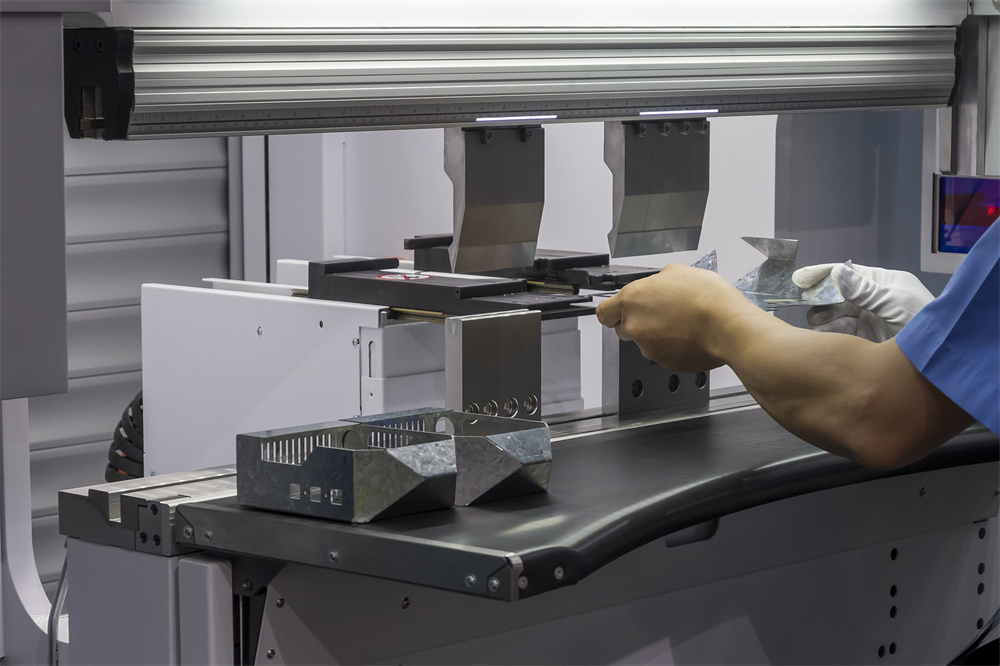
A smart plan also includes monitoring the automatic lubrication system. Do not assume that because the machine has an auto-lube system, everything is fine. Check the lines for blockages and ensure that grease is actually reaching the intended points. Over-lubrication can be just as harmful as under-lubrication, as excess grease can attract metal dust and create an abrasive paste that accelerates wear. Always follow the specific lubricant grades recommended in your HARSLE manual.
Troubleshooting Signals: Listening to Your Machine
Experienced operators can often “feel” when a machine is starting to wear down. To reduce press brake wear smart preventive maintenance, you must train your staff to recognize the early warning signs of trouble. These signals are the machine’s way of asking for attention before a breakdown occurs. Common troubleshooting signals include:
- Unusual Noises: Squealing, grinding, or clicking sounds often indicate a lack of lubrication or a failing bearing. A high-pitched whine from the hydraulic pump may suggest cavitation or air in the system.
- Excessive Heat: If the hydraulic tank or the motor feels excessively hot to the touch, the system is working too hard, likely due to a blockage, internal leak, or cooling failure.
- Inconsistent Bending: If the bend angle varies from one end of the part to the other, or from part to part, it indicates a problem with the ram parallelism, cylinder seals, or frame deflection compensation (crowning system).
- Vibration: Excessive vibration during the bending cycle can indicate loose mounting bolts or an unbalanced motor.
- Drifting Ram: If the ram slowly creeps down when the machine is stopped, it is a clear sign of internal leakage in the hydraulic valves or cylinder seals.
When any of these signals are detected, the machine should be inspected immediately. Ignoring a small vibration today can lead to a cracked frame or a blown hydraulic line tomorrow. Smart maintenance involves a “zero-tolerance” policy for unusual machine behavior.
Comprehensive Maintenance Schedule Table
To effectively reduce press brake wear smart preventive maintenance, follow this structured schedule. This table serves as a baseline for HARSLE press brake owners to ensure no critical task is overlooked.
| Frequency | Task Category | Action Item |
|---|---|---|
| Daily | Cleaning | Wipe down ram, bed, and tooling; remove debris from backgauge. |
| Daily | Safety | Test light curtains, E-stops, and foot pedal functionality. |
| Daily | Hydraulics | Check oil level and look for visible leaks around fittings. |
| Weekly | Lubrication | Manually grease backgauge ball screws and linear guides. |
| Weekly | Mechanical | Inspect tooling for wear; check tightness of die clamps. |
| Monthly | Electrical | Clean electrical cabinet filters; check for loose wiring. |
| Monthly | Hydraulics | Check oil temperature during operation; inspect hoses for wear. |
| Quarterly | Alignment | Verify ram parallelism and backgauge calibration. |
| Semi-Annually | Hydraulics | Perform oil analysis; replace hydraulic filters. |
| Annually | General | Complete hydraulic oil change; professional structural inspection. |
Frequently Asked Questions (FAQ)
How often should I change the hydraulic oil in my press brake?
For most HARSLE machines, a full hydraulic oil change is recommended every 2,000 to 4,000 hours of operation, or at least once every two years. However, if the machine operates in a dusty or high-heat environment, you should perform an oil analysis every six months to determine if the oil is still viable. Changing filters more frequently (every 1,000 hours) can significantly extend the life of the oil itself.
What is the best way to clean press brake tooling?
Tooling should be cleaned with a non-corrosive solvent and a soft cloth. Avoid using abrasive pads that could scratch the precision-ground surfaces. After cleaning, apply a light coat of rust-preventative oil. Proper storage on a dedicated tool rack is also essential to prevent nicks and dings that occur when tools are left on the floor or stacked haphazardly.
Why is my press brake losing its bend accuracy over time?
Loss of accuracy is usually a result of cumulative wear in several areas: worn tooling, loose gibs, or internal leakage in the hydraulic cylinders. It can also be caused by the “settling” of the machine’s foundation. Regular calibration of the Y1 and Y2 axes via the CNC controller and ensuring the crowning system is functioning correctly will help maintain precision. To reduce press brake wear smart preventive maintenance, you must address these small deviations as soon as they are detected.
Can I use any type of grease for the backgauge?
No. You should always use the lubricant specified in your HARSLE manual. Typically, a high-quality EP2 (Extreme Pressure) lithium grease is used for ball screws and linear guides. Using the wrong grease can lead to gumming, which increases friction and can eventually burn out the backgauge drive motors.
How do I know if my hydraulic seals are failing?
The most obvious sign is external oil leakage around the ram. However, internal seal failure is harder to spot. Signs include the ram “drifting” downwards when the pump is off, the machine failing to reach full tonnage, or the hydraulic oil heating up much faster than usual due to internal bypass friction. If you suspect seal failure, it is best to have a professional technician inspect the cylinders to prevent damage to the cylinder walls.
Conclusion: The Path to Long-Term Efficiency
Implementing a strategy to reduce press brake wear smart preventive maintenance is the hallmark of a professional fabrication shop. By treating your HARSLE press brake with the care it deserves, you ensure that it remains a reliable asset for decades. From the daily discipline of cleaning and inspection to the technical rigor of hydraulic oil analysis and electrical cabinet maintenance, every step contributes to a more efficient, safer, and more profitable operation.
Remember that maintenance is an investment, not an expense. The time spent greasing a ball screw or checking a filter is a fraction of the time lost to an unexpected breakdown. By following the guidelines outlined in this guide, you can maximize the uptime of your equipment, maintain the highest levels of precision, and ensure that your HARSLE press brake continues to deliver the performance your business depends on. Stay proactive, stay disciplined, and your machinery will reward you with years of trouble-free service.












