How to Fix Inconsistent Laser Cutting Depth in Industrial Cutting Machines: A Comprehensive HARSLE Guide


Introduction
In the high-precision world of metal fabrication, the consistency of your output is the hallmark of quality. When you operate a high-performance Laser Cutting Machine, the expectation is a uniform, clean cut across every sheet of metal. However, operators often encounter the frustrating challenge of uneven penetration, where the laser fails to maintain a steady depth. Learning how to fix inconsistent laser cutting depth in industrial cutting machines is essential for maintaining production efficiency, reducing material waste, and ensuring the longevity of your equipment.
At HARSLE, we understand that even the most advanced fiber laser systems can experience fluctuations due to environmental factors, optical degradation, or software settings. Inconsistent depth is rarely caused by a single catastrophic failure; rather, it is usually a cumulative effect of minor deviations in the beam path, gas pressure, or focal alignment. This guide serves as a technical roadmap for maintenance teams and machine operators to diagnose and rectify these issues systematically.
Addressing these inconsistencies requires a methodical approach. By examining the entire signal chain—from the laser source and delivery optics to the CNC controller and the material itself—you can isolate the root cause. Whether you are working with thin-gauge stainless steel or thick carbon plates, the principles of beam stability remain constant. Let’s dive into the technical nuances of restoring your machine to peak performance.
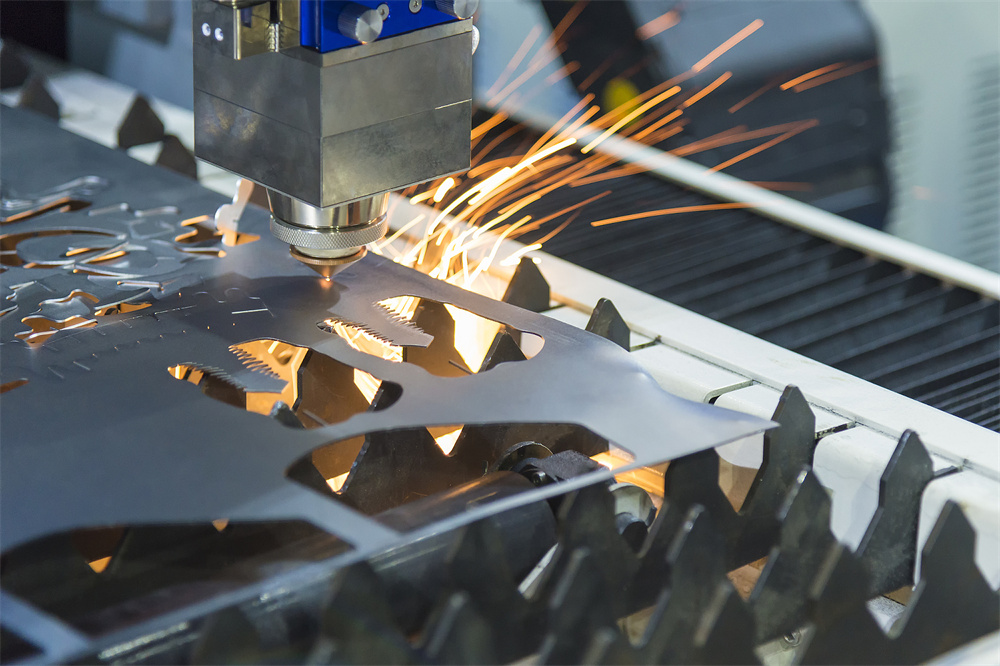
Key Considerations for Laser Stability
Before diving into complex mechanical repairs, it is vital to consider the environmental and operational variables that influence laser performance. The most common culprit for inconsistent cutting depth is often external to the laser source itself. Ambient temperature fluctuations, for instance, can cause the machine frame to expand or contract slightly, affecting the alignment of the laser head relative to the workpiece.
Power supply stability is another critical factor. Industrial laser cutting machines require a clean, consistent electrical input. Voltage spikes or drops can cause the laser resonator to fluctuate in output power, leading to inconsistent penetration. Installing a high-quality voltage stabilizer or an uninterruptible power supply (UPS) is a standard recommendation for facilities experiencing grid instability. Ensuring that your facility’s power infrastructure meets the manufacturer’s specifications is the first step in troubleshooting.
Material quality and surface preparation also play a significant role. If the metal sheet has inconsistent thickness, heavy oxidation, or surface coatings like oil or rust, the laser beam will react differently at various points on the sheet. Always ensure that your raw materials are stored in a climate-controlled environment and that they meet the grade specifications required for your specific laser power rating. A dirty or uneven surface will inevitably lead to depth variations.
Finally, consider the role of the cooling system. Fiber lasers generate significant heat, and if the chiller is not maintaining the laser source at the optimal temperature, the beam quality will degrade. Check the chiller’s coolant levels, filter cleanliness, and flow rate regularly. If the laser source is overheating, the internal electronics will throttle the power output to protect the hardware, resulting in a noticeable drop in cutting depth during long production runs.
Technical Details: Troubleshooting the Beam Path
When you need to fix inconsistent laser cutting depth in industrial cutting machines, the optical path is the most likely area of concern. The laser beam travels through a series of mirrors or fiber cables before reaching the cutting head. Any contamination on these surfaces—such as dust, smoke residue, or oil—will absorb laser energy, causing the optics to heat up and distort the beam profile. This distortion directly impacts the focal point and the depth of the cut.
Start by inspecting the protective lens in the cutting head. This is the final barrier between the laser and the harsh environment of the cutting zone. If the protective lens is pitted or covered in debris, the beam will scatter, losing its intensity before it hits the metal. Clean the lens according to the manufacturer’s instructions using high-purity lens cleaning solution and lint-free wipes. If the lens shows signs of permanent damage or ‘burn-in,’ replace it immediately to restore beam integrity.
Next, evaluate the focal position. The focal point must be perfectly aligned with the material thickness. If your machine uses an auto-focus cutting head, verify that the software settings match the physical position of the lens. A slight deviation in focal length can result in a beam that is too wide or too diffuse, preventing it from penetrating the material fully. Use a ‘burn test’ on a piece of acrylic or scrap metal to visualize the beam profile and ensure it is perfectly circular and centered.
Gas pressure and nozzle alignment are equally critical. The assist gas (Oxygen, Nitrogen, or Compressed Air) is responsible for blowing molten metal out of the kerf. If the nozzle is misaligned, the gas flow will be turbulent rather than laminar, preventing the laser from reaching the bottom of the cut. Check the nozzle centering regularly using a centering tool. Additionally, ensure that the gas pressure is consistent throughout the entire cutting cycle; a faulty pressure regulator can cause the gas flow to drop, leading to incomplete cuts.
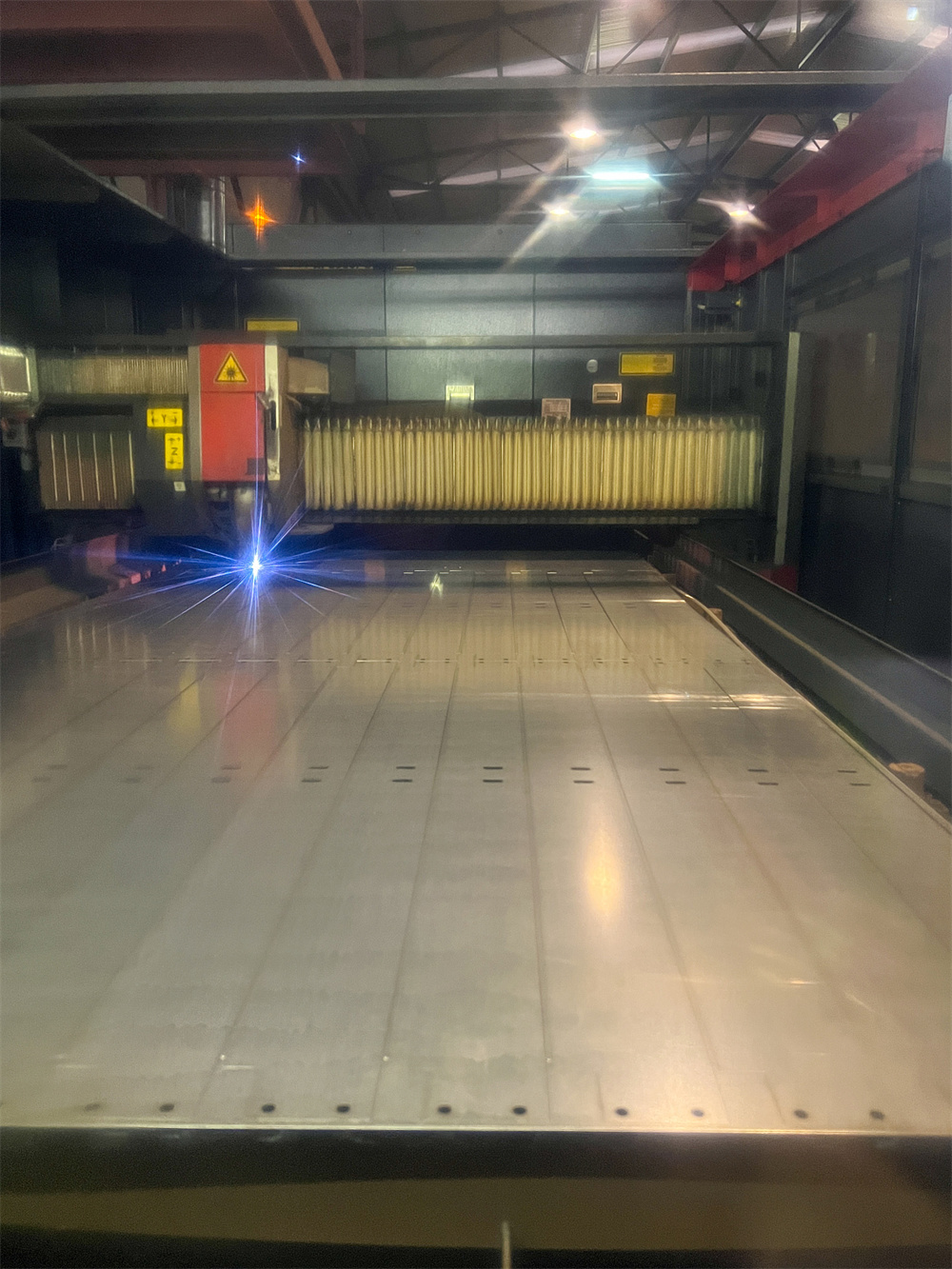
Selection Advice: Choosing the Right Equipment
When investing in new metal fabrication equipment, preventing inconsistent cutting depth starts at the procurement stage. Not all laser cutting machines are built to the same standard of thermal stability and optical precision. When selecting a machine, look for manufacturers that prioritize rigid frame construction and high-quality motion control systems. A machine that vibrates during operation will never produce a consistent cut, regardless of how powerful the laser source is.
Consider the laser source technology. Fiber lasers are generally more stable and require less maintenance than older CO2 systems, but they still require high-quality beam delivery components. Ask the manufacturer about the quality of the fiber optic cables and the cooling system integration. A machine with an intelligent, real-time monitoring system that tracks laser power and focal position can alert the operator to potential inconsistencies before they result in scrapped parts.
Evaluate the software capabilities. Modern CNC controllers for laser machines often include advanced features like ‘power ramping’ and ‘frequency modulation’ that adjust the laser output based on the cutting speed and geometry. These features are invaluable for maintaining consistent depth when cutting complex shapes with tight corners, where the machine must decelerate. A machine with robust software support will make it much easier to fix inconsistent laser cutting depth in industrial cutting machines by allowing for precise parameter tuning.
Finally, consider the after-sales support and training provided by the manufacturer. HARSLE, for example, provides comprehensive training on machine calibration and maintenance. Having access to a knowledgeable technical support team can save hundreds of hours of troubleshooting. When comparing machines, prioritize vendors who offer detailed maintenance manuals, remote diagnostic capabilities, and readily available spare parts.
FAQ: Common Questions
Why does my laser cut deeper in some areas than others?
This is usually caused by a dirty protective lens, an unstable gas pressure supply, or a slight misalignment of the laser head. Check your optics first, then verify that your assist gas pressure is remaining constant during the entire cut.
How often should I clean the optics?
The frequency depends on your production volume and the materials you cut. In high-production environments, the protective lens should be inspected daily. The internal mirrors or fiber delivery components should be checked during your scheduled monthly maintenance.
Can software settings cause inconsistent depth?
Yes. If your cutting parameters (speed, power, frequency, and duty cycle) are not optimized for the material thickness, the laser may not penetrate consistently. Ensure your cutting database is updated for the specific material grade and thickness you are currently processing.
What is the role of the chiller in cutting depth?
The chiller maintains the laser source at a stable operating temperature. If the laser source gets too hot, its efficiency drops, which directly reduces the power delivered to the material, leading to shallower cuts.
Is it possible that the material is the problem?
Absolutely. If the metal sheet has inconsistent thickness or heavy surface oxidation, the laser will struggle to maintain a uniform cut. Always use high-quality, clean material to ensure the best results.
Conclusion
Mastering the art of consistent laser cutting is a journey of precision and maintenance. When you face the challenge of how to fix inconsistent laser cutting depth in industrial cutting machines, remember that the solution lies in a systematic review of your optics, gas delivery, power stability, and software parameters. By keeping your equipment clean, your environment controlled, and your parameters optimized, you can achieve the high-quality results that your clients demand.
At HARSLE, we are committed to providing the metal fabrication industry with the tools and knowledge necessary to excel. A well-maintained laser cutting machine is not just a piece of equipment; it is a reliable partner in your production success. If you continue to experience issues after performing these checks, do not hesitate to reach out to our technical support team for a deeper diagnostic. Consistent quality is the foundation of your reputation, and we are here to help you maintain it.
Regular maintenance schedules, operator training, and a proactive approach to troubleshooting will ensure that your laser cutting operations remain efficient and profitable. Invest the time in understanding your machine’s unique requirements, and you will be rewarded with years of reliable, high-precision performance. Whether you are a small job shop or a large-scale manufacturer, the principles outlined in this guide will help you keep your production line moving smoothly and your cuts perfectly consistent.