Guillotine Shearing Machine vs Swing Beam Shearing Machine: Key Differences Explained


Comparison Summary: Understanding the Shearing Landscape
In the world of metal fabrication, the ability to cut sheet metal with precision, speed, and minimal distortion is paramount. For decades, two primary technologies have dominated the market: the Guillotine Shearing Machine and the Swing Beam Shearing Machine. While both utilize hydraulic power to drive a hardened blade through metal, their mechanical approach, precision levels, and application suitability differ significantly. Choosing the wrong machine can lead to material waste, increased maintenance costs, and suboptimal production cycles.
The Guillotine Shearing Machine is often regarded as the high-precision powerhouse of the industry. It utilizes a vertical sliding motion, allowing for an adjustable rake angle. This flexibility makes it ideal for shops handling a wide range of material thicknesses, from thin decorative sheets to heavy structural plates. Conversely, the Swing Beam Shearing Machine employs a circular arc movement. It is prized for its simplicity, structural rigidity, and cost-effectiveness. It is the workhorse of general fabrication shops where high-volume cutting of standard thicknesses is the primary goal.
HARSLE, a leader in metal fabrication machinery, provides both technologies to meet diverse industrial needs. Understanding the nuances between these two machines involves looking at the physics of the cut, the longevity of the blades, and the long-term return on investment. This guide provides an exhaustive breakdown of these differences to help fabricators make an informed decision for their facility.
Guillotine Shearing Machine Overview: Precision and Versatility
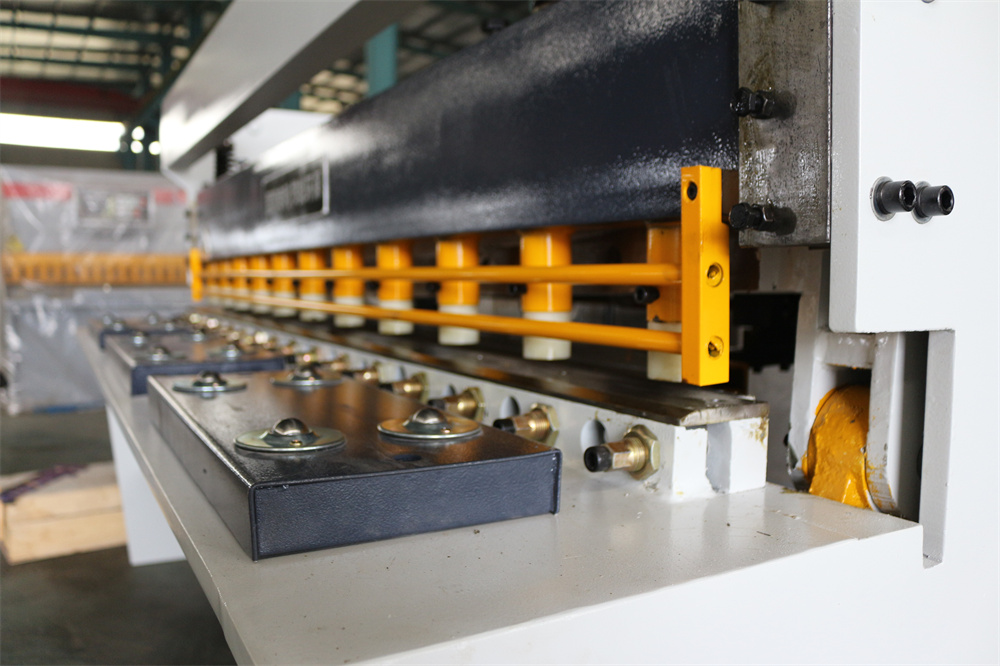
The Hydraulic Guillotine Shearing Machine is engineered for maximum accuracy. Its defining characteristic is the vertical movement of the upper blade beam. Unlike the swing beam, which moves in an arc, the guillotine blade moves straight down. This linear motion is supported by high-precision guides that ensure the blade remains perfectly aligned throughout the stroke. This design is particularly beneficial when cutting thick materials or when the edge quality is a critical requirement for downstream processes like welding or assembly.
One of the most significant advantages of the Guillotine Shearing Machine is the Adjustable Rake Angle. The rake angle is the angle of the upper blade relative to the lower blade. In a guillotine shear, the operator can increase the angle for thicker materials to reduce the required shearing force, or decrease the angle for thinner materials to prevent the “twisting” or “bowing” effect. This versatility ensures that a single machine can produce high-quality cuts across a broad spectrum of gauges without compromising the integrity of the metal.
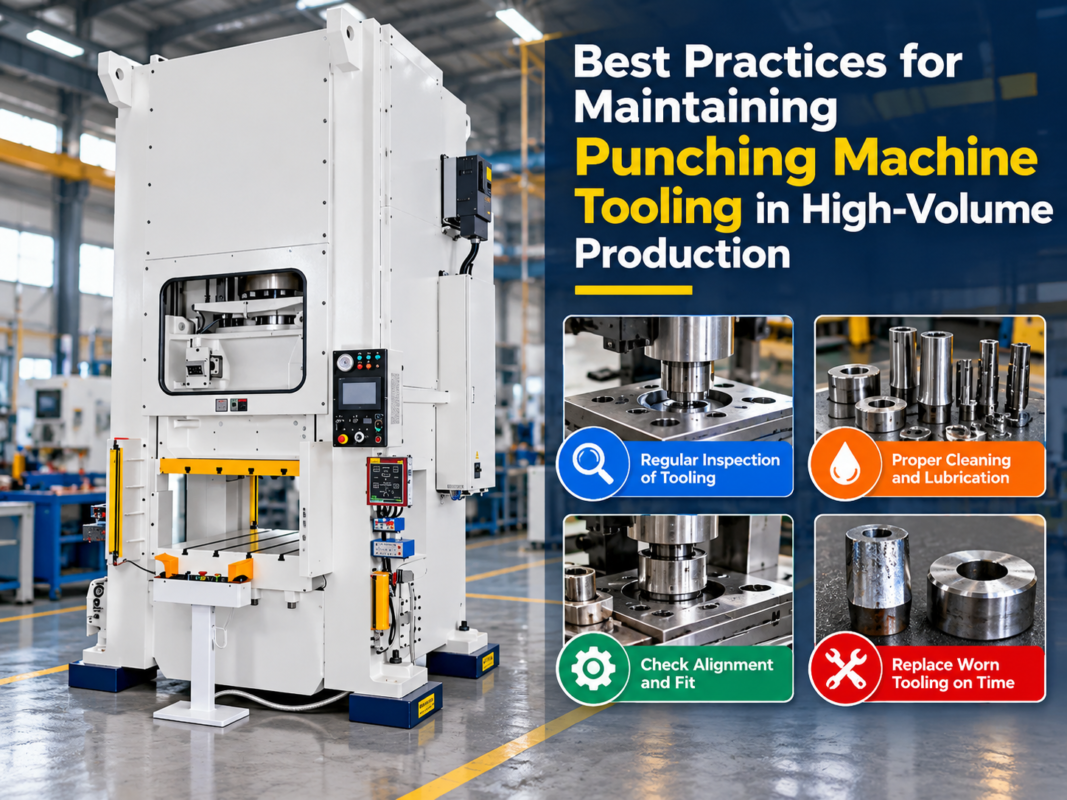
Furthermore, Guillotine shears typically feature a four-sided rectangular blade. Because the blade moves vertically, all four edges of both the top and bottom blades can be used before the blades require professional regrinding. This effectively doubles the blade life compared to swing beam machines, which often use two-sided blades for the upper beam. For high-production environments, this translates to significantly lower tooling costs over the lifespan of the machine.
HARSLE’s Guillotine models often come equipped with advanced CNC controllers, such as the Delem DAC-360T. These systems automate the adjustment of the blade gap and the rake angle based on the material type and thickness entered by the operator. This automation reduces human error and ensures that every cut is optimized for the specific material at hand, further cementing the guillotine’s reputation as the go-to choice for precision-oriented fabrication.
Swing Beam Shearing Machine Overview: Durability and Efficiency
The Hydraulic Swing Beam Shearing Machine is the most common type of shear found in general fabrication shops. Its operation is based on a pivot point; the upper blade beam moves in a circular arc (or “swings”) to perform the cut. This mechanical simplicity is its greatest strength. With fewer moving parts and a robust frame designed to handle the stresses of the arc motion, swing beam shears are incredibly durable and require less frequent calibration than their guillotine counterparts.
Because the blade moves in an arc, the rake angle on a swing beam shear is fixed. While this limits the machine’s ability to minimize distortion on very thin materials, it simplifies the operation significantly. For standard thicknesses (typically up to 12mm or 16mm), the fixed rake angle provides a consistent, reliable cut. The swing beam design also naturally allows the cut piece to fall away from the blade more easily, reducing the risk of material jamming or “wedging” between the blades.
Maintenance on a swing beam machine is generally more straightforward. The pivot points are heavy-duty and designed for long-term use with minimal lubrication. However, it is important to note that the upper blade on a swing beam shear is usually slightly curved or designed with only two cutting edges to accommodate the arc motion. While this means blades are rotated more frequently than on a guillotine, the initial cost of the machine is lower, making it an attractive option for startups or shops where the highest level of precision is not the primary concern.
HARSLE Swing Beam shears, such as the QC12Y series, are known for their rigid monoblock steel frames. These machines are built to withstand the rigors of daily use in demanding environments. They often feature the E21S controller, which provides simple yet effective control over the backgauge position and stroke counting. For many fabricators, the combination of a lower price point and high reliability makes the swing beam the logical choice for their production line.
Specification Comparison Table
| Feature | Guillotine Shearing Machine | Swing Beam Shearing Machine |
|---|---|---|
| Blade Movement | Vertical Linear Slide | Circular Arc (Swing) |
| Rake Angle | Adjustable (0.5° – 3°) | Fixed |
| Blade Edges | 4 Edges (Top & Bottom) | 2 Edges (Top), 4 Edges (Bottom) |
| Cutting Precision | High (Minimal Distortion) | Standard |
| Material Thickness | Excellent for all ranges | Best for light to medium gauges |
| Blade Gap Adjustment | CNC/Motorized (Highly Accurate) | Manual or Motorized |
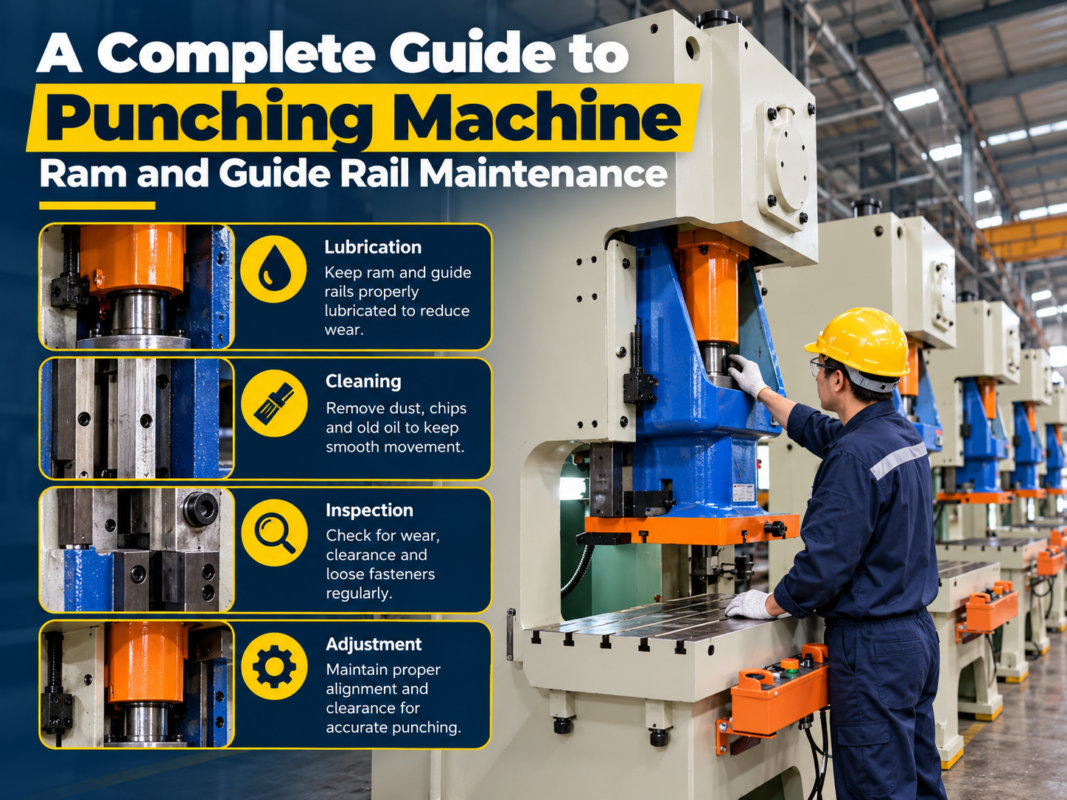
| Maintenance Complexity | Moderate (Requires guide rail care) | Low (Simple pivot design) |
| Initial Cost | Higher | Lower |
Best-fit Applications: Choosing the Right Tool for the Job
Determining which machine is “better” depends entirely on the specific needs of your fabrication shop. The Guillotine Shearing Machine is the clear winner for industries that demand high precision and aesthetic perfection. For example, in the production of stainless steel kitchen equipment or elevator panels, even a slight twist in the metal can result in a rejected part. The ability to lower the rake angle on a guillotine shear ensures that thin, expensive materials remain perfectly flat after the cut.
In contrast, the Swing Beam Shearing Machine is ideal for structural steel fabrication, base plate production, and general job shops. If you are primarily cutting carbon steel for brackets, frames, or construction components where a 1-2 degree deviation in flatness is acceptable, the swing beam offers a faster return on investment. Its ability to handle high-volume, repetitive tasks with minimal downtime makes it a favorite for heavy-duty industrial applications.
Another factor to consider is the length of the material. Guillotine shears are often preferred for very long cuts (over 4 meters) because the vertical guides provide better support across the entire length of the beam, preventing the “bowing” that can occur in the middle of a long swing beam. However, for standard 2.5-meter or 3-meter sheets, both machines perform admirably. Fabricators should also consider the frequency of material changes; if you switch between 1mm aluminum and 10mm steel multiple times a day, the automated adjustments of a CNC guillotine will save hours of setup time.
Cost and Maintenance Comparison
From a financial perspective, the Swing Beam Shearing Machine has a lower barrier to entry. The manufacturing process for the swing beam frame and hydraulic system is less complex, which is reflected in the purchase price. For a small to medium-sized workshop, this cost saving can be allocated toward other essential tools like press brakes or laser cutters. Maintenance is also cheaper in the short term, as there are fewer precision-ground surfaces to maintain.
However, the Guillotine Shearing Machine offers lower long-term operational costs in specific scenarios. The four-sided blades mean you spend half as much on blade sharpening and replacement over time. Additionally, the reduced material distortion means less scrap and less time spent “fixing” parts that were warped during the shearing process. If your shop handles high-value materials like copper, brass, or polished stainless steel, the guillotine’s precision will pay for itself through material savings alone.
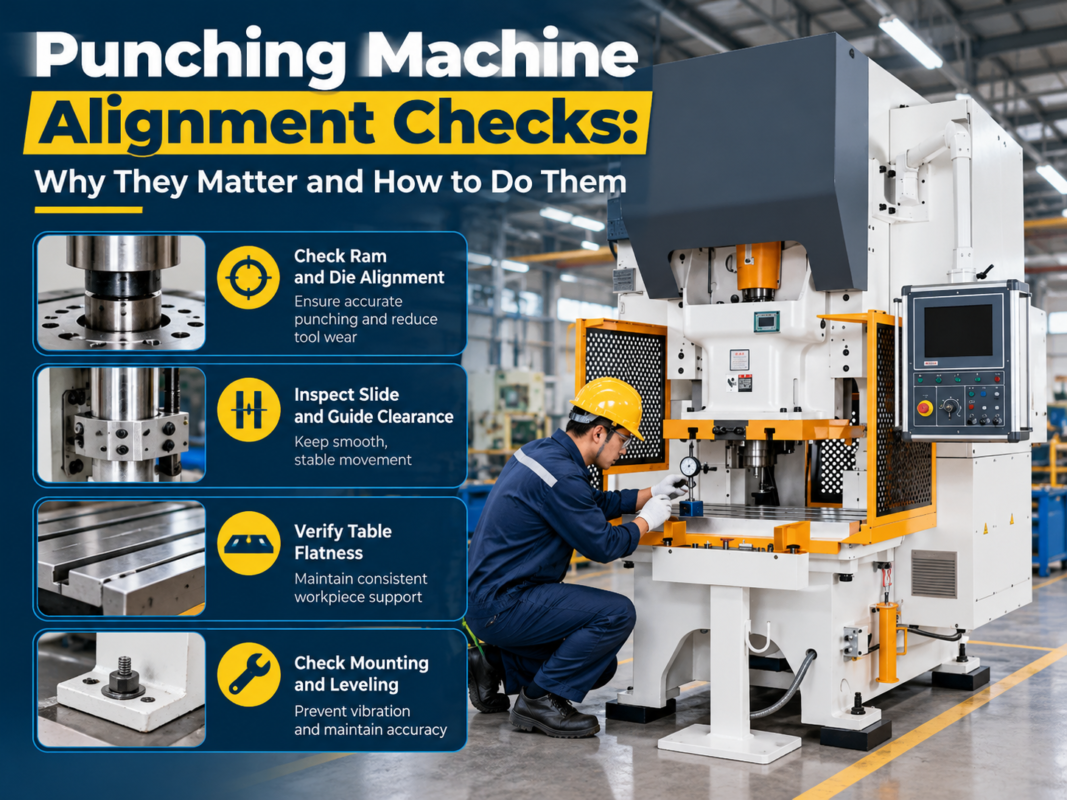
Maintenance for a guillotine involves keeping the vertical slide guides lubricated and checking the hydraulic synchronization. Modern HARSLE machines utilize high-quality components from brands like Bosch-Rexroth and Schneider Electric, which significantly extends the mean time between failures (MTBF) for both machine types. Regardless of the choice, a consistent maintenance schedule—including oil filtration and blade gap checks—is essential for preserving the machine’s accuracy.
Recommendation: The HARSLE Perspective
At HARSLE, we recommend the Guillotine Shearing Machine for customers who prioritize versatility and precision. If your business model involves high-end contract manufacturing or working with a wide variety of metal grades and thicknesses, the guillotine is a future-proof investment. It provides the control necessary to meet the most stringent industry standards and reduces the need for secondary flattening processes.
We recommend the Swing Beam Shearing Machine for customers focused on high-volume production of standard parts. It is the ideal “workhorse” for shops that need a reliable, easy-to-operate machine that can run multiple shifts with minimal fuss. It is particularly well-suited for the construction, shipbuilding, and heavy machinery industries where durability and throughput are the primary metrics of success.
Ultimately, the decision should be based on a thorough analysis of your current production data and your five-year growth plan. Consider the maximum thickness you will cut, the level of distortion your customers will tolerate, and your budget for both initial purchase and ongoing maintenance. HARSLE’s technical team is always available to provide a detailed consultation and help you select the specific model that aligns with your operational goals.
FAQ: Common Questions About Shearing Machines
1. Can a swing beam shear cut thin materials?
Yes, a swing beam shear can cut thin materials, but because the rake angle is fixed (usually optimized for the machine’s maximum capacity), thin sheets may experience more “twist” or “curl” compared to a guillotine shear with a lowered rake angle.
2. How often do the blades need to be sharpened?
This depends on the material being cut. Cutting stainless steel will dull blades faster than carbon steel. Generally, a guillotine’s four-sided blades will last twice as long as a swing beam’s two-sided blades before a full set of replacements or regrinds is needed.
3. Is CNC control necessary for a shearing machine?
While manual machines are capable, CNC control (like the Delem systems found on HARSLE machines) significantly improves efficiency. It automates the backgauge position and, in guillotines, the blade gap and rake angle, ensuring consistent quality regardless of operator skill level.
4. What is ‘shadow line’ cutting?
Both HARSLE guillotine and swing beam shears often feature a shadow line cutting system. A light source casts a shadow of a wire onto the workpiece, showing the operator exactly where the blade will fall. This is essential for cutting to a scribed line.
5. Which machine is safer to operate?
Both machines are equipped with modern safety features, including front finger guards, rear light curtains, and emergency stop buttons. Safety is more dependent on following proper operational procedures and maintaining the machine’s safety systems than on the specific mechanical design of the shear.