Hydraulic Press Uses In Appliance Manufacturing And Metal Enclosure Forming: A Comprehensive Guide


Introduction to Hydraulic Press Uses In Appliance Manufacturing Metal Enclosure Forming
In the modern landscape of industrial manufacturing, the demand for precision, durability, and aesthetic appeal in consumer goods has never been higher. Whether it is the sleek exterior of a refrigerator, the robust housing of an industrial electrical cabinet, or the intricate components of a washing machine, the manufacturing process relies heavily on advanced metal forming technology. Central to this production cycle is the hydraulic press, a cornerstone of metal fabrication equipment that provides the force, consistency, and versatility required for high-volume manufacturing.
Hydraulic press uses in appliance manufacturing and metal enclosure forming are diverse, ranging from deep drawing and blanking to embossing and punching. As manufacturers strive for tighter tolerances and faster cycle times, understanding the capabilities of these machines becomes essential. HARSLE, as a leader in metal fabrication technology, provides high-performance hydraulic presses designed to meet the rigorous demands of these sectors, ensuring that every enclosure and appliance component meets international quality standards.
This guide explores the technical intricacies, operational advantages, and strategic selection criteria for integrating hydraulic presses into your production line. By leveraging the right equipment, manufacturers can significantly reduce material waste, improve structural integrity, and enhance the overall efficiency of their metal forming processes. From heavy-duty steel enclosures to delicate appliance panels, the hydraulic press remains the most reliable tool for achieving complex geometries with repeatable precision.
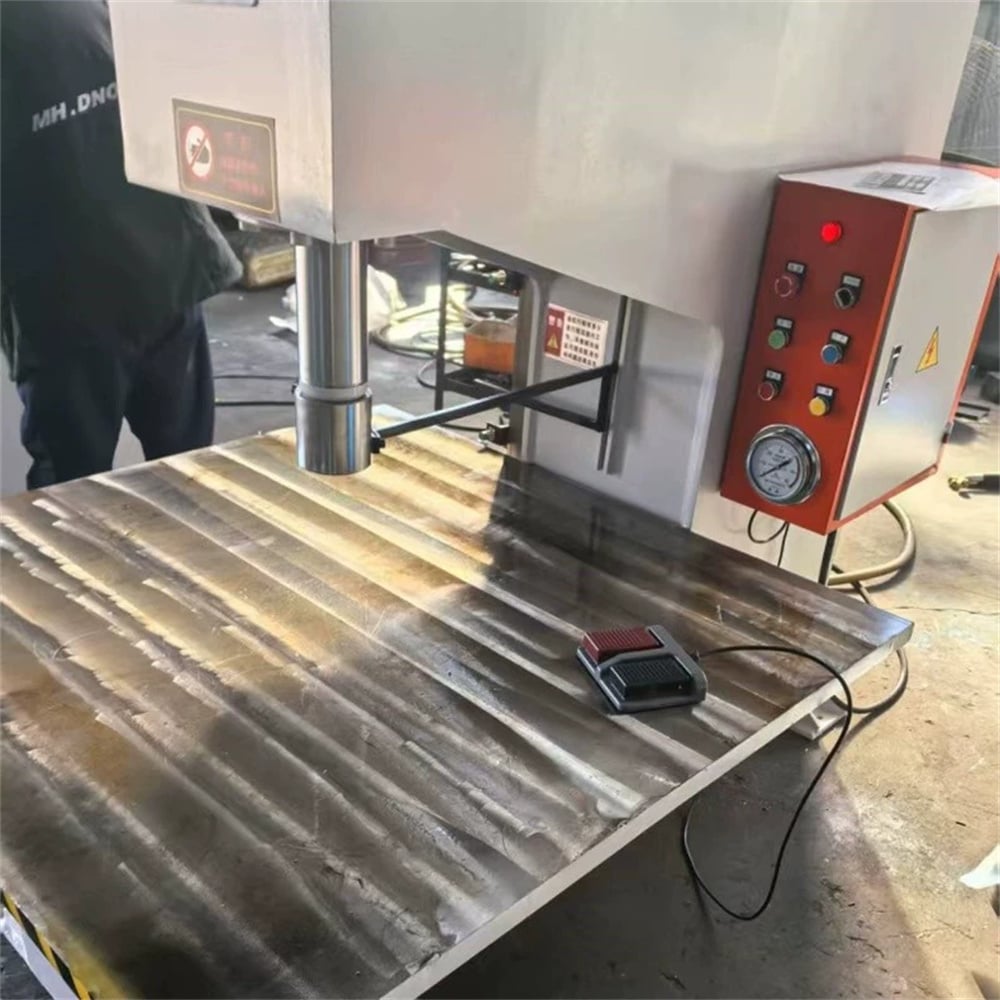
Key Considerations for Metal Enclosure Forming
When approaching metal enclosure forming, manufacturers must consider the material properties, such as ductility, yield strength, and thickness. Enclosures, particularly those used in electrical and telecommunications industries, require high levels of structural rigidity and protection against environmental factors. The hydraulic press allows for controlled pressure application, which is critical when working with stainless steel, aluminum, or galvanized sheets to prevent cracking or thinning during the deep drawing process.
Another vital consideration is the repeatability of the forming process. In mass production, even a minor deviation in pressure or stroke depth can lead to defective parts, resulting in costly downtime and material scrap. Modern hydraulic presses from HARSLE incorporate advanced CNC control systems that monitor and adjust parameters in real-time. This ensures that every enclosure formed—whether it is a small junction box or a large server rack—maintains consistent dimensions and surface quality.
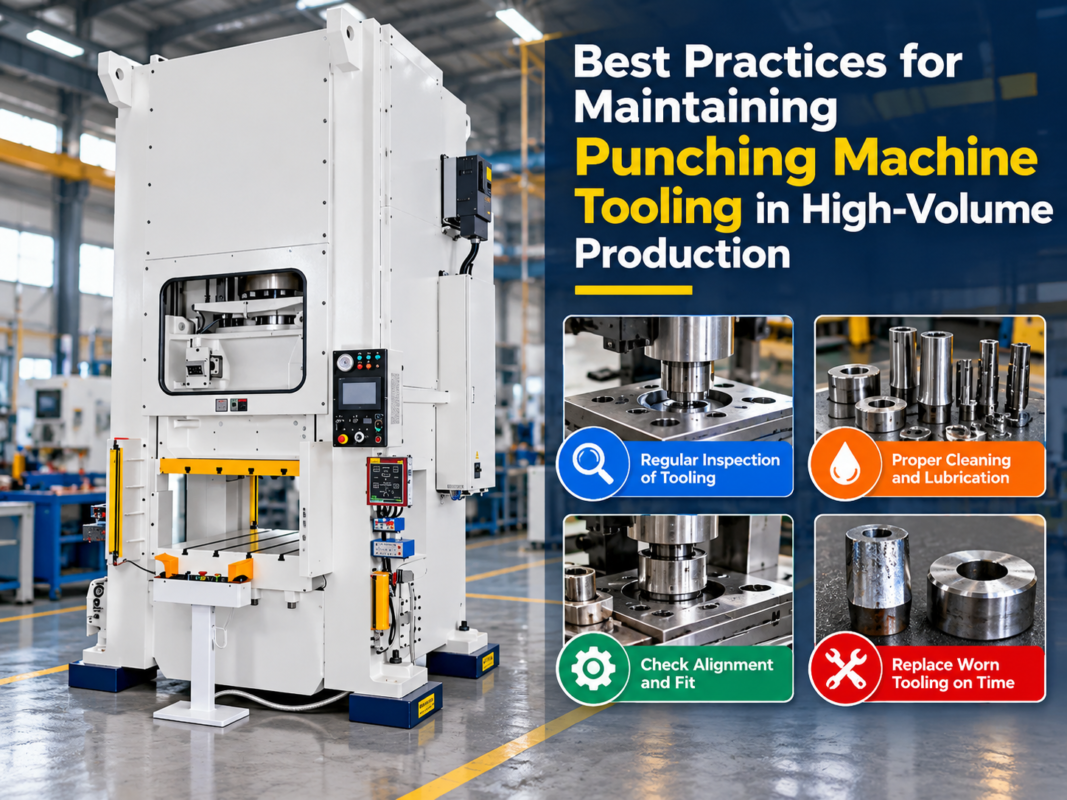
Tooling design also plays a pivotal role in the success of enclosure forming. The interaction between the die and the workpiece must be optimized to manage material flow and prevent wrinkling. Hydraulic presses offer the advantage of adjustable dwell time and variable speed control, allowing operators to fine-tune the forming cycle to suit specific material behaviors. This flexibility is particularly beneficial when transitioning between different product lines or material gauges.
Finally, safety and ergonomics cannot be overlooked. Metal enclosure forming often involves large, heavy sheets that require efficient handling systems. Integrating hydraulic presses with automated loading and unloading mechanisms not only increases throughput but also minimizes the risk of operator injury. HARSLE emphasizes safety-first design, incorporating light curtains, dual-hand controls, and emergency stop systems that comply with global industrial safety standards.
Technical Details of Hydraulic Press Applications
The technical superiority of the hydraulic press lies in its ability to deliver constant force throughout the entire stroke. Unlike mechanical presses, which reach peak force only at the bottom of the stroke, hydraulic systems provide full tonnage from the moment the ram makes contact with the material. This characteristic is indispensable for deep drawing applications, where the metal must be stretched and formed over a significant distance without tearing.
In appliance manufacturing, many components require complex geometries that involve multiple stages of forming. Hydraulic presses can be equipped with multi-stage die sets or integrated into automated transfer lines. This allows for blanking, piercing, and forming to occur in a sequential, high-speed manner. The ability to program specific pressure profiles—such as a slow initial draw followed by a high-pressure finish—enables the creation of intricate appliance panels with smooth, defect-free finishes.
Thermal management is another technical aspect that impacts performance. High-speed, continuous operation can lead to hydraulic fluid heating, which may affect the viscosity and, consequently, the precision of the press. HARSLE hydraulic presses are engineered with advanced cooling systems and high-quality seals to maintain operational stability even under heavy-duty cycles. This ensures that the machine remains accurate throughout long production shifts, reducing the need for frequent recalibration.
Furthermore, the integration of proportional valve technology allows for precise control over ram speed and position. This level of control is essential for “bottoming” operations where the material must be compressed to a specific thickness to ensure structural integrity. By utilizing HARSLE’s advanced control interfaces, operators can store and recall specific job parameters, drastically reducing setup times during product changeovers and increasing the overall equipment effectiveness (OEE).
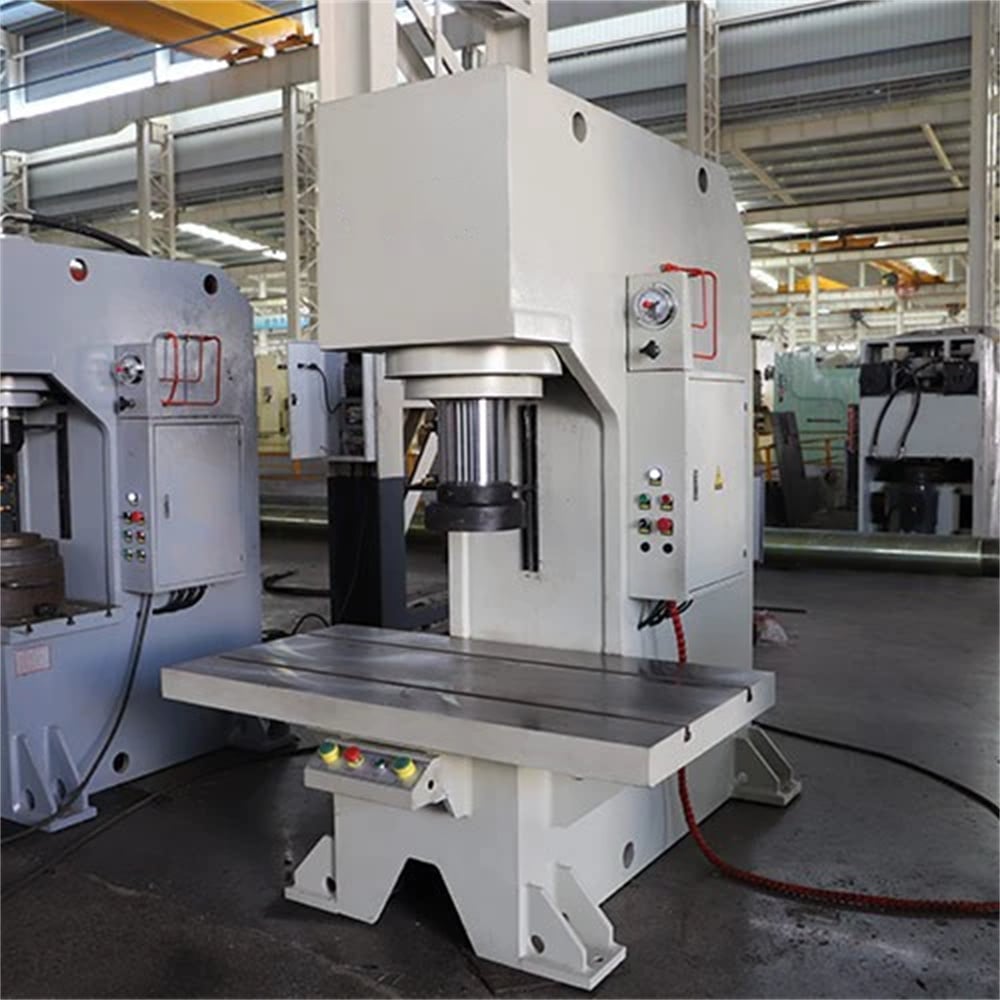
Selection Advice: Choosing the Right Equipment
Selecting the appropriate hydraulic press for appliance manufacturing and metal enclosure forming requires a thorough assessment of your production requirements. The first step is to determine the required tonnage. This is calculated based on the material thickness, the perimeter of the cut or form, and the tensile strength of the metal. It is always advisable to select a press with a slightly higher tonnage capacity than the calculated minimum to allow for future product variations and to reduce stress on the machine components.
The bed size and daylight opening are equally important. The bed must be large enough to accommodate the largest die set you intend to use, while the daylight opening must provide sufficient clearance for loading and unloading parts, especially if you are using automated material handling systems. HARSLE offers a range of bed sizes and custom configurations to ensure that your specific enclosure dimensions are fully supported.
Consider the control system capabilities. For modern manufacturing, a CNC-controlled hydraulic press is highly recommended. These systems allow for the programming of complex stroke profiles, pressure settings, and dwell times. They also provide diagnostic feedback, which is crucial for predictive maintenance. Investing in a machine with a user-friendly interface will reduce training time for your operators and minimize the potential for human error.
Finally, evaluate the manufacturer’s support and service network. A hydraulic press is a long-term investment. You need a partner who provides comprehensive training, readily available spare parts, and responsive technical support. HARSLE prides itself on its global service network, ensuring that your production line remains operational and efficient, regardless of your location. When comparing options, look for a balance between initial capital expenditure and the long-term value provided by reliability and energy efficiency.
FAQ: Hydraulic Press Uses In Appliance Manufacturing Metal Enclosure Forming
- What is the main advantage of a hydraulic press over a mechanical press for enclosure forming?
The primary advantage is the ability to deliver full, constant force throughout the entire stroke, which is essential for deep drawing and complex forming tasks without damaging the material. - How does HARSLE ensure the safety of its hydraulic presses?
HARSLE integrates advanced safety features including light curtains, interlocked guards, and redundant control systems to meet international safety standards. - Can hydraulic presses be used for both blanking and forming?
Yes, hydraulic presses are highly versatile and can be configured with appropriate tooling to perform blanking, punching, deep drawing, and embossing in a single or multi-stage process. - What maintenance is required for a hydraulic press?
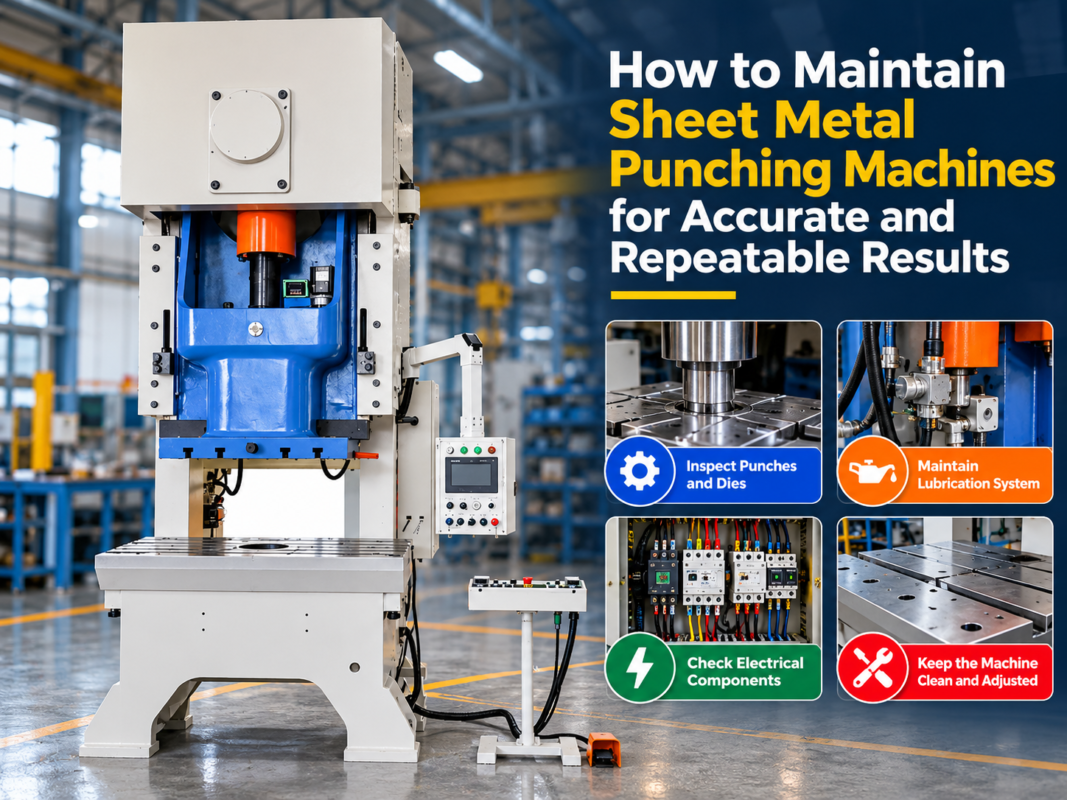
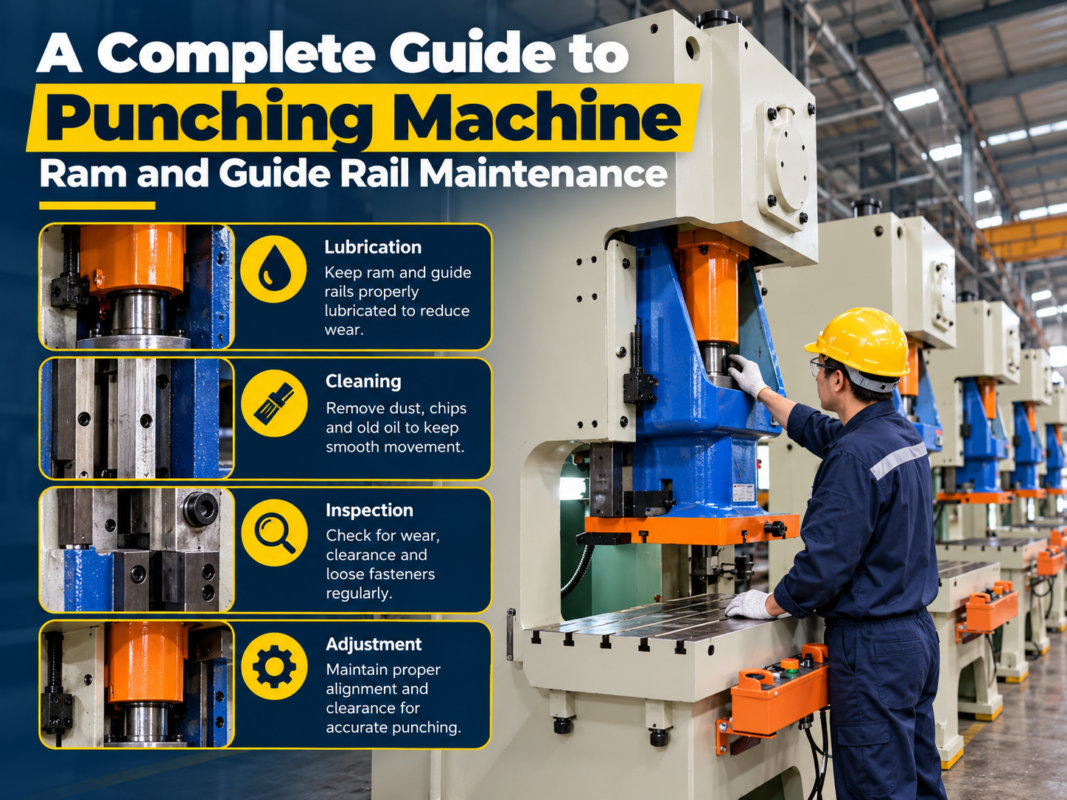
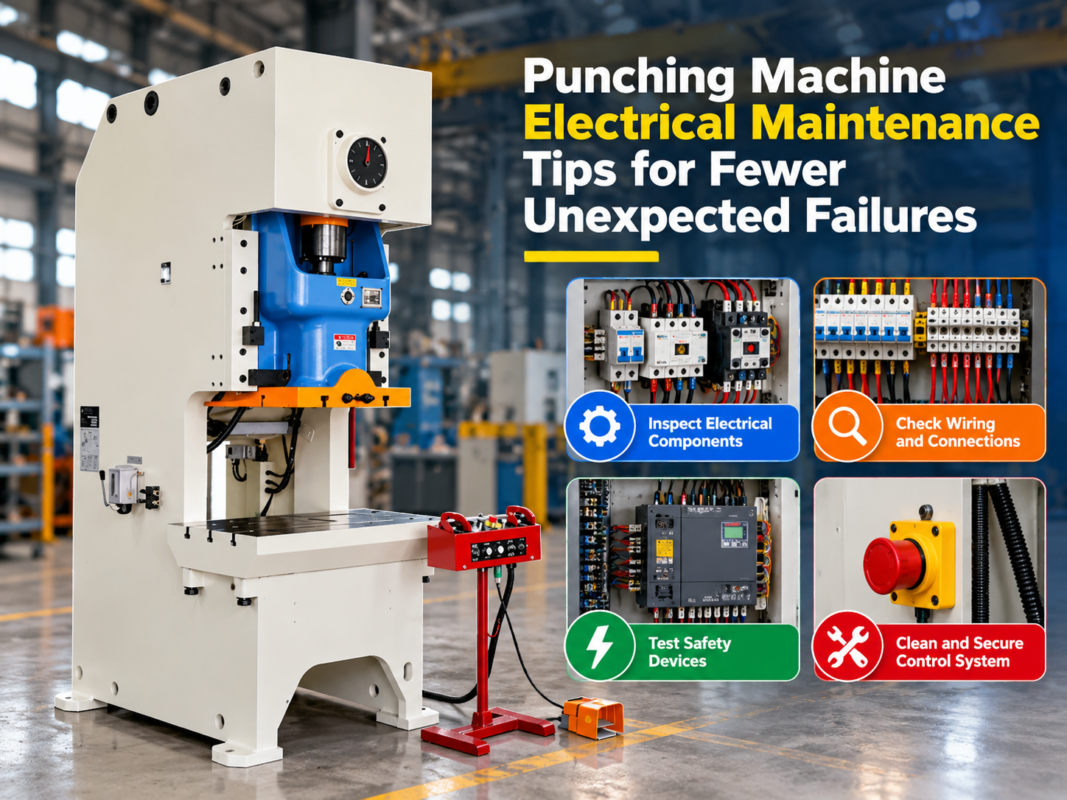
Regular maintenance includes checking hydraulic fluid levels and quality, inspecting seals for leaks, lubricating moving parts, and ensuring that the electrical and control systems are functioning correctly. - How do I determine the correct tonnage for my application?
Tonnage is determined by the material type, thickness, and the length of the cut or form. HARSLE’s technical team can assist you in calculating the exact force requirements for your specific project. - Are HARSLE presses suitable for automated production lines?
Yes, HARSLE hydraulic presses are designed for easy integration with robotic arms, automated feeders, and conveyor systems to maximize production efficiency.
Conclusion
The role of the hydraulic press in appliance manufacturing and metal enclosure forming is foundational to the success of modern industrial production. By providing the necessary force, precision, and flexibility, these machines enable manufacturers to create high-quality, durable products that meet the evolving needs of the market. Whether you are forming complex appliance panels or robust electrical enclosures, the choice of equipment directly impacts your bottom line and product quality.
HARSLE remains committed to advancing metal fabrication technology, offering a wide range of hydraulic presses that combine robust construction with cutting-edge control systems. By focusing on technical excellence, safety, and long-term reliability, HARSLE helps manufacturers optimize their production processes and achieve superior results. As you evaluate your manufacturing needs, consider the long-term benefits of partnering with a leader in the industry.
Investing in the right hydraulic press is not just about purchasing a machine; it is about securing a competitive advantage. With the insights provided in this guide, you are better equipped to make an informed decision that will support your growth and operational efficiency for years to come. Explore the HARSLE catalog today to find the perfect solution for your metal fabrication requirements.