Metalworking Applications Of Hydraulic Press Machines In Workshop Production: A Comprehensive Guide


Introduction
In the modern landscape of metal fabrication, the hydraulic press stands as a cornerstone of workshop productivity. As industries evolve toward higher precision and faster turnaround times, understanding the Metalworking Applications Of Hydraulic Press Machines In Workshop Production becomes essential for any shop owner or production manager. HARSLE, a leader in metal fabrication equipment, recognizes that these machines are not merely tools but the heart of a manufacturing facility, capable of transforming raw metal into complex, high-value components.
A hydraulic press utilizes the principle of Pascal’s Law, where pressure applied to a confined fluid is transmitted undiminished throughout the fluid. This simple yet powerful mechanism allows for the generation of immense force, which is critical for heavy-duty metalworking tasks. From deep drawing and stamping to forging and straightening, the versatility of these machines is unmatched in the industrial sector.
This guide aims to provide a deep dive into how these machines function, their specific applications in a workshop setting, and how to select the right equipment for your production needs. By optimizing the use of hydraulic presses, manufacturers can significantly enhance their output quality, reduce material waste, and improve overall operational safety.
Whether you are running a small job shop or a large-scale production line, the integration of high-performance hydraulic presses is a strategic investment. As we explore the technical nuances and practical applications, you will gain a clearer understanding of how to leverage this technology to maintain a competitive edge in the global metalworking market.
Key Considerations for Hydraulic Press Integration
Integrating a hydraulic press into your workshop requires careful planning. The first consideration is the force capacity. You must determine the maximum tonnage required for your most demanding application. Overestimating can lead to unnecessary costs, while underestimating results in machine failure and poor part quality. HARSLE recommends analyzing the material thickness, tensile strength, and the surface area of the part to calculate the required force accurately.
Space and layout are equally critical. Hydraulic presses are substantial pieces of equipment that require a stable foundation and adequate clearance for material handling. You must account for the workflow—how raw materials enter the press and how finished parts exit. An efficient layout minimizes material handling time and reduces the risk of workplace accidents, contributing to a safer and more productive environment.
Energy efficiency and power source compatibility are also vital. Modern hydraulic presses are designed with energy-saving features, such as variable frequency drives (VFDs) and smart hydraulic systems that reduce power consumption during idle periods. Ensuring that your workshop’s electrical infrastructure can support the machine’s power requirements is a prerequisite for a smooth installation process.
Finally, consider the level of automation required. Depending on your production volume, you might need a manual, semi-automatic, or fully automated press. Automation can significantly increase throughput and consistency, but it also requires a higher initial investment and specialized training for your staff. Balancing these factors is key to achieving a high return on investment.
Technical Details of Hydraulic Press Operations
The technical superiority of hydraulic presses lies in their ability to provide constant pressure throughout the entire stroke. Unlike mechanical presses, which reach maximum force only at the bottom of the stroke, hydraulic presses offer full tonnage at any point. This makes them ideal for deep drawing, where the material needs to be stretched and formed over a significant distance without tearing.
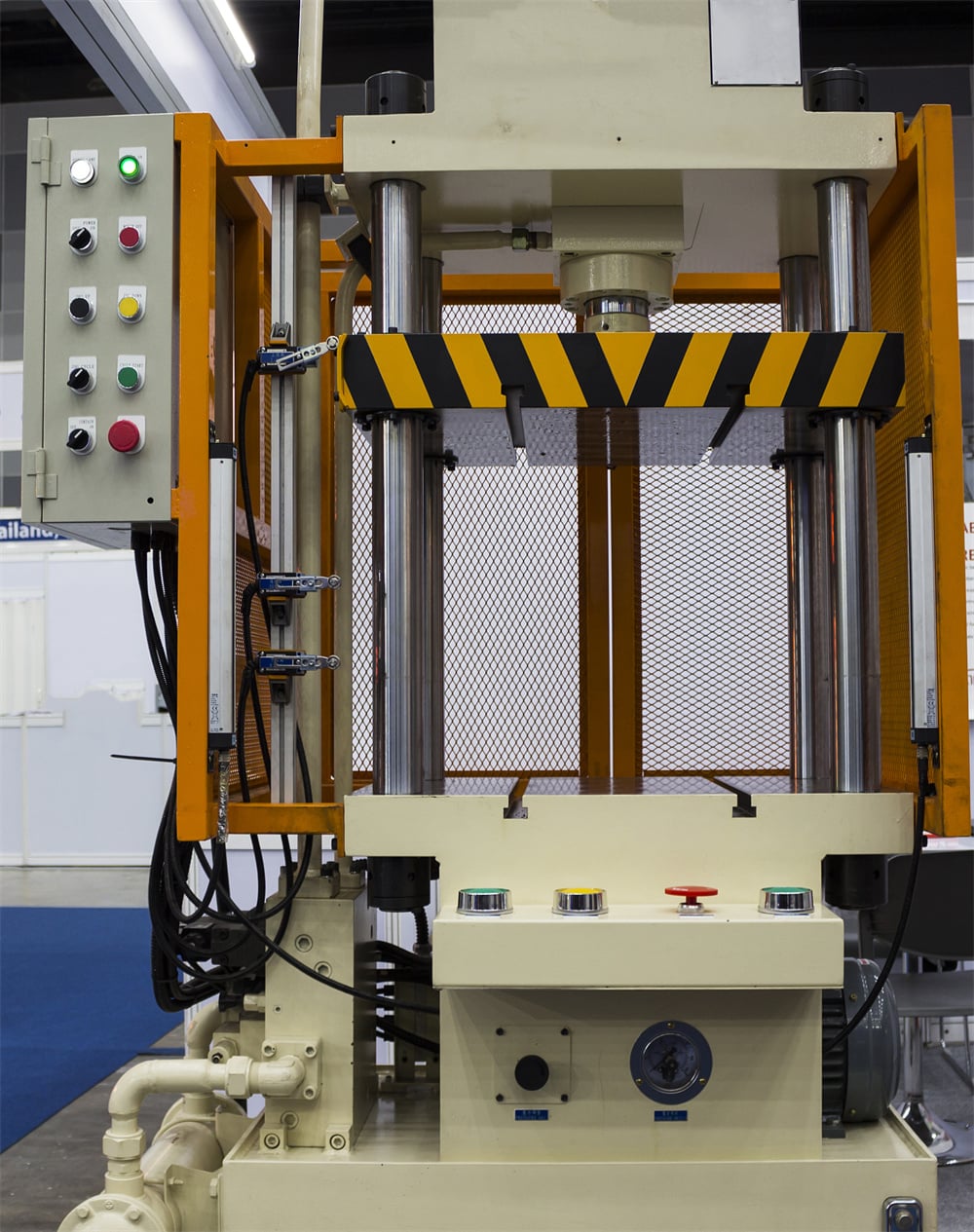
The hydraulic system consists of a pump, a motor, a reservoir, and a series of valves and cylinders. The pump converts mechanical energy into hydraulic energy, which is then directed to the cylinder to move the ram. Precision control valves allow operators to adjust the speed, pressure, and stroke length with extreme accuracy. This level of control is essential for complex metalworking applications where tolerances are tight.
Thermal management is another technical aspect that cannot be overlooked. Hydraulic fluid generates heat during operation, which can degrade the oil and damage seals. High-quality hydraulic presses, such as those manufactured by HARSLE, feature advanced cooling systems to maintain optimal operating temperatures. Regular monitoring of oil quality and temperature is a fundamental part of machine maintenance.
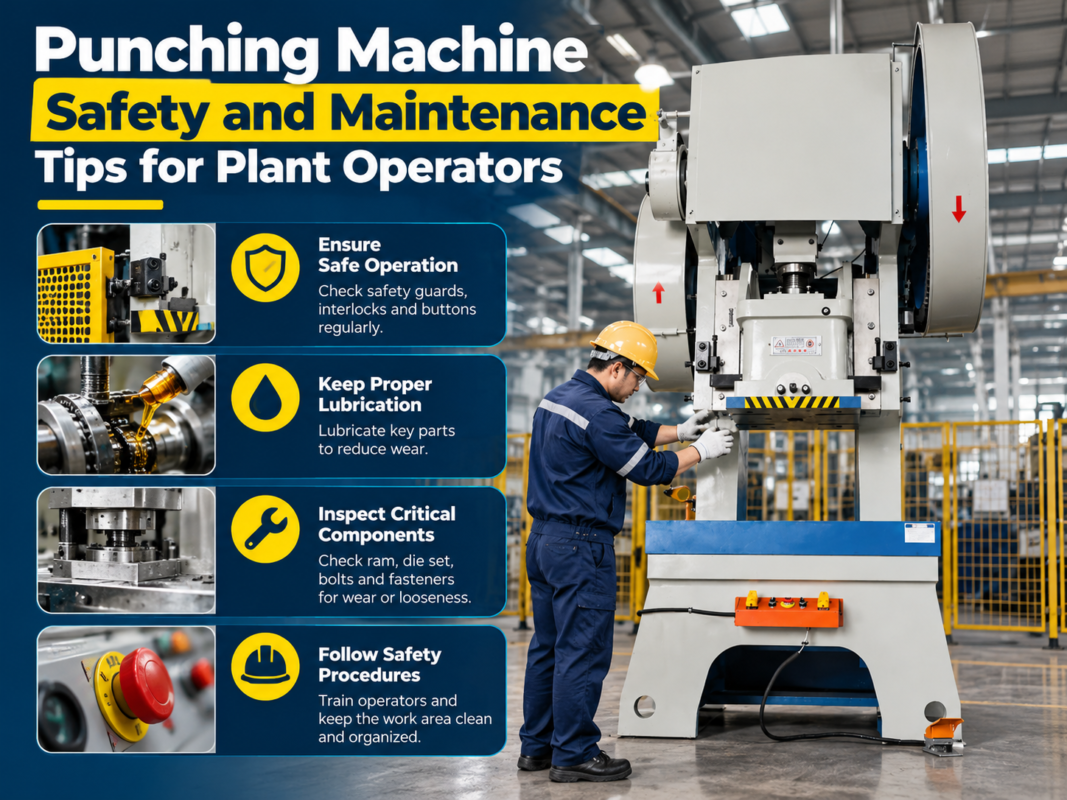
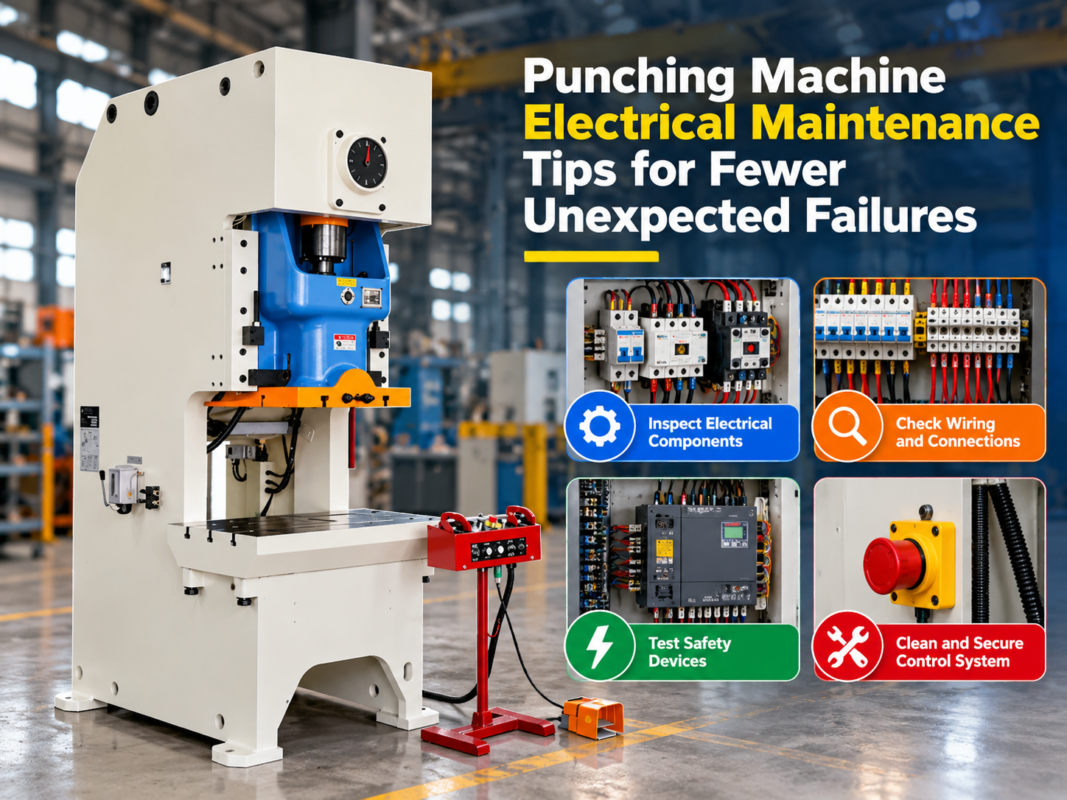
Safety features are integrated into the technical design of modern presses. Light curtains, dual-hand controls, and emergency stop buttons are standard. Furthermore, advanced PLC (Programmable Logic Controller) systems allow for the integration of safety sensors that prevent the press from operating if the work area is obstructed. These technical safeguards protect both the operator and the machine from catastrophic failure.
Metalworking Applications of Hydraulic Press Machines
The versatility of hydraulic presses allows them to perform a wide array of metalworking tasks. One of the most common applications is deep drawing, which involves shaping flat metal sheets into hollow, three-dimensional shapes like sinks, automotive panels, and canisters. The constant pressure provided by the hydraulic press ensures uniform material flow, preventing wrinkles and cracks.
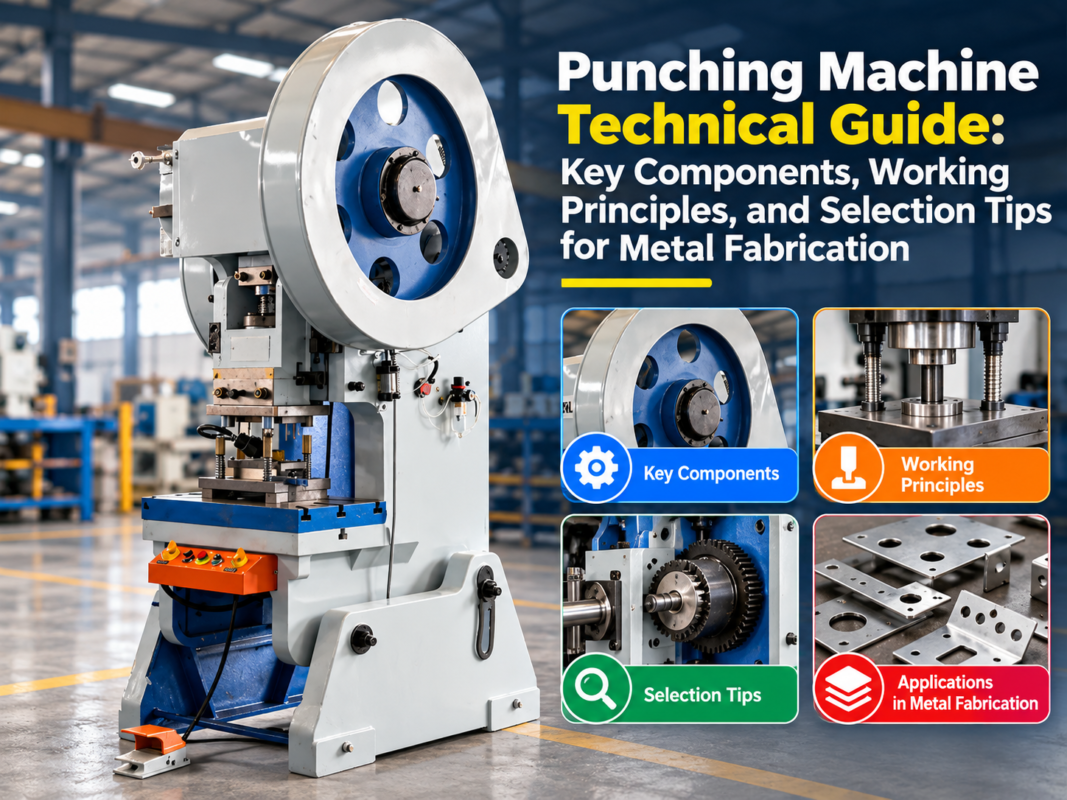
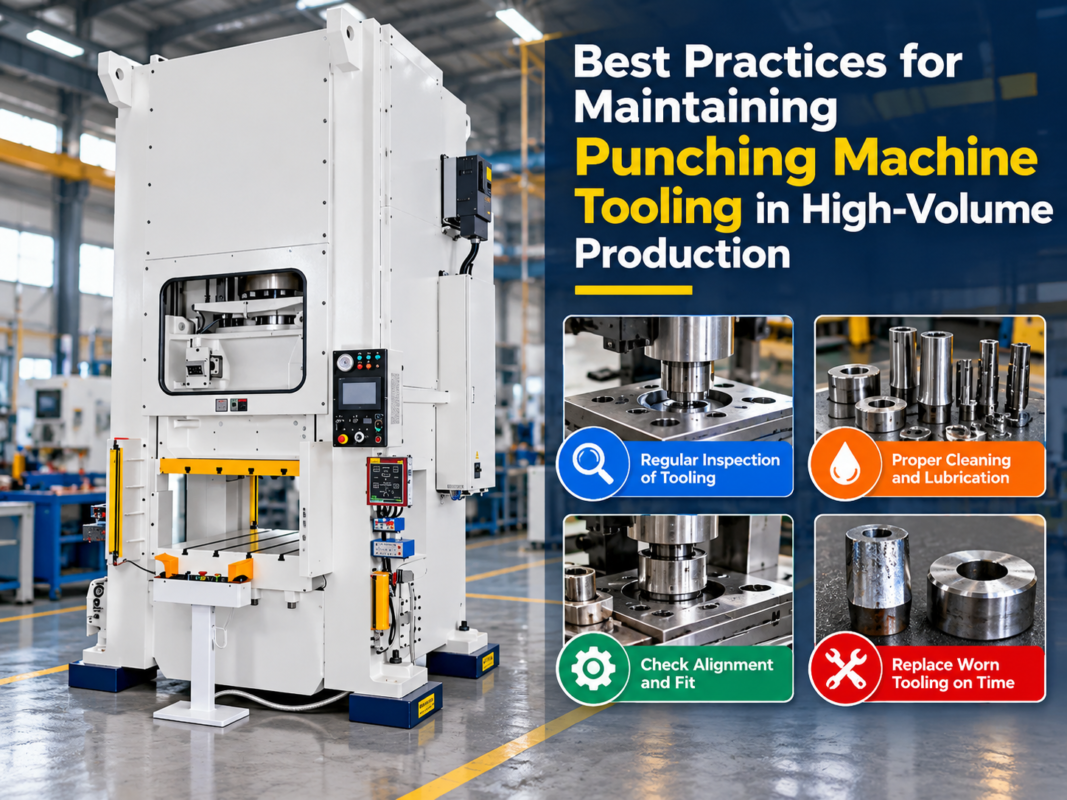
Stamping and punching are also primary functions. By using specialized dies, a hydraulic press can cut, pierce, or emboss metal sheets with high precision. This is essential for producing brackets, washers, and various structural components used in the construction and automotive industries. The ability to change dies quickly makes hydraulic presses highly adaptable for small-batch production runs.
Forging is another heavy-duty application. Hydraulic presses are used to compress heated metal into specific shapes. Unlike hammer forging, which relies on impact, press forging uses slow, steady pressure, which allows the metal to deform more evenly and results in a stronger, more consistent internal grain structure. This is critical for manufacturing high-stress parts like crankshafts and connecting rods.
Straightening and bending are essential for finishing operations. Whether it is straightening a warped beam or bending a plate to a specific angle, the hydraulic press provides the necessary force to correct material imperfections. This ensures that the final product meets the required dimensional specifications, reducing scrap rates and rework costs.
Selection Advice: Choosing the Right Press
When selecting a hydraulic press, start by defining your specific production goals. Are you focusing on high-volume production or custom, low-volume work? For high-volume, repetitive tasks, a press with high-speed cycling capabilities and automated material handling is ideal. For custom work, prioritize a machine with a large bed area and easy die-change systems.
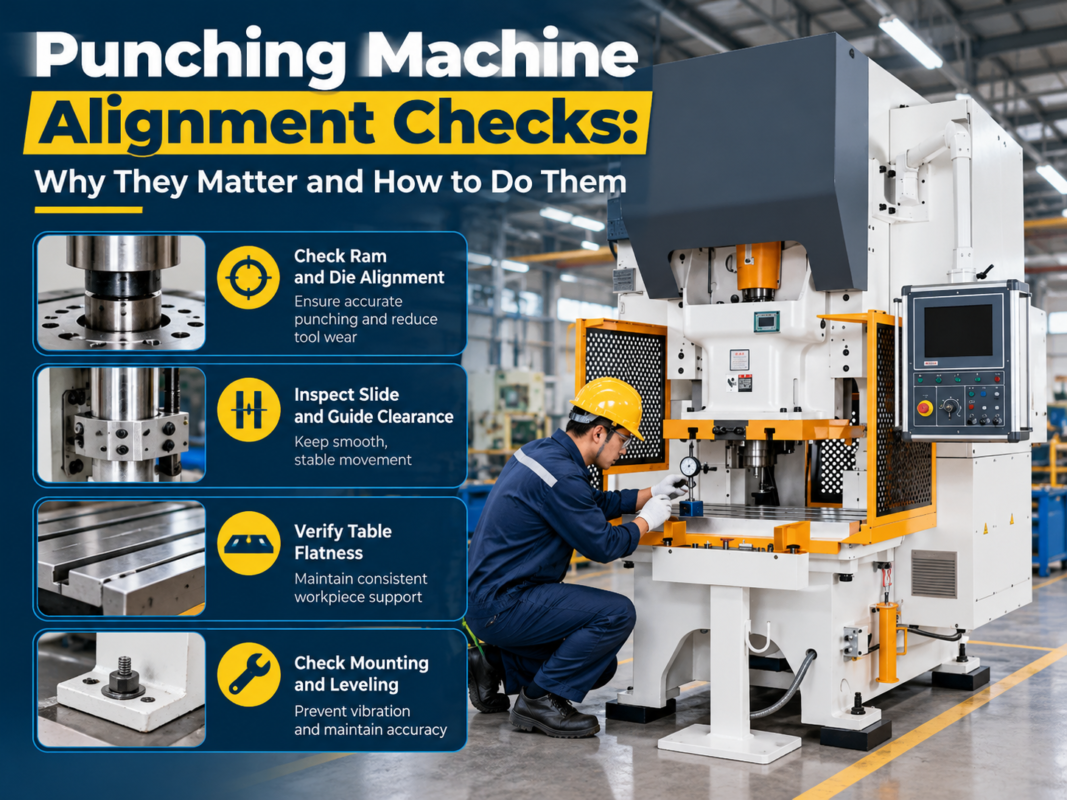
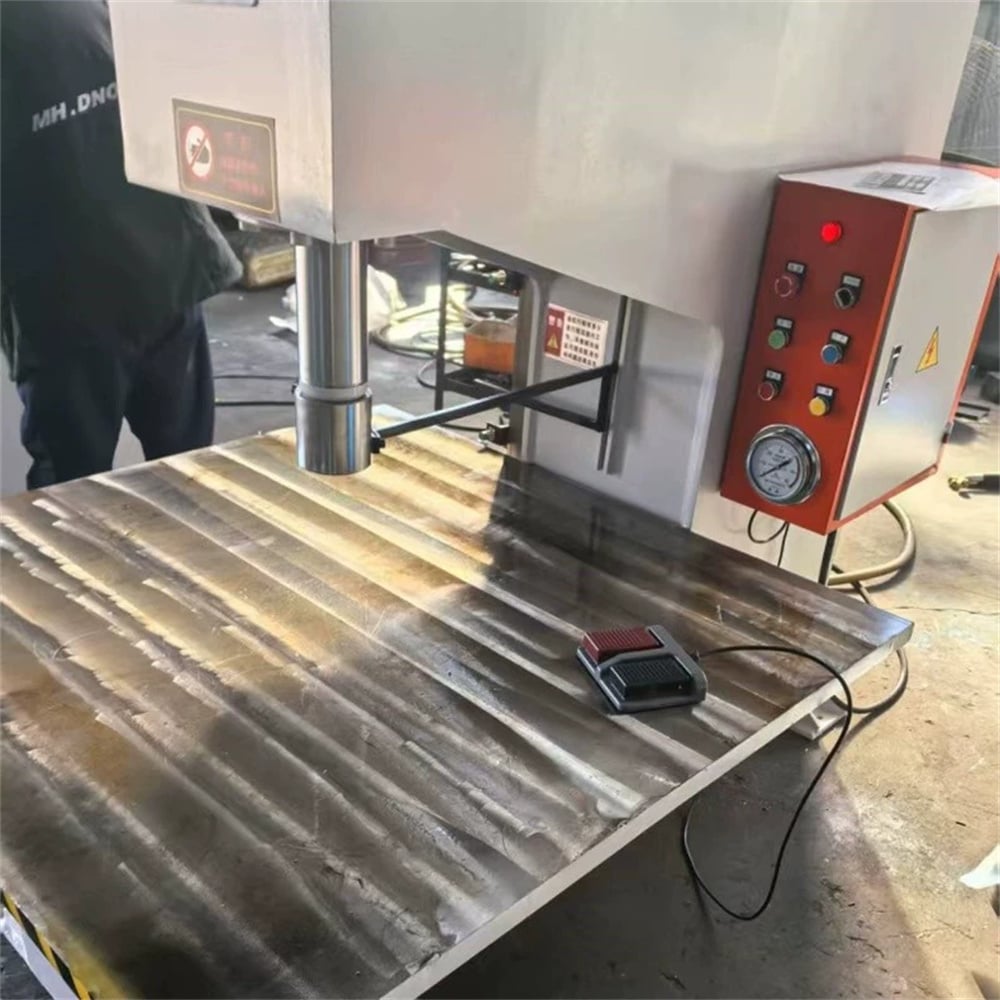
Consider the frame design. H-frame presses are excellent for heavy-duty, general-purpose work, while C-frame presses offer better access to the work area from three sides, making them perfect for tasks that require frequent material manipulation. The frame rigidity is crucial; a frame that flexes under load will lead to inaccurate parts and premature wear on the dies.
Evaluate the control system. Modern CNC-controlled presses allow for the programming of complex sequences, which can be saved and recalled for future use. This reduces setup time and ensures consistency across different production batches. Look for intuitive interfaces that allow your operators to quickly adjust parameters without extensive downtime.
Finally, consider the manufacturer’s support and service. A hydraulic press is a long-term investment. Choose a partner like HARSLE that provides comprehensive after-sales support, including spare parts availability, technical training, and remote troubleshooting. A reliable manufacturer will ensure that your machine remains operational for years to come, maximizing your investment.
Maintenance and Longevity
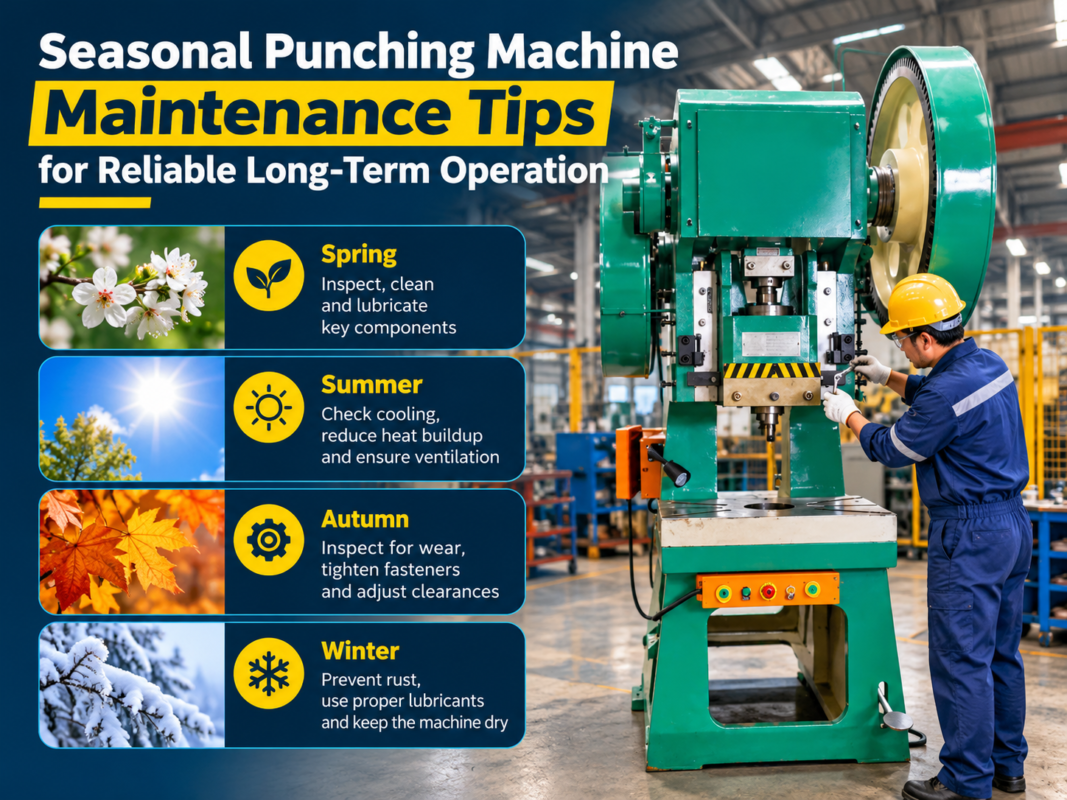
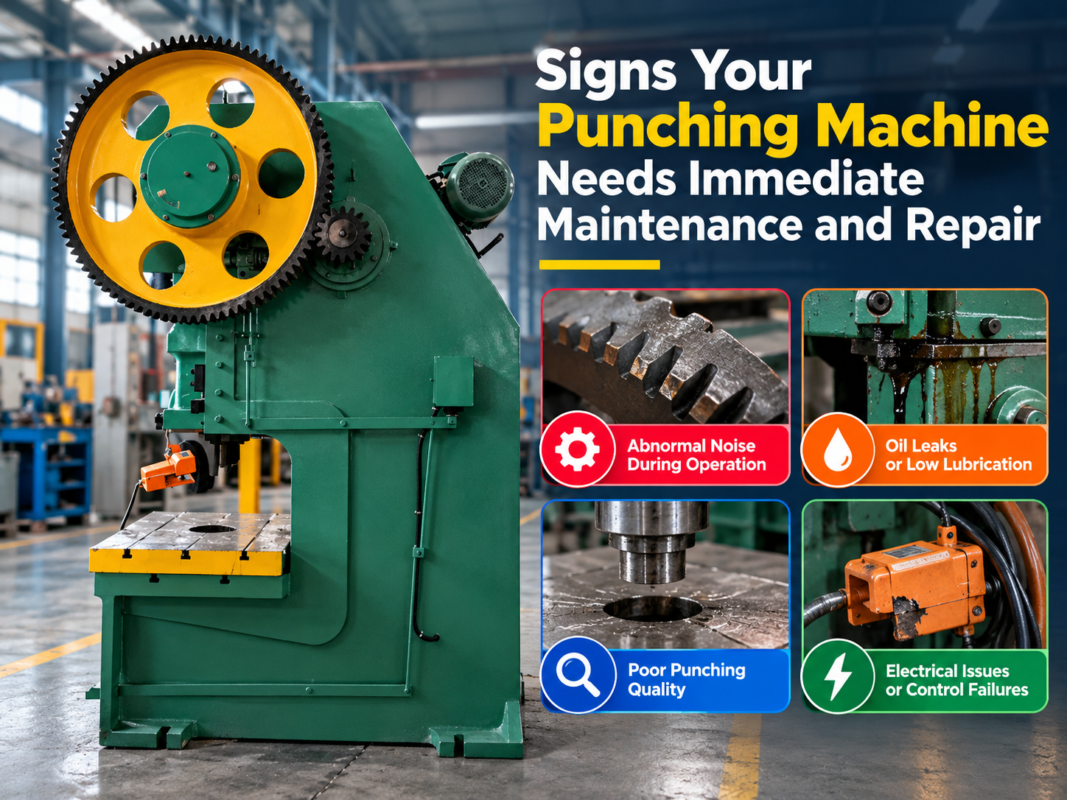
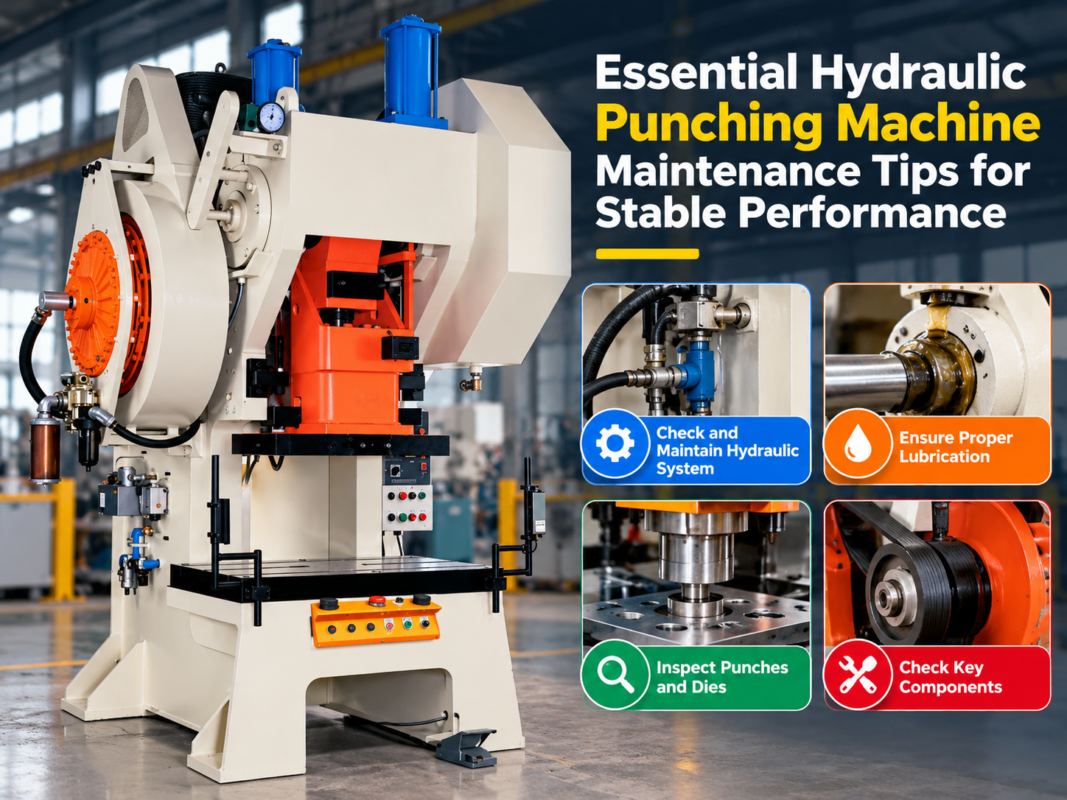
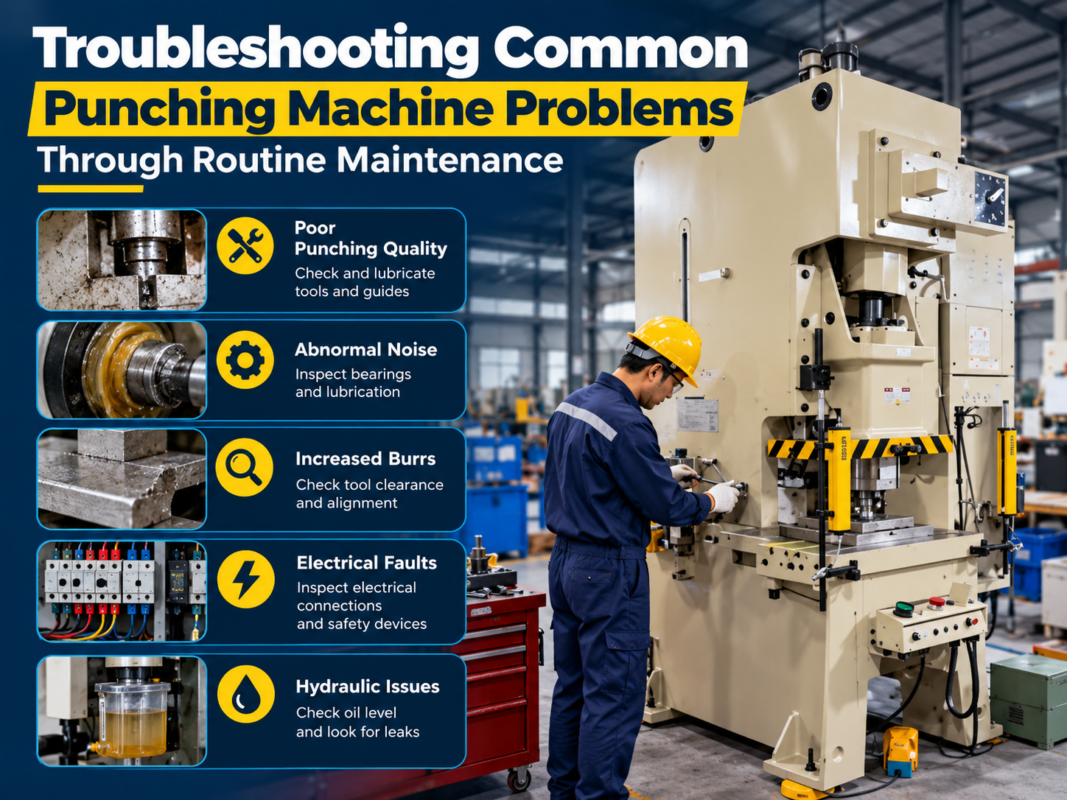
Regular maintenance is the key to extending the life of your hydraulic press. Start with a daily inspection routine: check for hydraulic leaks, ensure all safety guards are in place, and verify that the oil levels are correct. Even a small leak can lead to a significant drop in pressure and potential system failure over time.
Oil maintenance is critical. The hydraulic fluid is the lifeblood of the machine. Over time, it can become contaminated with debris or break down due to heat. Follow the manufacturer’s schedule for oil changes and filter replacements. Using high-quality hydraulic oil recommended by HARSLE will prevent sludge buildup and ensure smooth valve operation.
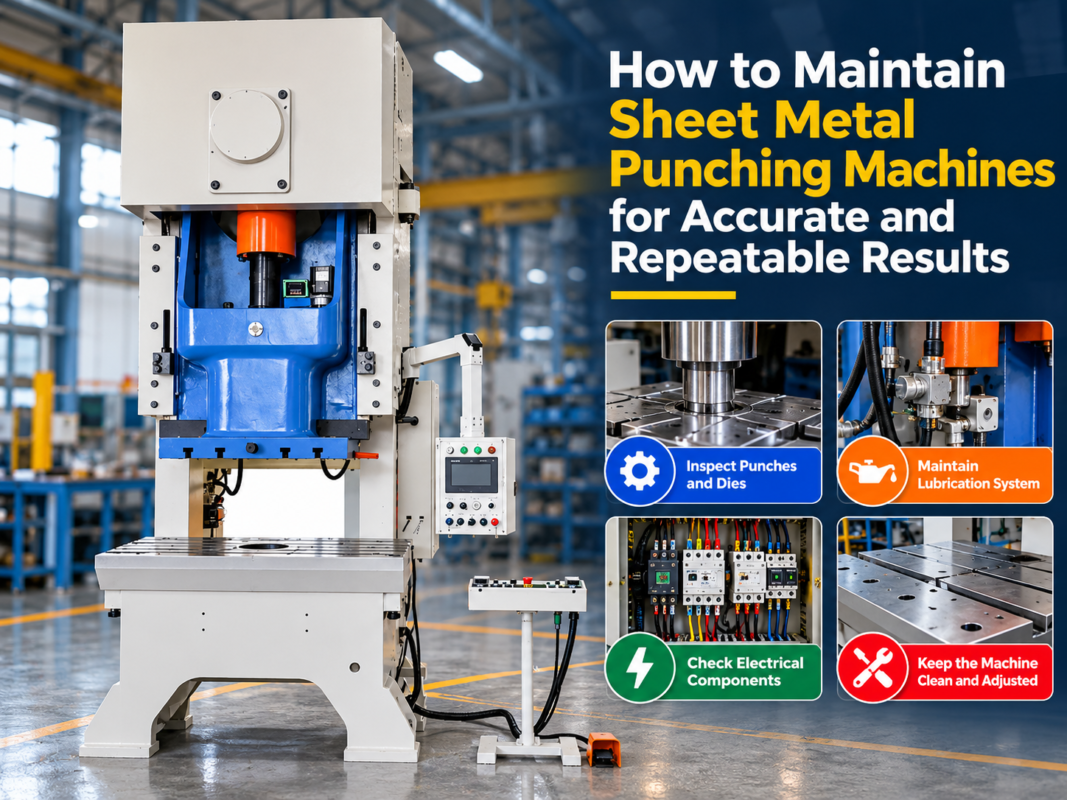
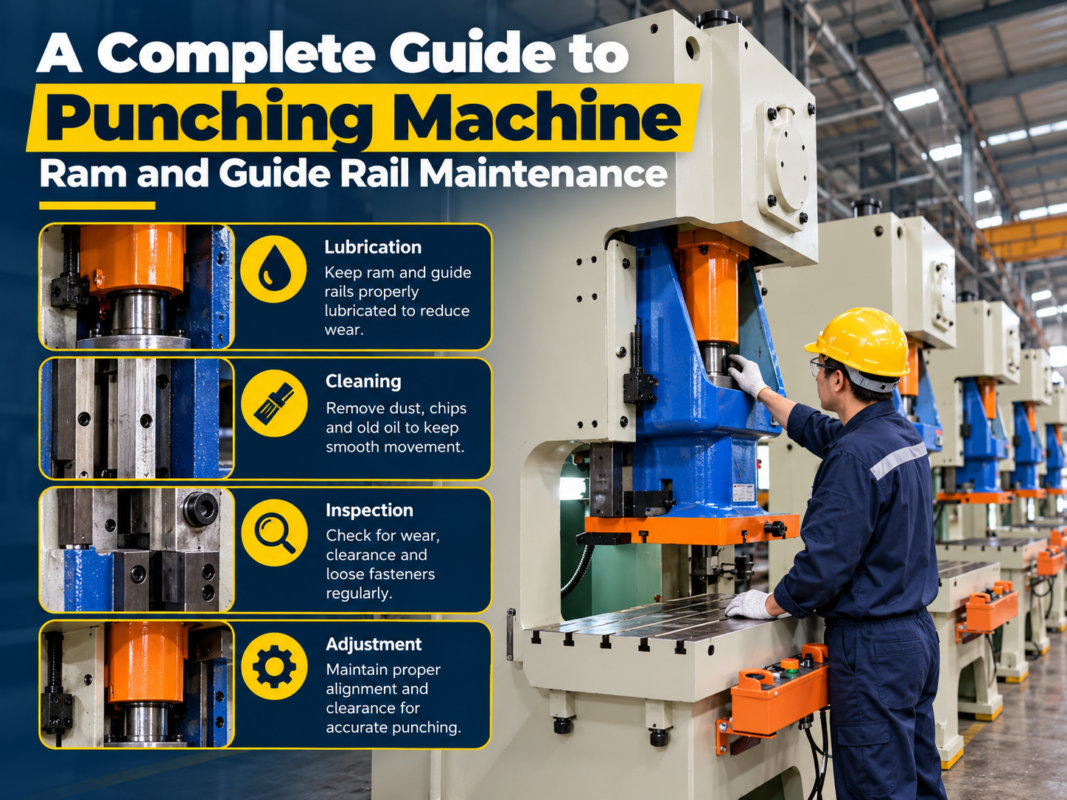
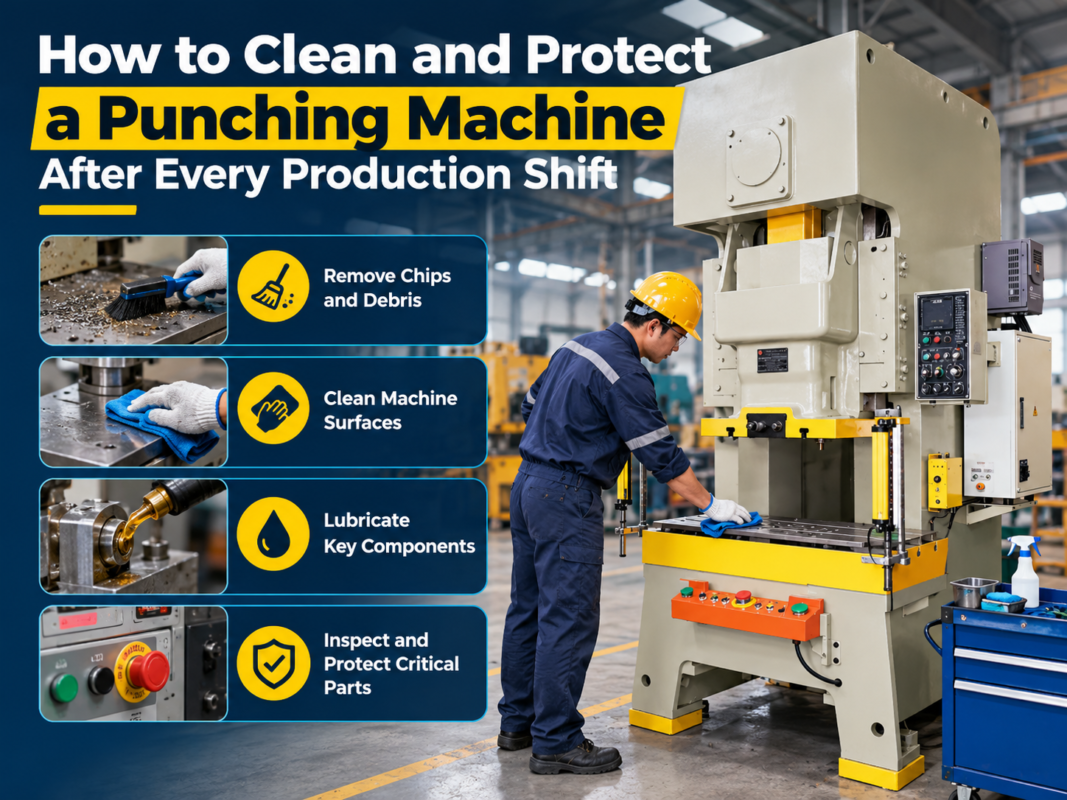
Keep the machine clean. Metal shavings and dust can accumulate in the guide rails and cylinders, leading to scoring and increased friction. Regularly clean the press and lubricate moving parts according to the maintenance manual. A clean machine is not only easier to inspect but also performs more reliably.
Schedule professional inspections at least once a year. A qualified technician can perform a deep dive into the electrical and hydraulic systems, identifying potential issues before they become costly repairs. Keeping detailed maintenance logs will also help you track the machine’s performance and plan for future upgrades or replacements.
FAQ: Common Questions About Hydraulic Presses
- What is the main advantage of a hydraulic press over a mechanical press? The main advantage is the ability to exert full tonnage throughout the entire stroke, which is essential for deep drawing and consistent forming.
- How often should I change the hydraulic oil? This depends on usage, but generally, it should be checked every 500-1000 hours of operation and changed according to the manufacturer’s guidelines.
- Can a hydraulic press be used for both bending and punching? Yes, by changing the tooling (dies), a single hydraulic press can perform a wide variety of tasks, including bending, punching, and stamping.
- What safety measures are essential for hydraulic press operation? Light curtains, emergency stop buttons, and proper operator training are mandatory to prevent accidents.
- How do I determine the tonnage I need? Tonnage is calculated based on the material type, thickness, and the surface area of the die. Consult with HARSLE engineers for a precise calculation based on your specific project.
Conclusion
The Metalworking Applications Of Hydraulic Press Machines In Workshop Production are vast and varied, making them an indispensable asset for any serious metal fabrication business. By understanding the technical capabilities, selecting the right equipment, and adhering to a strict maintenance schedule, you can ensure that your workshop operates at peak efficiency. HARSLE remains committed to providing the industry with high-quality, reliable, and innovative hydraulic press solutions that empower manufacturers to achieve excellence. Investing in the right technology today is the foundation for your success tomorrow.