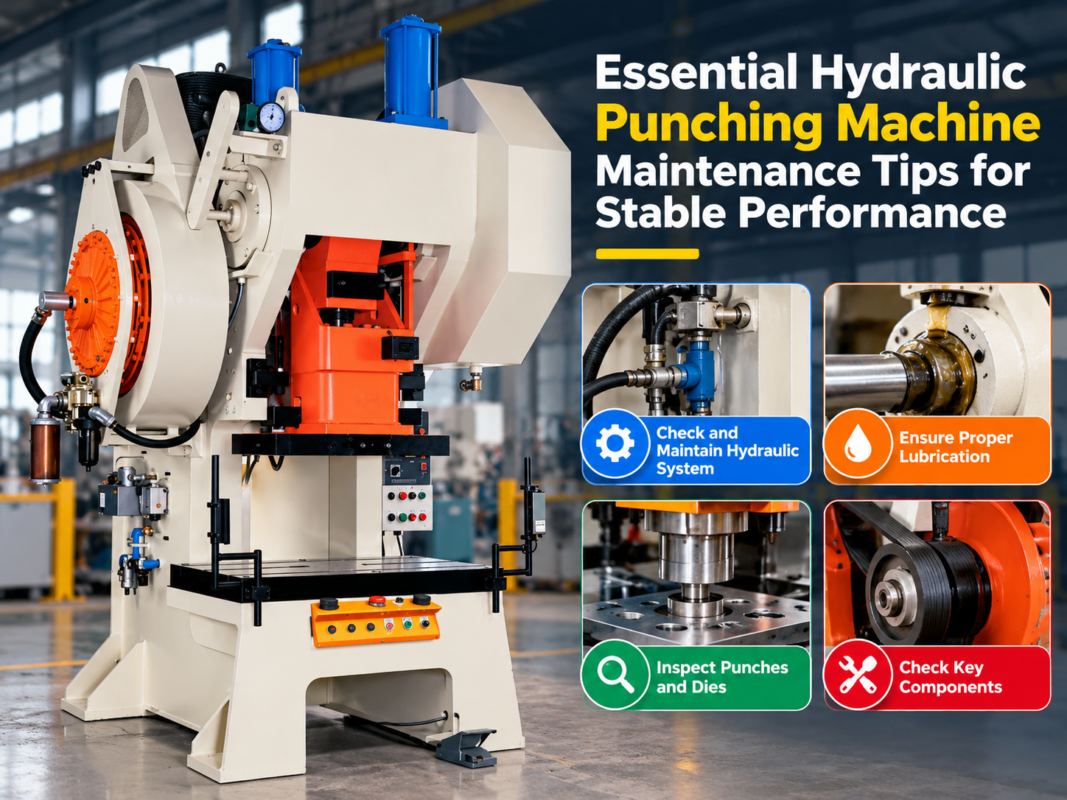
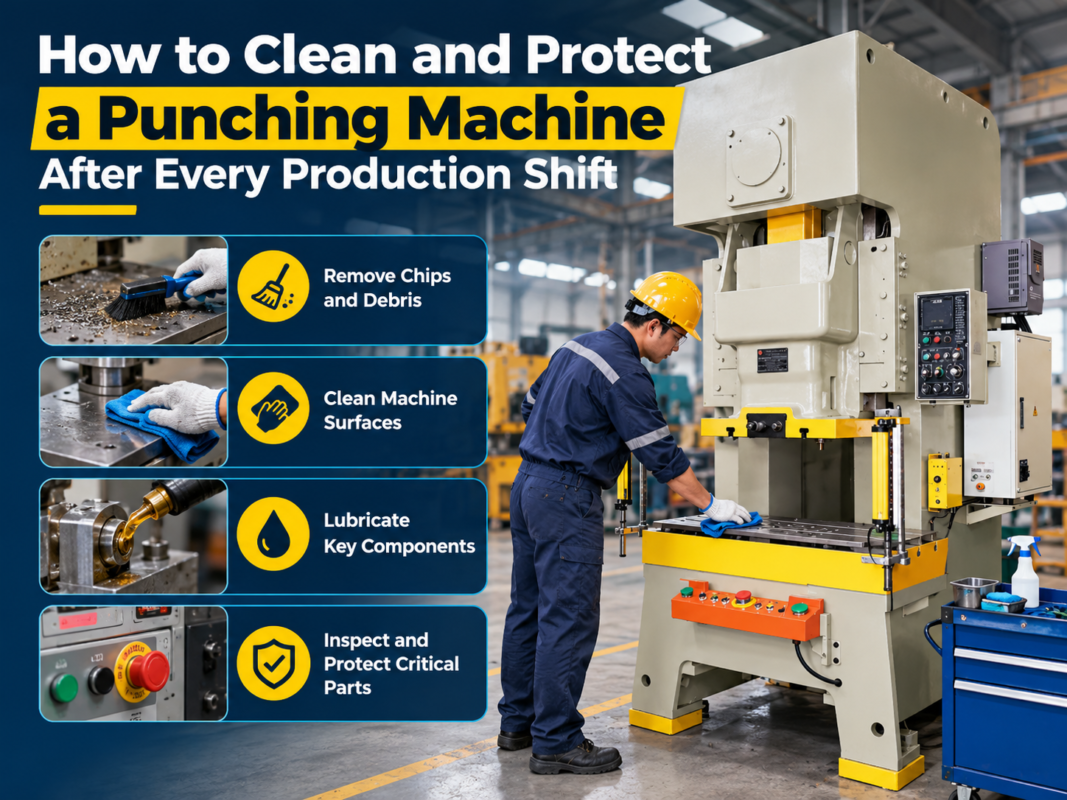
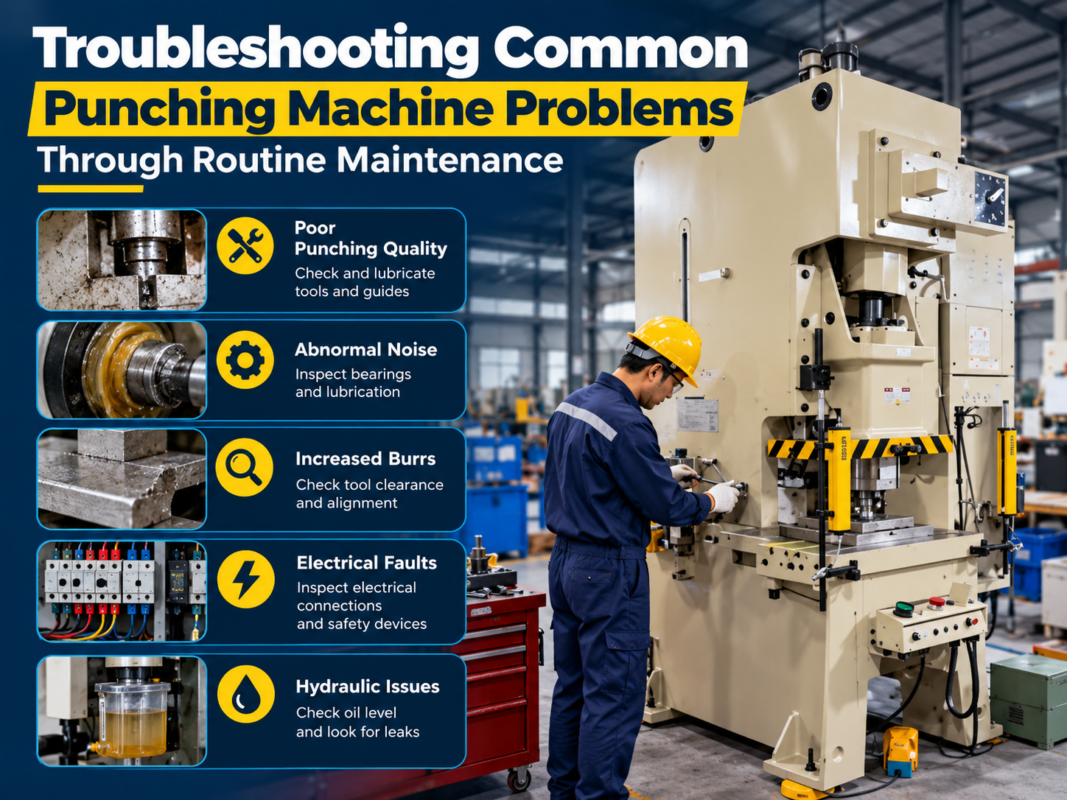
Comprehensive Guide to Press Brake Ram and Guide Rail Maintenance for Stable Bending


The Critical Role of Ram and Guide Rail Maintenance in Metal Fabrication
In the world of precision metal fabrication, the press brake stands as a cornerstone of production. However, the accuracy of every bend is fundamentally dependent on the mechanical integrity of the machine’s moving parts—specifically the ram and its guide rails. The ram is the heavy upper beam that descends to press the workpiece into the die, and the guide rails are the tracks that ensure this movement is perfectly vertical and synchronized. When these components are neglected, the result is a cascade of production issues, from angular inaccuracies to catastrophic mechanical failure.
Stable bending is not just a matter of software programming; it is a physical reality dictated by the smoothness and alignment of the ram’s travel. Over time, the intense pressures and repetitive motions of industrial bending can lead to wear, friction, and misalignment. For operators and facility managers using HARSLE equipment, understanding the nuances of Press Brake Ram Rail Maintenance Tips Stable Bending is essential for maintaining a competitive edge. This guide provides an exhaustive look at how to preserve these vital components to ensure every stroke is as precise as the first.
Beyond simple precision, proper maintenance is a significant factor in the Total Cost of Ownership (TCO). A well-maintained guide rail system reduces the load on the hydraulic pumps and motors, leading to lower energy consumption and fewer emergency repairs. By implementing a rigorous maintenance schedule, shops can extend the lifespan of their press brakes by decades, ensuring that the investment continues to yield high-quality output without the downtime associated with major overhauls.
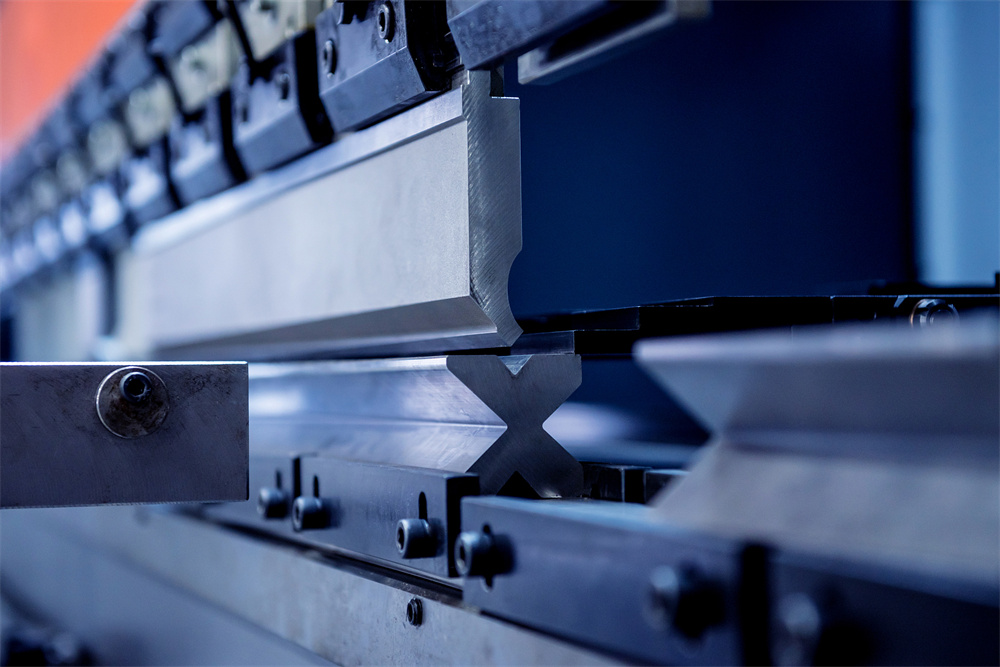
Why Maintenance is Paramount for Stable Bending
The relationship between the ram and the guide rails is one of tight tolerances. In modern CNC press brakes, the ram must move with micron-level precision to achieve the correct bend angle, especially when working with high-strength materials or complex geometries. If the guide rails are contaminated with dust, metal shavings, or dried lubricant, the ram may experience “stiction”—a jerky, start-stop motion that ruins the consistency of the bend. This instability is the primary enemy of high-volume production.
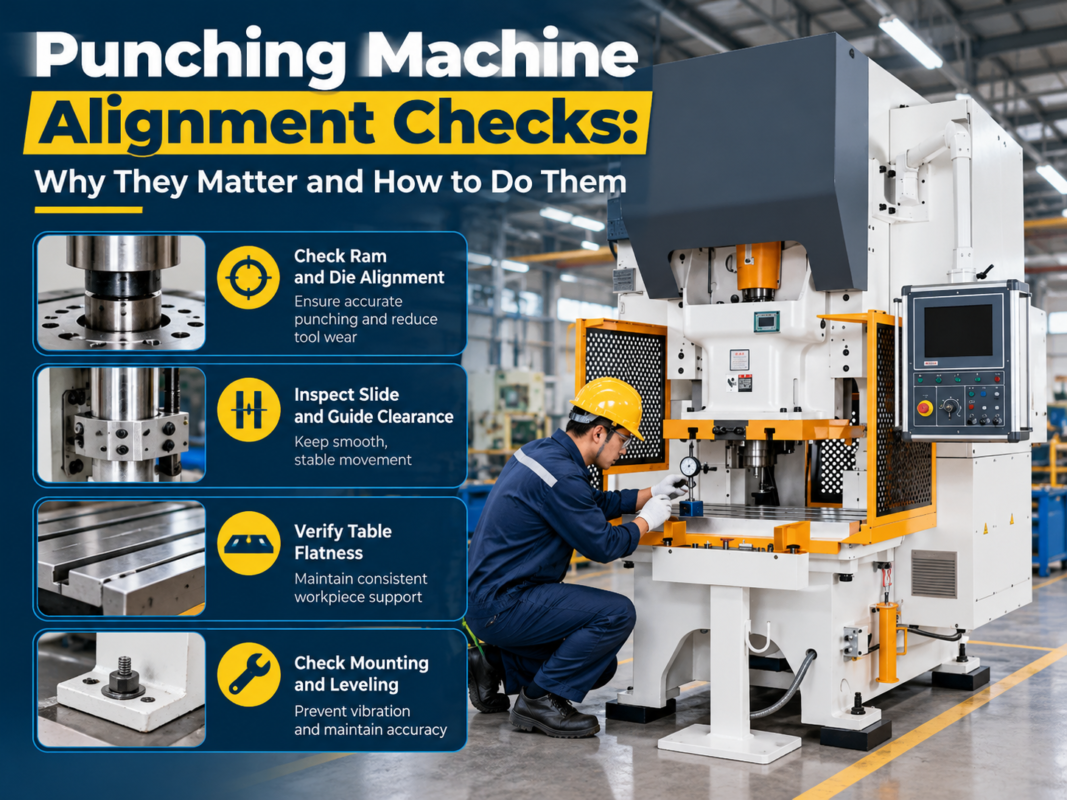
Furthermore, the guide rails are responsible for absorbing the side-thrust forces generated during the bending process. If the clearance between the ram and the rails (the gib clearance) is too wide, the ram can tilt or twist under load. This phenomenon, known as ram drift, leads to uneven pressure across the length of the workpiece. For long parts, this results in a “bowing” effect where the center of the bend differs from the ends. Maintaining the rails ensures that the ram remains perfectly parallel to the bed, providing the stability required for uniform results.
Safety is another critical factor. A ram that does not move smoothly can trigger emergency stop sensors or, in worst-case scenarios, become stuck in a downward position. Regular inspection of the guide system allows operators to identify hairline cracks, loose bolts, or hydraulic leaks before they escalate into safety hazards. In the context of Press Brake Ram Rail Maintenance Tips Stable Bending, safety and stability are two sides of the same coin.
Daily Inspection Protocols for Operators
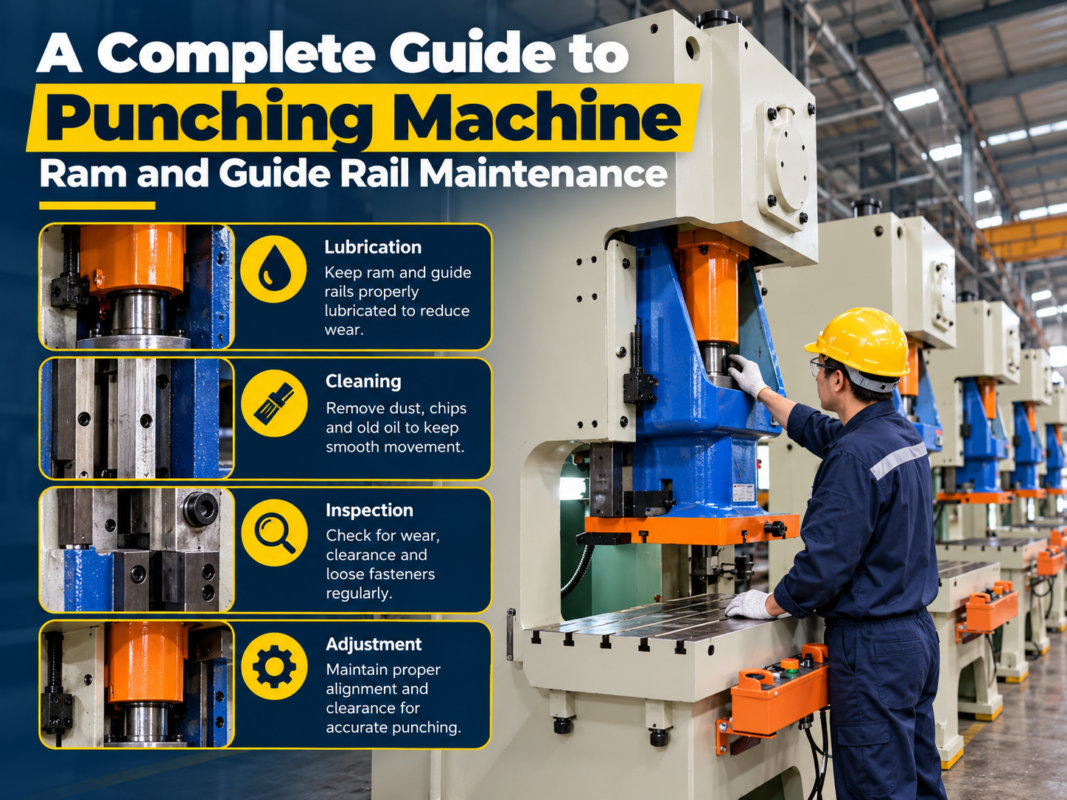
The first line of defense against machine degradation is the daily inspection. Before the shift begins, the operator should perform a visual and tactile check of the guide rails. Start by cleaning the rails with a lint-free cloth to remove any accumulated debris. Metal dust from the bending process is abrasive; if left on the rails, it acts like sandpaper, grinding down the hardened surfaces of the guides and the ram liners.
During the initial warm-up cycles, listen closely to the sound of the ram movement. A healthy press brake should operate with a consistent, low-frequency hum. Any high-pitched squealing, grinding, or clicking sounds are immediate red flags indicating a lack of lubrication or a mechanical obstruction. Operators should also check for “witness marks”—unusual wear patterns or scratches on the rail surfaces that suggest misalignment or the presence of a foreign object trapped in the bearings.
Another daily task is checking the synchronization of the Y1 and Y2 cylinders. While this is largely managed by the CNC controller and linear encoders, physical resistance in the guide rails can cause one side to lag. By observing the ram’s descent at slow speeds, an experienced operator can often feel if the machine is struggling to maintain balance. Early detection of these subtle shifts is the key to preventing long-term damage to the guide system.
Deep Dive: Hydraulic, Electrical, and Mechanical Checks
Hydraulic System Synergy
The ram’s movement is powered by hydraulics, but its stability is governed by the guide rails. It is vital to ensure that the hydraulic fluid is clean and at the correct temperature. Contaminated oil can cause the valves to stick, leading to erratic ram behavior that puts undue stress on the guide rails. Check the hydraulic hoses for leaks near the ram connection points; fluid leaking onto the rails can dilute the specialized lubricants required for the guides, leading to metal-on-metal contact.
Electrical and Sensor Alignment
Modern press brakes rely on linear scales (encoders) mounted near the guide rails to track the ram’s position. These sensors must be kept clean and securely fastened. If a sensor bracket becomes loose due to vibration, the CNC will receive inaccurate data, causing the ram to over-travel or tilt. Ensure that the cables leading to these sensors are not frayed or pinched by the moving ram. The electrical integration of the ram’s limit switches also needs periodic testing to ensure the ram stops exactly where it should.
Mechanical Gib Adjustments
The “gibs” are the adjustable wear plates that sit between the ram and the guide rails. Over months of heavy use, these plates will naturally wear down, increasing the clearance. This clearance must be checked with a feeler gauge according to the manufacturer’s specifications (often between 0.05mm and 0.1mm). If the gap is too large, the ram will wobble; if it is too tight, the friction will cause excessive heat and potential seizing. Adjusting the gibs is a precision task that directly impacts the Press Brake Ram Rail Maintenance Tips Stable Bending objectives.
The Ultimate Lubrication Plan for Guide Rails
Lubrication is the lifeblood of the guide rail system. Without a consistent film of oil or grease, the friction generated during a high-tonnage bend can reach temperatures high enough to gall the metal surfaces. Most HARSLE press brakes feature either a manual centralized lubrication system or an automatic one. Regardless of the system, the choice of lubricant is critical. Use only the high-pressure (EP) grease or sliding-way oil recommended in the machine manual.
For manual systems, a “little and often” approach is superior to a “lot and seldom” approach. Applying too much grease at once can attract more dust and create a thick paste that actually increases wear. Instead, apply a small amount every 8 to 16 hours of operation. For automatic systems, ensure the reservoir is always full and check the delivery lines for air bubbles or blockages. If one rail is getting oil while the other is dry, the resulting friction imbalance will cause the ram to twist, ruining your bending accuracy.
It is also important to consider the environment. In colder shops, the lubricant may thicken, requiring a lower viscosity oil to ensure it reaches the entire length of the rail. Conversely, in hot environments, the oil may run off too quickly. Monitoring the “tackiness” of the lubricant on the rails is a simple way to ensure the ram is always gliding on a protective barrier.
Troubleshooting Signals: When Stability is Compromised
Even with the best maintenance, parts eventually wear out. Recognizing the early warning signs of guide rail failure can save thousands of dollars in repairs. One of the most common signals is “chatter”—visible horizontal lines on the bent part or the rail itself. This indicates that the ram is vibrating as it descends, usually due to a lack of lubrication or worn-out gib liners.
Another signal is inconsistent bend angles across the length of the machine. If a part is bent to 90 degrees on the left side but 92 degrees on the right, and the CNC settings are correct, the issue is almost certainly mechanical. This “ram tilt” suggests that one side of the guide system is experiencing more friction or has more play than the other. Additionally, if you notice the hydraulic pump working harder (indicated by a higher pitch or increased heat) to perform standard bends, it may be fighting against the resistance of poorly maintained rails.
Finally, look for physical debris in the grease catchers at the bottom of the rails. If you find metallic flakes or “gold dust” (which often comes from bronze bushings or liners), it means the wear surfaces are actively disintegrating. At this point, immediate intervention is required to replace the liners and resurface the rails before the ram itself is damaged.
Comprehensive Maintenance Schedule Table
| Frequency | Component | Action Required | Goal |
|---|---|---|---|
| Daily | Guide Rails | Wipe clean and check for debris/scratches. | Prevent abrasive wear. |
| Daily | Lubrication System | Check oil/grease levels and pump operation. | Ensure smooth ram travel. |
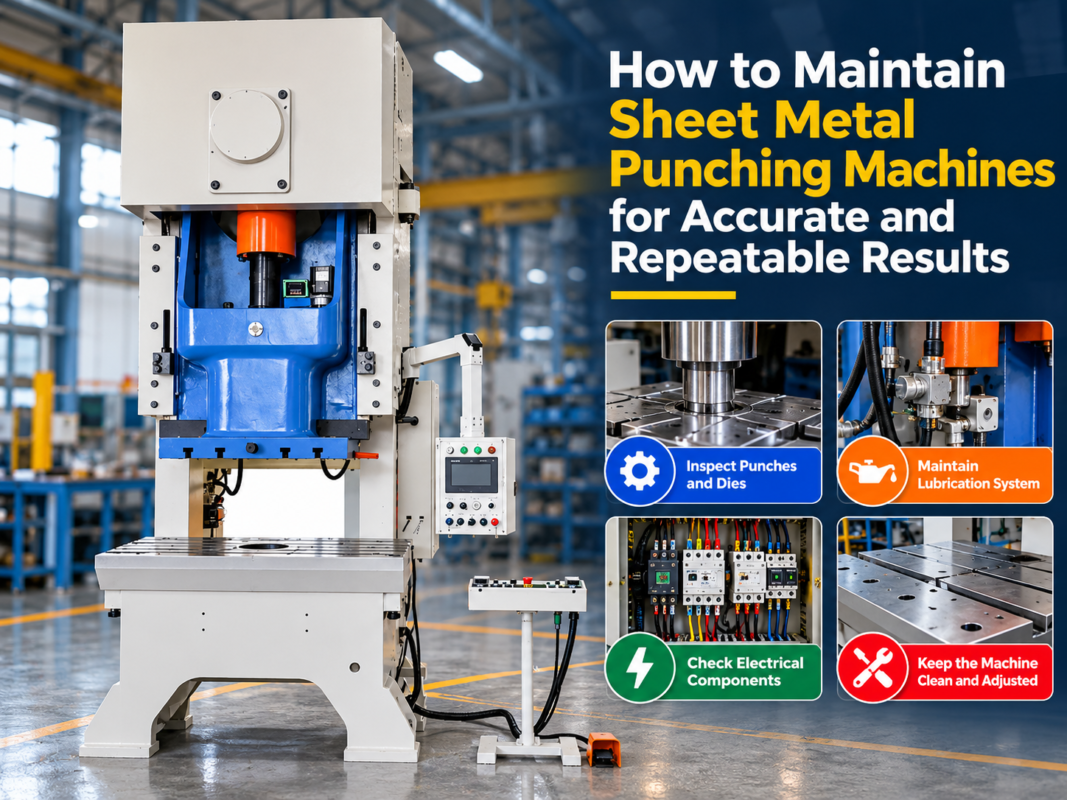
| Weekly | Ram Gibs | Visual inspection for uneven wear patterns. | Identify alignment issues early. |
| Monthly | Linear Encoders | Clean scales and check mounting tightness. | Maintain positional accuracy. |
| Quarterly | Gib Clearance | Measure with feeler gauges; adjust if necessary. | Eliminate ram wobble/drift. |
| Bi-Annually | Hydraulic Fluid | Test for contamination and viscosity. | Protect valves and cylinders. |
| Annually | Full Calibration | Professional check of parallelism and leveling. | Restore factory precision. |
Frequently Asked Questions (FAQ)
1. How often should I grease my press brake guide rails?
For most industrial applications, guide rails should be lubricated every 8 to 24 hours of actual machine run-time. If you are working in a particularly dusty environment or performing high-tonnage bends continuously, more frequent lubrication is necessary. Always refer to your HARSLE manual for specific interval requirements.
2. What happens if the ram is not parallel to the bed?
If the ram is not parallel, you will experience uneven bend angles across the length of your workpiece. This not only ruins the part but also puts uneven stress on the guide rails and hydraulic cylinders, which can lead to premature seal failure and rail scoring.
3. Can I use any industrial grease for the guide rails?
No. Guide rails require specific “way oils” or high-pressure (EP) greases that are designed to stay in place under heavy vertical loads. Using the wrong lubricant can lead to “run-off,” leaving the rails dry, or it can be too thick, causing the ram to move sluggishly and inaccurately.
4. Why is my press brake making a squeaking noise during the stroke?
Squeaking is usually a sign of metal-on-metal contact. This occurs when the lubrication film has broken down or when the gibs are adjusted too tightly. Stop the machine immediately, clean the rails, and re-lubricate. If the noise persists, check the gib clearance.
5. How do I know if my guide rail liners need replacement?
Liners should be replaced if you can no longer achieve the specified gib clearance through adjustment, or if you see metallic flakes in the lubricant. Significant scoring or deep scratches on the liners are also clear indicators that they have reached the end of their service life.
Conclusion: Investing in Precision
Maintaining the ram and guide rails of your press brake is an investment in the quality of your work and the longevity of your equipment. By following these Press Brake Ram Rail Maintenance Tips Stable Bending, you ensure that your HARSLE machine continues to deliver the high-performance results your customers expect. Stable bending is the result of a clean, well-lubricated, and perfectly aligned machine. Don’t wait for a breakdown to give your guide rails the attention they deserve—proactive maintenance is the hallmark of a world-class fabrication shop.