Step-By-Step Punching Machine Troubleshooting for Stable Production: A HARSLE Guide


Introduction to Maintaining Operational Excellence
In the high-stakes world of metal fabrication, the punching machine serves as the backbone of production efficiency. Whether you are operating a high-speed CNC turret punch or a robust hydraulic punching press, downtime is the enemy of profitability. Achieving consistent output requires a proactive approach to maintenance and a deep understanding of how to address mechanical or software anomalies quickly. This guide focuses on Step-By-Step Punching Machine Troubleshooting for Stable Production, providing HARSLE users and metal fabricators with the technical insights needed to keep their lines moving.
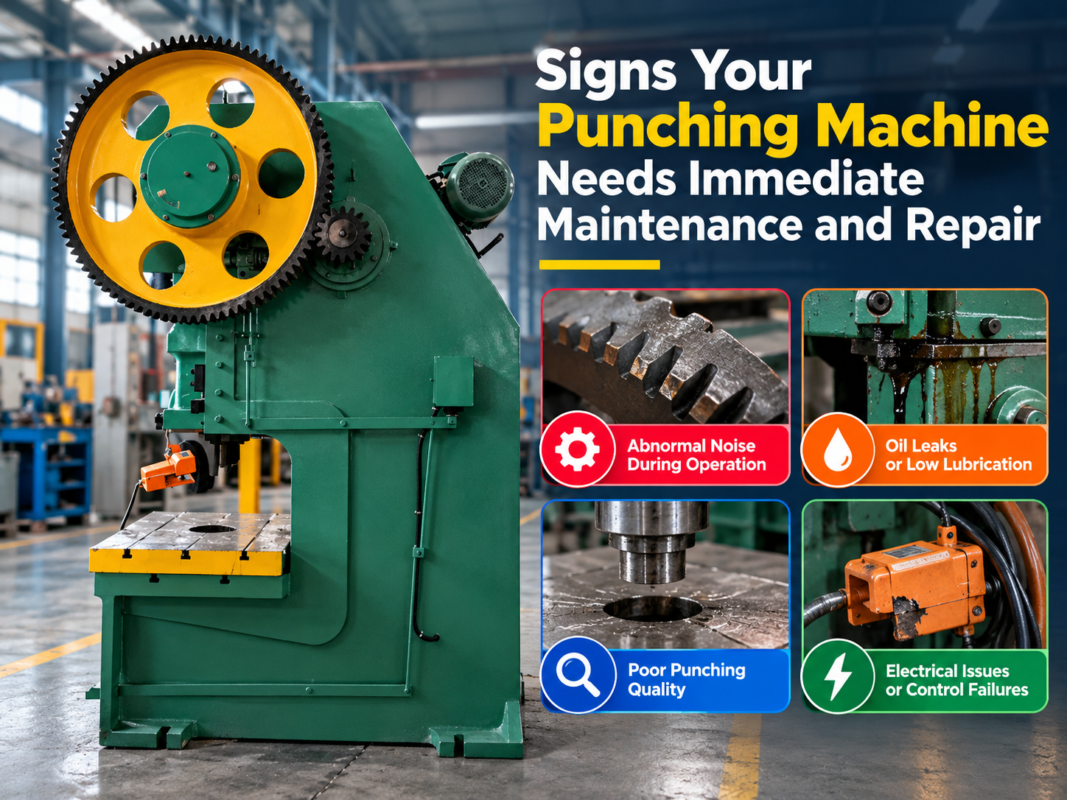
Stable production is not merely about fixing machines when they break; it is about creating a culture of preventative care and rapid diagnostic response. When a machine begins to show signs of fatigue—such as irregular hole edges, excessive vibration, or software communication errors—the operator must have a clear, logical path to resolution. By following a structured troubleshooting methodology, you can minimize the impact of technical issues on your overall production schedule.
HARSLE is committed to supporting your manufacturing goals by providing equipment that is both durable and serviceable. However, even the most advanced industrial machinery requires periodic calibration and troubleshooting. This article will walk you through the essential steps to diagnose common issues, maintain your equipment, and ensure that your facility remains a leader in precision metal fabrication.
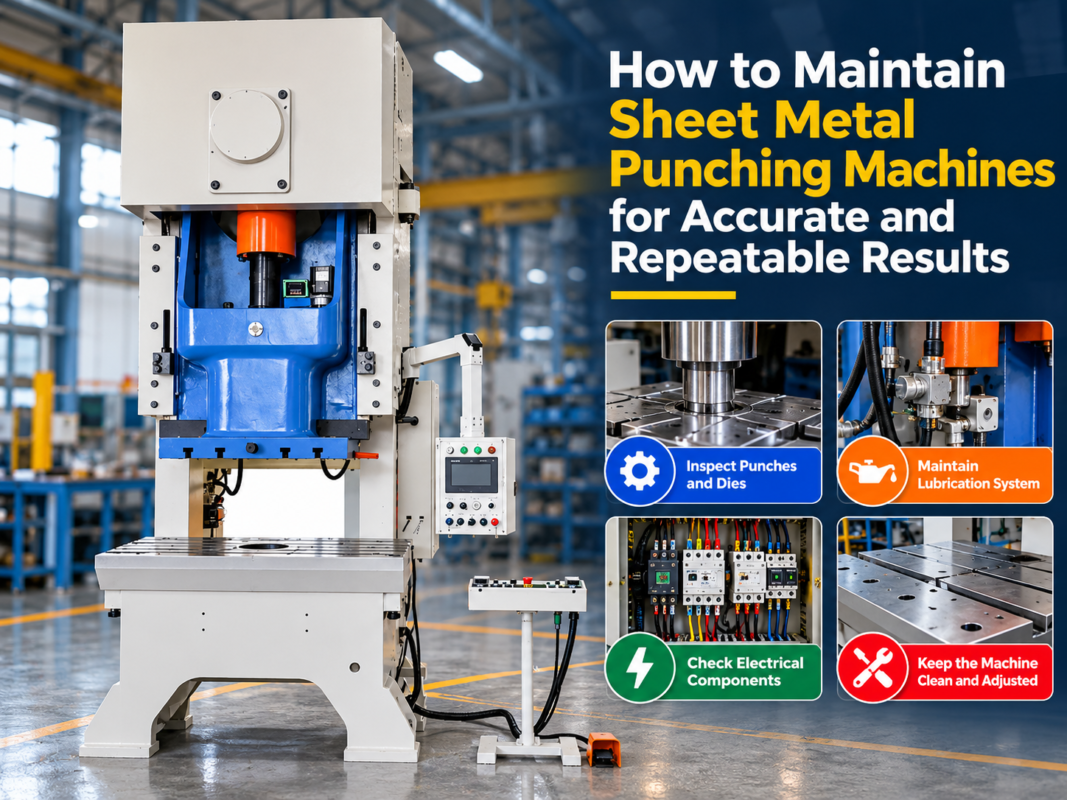
Understanding the relationship between machine health and product quality is the first step toward mastery. A well-maintained punching machine produces clean, burr-free parts, reduces tool wear, and extends the lifespan of the hydraulic and electrical systems. As we delve into the technical aspects of troubleshooting, keep in mind that safety and precision are the two pillars of successful industrial operations.
Key Considerations for Stable Production
The foundation of stable production lies in the environment and the daily habits of the machine operators. Before diving into complex mechanical repairs, it is essential to ensure that the machine is operating within its intended parameters. Environmental factors, such as ambient temperature, power stability, and cleanliness, play a significant role in how a punching machine performs over time.
One of the most overlooked aspects of machine stability is the quality of the power supply. Industrial punching machines, particularly CNC models, are sensitive to voltage fluctuations. If your facility experiences frequent power surges or drops, it can lead to erratic behavior in the control unit or even damage to the servo motors. Installing a high-quality voltage stabilizer is a fundamental step in protecting your investment and ensuring that the machine operates without unexpected interruptions.
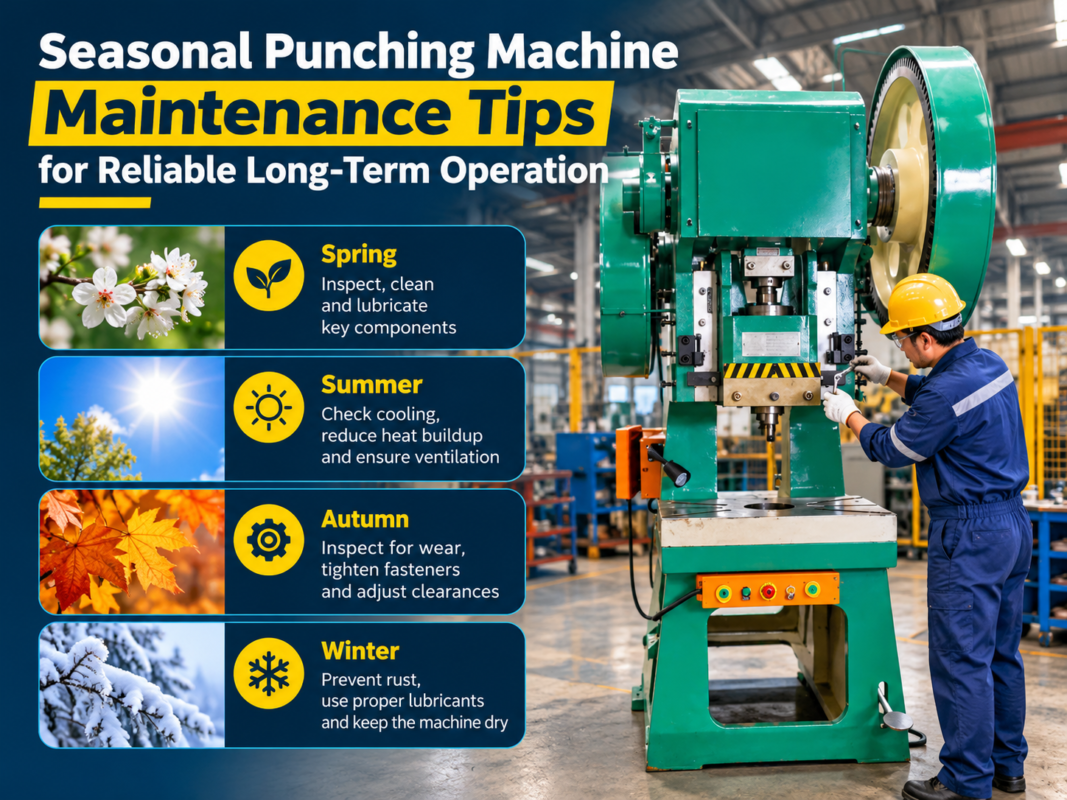
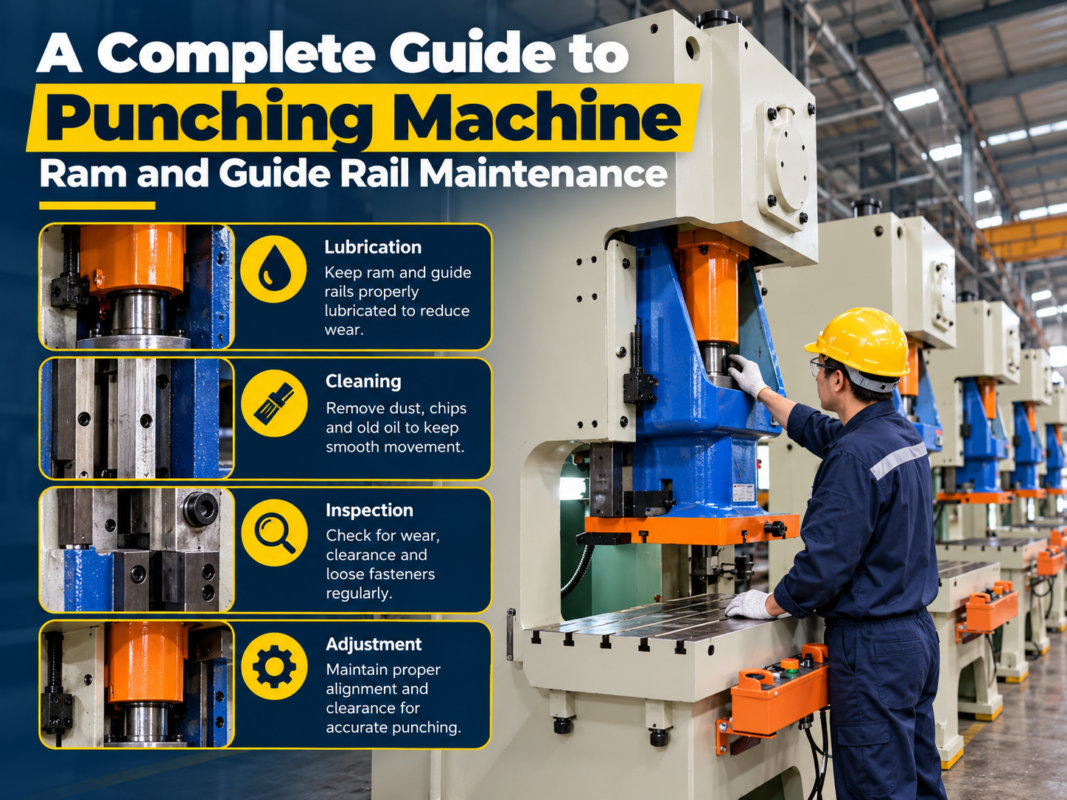
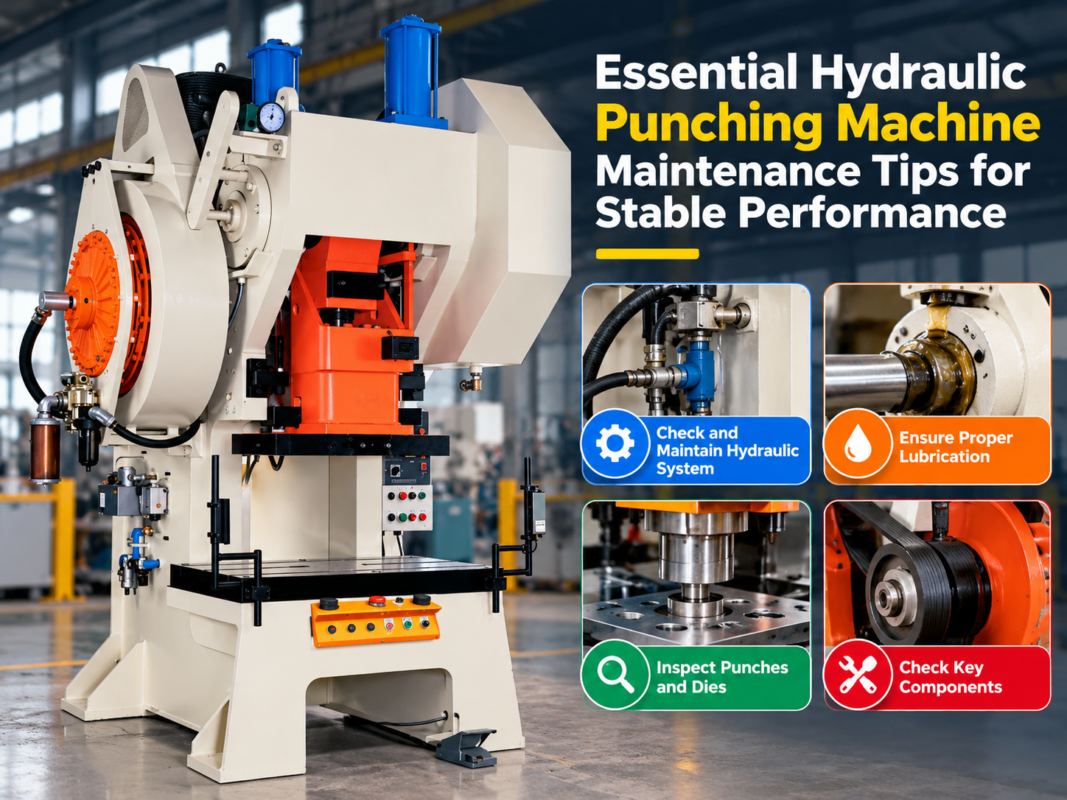
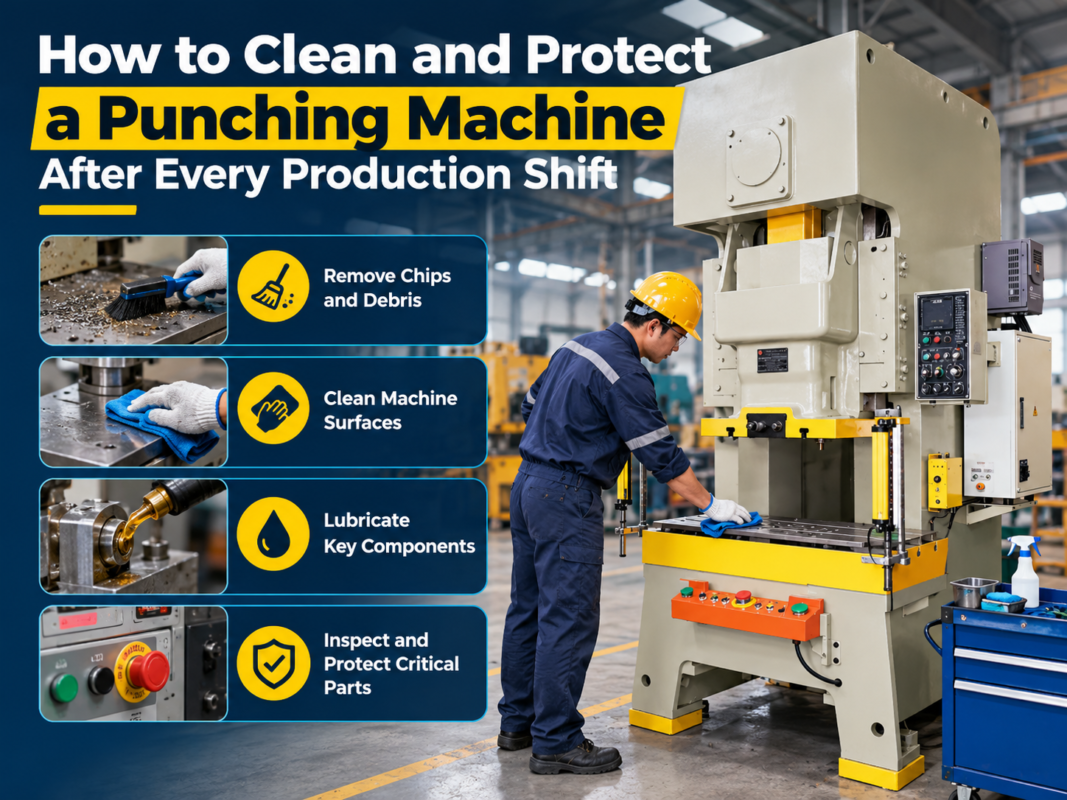
Lubrication is another critical factor. A punching machine is a complex assembly of moving parts, including rams, guides, and turret mechanisms. If these components are not properly lubricated, friction increases, leading to heat buildup and premature wear. Establishing a strict lubrication schedule—based on the machine’s operating hours rather than just calendar dates—is vital for maintaining the mechanical integrity of the system.
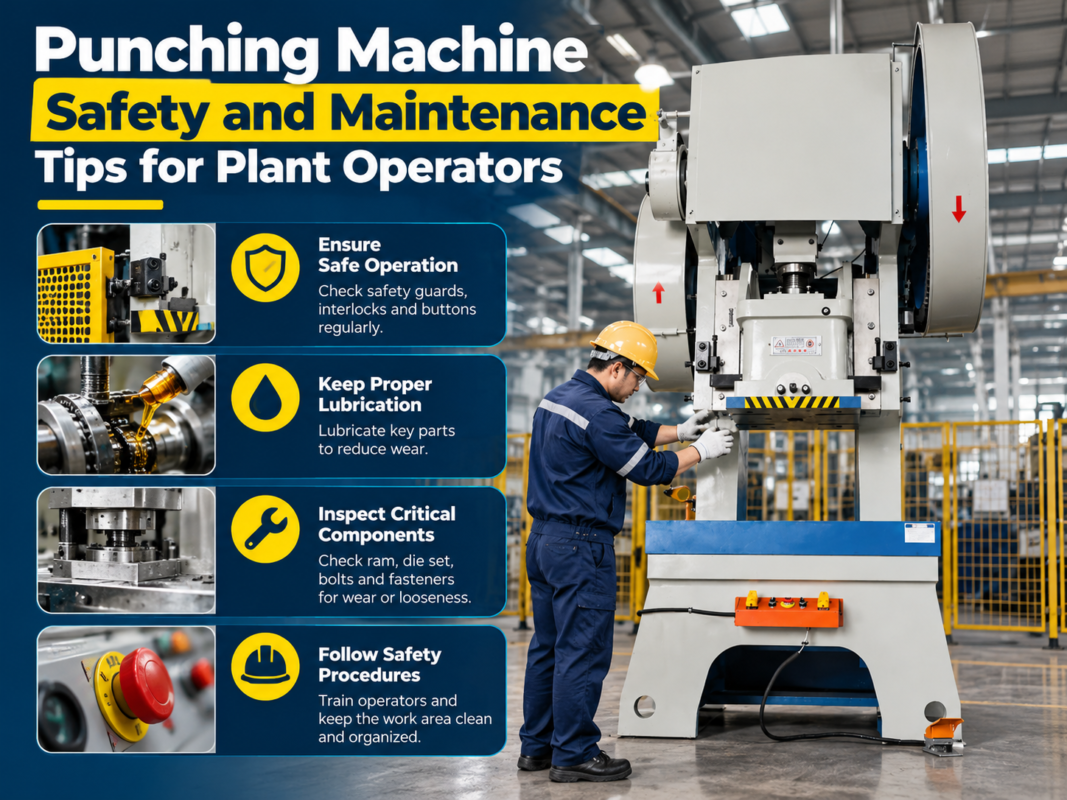
Finally, consider the role of operator training. A well-trained operator can often detect the early warning signs of a machine failure before it results in a total shutdown. Unusual sounds, slight changes in the punch cycle time, or minor variations in part dimensions are all indicators that require investigation. By fostering a team that understands the nuances of the equipment, you create a frontline defense against production instability.
Technical Details: Step-By-Step Punching Machine Troubleshooting
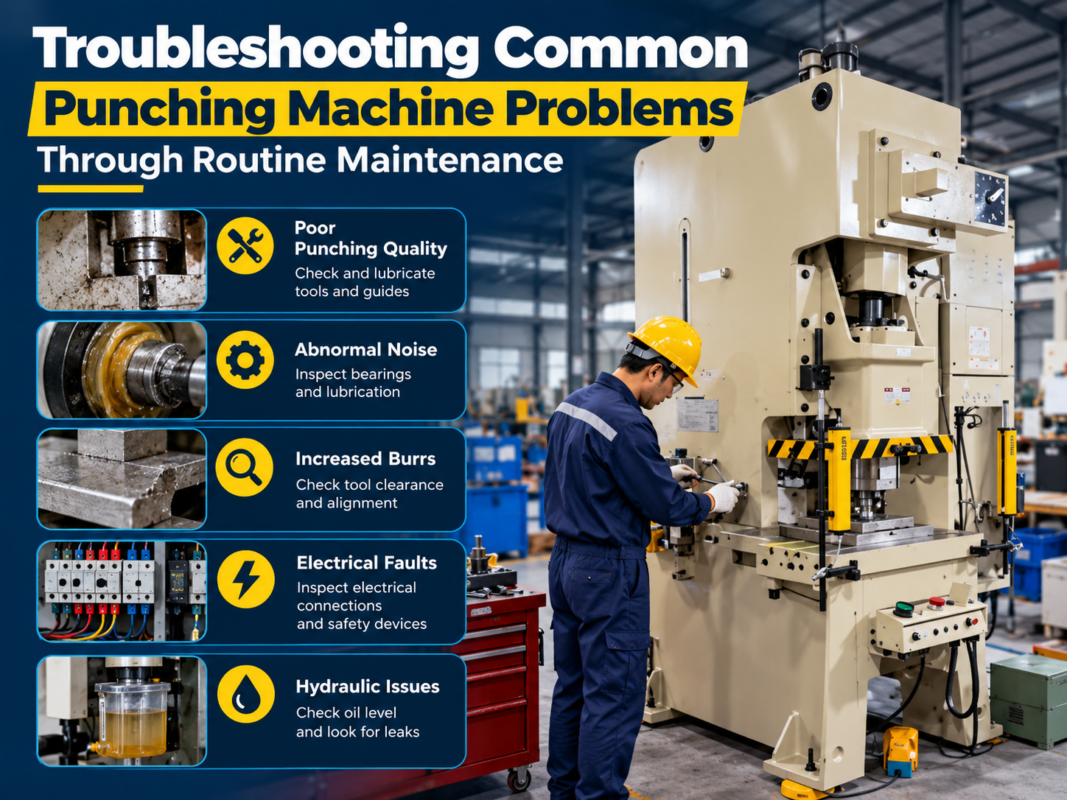
When a machine fails to perform as expected, a systematic approach is required to isolate the root cause. We recommend a hierarchical troubleshooting process, starting with the simplest potential issues and moving toward more complex mechanical or electrical diagnostics. This Step-By-Step Punching Machine Troubleshooting for Stable Production approach saves time and prevents unnecessary disassembly.
Phase 1: Power and Control Systems
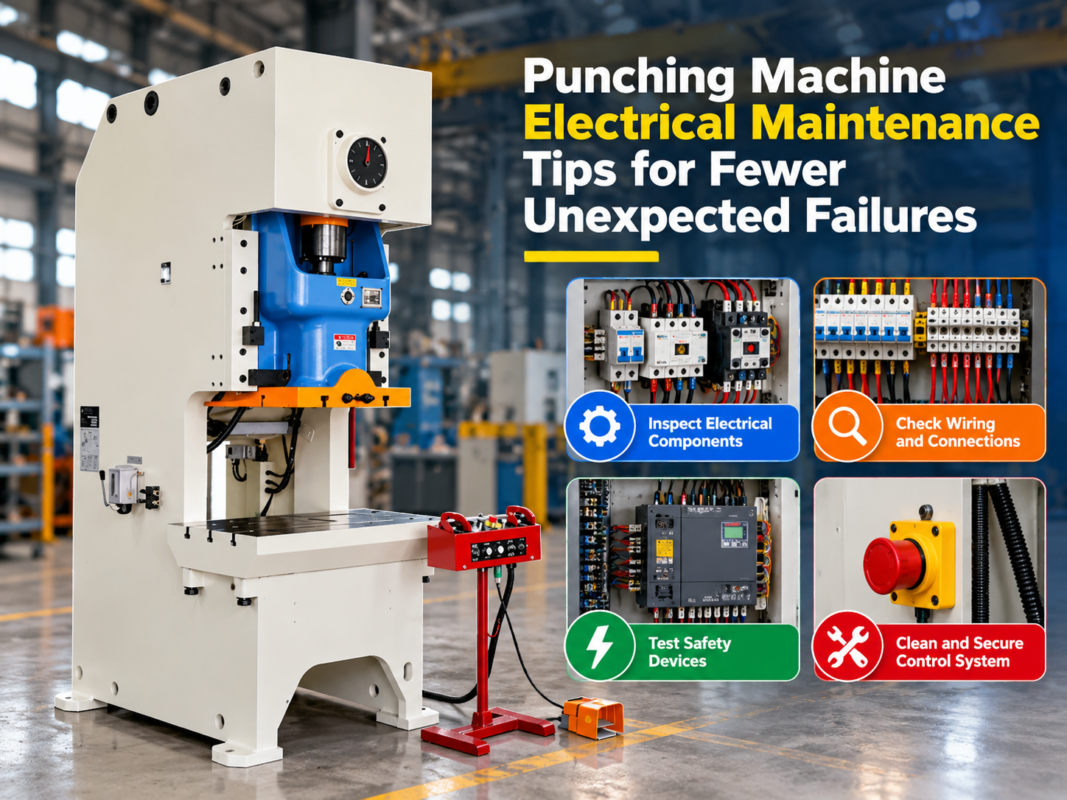
Start by checking the control panel and the main power supply. If the machine fails to start or the screen is blank, verify the emergency stop buttons are released and the main circuit breaker is engaged. Check for any error codes displayed on the HMI (Human Machine Interface). Modern HARSLE machines provide specific error codes that correspond to a manual, which should be your first point of reference for identifying the specific fault.
Phase 2: Hydraulic and Pneumatic Systems
If the machine is powered but the ram fails to move, the issue likely resides in the hydraulic or pneumatic circuits. Check the hydraulic oil levels and ensure the pump is running at the correct pressure. Inspect the solenoid valves for any signs of sticking or electrical failure. Often, a simple cleaning of a valve or a replacement of a seal can restore full functionality to the punching stroke.
Phase 3: Tooling and Alignment
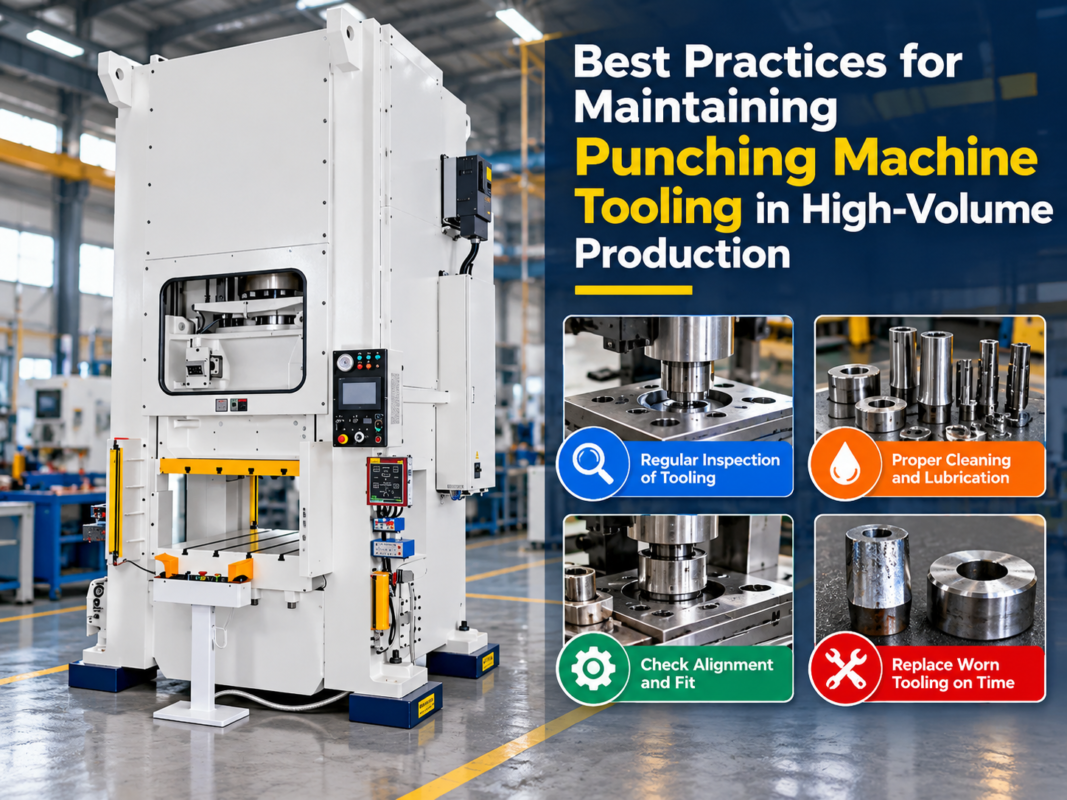
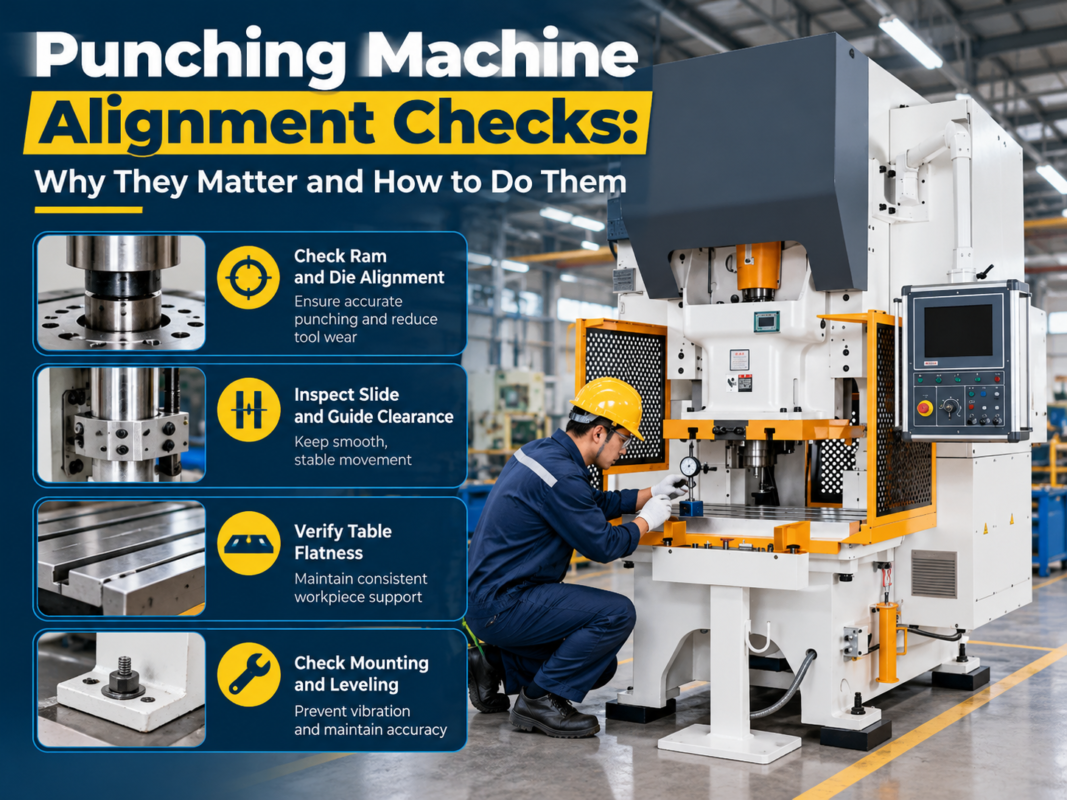
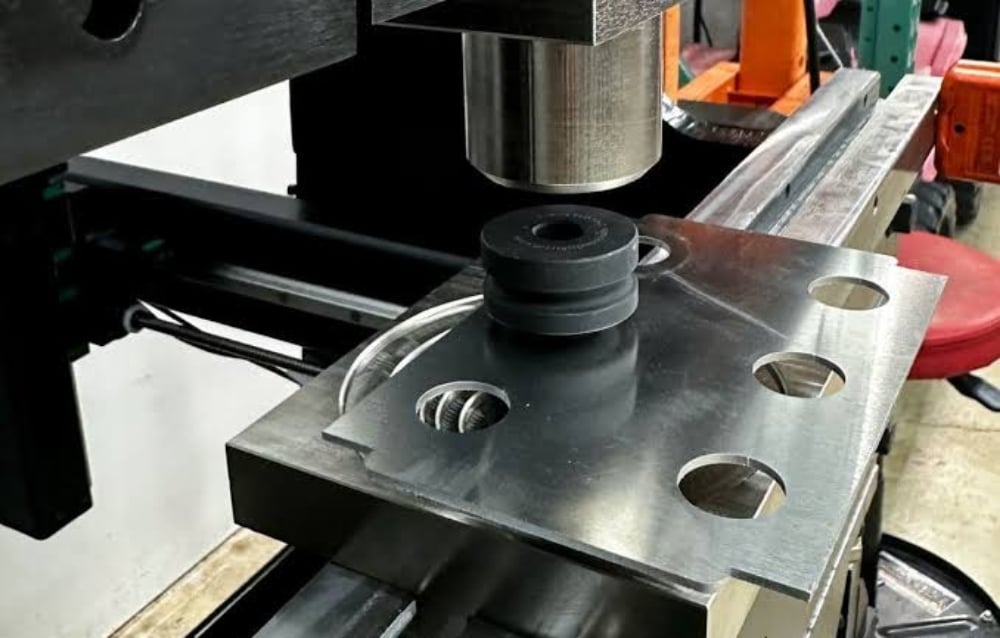
If the machine is operating but the parts are defective, the problem is usually related to the tooling. Inspect the punch and die for signs of chipping, dullness, or misalignment. A dull punch requires more force, which puts unnecessary strain on the machine frame and hydraulic system. Ensure that the die clearance is set correctly for the material thickness being processed, as incorrect clearance is a leading cause of poor edge quality and tool breakage.
- Check punch sharpness and replace if necessary.
- Verify die clearance settings against material thickness charts.
- Inspect the turret or tool holder for debris or metal shavings.
- Ensure the stripper plate is properly aligned to prevent material distortion.
Selection Advice for Long-Term Reliability
Choosing the right punching machine is the most effective way to ensure stable production from the start. When evaluating equipment, look for manufacturers that prioritize robust construction and high-quality components. A machine with a heavy-duty frame will absorb vibration better than a lighter model, leading to more consistent punching accuracy and longer tool life.
Consider the automation capabilities of the machine. While manual punching machines are reliable for small-batch work, high-volume production benefits significantly from CNC-controlled turret punches. These machines offer repeatable precision and can be integrated into larger automated cells, reducing the human error factor. When selecting a machine, ensure that the software interface is intuitive and that the manufacturer provides comprehensive technical support and spare parts availability.
Another factor to consider is the versatility of the machine. Can it handle a wide range of material thicknesses and types? A machine that is easily reconfigured for different jobs will provide more value over its lifespan. Look for features like quick-change tool systems, which minimize downtime during job changeovers. HARSLE offers a variety of configurations designed to meet the diverse needs of modern fabrication shops, ensuring that you can find a machine that fits your specific production requirements.
Finally, evaluate the total cost of ownership. This includes not just the purchase price, but also the cost of energy, maintenance, and potential downtime. A machine that is slightly more expensive upfront but requires less frequent maintenance and offers higher energy efficiency will almost always be the more economical choice in the long run. Always request a detailed maintenance manual and training session from the supplier to ensure your team is prepared to handle the machine effectively.
Frequently Asked Questions (FAQ)
How often should I perform preventative maintenance on my punching machine?
Preventative maintenance should be performed based on the manufacturer’s recommended intervals, typically every 500 to 1,000 operating hours. This includes checking hydraulic fluid, cleaning the turret, and inspecting electrical connections.
What causes burrs on the edges of punched holes?
Burrs are usually caused by dull tooling or incorrect die clearance. Ensure your punches are sharpened regularly and that the clearance between the punch and die is adjusted for the specific material thickness you are processing.
Why is my CNC punching machine showing a communication error?
Communication errors are often caused by loose cables, electromagnetic interference, or issues with the control software. Check all cable connections and ensure that the machine is properly grounded to prevent interference.
Can I use a punching machine for materials other than mild steel?
Yes, but you must adjust your punching force and tool selection accordingly. Stainless steel, for example, requires more force and specific tool coatings to prevent galling. Always refer to your machine’s capacity chart before processing harder materials.
Conclusion: Sustaining Your Competitive Edge
Mastering Step-By-Step Punching Machine Troubleshooting for Stable Production is a journey of continuous improvement. By implementing the strategies outlined in this guide—ranging from daily environmental checks to systematic mechanical diagnostics—you can significantly reduce downtime and improve the quality of your output. Remember that the goal is to move from reactive repairs to a proactive maintenance culture where the machine is always ready for the next job.
HARSLE remains dedicated to providing the tools and knowledge necessary for your success in the metal fabrication industry. Whether you are troubleshooting a minor electrical fault or planning a major equipment upgrade, our team is here to support your operations. By investing in quality machinery, training your staff, and adhering to a rigorous maintenance schedule, you ensure that your production line remains stable, efficient, and profitable for years to come.
As technology evolves, so too will the methods for maintaining industrial equipment. Stay informed about the latest advancements in punching technology and continue to refine your troubleshooting processes. With the right approach, your punching machine will not just be a piece of equipment, but a reliable partner in your company’s growth and success.