Hydraulic Press Brake Vs Electric Press Brake: Which Is Better Workshop?


Introduction to the Bending Dilemma
In the rapidly evolving world of metal fabrication, choosing the right equipment is the cornerstone of operational success. For decades, the hydraulic press brake has been the undisputed workhorse of the industry, providing the raw power necessary to bend thick plates and large components. However, the emergence of electric press brake technology has sparked a significant debate among workshop owners and production managers. The question remains: Hydraulic Press Brake Vs Electric Press Brake: Which Is Better Workshop?
This decision is not merely about choosing between two different power sources; it is about aligning your workshop’s capabilities with your production goals, budget, and sustainability targets. As HARSLE continues to innovate in both sectors, understanding the nuances of each technology is essential. Whether you are a small job shop focusing on high-precision electronic components or a heavy industrial facility processing structural steel, the choice between hydraulic and electric will dictate your throughput, energy costs, and maintenance schedules for years to come.
Comparison Summary: A High-Level Overview
Before diving into the technical specifications, it is helpful to understand the fundamental differences at a glance. Hydraulic press brakes utilize a system of pumps, valves, and oil to generate the force required for bending. This technology is mature, robust, and capable of reaching immense tonnages. Conversely, electric press brakes rely on high-torque servo motors and belt-and-pulley or ball-screw systems to drive the ram. This allows for unparalleled speed and precision, albeit usually at lower tonnage capacities than their hydraulic counterparts.
The primary trade-off involves power versus efficiency. Hydraulic machines are generally more affordable upfront and can handle a wider range of material thicknesses. Electric machines, while carrying a higher initial price tag, offer significant savings in energy consumption and maintenance, alongside faster cycle times. In the modern workshop, the “better” machine is the one that maximizes your specific Return on Investment (ROI) based on your daily workload.
Understanding the Hydraulic Press Brake
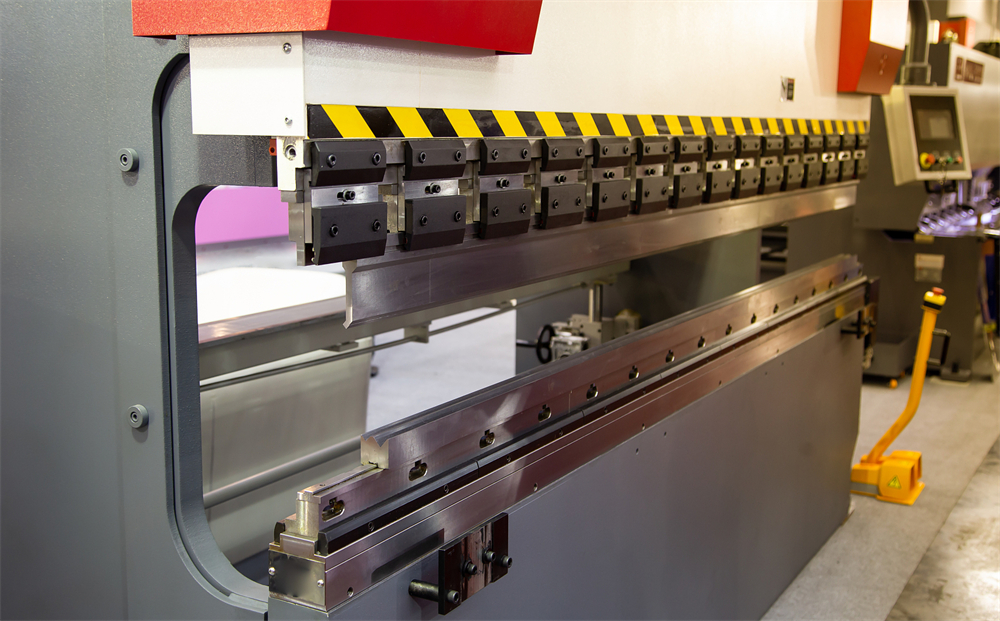
The hydraulic press brake operates on Pascal’s principle, where pressure applied to a confined fluid is transmitted undiminished in every direction. In a typical HARSLE hydraulic press brake, an electric motor drives a hydraulic pump, which forces oil into cylinders. This pressure moves the pistons, which in turn move the ram downward to perform the bend. This system is exceptionally efficient at generating high force, making it the go-to solution for heavy-duty applications.
Advantages of Hydraulic Systems
One of the most significant advantages of the hydraulic press brake is its tonnage capacity. These machines can easily exceed 1,000 tons, allowing for the bending of extremely thick and hard materials that electric machines simply cannot handle. Furthermore, hydraulic technology is highly versatile. With a long stroke length and adjustable pressure, a single hydraulic machine can often perform a wider variety of bends than an electric one of the same size.
Cost is another major factor. For many workshops, the lower initial investment of a hydraulic press brake is a deciding factor. Because the technology has been standard for so long, parts are readily available, and most technicians are well-versed in their repair and maintenance. Additionally, modern CNC hydraulic press brakes have integrated advanced crowning systems and proportional valve technology to significantly improve the precision that was once a weakness of older hydraulic models.
Disadvantages and Limitations
Despite their power, hydraulic press brakes have inherent drawbacks. The most notable is energy consumption. The hydraulic pump often runs continuously, even when the machine is idling, leading to wasted electricity. Furthermore, hydraulic oil is sensitive to temperature changes. As the oil heats up during a long shift, its viscosity changes, which can lead to slight variations in bending accuracy if the machine does not have a sophisticated cooling and compensation system.
Maintenance is also more intensive. Hydraulic systems are prone to leaks over time, and the oil must be filtered and replaced periodically. There is also the environmental concern of disposing of used hydraulic fluid. Finally, hydraulic machines are generally slower in terms of approach and return speeds compared to electric models, which can limit throughput in high-volume, small-part production environments.
Understanding the Electric Press Brake
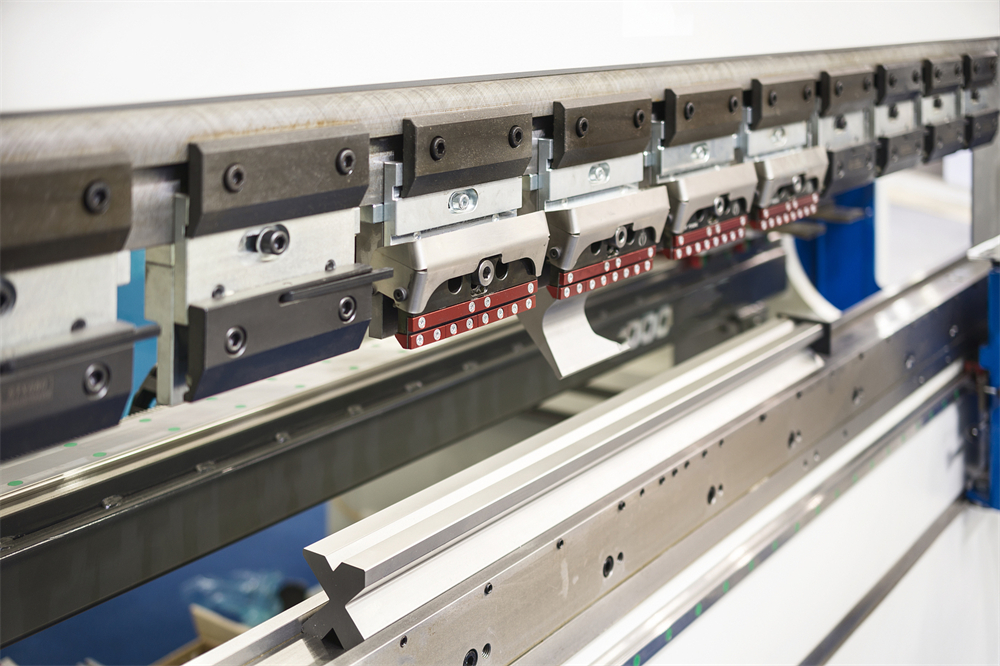
Electric press brakes represent the cutting edge of bending technology. Instead of using fluid power, these machines use servo motors to drive the ram. In many designs, a system of belts and pulleys distributes the force evenly across the ram, while others use high-precision ball screws. This direct-drive approach eliminates many of the variables associated with hydraulic systems, resulting in a machine that is incredibly fast, quiet, and precise.
Advantages of Electric Systems
The standout feature of the electric press brake is its speed. Because servo motors can accelerate and decelerate almost instantly, the cycle times for electric machines are often 30% to 50% faster than hydraulic machines. This makes them ideal for workshops that produce large quantities of small to medium-sized parts. Precision is also a major selling point; electric motors can be controlled to within microns, ensuring that every bend is identical, regardless of how long the machine has been running.
Energy efficiency is another area where electric machines shine. They only consume significant power when the ram is actually moving. When the machine is idling or the operator is positioning a part, energy consumption is negligible. This can lead to a reduction in electricity costs by up to 60% compared to a traditional hydraulic press brake. Additionally, because there is no oil, the machine is much cleaner and quieter, creating a better working environment for operators.
Disadvantages and Limitations
The primary limitation of electric press brakes is their tonnage. While technology is improving, most electric machines are capped at around 200 tons. For workshops dealing with thick plate steel or long bending lengths, an electric machine may not provide enough force. The initial purchase price is also higher—often 20% to 40% more than a hydraulic machine of similar size. This higher entry cost means the workshop must have a high enough volume of work to justify the investment through energy savings and increased speed.
Specification Comparison Table
To better understand the Hydraulic Press Brake Vs Electric Press Brake: Which Is Better Workshop? debate, let’s look at a direct comparison of their technical attributes.
| Feature | Hydraulic Press Brake | Electric Press Brake |
|---|---|---|
| Tonnage Range | 30 tons to 3,000+ tons | 20 tons to 200 tons (typically) |
| Bending Speed | Moderate (8-15 mm/s) | High (up to 20+ mm/s) |
| Accuracy | High (with CNC crowning) | Ultra-High (Servo-controlled) |
| Energy Consumption | High (Continuous pump operation) | Low (Power on demand only) |
| Maintenance | High (Oil, filters, seals, leaks) | Low (Belts, bearings, lubrication) |
| Initial Cost | Lower to Moderate | Higher |
| Noise Level | 70-85 dB | 50-65 dB |
| Environmental Impact | Higher (Oil disposal) | Lower (Eco-friendly) |
Best-fit Applications for Each Machine
Choosing the right machine depends heavily on what you are making. A hydraulic press brake is the “better” choice for heavy industrial applications. This includes sectors like shipbuilding, construction equipment manufacturing, and large-scale infrastructure projects. If you are bending 12mm steel plate or working with 6-meter long sections, the sheer force and bed length of a hydraulic machine are indispensable. HARSLE’s heavy-duty hydraulic series is specifically engineered for these high-stress environments, ensuring structural integrity over years of use.
On the other hand, the electric press brake is the superior choice for precision industries. This includes electronics enclosures, medical device manufacturing, and aerospace components. In these fields, the parts are often small, complex, and made from thinner gauges of aluminum or stainless steel. The high speed of the electric ram allows for rapid-fire bending sequences, and the extreme precision ensures that complex multi-bend parts fit together perfectly in final assembly. If your workshop prioritizes “parts per hour” over “tons of force,” electric is the way to go.
Cost and Maintenance Comparison
When evaluating Hydraulic Press Brake Vs Electric Press Brake: Which Is Better Workshop?, you must look beyond the sticker price. The Total Cost of Ownership (TCO) is where the electric press brake often wins. While you pay more upfront, the lack of hydraulic oil changes, filter replacements, and seal repairs saves thousands of dollars over the machine’s lifespan. Furthermore, the energy savings are substantial. In regions with high electricity costs, an electric press brake can pay for its price premium in just a few years through utility savings alone.
Hydraulic machines, however, offer a different kind of financial flexibility. Because they are cheaper to buy, they are often easier for new or expanding workshops to finance. If the machine is not running 24/7, the energy inefficiency becomes less of a factor. Maintenance on hydraulic machines, while more frequent, is often something that can be handled by in-house maintenance teams without specialized electronic training. However, one must account for the potential downtime caused by hydraulic leaks or valve failures, which can be more unpredictable than the wear on an electric servo system.
Environmental Impact and Workshop Environment
Modern manufacturing is increasingly focused on sustainability. Electric press brakes are inherently “greener.” They do not use hazardous hydraulic fluids, which means there is no risk of soil or water contamination from leaks, and no need for specialized disposal services. The reduced energy footprint also helps companies meet carbon reduction goals. For workshops located in urban areas or shared industrial spaces, the noise reduction of an electric machine is a significant benefit, leading to less operator fatigue and a more pleasant working atmosphere.
Hydraulic machines have made strides in this area as well. HARSLE’s latest hydraulic models often feature “hybrid” systems. These systems use servo motors to drive the hydraulic pumps, meaning the pump only runs when the ram is moving. This bridges the gap between traditional hydraulic and full electric technology, offering the power of hydraulics with much of the energy efficiency and noise reduction of electric machines. For many workshops, a hybrid hydraulic machine represents the perfect middle ground.
Recommendation: Which Is Better for Your Workshop?
The final decision on Hydraulic Press Brake Vs Electric Press Brake: Which Is Better Workshop? comes down to a few critical questions. First, what is your maximum material thickness and length? If you regularly exceed 6mm steel or 3-meter lengths, a hydraulic press brake is likely your only viable option. Second, what is your production volume? For high-volume, high-speed production of small parts, the electric press brake will significantly increase your throughput and profitability.
Third, consider your long-term operational costs. If you are in a high-cost energy market and plan to run the machine for multiple shifts, the electric machine’s efficiency is a massive advantage. However, if the machine will only be used occasionally for custom jobs, the lower initial cost of a hydraulic machine makes more sense. At HARSLE, we recommend a balanced approach: many modern workshops find that having one large hydraulic machine for heavy work and several smaller electric machines for precision tasks provides the ultimate competitive edge.
Buyer’s Checklist for Selection
- Tonnage Requirements: Calculate the maximum force needed for your thickest material.
- Part Complexity: High-precision, multi-bend parts favor electric servo control.
- Operating Hours: High-duty cycles favor the energy efficiency of electric machines.
- Maintenance Capability: Do you have the resources to manage hydraulic systems?
- Floor Space: Electric machines are often more compact.
- Budget: Balance initial capital expenditure against long-term operational savings.
Frequently Asked Questions
Is an electric press brake as strong as a hydraulic one?
In terms of force per square inch, yes, but in terms of total capacity, no. Electric press brakes are currently limited to lower total tonnages (usually under 200 tons), whereas hydraulic machines can reach thousands of tons. However, within its rated capacity, an electric machine is just as capable of bending metal as a hydraulic one.
How long do electric press brakes last compared to hydraulic?
Both machines are built for industrial longevity. Hydraulic machines are known for their durability over decades, provided the oil and seals are maintained. Electric machines have fewer moving parts and no high-pressure seals to fail, but the lifespan of the servo motors and electronic drives is a factor. Generally, both can last 15-20+ years with proper care.
Can I use a hydraulic press brake for precision work?
Yes, modern CNC hydraulic press brakes from HARSLE are extremely precise. Features like Y1/Y2 independent cylinder control and automatic crowning compensation allow hydraulic machines to achieve very high accuracy. However, for extremely small, intricate parts, the responsiveness of an electric machine is still superior.
Which machine is easier to operate?
Both machines use similar CNC controllers (such as Delem or ESA). The learning curve for the software is the same. However, electric machines are often considered “easier” because they are more consistent; they don’t require the operator to account for oil temperature changes throughout the day.
Are hybrid press brakes a good alternative?
Absolutely. Hybrid press brakes combine a servo-driven pump with a hydraulic circuit. They offer the high tonnage of hydraulics with the energy efficiency and speed of electric machines. For many workshops, a HARSLE hybrid press brake is the ideal solution to the Hydraulic Press Brake Vs Electric Press Brake debate.