Comprehensive Hydraulic Press Maintenance Checklist to Prevent Frequent Breakdowns


Introduction to Hydraulic Press Reliability
In the high-stakes world of metal fabrication, the hydraulic press stands as a cornerstone of production. Whether it is used for deep drawing, stamping, punching, or molding, the reliability of this machine directly dictates the profitability of a manufacturing facility. However, the immense force and high-pressure environments these machines operate in make them susceptible to wear and tear. Without a structured Hydraulic Press Maintenance Checklist to Prevent Frequent Breakdowns, even the most robust HARSLE machinery can experience unexpected downtime, leading to missed deadlines and inflated repair costs.
Preventative maintenance is not merely a suggestion; it is a strategic necessity. A well-maintained hydraulic press operates more efficiently, consumes less energy, and ensures the safety of the operators. By identifying minor issues before they escalate into catastrophic failures, manufacturers can extend the lifespan of their equipment by decades. This guide provides an exhaustive look at the technical requirements, daily routines, and long-term strategies needed to keep your hydraulic press in peak condition.
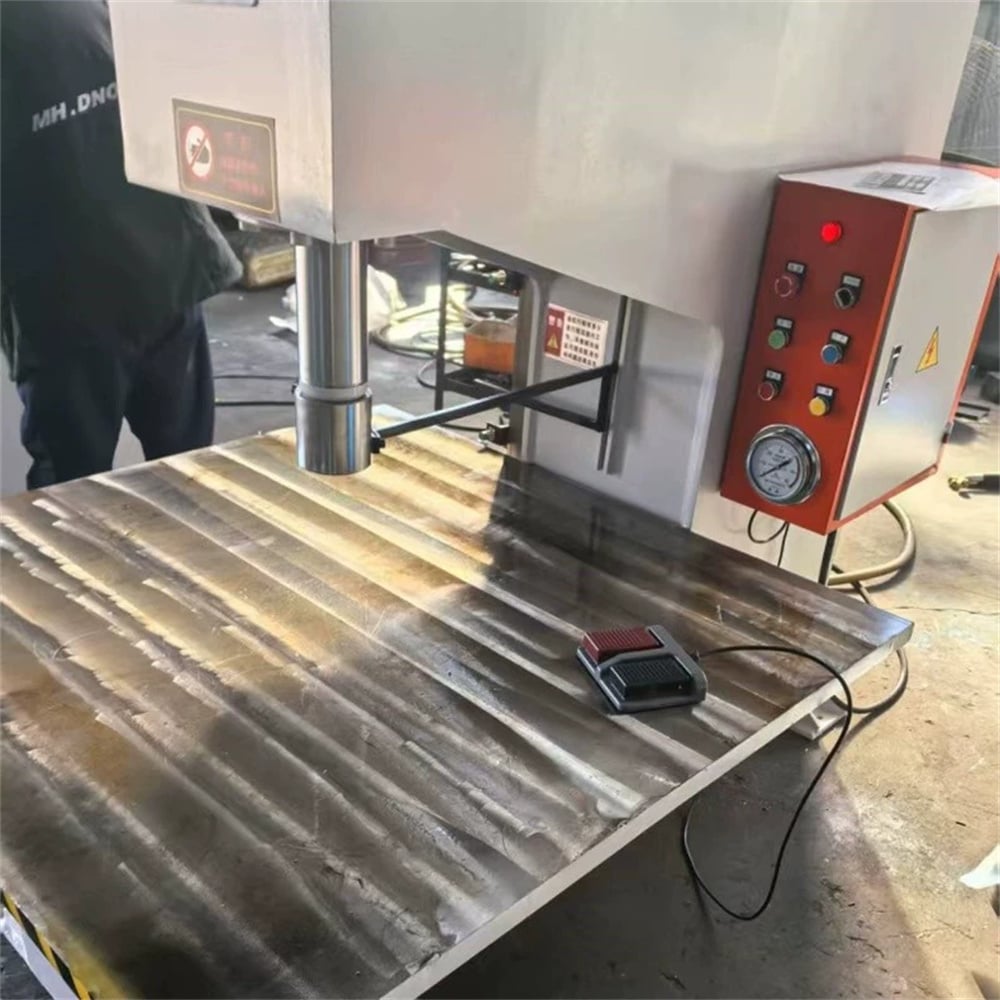
At HARSLE, we understand that our clients require precision and durability. While our machines are engineered with the highest quality components, the laws of physics and fluid dynamics mean that regular intervention is required. This article serves as a masterclass in industrial maintenance, offering actionable insights for shop managers and maintenance technicians alike.
Key Considerations for Hydraulic Press Longevity
Before diving into the specific checklist items, it is essential to understand the primary enemies of a hydraulic system: heat, contamination, and vibration. These three factors account for over 80% of all hydraulic failures. Heat degrades the chemical properties of the hydraulic fluid, leading to poor lubrication and seal failure. Contamination, often in the form of microscopic metal shavings or dust, acts as an abrasive that destroys pumps and valves. Vibration, if left unchecked, can loosen fittings and lead to devastating leaks.
Another critical consideration is the human element. Operators must be trained not only to run the machine but to recognize the early warning signs of trouble. A slight change in the sound of the pump or a minor drop in cycle speed is often the first indicator of an impending breakdown. Incorporating these observations into a daily Hydraulic Press Maintenance Checklist to Prevent Frequent Breakdowns creates a culture of proactive care rather than reactive panic.
Furthermore, the environment in which the press operates plays a significant role. In facilities with high ambient temperatures or heavy airborne particulates, maintenance intervals must be shortened. A press operating in a clean-room environment will have different needs than one in a heavy-duty forging shop. Tailoring your maintenance schedule to your specific operational context is the first step toward achieving 99% uptime.
The Daily Maintenance Checklist: The First Line of Defense
Daily checks are the most effective way to catch issues before they stop production. These tasks should be performed at the start of every shift and take no more than 15 to 20 minutes. The focus here is on fluid levels, leaks, and basic safety functions.
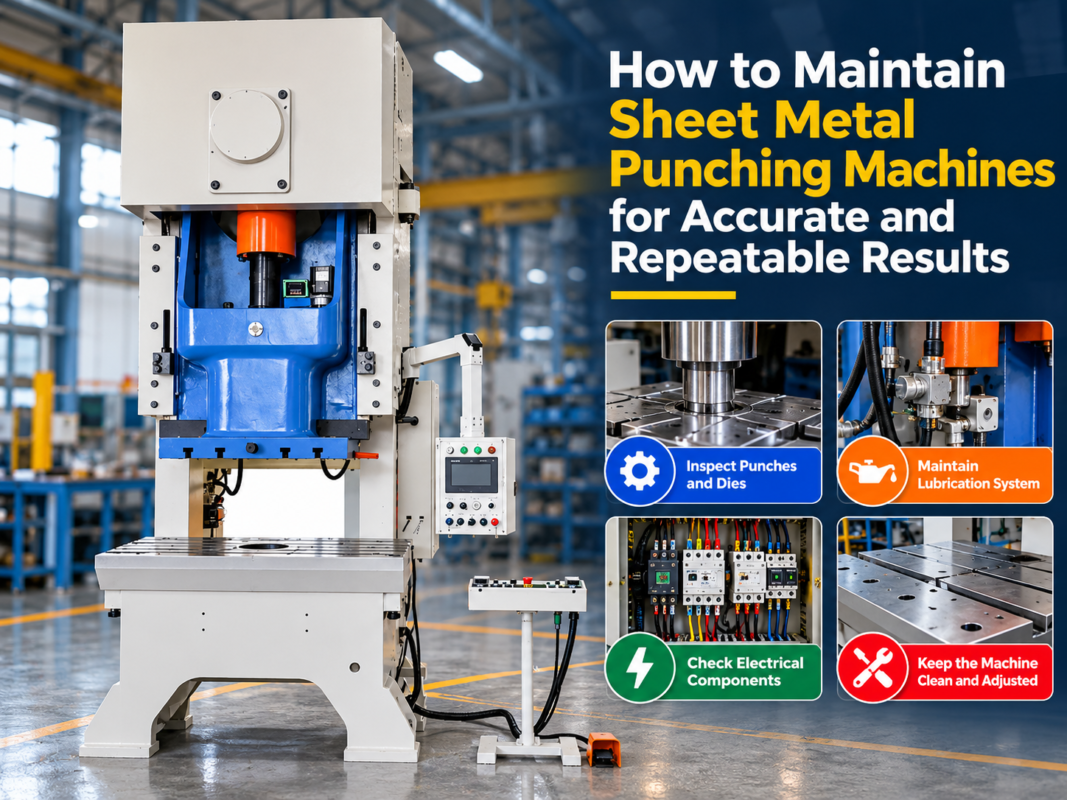
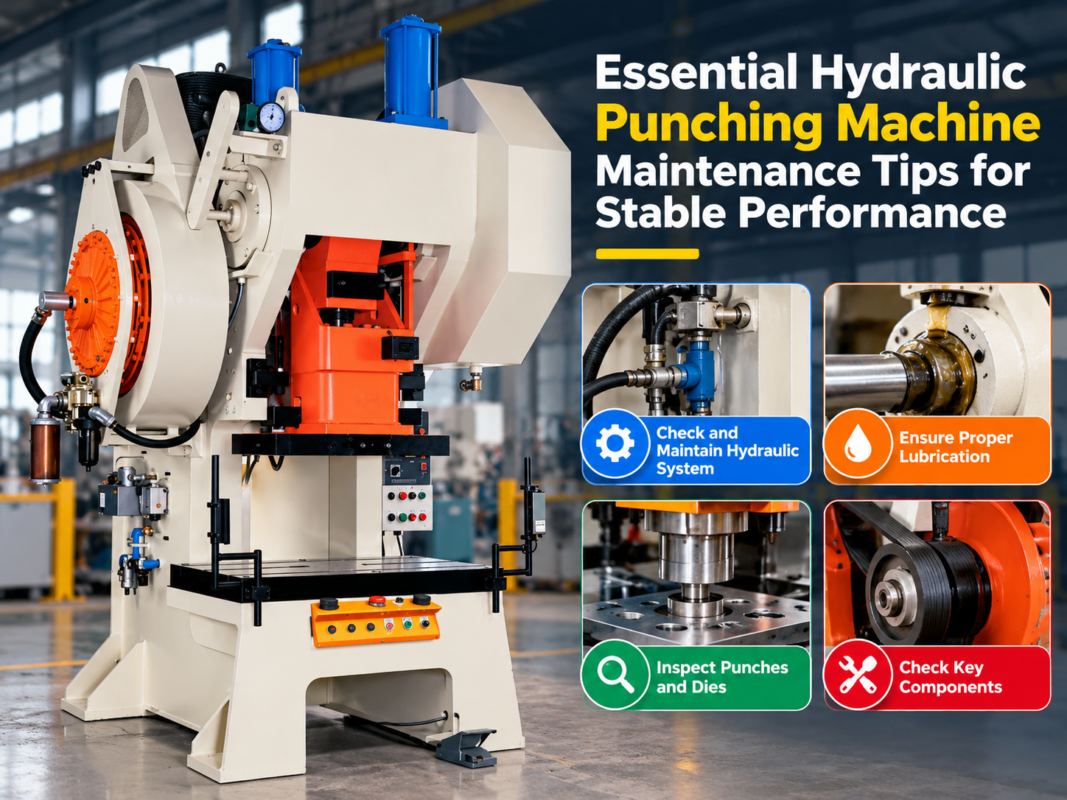
- Check Oil Levels: Ensure the hydraulic reservoir is filled to the appropriate level. Low oil can lead to aeration, where air is sucked into the pump, causing cavitation and permanent damage.
- Inspect for Leaks: Walk around the machine and look for puddles or damp spots on hoses and fittings. Even a small “weep” can lead to a significant loss of pressure and a messy workspace.
- Monitor Oil Temperature: Most modern HARSLE presses include temperature gauges. The ideal operating range is typically between 100°F and 130°F. If the oil exceeds 150°F, the seals will begin to harden and fail.
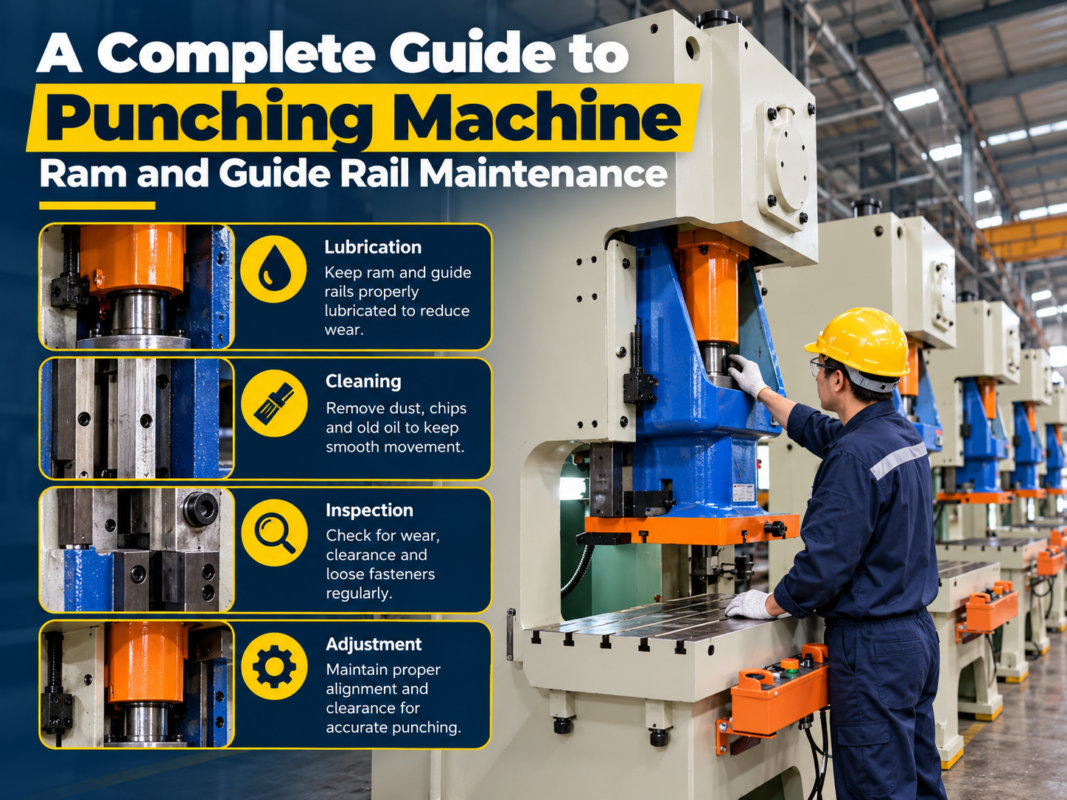
- Verify Ram Lubrication: The ram should have a thin, consistent film of oil. If it appears dry or has score marks, the lubrication system may be clogged or empty.
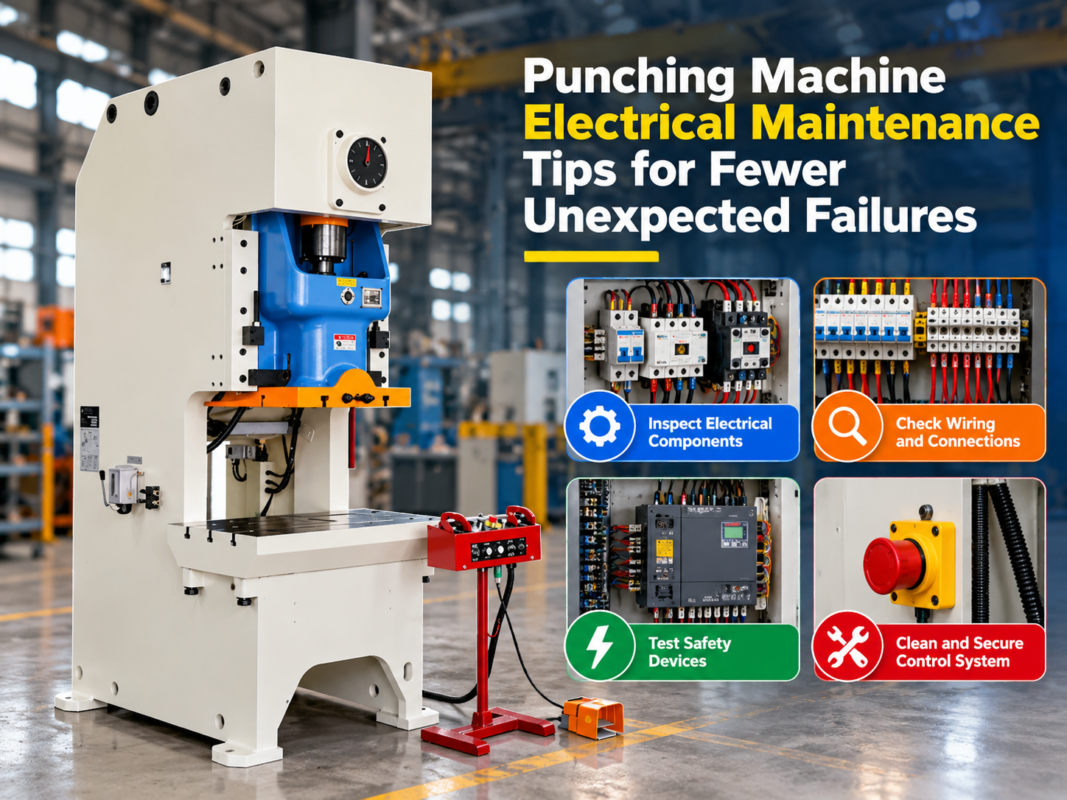
- Test Safety Devices: Check light curtains, emergency stop buttons, and dual-hand controls. A machine that isn’t safe shouldn’t run, regardless of its mechanical health.
By documenting these daily checks, you create a historical record that can help diagnose recurring issues. For instance, if you find yourself adding oil every three days, you know there is a hidden leak that needs to be addressed during the next scheduled downtime.
Weekly and Monthly Technical Inspections
While daily checks focus on the “vitals,” weekly and monthly inspections delve deeper into the mechanical and electrical integrity of the press. This is where the Hydraulic Press Maintenance Checklist to Prevent Frequent Breakdowns becomes more technical, requiring tools and a deeper understanding of the system’s architecture.
Weekly Tasks: Filtration and Fasteners
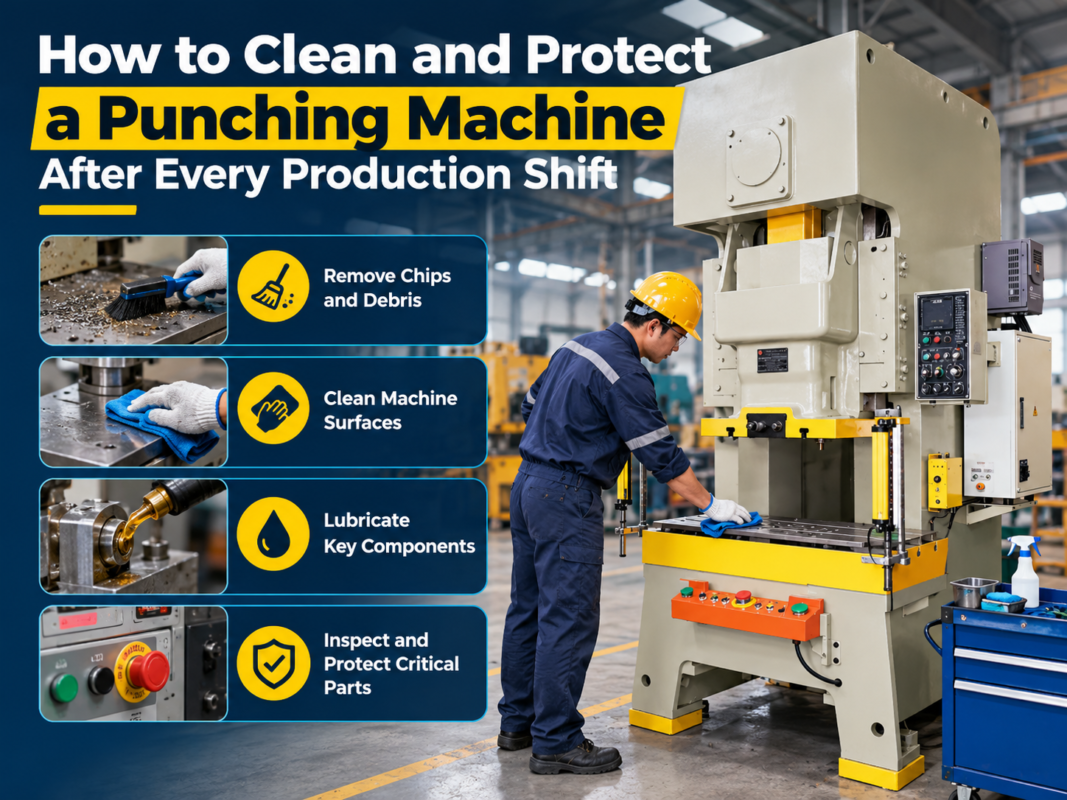
On a weekly basis, the focus shifts to the cleanliness of the system. Hydraulic filters are the kidneys of the machine. If they are clogged, the “dirty” oil will bypass the filter via a relief valve, sending contaminants directly to sensitive components. Technicians should check the filter indicators and replace elements if they show any signs of restriction. Additionally, all bolts on the main structure and the cylinder mounting should be checked for tightness. The high-pressure cycles of a hydraulic press can naturally loosen even the most secure fasteners over time.
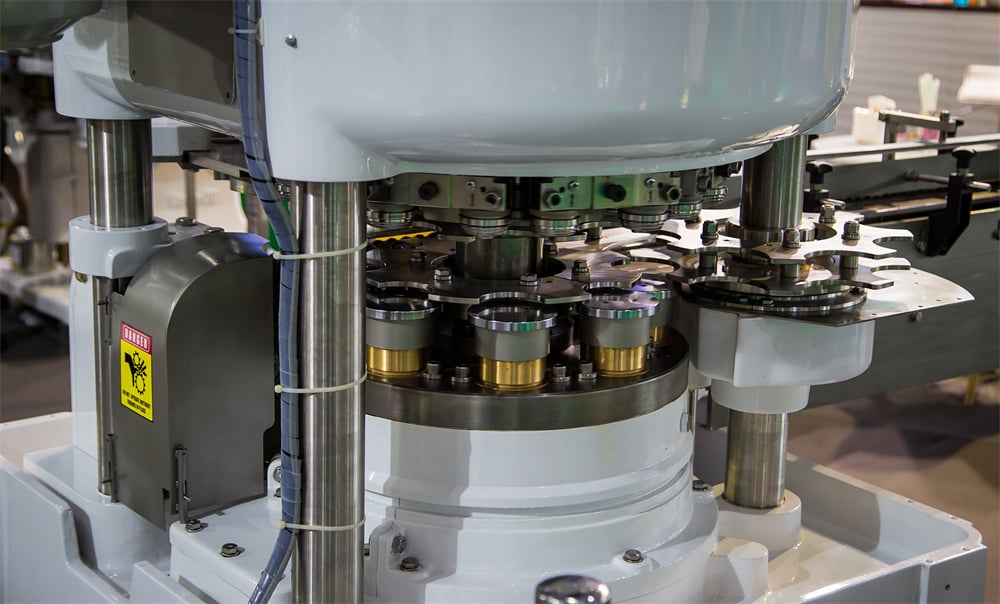
Monthly Tasks: Oil Analysis and Electrical Systems
Monthly maintenance should include a more rigorous look at the hydraulic fluid’s health. While you might not change the oil every month, taking a sample for analysis can reveal the presence of water, metal particles, or chemical breakdown. This “blood test” for your machine can predict pump failure months in advance. Furthermore, the electrical cabinet should be opened (with power off) to check for loose wires or signs of overheating on contactors and relays. Dust should be vacuumed out of the cabinet to prevent short circuits.
Technical Details: Understanding Hydraulic Fluid and Pressure Regulation
To truly master the Hydraulic Press Maintenance Checklist to Prevent Frequent Breakdowns, one must understand the technical nuances of the hydraulic circuit. The fluid is not just a medium for power; it is a coolant and a lubricant. The viscosity of the oil must be matched to the manufacturer’s specifications. If the oil is too thick, the pump will struggle to move it, leading to overheating. If it is too thin, it won’t provide enough of a protective film between moving parts.
Pressure regulation is another technical area that requires attention. The relief valves and pressure-reducing valves must be calibrated periodically. Over time, springs inside these valves can fatigue, leading to pressure drifts. If the press is operating at a higher pressure than necessary, it puts undue stress on the frame and the hydraulic seals. Conversely, low pressure will result in poor product quality and incomplete forming cycles. Using a calibrated master gauge to verify the machine’s internal sensors is a best practice for high-precision shops.
Selection Advice: Choosing a Press Built for Maintainability
When purchasing new equipment, maintenance should be a primary factor in the decision-making process. A machine that is difficult to service will inevitably be neglected. When evaluating HARSLE hydraulic presses or other industrial models, consider the following:
| Feature | Maintenance Benefit | What to Look For |
|---|---|---|
| Component Accessibility | Reduces labor time for repairs. | Open-frame designs or easily removable panels. |
| Integrated Diagnostics | Identifies faults instantly. | PLC screens with error code history and sensor feedback. |
| Standardized Parts | Easier to find replacements. | Use of world-class brands for valves and pumps (e.g., Rexroth, Schneider). |
| Automatic Lubrication | Ensures consistent greasing. | Centralized systems that alert the user when the reservoir is low. |
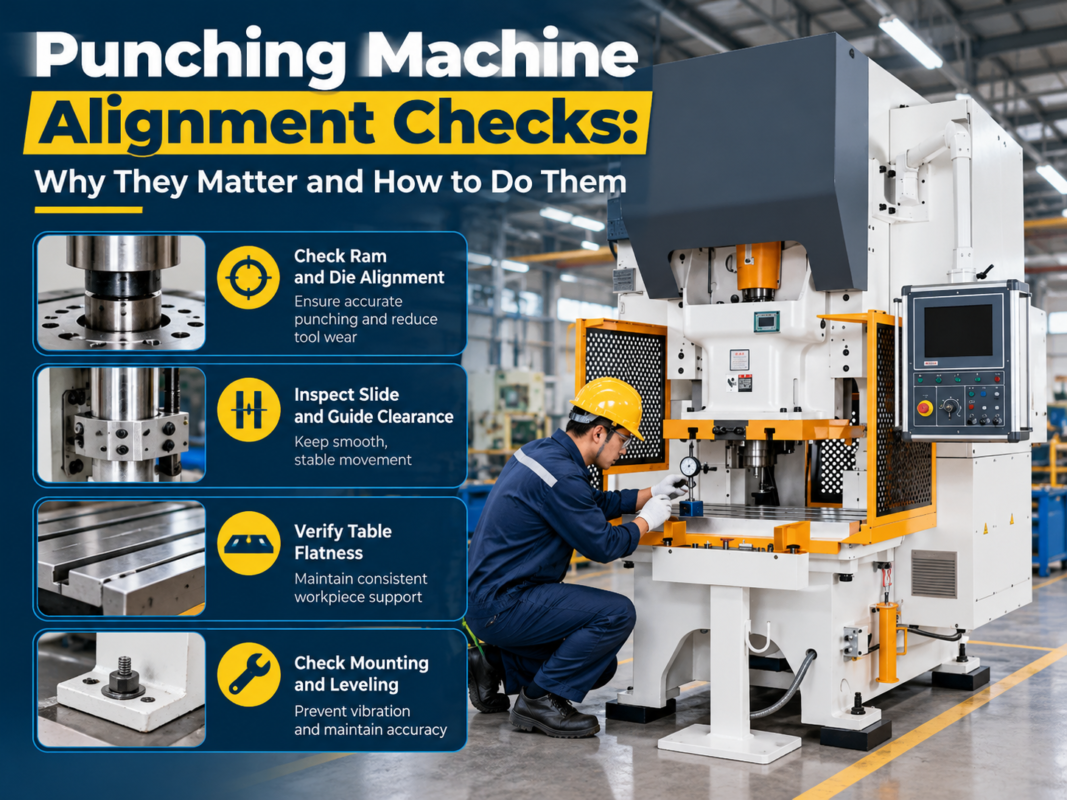
Choosing a press with a robust frame design also minimizes the maintenance required for structural alignment. HARSLE presses are engineered with finite element analysis (FEA) to ensure that the frame can withstand millions of cycles without deforming, which in turn protects the hydraulic cylinders from side-loading and premature seal wear.
Advanced Troubleshooting: Beyond the Checklist
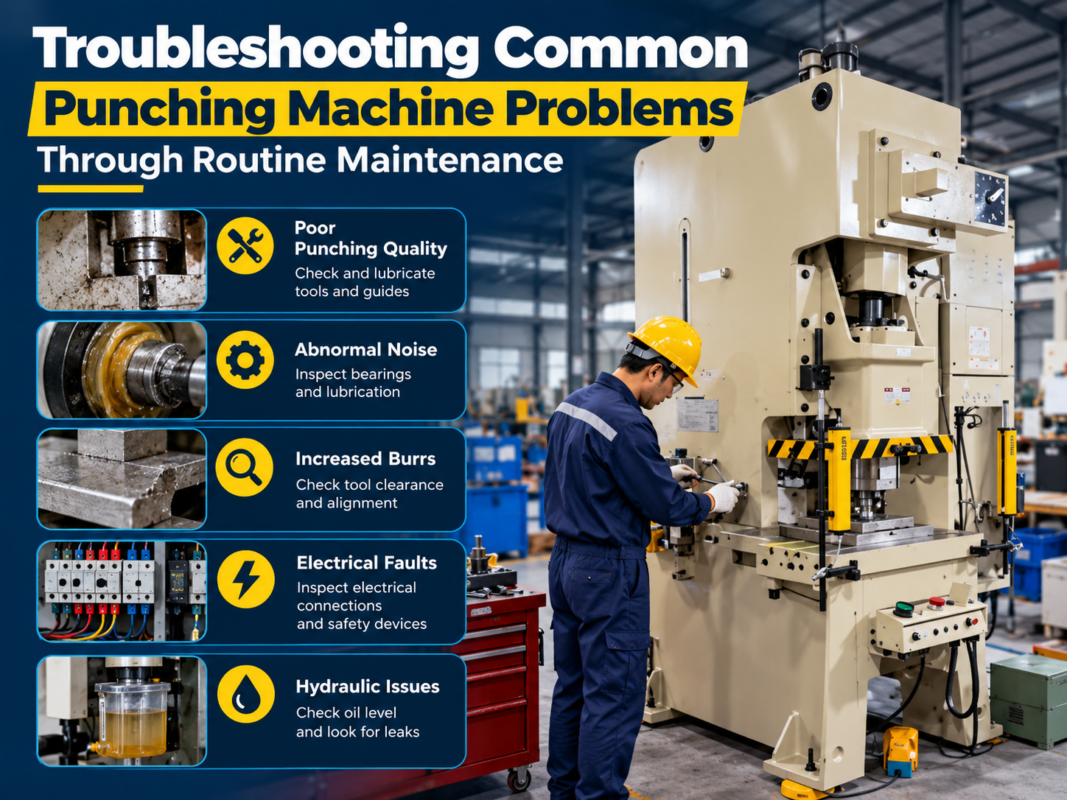
Even with a perfect Hydraulic Press Maintenance Checklist to Prevent Frequent Breakdowns, issues can arise. Knowing how to troubleshoot common symptoms is vital. For example, if the machine is making a high-pitched whining noise, it is likely cavitation. This occurs when the pump is starved of oil. Check for a clogged suction strainer or a collapsed intake hose. If the ram is “drifting” (moving down when it should be stationary), the issue is usually a leaking check valve or a worn piston seal inside the cylinder.
Slow cycle times are often attributed to internal leakage. As pumps wear out, they lose their volumetric efficiency, meaning they move less oil per revolution. By measuring the cycle time when the machine is new and comparing it to current performance, you can quantify the wear on your pump and schedule a replacement before it fails completely during a critical production run.
FAQ: Frequently Asked Questions About Hydraulic Press Maintenance
How often should I change the hydraulic oil?
Generally, hydraulic oil should be changed every 2,000 to 4,000 operating hours. However, this depends heavily on the oil quality and operating conditions. Regular oil analysis is the best way to determine the exact timing, as it may allow you to extend the interval safely or warn you to change it sooner due to contamination.
Why is my hydraulic press overheating?
Overheating is usually caused by a dirty oil cooler, a failing pump, or a relief valve that is stuck open. When oil is forced through a small orifice (like a stuck valve) at high pressure without doing work, it generates significant heat. Ensure your cooling fans are functional and the heat exchanger fins are clean.
Can I mix different brands of hydraulic oil?
It is not recommended. Different brands use different additive packages that may not be compatible. Mixing oils can lead to foaming, reduced lubrication properties, or the formation of sludge. Always stick to the same specification and brand whenever possible.
What are the signs of a failing hydraulic cylinder?
Common signs include external oil leaks around the rod seal, “jerky” movement of the ram, or the inability to hold pressure. If you notice score marks on the chrome rod, the cylinder should be serviced immediately to prevent damage to the internal bushings.
Conclusion: The Path to Zero Downtime
Implementing a Hydraulic Press Maintenance Checklist to Prevent Frequent Breakdowns is the single most effective way to protect your investment in metal fabrication machinery. By moving from a “run-to-fail” mentality to a disciplined preventative maintenance program, you ensure that your HARSLE equipment remains a productive asset for years to come. The costs associated with regular inspections, oil changes, and filter replacements are a fraction of the cost of a single day of lost production or a major component overhaul.
Consistency is the key. Whether you are managing a single press or a fleet of machines, the commitment to daily, weekly, and monthly checks will pay dividends in the form of higher precision, safer operation, and a significantly improved bottom line. Stay proactive, keep your systems clean, and let your hydraulic press be the reliable workhorse it was designed to be.