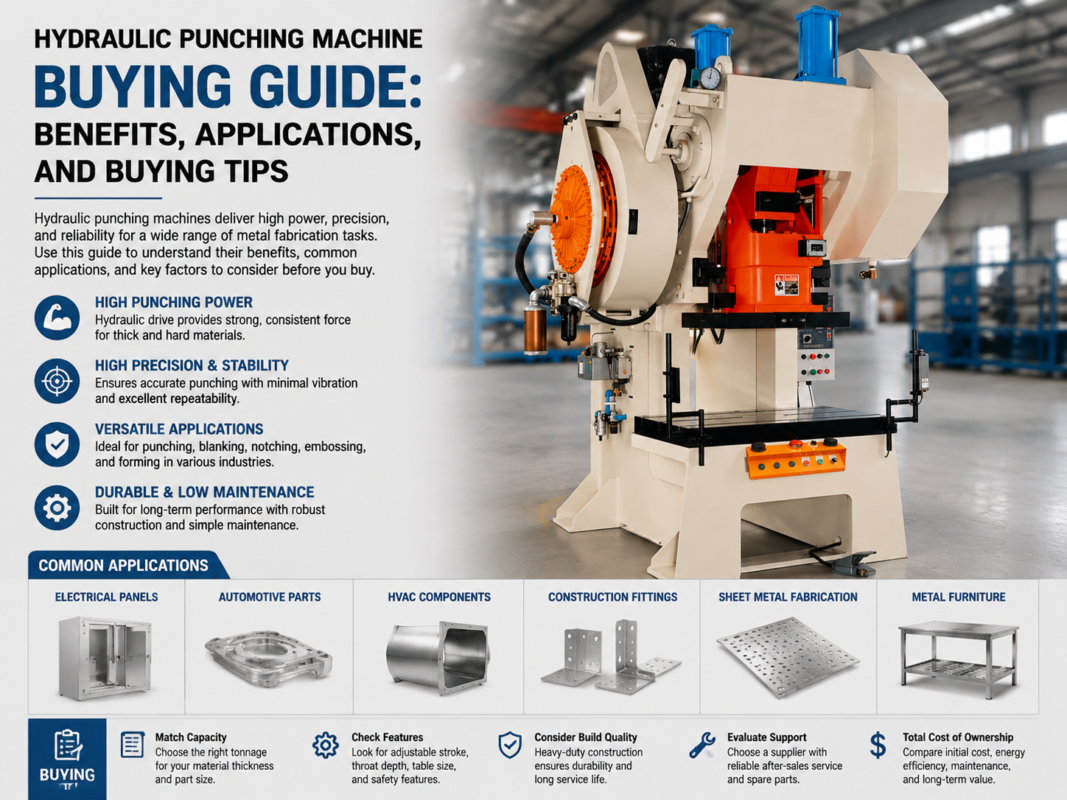
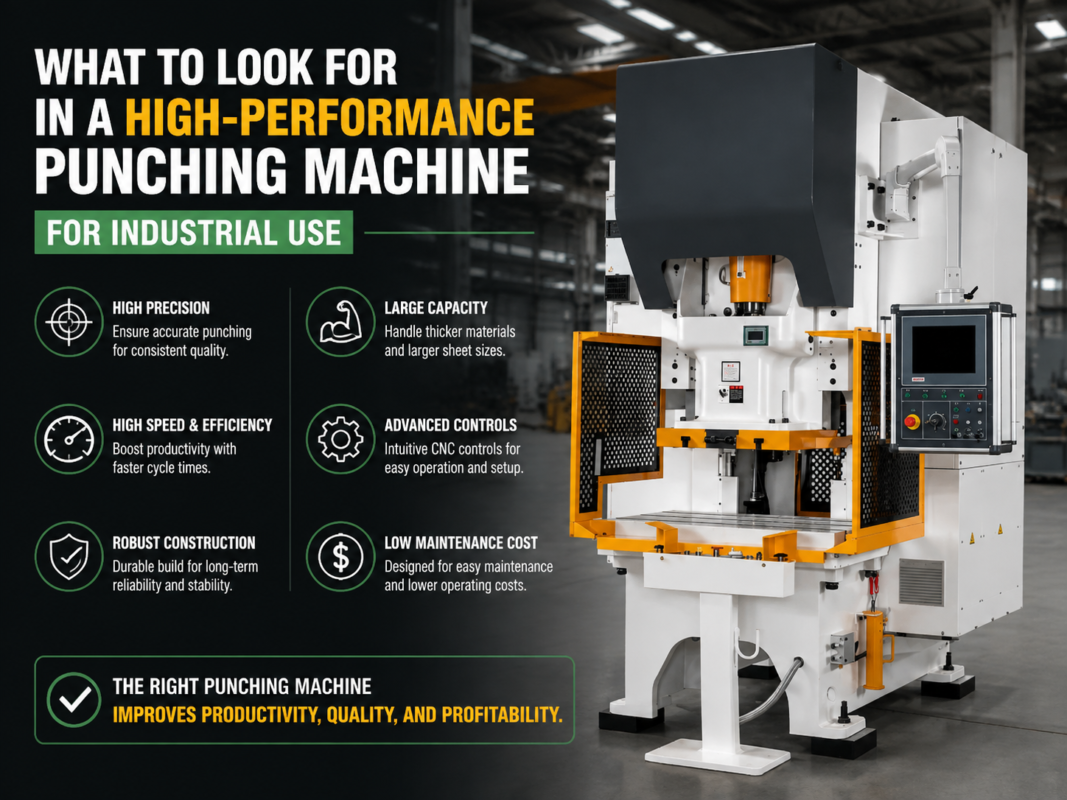
How to Match a Punching Machine to Your Material Thickness and Production Needs: A Comprehensive Guide


Introduction to Strategic Punching Machine Selection
In the competitive landscape of metal fabrication, the ability to match a punching machine to your material thickness and production needs is not just a technical requirement—it is a cornerstone of business profitability. Whether you are a small job shop or a large-scale industrial manufacturer, selecting the wrong equipment can lead to catastrophic bottlenecks, excessive tool wear, or underutilized capacity. HARSLE, a leader in metal fabrication machinery, understands that the ‘perfect’ machine is a balance between mechanical capability and operational demand.
The process of selection involves a deep dive into the physics of metal deformation, the economics of production cycles, and the long-term goals of your facility. This guide is designed to navigate the complexities of tonnage calculations, turret configurations, and drive systems to ensure that your investment in a punching machine yields the highest possible return. By the end of this article, you will have a clear roadmap for evaluating your specific requirements against the vast array of technology available in the modern market.
Price Range Overview: Understanding the Investment Tiers
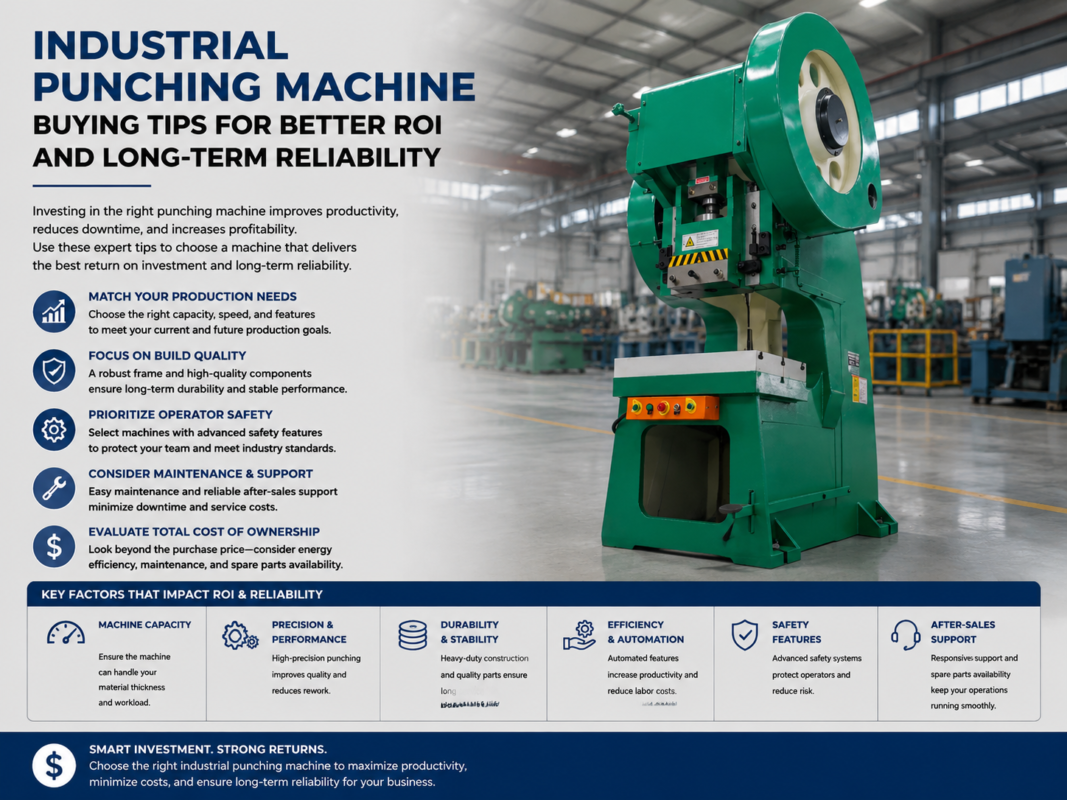
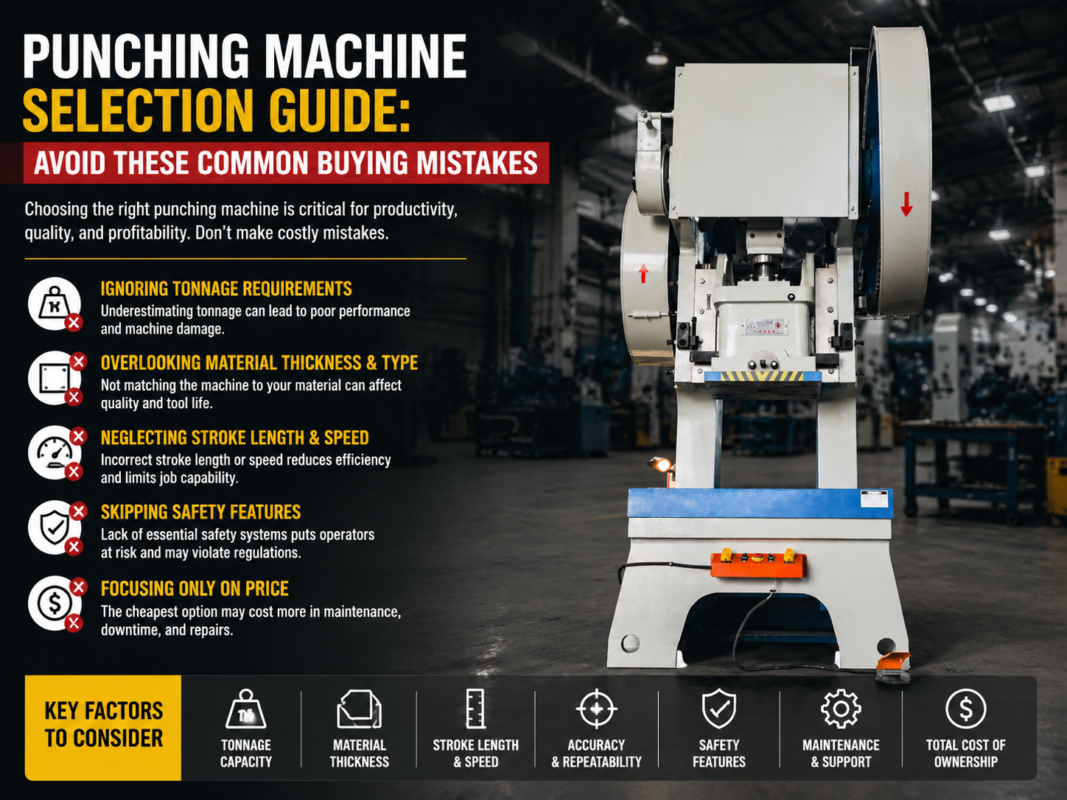
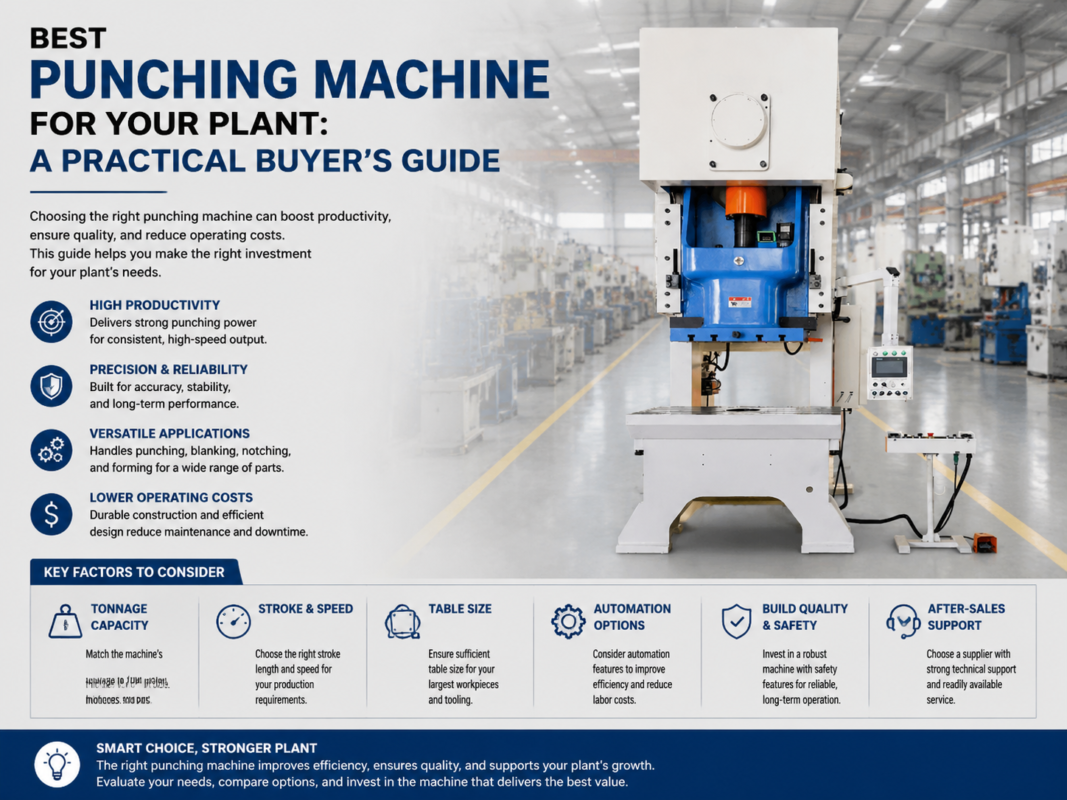
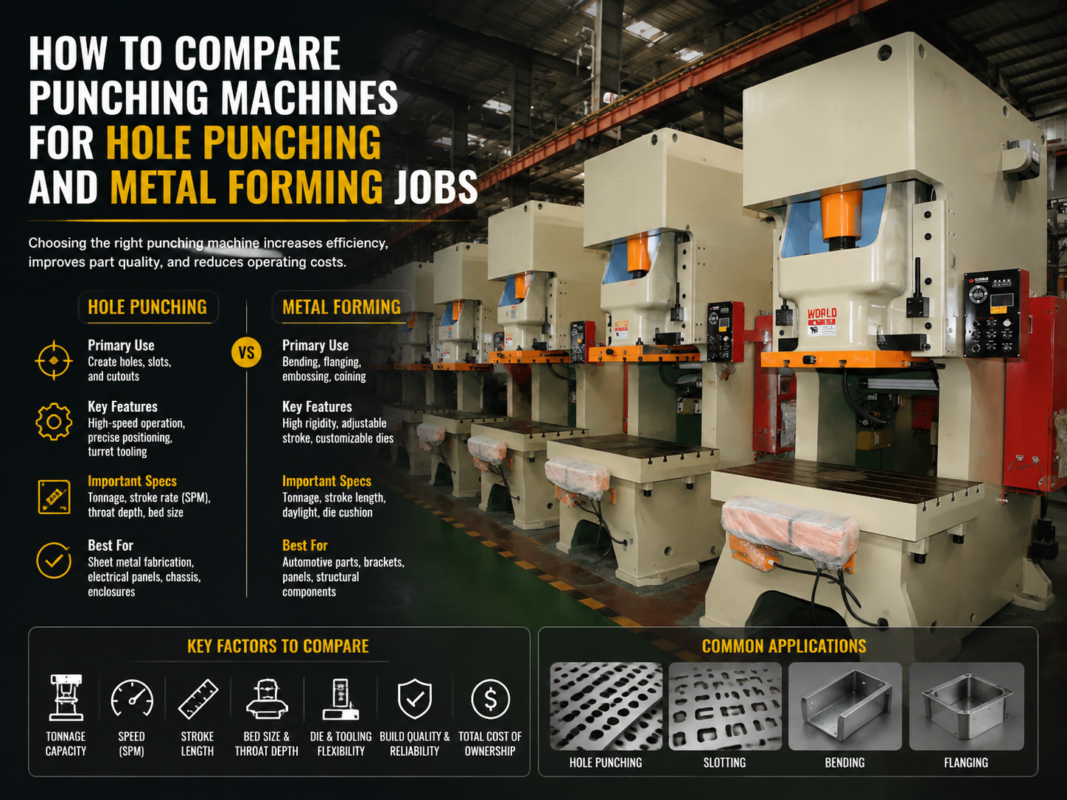
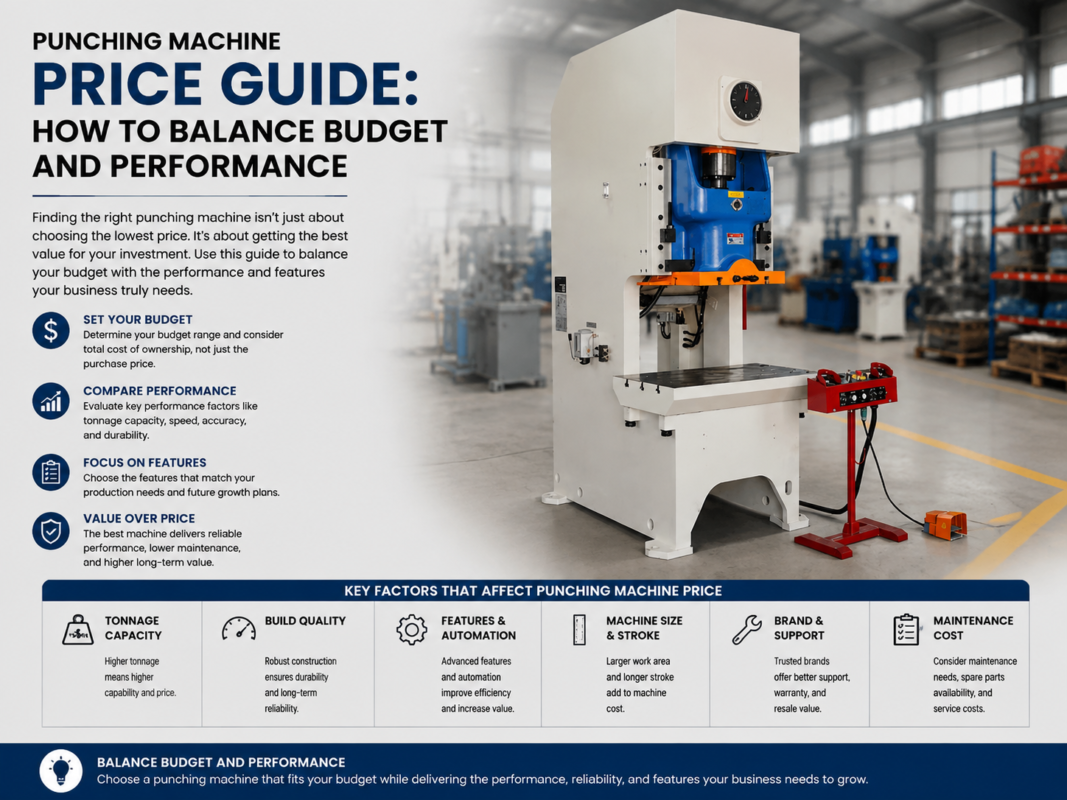
When you begin to match a punching machine to your material thickness and production needs, the first hurdle is often the budget. However, price should be viewed through the lens of capability. Punching machines generally fall into three distinct price tiers, each serving a specific market segment. Understanding these tiers helps narrow down the search based on your current financial standing and projected growth.
Entry-Level and Manual Punching Machines ($5,000 – $25,000)
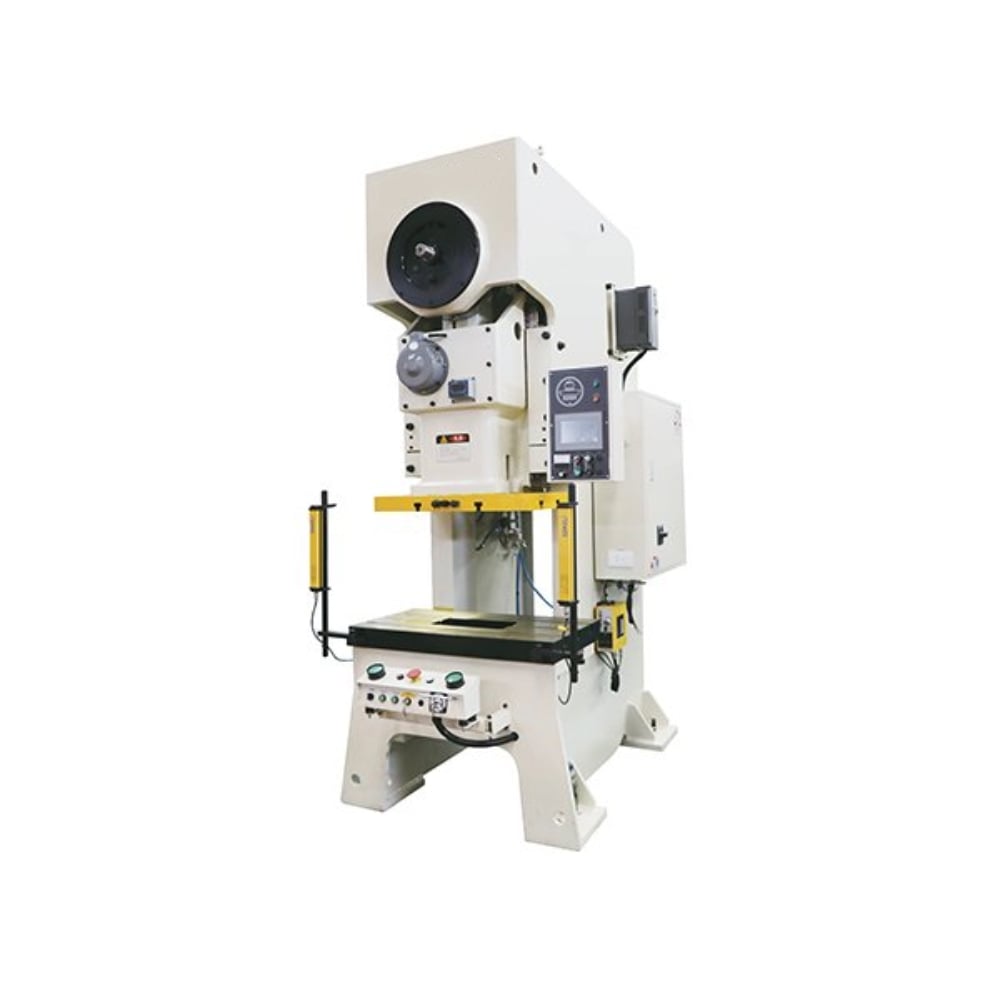
Entry-level machines are typically mechanical or simple hydraulic units. These are best suited for low-volume production, prototyping, or shops that primarily work with thin-gauge materials (under 3mm). While they lack the automation of CNC systems, they offer a low barrier to entry for basic hole-punching tasks. These machines are often single-station, meaning tool changes are manual and time-consuming, which limits their utility in high-speed production environments.
Mid-Range CNC Turret Punch Presses ($40,000 – $120,000)
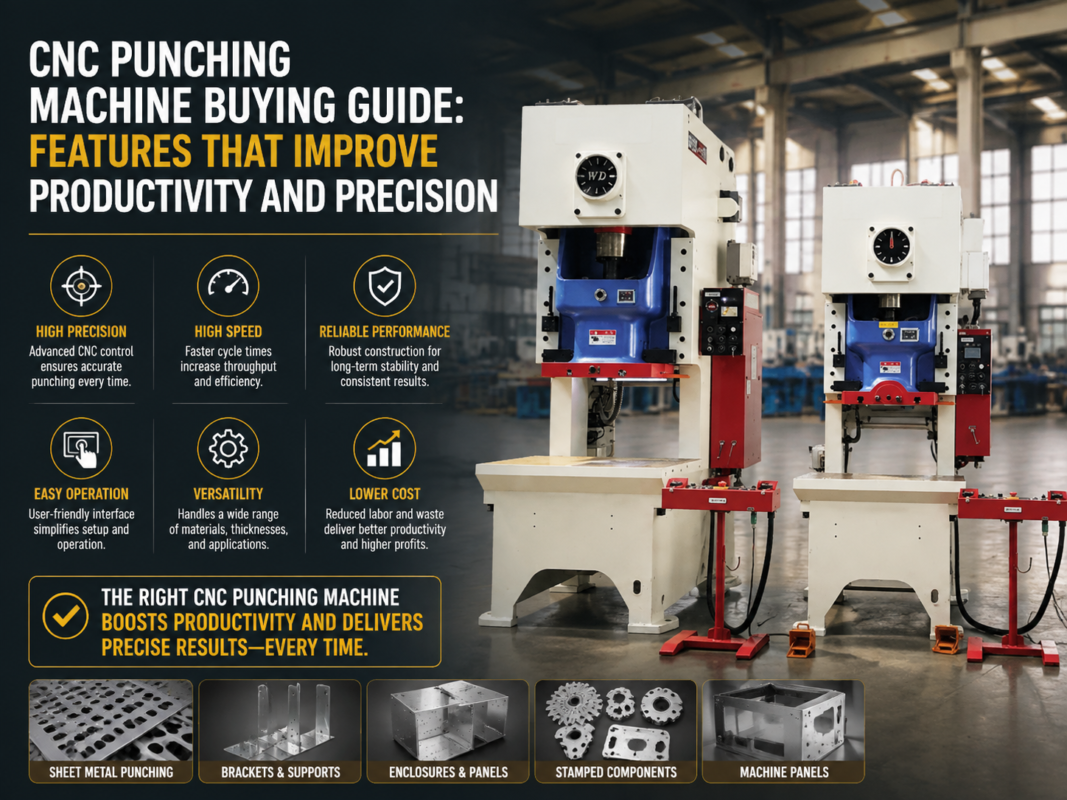
This is where most professional fabrication shops find their ‘sweet spot.’ Mid-range machines, such as the HARSLE CNC Turret Punch series, offer automated tool changing via a rotating turret. These machines can handle a variety of material thicknesses, typically up to 6.35mm, and provide the speed necessary for medium-to-high volume production. They feature sophisticated CNC controllers that allow for complex nesting and high precision, significantly reducing waste and labor costs.
High-End Servo-Electric and Automated Systems ($150,000 – $500,000+)
At the top of the spectrum are high-speed servo-electric punching machines and fully automated cells. These machines are designed for 24/7 operation and can handle heavy-duty materials with extreme precision. They often include integrated loading and unloading systems, large-capacity turrets with dozens of auto-index stations, and advanced energy-saving technology. For companies with massive production needs and a focus on Industry 4.0 integration, these machines are the gold standard.
Main Cost Drivers: What Influences the Final Quote?
To effectively match a punching machine to your material thickness and production needs, you must understand what drives the cost. It isn’t just the size of the machine; it’s the technology inside. Several key factors dictate the price and the performance of the unit.
Tonnage and Punching Force
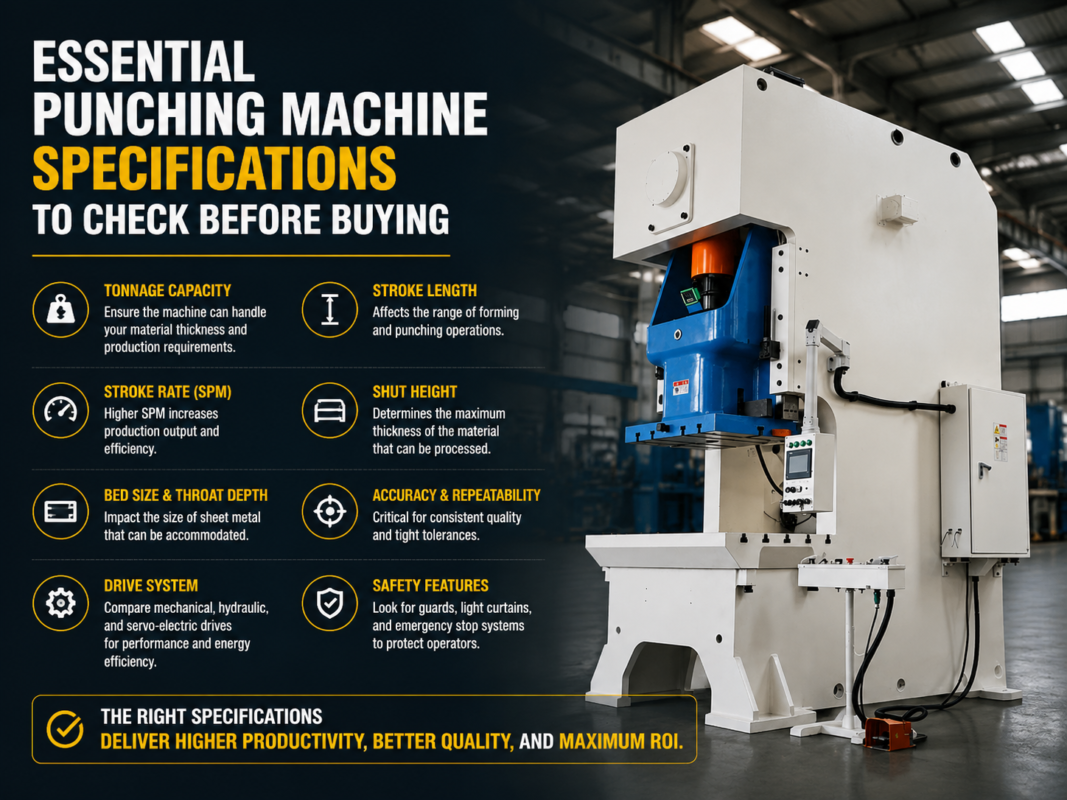
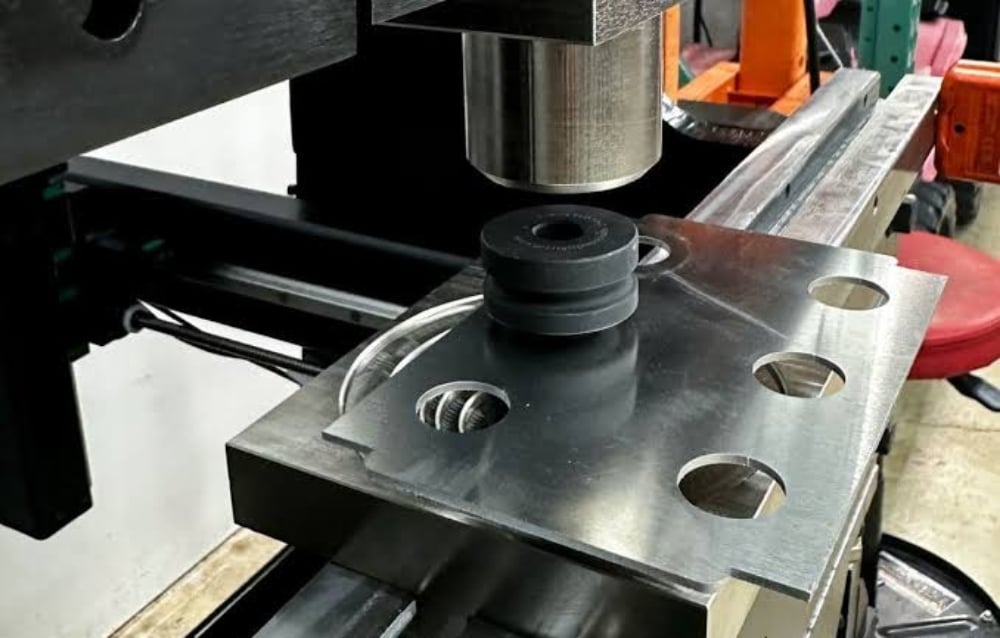
Tonnage is the most critical factor when considering material thickness. The force required to punch a hole is determined by the perimeter of the cut, the thickness of the material, and its shear strength. A machine with 30 tons of force can easily handle 6mm mild steel, but if you frequently work with 8mm or 10mm plates, you will need a 50-ton machine. Higher tonnage requires more robust frames and more powerful drive systems, which naturally increases the cost.
Throat Depth and Sheet Size Capacity
The throat depth determines the maximum width of the sheet the machine can process without repositioning. A larger throat depth (e.g., 1250mm or 1500mm) allows for the processing of larger sheets, which reduces material handling and increases efficiency. However, larger frames require more steel and more precise engineering to maintain rigidity under load, driving up the price.
Turret Capacity and Auto-Index Stations
The number of stations in the turret directly impacts production speed. A turret with 32 stations allows you to keep more tools loaded, reducing setup time between different jobs. Auto-index stations, which can rotate the tool to any angle, add significant versatility but also complexity and cost to the machine’s drive system. For complex parts with many angles, auto-indexing is essential.
Configuration Impact: Mechanical, Hydraulic, or Servo-Electric?
The drive system of a punching machine is its heart. Choosing the right drive system is essential to match a punching machine to your material thickness and production needs, as it affects speed, maintenance, and energy consumption.
Mechanical Flywheel Drives
Traditional mechanical machines use a flywheel to store energy. They are incredibly fast for simple punching tasks and are generally the most affordable. However, they offer limited control over the stroke. You cannot easily perform forming operations (like louvers or ribs) because the stroke is fixed. They are also noisier and require more mechanical maintenance over time.
Hydraulic Drive Systems
Hydraulic punching machines offer much greater flexibility. The CNC controller can precisely manage the position and speed of the ram throughout the entire stroke. This makes hydraulic machines ideal for forming, embossing, and working with varying material thicknesses. While they are slightly slower than mechanical machines in pure hit rate, their versatility makes them a favorite for job shops. HARSLE’s hydraulic systems are engineered for reliability and consistent pressure delivery.
Servo-Electric Drive Systems
The modern standard for high-efficiency shops is the servo-electric drive. These machines use a high-torque servo motor to drive the ram. They offer the precision of hydraulic systems with the speed of mechanical ones, all while consuming significantly less energy. Because there is no hydraulic oil to heat up or leak, maintenance is simplified, and the machine’s performance remains consistent regardless of the ambient temperature. For high-volume production needs, the energy savings alone can often justify the higher initial cost.
Hidden Costs: Beyond the Initial Purchase Price
When you match a punching machine to your material thickness and production needs, the sticker price is only part of the equation. To avoid budget overruns, you must account for the ‘hidden’ costs associated with commissioning and operating the machine.
- Tooling Sets: A punching machine is useless without high-quality tooling. Depending on the variety of parts you produce, a full set of thick or thin turret tools can cost anywhere from $5,000 to $20,000. Specialized forming tools add to this cost.
- Software and Licensing: Modern CNC punching requires sophisticated CAD/CAM software for nesting and G-code generation. Annual licensing fees and training for your programmers are ongoing expenses that must be factored in.
- Installation and Foundation: High-tonnage machines require a stable, reinforced concrete foundation to prevent vibration and maintain accuracy. Shipping, rigging, and professional installation by HARSLE technicians are essential for long-term performance.
- Power Consumption and Cooling: Hydraulic machines generate heat and may require chillers. Servo-electric machines are more efficient but still require a stable industrial power supply.
- Maintenance and Spare Parts: Regular filter changes, lubrication, and the replacement of wear parts (like punch guides and dies) are necessary to keep the machine running at peak efficiency.
ROI Calculation: Justifying the Investment
Calculating the Return on Investment (ROI) is the final step in deciding how to match a punching machine to your material thickness and production needs. A more expensive machine might actually be cheaper in the long run if it significantly reduces the cost per part.
To calculate ROI, consider the following formula: (Total Annual Savings / Total Investment) x 100. Savings come from several areas:
- Labor Reduction: An automated CNC machine can do the work of three manual machines, allowing you to reallocate staff to other tasks.
- Scrap Reduction: Advanced nesting software optimizes sheet usage, often reducing material waste by 10-15%. In high-volume production, this adds up to thousands of dollars annually.
- Secondary Operations: If your punching machine can also perform forming, tapping, or deburring, you eliminate the need for secondary machines and the labor required to move parts between stations.
- Energy Efficiency: Switching from an old hydraulic unit to a new HARSLE servo-electric model can reduce electricity bills by up to 40%.
Typically, a well-matched HARSLE punching machine in a busy shop will pay for itself within 18 to 36 months, depending on the shift structure and material costs.
Buying Advice: Step-by-Step Selection Process
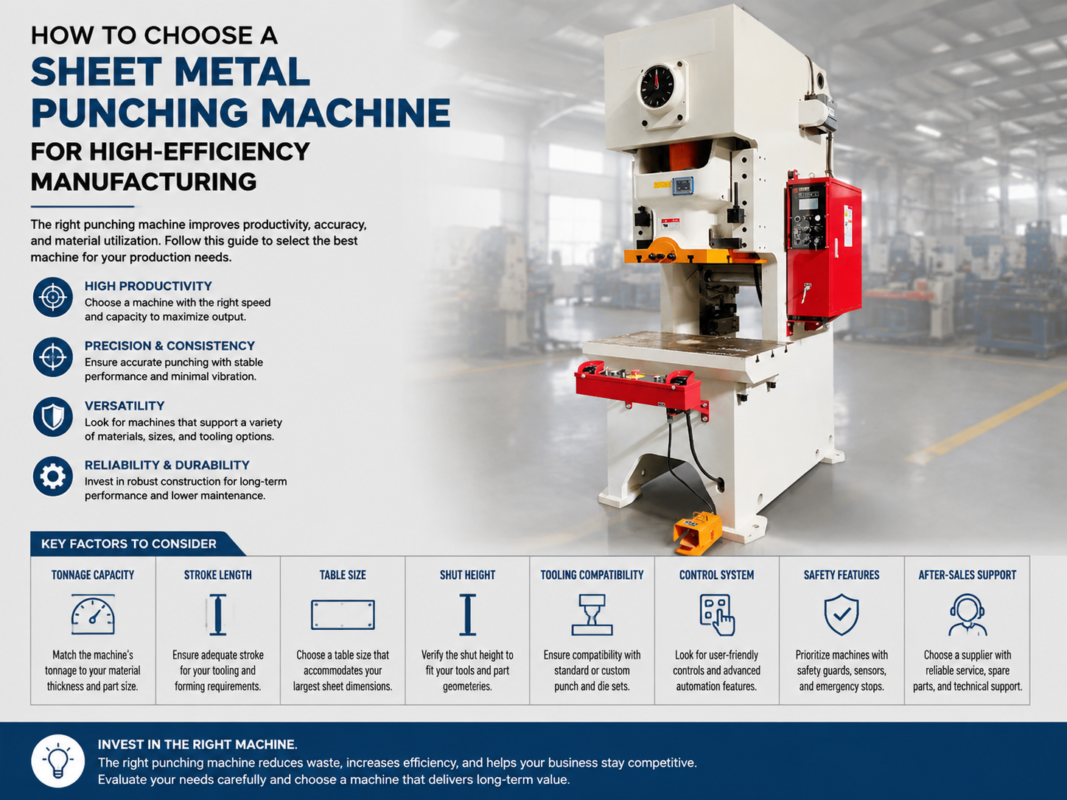
To successfully match a punching machine to your material thickness and production needs, follow this structured approach during your evaluation process.
Step 1: Define Your Material Profile
List the materials you work with most frequently. Are you punching aluminum, mild steel, or stainless steel? Stainless steel has a much higher shear strength, meaning you will need more tonnage for the same thickness compared to aluminum. If your maximum thickness is 6mm mild steel, a 30-ton machine is sufficient. If it’s 6mm stainless, you should look at 50 tons to avoid straining the machine frame.
Step 2: Analyze Your Part Complexity
Look at your current and future part designs. Do they require many different hole sizes? Do they have complex curves or angles? If so, prioritize a machine with a large turret and at least two auto-index stations. If you only punch standard rectangular patterns, a simpler turret configuration will save you money.
Step 3: Evaluate Production Volume
How many sheets do you process per day? For low volumes (1-10 sheets), a manual or entry-level CNC is fine. For medium volumes (10-50 sheets), a standard CNC turret punch is necessary. For high volumes (50+ sheets), look for machines with automatic loading/unloading systems to minimize downtime.
Step 4: Consider Future Growth
Don’t just buy for the work you have today; buy for the work you want tomorrow. If you plan to expand into thicker materials or more complex assemblies, investing in a slightly higher-spec machine now (e.g., more tonnage or a larger throat) will prevent you from needing to replace the machine in two years.
Step 5: Partner with a Reliable Manufacturer
Choosing a brand like HARSLE ensures you have access to technical support, spare parts, and expert advice. A machine is a 10-15 year investment; the relationship with the manufacturer is just as important as the hardware itself.
Frequently Asked Questions (FAQ)
1. How do I calculate the tonnage needed for my specific material?
The standard formula is: Tonnage = Perimeter of the hole (mm) x Material Thickness (mm) x Shear Strength (kg/mm²) / 1000. For mild steel, the shear strength is roughly 35-40 kg/mm². For stainless steel, it can be 50-60 kg/mm². Always add a 20% safety margin to ensure the machine isn’t constantly running at its absolute limit.
2. What is the difference between ‘Thick Turret’ and ‘Thin Turret’ tooling?
Thick turret tooling is the most common standard in the industry today. It features longer guides and more robust construction, which leads to better tool life and higher accuracy, especially in thicker materials. Thin turret tooling is an older standard, often found on smaller or older machines; while it is cheaper, it generally lacks the longevity of thick turret systems.
3. Can a punching machine replace a laser cutting machine?
It depends on the application. Punching machines are significantly faster and cheaper for creating standard holes, louvers, and forms. However, laser machines are better for complex, organic shapes and very thick materials where punching isn’t feasible. Many modern shops use both, or a ‘punch-laser’ combo machine, to get the best of both worlds.
4. How often does a CNC punching machine require maintenance?
Daily maintenance includes checking lubrication levels and cleaning the turret area. Weekly, you should inspect the air filters and hydraulic oil (if applicable). A deep professional service should be performed annually by a technician to calibrate the axes and check the electrical components. Proper maintenance can extend the life of a HARSLE machine to over 20 years.
5. Is servo-electric technology worth the extra cost?
For most high-production environments, yes. The combination of lower energy bills, reduced maintenance (no oil changes or leaks), and higher precision usually results in a lower total cost of ownership over the life of the machine. However, for occasional use or very heavy-duty plate punching, a robust hydraulic system might still be the more cost-effective choice.
6. What software do I need for a HARSLE CNC punching machine?
HARSLE machines are compatible with industry-standard CAD/CAM software like CypCut, Lantek, or Metalix. These programs allow you to import DXF/DWG files, automatically nest parts to save material, and generate the NC code required for the machine to operate. We recommend choosing a software that your team is comfortable with or that integrates well with your existing ERP system.
Conclusion
To match a punching machine to your material thickness and production needs requires a holistic view of your fabrication process. By carefully considering tonnage, drive systems, and the total cost of ownership, you can select a HARSLE machine that not only meets your current demands but also empowers your business to grow. Remember that the cheapest machine is rarely the most profitable, and the most expensive is not always necessary. The key is finding the precise balance that keeps your production line moving and your margins healthy.