Punching Machine Maintenance Checklist for Maximum Uptime and Accuracy


The Critical Importance of Punching Machine Maintenance
In the high-stakes world of metal fabrication, the punching machine serves as the backbone of production. Whether you are operating a high-speed CNC turret punch or a robust hydraulic punching machine, the equipment is subjected to immense mechanical stress, repetitive impact, and thermal fluctuations. Implementing a rigorous Punching Machine Maintenance Checklist for Maximum Uptime and Accuracy is not merely a suggestion; it is a fundamental operational requirement to ensure longevity and precision.
When maintenance is neglected, the consequences extend far beyond simple downtime. Worn-out punches and dies lead to burrs, inconsistent hole dimensions, and material deformation, which directly impact the quality of your finished products. Furthermore, an unmaintained machine consumes more energy, experiences premature component failure, and poses significant safety risks to operators. By prioritizing a proactive maintenance culture, HARSLE users can significantly reduce the total cost of ownership and maintain a competitive edge in the market.
Maximum uptime is achieved when maintenance is integrated into the daily workflow rather than treated as an afterthought. A well-maintained machine operates with smoother cycles, lower noise levels, and higher repeatability. This consistency is vital for complex fabrication projects where tolerances are tight and material costs are high. Investing time in routine checks prevents the catastrophic failures that often result in weeks of production loss and expensive emergency repairs.
Ultimately, the goal of this guide is to empower shop managers and maintenance technicians with the knowledge to identify potential issues before they escalate. By following a structured approach to care, you ensure that your investment in HARSLE technology continues to yield high-quality parts for years to come. Let us explore the essential steps required to keep your punching equipment in peak condition.
Daily Inspection: The First Line of Defense
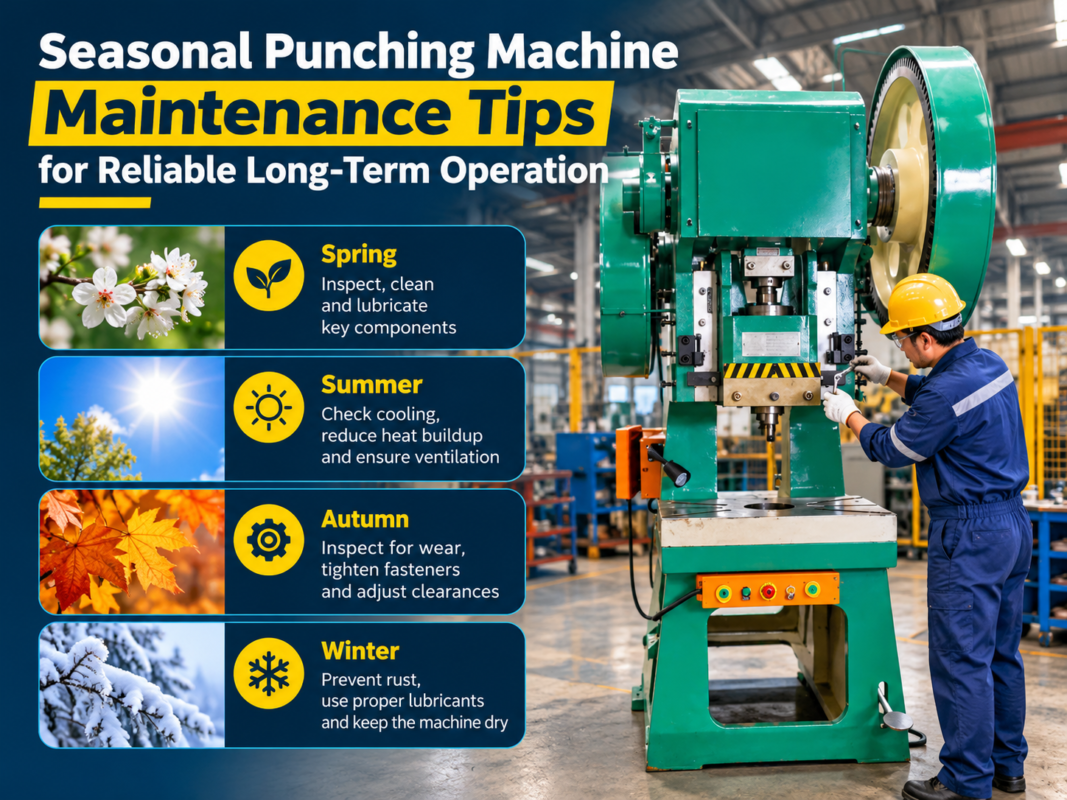
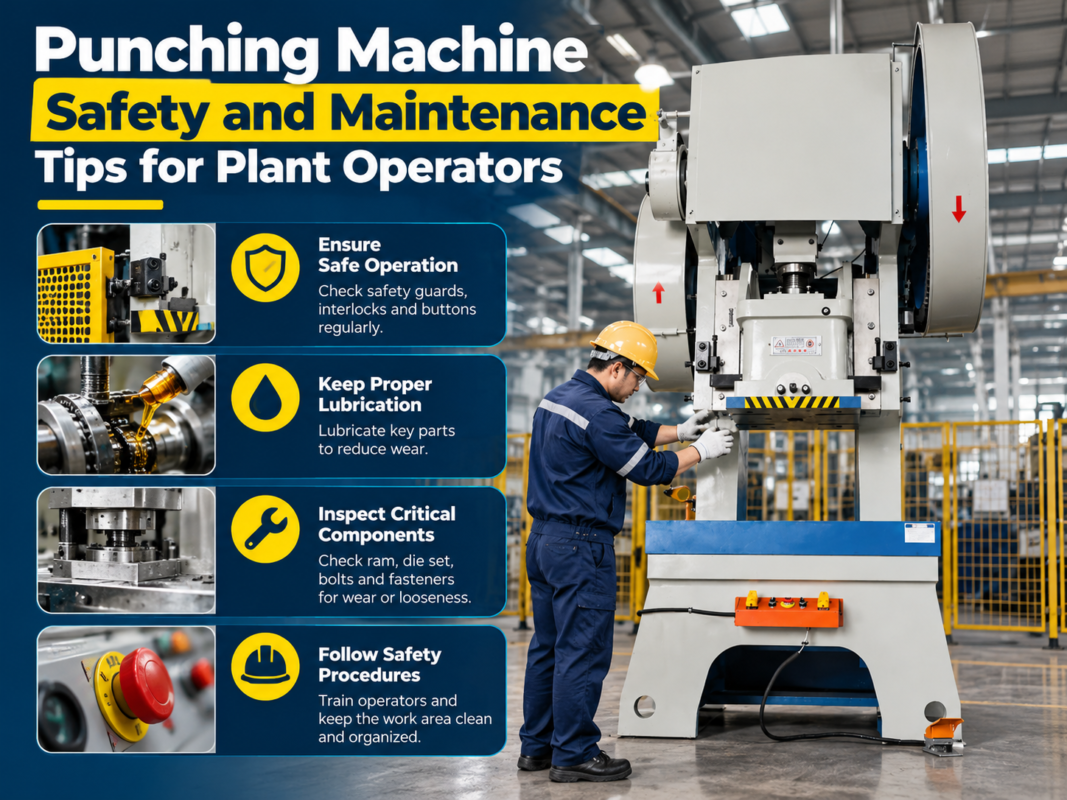
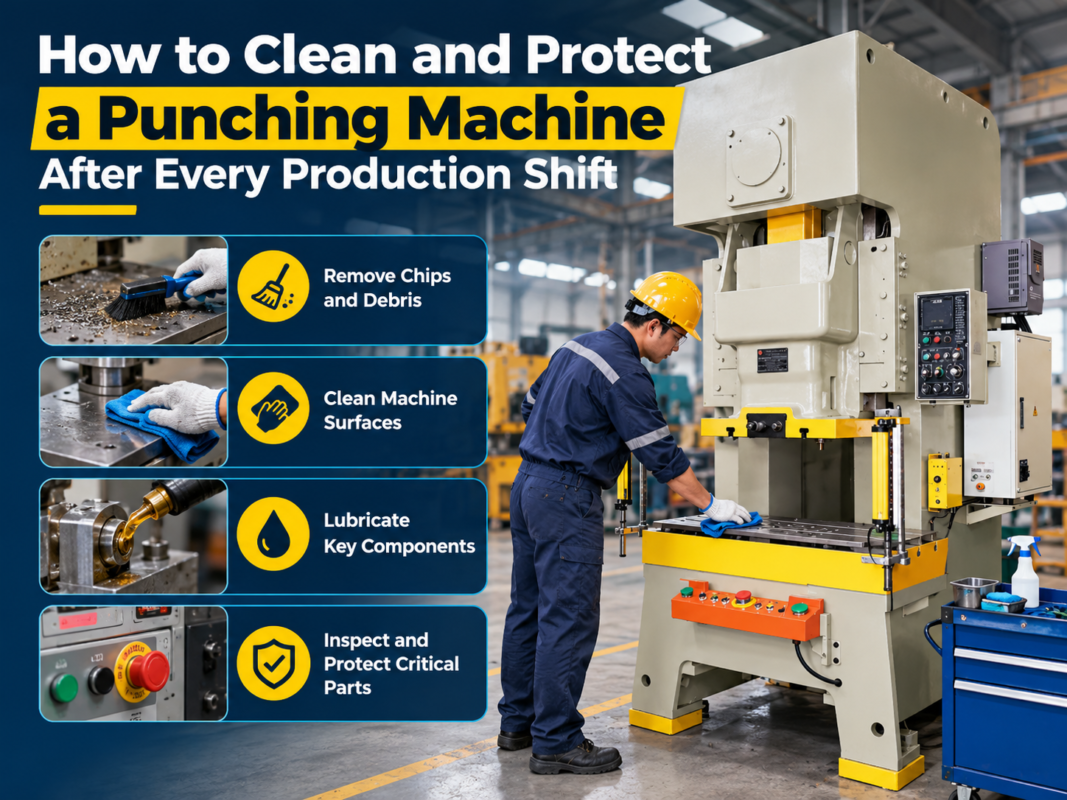
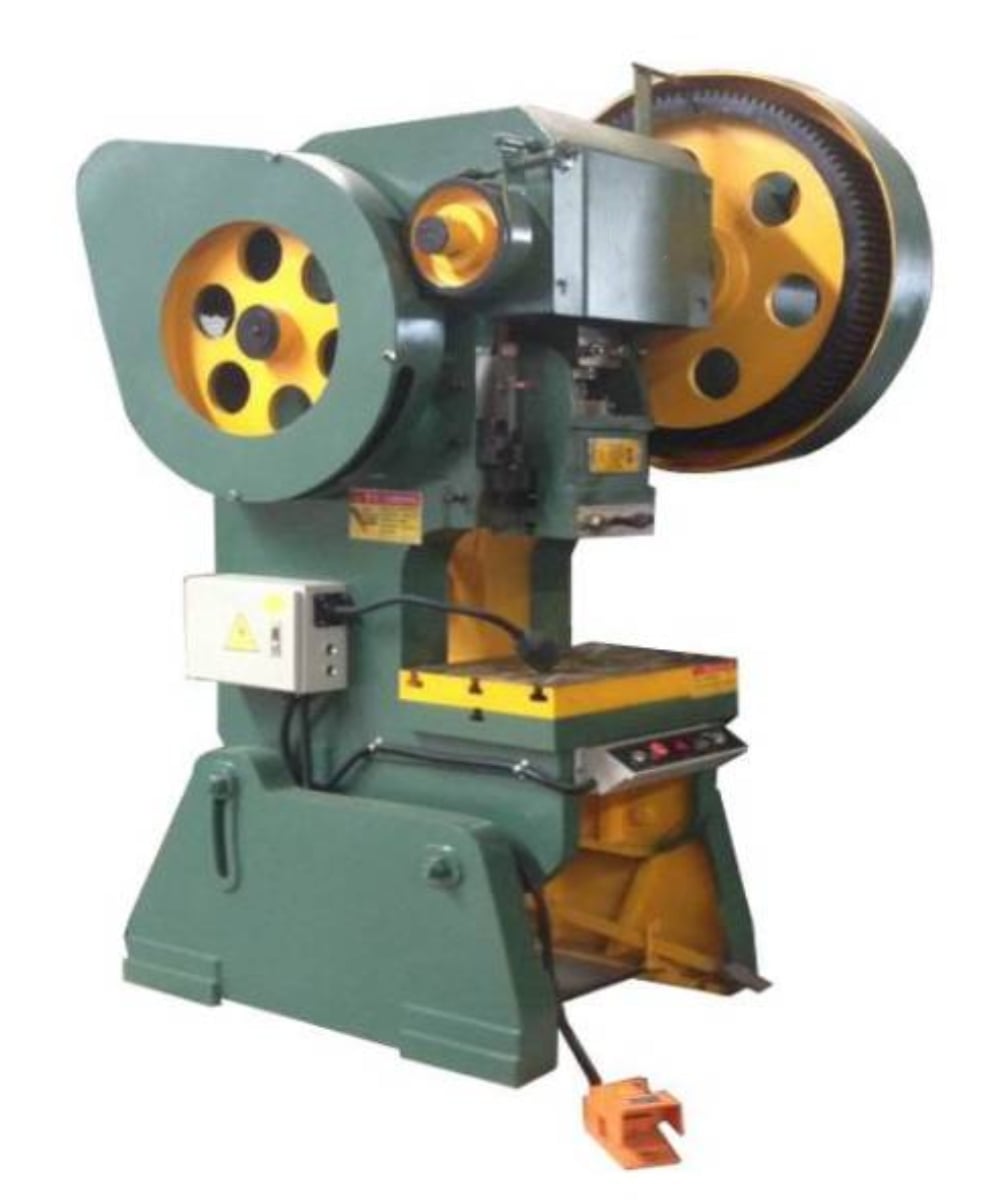
The daily inspection is the cornerstone of any effective Punching Machine Maintenance Checklist for Maximum Uptime and Accuracy. Before the first shift begins, operators should perform a visual and auditory sweep of the machine. This includes checking for any loose bolts, unusual vibrations, or signs of fluid leaks around the hydraulic power unit. A clean machine is easier to inspect; therefore, removing metal chips and dust from the work area is the first step in the daily routine.
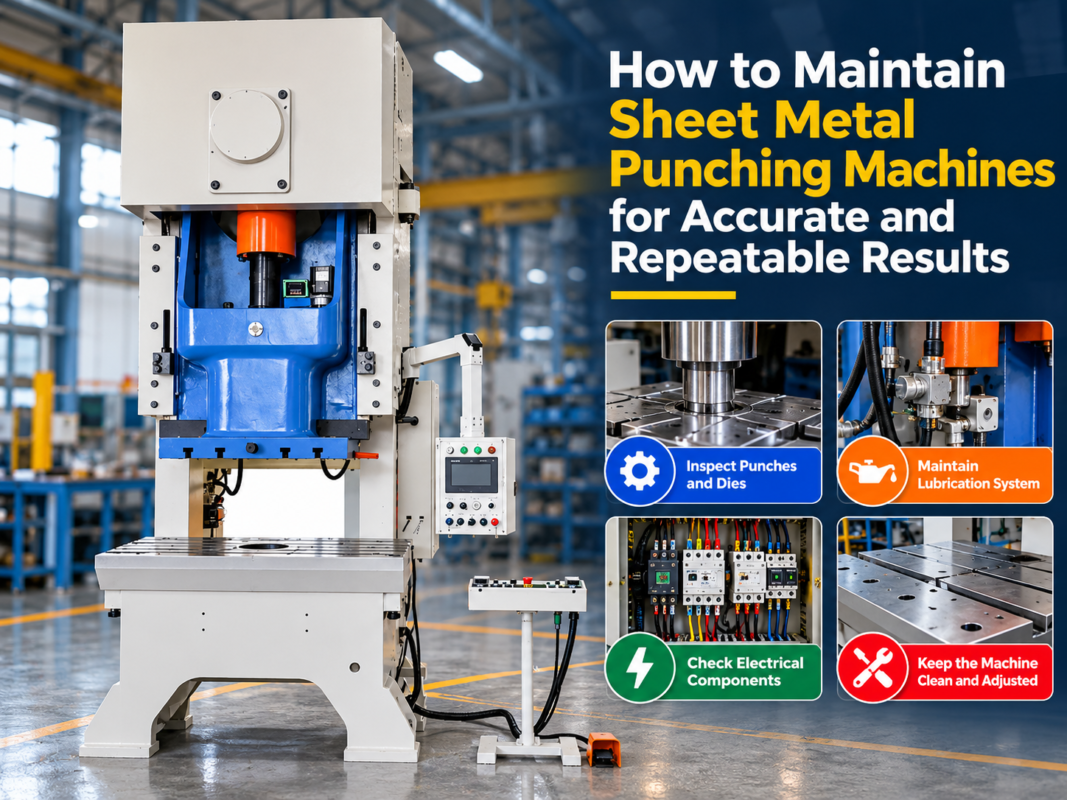
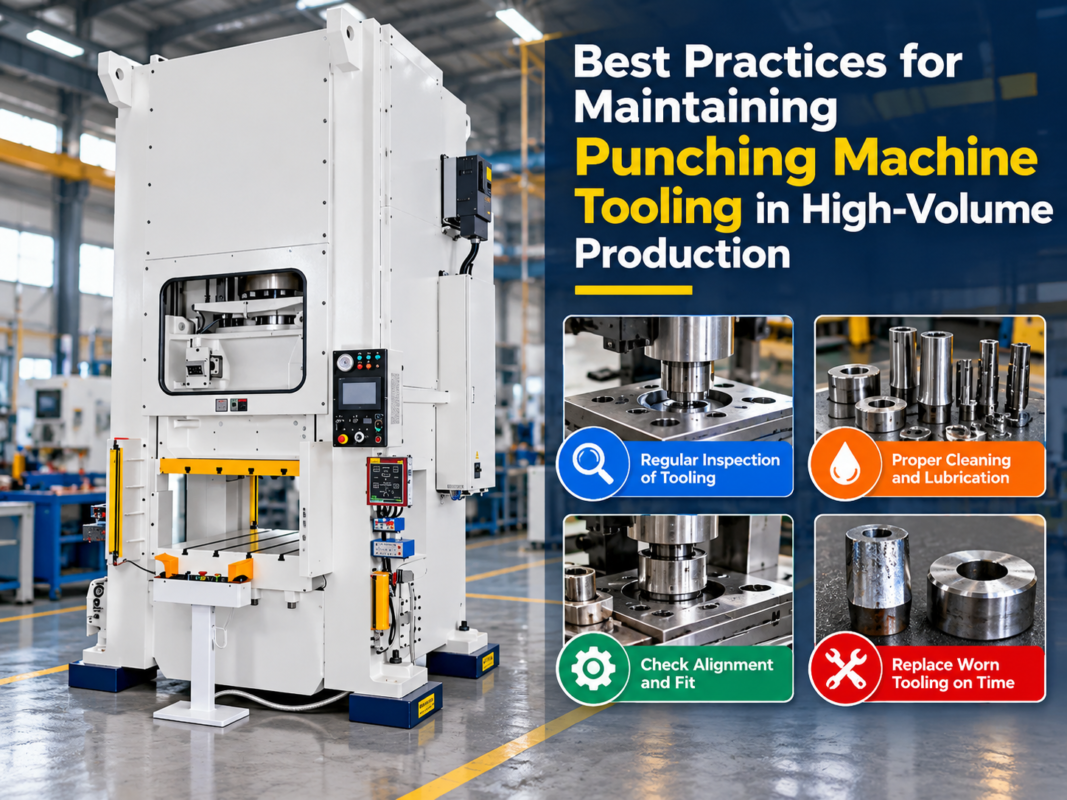
Check the condition of the punch and die sets daily. Inspect the cutting edges for signs of chipping, galling, or dullness. Even minor wear on the tooling can lead to increased punching force, which puts unnecessary strain on the machine’s ram and drive system. If the tooling shows signs of excessive wear, it should be sharpened or replaced immediately to prevent damage to the machine’s guide system.
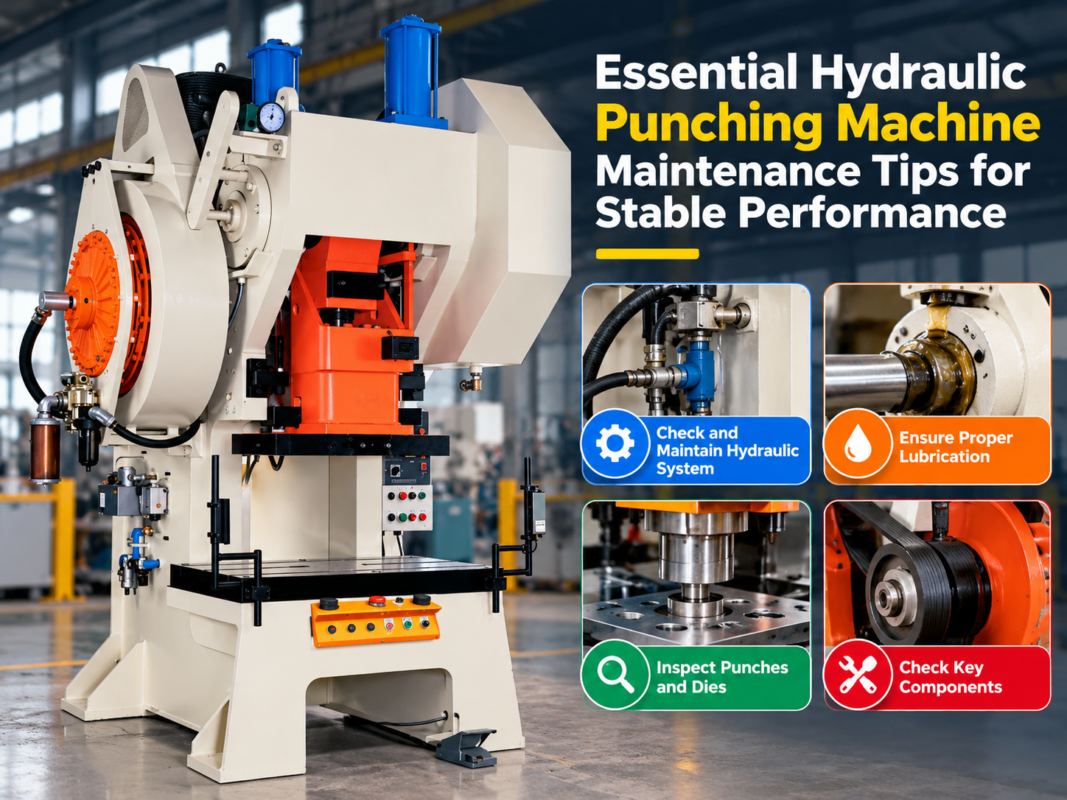
Verify the oil levels in the lubrication system and the hydraulic reservoir. Proper lubrication is essential for the smooth movement of the ram and the turret indexing mechanism. If the oil level is low, investigate the cause before topping it off. A sudden drop in fluid levels often indicates a leak in the hoses or fittings, which must be addressed to prevent hydraulic system failure.
Finally, perform a test cycle without material to ensure that the machine is indexing correctly and that the ram is traveling through its full stroke without obstruction. Listen for any abnormal grinding or clicking sounds. If the machine fails to reach its home position or exhibits sluggish movement, do not proceed with production. Addressing these minor issues daily prevents the accumulation of mechanical stress that leads to major downtime.
Hydraulic, Electrical, and Mechanical Systems
The hydraulic system is the heart of many punching machines, providing the force necessary to shear through thick metal plates. Maintenance of this system involves regular monitoring of oil temperature, pressure, and filtration. Overheated hydraulic oil loses its viscosity, leading to internal pump wear and sluggish response times. Ensure that the cooling fans are operational and that the heat exchanger is free of debris to maintain optimal operating temperatures.
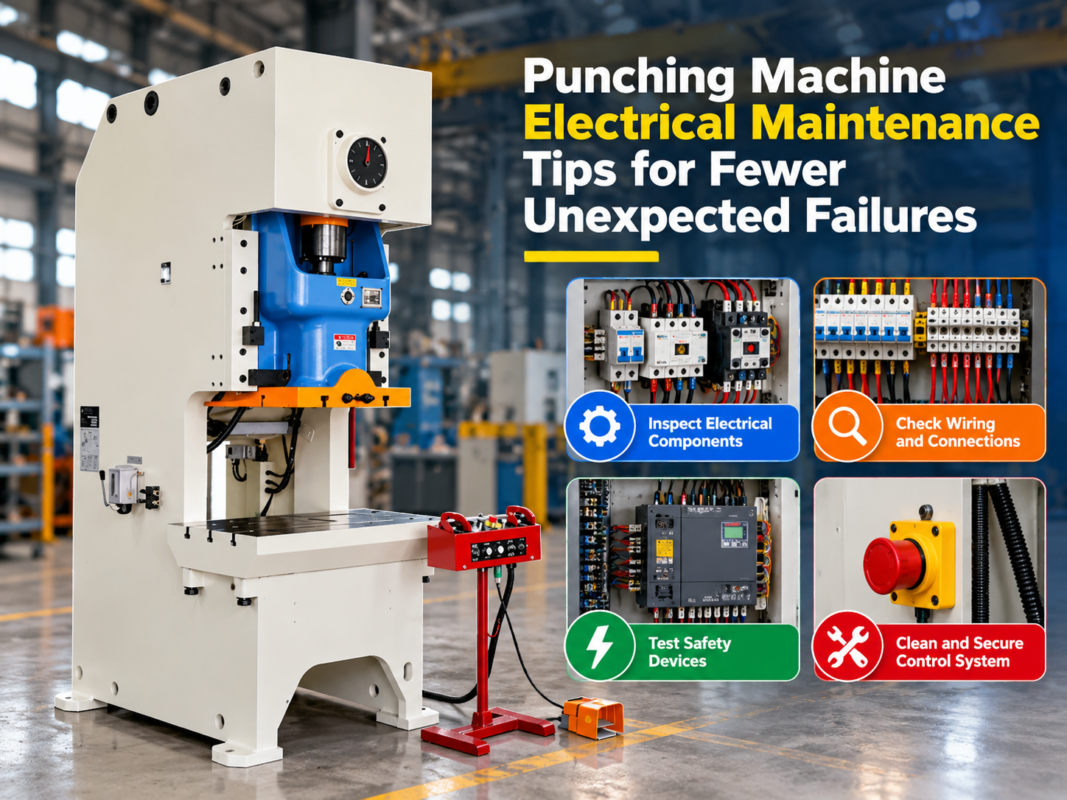
Electrical systems require careful attention to prevent control failures and sensor errors. Regularly inspect the electrical cabinet for dust buildup, which can cause overheating of the PLC and drive components. Ensure that all cable connections are tight and free from corrosion. Vibrations can cause wires to loosen over time, leading to intermittent signal errors that are notoriously difficult to diagnose. Use a vacuum to clean the cabinet, but avoid using compressed air, which can force conductive dust into sensitive electronic components.
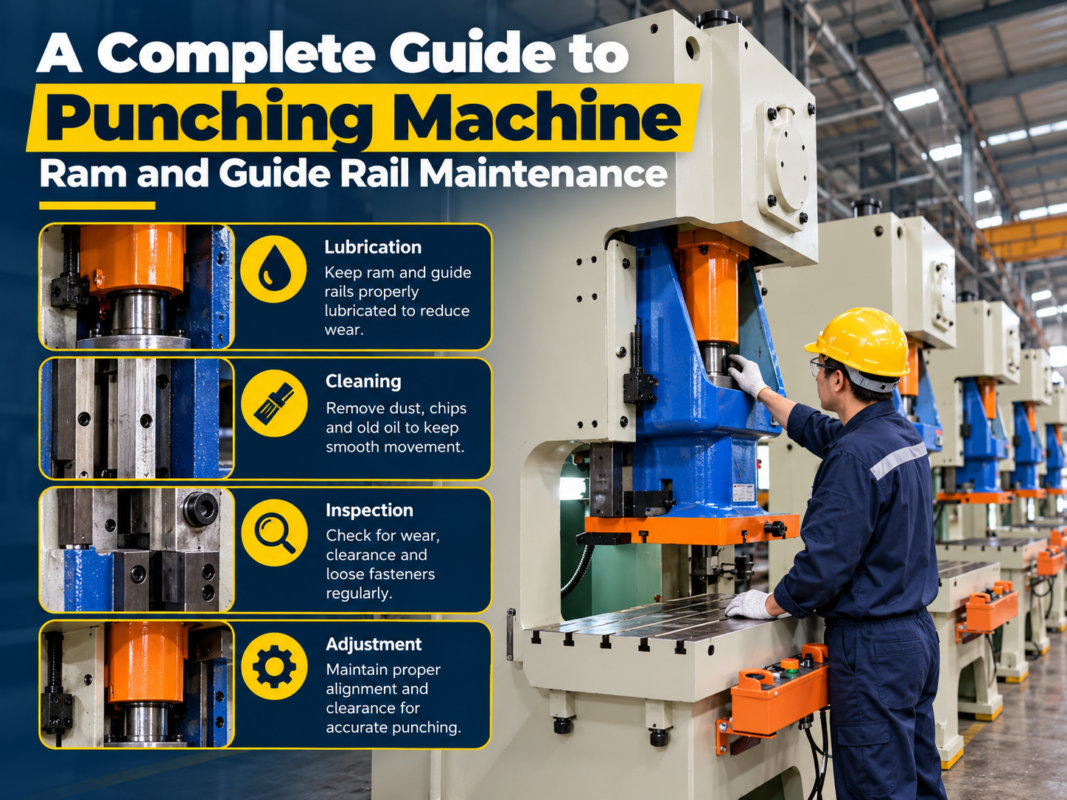
Mechanical components, such as the ram guides, ball screws, and turret bearings, require periodic adjustment and cleaning. The ram guides should be checked for clearance; excessive play here will result in poor hole quality and premature tooling wear. If the machine uses a ball screw for positioning, ensure it is properly lubricated and free of debris. Any resistance in the movement of the axis can lead to positioning errors, compromising the accuracy of your parts.
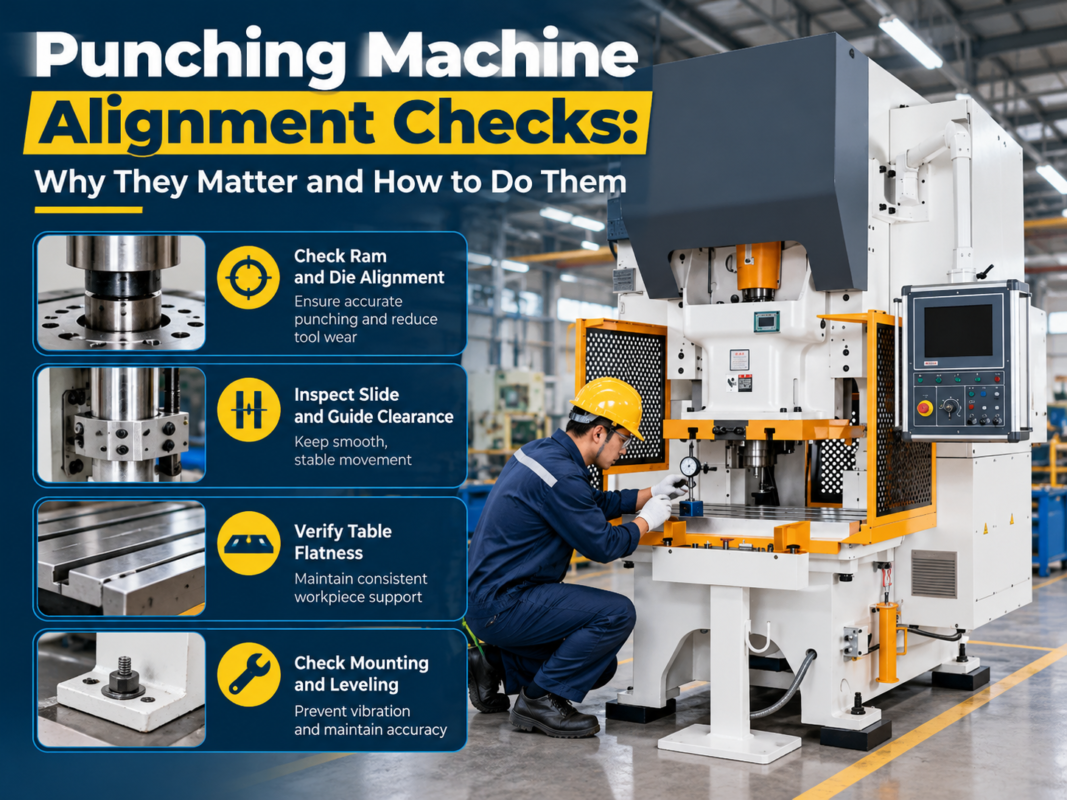
For CNC punching machines, the turret indexing mechanism is a critical area. Ensure that the locking pins are engaging fully and that the turret rotation is smooth. Any misalignment in the turret can cause the punch to strike the die off-center, leading to catastrophic damage to both the tooling and the machine frame. Regularly check the alignment of the punch and die holders to ensure they remain perfectly concentric.
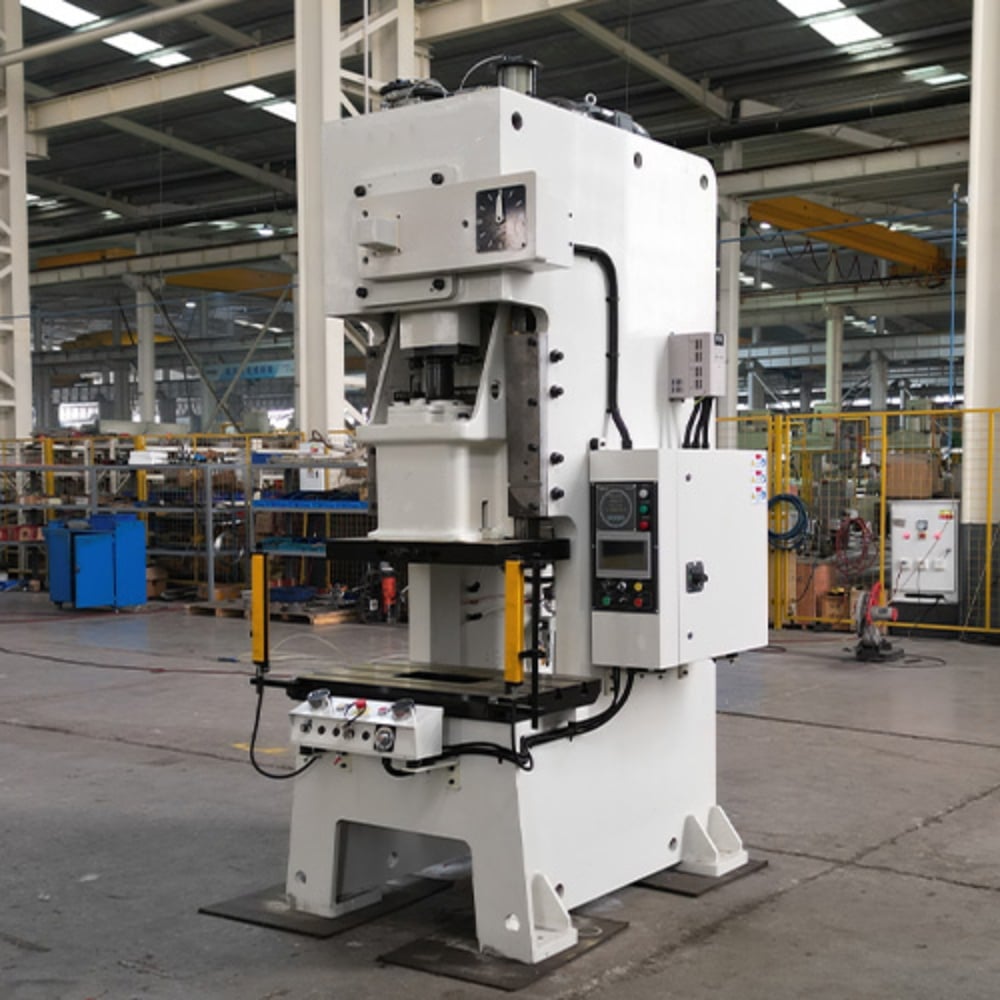
Comprehensive Lubrication Plan
A robust lubrication plan is essential for the longevity of any industrial punching machine. Friction is the primary enemy of mechanical components, and without adequate lubrication, metal-on-metal contact will cause rapid degradation. Develop a schedule that specifies which points need lubrication, the type of lubricant required, and the frequency of application. HARSLE machines are designed with specific lubrication points that must be serviced according to the manufacturer’s manual.
Automated lubrication systems should be checked to ensure that the pump is delivering the correct amount of oil to the guide ways and ball screws. If the system is manual, ensure that the grease nipples are clean before applying lubricant to prevent the introduction of contaminants. Use only the high-quality lubricants recommended by the manufacturer, as using the wrong viscosity or type can lead to clogging or inadequate protection.
Pay special attention to the turret and indexing drive. These components operate under high load and require consistent lubrication to prevent galling. If your machine is used in a high-production environment, the frequency of lubrication should be increased. Keep a detailed log of all lubrication activities, including the date, the technician responsible, and the amount of lubricant used, to ensure accountability and track the machine’s maintenance history.
Finally, do not overlook the importance of cleaning the lubrication lines. Over time, sludge and contaminants can accumulate, blocking the flow of oil to critical components. Periodically flush the system or replace the filters to ensure that clean lubricant is reaching all necessary points. A well-lubricated machine runs quieter, cooler, and lasts significantly longer than one that is neglected.
Troubleshooting Signals: When to Stop
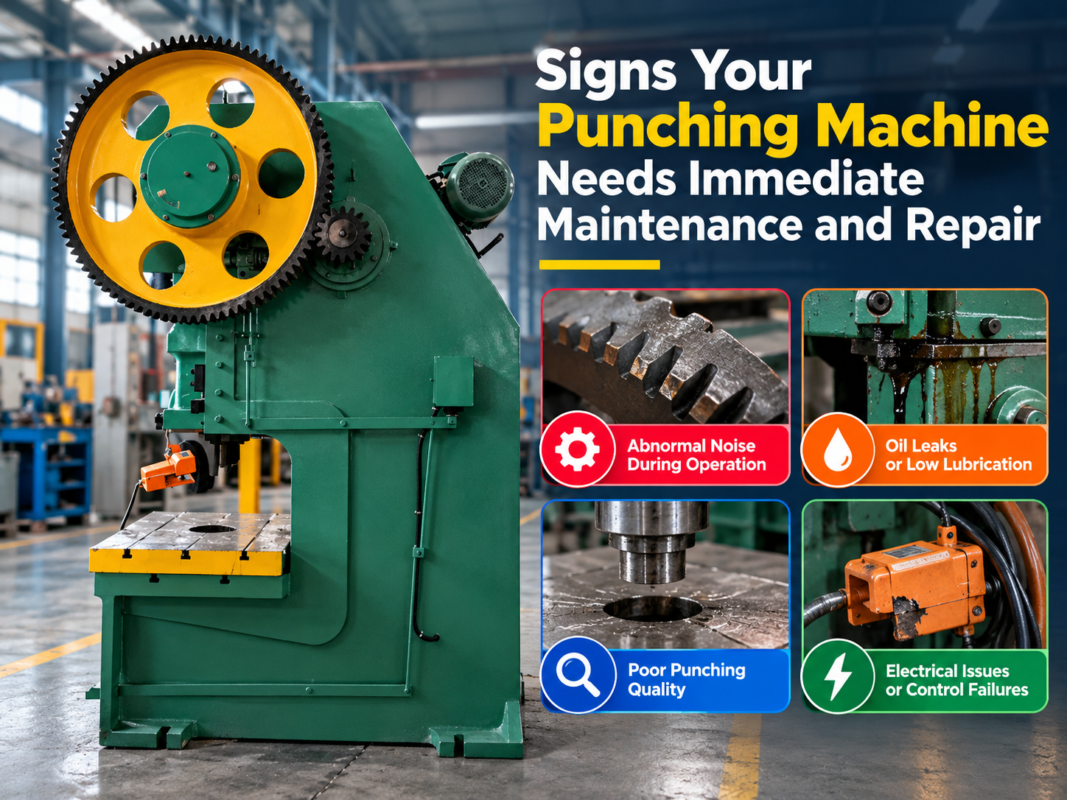
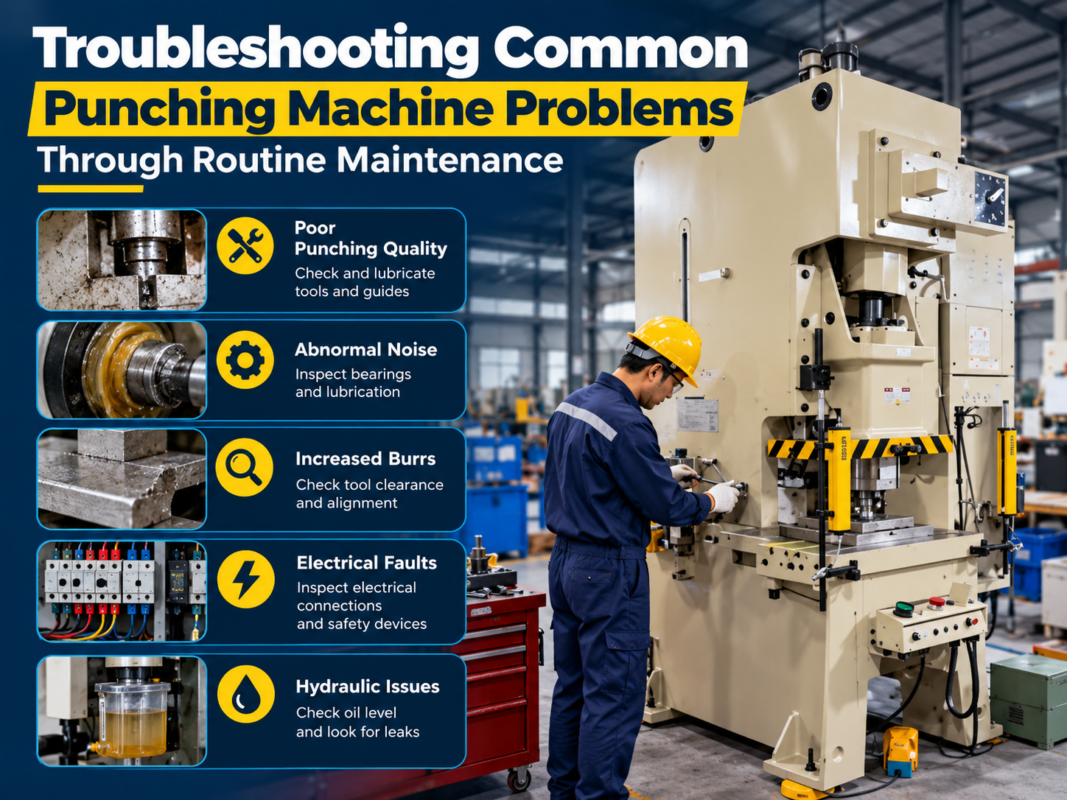
Recognizing the early warning signs of machine failure is a vital skill for any operator. A Punching Machine Maintenance Checklist for Maximum Uptime and Accuracy should include a section on “troubleshooting signals.” If you notice a change in the sound of the machine—such as a high-pitched whine, a rhythmic thumping, or a sudden increase in vibration—stop the machine immediately. These are often the first indicators of bearing failure, pump cavitation, or mechanical misalignment.
Watch for inconsistencies in part quality. If you notice burrs appearing on one side of the hole but not the other, it is a clear sign that the punch and die clearance is uneven or that the ram is misaligned. Do not attempt to compensate by adjusting the machine parameters; instead, investigate the mechanical cause. Ignoring these signs will only lead to more extensive damage to the machine frame and the tooling.
Electrical errors, such as frequent “axis following error” messages or communication timeouts, often point to loose connections or failing sensors. Before resetting the alarm and continuing, check the wiring harnesses for signs of wear or pinching. If the machine frequently trips its circuit breakers, it may be drawing excessive current due to mechanical binding or a failing motor. Investigate the root cause rather than simply resetting the system.
Finally, pay attention to the hydraulic system’s behavior. If the machine seems to be losing speed or if the pressure gauge fluctuates during the punching cycle, there may be air in the lines or a failing hydraulic pump. Document these occurrences in your maintenance log. Patterns in these signals can help maintenance teams identify whether a problem is isolated or part of a larger, systemic issue that requires professional intervention.
Maintenance Schedule Table
| Frequency | Task | Description |
|---|---|---|
| Daily | Tooling Inspection | Check for chips, galling, and dullness. |
| Daily | Fluid Levels | Check hydraulic oil and lubrication levels. |
| Weekly | Filter Inspection | Clean or replace air and hydraulic filters. |
| Weekly | Cleaning | Remove debris from the turret and work area. |
| Monthly | Lubrication | Grease all points and check auto-lube system. |
| Monthly | Electrical Check | Inspect cabinet for dust and loose wires. |
| Quarterly | Alignment | Verify ram and turret concentricity. |
| Annually | Full Service | Professional inspection of hydraulic and drive systems. |
Frequently Asked Questions (FAQ)
How often should I sharpen my punching tools?
Tool sharpening frequency depends on the material type, thickness, and the number of hits. As a rule of thumb, sharpen tools when the burr height reaches 10% of the material thickness. Regular sharpening extends the life of the machine by reducing the punching force required.
What is the most common cause of punching machine downtime?
The most common cause is the failure to maintain proper lubrication and the neglect of tooling condition. When tools become dull, they increase the load on the machine, leading to hydraulic and mechanical stress that eventually causes component failure.
Can I use any hydraulic oil in my HARSLE machine?
No, you should always use the hydraulic oil grade specified in your HARSLE machine manual. Using the wrong viscosity can lead to pump damage, overheating, and poor performance. Always consult the manufacturer’s specifications before changing fluids.
Why is my machine making a loud noise during the punching cycle?
Loud, abnormal noises often indicate loose mechanical components, worn bearings, or a lack of lubrication. If you hear grinding or thumping, stop the machine immediately and inspect the ram, turret, and drive system for signs of wear or obstruction.
How do I ensure the accuracy of my punching machine?
Accuracy is maintained through regular calibration of the axis positioning, ensuring the turret is properly indexed, and keeping the ram guides free of play. Periodic checks of the machine’s geometry are essential for high-precision fabrication.