How to Detect Early Signs of Punching Machine Failure During Maintenance: A Comprehensive HARSLE Guide


The Critical Importance of Preventive Maintenance for Punching Machines
In the high-stakes world of metal fabrication, the punching machine serves as the backbone of production efficiency. Whether you are operating a high-speed turret punch or a heavy-duty hydraulic punching machine, the equipment represents a significant capital investment. Understanding how to detect early signs of punching machine failure during maintenance is not merely a technical task; it is a strategic necessity to prevent costly downtime and ensure the safety of your workforce. When a machine fails unexpectedly, the ripple effect through your production schedule can be devastating, leading to missed deadlines and compromised quality control.
Preventive maintenance is the proactive practice of inspecting, cleaning, and servicing machinery before a breakdown occurs. By establishing a rigorous maintenance culture, operators and technicians can identify subtle deviations in performance that signal impending mechanical or electrical issues. This approach shifts the focus from reactive repairs—which are often expensive and time-consuming—to planned interventions that keep your HARSLE equipment running at peak performance for years.
The longevity of a punching machine is directly proportional to the quality of care it receives. Components such as the ram, die sets, hydraulic seals, and electrical sensors are subject to immense stress during the punching cycle. Over time, vibration, heat, and friction take their toll. Recognizing the early warning signs of wear and tear allows for the replacement of inexpensive parts before they cause catastrophic damage to the core structure of the machine.
Furthermore, consistent maintenance protocols foster a safer working environment. A machine that is well-maintained is less likely to experience erratic behavior, such as unexpected ram movement or electrical shorts. By prioritizing maintenance, shop managers demonstrate a commitment to operational excellence and employee well-being, which are hallmarks of a successful metal fabrication facility.
Daily Inspection Protocols: The First Line of Defense
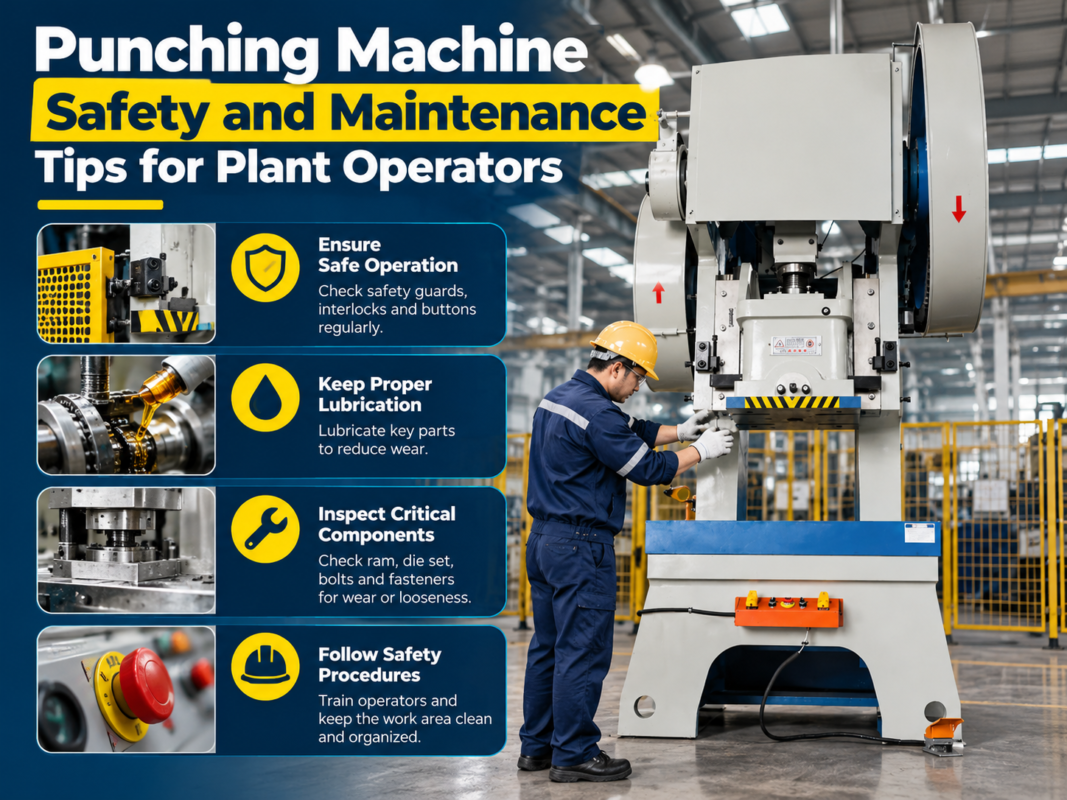
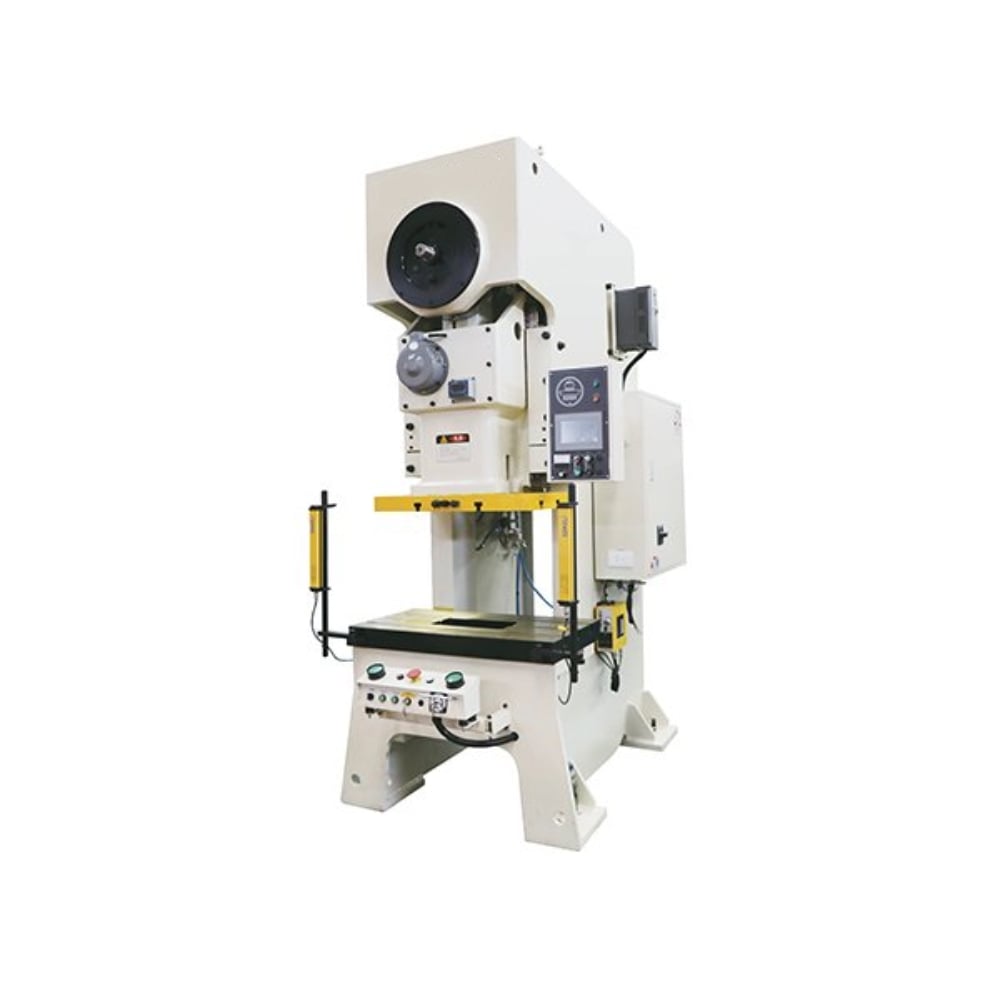
Daily inspections are the most effective way to detect early signs of punching machine failure during maintenance. These checks should be performed at the start of every shift, ensuring that the machine is in a safe and operational state before the first workpiece is loaded. A structured checklist helps operators remain consistent and ensures that no critical component is overlooked during the busy production day.
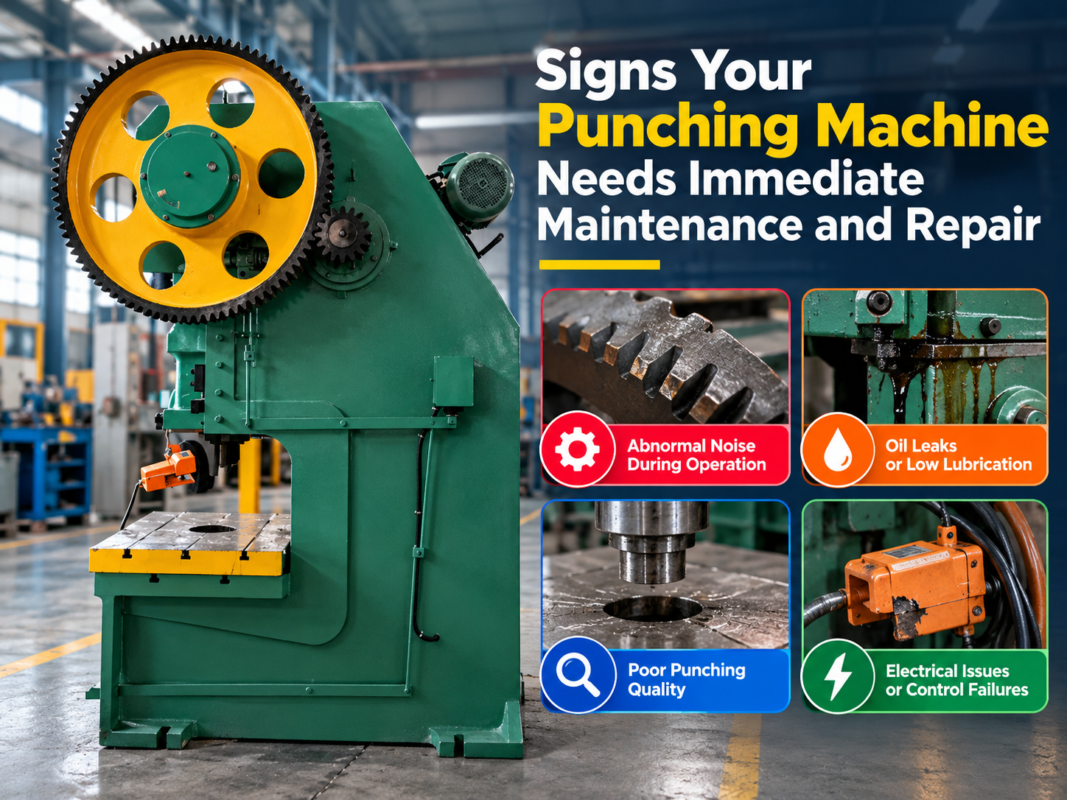
Start by examining the exterior of the machine for any signs of fluid leaks. Hydraulic oil pooling under the machine or dripping from hoses is a clear indicator of seal degradation or loose fittings. Even a small leak can lead to a significant drop in pressure, affecting the punching force and precision of the machine. If you notice fluid, trace the source immediately and document the findings in your maintenance log.
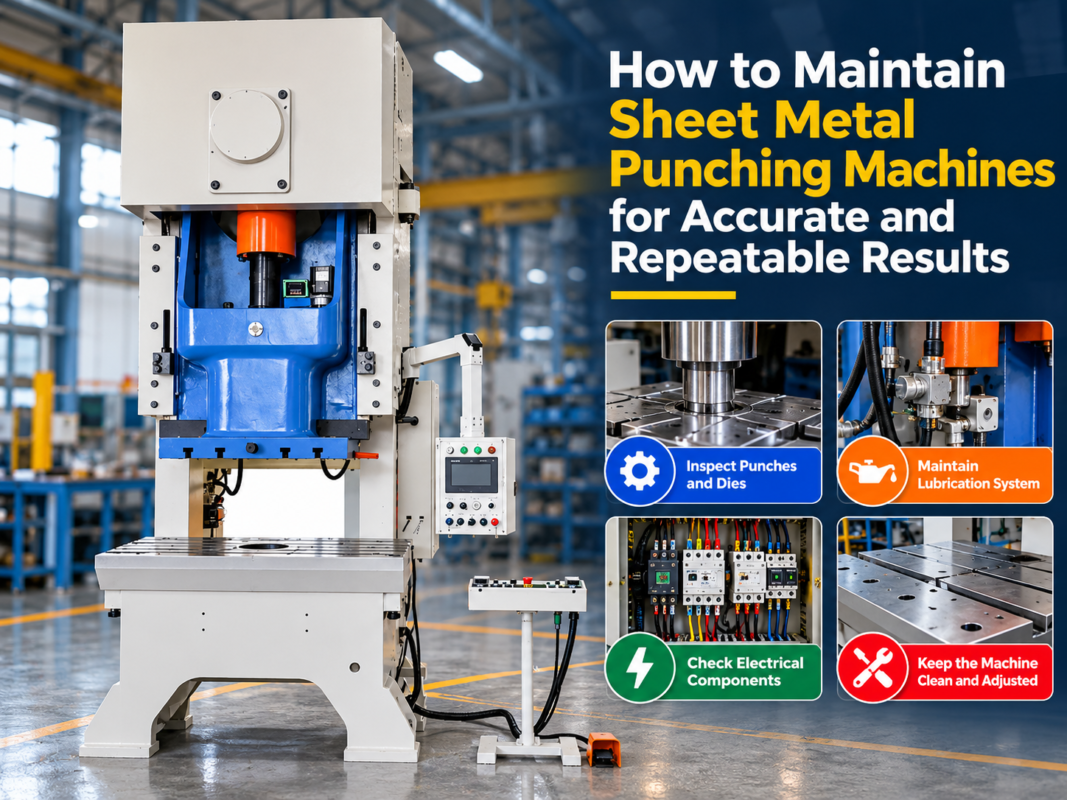
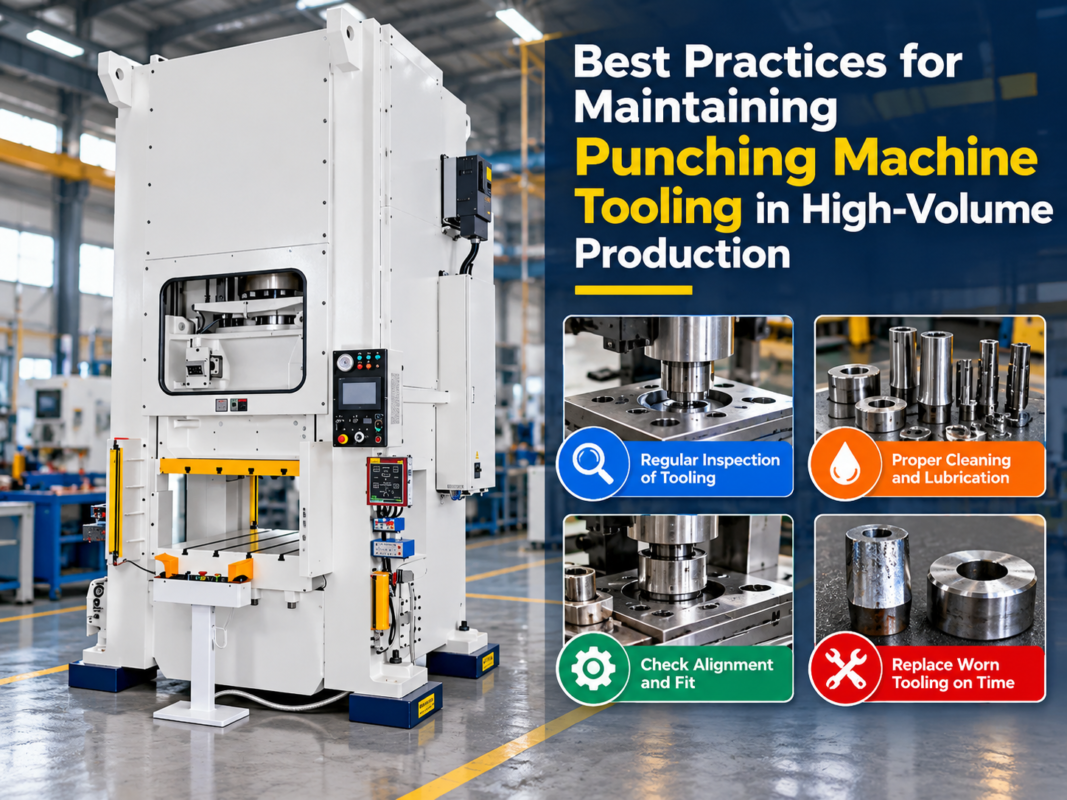
Next, inspect the tooling and die sets. Check for chips, cracks, or excessive dullness on the punch and die surfaces. Dull tooling increases the force required to punch through metal, which puts unnecessary strain on the machine’s drive system. If the punch shows signs of galling or uneven wear, it may indicate that the machine alignment is off or that the lubrication system is not functioning correctly.
Check the machine’s control panel and emergency stop buttons. Ensure that all indicators are functioning properly and that there are no error codes displayed on the screen. A flickering display or a sluggish response from the control interface can be an early warning sign of electrical instability or a failing PLC (Programmable Logic Controller). Testing the emergency stop is non-negotiable; it must trigger an immediate, reliable halt of all machine operations.
Finally, listen to the machine during a dry cycle. Unusual noises—such as grinding, clicking, or high-pitched whining—are often the first audible signs of internal mechanical failure. By becoming familiar with the standard operating sound of your HARSLE machine, you will be better equipped to identify when something sounds “off,” allowing you to investigate the issue before it escalates into a major repair.
Hydraulic, Electrical, and Mechanical Checks
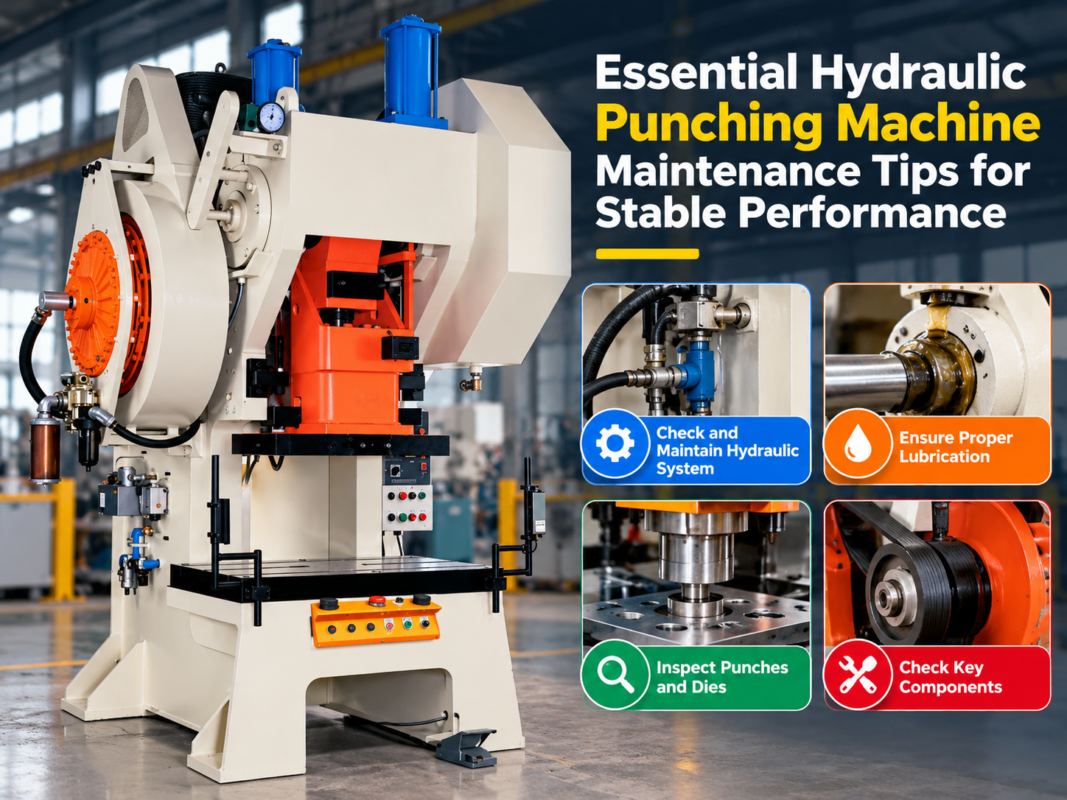
To truly master how to detect early signs of punching machine failure during maintenance, you must understand the three pillars of the machine: hydraulic, electrical, and mechanical systems. Each system has unique failure modes that require specific diagnostic approaches. A holistic maintenance strategy addresses these systems individually while acknowledging their interconnected nature.
In the hydraulic system, focus on oil quality and temperature. Hydraulic fluid should be clean, free of debris, and at the correct viscosity. If the oil appears cloudy or smells burnt, it may be contaminated or degraded due to overheating. Check the hydraulic filters regularly; a clogged filter will restrict flow and cause the pump to work harder than necessary, leading to premature pump failure. Monitor the pressure gauges during operation to ensure they remain within the manufacturer’s specified range.
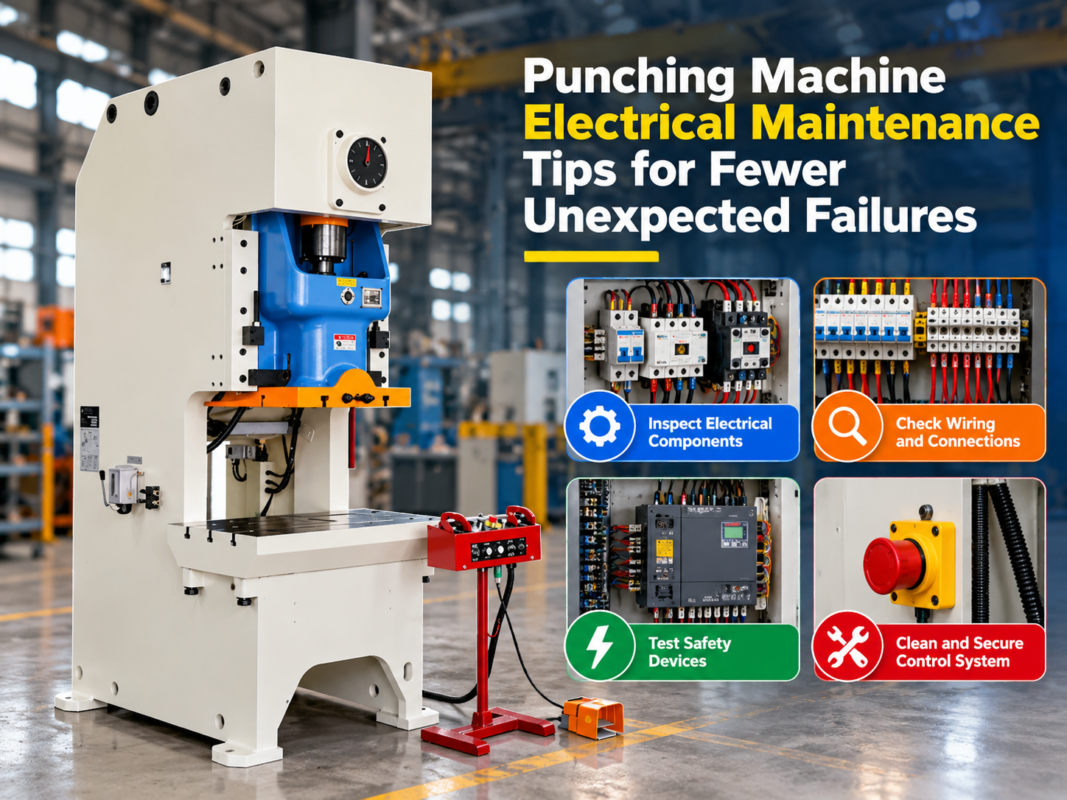
Electrical systems are often the most difficult to diagnose because failures can be intermittent. Inspect all wiring harnesses for signs of fraying, heat damage, or loose connections. Vibration is a common culprit for loose electrical terminals. Ensure that the control cabinet is clean and that cooling fans are operational; dust buildup can cause internal components to overheat, leading to erratic behavior or complete system failure. If you notice frequent “ghost” errors or sensor malfunctions, it is time to perform a deep diagnostic check of the electrical architecture.
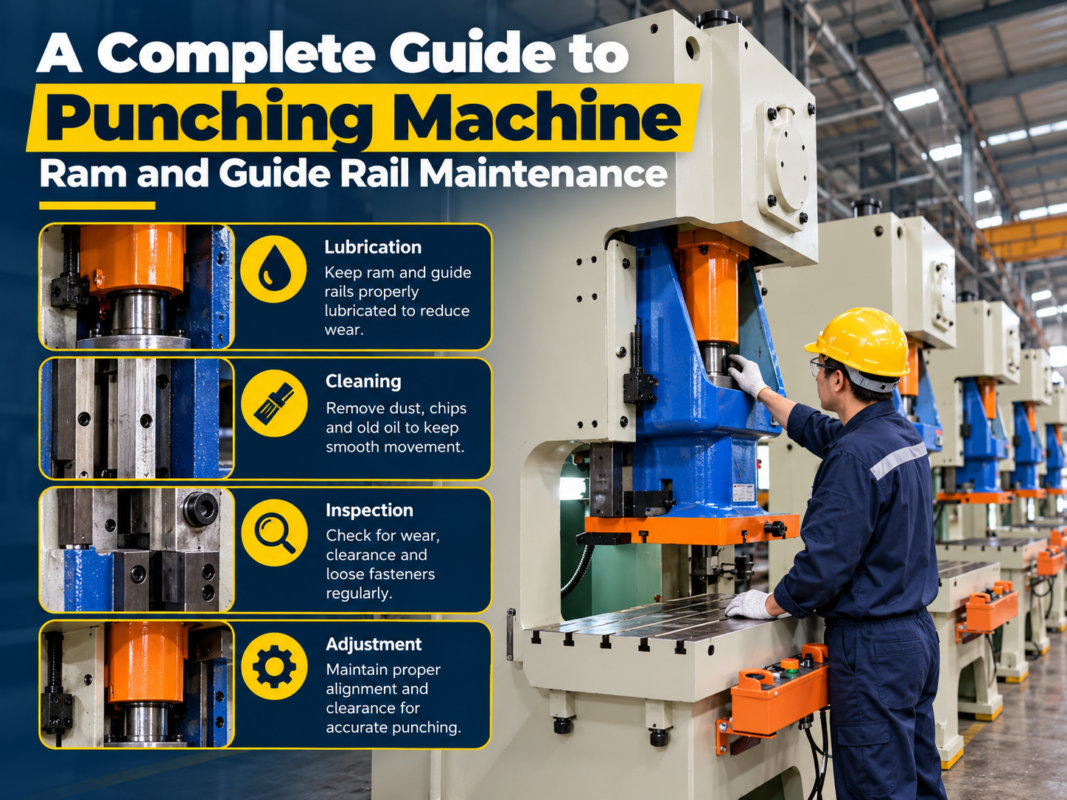
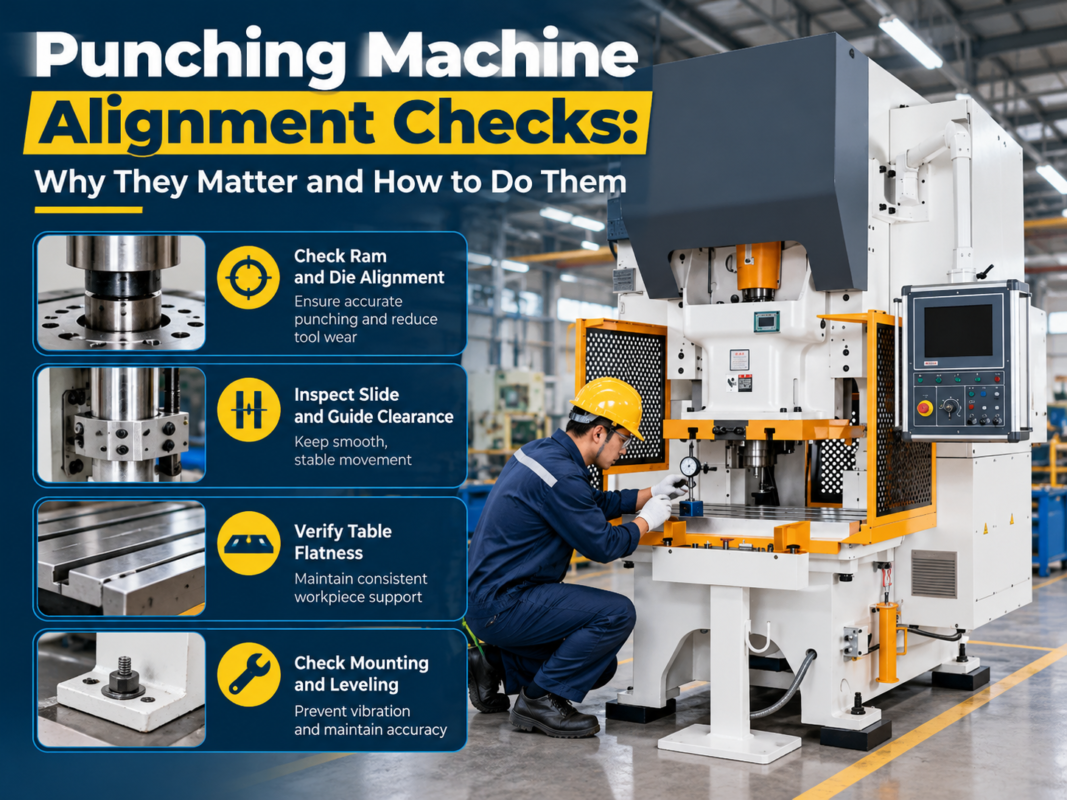
Mechanical checks involve the structural integrity of the machine. Inspect the ram guides and gibs for proper clearance. If the ram has excessive play, it will lead to poor punching accuracy and potential damage to the tooling. Check the drive belts or gears for signs of wear, such as cracking or missing teeth. Ensure that all mounting bolts are torqued to the correct specifications, as vibration can cause these to loosen over time, leading to structural misalignment.
By systematically reviewing these three areas, you create a comprehensive maintenance profile for your machine. This data-driven approach allows you to track the health of your HARSLE equipment over time and predict when specific components will reach the end of their service life, allowing for proactive replacement.
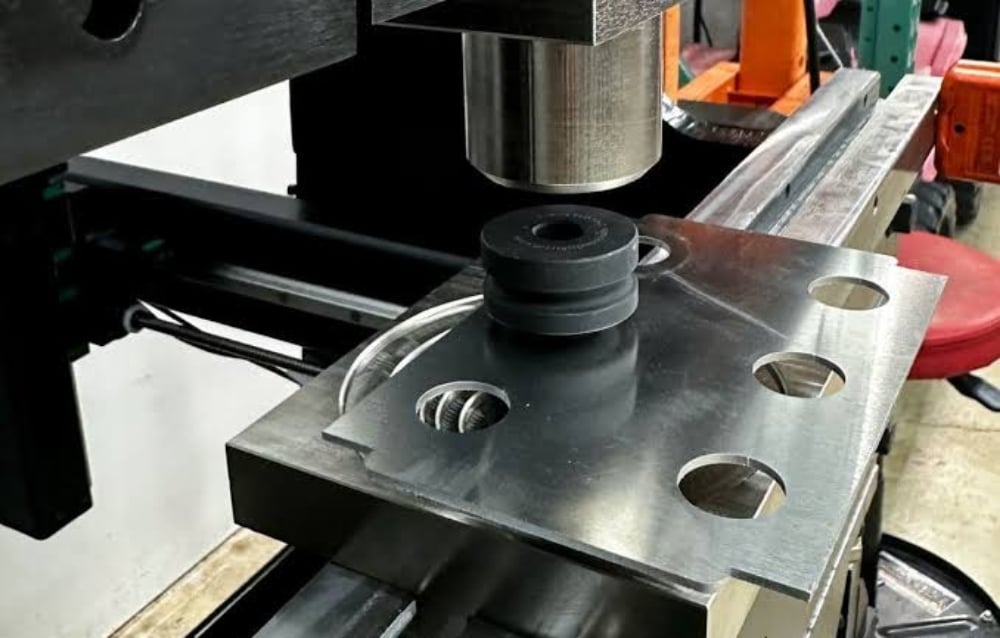
The Role of a Robust Lubrication Plan
Lubrication is the lifeblood of any industrial machine. A well-executed lubrication plan is perhaps the most critical factor in preventing mechanical failure. Friction is the enemy of precision; without adequate lubrication, moving parts generate excessive heat, leading to accelerated wear and eventual seizure. To detect early signs of failure, you must monitor the lubrication system’s performance as closely as the machine’s output.
First, ensure that you are using the correct grade of lubricant as specified by HARSLE. Using the wrong oil or grease can be just as damaging as using too little. Establish a schedule for checking lubricant levels in reservoirs and ensure that automatic lubrication systems are actually delivering grease to the intended points. A common failure point is a blocked lubrication line, which can leave a critical bearing or guide rail dry while the pump continues to run.
Look for signs of metal shavings in the used lubricant. If you perform an oil change and find metallic particles, this is a major red flag indicating internal component wear. This is a clear sign that a bearing or gear is failing and requires immediate inspection. Do not ignore these particles; they are the “early warning system” of the mechanical world.
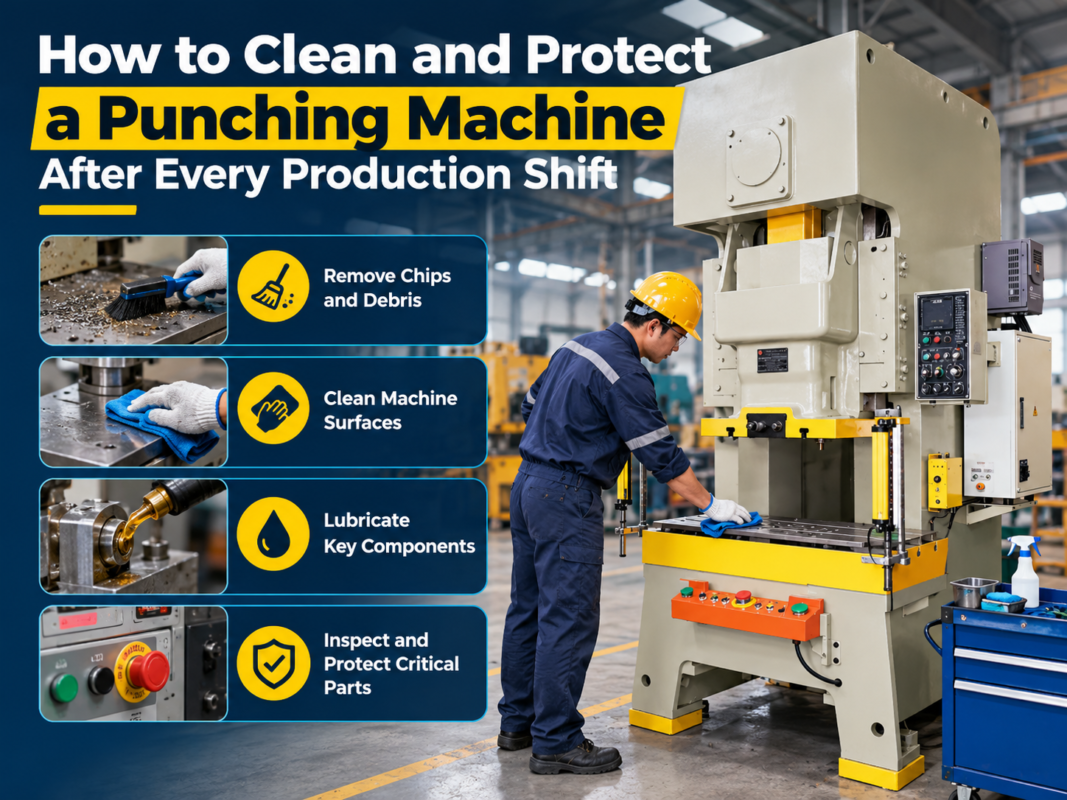
Keep the lubrication points clean. Dirt and dust that accumulate around grease nipples can be pushed into the bearing or joint during the greasing process, acting as an abrasive that accelerates wear. Always wipe down lubrication points before applying fresh grease. This simple habit can significantly extend the life of your machine’s moving parts.
Finally, document all lubrication activities. Tracking when and how much lubricant was applied helps you identify patterns. If a specific part requires more frequent lubrication than the manual suggests, it may be a sign that the part is wearing out and needs to be replaced. A proactive lubrication plan is not just about maintenance; it is about gathering intelligence on the health of your machine.
Troubleshooting Signals: What Your Machine is Telling You
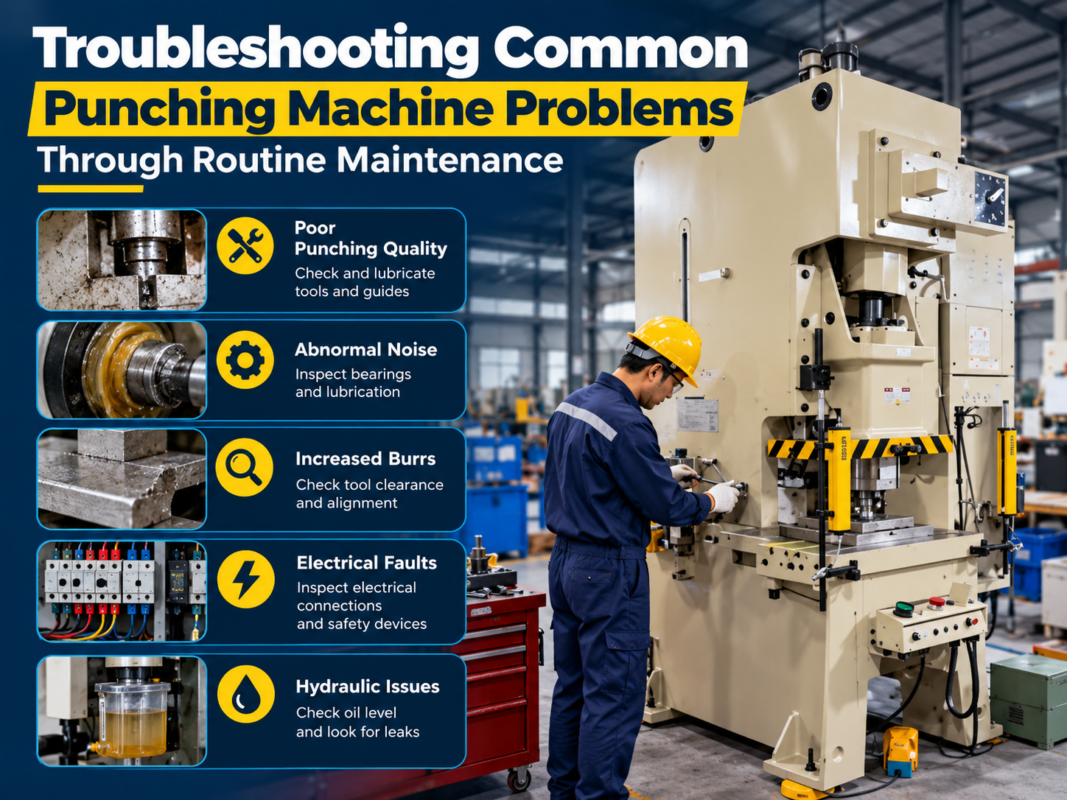
Your punching machine is constantly communicating its status through signals. Learning to interpret these signals is the key to mastering how to detect early signs of punching machine failure during maintenance. These signals can be visual, auditory, or performance-based, and they often appear long before a total breakdown occurs.
- Inconsistent Punch Depth: If your punch depth varies across the sheet, it may indicate a problem with the hydraulic system, a loose ram, or worn-out tooling.
- Increased Vibration: Excessive vibration during the punching cycle often points to loose mounting bolts, worn bearings, or an unbalanced drive system.
- Overheating Components: If a motor, pump, or electrical cabinet feels excessively hot to the touch, it is a sign of overwork or poor ventilation.
- Erratic Control Response: Delays in command execution or flickering screens suggest electrical noise, loose connections, or a failing PLC.
- Unusual Odors: The smell of burning plastic or hot oil is an immediate indicator of electrical shorts or hydraulic overheating.
When you encounter these signals, do not ignore them. Perform a root cause analysis immediately. Ask yourself: Is this a new issue? Has the machine been under higher-than-normal load? Have there been any recent changes to the environment or the material being processed? By asking the right questions, you can isolate the problem and implement a fix before the machine reaches a state of failure.
Maintenance Schedule Table
| Frequency | Task | Objective |
|---|---|---|
| Daily | Check hydraulic levels and leaks | Prevent pressure loss and contamination |
| Daily | Inspect tooling for wear/chips | Ensure quality and reduce machine strain |
| Weekly | Clean lubrication points and filters | Maintain smooth operation and prevent friction |
| Monthly | Check electrical connections/cabinet | Prevent shorts and control system failure |
| Quarterly | Inspect ram guides and gibs | Ensure alignment and punching accuracy |
| Annually | Full system diagnostic and oil change | Extend overall machine lifespan |
Frequently Asked Questions (FAQ)
How often should I perform a full maintenance check on my HARSLE punching machine?
While daily and weekly checks are essential, we recommend a comprehensive professional maintenance inspection at least every six months, or more frequently if the machine is running multiple shifts per day.
What should I do if I hear a grinding noise during the punching cycle?
Stop the machine immediately. A grinding noise usually indicates a failure in the bearings, gears, or drive system. Continuing to operate the machine can lead to catastrophic damage. Inspect the area where the sound originates and contact a HARSLE technician if the cause is not immediately obvious.
Can I use generic lubricants for my punching machine?
Always use the lubricants recommended in your HARSLE operation manual. Using the wrong viscosity or type of lubricant can cause overheating, seal failure, and void your warranty.
Why is my punching machine showing an error code?
Error codes are specific diagnostic messages. Refer to your machine’s manual to identify the code. If the code persists after a reset, it indicates a specific electrical or mechanical fault that requires professional troubleshooting.
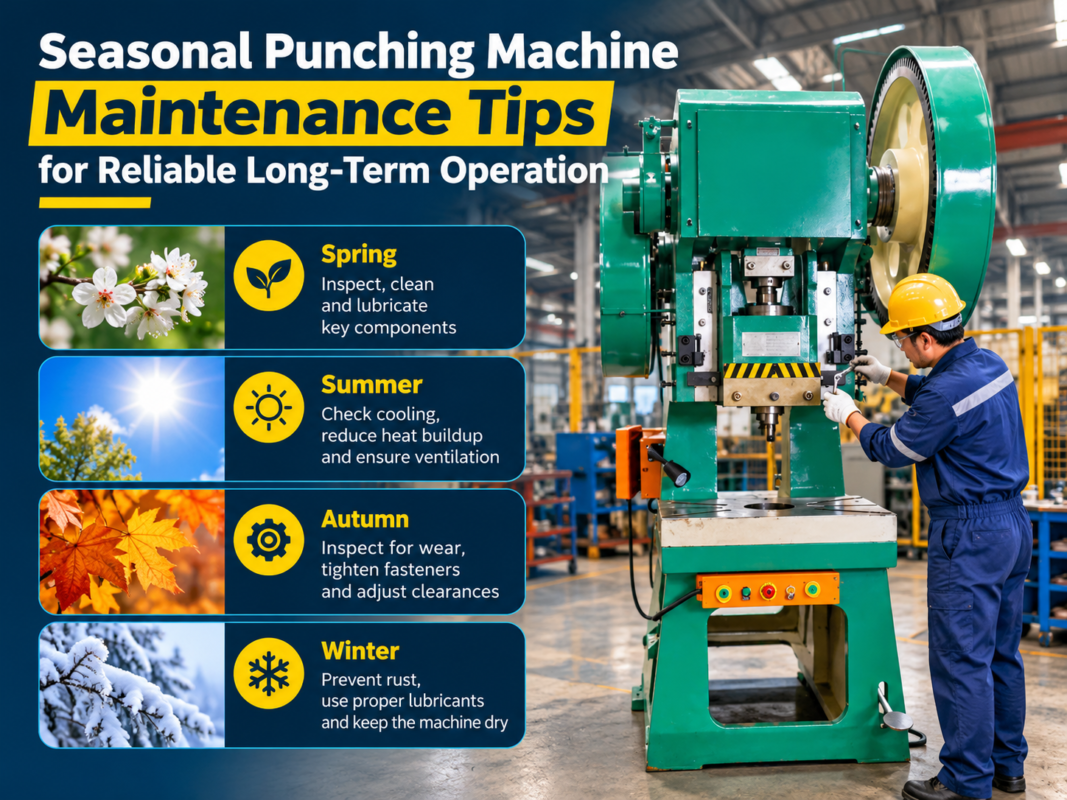
How does ambient temperature affect my punching machine?
Extreme temperatures can affect hydraulic oil viscosity and the performance of electrical components. Ensure your facility is climate-controlled or that the machine is equipped with appropriate cooling systems to maintain optimal operating temperatures.