Comprehensive Guide to Press Brake Applications for Stainless Steel, Aluminum, and Carbon Steel Sheets


Introduction to Versatile Metal Bending with Press Brakes
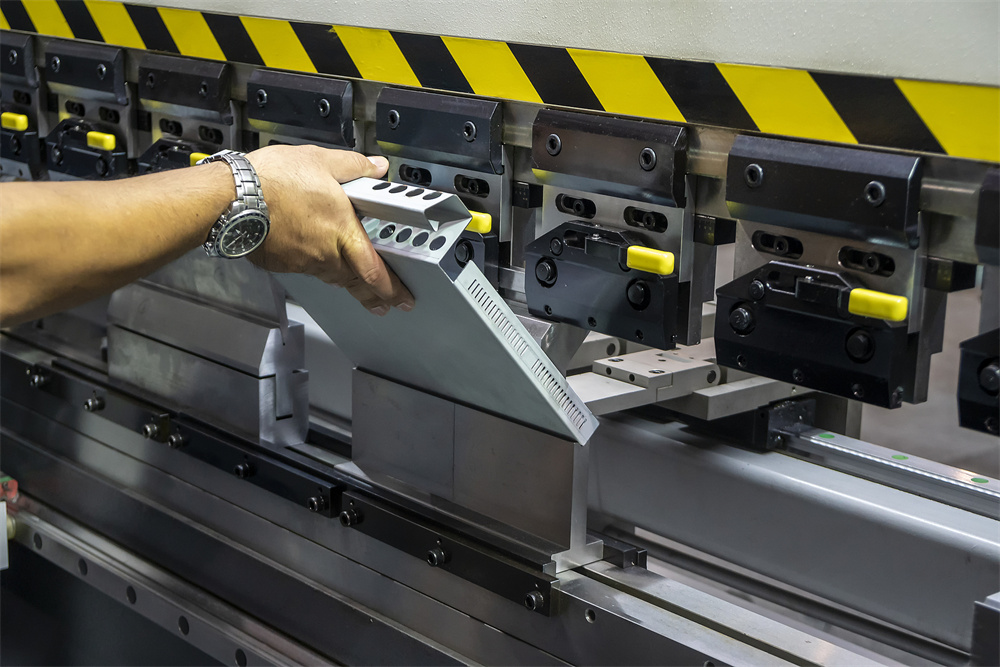
In the modern industrial landscape, the ability to manipulate various types of metal sheets with precision is the cornerstone of successful manufacturing. Press brakes stand as the most critical piece of equipment in a fabrication shop, offering the versatility needed to transform flat sheets of stainless steel, aluminum, and carbon steel into complex, functional components. Whether you are producing architectural panels, automotive parts, or heavy-duty industrial enclosures, understanding the nuances of how different materials react under pressure is essential for achieving high-quality results.
HARSLE has long been at the forefront of providing high-performance press brakes designed to handle the diverse demands of these materials. Each metal—be it the high-strength resilience of stainless steel, the lightweight malleability of aluminum, or the cost-effective versatility of carbon steel—presents unique challenges. These challenges include varying degrees of springback, different tonnage requirements, and specific tooling needs to prevent surface damage or structural failure. This guide provides a deep dive into the technical applications of press brakes across these three primary metal categories, ensuring operators and business owners can optimize their production workflows.
The evolution of CNC (Computer Numerical Control) technology has further refined these applications. Modern HARSLE machines utilize advanced software to calculate bend allowances and compensate for material inconsistencies in real-time. This level of automation is particularly beneficial when switching between different material types, as it reduces setup time and minimizes scrap. As we explore the specific requirements for each metal, it becomes clear that a press brake is not just a machine that applies force, but a precision instrument that requires a deep understanding of material science and mechanical engineering.
Key Considerations for Multi-Material Bending
Material Yield Strength and Tonnage Requirements
The most fundamental factor in any press brake application is the yield strength of the material. Yield strength determines how much force (tonnage) is required to permanently deform the metal. Carbon steel is often used as the baseline for tonnage calculations. However, when moving to stainless steel, the tonnage requirements can increase by as much as 50% to 60% due to its higher work-hardening rate and tensile strength. Conversely, many aluminum alloys require significantly less tonnage, though this varies greatly between the 1000 series (soft) and the 6000 or 7000 series (heat-treated and harder).
Calculating the required tonnage involves the formula: P = (k * S * L * t²) / V, where P is the force, S is the material tensile strength, L is the length of the bend, t is the thickness, and V is the V-die opening. Failing to account for the specific properties of stainless steel or high-strength carbon steel can lead to machine overload, tool breakage, or inaccurate bends. HARSLE press brakes are equipped with robust hydraulic systems and overload protection to mitigate these risks, but the operator must still input the correct material parameters into the CNC controller.
Managing Springback and Bend Angles
Springback is the tendency of a metal sheet to return to its original shape after the bending force is released. Every material exhibits some degree of springback, but the amount differs drastically. Stainless steel is notorious for high springback, often requiring the operator to over-bend the part by several degrees to achieve the desired final angle. Aluminum also shows significant springback, particularly in harder tempers, while carbon steel is generally more predictable.
To combat springback, modern press brakes utilize “crowning” systems and angle sensors. Crowning compensates for the natural deflection of the machine’s bed and ram under high pressure, ensuring the bend angle is consistent across the entire length of the workpiece. For high-precision applications in stainless steel and aluminum, HARSLE’s CNC crowning systems are indispensable, as they automatically adjust the machine’s geometry based on the material thickness and length, ensuring that every part meets strict tolerances.
Tooling Selection and Surface Protection
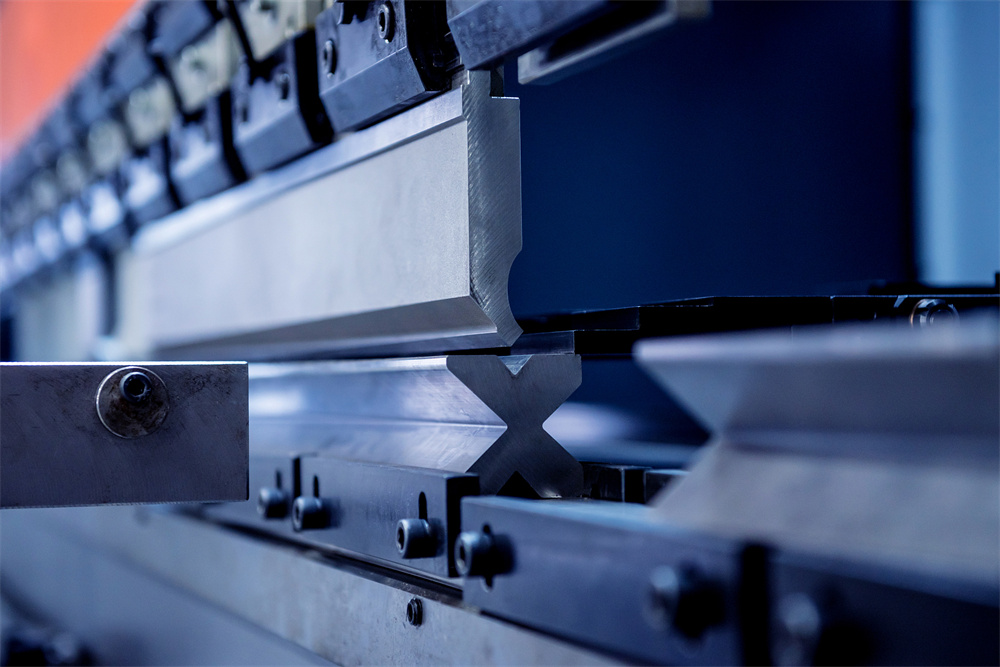
The choice of punches and dies is another critical consideration. For stainless steel, using hardened and ground tooling is necessary to withstand the high pressures involved. Furthermore, because stainless steel is often used for aesthetic purposes, operators must use protective measures like urethane pads or specialized “no-mar” tape on the dies to prevent scratching. Aluminum, being a softer metal, is prone to “galling,” where particles of the aluminum stick to the steel die, eventually causing surface defects on subsequent parts. Regular cleaning of the tools and the use of polished dies can help prevent this issue.
Technical Details: Bending Stainless Steel Sheets
The Challenges of Work Hardening
Stainless steel, particularly the 300 series (like 304 and 316), work-hardens rapidly. This means that as the metal is bent, it becomes significantly harder and stronger in the bend zone. This characteristic requires the press brake to maintain consistent pressure throughout the stroke. If the process is interrupted or if the speed is inconsistent, the material may crack or the bend may become uneven. HARSLE’s high-precision hydraulic valves ensure a smooth, continuous application of force, which is vital for managing the work-hardening properties of stainless steel.
Radius Requirements and Cracking Prevention
When bending stainless steel, the inside bend radius should generally be equal to or greater than the material thickness. Attempting a “sharp” bend (where the radius is smaller than the thickness) can lead to stress fractures on the outer radius of the bend. This is especially true for thicker plates. For architectural or food-grade applications, where the finish is paramount, using a larger V-die opening can help distribute the force over a wider area, reducing the risk of surface cracking and minimizing the pressure required.
| Material Grade | Yield Strength (MPa) | Tonnage Factor (vs Mild Steel) | Typical Springback |
|---|---|---|---|
| Stainless 304 | 215 – 290 | 1.5x – 1.6x | 3° – 5° |
| Stainless 316 | 205 – 290 | 1.5x – 1.6x | 4° – 6° |
| Stainless 430 | 240 – 310 | 1.4x | 2° – 4° |
As shown in the table above, the tonnage factor for stainless steel is significantly higher than that of mild steel. This necessitates a press brake with a higher rated capacity if the shop frequently handles stainless steel projects. HARSLE offers a range of high-tonnage machines specifically designed to handle the rigors of heavy-duty stainless steel fabrication without compromising on speed or accuracy.
Technical Details: Bending Aluminum Sheets
Understanding Temper and Alloy Variations
Aluminum is a favorite in the aerospace and automotive industries due to its high strength-to-weight ratio. However, its bending characteristics vary wildly depending on the alloy and temper. For instance, 5052-H32 aluminum is highly formable and widely used for general sheet metal work. In contrast, 6061-T6 is much more brittle; if bent with too small a radius, it will almost certainly crack. Operators must consult material data sheets to determine the minimum allowable bend radius for the specific aluminum grade they are using.
Preventing Galling and Tooling Marks
Because aluminum is relatively soft, it is easily marred by the edges of the V-die. This is a major concern for parts that will be anodized or left with a mill finish. To prevent this, many fabricators use “large radius” dies or dies with rotating inserts that reduce friction during the bending process. Additionally, keeping the tooling free of debris is essential. HARSLE machines can be equipped with specialized backgauge fingers that are non-marring, ensuring that the back of the aluminum sheet remains pristine throughout the handling process.
Technical Details: Bending Carbon Steel Sheets
The Standard for Fabrication
Carbon steel, often referred to as mild steel, is the most common material processed on press brakes. It is predictable, relatively easy to form, and cost-effective. Cold-rolled steel (CRS) offers a cleaner finish and more consistent thickness than hot-rolled steel (HRS), making it the preferred choice for precision components. When bending hot-rolled steel, operators must be aware of the “mill scale”—a hard, flaky layer of oxide on the surface. This scale can fall off during bending, accumulating in the die and affecting the accuracy of subsequent bends if not cleaned regularly.
Optimizing High-Volume Production
For carbon steel applications, the focus is often on speed and repeatability. HARSLE’s high-speed CNC press brakes are designed for rapid cycling, allowing for high-volume production of brackets, frames, and panels. The use of multi-axis backgauges (X, R, Z1, Z2) allows for complex, multi-bend sequences to be performed in a single handling, significantly reducing labor costs and increasing throughput. Because carbon steel is less prone to extreme springback than stainless steel, it is an ideal candidate for automated bending cells where consistency is key.
Selection Advice: Choosing the Right Press Brake for Your Material Mix
Assessing Your Tonnage and Length Needs
When selecting a HARSLE press brake, the first step is to analyze your thickest and hardest material. If you plan to bend 6mm stainless steel over a 3-meter length, you will need a machine with significantly more tonnage than if you were only bending 6mm aluminum. It is always advisable to choose a machine with about 20% more capacity than your maximum calculated requirement to avoid running the hydraulic system at its absolute limit, which extends the lifespan of the machine.
The Importance of CNC Control and Software
For shops that switch between stainless, aluminum, and carbon steel frequently, a high-end CNC controller is a necessity. These controllers store material libraries that include the specific properties of each metal. When an operator selects “Aluminum 5052,” the controller automatically adjusts the bend depth to account for the expected springback and calculates the correct crowning force. This reduces the “trial and error” phase of setup, which is particularly expensive when working with high-cost materials like stainless steel or specialized aluminum alloys.
Backgauge Precision and Multi-Axis Flexibility
Precision in the backgauge is what separates a good part from a scrap part. For complex geometries, a 4-axis or 6-axis backgauge provides the flexibility to support the sheet at various angles and positions. This is crucial for maintaining accuracy in aluminum parts that may have irregular shapes or for large carbon steel panels that require multiple bends in different directions. HARSLE’s backgauge systems are built with high-precision ball screws and linear guides to ensure long-term accuracy and reliability.
Maintenance and Best Practices for Long-Term Performance
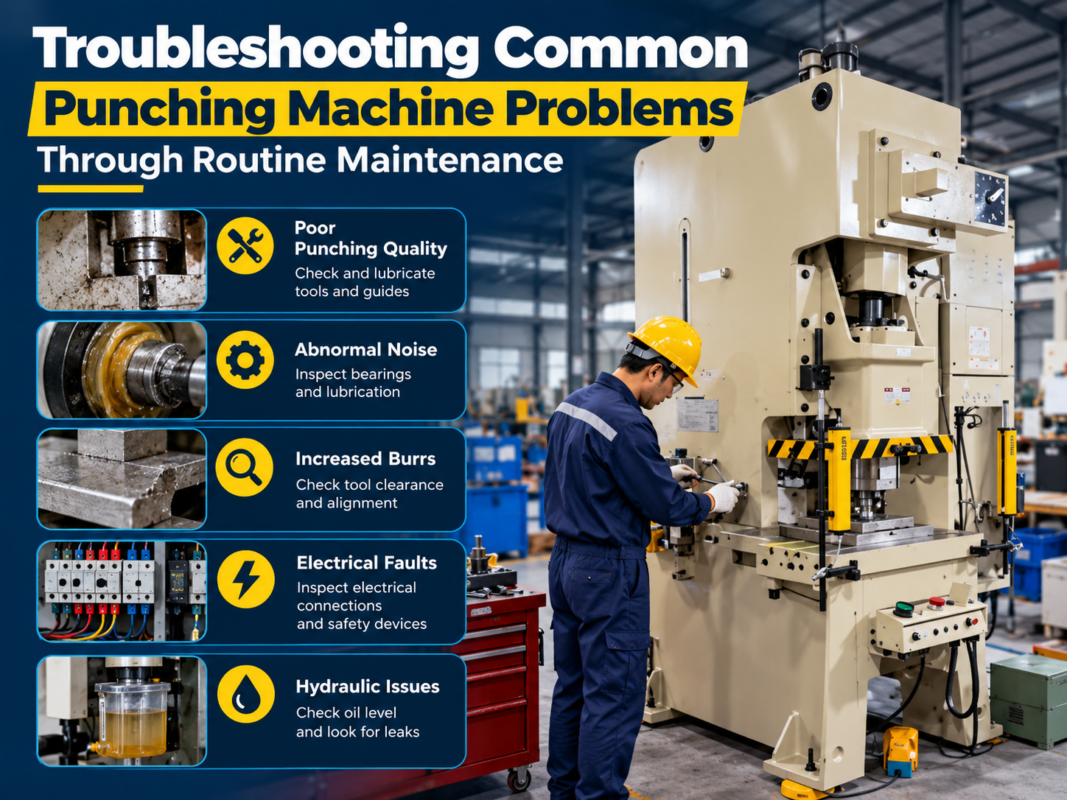
To keep a press brake performing at its peak across all material types, a strict maintenance schedule is required. This includes:
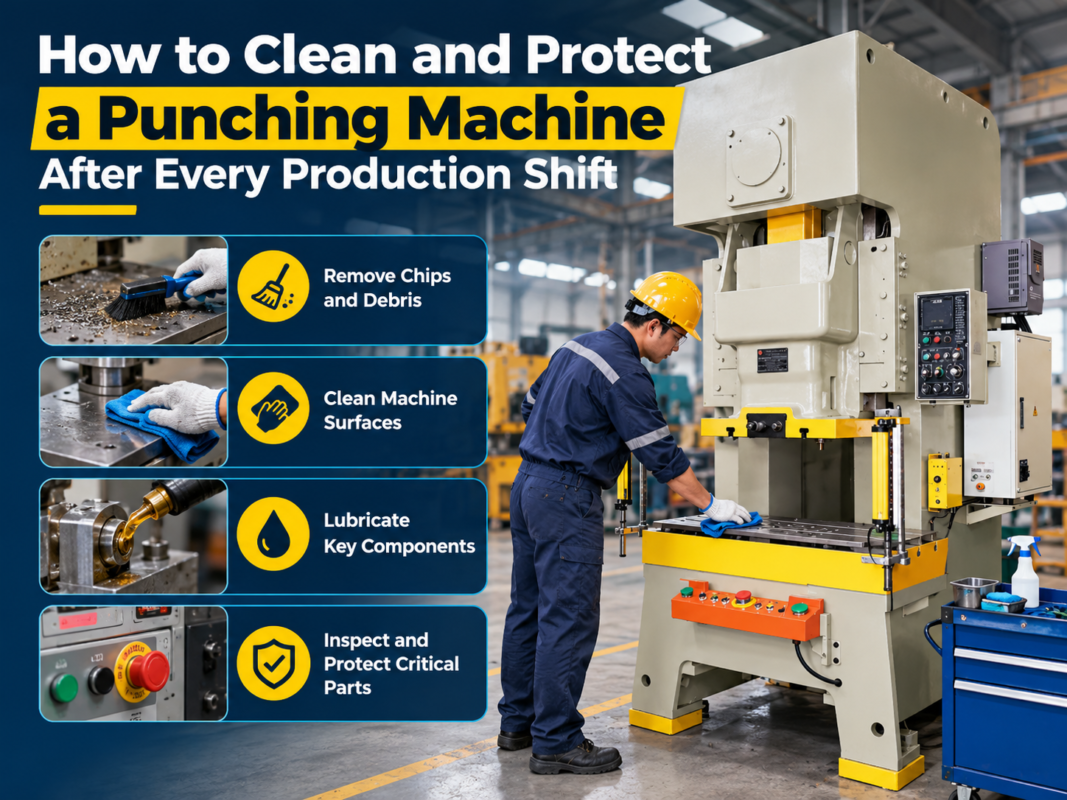
- Daily Cleaning: Remove mill scale, aluminum dust, and metal shavings from the bed and tooling.
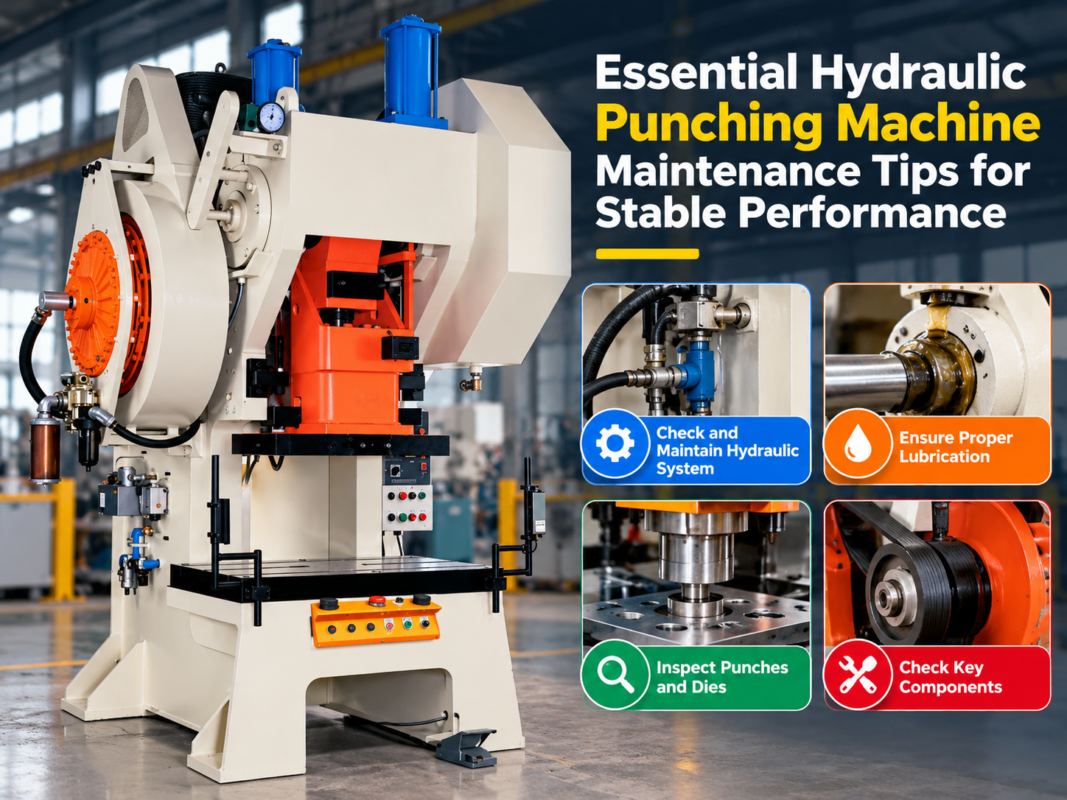
- Lubrication: Ensure all moving parts, including the backgauge and ram guides, are properly lubricated to prevent wear and maintain smooth motion.
- Hydraulic Fluid Management: Regularly check oil levels and quality. Contaminated oil can damage the sensitive proportional valves that control the ram’s precision.
- Tooling Inspection: Check punches and dies for signs of wear, chipping, or deformation. Worn tooling will lead to inconsistent bend angles and surface defects.
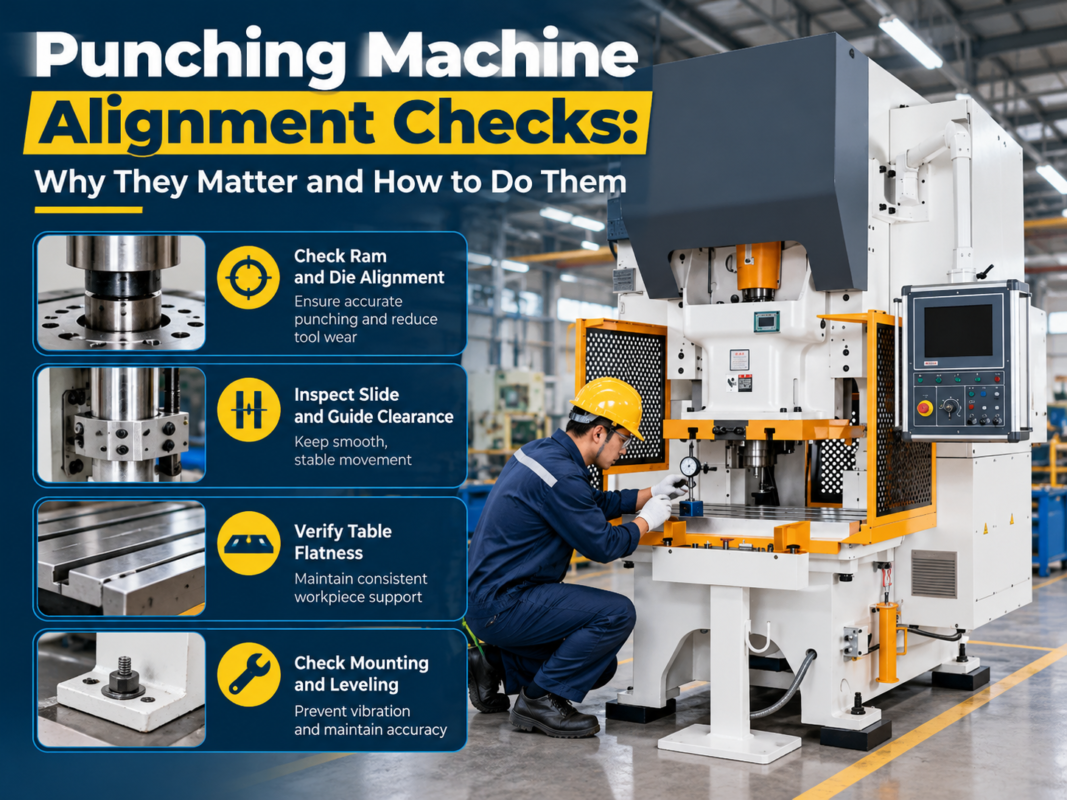
- Calibration: Periodically verify the machine’s calibration, especially the parallelism between the ram and the bed, to ensure consistent bends across the entire length.
Frequently Asked Questions (FAQ)
1. Why does my stainless steel part have a different angle than my carbon steel part using the same settings?
This is due to the difference in springback and yield strength. Stainless steel is much stronger and more elastic than carbon steel, meaning it resists deformation more and “springs back” further once the pressure is released. You must adjust the bend depth (Y-axis) to over-bend the stainless steel part.
2. Can I use the same tooling for aluminum and stainless steel?
While physically possible, it is not recommended without thorough cleaning. Aluminum particles can transfer to the stainless steel, causing galvanic corrosion, and the high pressures required for stainless steel can wear out tools faster, which might then leave marks on softer aluminum sheets. Ideally, use dedicated or highly polished tools for sensitive surfaces.
3. How do I prevent cracking when bending 6061-T6 aluminum?
The best way to prevent cracking in 6061-T6 is to use a larger inside bend radius. A general rule is to use a radius at least 3 to 6 times the material thickness. Alternatively, you can use the material in an ‘O’ (annealed) temper and then heat-treat it to the ‘T6’ condition after bending.
4. What is the benefit of a CNC crowning system?
Crowning compensates for the deflection of the machine under load. Without it, a long bend might be 90 degrees at the ends but 92 degrees in the middle. A CNC crowning system automatically applies a counter-curve to the bed, ensuring the angle is perfectly uniform from end to end, regardless of material type.
5. How does material thickness variation affect the bend?
Even a small variation in thickness (common in hot-rolled steel) can significantly change the bend angle in air bending. Modern HARSLE press brakes can be equipped with thickness detection systems that measure the actual sheet thickness and adjust the stroke depth in real-time to maintain accuracy.
Conclusion: Mastering the Art of Bending
Successfully navigating the complexities of press brake applications for stainless steel, aluminum, and carbon steel requires a combination of the right equipment, technical knowledge, and attention to detail. By understanding the unique physical properties of each metal—from the high-strength challenges of stainless steel to the surface sensitivity of aluminum—fabricators can produce superior parts that meet the highest industry standards.
HARSLE continues to empower manufacturers by providing robust, high-precision press brakes that simplify these challenges. With advanced CNC controls, automated crowning, and versatile backgauge systems, HARSLE machines are designed to handle the diverse needs of the modern metal fabrication shop. Whether you are a small job shop or a large-scale industrial manufacturer, investing in the right technology and following best practices for material handling will ensure your operations remain productive, efficient, and profitable for years to come.