
Best Press Brake Uses In Industrial Machinery Enclosure Manufacturing: A Comprehensive Guide


Introduction to Industrial Machinery Enclosure Fabrication
In the modern industrial landscape, the demand for high-quality, durable, and precise machinery enclosures has never been higher. These enclosures serve as the protective shell for sensitive electronic components, hydraulic systems, and complex control units. The cornerstone of producing these vital components is the press brake. Understanding the Best Press Brake Uses In Industrial Machinery Enclosure Manufacturing is essential for any fabrication shop looking to improve efficiency, reduce waste, and meet the stringent requirements of global industrial standards.
Industrial enclosures are not merely metal boxes; they are engineered solutions that must provide structural integrity, thermal management, and protection against environmental hazards such as dust, moisture, and electromagnetic interference. To achieve this, manufacturers rely on the versatility of CNC press brakes. These machines allow for the precise bending of various sheet metals, including stainless steel, carbon steel, and aluminum, into complex three-dimensional shapes that form the backbone of industrial cabinets and control panels.
As technology advances, the role of the press brake has evolved from a simple bending tool to a sophisticated, software-driven hub of the production line. By integrating advanced CNC controls, hydraulic crowning systems, and precision backgauging, modern press brakes enable fabricators to execute intricate bending sequences that were once considered impossible or too labor-intensive. This guide explores how these machines are best utilized in the specific context of enclosure manufacturing.
Key Considerations for Industrial Enclosure Manufacturing
When discussing the Best Press Brake Uses In Industrial Machinery Enclosure Manufacturing, one must first consider the unique challenges posed by these products. Unlike simple brackets or panels, enclosures often require multiple bends on a single sheet of metal, frequently involving tight tolerances and complex return flanges. The first consideration is material selection. Stainless steel is often preferred for its corrosion resistance in harsh environments, but its high tensile strength requires a press brake with significant tonnage and specialized tooling to prevent springback issues.
Another critical factor is the Ingress Protection (IP) rating. Enclosures designed for outdoor or industrial use must often meet IP65 or IP66 standards, meaning they must be dust-tight and protected against powerful water jets. Achieving these ratings depends heavily on the precision of the bends. If a corner is not bent to the exact degree specified, the gasket will not seal properly, leading to failure in the field. Therefore, the use of a press brake with high-precision angle measurement systems is a top priority for enclosure manufacturers.
Batch size and variability also play a significant role. In many industrial settings, enclosures are custom-made to fit specific machinery. This means the press brake must be capable of quick setup and tool changes. Modern CNC systems allow operators to load programs instantly, reducing downtime between different enclosure designs. Furthermore, the ability to simulate the bending process in 3D software before the first piece of metal is touched ensures that complex enclosures are formed correctly the first time, minimizing scrap costs.
Finally, safety and ergonomics cannot be overlooked. Large enclosure panels can be heavy and awkward to handle. The best press brake setups for this industry often include front support arms or robotic bending cells to assist the operator. This not only improves safety but also ensures consistent bending quality across long production runs. By addressing these key considerations, manufacturers can leverage their press brakes to produce superior industrial enclosures that meet all regulatory and functional requirements.
Technical Details of Press Brake Operations in Enclosure Production
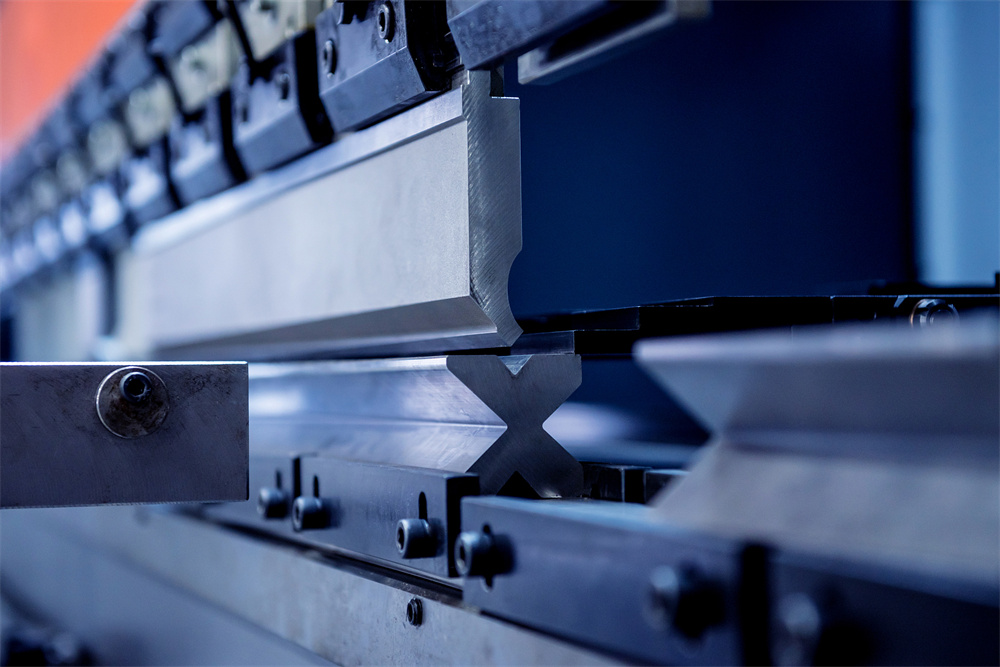
The technical execution of bending for enclosures involves several specialized techniques. One of the most important is the use of “Gooseneck” punches. Because enclosures often feature deep channels and return flanges, a standard straight punch would collide with the workpiece during the second or third bend. Gooseneck tooling provides the necessary clearance to complete these complex geometries in a single setup, which is one of the Best Press Brake Uses In Industrial Machinery Enclosure Manufacturing.
Air bending is the most common technique used in this sector. Unlike bottoming or coining, air bending allows for a wide range of angles to be achieved with a single set of tools by varying the depth of the punch into the die. This flexibility is crucial for enclosures that may require 90-degree bends, 45-degree chamfers, and specialized offset bends for door seals. However, air bending requires a highly accurate CNC system to compensate for material thickness variations and springback, which can vary even within the same batch of steel.
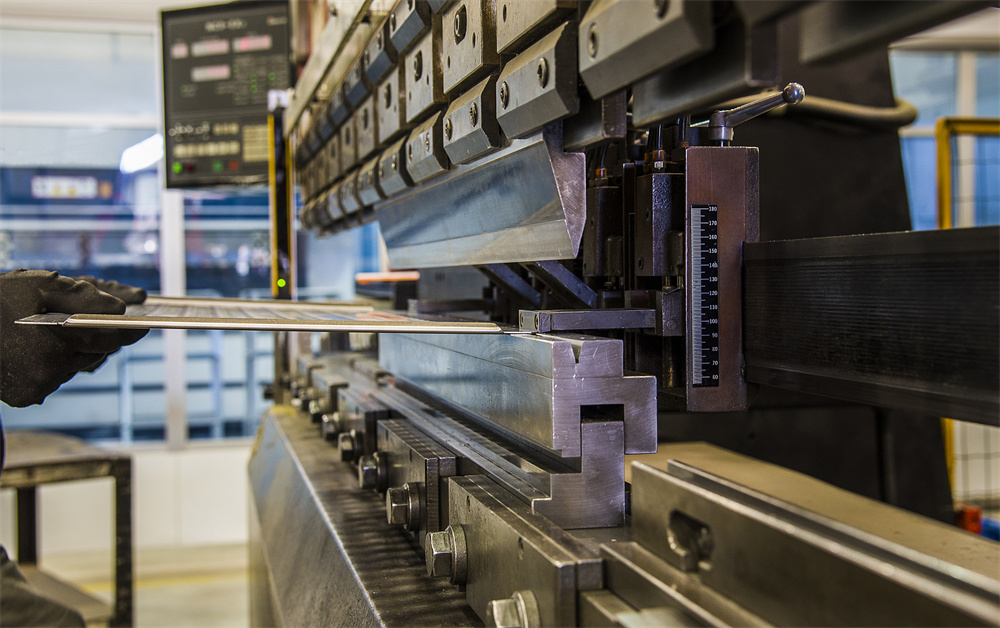
Crowning systems are another technical necessity. When bending long enclosure panels, the press brake bed can deflect slightly in the center, leading to a “canoe” effect where the angle in the middle of the bend is different from the ends. Hydraulic or mechanical crowning systems counteract this deflection, ensuring a perfectly straight bend across the entire length of the part. For enclosures that are several meters tall, such as server racks or large motor control centers, this feature is non-negotiable for maintaining structural alignment.
Multi-axis backgauges are also vital. A standard 2-axis backgauge (X and R) might suffice for simple parts, but complex enclosures often require 4-axis (X, R, Z1, Z2) or even 6-axis systems. These allow the machine to support the workpiece at different depths and heights, facilitating the bending of asymmetrical parts or enclosures with pre-punched holes and cutouts. The integration of these technical features allows HARSLE press brakes to deliver the precision required for high-end industrial applications.
Best Press Brake Uses In Industrial Machinery Enclosure Manufacturing
The specific applications of press brakes in this industry are diverse. One of the primary uses is the creation of the main “wrapper” or carcass of the enclosure. This usually involves a single large sheet of metal that is bent four times to create the top, bottom, and sides. The precision of these four bends determines whether the back panel and front door will fit correctly. Using a CNC press brake with a synchronized Y1/Y2 hydraulic system ensures that each side is perfectly parallel.
Another specialized use is the fabrication of internal mounting plates and rails. These components often feature multiple small bends to increase rigidity and provide mounting points for electrical components. Because these parts are often hidden inside the enclosure, they are sometimes overlooked, but their precision is critical for the overall assembly. Press brakes equipped with small-V dies are ideal for these intricate, high-strength internal parts.
Door fabrication is perhaps the most visible application. Enclosure doors often require “hemmed” edges—where the metal is folded back on itself—to provide a smooth, safe edge for operators and to add stiffness to the door panel. Specialized hemming dies can be used on a press brake to achieve this in a two-step process. Additionally, the door must have a precise offset bend to accommodate the gasket that provides the environmental seal. This is a classic example of how the Best Press Brake Uses In Industrial Machinery Enclosure Manufacturing directly impact the final product’s performance.
Finally, the manufacturing of ventilation louvers and cable entry plates often involves the press brake. While some louvers are punched, others are formed using specialized bending tools that create the opening and the protective hood in one stroke. Cable entry plates, which must be removable and sealable, require precise flanging to ensure they bolt securely to the main enclosure body. The versatility of the press brake allows it to handle all these varied tasks, making it the most important machine in the enclosure fabrication shop.
Selection Advice for Enclosure Manufacturers
Choosing the right press brake for enclosure manufacturing requires a careful analysis of your production needs. The first step is to determine the maximum length and thickness of the materials you will be working with. For most industrial enclosures, a 100-ton to 200-ton machine with a 3-meter to 4-meter bed is the “sweet spot.” This provides enough capacity for large cabinets while maintaining the speed and precision needed for smaller components.
| Feature | Requirement for Enclosures | Benefit |
|---|---|---|
| CNC Control | 3D Visualization & Offline Programming | Reduces setup time and prevents collisions. |
| Backgauge | 4-Axis or 6-Axis | Handles complex, asymmetrical enclosure parts. |
| Crowning | Automatic Hydraulic/Mechanical | Ensures consistent angles over long bends. |
| Tooling | Quick-Change Clamping | Speeds up transition between different jobs. |
When evaluating a machine, look closely at the software. The ability to import CAD files directly into the press brake’s controller is a massive time-saver. It allows the software to automatically calculate the bend sequence, select the appropriate tools, and determine the flat pattern length. This integration reduces the reliance on highly skilled manual layout and minimizes the risk of human error, which is vital when working with expensive materials like 316 stainless steel.
Consider the long-term support and availability of parts. A press brake is a long-term investment, often lasting 15-20 years. Choosing a reputable manufacturer like HARSLE ensures that you will have access to technical support, software updates, and replacement parts throughout the machine’s lifecycle. Additionally, consider the energy efficiency of the machine. Servo-hybrid press brakes can significantly reduce electricity costs and heat generation compared to traditional hydraulic systems, which is an important factor for high-volume production facilities.
Maintenance and Longevity of Press Brakes
To maintain the Best Press Brake Uses In Industrial Machinery Enclosure Manufacturing, a rigorous maintenance schedule is required. Precision is the product of a well-maintained machine. Daily checks should include inspecting the hydraulic oil levels, cleaning the backgauge rails, and ensuring the tooling is free of debris. Even a small piece of scale or dust trapped between the die and the workpiece can cause an angle deviation that ruins an enclosure panel.
Calibration is another critical aspect. Over time, the physical components of the machine can shift slightly. Periodic calibration of the Y1/Y2 axes and the backgauge ensures that the machine’s digital readout accurately reflects the physical position of the ram and gauge fingers. For manufacturers producing high-IP-rated enclosures, this calibration should be performed at least twice a year, or whenever a significant change in material type occurs.
Tooling maintenance is equally important. Worn or damaged punches and dies will produce inconsistent results. In enclosure manufacturing, where return flanges and tight corners are common, the tips of gooseneck punches are particularly susceptible to wear. Regularly inspecting tools for chips or deformation and replacing them when necessary is essential for maintaining the high quality that industrial clients expect. By investing in maintenance, you protect your investment and ensure your shop remains competitive.
Frequently Asked Questions (FAQ)
What is the best material for industrial enclosures?
The best material depends on the environment. Stainless steel (304 or 316) is best for corrosive or food-grade environments. Galvanized steel is excellent for general industrial use, providing a balance of cost and rust resistance. Aluminum is used when weight or heat dissipation is a primary concern. A versatile press brake can handle all these materials with the right tooling adjustments.
How do I prevent marking on sensitive materials like polished stainless steel?
To prevent marking, you can use urethane die inserts or specialized “no-mar” tape on the die surface. Additionally, ensuring that the dies are clean and polished will reduce friction and marking. Some manufacturers also use plastic film on the sheet metal, which is removed after the bending process is complete.
Can a press brake handle the complex cutouts found in enclosures?
The press brake itself does not make the cutouts; these are typically done by a fiber laser or CNC punch press before the bending stage. However, the press brake must be able to accurately gauge the part using those cutouts. A multi-axis backgauge is essential for positioning parts that have large sections of material removed.
What is the advantage of a CNC press brake over a manual one for enclosures?
CNC press brakes offer repeatability, complex multi-bend sequencing, and automatic compensation for material variables. For enclosures, which often require 10 or more bends per part, a manual machine would be incredibly slow and prone to errors. CNC technology is what makes modern, high-precision enclosure manufacturing commercially viable.
Conclusion
Mastering the Best Press Brake Uses In Industrial Machinery Enclosure Manufacturing is a journey of combining high-quality hardware with intelligent software and skilled operation. From the initial design phase to the final bend of a high-IP-rated cabinet, the press brake is the tool that turns flat sheets of metal into the protective infrastructure of the industrial world. By focusing on precision, selecting the right features like crowning and multi-axis backgauging, and maintaining a commitment to technical excellence, fabricators can produce enclosures that stand the test of time.
HARSLE continues to lead the way in providing the machinery necessary for these demanding applications. Whether you are building small junction boxes or massive industrial control centers, the right press brake will be your most valuable asset in achieving efficiency, quality, and profitability in the competitive landscape of metal fabrication.


