Press Brake Case Study Manufacturing Plants: Better Accuracy Less Material Waste


Introduction: The Evolution of Precision Bending
In the modern landscape of metal fabrication, the demand for high-precision components has never been higher. Manufacturing plants are constantly seeking ways to balance output speed with material conservation. This Press Brake Case Study Manufacturing Plants: Better Accuracy Less Material Waste examines how HARSLE’s advanced hydraulic systems transform traditional bending workflows into lean, highly accurate production lines. By integrating state-of-the-art CNC controls and automated crowning systems, manufacturers can now achieve tolerances that were previously impossible with manual equipment.
The core challenge for many fabrication facilities is the high cost of scrap material. Every failed bend or inaccurate angle represents not just a loss of raw material, but a significant waste of labor hours and energy. This article explores how upgrading to modern HARSLE press brake technology serves as a strategic investment for plants looking to minimize waste while maximizing the quality of their finished products.
Throughout this analysis, we will look at real-world applications where precision bending has become the differentiator between profitable operations and those struggling with high overheads. We will delve into the technical specifications that make this possible, providing a comprehensive guide for plant managers and engineers who are evaluating their current fabrication capabilities.
Key Considerations for Modern Manufacturing Plants
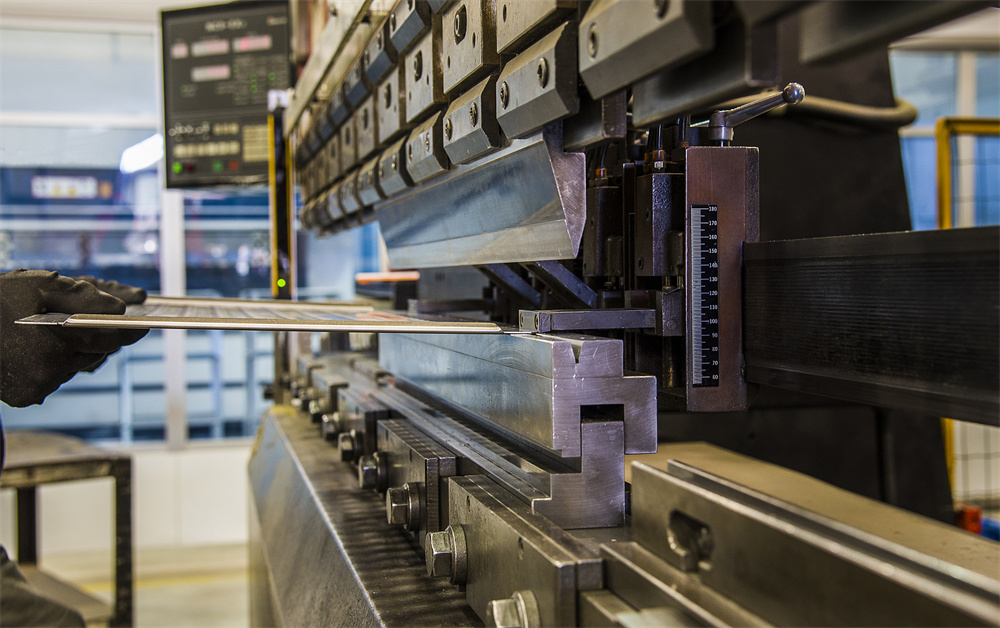
When evaluating a Press Brake Case Study Manufacturing Plants: Better Accuracy Less Material Waste, the first factor to consider is the consistency of the bending process. In a high-volume environment, the ability to replicate the exact same bend angle across hundreds of parts is critical. HARSLE machines utilize advanced laser angle measurement systems that provide real-time feedback to the controller, ensuring that spring-back is compensated for automatically.
Another key consideration is the integration of the press brake into the broader manufacturing ecosystem. Modern plants are moving toward Industry 4.0, where machine data is analyzed to predict maintenance needs and optimize cycle times. By choosing a press brake that supports seamless communication with CAD/CAM software, plants can reduce the time spent on manual programming and eliminate human error during the setup phase.
Material handling and operator safety also play a significant role in overall efficiency. A press brake that is difficult to load or requires constant manual adjustments will inevitably lead to fatigue and, consequently, errors. HARSLE designs its equipment with ergonomic considerations, such as adjustable front support arms and intuitive touch-screen interfaces, which allow operators to focus on quality control rather than fighting the machine.
Finally, the long-term cost of ownership must be weighed against the initial capital expenditure. While lower-end machines might seem cheaper, they often lack the rigidity required for high-accuracy work, leading to premature wear and higher scrap rates. Investing in a robust, high-performance HARSLE press brake ensures that the machine remains accurate over years of heavy-duty use, providing a better return on investment through reduced material waste and fewer rework cycles.
Technical Details: How HARSLE Technology Enhances Accuracy
The secret to achieving superior accuracy lies in the synchronization of the hydraulic axes. HARSLE press brakes employ high-precision proportional valves and linear encoders that monitor the position of the ram with micron-level accuracy. This closed-loop control system ensures that the ram remains perfectly parallel to the bed, even under off-center loading conditions, which is essential for maintaining consistent bend angles across the entire length of the workpiece.
Crowning systems are another critical technical component. As a press brake bends metal, the machine frame naturally deflects under the immense pressure. HARSLE utilizes advanced hydraulic or mechanical crowning systems that compensate for this deflection, ensuring that the bend angle remains uniform from one end of the part to the other. This eliminates the “canoe” effect often seen in lower-quality bends, significantly reducing the need for secondary adjustments or part rejection.
The CNC controller serves as the brain of the operation. HARSLE’s proprietary software allows for complex 3D simulation of the bending process before the first piece of metal is even cut. This simulation identifies potential collisions and calculates the optimal bending sequence, which prevents costly mistakes. By visualizing the process in a virtual environment, operators can refine their approach and ensure that the material is used in the most efficient way possible.
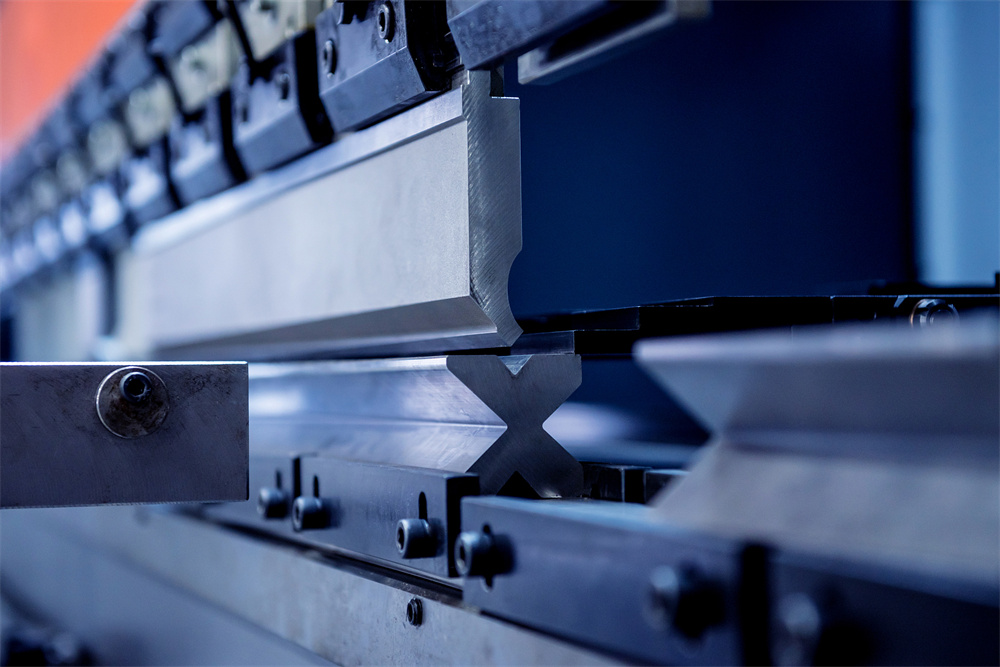
Furthermore, the tool clamping systems provided by HARSLE are designed for rapid changeovers. When a plant produces a high mix of low-volume parts, the ability to switch tooling quickly without sacrificing precision is vital. Our hydraulic clamping systems ensure that punches and dies are seated perfectly every time, maintaining the integrity of the setup and preventing the slight misalignments that often lead to scrap material in less sophisticated machines.
Selection Advice: Choosing the Right Press Brake for Your Plant
Selecting the right press brake requires a thorough analysis of your current and future production needs. Start by evaluating the material types and thicknesses you process most frequently. A machine that is overpowered for your needs will result in unnecessary energy consumption, while an underpowered machine will struggle with accuracy and longevity. HARSLE offers a wide range of tonnages and bed lengths to ensure that every plant finds the perfect match for its specific application.
Consider the level of automation required. For plants with high-volume, repetitive tasks, a robotic bending cell might be the most efficient choice. For job shops that handle diverse, custom projects, a highly flexible CNC press brake with quick-change tooling is more appropriate. Our team at HARSLE works closely with clients to assess their throughput requirements and recommend a configuration that balances automation with manual flexibility.
Don’t overlook the importance of after-sales support and training. A press brake is a sophisticated piece of equipment, and its performance is only as good as the operator’s ability to use it. HARSLE provides comprehensive training programs that cover everything from basic operation to advanced programming techniques. Ensuring your team is well-versed in the machine’s capabilities is the best way to guarantee long-term accuracy and minimal material waste.
Finally, look at the build quality of the machine frame. A heavy-duty, stress-relieved steel frame is the foundation of accuracy. HARSLE machines are built to withstand the rigors of 24/7 operation, with frames that are designed to minimize vibration and maximize rigidity. When you invest in a HARSLE press brake, you are investing in a machine that will maintain its precision for years, helping you to consistently meet the high standards of your customers.
FAQ: Common Questions About Press Brake Efficiency
- How does a press brake reduce material waste? By using advanced CNC controls and automatic crowning, the machine ensures the first part is correct, eliminating the trial-and-error process that leads to scrap.
- What is the role of the crowning system? The crowning system compensates for the natural deflection of the machine frame during bending, ensuring a consistent angle across the entire length of the bend.
- Can HARSLE press brakes integrate with existing software? Yes, our controllers are designed to be compatible with most industry-standard CAD/CAM software, allowing for seamless data transfer and programming.
- How often should a press brake be calibrated? While HARSLE machines are designed for stability, we recommend annual calibration to ensure that sensors and encoders remain within factory specifications for maximum accuracy.
- What maintenance is required to keep accuracy high? Regular lubrication, cleaning of the tool clamping surfaces, and checking the hydraulic fluid levels are essential to maintaining the precision of your press brake.
Conclusion: The Path to Lean Fabrication
The Press Brake Case Study Manufacturing Plants: Better Accuracy Less Material Waste highlights a fundamental shift in the metal fabrication industry. As competition intensifies, the ability to produce high-quality parts with minimal waste is no longer a luxury—it is a necessity for survival. By leveraging the precision, automation, and reliability of HARSLE press brakes, manufacturing plants can significantly improve their bottom line while delivering superior products to their customers.
Investing in the right technology is the first step toward achieving operational excellence. Whether you are looking to reduce your scrap rate, increase your production speed, or improve the consistency of your bends, HARSLE provides the tools and expertise to help you reach your goals. We invite you to explore our full range of metal fabrication equipment and discover how we can help transform your production floor into a model of efficiency and precision.
Remember that the true value of a press brake is measured not just in its purchase price, but in the total value it creates over its lifetime. By choosing a partner like HARSLE, you gain access to world-class engineering, dedicated support, and a commitment to quality that will serve your business for years to come. Start your journey toward better accuracy and less material waste today by contacting our expert team for a consultation tailored to your specific manufacturing needs.