Press Brake Case Study On Reducing Tooling Changeover Time In Metal Bending: A HARSLE Efficiency Guide


Introduction
In the competitive landscape of modern metal fabrication, the ability to pivot quickly between different production runs is a critical differentiator. For many job shops, the bottleneck is not the bending process itself, but the downtime associated with tooling changeovers. This Press Brake Case Study On Reducing Tooling Changeover Time In Metal Bending explores how HARSLE machinery integrates advanced technology to minimize idle time and maximize throughput.
Efficiency in a metal fabrication shop is often measured by the ‘uptime’ of the press brake. When a machine sits idle while an operator manually swaps out punches and dies, the shop loses money. By analyzing a real-world scenario where a mid-sized fabrication facility transitioned to HARSLE’s automated clamping and quick-change systems, we can identify the specific technical improvements that lead to a 40% reduction in setup time.
This article serves as a comprehensive guide for shop managers and engineers looking to optimize their bending operations. We will delve into the technical nuances of tooling design, the importance of hydraulic clamping, and the strategic selection of press brake accessories that facilitate rapid changeovers. Whether you are running high-mix, low-volume production or large-scale batch runs, these insights are essential for maintaining a competitive edge.
HARSLE has consistently prioritized the user experience in its design philosophy. By focusing on ergonomic tooling access and intuitive CNC control interfaces, we ensure that operators spend less time wrestling with heavy tools and more time producing high-quality parts. Let’s explore the methodologies that transform a standard bending cell into a high-efficiency production hub.
Key Considerations for Tooling Changeover Efficiency
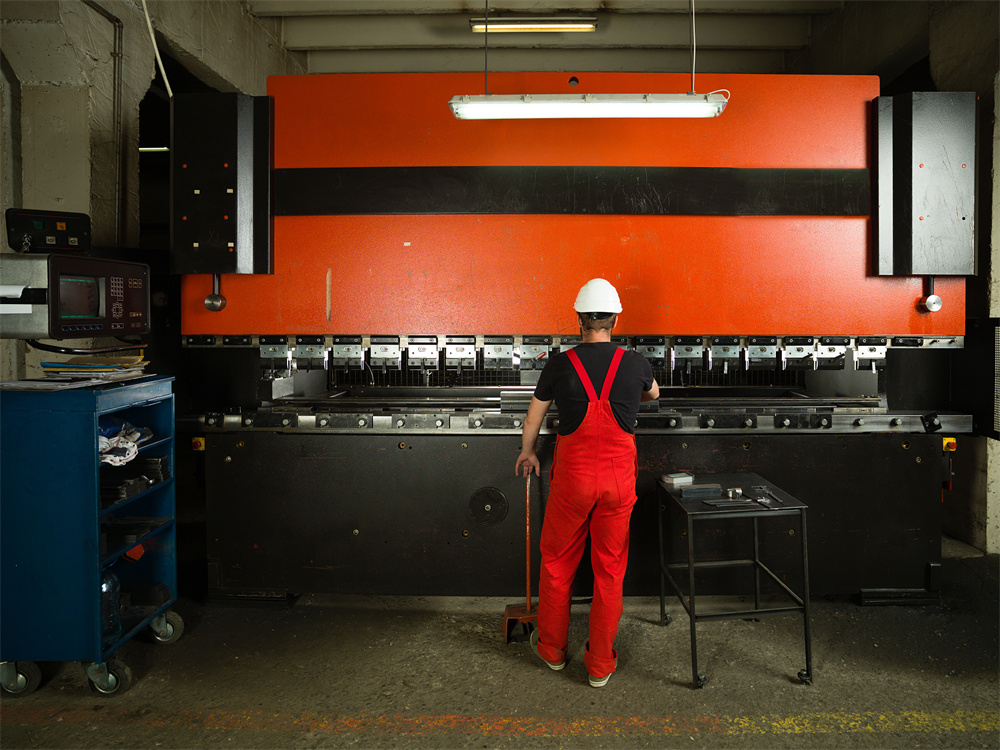
The primary challenge in reducing changeover time lies in the physical and logistical complexity of the tooling setup. Traditional manual clamping systems require operators to loosen individual bolts, slide tools out, insert new ones, and re-tighten everything while ensuring perfect alignment. This process is not only time-consuming but also prone to human error, which can lead to scrapped parts and safety hazards.
One of the most significant factors to consider is the weight and handling of the tooling. Large, heavy punches and dies require multiple operators or specialized lifting equipment, which immediately halts production. By transitioning to sectionalized tooling, shops can reduce the physical burden on operators, allowing for faster, safer, and more manageable changeovers that do not require heavy machinery to assist.
Another key consideration is the repeatability of the setup. If an operator spends twenty minutes adjusting the backgauge or the tool alignment after a changeover, the time saved during the physical swap is negated. Modern HARSLE press brakes utilize advanced CNC controllers that store tool libraries, allowing the machine to automatically adjust its parameters based on the specific tooling profile loaded into the system.
Finally, shop floor organization plays a vital role. A ‘5S’ approach to tooling storage—where tools are kept in close proximity to the press brake and organized by frequency of use—can shave minutes off every changeover. When tools are labeled, indexed, and easily accessible, the transition from one job to the next becomes a seamless part of the workflow rather than a disruptive event.
Technical Details: The HARSLE Approach to Rapid Tooling
HARSLE’s engineering team focuses on the integration of hydraulic clamping systems as the cornerstone of rapid changeover. Unlike mechanical clamping, which relies on manual torque, hydraulic systems provide uniform pressure across the entire length of the tool. This ensures that the punch is seated correctly every time, eliminating the need for manual alignment checks and reducing the risk of tool slippage during high-tonnage operations.
The use of ‘European-style’ or ‘American-style’ quick-change tooling is another technical advancement that has revolutionized the industry. These systems feature a tang design that allows the tool to be inserted vertically or horizontally, depending on the clamp type. By utilizing a ‘click-in’ mechanism, operators can swap out entire tool sets in a fraction of the time it takes to slide tools along the length of the bed.
Furthermore, HARSLE press brakes are equipped with high-precision CNC controllers that feature ‘Tooling Management Software.’ This software allows the operator to input the exact dimensions and geometry of the tooling. When a new job is loaded, the controller automatically calculates the required bending force, the optimal backgauge position, and the necessary compensation for material spring-back, effectively automating the setup process.
We also emphasize the importance of crowning systems. In traditional setups, manual crowning adjustments can be a major time sink. HARSLE’s automated hydraulic crowning systems adjust the bed deflection in real-time based on the material thickness and bend length. This eliminates the need for manual shimming or trial-and-error bending, ensuring that the first part off the machine is a ‘good’ part, further reducing the total time required for a setup change.
Selection Advice: Choosing the Right Equipment
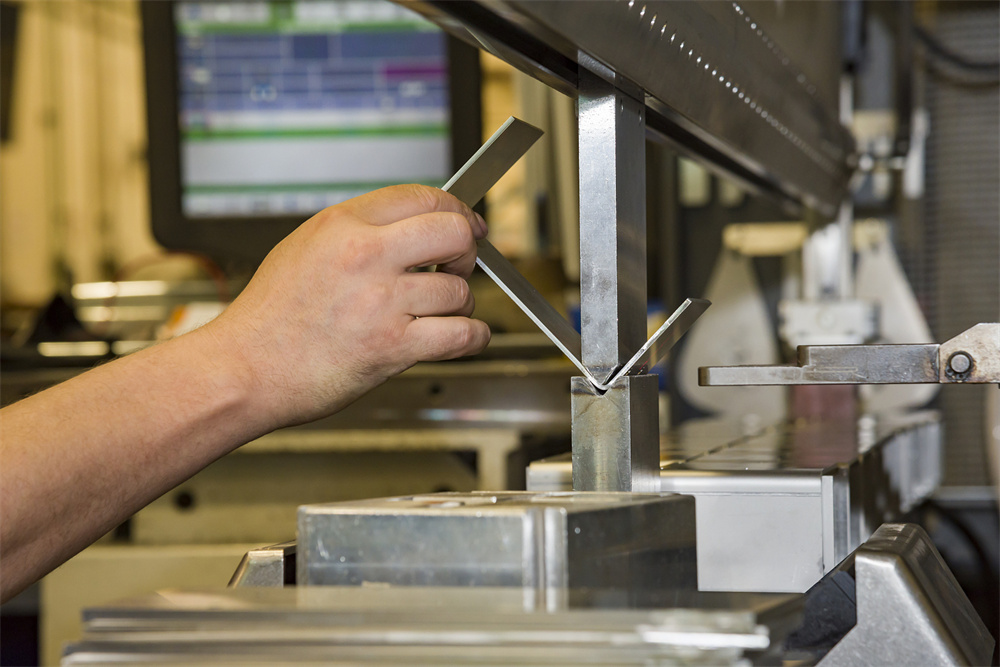
When selecting a press brake for a high-mix environment, the first step is to assess your typical part geometry. If your shop frequently bends complex profiles with multiple bends per part, investing in a machine with an advanced multi-axis backgauge is essential. This reduces the need for manual repositioning and allows the machine to handle complex sequences without operator intervention.
Consider the clamping system as a non-negotiable investment. While hydraulic clamping may have a higher initial cost than manual clamping, the ROI is realized within months through increased throughput. Look for systems that offer ‘self-seating’ capabilities, which ensure that the tool is perfectly aligned with the center of the press brake bed, preventing uneven wear and tear on the machine components.
Another factor is the integration of offline programming software. By simulating the bending process in a virtual environment before the job reaches the shop floor, you can identify potential collisions and optimize the tool layout. This ‘virtual setup’ allows the operator to have the correct tools ready and the machine programmed before the previous job is even finished, effectively reducing changeover time to near zero.
Finally, do not overlook the importance of training and maintenance. Even the most advanced HARSLE press brake will underperform if the operators are not trained in rapid-changeover techniques. Invest in regular training programs and ensure that your maintenance schedule includes the cleaning and lubrication of clamping rails, as debris buildup is the most common cause of alignment issues and slow changeovers.
FAQ: Common Questions on Press Brake Efficiency
How much time can I realistically save with a quick-change system?
Most fabricators see a reduction in changeover time of 30% to 60%. The exact amount depends on your current manual process and the complexity of your tooling requirements.
Is hydraulic clamping safe for all types of metal bending?
Yes, hydraulic clamping is highly secure and provides more consistent pressure than manual bolts. It is the industry standard for high-tonnage and high-precision applications.
Can I retrofit my existing press brake with quick-change tools?
In many cases, yes. HARSLE offers various clamping kits that can be retrofitted to existing machines to improve your setup speed without requiring a full machine replacement.
What is the role of the CNC controller in reducing setup time?
The CNC controller acts as the ‘brain’ of the operation. It stores tool data, calculates bend sequences, and automatically adjusts the backgauge and crowning, which eliminates manual calculations and trial bends.
Conclusion
Reducing tooling changeover time is not just about moving faster; it is about working smarter. By implementing the strategies outlined in this Press Brake Case Study On Reducing Tooling Changeover Time In Metal Bending, fabricators can significantly increase their production capacity without the need for additional floor space or labor. HARSLE remains committed to providing the industrial machinery and technical support necessary to help your shop thrive in a demanding market.
The transition to automated clamping, the use of high-precision tooling, and the adoption of advanced CNC software are the pillars of modern metal fabrication. As you evaluate your current processes, consider how these HARSLE solutions can be integrated into your workflow to drive efficiency, improve part quality, and ultimately, increase your bottom line. Contact our technical team today to discuss a customized solution for your specific bending requirements.