Why Press Brake Bends Crack: Troubleshooting Material and Tooling Issues


Introduction to the Problem of Cracking in Press Brake Bending
In the world of precision metal fabrication, few things are as frustrating and costly as discovering cracks along the bend line of a finished part. Whether you are working with high-strength steel, aerospace-grade aluminum, or standard carbon steel, cracking represents a failure in the structural integrity of the component. For operators using high-performance HARSLE press brakes, understanding the root causes of these failures is essential to maintaining productivity and reducing scrap rates. Cracking is rarely the result of a single factor; rather, it is usually a combination of material properties, tooling selection, and process parameters.
When a metal sheet is bent, the outer surface of the bend undergoes tensile stress (stretching), while the inner surface undergoes compressive stress. If the tensile stress exceeds the material’s ultimate tensile strength or its ability to elongate, the atomic bonds within the metal fracture, leading to visible cracks or microscopic fissures. These defects can lead to catastrophic failure when the part is put into service, especially in load-bearing applications. Troubleshooting these issues requires a deep dive into the physics of metal deformation and the mechanical limits of the equipment and materials involved.
This comprehensive guide aims to dissect the primary reasons why press brake bends crack, focusing specifically on material limitations and tooling mismatches. By the end of this article, fabricators will have a clear roadmap for identifying, preventing, and resolving cracking issues, ensuring that every bend meets the highest standards of quality and durability. We will explore the nuances of grain direction, the critical importance of the inside bend radius, and how modern HARSLE machinery can help mitigate these risks through advanced control systems.
Key Considerations: Material Properties and Their Impact
Understanding Grain Direction (Rolling Direction)
One of the most overlooked factors in press brake bending is the grain direction of the sheet metal. During the manufacturing process at the mill, metal is rolled into sheets, which aligns the internal crystalline structure in the direction of the rolling. This creates a “grain,” much like wood. Bending the metal parallel to this grain is significantly more likely to cause cracking than bending perpendicular to it. When you bend with the grain, the stress is concentrated along the longitudinal boundaries of the crystals, which are more prone to separation.
To minimize cracking, it is a best practice to design parts so that the most critical bends occur transverse (perpendicular) to the rolling direction. If a part requires multiple bends in different directions, a diagonal orientation (45 degrees to the grain) can sometimes serve as a compromise. Fabricators should always inspect the surface of the raw material for rolling marks to identify the grain direction before starting the production run.
Material Hardness and Ductility
The chemical composition and heat treatment of the material play a massive role in its bendability. Materials with high hardness, such as T6-tempered aluminum or high-carbon steels, have lower ductility. Ductility is the ability of a material to undergo plastic deformation before rupture. If a material is too hard, it cannot stretch sufficiently on the outer radius of the bend, leading to “orange peeling” (a rough, textured surface) or full-thickness cracks.
In many cases, cracking occurs because the material was not properly annealed or because the wrong alloy was selected for the application. For instance, 6061-T6 aluminum is notorious for cracking if bent over a sharp radius, whereas 5052-H32 is much more forgiving. Understanding the elongation percentage provided in the material’s mill test report (MTR) is vital. If the required elongation for a specific bend exceeds the material’s rated elongation, cracking is inevitable regardless of the machine’s quality.
The Role of Material Thickness and Yield Strength
As material thickness increases, the amount of stretching required on the outer surface of the bend also increases. This is why thicker plates are significantly more susceptible to cracking than thin gauges. Furthermore, high-strength low-alloy (HSLA) steels have a high yield strength, meaning they require more force to begin deforming. This high force translates into higher internal stresses during the bend. When working with these materials, the margin for error in tooling selection becomes razor-thin.
Technical Details: Tooling and Geometry Issues
The Critical Inside Bend Radius (IBR)
The single most common cause of cracking related to tooling is using a punch with an inside radius that is too small for the material. This is often referred to as a “sharp bend.” Every material has a minimum bend radius (MBR), which is the smallest radius to which the material can be bent without failing. If the punch radius is smaller than the material’s MBR, the punch acts like a wedge, concentrated the stress into a tiny area and tearing the fibers of the metal.
A general rule of thumb for mild steel is that the inside bend radius should be at least equal to the material thickness (1t). However, for high-strength steels or hardened aluminum, the required radius might be 3t, 5t, or even 10t. Using a larger radius punch distributes the tensile stress over a wider area, significantly reducing the likelihood of fracture. HARSLE provides a wide range of punch geometries to accommodate these varying requirements.
V-Die Opening Selection
The width of the V-die opening directly influences the amount of force required to make a bend and the resulting inside radius. A die opening that is too narrow increases the tonnage required and forces the material to conform to a tighter radius, increasing the risk of cracking. Conversely, a wider die opening reduces the required tonnage and allows for a more natural, larger radius to form in air bending.
The standard industry formula for selecting a V-die opening is typically 8 times the material thickness (8x) for materials up to 1/2 inch thick. For thicker or higher-strength materials, this may increase to 10x or 12x. If you are experiencing cracking, one of the first troubleshooting steps should be to increase the V-die width. This simple change can often alleviate the stress on the material’s outer surface enough to prevent failure.

Edge Quality and Burrs
Cracking often starts at the edges of the part and propagates inward. This is frequently caused by poor edge quality from previous processes like shearing, laser cutting, or plasma cutting. If the edge of the metal has a large burr or micro-cracks from a thermal cutting process, these imperfections act as “stress risers.” When the material is bent, the stress concentrates at these points, causing the micro-cracks to expand into large, visible fractures.
To prevent this, it is recommended to deburr the edges of the part before bending, especially on the side that will be on the outside of the bend. Additionally, if the part was laser-cut, the hardened “heat-affected zone” (HAZ) along the edge can be brittle. Grinding the edges to remove the HAZ can significantly improve the material’s ability to withstand the stresses of bending.
Selection Advice: How to Prevent Cracking in Production
Choosing the Right Material Grade
When designing a part, it is crucial to balance strength requirements with fabricability. If a part requires a tight bend, you must select a material grade with high elongation properties. For example, if you are using stainless steel, Grade 304 is generally more ductile and easier to bend than Grade 430. If you must use a high-strength material, consider specifying a “formable” grade (often designated with an ‘F’ or ‘XF’ in the steel industry), which is processed at the mill specifically to improve its bending characteristics.
Tooling Selection Checklist
To avoid cracking, follow this checklist when selecting tooling for your HARSLE press brake:
- Verify Minimum Bend Radius: Consult the material manufacturer’s data sheet to determine the MBR.
- Match Punch Radius to MBR: Ensure the punch tip radius is equal to or greater than the MBR.
- Optimize V-Die Width: Use the 8x-12x thickness rule to reduce bending force and stress.
- Consider Urethane Inserts: For sensitive materials, urethane die inserts can help distribute pressure more evenly and prevent surface marring that could lead to cracks.
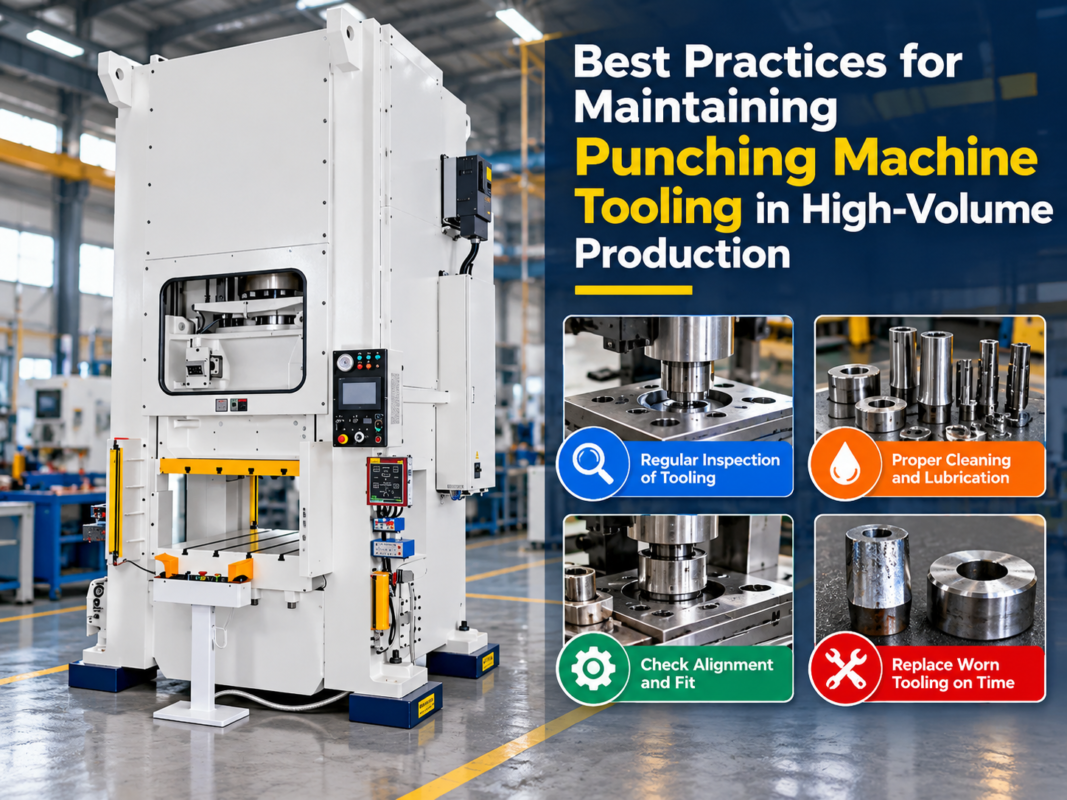
- Check Tooling Condition: Worn or damaged punches can create uneven stress distribution. Regularly inspect and maintain your tooling.
Machine Settings and Advanced Features
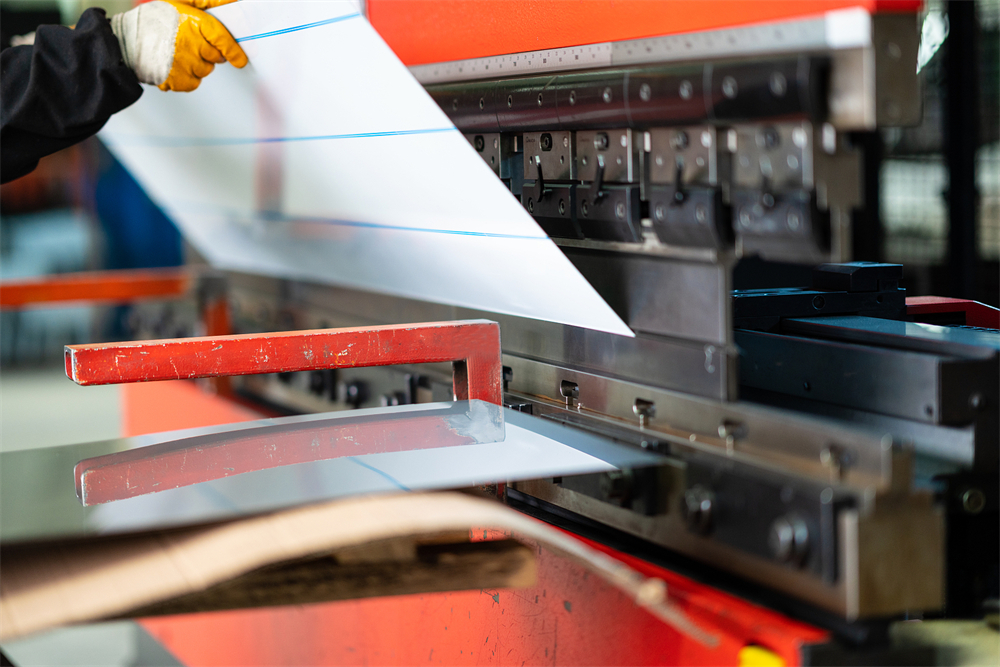
Modern HARSLE CNC press brakes offer features that can help prevent cracking. For instance, controlling the speed of the bend can be critical. Bending too quickly can “shock” the material, leading to brittle failure. Slowing down the bending speed (the pressing speed) allows the metal’s crystalline structure more time to flow and adapt to the deformation. Additionally, using the correct tonnage calculation ensures that you are not over-stressing the material or the machine.
| Material Type | Typical Elongation (%) | Recommended Min. Radius (as factor of t) | Common Cracking Causes |
|---|---|---|---|
| Mild Steel (A36) | 20-25% | 1.0t | Sharp punch, bending with grain |
| Aluminum 6061-T6 | 8-10% | 4.0t – 6.0t | Low ductility, sharp radius |
| Stainless 304 | 40-50% | 1.0t – 1.5t | Work hardening, edge burrs |
| High-Strength Steel (100XF) | 12-15% | 3.0t – 5.0t | High yield strength, narrow V-die |
Frequently Asked Questions (FAQ)
1. Why does my aluminum crack even when I use a large radius?
Aluminum, particularly the 6000 series, is highly sensitive to heat treatment. If the material has aged significantly or was stored in a cold environment, its ductility decreases. Additionally, ensure you are not bending parallel to the grain. If the problem persists, you may need to use a different alloy or an annealed (O-temper) version of the material and heat-treat it after bending.
2. Can I prevent cracking by heating the metal before bending?
Yes, preheating the material (often called “hot bending”) can increase ductility and reduce the risk of cracking, especially in very thick plates or high-carbon steels. However, this must be done carefully to avoid altering the material’s mechanical properties or causing warping. For most precision sheet metal work, it is better to solve the issue through proper tooling and material selection.
3. Does the surface finish of the metal affect cracking?
Absolutely. Scratches, pits, or heavy scale on the surface of the metal can act as starting points for cracks. Cold-rolled steel generally bends better than hot-rolled steel because it has a smoother surface finish and more consistent thickness. If using hot-rolled steel, ensure it is pickled and oiled (HRPO) to remove mill scale.
4. How does “Springback” relate to cracking?
Springback is the tendency of the metal to return to its original shape after the bending force is removed. To achieve the desired angle, operators often have to over-bend the part. This extra deformation increases the tensile stress on the outer radius. If the material is already near its limit, the extra few degrees of over-bending required to compensate for springback can be the tipping point that causes a crack.
5. Is air bending better than bottoming for preventing cracks?
Generally, yes. Air bending allows the material to form its natural radius and requires significantly less force than bottoming or coining. Bottoming forces the material into the shape of the punch and die, which can create extreme localized stress at the tip of the punch, significantly increasing the risk of fracture.
Conclusion: Mastering the Art of Crack-Free Bending
Troubleshooting cracking in press brake bends is a multi-faceted challenge that requires a combination of material science, mechanical knowledge, and operator experience. By paying close attention to grain direction, ensuring the inside bend radius is appropriate for the material’s ductility, and selecting the correct V-die opening, fabricators can eliminate the vast majority of cracking issues. Remember that the edge quality and the speed of the bending process also play vital roles in the final outcome.
At HARSLE, we understand that high-quality machinery is only half of the equation. Providing our customers with the knowledge to optimize their processes is equally important. Our press brakes are designed with the precision and control necessary to handle the most demanding materials, but success ultimately depends on the synergy between the machine, the tooling, and the material. By implementing the strategies discussed in this guide, you can ensure that your production line remains efficient, your scrap rates stay low, and your finished products meet the highest standards of structural integrity. Investing time in proper setup and material analysis is not just a troubleshooting step—it is a fundamental part of professional metal fabrication.