Press Brake Hydraulic System Troubleshooting: Causes of Slow or Uneven Bending


Introduction to Press Brake Hydraulic System Troubleshooting
In the world of precision metal fabrication, the press brake stands as a cornerstone of production. Whether you are working with a high-end CNC model or a traditional torsion bar machine, the hydraulic system acts as the lifeblood of the operation. When this system falters, the symptoms are often immediate and frustrating: the ram moves too slowly, or the resulting bends are uneven across the length of the workpiece. Understanding Press Brake Hydraulic System Troubleshooting: Causes Of Slow Or Uneven Bending is essential for any operator or maintenance engineer looking to minimize downtime and maintain the high standards of HARSLE machinery.
Hydraulic systems are complex networks of pumps, valves, cylinders, and fluid. They rely on the principles of Pascal’s Law to transmit force efficiently. However, because they operate under extreme pressures and high cycle rates, wear and tear are inevitable. Slow bending speeds can lead to missed deadlines and reduced throughput, while uneven bending results in wasted material and compromised structural integrity of the finished parts. This guide aims to provide a deep dive into the technical causes of these issues and offer actionable solutions to restore your machine to peak performance.
Modern press brakes, particularly those from HARSLE, utilize sophisticated electro-hydraulic synchronization systems. While these systems offer unparalleled precision, they also introduce more variables into the troubleshooting equation. By systematically analyzing the hydraulic circuit, from the reservoir to the cylinders, we can identify the root causes of performance degradation. This article will explore the mechanical, electrical, and fluid-related factors that contribute to hydraulic inefficiency.
Before diving into the specifics, it is important to emphasize safety. Hydraulic systems store immense amounts of energy. Always ensure the ram is blocked, the pressure is bled off, and the power is locked out before performing any internal inspections. With the right knowledge and a methodical approach, most hydraulic issues can be diagnosed and resolved without the need for expensive external consultants.
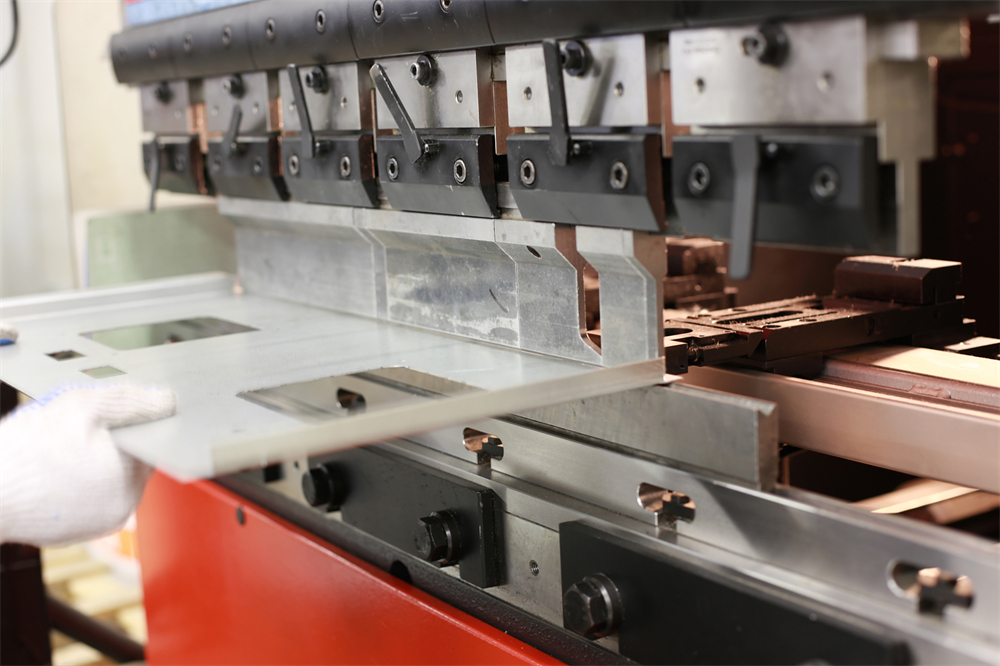
Key Considerations for Hydraulic Performance
When addressing issues like slow or uneven bending, it is vital to consider the environment and the history of the machine. Hydraulic fluid is highly sensitive to temperature and contamination. If a machine has been running for multiple shifts in a high-heat environment without adequate cooling, the oil viscosity will drop, leading to internal leakage and slower response times. Conversely, cold starts in unheated workshops can cause the oil to be too thick, straining the pump and causing sluggish movement until the system reaches operating temperature.
Another key consideration is the type of synchronization system your press brake employs. Torsion bar machines use a mechanical link to keep the ram level, whereas electro-hydraulic machines use independent cylinders controlled by proportional valves and linear encoders. Troubleshooting uneven bending in a torsion bar machine often involves checking mechanical wear in the bearings or the bar itself. In contrast, an electro-hydraulic machine requires a look at the electronic feedback loop and the precision of the hydraulic valves.
Maintenance history plays a significant role in troubleshooting. Are the filters changed according to the manufacturer’s schedule? Is the oil tested for particulate matter? Many hydraulic failures are the result of “silent killers” like microscopic metal shavings or moisture. These contaminants can score valve seats and cylinder walls, leading to gradual performance loss that might not be noticed until it reaches a critical threshold. Regular preventive maintenance is the most effective way to avoid the causes of slow or uneven bending.
Finally, consider the workload. If the machine is consistently pushed to its maximum tonnage capacity, the hydraulic components will wear faster. Overloading can cause the relief valves to trigger frequently, which generates heat and can eventually lead to valve spring fatigue. Understanding the limits of your equipment is the first step in ensuring its longevity and reliability in a demanding production environment.
Technical Details: Causes of Slow Bending
1. Hydraulic Pump Inefficiency and Cavitation
The hydraulic pump is the heart of the press brake. If the ram is moving slowly, the pump is often the first suspect. Over time, the internal gears or vanes of the pump can wear down, reducing its volumetric efficiency. This means that even if the motor is spinning at the correct RPM, the pump is not moving the required volume of oil to the cylinders. A clear sign of pump failure is increased noise, often described as a whining or growling sound.
Cavitation is another technical issue that causes slow movement. This occurs when the pump cannot draw enough oil from the reservoir, creating vacuum bubbles that implode with great force. This not only slows down the flow but also physically erodes the pump internals. Common causes of cavitation include a clogged suction filter, a restricted intake line, or oil that is too viscous for the ambient temperature. Ensuring the suction path is clear is a fundamental step in Press Brake Hydraulic System Troubleshooting.
2. Proportional and Relief Valve Malfunctions
In modern CNC press brakes, proportional valves control the flow and pressure of the oil with extreme precision. If these valves become sluggish due to dirt or electrical issues, the ram’s approach and pressing speeds will suffer. A common problem is the buildup of “varnish”—a byproduct of overheated oil—which can cause the valve spool to stick. If the spool cannot move freely, the oil flow is restricted, resulting in slow bending cycles.
The main relief valve is designed to protect the system from overpressure. However, if the relief valve’s spring is weakened or if the valve seat is damaged, it may begin to “leak” oil back to the tank at pressures lower than the set point. This bypasses the cylinders, meaning the system cannot build the necessary pressure to bend the metal at the desired speed. Testing the cracking pressure of the relief valve is a standard procedure when diagnosing slow bending issues.
3. Internal Cylinder Leakage
If the pump and valves are functioning correctly but the ram still moves slowly under load, the problem may lie within the cylinders themselves. Internal leakage occurs when the piston seals are worn or damaged, allowing high-pressure oil to bypass the piston and return to the low-pressure side. This reduces the effective force and speed of the ram. This is often more noticeable during the high-pressure “bending” phase than during the rapid “approach” phase.

Technical Details: Causes of Uneven Bending
1. Synchronization Errors (Y1 and Y2 Axes)
Uneven bending, where one side of the workpiece is bent more than the other, is usually a synchronization issue. In electro-hydraulic press brakes, the CNC controller monitors the position of the left (Y1) and right (Y2) cylinders using linear encoders. If there is a discrepancy between the two, the controller adjusts the proportional valves to compensate. If a linear encoder is dirty, loose, or faulty, the controller receives incorrect data, leading to an uneven ram stroke.
Furthermore, if one proportional valve responds slower than the other due to mechanical wear or electrical interference, the ram will tilt. This is a classic scenario in Press Brake Hydraulic System Troubleshooting: Causes Of Slow Or Uneven Bending. Calibrating the Y1 and Y2 axes and ensuring the feedback loop is intact is essential for maintaining parallelism.
2. Air Entrapment in the Hydraulic Circuit
Air is compressible, whereas hydraulic oil is virtually incompressible. If air becomes trapped in one side of the hydraulic circuit, that cylinder will act “spongy” and lag behind the other. This results in an uneven application of force. Air can enter the system through loose fittings on the suction side of the pump or if the oil level in the reservoir is too low, allowing the pump to suck in air. Bleeding the system and checking for leaks in the intake lines are necessary steps to resolve this.
3. Mechanical Obstructions and Frame Deflection
While the focus is on hydraulics, mechanical factors can mimic hydraulic failure. If the guides (gibbing) on one side of the machine are too tight or lack lubrication, they will create excessive friction. This forces the hydraulic system to work harder on that side, often resulting in a slight lag and an uneven bend. Additionally, if the machine is not properly leveled or if the foundation is unstable, the frame can deflect unevenly under load, causing the ram to appear out of sync.
Selection Advice for Reliable Hydraulic Systems
When purchasing a new press brake or upgrading an existing one, the quality of the hydraulic components should be a primary consideration. HARSLE machines often utilize world-class components from brands like Bosch Rexroth or Hoerbiger. These components are known for their reliability and precision, but even the best hardware requires the right configuration. Here are some tips for selecting a machine with a robust hydraulic system:
- Opt for Electro-Hydraulic Synchronization: For high-precision work, CNC-controlled electro-hydraulic systems are superior to mechanical torsion bars. They allow for real-time adjustments and better compensation for uneven loads.
- Check the Cooling System: Ensure the machine has an adequate oil cooling system, especially if you operate in a warm climate or run multiple shifts. Overheated oil is a leading cause of valve failure and slow bending.
- Inquire about Filtration: Look for systems with high-quality, easily accessible filters. Some advanced machines include continuous off-line filtration (kidney loops) to keep the oil pristine even during operation.
- Valve Accessibility: Choose a machine design where the hydraulic manifold and valves are easy to access. This significantly reduces the time required for troubleshooting and repairs.
- Pump Type: Variable displacement pumps are more energy-efficient and generate less heat than fixed displacement pumps, contributing to a more stable hydraulic environment.
| Component | Common Issue | Impact on Bending | Recommended Action |
|---|---|---|---|
| Hydraulic Pump | Internal Wear / Cavitation | Slow overall speed, noise | Check suction filter; replace pump if worn |
| Proportional Valve | Contamination / Sticking | Uneven bending, jerky movement | Clean or replace valve; flush oil |
| Linear Encoders | Misalignment / Dirt | Y1/Y2 synchronization error | Clean scales; check mounting bolts |
| Hydraulic Oil | Low Viscosity / Dirty | Slow speed, overheating | Change oil and filters regularly |
| Cylinder Seals | Bypass Leakage | Loss of tonnage, slow pressing | Rebuild cylinders with new seals |
Maintenance Checklist for Hydraulic Longevity
To prevent the causes of slow or uneven bending, a rigorous maintenance schedule is required. Use the following checklist as a guide for your HARSLE press brake:
- Daily: Check the oil level in the reservoir. Inspect for any visible leaks around fittings and cylinders. Listen for unusual noises during the start-up cycle.
- Weekly: Clean the linear encoder scales with a lint-free cloth. Check the temperature of the oil after a few hours of operation; it should typically stay below 50-60°C.
- Monthly: Inspect the hydraulic hoses for signs of fraying or bulging. Check the tightness of all electrical connections to the proportional valves.
- Bi-Annually: Take an oil sample for laboratory analysis. This can detect internal component wear before a catastrophic failure occurs. Check the nitrogen pre-charge in the accumulators (if equipped).
- Annually: Change the hydraulic oil and all filters. Calibrate the ram parallelism and the backgauge accuracy.
FAQ: Press Brake Hydraulic System Troubleshooting
Why is my press brake ram moving slowly during the approach phase?
Slow approach speed is often caused by a restricted flow in the rapid-down circuit. Check the pre-fill valve to ensure it is opening fully. Also, inspect the pump’s output and ensure the solenoid valves responsible for the high-speed flow are energizing correctly. If the oil is too cold, this phase will also be significantly slower.
What causes the ram to drift down when the machine is idle?
Ram drift is usually a sign of internal leakage in the cylinders or a leaking check valve/poppet valve in the hydraulic manifold. If the seals are worn, gravity will pull the ram down as oil bypasses the piston. This is a safety hazard and should be addressed immediately by replacing the seals or the faulty valve.
How do I know if my hydraulic oil needs changing?
While color can be an indicator (dark or cloudy oil is usually bad), the only certain way is through oil analysis. However, if you notice a burnt smell, increased operating temperatures, or a decrease in machine speed, these are strong indicators that the oil has oxidized and lost its lubricating properties.
Can a faulty backgauge cause uneven bending?
While the backgauge doesn’t affect the hydraulic synchronization, if the backgauge fingers are not parallel to the die, the workpiece will be inserted at an angle. This results in a bend that is not parallel to the edge of the sheet, which can be mistaken for a hydraulic synchronization issue. Always verify backgauge alignment before tearing into the hydraulics.
Why does my press brake make a loud banging noise when the ram reverses?
This is often “hydraulic shock.” It occurs when the pressure is released too quickly or if there is air in the system. Adjusting the decompression parameters in the CNC controller can often soften this transition. If the noise persists, check the mounting of the hydraulic manifold and the condition of the shock-absorbing mounts.
Conclusion
Mastering Press Brake Hydraulic System Troubleshooting: Causes Of Slow Or Uneven Bending is a vital skill for maintaining a productive and profitable fabrication shop. By understanding the interplay between the pump, valves, and electronic feedback systems, operators can quickly identify and rectify issues that would otherwise lead to significant downtime. Whether it is a simple filter change or a complex proportional valve calibration, a methodical approach to troubleshooting ensures that your HARSLE press brake continues to deliver the precision and power it was designed for.
Regular maintenance remains the best defense against hydraulic failure. By keeping the oil clean, cool, and free of air, you extend the life of every component in the system. When issues do arise, remember to check the simplest solutions first—oil levels, filters, and mechanical obstructions—before moving on to more complex technical repairs. With the right care, your hydraulic press brake will remain a reliable workhorse in your production line for years to come.