Comprehensive Guide to Press Brake Motor Overheating Problems: Causes, Checks, and Fixes


Introduction to Press Brake Motor Overheating
In the high-stakes world of metal fabrication, the press brake stands as a cornerstone of production. At the heart of every hydraulic press brake lies the electric motor, the primary driver that powers the hydraulic pumps and facilitates the immense pressure required to bend sheet metal. However, one of the most common and disruptive issues faced by operators is Press Brake Motor Overheating Problems: Causes, Checks, and Fixes. When a motor exceeds its rated operating temperature, it doesn’t just stop the machine; it threatens the structural integrity of the motor windings, degrades hydraulic oil, and can lead to catastrophic component failure.
Understanding why a motor overheats requires a holistic view of the machine’s ecosystem. It is rarely a standalone issue. Instead, overheating is often a symptom of underlying electrical imbalances, mechanical friction, or hydraulic inefficiencies. For manufacturers using HARSLE equipment or any industrial press brake, maintaining the motor’s thermal health is essential for ensuring a long service life and consistent bending precision. This article provides an in-depth exploration of the thermal challenges faced by press brake motors and offers a technical roadmap for diagnostics and resolution.
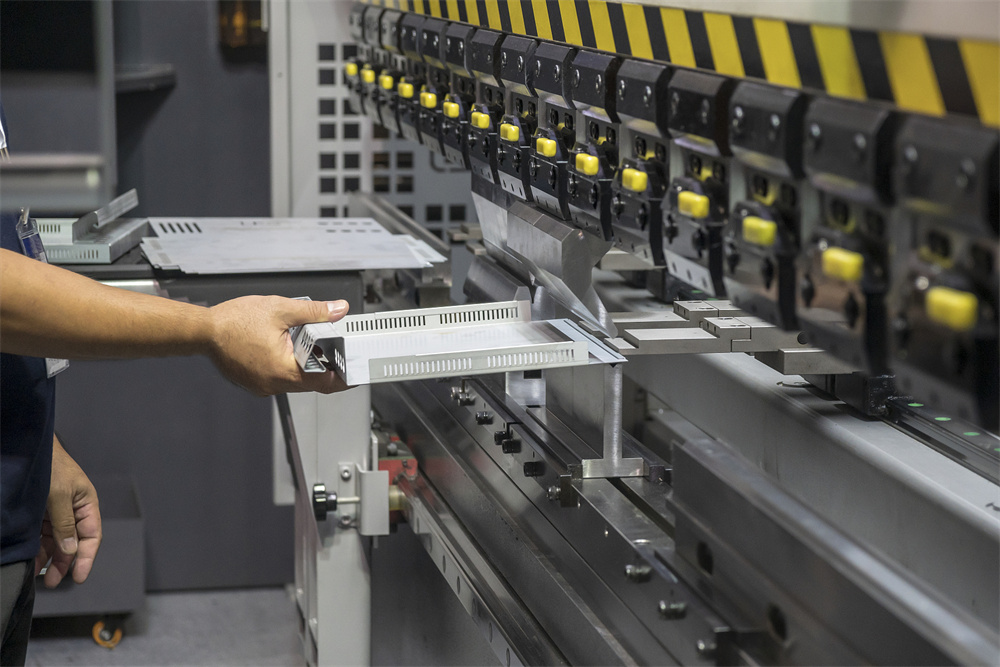
Overheating is defined as the condition where the motor’s internal temperature rises above the limits set by its insulation class (typically Class F or H in modern industrial motors). When this happens, the insulation begins to become brittle and eventually breaks down, leading to short circuits. By identifying the early warning signs—such as a burning smell, discolored paint on the motor housing, or frequent tripping of the thermal overload relay—operators can intervene before a total motor burnout occurs.
Key Considerations for Motor Thermal Management
Before diving into specific technical faults, it is important to consider the environmental and operational factors that influence motor temperature. The first consideration is the Duty Cycle. Press brakes are often rated for specific duty cycles, meaning they are designed to run for a certain percentage of time within a given period. If a shop is running a high-volume production line that exceeds the machine’s intended duty cycle, the motor never has the opportunity to dissipate the heat generated during the work stroke, leading to a gradual heat buildup.
Ambient temperature also plays a significant role. In many metal fabrication shops, especially during summer months or in regions with tropical climates, the ambient air temperature can exceed 40°C (104°F). Since motors rely on the surrounding air for cooling, a high ambient temperature reduces the efficiency of the heat exchange process. Furthermore, the placement of the machine matters; if a press brake is tucked into a corner with poor airflow or placed near other heat-generating equipment like laser cutters or welding stations, the risk of overheating increases significantly.
Another key consideration is the quality of the power supply. Industrial motors are designed to operate within a narrow voltage range. Fluctuations in the local power grid, common in industrial zones with heavy machinery, can cause the motor to draw excessive current to maintain its torque output. This increased current flow directly translates into heat through the principle of Joule heating ($I^2R$). Operators must ensure that the incoming voltage is stable and that the motor is correctly wired for the local grid specifications.
Technical Details: Root Causes of Overheating
1. Electrical Issues and Phase Imbalance
Electrical faults are perhaps the most frequent cause of Press Brake Motor Overheating Problems: Causes, Checks, and Fixes. A primary culprit is voltage imbalance. In a three-phase motor, the voltages in each phase should be nearly identical. Even a small imbalance of 1% to 2% can cause a significantly higher percentage of current imbalance, leading to localized heating in the motor windings. This often results from uneven loading on the building’s electrical phases or poor connections in the starter panel.
Under-voltage and over-voltage are equally problematic. If the voltage drops below the rated level, the motor must draw more current to perform the same amount of work, leading to heat. Conversely, over-voltage can lead to magnetic saturation of the core, increasing iron losses and heat. Additionally, loose electrical connections at the motor terminal box create high-resistance points that generate localized heat, which can eventually melt the wire insulation and cause a phase-to-ground fault.
2. Hydraulic System Resistance and Overload
Since the motor’s primary job is to drive the hydraulic pump, any inefficiency in the hydraulic circuit places a direct load on the motor. If the hydraulic oil viscosity is too high (due to cold temperatures or using the wrong grade of oil), the pump requires more torque to move the fluid, forcing the motor to work harder. More critically, if the system’s relief valves are set higher than the motor’s rated capacity, the motor will be constantly strained during the bending cycle.
Internal leaks in the hydraulic pump or cylinders can also contribute. When oil bypasses seals, the pump must run longer or faster to maintain the required pressure, increasing the motor’s active time. Furthermore, if the hydraulic oil itself is overheating due to a clogged oil cooler or low oil levels, this heat can be transferred back to the motor through the common shaft and housing, creating a feedback loop of rising temperatures.
3. Mechanical Friction and Bearing Failure
Mechanical resistance is a silent killer of industrial motors. The bearings inside the motor are designed to allow the rotor to spin with minimal friction. Over time, grease can dry out, or contaminants like metal dust can enter the bearing housing. This increases friction, which not only generates heat directly at the bearing site but also requires the motor to consume more energy to overcome the resistance. If you hear a high-pitched squealing or a low-frequency growl, the bearings are likely failing and contributing to the overheating problem.
Misalignment between the motor shaft and the hydraulic pump shaft is another common mechanical cause. Even a few millimeters of misalignment can create axial and radial loads that the motor was not designed to handle. This puts uneven pressure on the bearings and causes the motor to vibrate, which generates heat and accelerates the wear of internal components.
Diagnostic Checks: How to Identify the Problem
When faced with an overheating motor, a systematic diagnostic approach is required. The first step is to measure the actual temperature. Using a non-contact infrared thermometer, measure the temperature of the motor housing. Compare this to the motor’s nameplate data, which usually lists the maximum allowable temperature rise. If the housing is too hot to touch (typically above 60°C or 140°F), it is time to investigate further.
Next, perform a current draw test using a clamp-on ammeter. Measure the current on all three phases while the machine is under load. The readings should be within the Full Load Amps (FLA) rating listed on the nameplate and should be balanced across all phases. If one phase is significantly higher than the others, you have an electrical imbalance. If all phases are high, the motor is being mechanically or hydraulically overloaded.
Inspect the cooling system. Most press brake motors are Totally Enclosed Fan Cooled (TEFC). Ensure that the cooling fan at the rear of the motor is intact and spinning. Check the cooling fins on the motor body; in a metal shop, these fins often become clogged with oil and dust, which acts as an insulating blanket, preventing heat from escaping. A simple cleaning with compressed air can often solve “mysterious” overheating issues.
Fixes and Maintenance Strategies
| Problem Area | Recommended Fix | Frequency |
|---|---|---|
| Dust Accumulation | Clean motor fins and fan cover with compressed air. | Weekly |
| Loose Connections | Inspect and tighten all terminals in the motor box and starter. | Quarterly |
| Bearing Wear | Lubricate with high-temperature grease or replace bearings. | Annually |
| Hydraulic Strain | Check relief valve settings and oil viscosity. | Bi-Annually |
| Voltage Imbalance | Install a voltage stabilizer or redistribute shop loads. | As Needed |
Implementing a fix starts with the simplest solutions. If the motor is dirty, clean it. If the electrical connections are loose, tighten them. However, if the problem is related to the hydraulic system, you may need to adjust the pressure settings or replace a worn-out pump that is causing the motor to stall. For motors that have already suffered minor insulation damage, a professional “dip and bake” service (re-varnishing the windings) might extend the motor’s life, though replacement is often more cost-effective for smaller units.
Upgrading the motor’s protection is another effective fix. Ensure that the thermal overload relay in the control cabinet is correctly set to the motor’s FLA. Some advanced press brakes allow for the installation of PTC thermistors inside the motor windings, which provide a direct temperature feed to the CNC controller, allowing the machine to automatically shut down or enter a cooling cycle before damage occurs.
Selection Advice: Choosing the Right Motor for Longevity
When purchasing a new press brake or replacing a failed motor, selection is key to preventing future Press Brake Motor Overheating Problems: Causes, Checks, and Fixes. Always look for motors with a high Service Factor (SF). A motor with an SF of 1.15 can handle a 15% overload for short periods without damage, providing a safety margin for heavy bending operations. HARSLE machines, for instance, utilize high-efficiency motors designed to withstand the rigorous demands of industrial metalworking.
Consider the Insulation Class. While Class F is standard, Class H provides a higher thermal ceiling, making it ideal for hot environments. Additionally, ensure the motor has an appropriate Ingress Protection (IP) rating. An IP55 rating ensures that the motor is protected against the dust and oil mist common in fabrication shops, preventing the internal contamination that leads to overheating. Finally, always match the motor to the pump’s displacement and the machine’s maximum tonnage to ensure the system operates within its “sweet spot” of efficiency.
Frequently Asked Questions (FAQ)
How hot is too hot for a press brake motor?
Most industrial motors are designed to operate with a temperature rise of 80°C to 100°C above ambient. If the motor housing temperature exceeds 80°C (176°F), it is generally considered to be overheating and should be inspected immediately.
Can low hydraulic oil cause the motor to overheat?
Yes. Low oil levels cause the remaining oil to circulate more frequently, preventing it from cooling down in the reservoir. This hot oil increases the temperature of the pump and the motor shaft, and can also lead to cavitation, which increases the mechanical load on the motor.
Why does my motor trip the breaker only in the afternoon?
This is often due to a combination of rising ambient temperatures in the shop and a potential voltage drop in the local grid as other nearby businesses increase their power usage. The motor draws more current to compensate for the lower voltage, hitting the thermal trip point.
Is it safe to use a fan to cool down an overheating motor?
While an external fan can help as a temporary measure, it does not fix the root cause. If a motor requires an external fan to stay within operating temperatures, there is an underlying issue with the load, the environment, or the motor’s internal health that must be addressed.
How often should I grease the motor bearings?
This depends on the motor size and operating hours. For most press brakes in a single-shift operation, greasing the bearings once a year is sufficient. However, always use the specific type of grease recommended by the manufacturer, as mixing different types of grease can lead to bearing failure.
Conclusion
Addressing Press Brake Motor Overheating Problems: Causes, Checks, and Fixes is a vital aspect of industrial maintenance that directly impacts a shop’s bottom line. By understanding the interplay between electrical supply, mechanical health, and hydraulic efficiency, operators can move from reactive repairs to proactive prevention. Regular cleaning, monitoring of electrical phases, and ensuring the hydraulic system is tuned to the motor’s capacity are the best defenses against thermal failure.
At HARSLE, we emphasize the importance of integrated machine health. A well-maintained motor not only ensures the longevity of the press brake but also guarantees the precision and reliability that modern metal fabrication demands. By following the diagnostic steps and maintenance strategies outlined in this guide, you can keep your production line running cool, efficient, and profitable for years to come.