Why Your Press Brake Punch Is Damaging Material and How to Prevent It


Introduction: The Cost of Surface Damage in Metal Fabrication
In the high-precision world of metal fabrication, the quality of the finished product is often judged by the integrity of its surface. For operators using industrial machinery like HARSLE press brakes, encountering surface marring, cracking, or deep indentations during the bending process can be a significant setback. When your press brake punch is damaging material prevent it becomes the primary objective to maintain profitability and client satisfaction. Material damage isn’t just an aesthetic issue; it can compromise the structural integrity of the part, lead to expensive scrap, and increase secondary finishing costs.
Understanding the root causes of material damage requires a deep dive into the mechanics of the bend. Whether you are working with delicate aluminum, polished stainless steel, or heavy-duty carbon steel, the interaction between the punch tip and the workpiece is critical. At HARSLE, we recognize that even the most advanced CNC press brake requires a synergy between the machine, the tooling, and the operator’s expertise. This guide will explore the technical reasons behind material damage and provide actionable strategies to ensure every bend is clean, precise, and damage-free.
Key Considerations: Identifying the Types of Material Damage
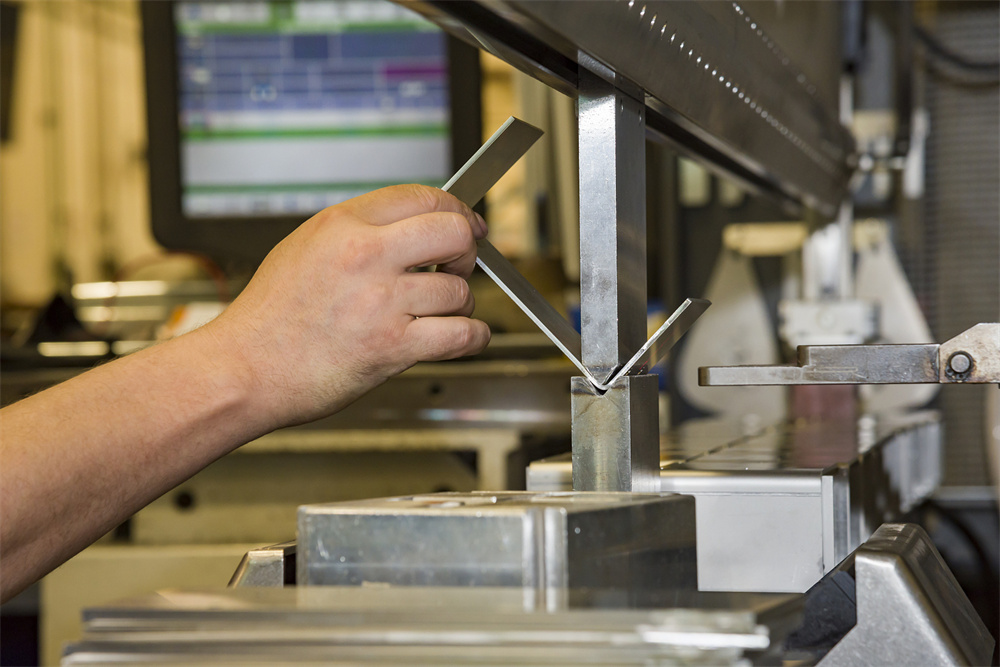
Before we can solve the problem, we must categorize the type of damage occurring. Not all marks are created equal, and the solution for a crack is very different from the solution for a cosmetic scratch. The most common forms of damage include ‘die marking,’ where the V-die leaves lines on the outer radius, and ‘punch indentation,’ where the upper tool leaves a visible groove or ‘witness mark’ on the inside of the bend. In more severe cases, the material may exhibit ‘orange peeling’ or actual fracturing along the bend line.
One of the first things to consider is the material’s sensitivity. For instance, 304 stainless steel with a #4 finish is highly susceptible to scratching, whereas hot-rolled steel is much more forgiving. However, even with rugged materials, excessive tonnage or incorrect tool geometry can lead to internal stress fractures. Operators must also look at the cleanliness of the environment. A single piece of metal scale or a tiny shard of debris trapped between the punch and the material can act like a diamond tip, engraving a permanent scar into the workpiece as the pressure increases.
Another key consideration is the ‘sharp bend’ phenomenon. If the punch radius is too small relative to the material thickness, the punch doesn’t just bend the metal; it begins to pierce it. This concentrated pressure exceeds the material’s yield strength in a very localized area, leading to a visible indentation. Understanding the relationship between the punch tip radius and the material’s physical properties is the first step in preventing this issue. HARSLE machines are designed to provide precise pressure control, but the choice of tooling remains a human-driven factor that dictates the final quality.
Technical Details: The Physics of the Punch-Material Interaction
The Role of Punch Tip Radius
The punch tip radius is perhaps the most critical technical factor in preventing material damage. In the industry, a ‘sharp’ bend is technically defined as any bend where the inside radius is less than 63% of the material thickness for mild steel. When the punch tip is too narrow, the force is concentrated on a tiny surface area. This creates a ‘creasing’ effect. To press brake punch is damaging material prevent it, you must ensure the punch radius is as close to the natural inside bend radius as possible. If the punch is too sharp, it will penetrate the material surface before the bend is even completed.
Tonnage and Pressure Distribution
Excessive tonnage is a frequent culprit. Every material has a specific tonnage requirement based on its tensile strength, thickness, and the V-die opening. If the press brake is calibrated to deliver more force than necessary—often due to an incorrect setting in the CNC controller or a ‘bottoming’ operation that isn’t required—the punch will inevitably mar the surface. Modern HARSLE CNC systems allow for precise tonnage calculation, which helps in distributing the load evenly across the bend length, reducing the risk of localized deformation.
Material Grain Direction
Metal has a grain, much like wood. Bending ‘with the grain’ (parallel to the rolling direction) makes the material more prone to cracking and orange peeling. When the punch applies pressure, the fibers of the metal can pull apart. Whenever possible, parts should be nested so that the bends occur ‘across the grain’ (perpendicular to the rolling direction). This technical adjustment alone can prevent the structural damage that often looks like punch-related marring but is actually a material failure under stress.
Selection Advice: Choosing the Right Tooling for the Job
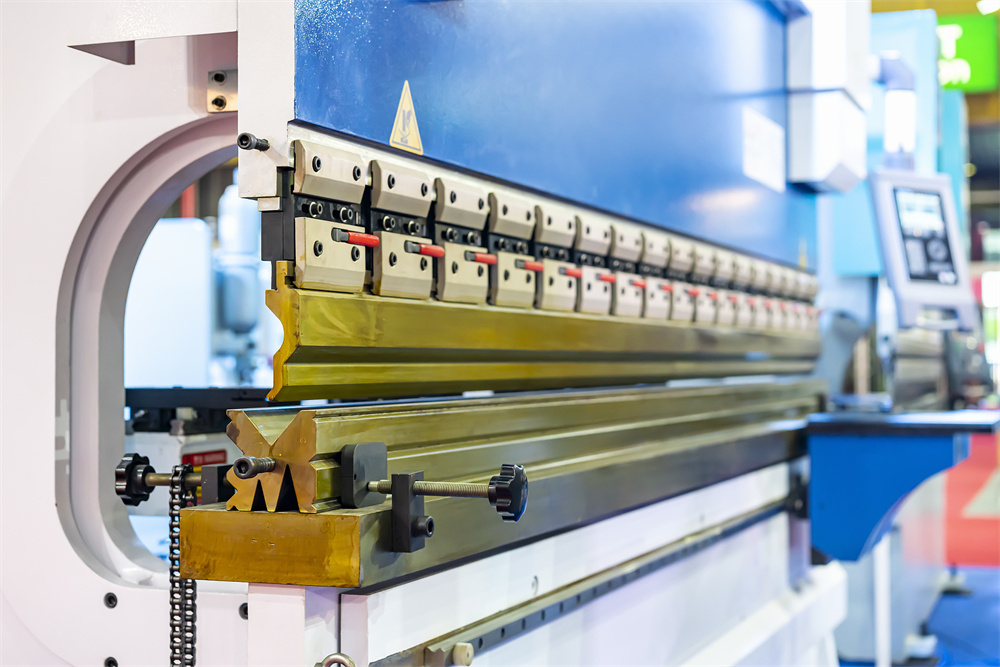
Selecting the right punch is not just about the shape; it’s about the material and the coating of the tool itself. For high-end aesthetic work, such as architectural panels or appliance components, standard hardened steel punches might be too abrasive. In these cases, we recommend considering punches with specialized coatings or even urethane-insert tooling. Urethane acts as a cushion, distributing the load and virtually eliminating witness marks on the material surface.
When selecting a punch, consider the ‘8x Rule’ for V-die selection, which indirectly affects how the punch interacts with the material. A wider V-die requires less tonnage to achieve the same bend, which in turn reduces the pressure the punch must exert on the inside of the bend. If you find your punch is digging into the metal, try increasing your V-die width. This reduces the concentrated force and allows for a more gradual deformation of the metal fibers.
Furthermore, the condition of the tooling is paramount. A punch with a chipped tip or a ‘mushroomed’ head will transfer those imperfections directly to your workpiece. Regular inspection of the punch tip under magnification can reveal micro-cracks or built-up material (galling) that could be scratching your parts. HARSLE recommends a rigorous tooling maintenance schedule, including cleaning and light polishing of the punch tips to ensure a smooth interface with the material.
Prevention Strategies: Practical Steps for the Shop Floor
- Use Protective Barriers: One of the most effective ways to press brake punch is damaging material prevent it is the use of ‘Bending Tape’ or ‘No-Mar Film.’ This thin, durable plastic film is placed between the material and the die (or punch). It acts as a sacrificial layer, absorbing the friction and preventing direct metal-to-metal contact.
- Implement Urethane Tooling: For extremely sensitive materials, urethane dies or punch covers are a game-changer. While they may require adjustments in tonnage calculations, the result is a perfectly smooth bend with zero marking.
- Optimize CNC Settings: Ensure your HARSLE CNC controller is programmed with the correct material constants. If the machine thinks it is bending a harder material than it actually is, it will apply excessive force. Accurate data entry is the simplest form of damage prevention.
- Regular Lubrication: While it might seem counterintuitive, a light application of a specialized bending lubricant can reduce the friction between the punch and the material. This is particularly useful for stainless steel, which tends to ‘grab’ the tooling.
- Radius Matching: Always try to match the punch radius to the desired inside radius of the part. Using a 1mm punch to create a 3mm inside radius is a recipe for indentation. Use a punch that fills the bend area more effectively.
FAQ: Troubleshooting Material Damage
Why does my stainless steel crack even when using a large punch radius?
Stainless steel work-hardens very quickly. If the material is of low quality or has been stored in cold conditions, it becomes brittle. Additionally, check your grain direction; bending with the grain in stainless is a common cause of cracking. Ensure you are using a punch radius that is at least equal to the material thickness for stainless applications.
Can a worn-out V-die cause the punch to damage the material?
Yes. If the V-die is worn or uneven, the material may tilt or shift during the bend. This causes the punch to apply pressure unevenly, leading to ‘side-loading’ damage where the punch scrapes against the side of the bend rather than pressing into the center.
How do I know if I’m using too much tonnage?
Most HARSLE CNC controllers provide a real-time tonnage readout. Compare this to a standard tonnage chart for your material thickness and V-opening. If the machine is hitting the ‘bottom’ of the stroke with significantly more force than the chart suggests, you are over-tonnaging, which is a primary cause of punch marks.
Does the speed of the bend affect material damage?
Absolutely. For sensitive materials, a high-speed ‘hit’ can cause the metal to fracture or mar. Slowing down the ‘bending speed’ (the speed at which the punch moves once it contacts the material) allows the metal fibers to flow more naturally, reducing the risk of surface damage.
Conclusion: Achieving Perfection with HARSLE
Preventing material damage is a combination of science, art, and high-quality equipment. When your press brake punch is damaging material prevent it by looking at the entire system: the machine’s calibration, the tooling’s condition, and the material’s properties. By implementing the strategies discussed—such as using protective films, selecting the correct punch radius, and maintaining your HARSLE press brake—you can significantly reduce scrap rates and produce parts that meet the highest aesthetic and structural standards.
At HARSLE, we are dedicated to providing not just the machinery, but the knowledge required to excel in the competitive world of metal fabrication. A well-maintained machine paired with an educated operator is the most effective tool against material damage. Remember, the goal is not just to bend the metal, but to shape it with precision and care, ensuring that every piece leaving your shop floor is a testament to quality craftsmanship.
| Material Type | Sensitivity Level | Recommended Prevention Method |
|---|---|---|
| Mild Steel (CR) | Low | Standard Tooling, Proper Tonnage |
| Aluminum (Polished) | High | Bending Tape, Urethane Dies |
| Stainless Steel | Medium-High | Large Punch Radius, Lubrication |
| Galvanized Steel | Medium | Frequent Tool Cleaning (to remove zinc buildup) |