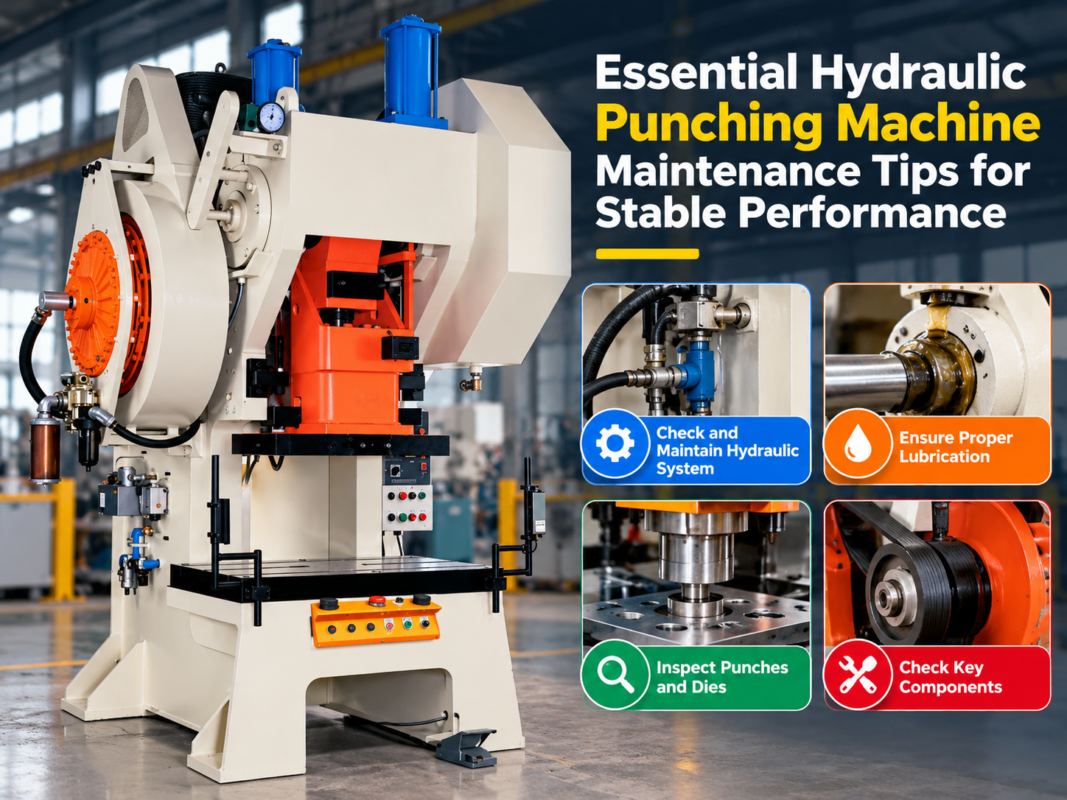
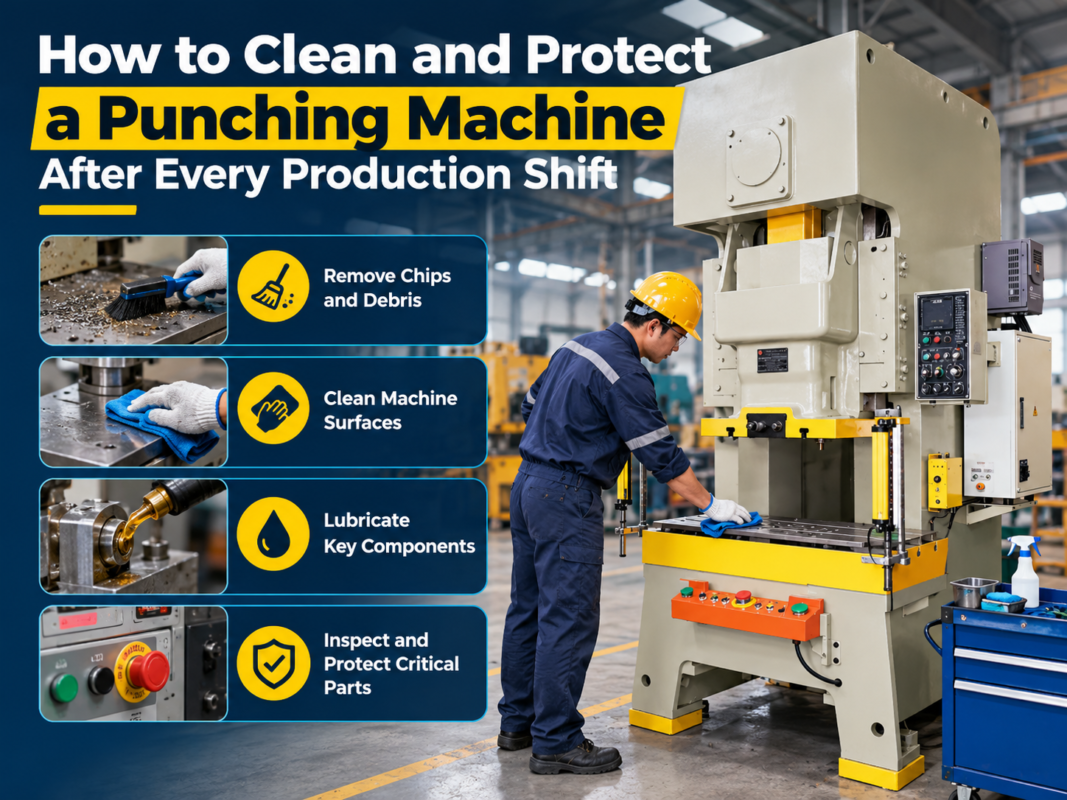
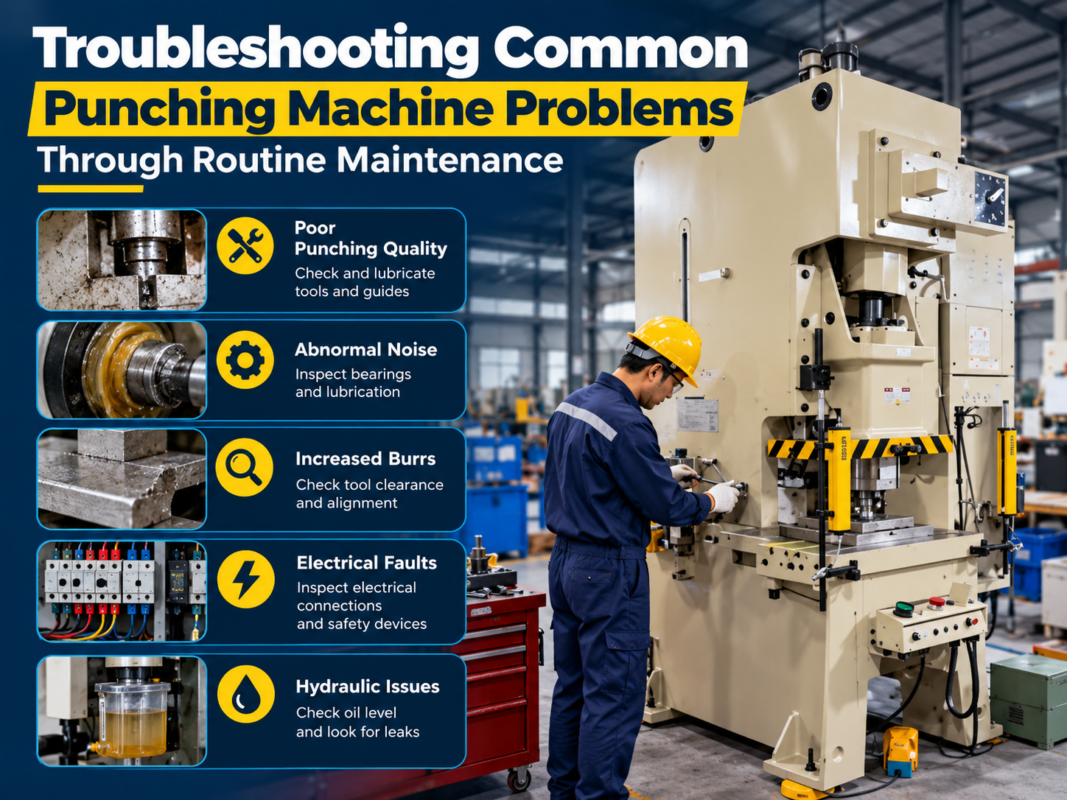
Punching Machine Selection Guide: Avoid These Common Buying Mistakes


Introduction to Punching Machine Selection
In the competitive landscape of modern metal fabrication, the efficiency and precision of your equipment dictate your bottom line. Among the most critical assets in a sheet metal shop is the punching machine. Whether you are looking for a traditional mechanical press or a high-tech CNC servo-electric turret punch, the process of Punching Machine Selection : Avoid These Common Buying Mistakes is fraught with potential pitfalls that can lead to underperformance, high maintenance costs, or a complete mismatch with your production needs.
HARSLE has spent decades observing the challenges fabricators face when upgrading their workshops. We have seen businesses invest in machines that are either too small for their future growth or overly complex for their current staff to operate. This guide is designed to navigate the complexities of the market, ensuring that your next investment is a catalyst for growth rather than a financial burden. By understanding the nuances of tonnage, turret configuration, and control systems, you can make an informed decision that balances upfront costs with long-term productivity.
Price Range Overview: Setting Realistic Expectations
The first mistake many buyers make is not understanding the vast price spectrum of punching machines. The market is divided into several tiers, each serving different production volumes and precision requirements. Understanding where your needs fall within these tiers is the first step in a successful Punching Machine Selection : Avoid These Common Buying Mistakes strategy.
Entry-level mechanical punching machines typically range from $5,000 to $20,000. These are often manual or semi-automatic and are suitable for small workshops or low-volume prototype work. While affordable, they lack the speed and automation required for high-volume manufacturing. Moving up to standard CNC hydraulic turret punching machines, prices generally fall between $35,000 and $90,000. These machines offer a balance of power and automation, making them the workhorses of the mid-sized fabrication industry.
At the high end of the spectrum are servo-electric and high-speed hydraulic CNC punching machines, which can cost anywhere from $120,000 to over $300,000. These machines are designed for 24/7 operation, offering extreme precision, energy efficiency, and integration with automated loading/unloading systems. When reviewing these price ranges, it is vital to remember that the lowest sticker price rarely equates to the lowest total cost of ownership.
Main Cost Drivers in Punching Machine Selection
When evaluating different models, several technical factors significantly influence the final price. Identifying these drivers helps you prioritize features that add value to your specific workflow while avoiding paying for unnecessary bells and whistles.
Tonnage and Capacity
The tonnage of a punching machine determines the maximum thickness and type of material it can process. A 30-ton machine is standard for most sheet metal applications, but if you frequently work with thick stainless steel or heavy-duty aluminum, you may require a 50-ton or higher capacity. Buying a machine with insufficient tonnage is a common mistake that leads to premature tool wear and machine frame fatigue.
Throat Depth and Sheet Size
Throat depth dictates the maximum width of the sheet the machine can handle without repositioning. A larger throat depth (e.g., 1500mm vs. 1250mm) allows for processing larger sheets in a single setup, which reduces cycle times and improves accuracy. However, larger frames require more floor space and more robust engineering, which increases the purchase price.
Turret Station Count
The number of stations in the turret (ranging from 16 to 40+) determines how many different tools can be loaded at once. A higher station count reduces the need for manual tool changes between jobs, which is essential for high-mix, low-volume production. Auto-index stations, which allow tools to rotate 360 degrees, add significant cost but provide immense flexibility for complex geometries.
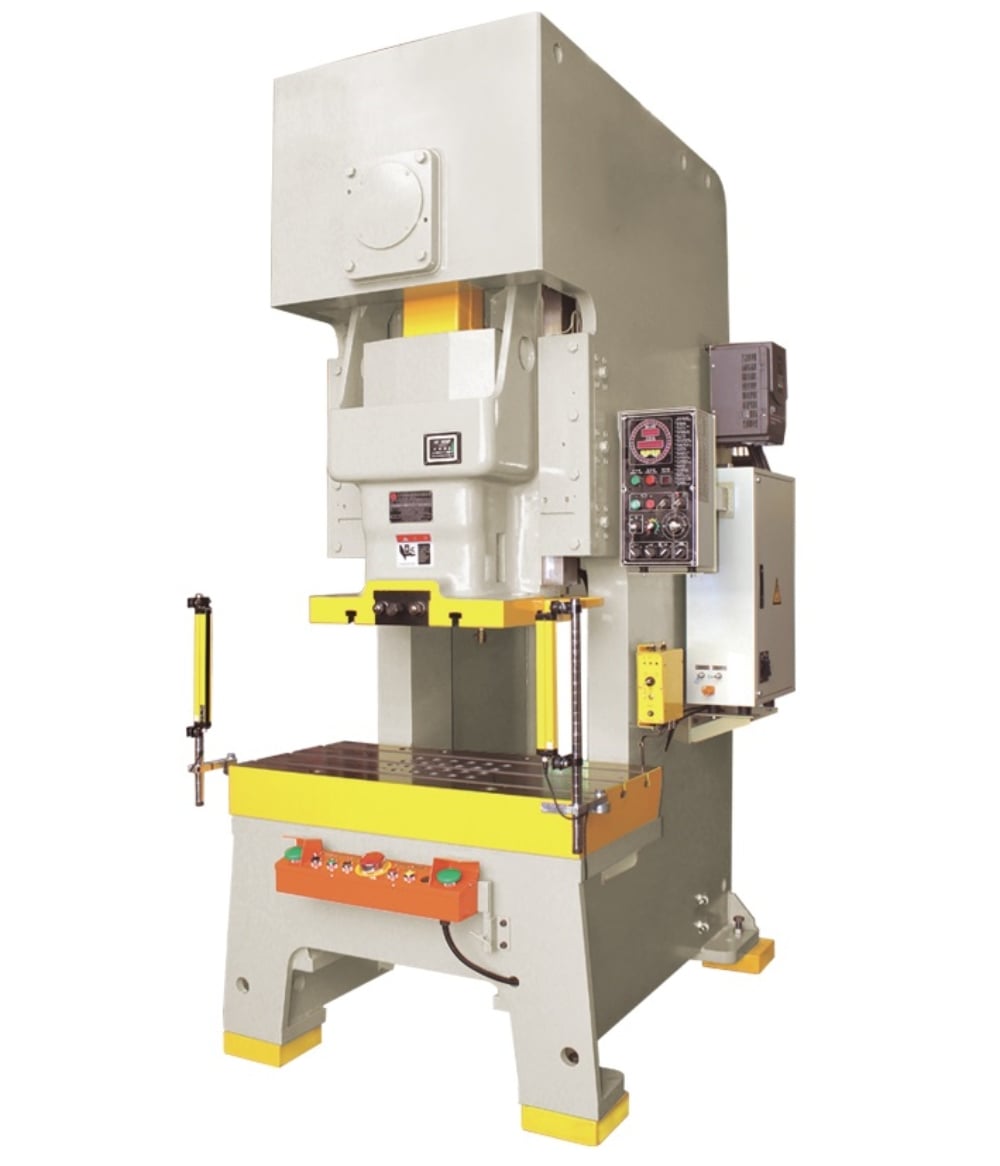
Configuration Impact: Hydraulic vs. Servo-Electric
One of the most significant decisions in Punching Machine Selection : Avoid These Common Buying Mistakes is choosing the drive system. The configuration of the ram drive impacts everything from energy consumption to the quality of the finished part.
Hydraulic Systems: Traditionally, hydraulic punching machines have been favored for their reliability and high power-to-size ratio. They allow for adjustable stroke lengths and speeds, which is beneficial for forming operations like louvers or countersinks. However, they require oil cooling systems, regular fluid changes, and can be noisier and less energy-efficient than modern alternatives.
Servo-Electric Systems: The industry is rapidly shifting toward servo-electric drives. These systems use high-torque motors to drive the ram directly. The benefits include significantly lower energy consumption (up to 60% less than hydraulic), quieter operation, and extreme precision in ram positioning. While the initial investment is higher, the reduction in maintenance and energy costs often leads to a faster ROI. For shops focusing on high-precision electronics or aerospace components, servo-electric is often the superior choice.
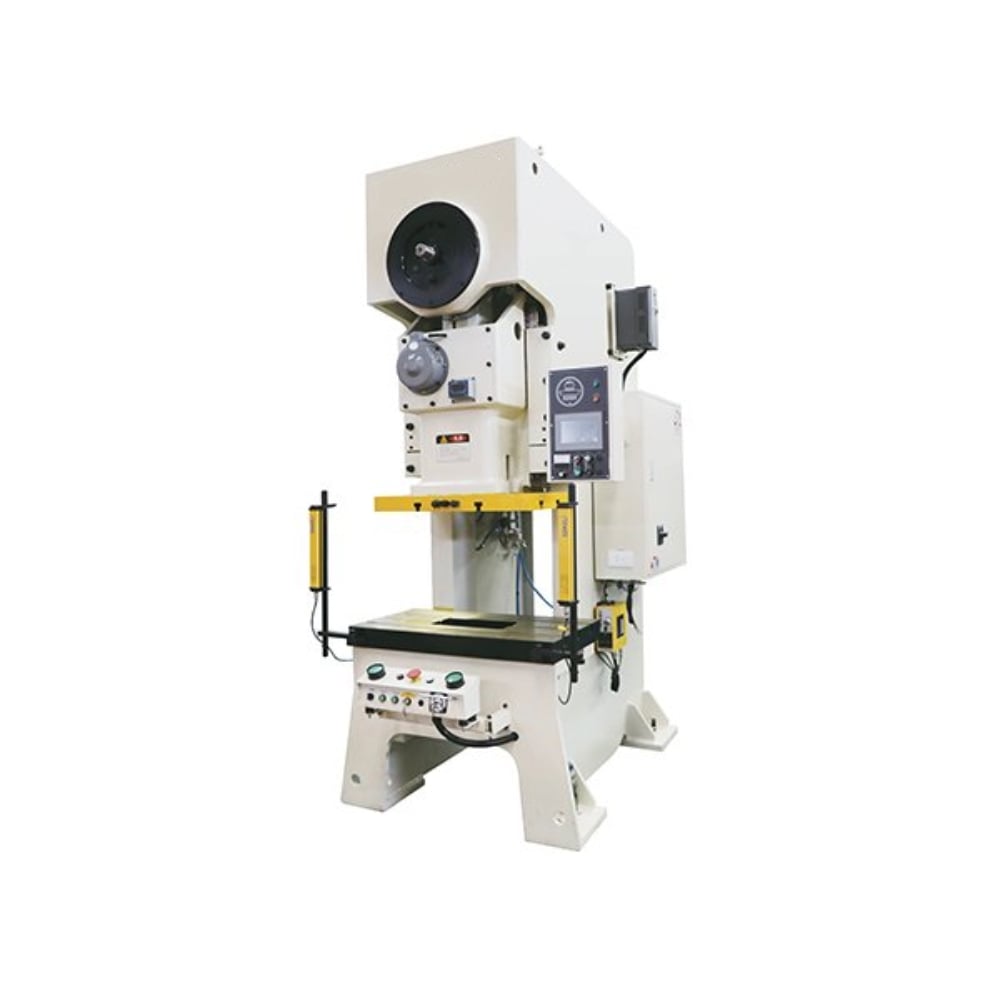
Mechanical Systems: Mechanical fly-wheel presses are still used for simple, high-speed repetitive tasks. They are cost-effective but lack the versatility of CNC-controlled hydraulic or servo systems. A common mistake is choosing a mechanical press for a shop that requires frequent design changes, leading to excessive downtime during setup.
Hidden Costs: Beyond the Initial Purchase
The purchase price of a punching machine is just the tip of the iceberg. To truly Avoid These Common Buying Mistakes, you must account for the secondary expenses that arise during the first year of operation.
- Tooling Packages: A turret punch is only as good as its tools. A comprehensive set of high-quality thick turret tools can cost between $5,000 and $15,000. Furthermore, specialized forming tools or multi-tools add to this cost.
- Software and Integration: Modern CNC machines require CAD/CAM nesting software to optimize material usage and generate G-code. Licensing fees and training for your programmers are essential costs that are often overlooked.
- Installation and Rigging: These machines are heavy and precision-engineered. Professional rigging, leveling, and electrical connection can cost several thousand dollars depending on your location and facility constraints.
- Maintenance and Spare Parts: Consumables like filters, seals, and lubricants, along with a stock of critical spare parts, are necessary to prevent extended downtime.
ROI Calculation: Measuring Success
Calculating the Return on Investment (ROI) is the only way to justify the purchase of a new punching machine. A common mistake is looking only at the monthly lease payment without considering the revenue generated by the machine.
To calculate ROI, consider the following formula: (Annual Profit from New Machine – Annual Operating Costs) / Total Investment Cost. The “Annual Profit” should include the value of increased throughput, the ability to take on more complex jobs, and the savings from reduced scrap material due to better nesting software. For example, if a new HARSLE CNC punch reduces your part processing time by 40% and saves $1,000 a month in electricity compared to an old hydraulic unit, the payback period might be as short as 18 to 24 months.
Furthermore, consider the “Opportunity Cost.” What is the cost of NOT buying the machine? If you are currently outsourcing your punching work, you are losing margin and control over your lead times. Bringing this capability in-house often pays for itself through improved customer satisfaction and faster turnaround times.
Buying Advice: A Step-by-Step Checklist
To ensure you make the right choice, follow this checklist during your Punching Machine Selection : Avoid These Common Buying Mistakes process:
- Define Your Material Range: Document the maximum thickness and types of materials (Steel, Stainless, Aluminum) you will process 80% of the time. Don’t buy a 50-ton machine if you only punch 1mm aluminum.
- Evaluate Turret Flexibility: Look for a machine with at least two auto-index stations. This flexibility reduces the number of tools you need to buy and maintain.
- Check Software Compatibility: Ensure the machine’s controller is compatible with your existing CAD software or that the manufacturer provides a robust, user-friendly nesting solution.
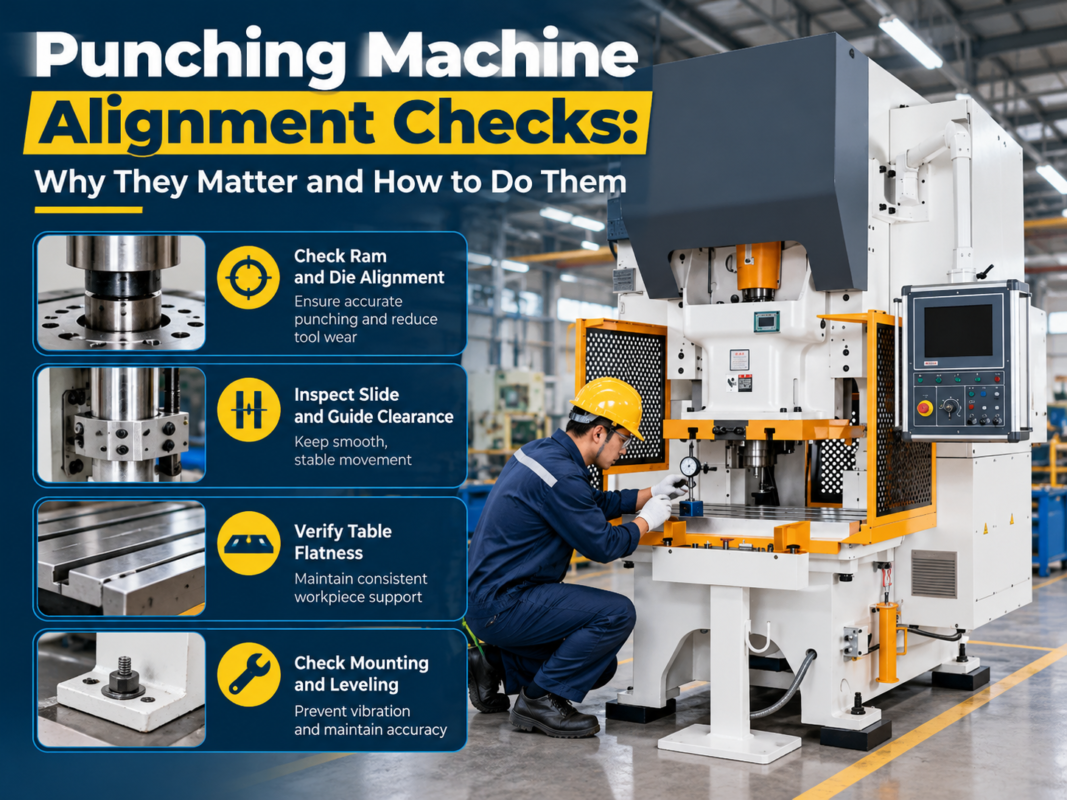
- Inspect Build Quality: Look for an O-frame or bridge-frame design. These are more rigid than C-frames, leading to better tool alignment and longer machine life.
- Verify After-Sales Support: A machine is only an asset if it’s running. Check the manufacturer’s reputation for technical support, spare parts availability, and technician response times.
- Test Drive with Your Parts: Send a sample drawing of your most complex part to the manufacturer. Ask them to provide a cycle time estimate and a sample of the finished part to verify quality.
Common Mistakes to Avoid
Even experienced shop owners fall into traps. One of the most frequent errors is under-speccing the machine. In an attempt to save $10,000, a buyer might choose a machine with a smaller turret or lower tonnage, only to find six months later that they cannot fulfill a lucrative contract because the machine lacks the necessary capacity.
Another mistake is ignoring the footprint. CNC punching machines require significant space, not just for the machine itself, but for the movement of the sheet and the safety zones around the equipment. Failing to plan your shop layout can lead to workflow bottlenecks and safety hazards.
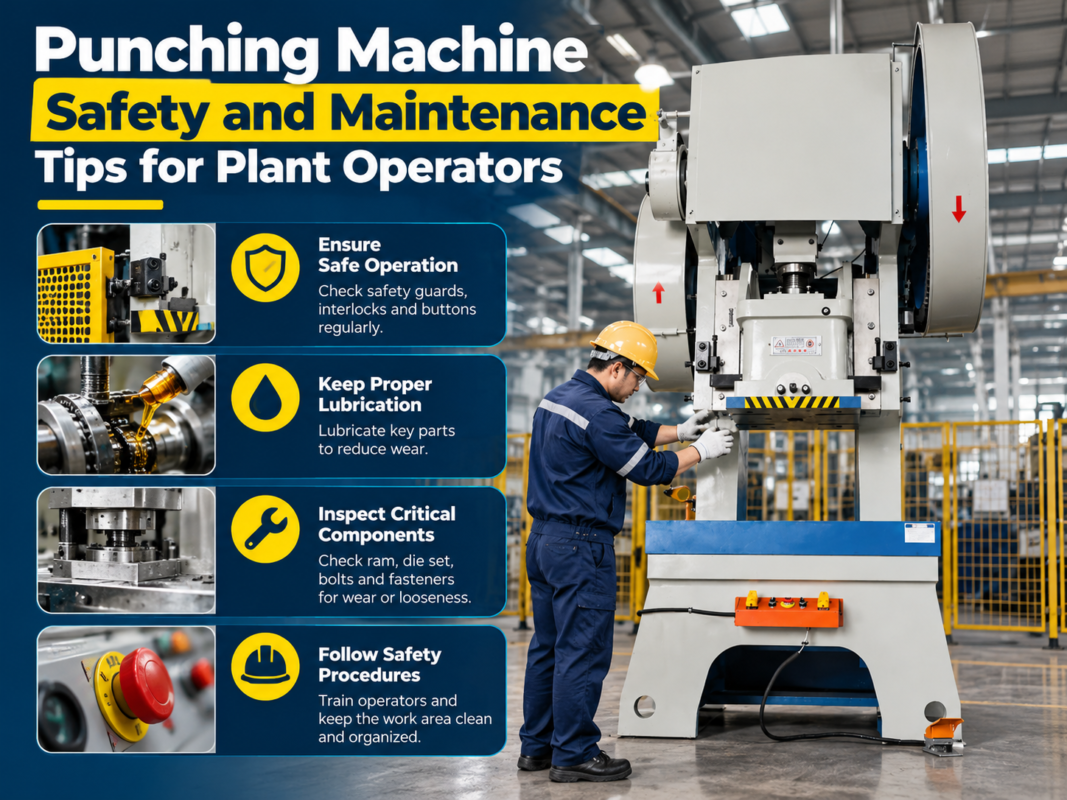
Finally, neglecting operator training is a recipe for disaster. A high-end servo-electric punch is a sophisticated piece of technology. If your operators are not properly trained on the control system and tooling maintenance, you will experience frequent crashes, broken tools, and suboptimal cycle times. Always include comprehensive training in your purchase agreement.
Technical Specifications Comparison
When comparing models, use a table to visualize the differences. This helps in identifying which machine offers the best value for your specific needs.
| Feature | Mechanical Press | Hydraulic CNC | Servo-Electric CNC |
|---|---|---|---|
| Precision | Low to Medium | High | Ultra-High |
| Energy Efficiency | Low | Medium | High |
| Maintenance Needs | High (Mechanical wear) | Medium (Oil/Filters) | Low (Direct Drive) |
| Noise Level | Very High | Medium | Low |
| Initial Cost | $ | $$ | $$$ |
Conclusion
Selecting the right punching machine is a pivotal moment for any fabrication business. By focusing on the long-term value, understanding the technical drivers of cost, and avoiding the common pitfalls of under-speccing or ignoring hidden expenses, you can ensure your investment pays dividends for years to come. HARSLE is committed to providing not just the machinery, but the expertise needed to help you navigate this complex decision. Remember, the goal of Punching Machine Selection : Avoid These Common Buying Mistakes is to find a machine that fits your current workflow while providing the headroom for future innovation.
FAQ: Frequently Asked Questions
1. What is the most common mistake in punching machine selection?
The most common mistake is focusing solely on the initial purchase price rather than the total cost of ownership, which includes energy, maintenance, and tooling costs.
2. How do I know if I need a servo-electric or hydraulic machine?
If you prioritize energy efficiency, low noise, and high precision for thin to medium materials, servo-electric is best. If you need maximum power for very thick materials at a lower initial cost, hydraulic may be more suitable.
3. Can I upgrade my turret capacity later?
Generally, no. The turret size and station count are fixed at the time of manufacture. It is always better to buy a machine with slightly more stations than you currently need.
4. How important is the nesting software?
Extremely important. Good nesting software can save 10-15% in material costs annually, which can often pay for the software license within the first few months of operation.
5. What maintenance is required for a CNC punching machine?
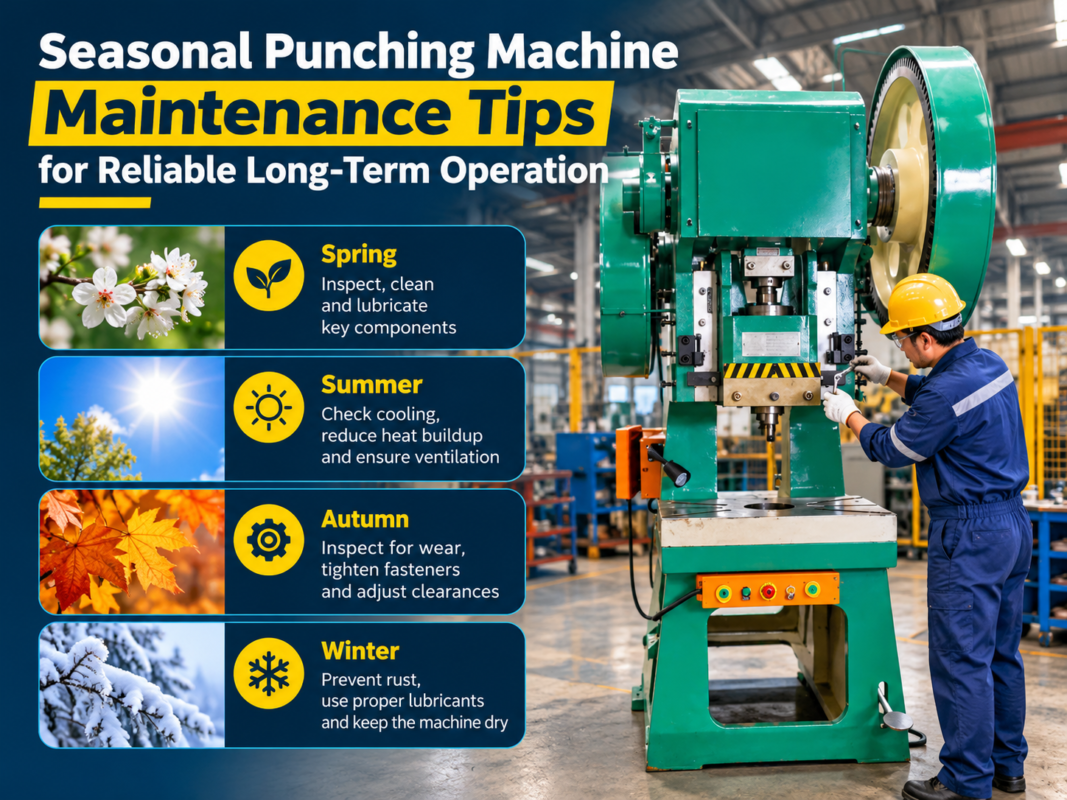
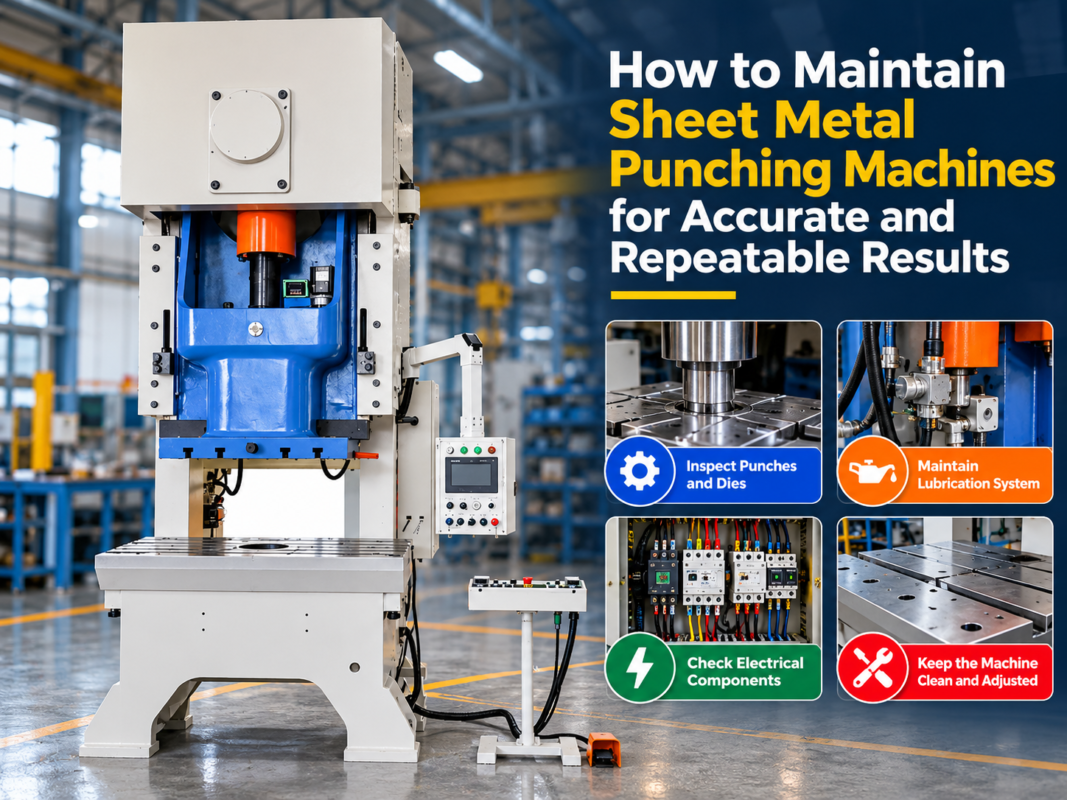
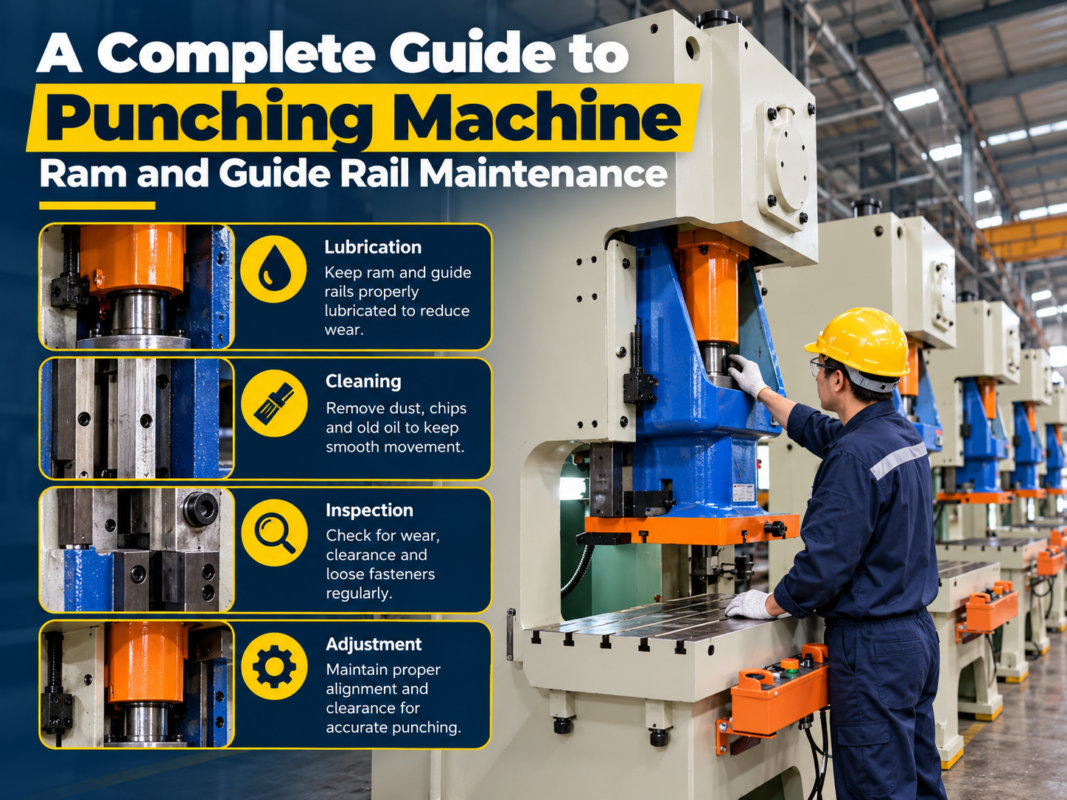
Regular maintenance includes lubricating the turret and X/Y axes, checking tool sharpness, cleaning the hydraulic oil (if applicable), and ensuring the cooling system is functioning correctly.