Hydraulic Iron Punching Machine vs CNC Punching Machine: What Buyers Should Know


Comparison Summary: Navigating the World of Metal Punching
In the modern metal fabrication landscape, choosing the right equipment is the difference between a profitable operation and a bottlenecked production line. When it comes to creating holes, notches, and shapes in metal, two primary technologies dominate the market: the Hydraulic Iron Punching Machine (often integrated into Ironworkers) and the CNC (Computer Numerical Control) Punching Machine. While both serve the fundamental purpose of punching through metal, their operational philosophies, precision levels, and production capacities are worlds apart.
A Hydraulic Iron Punching Machine is the workhorse of structural steel shops. It relies on hydraulic pressure to drive a punch through material, typically guided by a human operator. It is prized for its sheer power, versatility in handling thick materials, and its multi-functional nature. On the other hand, a CNC Punching Machine represents the pinnacle of automation and precision. By using computer-guided movements and automated tool changers, it can execute complex patterns on sheet metal with incredible speed and repeatability, requiring minimal manual intervention once the program is set.
For buyers, the decision isn’t just about price; it’s about the nature of the work. Are you punching heavy-duty structural beams for a bridge, or are you creating intricate perforated panels for high-end electronics? This guide will dissect the technical nuances, cost implications, and long-term maintenance requirements of both machine types to help you make an informed investment for your facility. At HARSLE, we understand that every workshop has unique needs, and whether you require the raw power of hydraulics or the surgical precision of CNC, understanding these differences is the first step toward operational excellence.
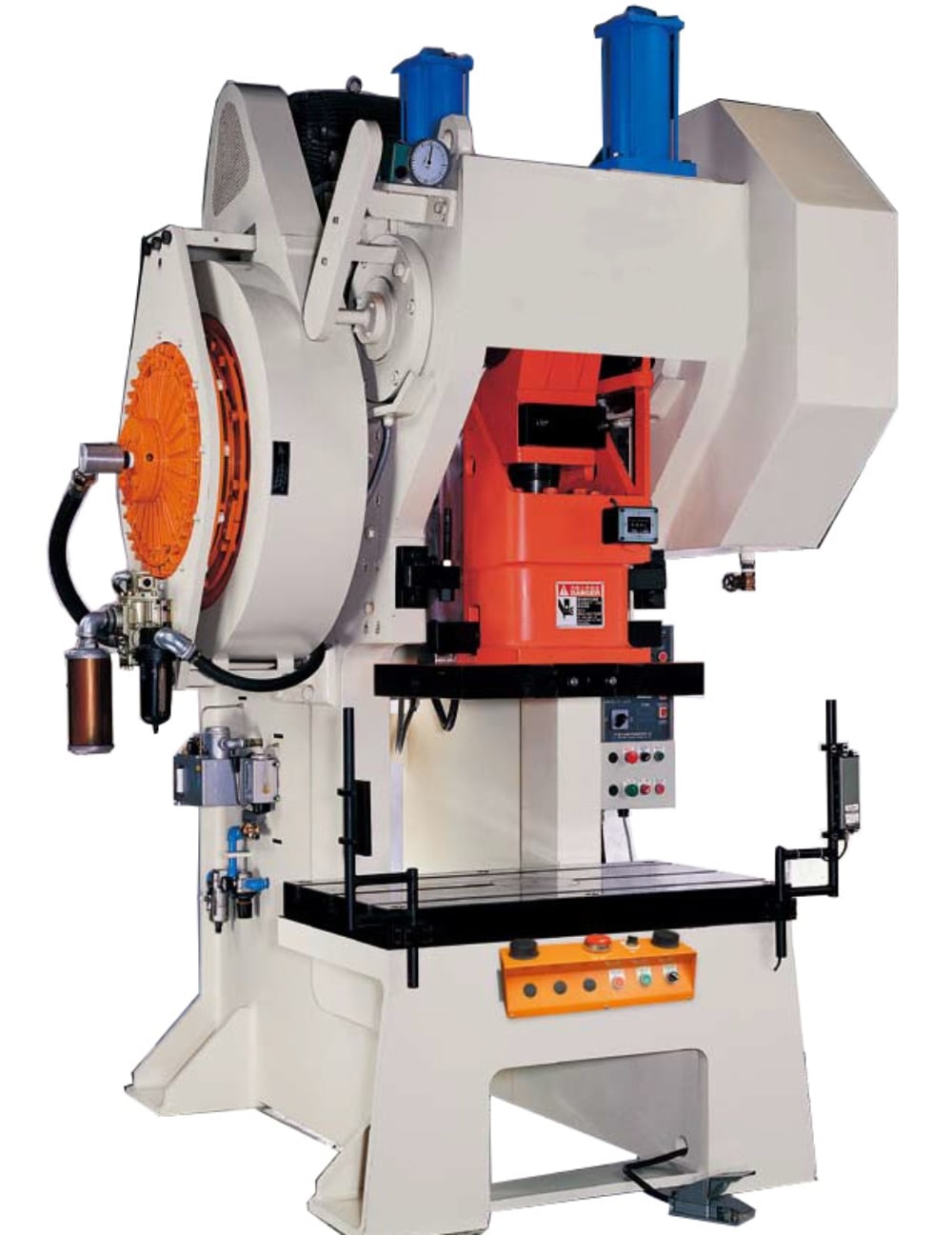
Hydraulic Iron Punching Machine Overview: The Powerhouse of the Shop
The Hydraulic Iron Punching Machine is a staple in industries that deal with heavy-duty structural steel, such as construction, shipbuilding, and heavy machinery manufacturing. These machines utilize a hydraulic cylinder to generate massive amounts of force, which is then directed through a punch and die set. The primary characteristic of these machines is their “manual” or “semi-automatic” nature. The operator typically positions the workpiece against a backgauge or a marked line and activates the stroke via a foot pedal.
One of the greatest advantages of the hydraulic iron punching machine is its ability to handle thick materials. While CNC machines are often optimized for sheet metal, a hydraulic ironworker can easily punch through 20mm, 25mm, or even thicker steel plates. Furthermore, these machines are often part of a multi-function unit known as an “Ironworker,” which includes stations for shearing flat bars, cutting angles, notching, and bending. This makes them an incredibly space-efficient and cost-effective solution for shops that need to perform various fabrication tasks on heavy sections.
From a technical standpoint, hydraulic punching machines are relatively simple. They consist of a hydraulic pump, valves, a cylinder, and a rigid frame. This simplicity translates to high durability and ease of repair. Because they do not rely on complex software or sensitive electronic sensors for every movement, they can operate in harsh environments—such as dusty construction sites or unheated warehouses—where more delicate machinery might struggle. However, the trade-off is speed and precision. The accuracy of the punch is largely dependent on the operator’s skill in positioning the material, and the cycle time is limited by the manual handling of each part.
For small to medium-sized fabrication shops focusing on custom structural work, the hydraulic iron punching machine offers an unbeatable ROI. It requires less specialized training to operate compared to CNC equipment and has a much lower initial purchase price. It is the ideal tool for “one-off” jobs or small batches where the time spent programming a CNC machine would exceed the time spent manually punching the holes.
CNC Punching Machine Overview: Precision and Automation
The CNC Punching Machine is the evolution of metal fabrication, designed for high-volume production and complex geometries. Unlike its hydraulic counterpart, the CNC machine moves the workpiece automatically using a high-speed X-Y axis table. The machine’s brain—the CNC controller—reads a CAD/CAM file and executes a series of punches with sub-millimeter accuracy. This eliminates human error in positioning and allows for the creation of intricate patterns, such as louvers, ribs, and complex perforated designs, that would be impossible to achieve manually.
CNC punching machines often feature a “turret” or a linear tool changer. A turret can hold dozens of different tools simultaneously, allowing the machine to switch from a small round punch to a large square notch in seconds without stopping the production cycle. This versatility makes the CNC punch exceptionally efficient for sheet metal processing. While the hydraulic ironworker is a master of thickness, the CNC punch is the master of complexity and speed. Modern CNC machines can reach hit rates of several hundred strokes per minute, making them essential for mass production environments.
The integration of software is what truly sets the CNC punching machine apart. Nesting software allows manufacturers to arrange parts on a single sheet of metal to minimize waste, significantly reducing material costs over time. Additionally, the ability to save programs means that a job performed six months ago can be reloaded and executed with identical results today. This repeatability is a cornerstone of modern quality control standards, such as ISO 9001, where consistency is paramount.
However, the CNC punching machine comes with a higher level of complexity. It requires a clean, stable environment and a skilled operator who understands G-code or specialized CAM software. The initial investment is significantly higher than a hydraulic machine, and the maintenance involves not just mechanical components but also electronic servos, optical sensors, and software updates. Despite these requirements, for businesses scaling up their production or entering markets like telecommunications, HVAC, or automotive components, the CNC punching machine is a necessary leap forward.
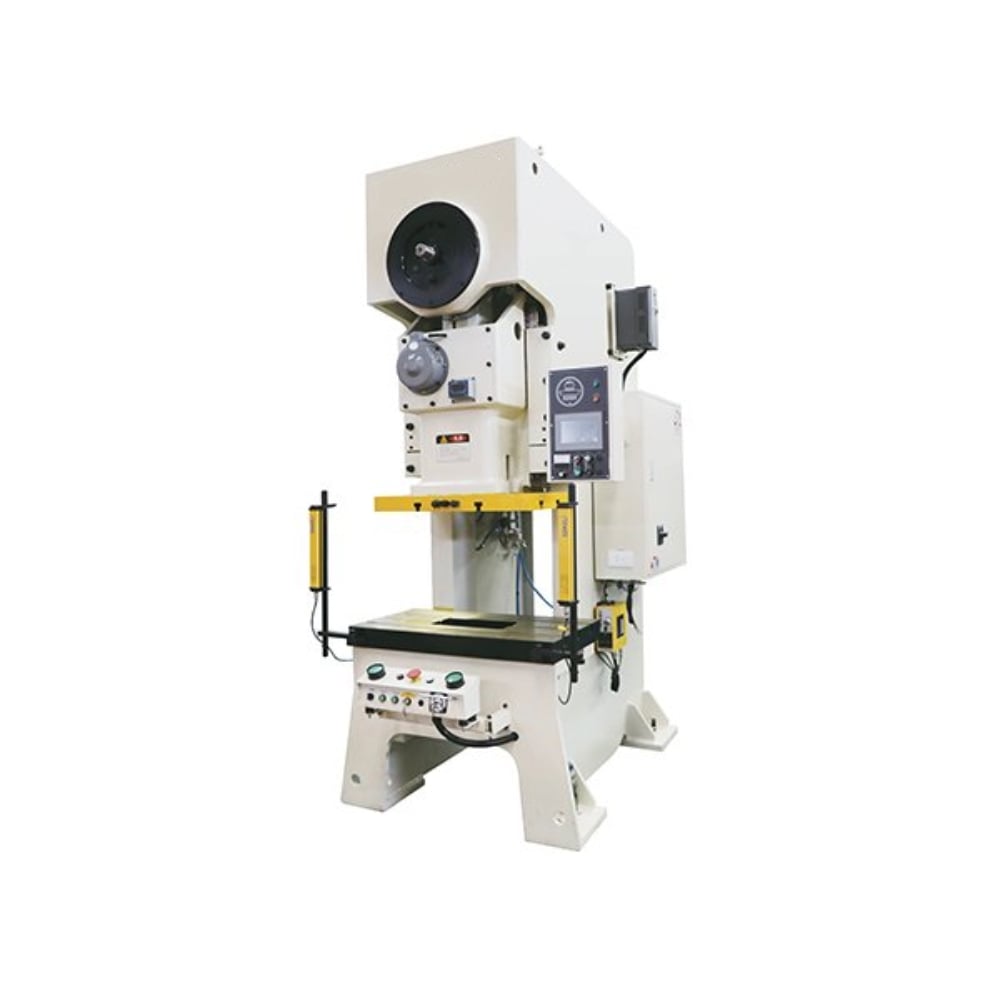
Specification Comparison Table
To better understand the fundamental differences, let’s look at a side-by-side comparison of the typical specifications and capabilities of these two machine types.
| Feature | Hydraulic Iron Punching Machine | CNC Punching Machine |
|---|---|---|
| Operation Mode | Manual / Semi-Automatic | Fully Automated (CNC) |
| Material Thickness | High (up to 30mm+) | Low to Medium (typically up to 6mm) |
| Positioning Accuracy | +/- 0.5mm to 1.0mm (Operator dependent) | +/- 0.1mm or better |
| Production Speed | Slow (Manual handling) | Very High (Automated X-Y movement) |
| Tooling | Single station (Manual change) | Multi-tool Turret (Auto change) |
| Complexity of Shapes | Simple holes and notches | Complex patterns, louvers, and forming |
| Initial Cost | Low to Moderate | High to Very High |
| Space Requirement | Compact (Multi-function) | Large (Requires X-Y table clearance) |
Best-fit Applications: Choosing Based on Your Industry
The choice between a hydraulic iron punching machine and a CNC punching machine is often dictated by the specific industry and the type of products being manufactured. Understanding where each machine excels will prevent you from over-investing in unnecessary technology or under-equipping your shop for demanding tasks.
When to Choose a Hydraulic Iron Punching Machine
Hydraulic machines are the kings of the structural world. If your business involves building steel frames for warehouses, manufacturing agricultural equipment, or fabricating heavy-duty trailers, the hydraulic ironworker is your best friend. These applications often require punching large diameter holes in thick angle iron, channels, or I-beams. The precision required is usually within a millimeter, which is easily achievable with a standard backgauge system. Furthermore, the ability to shear and notch on the same machine saves significant floor space and reduces the need for multiple standalone machines.
When to Choose a CNC Punching Machine
CNC machines are designed for the sheet metal industry. If you are manufacturing electrical enclosures, kitchen equipment, office furniture, or decorative architectural panels, the CNC punch is indispensable. These products often require hundreds of small holes, complex cutouts for connectors, and forming operations like countersinking or embossing. The CNC machine can handle these tasks in a single setup. If your production runs involve hundreds or thousands of identical parts, the automation of a CNC machine will drastically reduce your labor costs per part and ensure that every piece is identical.
Cost and Maintenance Comparison
The total cost of ownership (TCO) involves more than just the sticker price. It includes energy consumption, tooling, labor, and maintenance over the machine’s lifespan.
Initial Investment and Labor Costs
A hydraulic iron punching machine is significantly more affordable upfront. A high-quality HARSLE hydraulic ironworker might cost a fraction of a high-end CNC turret punch. Additionally, the labor cost for a hydraulic machine is different; while it requires more physical effort, it doesn’t require a specialized programmer. Conversely, the CNC machine requires a higher initial capital outlay and a more expensive, technically skilled operator. However, the CNC machine offsets this by producing parts much faster, effectively lowering the “cost per hole” in high-volume scenarios.
Tooling and Consumables
Tooling for hydraulic machines is generally larger, heavier, and more robust, but also simpler and cheaper to replace. CNC tooling is precision-engineered and often requires specialized coatings to handle high-speed punching. Because CNC machines perform thousands of hits per hour, the tools wear down faster and require regular sharpening or replacement. However, many CNC machines feature automated tool lubrication systems that extend tool life, a feature rarely found on basic hydraulic units.
Maintenance Requirements
Maintenance for a hydraulic iron punching machine focuses on the hydraulic system: checking oil levels, replacing filters, and ensuring seals are not leaking. The mechanical pivots and slides require regular greasing. It is a “low-tech” maintenance routine that most shop mechanics can handle. CNC machines require a more sophisticated maintenance schedule. In addition to hydraulic or servo maintenance, the electronic control system must be kept clean and cool. The X-Y axis rails and ball screws require precise lubrication and periodic alignment checks to maintain accuracy. Software must be updated, and backups of machine parameters are essential to prevent downtime in case of an electronic failure.
Recommendation: How to Make the Final Decision
Choosing between these two machines requires a cold, hard look at your current production and your five-year growth plan. Here is a quick decision matrix to guide your purchase:
- Choose a Hydraulic Iron Punching Machine if: Your material is consistently thicker than 6mm; you perform a variety of tasks like shearing and notching; your production volumes are low to medium; or you have a limited budget and need a versatile, rugged machine.
- Choose a CNC Punching Machine if: You work primarily with sheet metal (under 6mm); you need high precision and repeatability; your parts have complex geometries or many holes; you are looking to reduce labor costs through automation; or you have high-volume production runs.
At HARSLE, we often recommend that growing shops start with a high-quality hydraulic ironworker to handle their foundational structural needs. As the business expands into more refined sheet metal work or higher volumes, adding a CNC punching machine becomes the logical next step. Having both machines in a shop provides the ultimate flexibility, allowing you to take on any job that comes through the door, regardless of thickness or complexity.
Frequently Asked Questions (FAQ)
1. Can a CNC punching machine handle thick steel plates?
Generally, no. Most CNC turret punching machines are optimized for sheet metal up to 6mm thick. While some heavy-duty CNC models can handle up to 10mm, they are not designed for the 20mm+ thicknesses that a hydraulic ironworker can easily process. Attempting to punch very thick material on a CNC machine not designed for it can damage the turret and the sensitive X-Y drive system.
2. Is it hard to learn how to program a CNC punching machine?
Modern CNC controllers and CAM software have become very user-friendly. Most operators with a basic understanding of computers and metalworking can learn the basics within a week. However, mastering efficient nesting and complex forming operations takes more experience. Many manufacturers, including HARSLE, provide training and support to help new owners get up to speed quickly.
3. Which machine is safer to operate?
Both machines are safe when operated according to manufacturer guidelines. CNC machines are inherently safer during the actual punching process because the operator is usually standing at the control console, away from the moving parts. Hydraulic ironworkers require the operator to be closer to the machine to hold the material, but they are equipped with safety guards and emergency stop pedals to minimize risk.
4. How long do these machines typically last?
With proper maintenance, both types of machines can last 15 to 20 years or more. Hydraulic machines tend to have a longer physical lifespan because of their simple construction. CNC machines may face “technological obsolescence” sooner as software and electronic components evolve, but the mechanical frame and drive systems are built for long-term industrial use.
5. Can I upgrade a manual hydraulic machine to CNC later?
While there are some aftermarket CNC gauging systems that can be added to hydraulic ironworkers to automate the positioning of the material, you cannot easily convert a standard hydraulic ironworker into a full-featured CNC turret punch. The frame designs and drive mechanisms are fundamentally different. It is usually more cost-effective to buy the machine that fits your needs from the start.