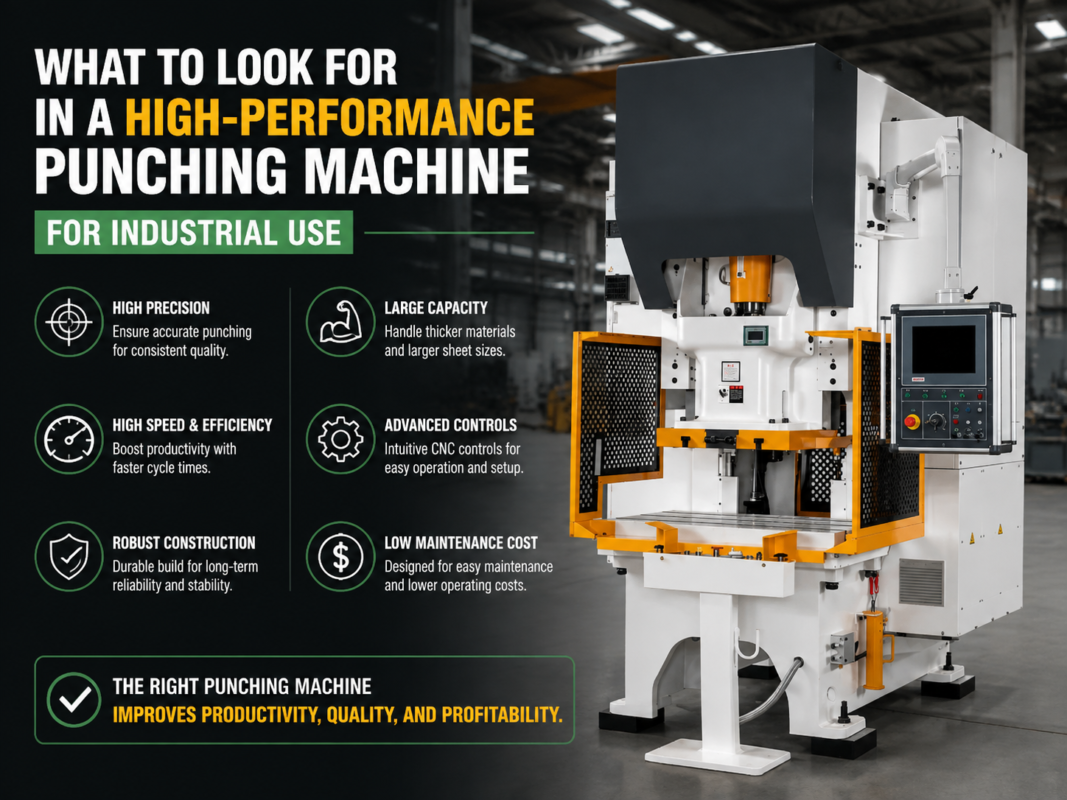
Industrial Punching Machine Applications for Mass Production Lines: A Comprehensive Guide


Introduction to Industrial Punching Machine Applications for Mass Production Lines
In the modern manufacturing landscape, the demand for high-speed, high-precision, and cost-effective production has never been greater. Industrial punching machines stand at the heart of this evolution, serving as the backbone for countless mass production lines across the globe. From the intricate components found in smartphones to the heavy-duty structural elements of automobiles, industrial punching machine applications for mass production lines are diverse and indispensable. These machines are designed to perform repetitive tasks with surgical precision, ensuring that every part produced meets rigorous quality standards while maintaining a pace that manual labor simply cannot match.
HARSLE has long been a pioneer in developing advanced punching solutions that cater to the rigorous demands of high-volume manufacturing. By integrating cutting-edge CNC technology with robust mechanical engineering, modern punching machines have transitioned from simple hole-punching tools to multi-functional fabrication centers. They can now perform punching, forming, tapping, and even slight bending within a single cycle. This versatility is what makes them the preferred choice for industries looking to optimize their throughput and minimize waste. In this guide, we will explore the technical nuances, application areas, and selection criteria for these powerful machines.
The shift toward Industry 4.0 has further enhanced the capabilities of industrial punching machines. Today’s mass production lines are often fully automated, featuring robotic loading and unloading systems that work in tandem with the punching press. This synergy reduces downtime and significantly lowers the margin for human error. As we delve deeper into the specific applications and technical details, it becomes clear that the investment in a high-quality punching machine is not just an equipment purchase, but a strategic move toward long-term manufacturing excellence.
Key Considerations for Mass Production Environments
When integrating industrial punching machine applications for mass production lines, several critical factors must be addressed to ensure maximum efficiency. The first and perhaps most important consideration is the cycle time. In a mass production setting, even a fraction of a second saved per stroke can translate into thousands of additional units produced over a month. High-speed punching machines are engineered with low-inertia drive systems and rapid-response hydraulics to achieve the highest possible strokes per minute (SPM) without compromising accuracy.
Another vital consideration is tool durability and management. Mass production involves running the machine for multiple shifts, often 24/7. This puts immense stress on the punching dies and punches. Utilizing high-grade tool steel and implementing advanced coating technologies can extend tool life, but the machine itself must also feature precise alignment systems to prevent premature wear. Many HARSLE machines incorporate automatic tool changers and monitoring systems that alert operators when a tool is nearing the end of its service life, preventing unexpected breakdowns and defective parts.
Material handling is the third pillar of efficient mass production. A punching machine is only as fast as the system that feeds it. For mass production lines, coil feeding systems or automated sheet loaders are essential. These systems ensure a continuous flow of material into the work zone, allowing the machine to operate at its peak capacity. Furthermore, scrap management must be integrated into the line. Efficiently removing the ‘slugs’ or waste material prevents jams and maintains a clean working environment, which is crucial for both safety and machine longevity.
Finally, energy efficiency has become a top priority for modern factories. Traditional mechanical presses can be energy-intensive, but the advent of servo-driven punching machines has revolutionized the industry. Servo systems only consume significant power during the actual punching stroke, leading to substantial energy savings in high-volume environments. When calculating the Return on Investment (ROI) for a mass production line, these operational savings often justify the higher initial cost of advanced servo technology.
Technical Details of Modern Punching Systems
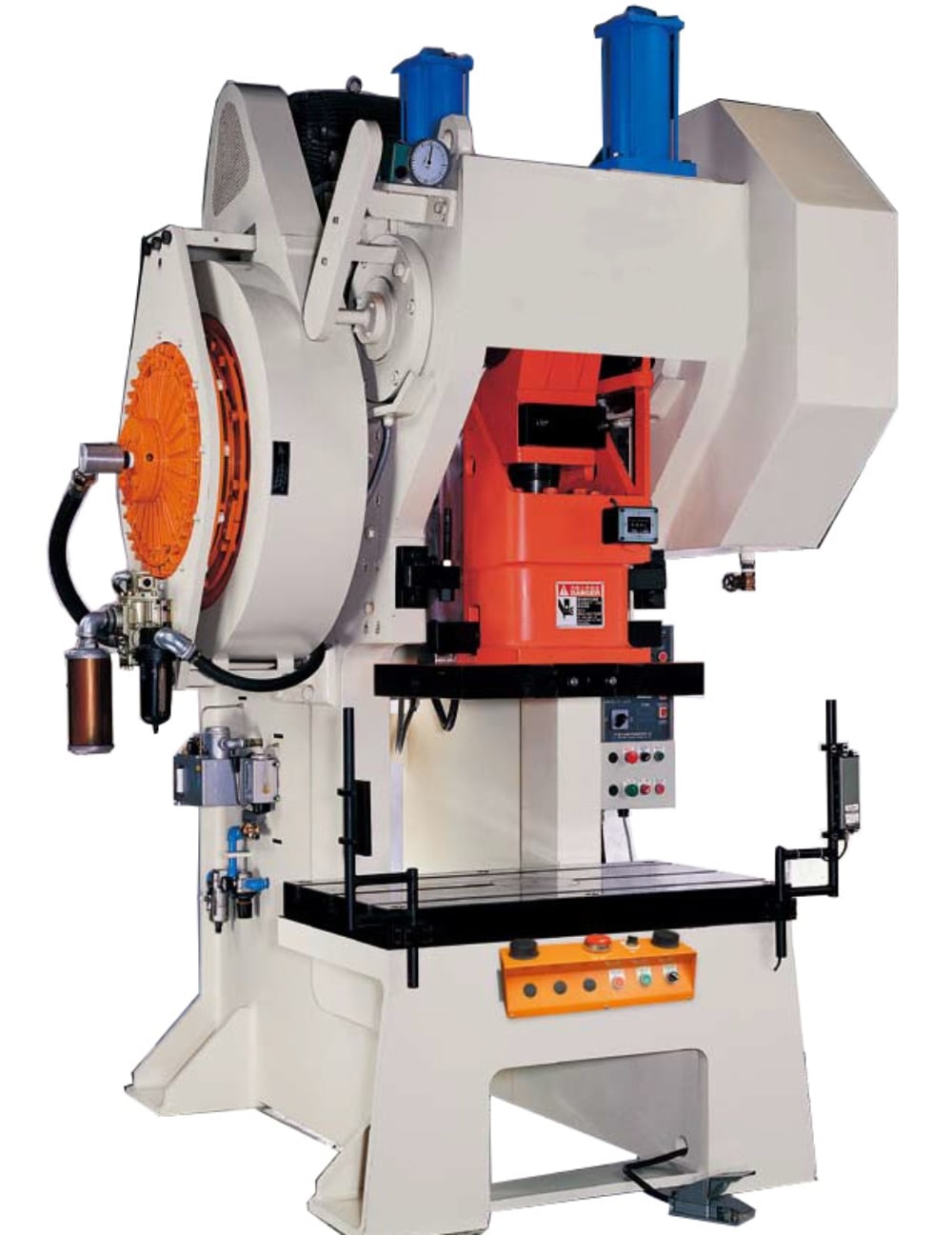
Drive Mechanisms: Mechanical, Hydraulic, and Servo
The drive mechanism is the heart of the punching machine. Mechanical presses, known for their high speed and reliability, use a flywheel and crankshaft to deliver the punching force. They are ideal for simple, high-speed blanking operations. Hydraulic presses, on the other hand, offer full tonnage throughout the entire stroke, making them better suited for deep forming or working with thicker materials. However, the industry is rapidly moving toward Servo-Electric drives. Servo presses combine the speed of mechanical systems with the flexibility of hydraulics, allowing for programmable stroke profiles that can optimize the punching process for different materials and thicknesses.
CNC Control and Software Integration
Modern industrial punching machine applications for mass production lines rely heavily on sophisticated CNC (Computer Numerical Control) systems. These controllers manage everything from the positioning of the sheet to the timing of the punch. Advanced software allows for ‘nesting,’ which is the process of arranging parts on a sheet of metal to minimize waste. In a mass production context, saving just 2% of material through better nesting can result in massive cost savings over time. Furthermore, CNC systems can store thousands of programs, allowing for quick changeovers between different part designs, which is essential for ‘just-in-time’ manufacturing models.
Tonnage and Bed Size
The capacity of a punching machine is measured in tonnage—the amount of force it can exert. For mass production, selecting the correct tonnage is a balance between the thickest material you intend to punch and the speed you require. Over-speccing a machine can lead to unnecessary energy costs, while under-speccing can lead to machine fatigue and failure. Bed size is equally important; it determines the maximum sheet size the machine can handle. Large-format machines allow for more parts to be punched from a single sheet, reducing the frequency of material loading cycles and increasing overall efficiency.
Turret vs. Single Station Designs
In the realm of CNC punching, the turret design is the gold standard for versatility. A turret holds dozens of different tools that can be rotated into position in milliseconds. This is perfect for complex parts that require multiple hole sizes and shapes. For extremely high-volume production of a single, simple part, a dedicated single-station press with a progressive die might be more efficient. However, for most modern industrial applications, the flexibility of a turret punch press provides the best balance of speed and adaptability.
Industry-Specific Applications
Automotive Industry
The automotive sector is one of the largest users of industrial punching machine applications for mass production lines. Thousands of small brackets, heat shields, and structural reinforcements are produced daily. These parts require high repeatability and must adhere to strict safety standards. Punching machines in this sector often work with high-strength steels and aluminum alloys, requiring robust machines with precise pressure control to avoid material cracking or deformation.
Electronics and Telecommunications
In the electronics industry, punching machines are used to create chassis for servers, enclosures for consumer electronics, and intricate internal components. These applications often involve thin materials and require extremely high precision to ensure that ports, fans, and circuit boards fit perfectly. High-speed turret punches are ideal here, as they can quickly switch between small-diameter punches for screw holes and larger tools for ventilation grilles.
Appliance Manufacturing (White Goods)
Washing machines, refrigerators, and ovens are composed of large sheet metal panels that require numerous holes and forms. Mass production lines for appliances utilize large-bed punching machines that can handle the expansive sheets used for outer casings. The ability to perform ‘forming’ operations—such as creating louvers for ventilation or offsets for assembly—on the same machine that punches the holes is a major advantage in this industry, reducing the need for secondary processing steps.
HVAC and Construction
The HVAC industry relies on punching machines for the production of ductwork, vent covers, and air conditioner housings. These parts are often produced in high volumes but may require frequent design adjustments based on building specifications. The programmable nature of CNC punching allows HVAC manufacturers to switch between different designs rapidly. In construction, punching machines are used to create perforated metal panels for architectural facades and structural connectors for steel framing.
Selection Advice for Industrial Punching Machines
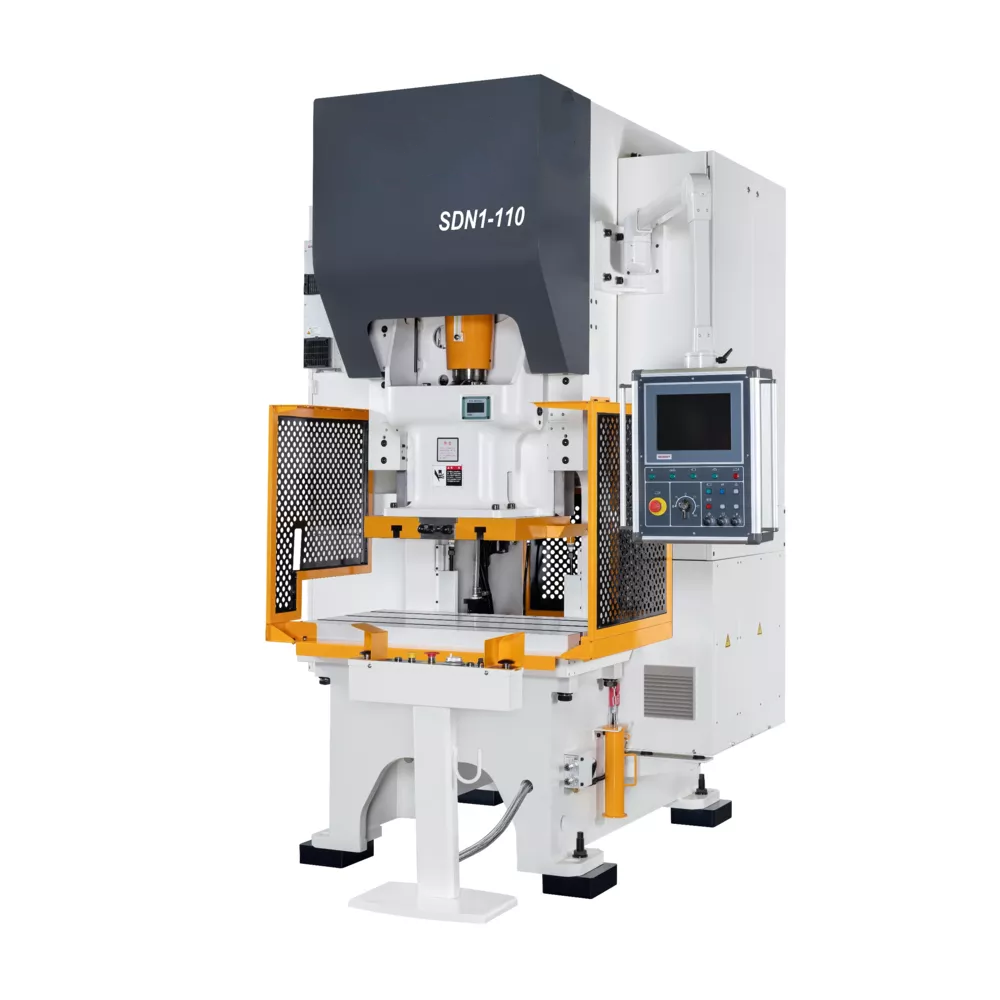
Choosing the right machine for industrial punching machine applications for mass production lines requires a deep dive into your specific production goals. The first step is to analyze your material mix. If you primarily work with thin-gauge stainless steel, you will need a machine with high precision and specialized tooling to prevent burrs. If you are working with thick carbon steel, tonnage and frame rigidity become the primary concerns. HARSLE recommends always choosing a machine with a tonnage rating at least 20% higher than your maximum calculated requirement to ensure long-term reliability.
Consider the level of automation required. For a true mass production line, manual loading is rarely viable. Look for machines that offer seamless integration with automatic sheet loaders, part stackers, and scrap conveyors. The goal is to create a ‘lights-out’ manufacturing capability where the machine can operate with minimal human intervention for extended periods. Additionally, evaluate the software ecosystem. Is the machine’s controller compatible with your existing CAD/CAM software? Can it provide real-time data on production metrics and machine health?
Support and maintenance are often overlooked during the initial purchase but are critical for mass production. A machine that is down for a week due to a lack of spare parts can cost a manufacturer hundreds of thousands of dollars in lost revenue. Choose a manufacturer like HARSLE that has a proven track record of global support and readily available components. Furthermore, look for features that simplify maintenance, such as automatic lubrication systems and easy-access tool turrets. A well-maintained machine will not only last longer but will also produce more consistent parts throughout its lifespan.
Maintenance and Safety in High-Volume Punching
Maintenance in a mass production environment must be proactive rather than reactive. A scheduled maintenance program is essential. This includes daily checks of lubrication levels, weekly inspections of hydraulic seals (if applicable), and monthly calibration of the CNC axes. Tooling maintenance is equally important; dull punches require more force, which puts unnecessary strain on the machine and results in poor-quality parts. Implementing a tool-sharpening schedule based on hit counts is a best practice in high-volume shops.
Safety is paramount when dealing with high-speed industrial machinery. Modern punching machines are equipped with light curtains, emergency stop buttons, and interlocking guards that prevent the machine from operating if a person enters the work zone. In a mass production line, where speed is high and distractions can occur, these safety features must never be bypassed. Operators should be thoroughly trained not only on how to run the machine but also on how to identify early signs of mechanical wear or electrical issues that could lead to safety hazards.
Noise reduction is another aspect of safety and workplace comfort. High-speed punching is inherently noisy. Many modern machines feature sound-dampening enclosures and vibration-isolating mounts. Not only does this protect the hearing of workers, but it also prevents the vibrations from the punching process from affecting the accuracy of nearby sensitive equipment, such as laser cutters or CMM measuring machines.
Frequently Asked Questions (FAQ)
1. What is the difference between a CNC punching machine and a traditional power press?
A traditional power press is typically used with a specific set of dies to produce one specific part at high speeds. It is excellent for extremely high volumes of a single design. A CNC punching machine, however, uses a variety of tools and a programmable table to move the sheet metal. This allows it to create complex patterns and different parts without needing custom-made die sets for every design, offering much greater flexibility for modern production lines.
2. How do I calculate the tonnage required for my punching application?
The required tonnage is calculated based on the perimeter of the hole, the thickness of the material, and the shear strength of the material. The formula is: Tonnage = (Perimeter x Thickness x Shear Strength) / 2000 (for US tons). It is always advisable to add a safety factor of 20-30% to this result to ensure the machine is not constantly running at its absolute limit.
3. Can industrial punching machines handle non-metallic materials?
Yes, while they are primarily used for metal, industrial punching machines can be used for plastics, composites, and even certain types of heavy-duty rubber or fiberboard. However, the tooling and cutting clearances must be specifically adjusted for these materials to prevent cracking or tearing.
4. What are the benefits of a servo-driven punching machine over a hydraulic one?
Servo-driven machines offer higher energy efficiency, as they only use power during the stroke. They also provide much better control over the punch speed and position, allowing for quieter operation and the ability to perform complex forming tasks that are difficult for standard hydraulic presses. Additionally, they have fewer components like valves and seals, which can reduce long-term maintenance needs.
5. How often should I sharpen my punching tools?
The frequency of sharpening depends on the material being punched and the tool quality. For example, punching stainless steel will dull tools much faster than aluminum. Most modern CNC machines have a ‘hit counter’ that tracks how many times each tool has been used. Manufacturers usually provide a recommended hit count for sharpening, but a general rule is to inspect tools every 50,000 to 100,000 hits.
Conclusion
Industrial punching machine applications for mass production lines are a cornerstone of modern manufacturing, providing the speed, precision, and versatility required to compete in a global market. Whether it is the automotive, electronics, or construction industry, these machines enable the efficient creation of complex components that define our modern world. By understanding the technical details—from drive mechanisms to CNC integration—and following a rigorous selection and maintenance process, manufacturers can ensure their production lines remain productive and profitable for years to come.
As technology continues to advance, we can expect even greater integration of AI and IoT in punching systems, further optimizing material usage and predicting maintenance needs before they cause downtime. HARSLE remains committed to leading this charge, providing the industry with the tools needed to turn raw metal into the products of tomorrow. Investing in a high-quality industrial punching machine is more than just an upgrade; it is a commitment to quality and efficiency that will pay dividends across every part produced on the line.